


Find auto parts that fit
Let’s search for parts that fit your vehicle.Bumper Covers & Guards in Bumpers & Bumper Accessories








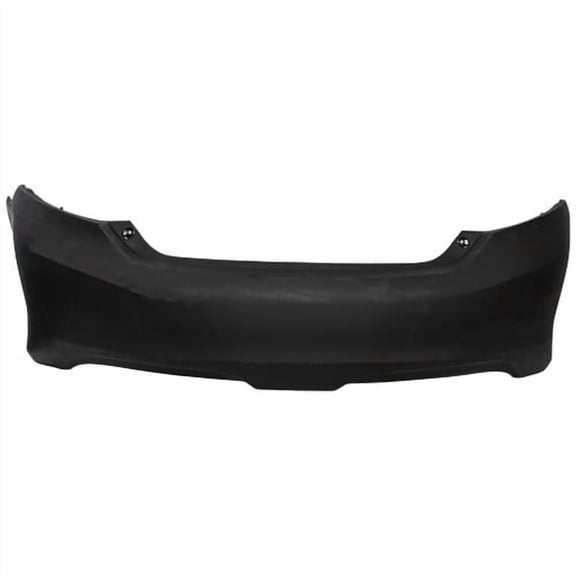
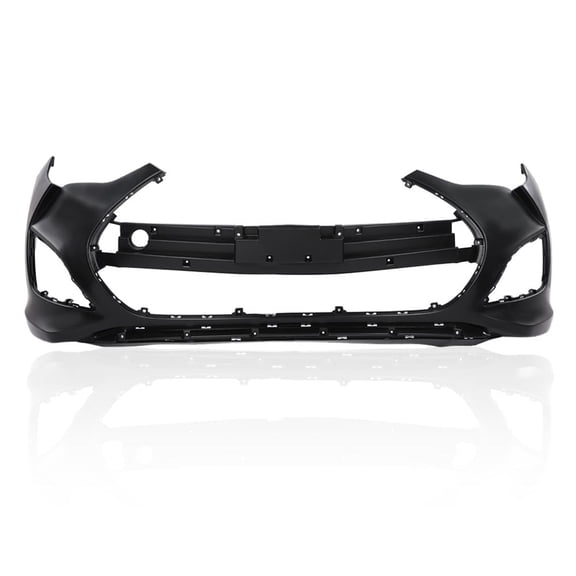
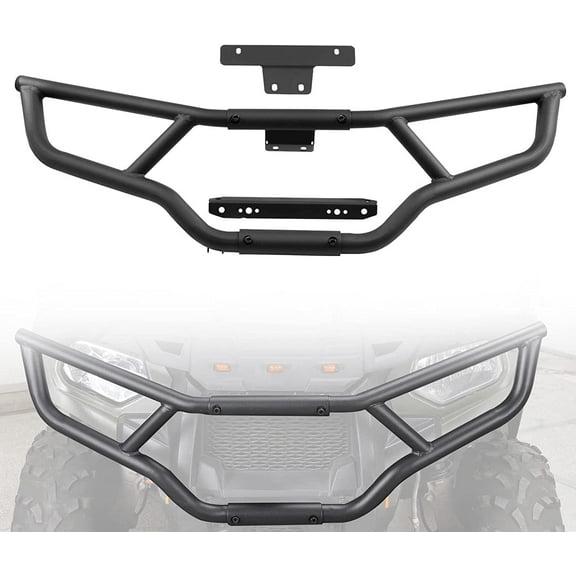


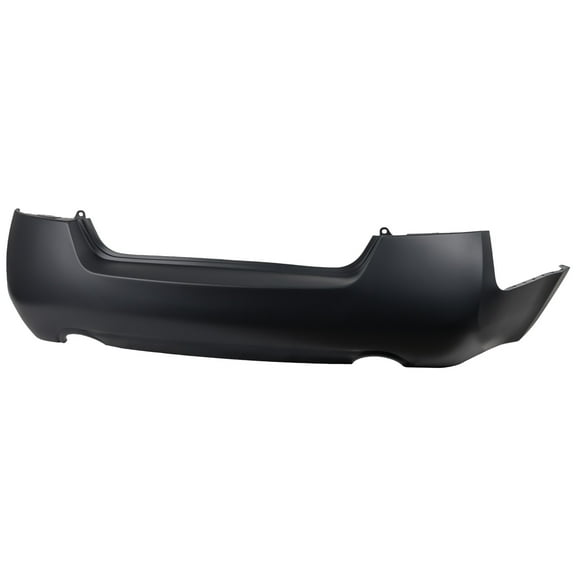
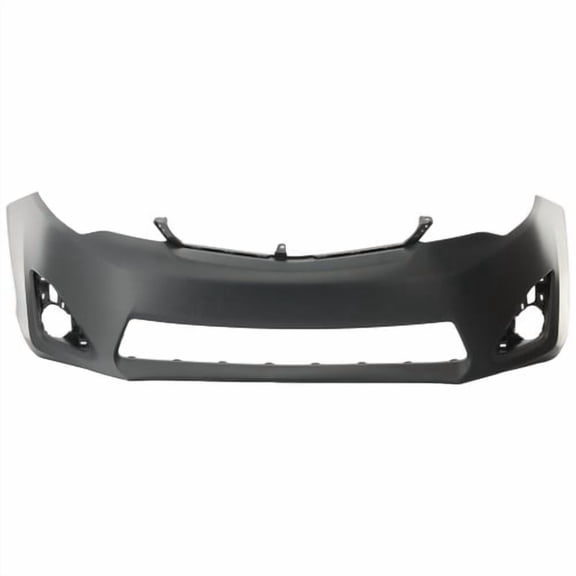


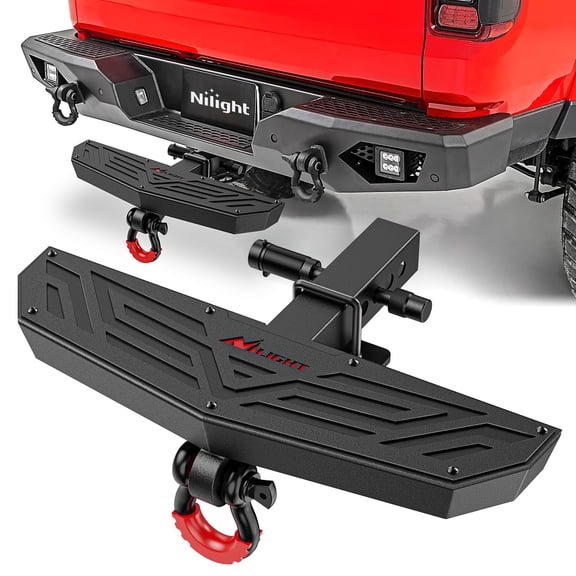

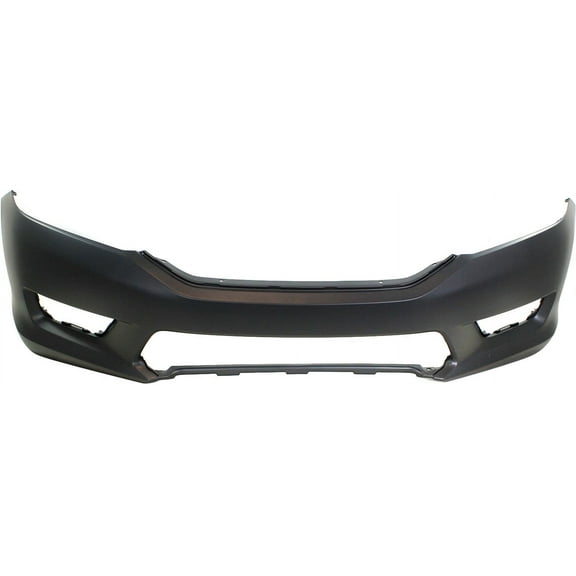
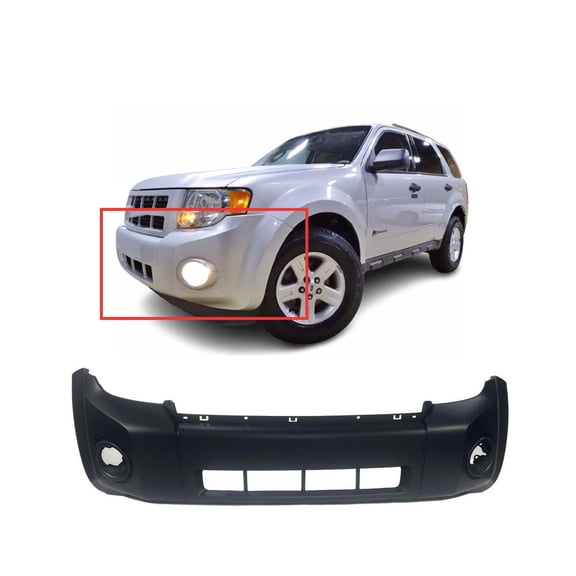



About Bumper Covers & Guards in Bumpers & Bumper Accessories - Walmart.com
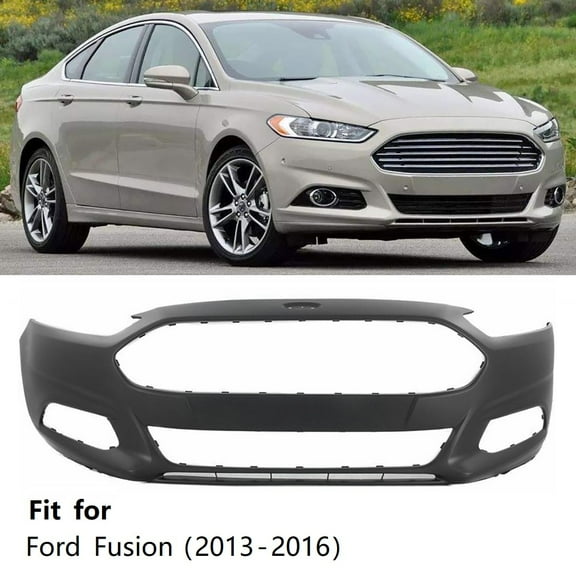
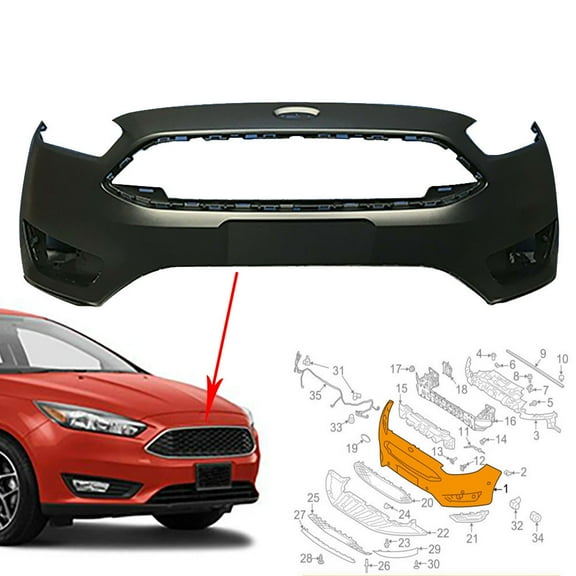
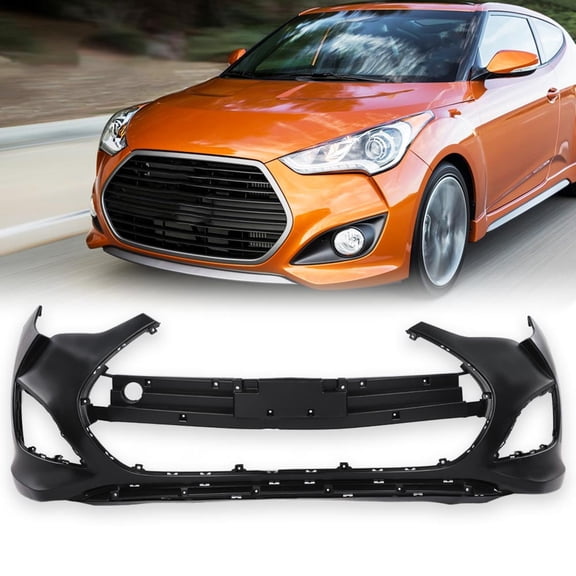
Bumper covers help you restore your vehicle’s look and fit while matching the front or rear layout your build requires. You can compare replacement styles, protector formats, and fitment details that matter for daily driving, parking sensors, and custom upgrades.
How to choose bumper covers by placement
When you compare bumper covers, you should start with placement because your vehicle needs the correct front, rear, left, or right orientation. You’ll get a cleaner fit when your cover matches your body lines, trim openings, and mounting points.
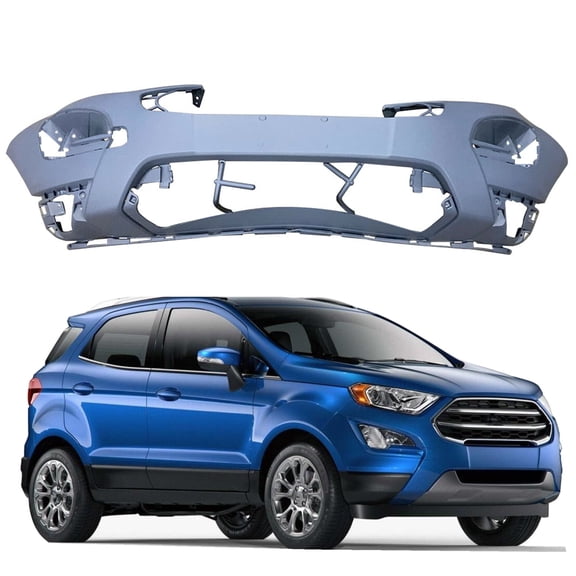
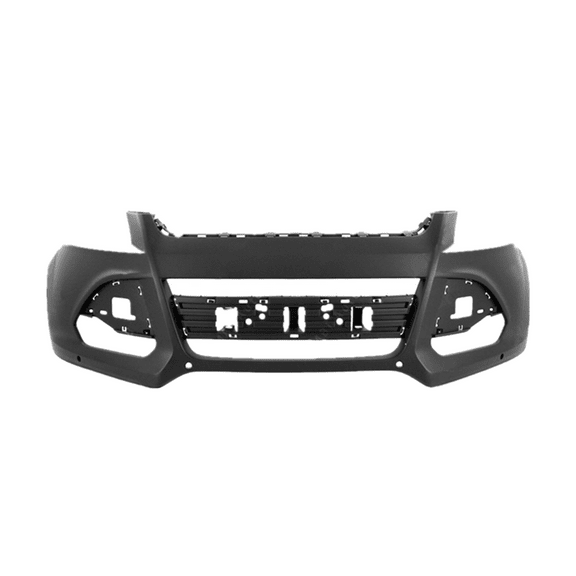
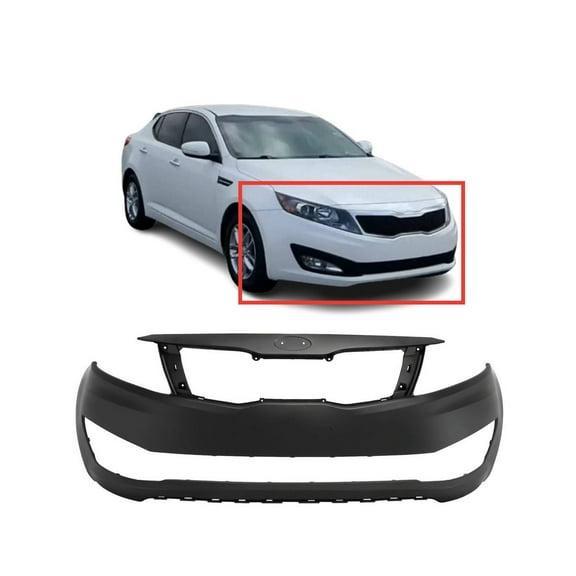
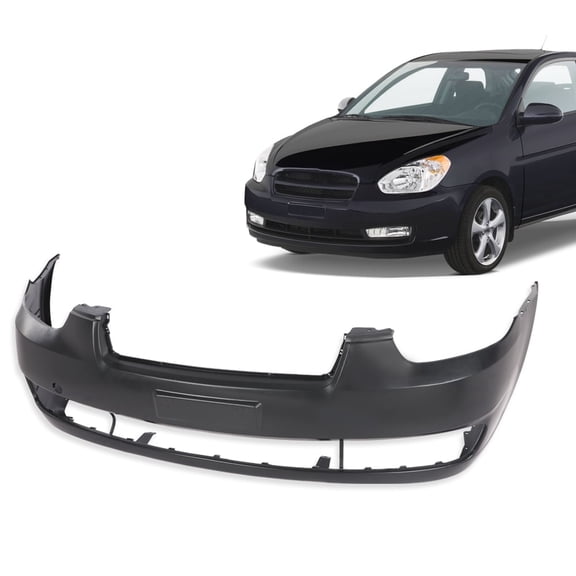
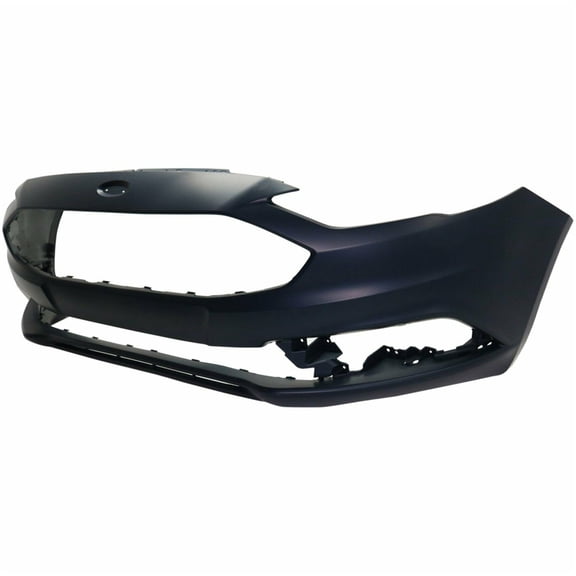
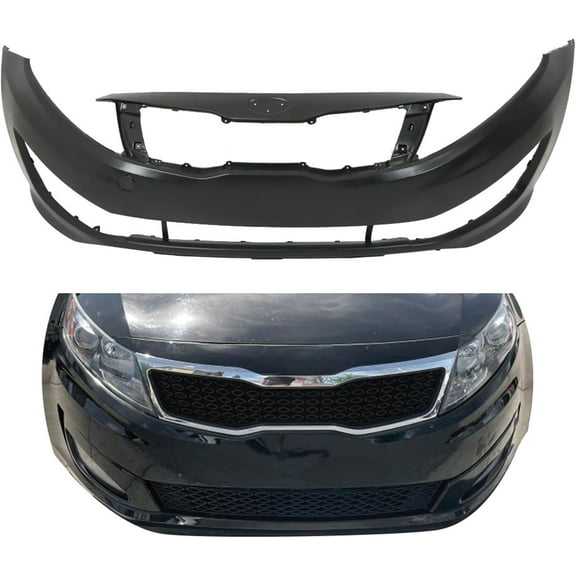
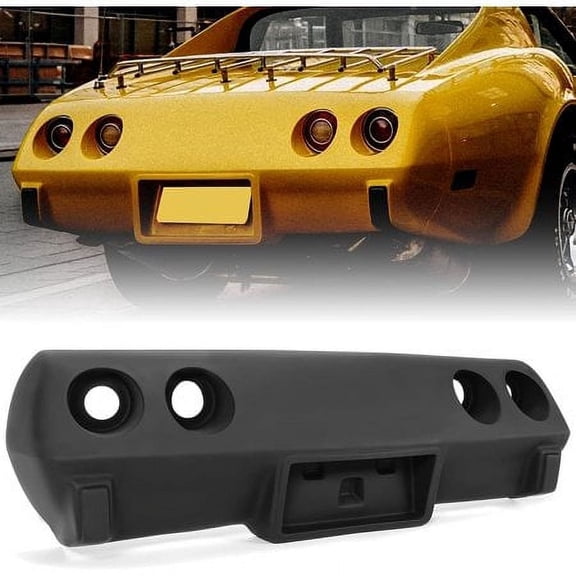
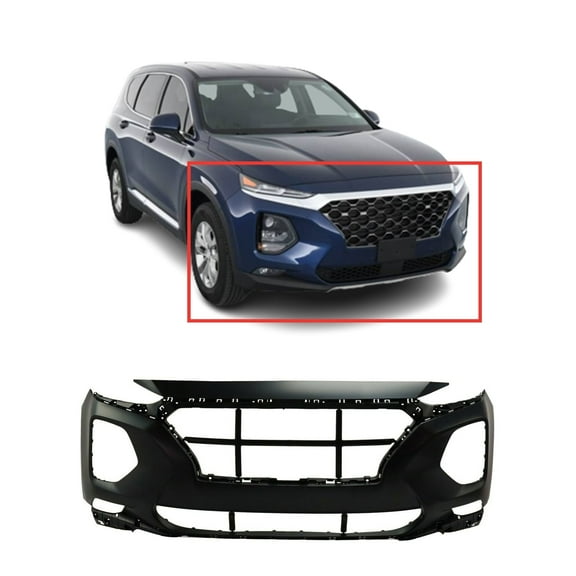
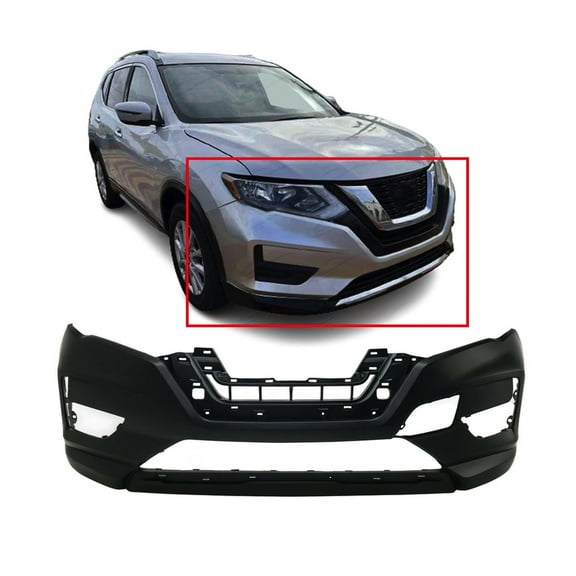
If you’re replacing a rear section, you should check whether your vehicle uses parking sensor cutouts or step pad openings. If you’re replacing a front section, you should look for fog light, tow hook, grille, or air intake openings.
For custom builds, you may prefer universal fitment options when you want flexibility for fabrication or project cars. For standard replacements, you’ll usually want direct-fit shapes that align with factory contours and attachment locations.
What you gain from auto bumper covers
You can refresh a worn exterior quickly when you choose auto bumper covers that match your vehicle’s year, make, and model. You’ll also keep your front or rear end looking more complete after damage, scuffs, or missing trim.
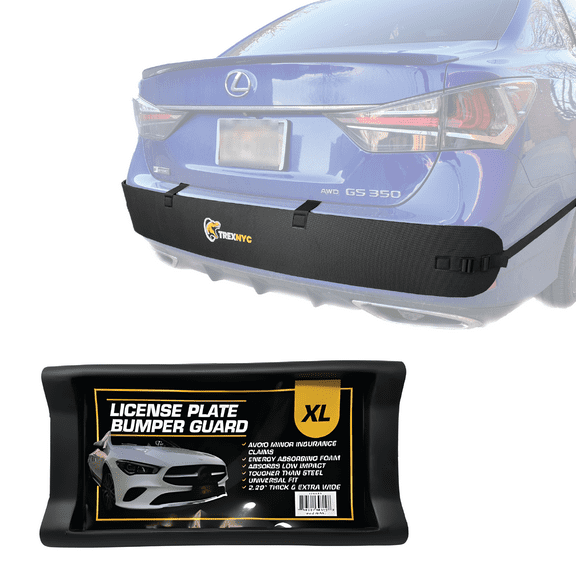
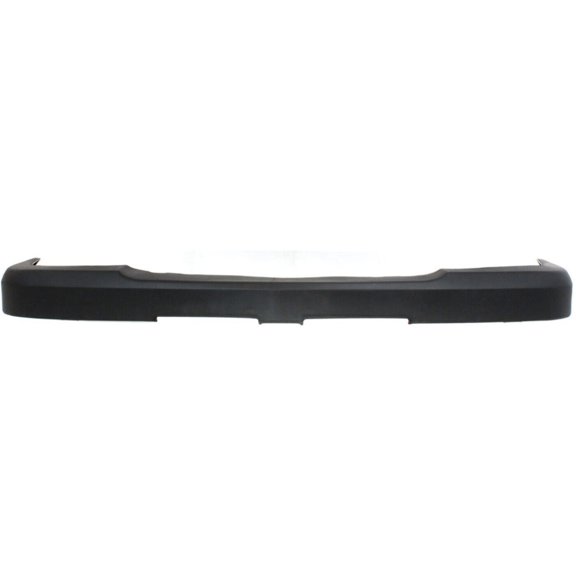
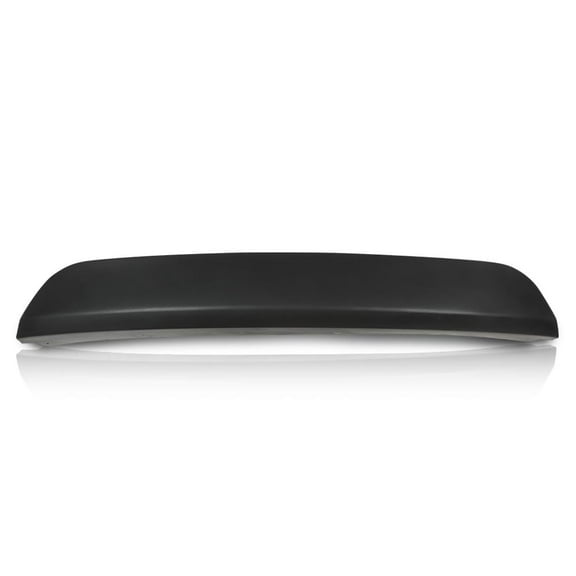
A bumper cover protector can help you maintain a cleaner loading edge on SUVs, trucks, and family vehicles. You’ll appreciate that extra surface coverage when you load groceries, tools, sports gear, or travel bags.
Plastic bumper covers can give you a solid base for paint-matching and factory-style restoration projects. A front bumper cloth cover can also make sense when you want temporary coverage during transport, storage, or event prep.
- You can match front or rear placement for a more accurate install.
- You can check sensor and light openings before you choose.
- You can compare plastic and cloth formats for different uses.
- You can narrow by year, make, and model for cleaner compatibility.
Choosing materials and fitment details
You should compare material type based on how you plan to use the part and how finished you want the result to look. Plastic bumper covers often suit replacement projects, while cloth options can suit temporary surface coverage.
When you review fitment, you should confirm your vehicle year, make, model, and trim before you order. You’ll also want to check whether your cover supports parking sensors, fog lights, tow hooks, or emblem openings.
If you’re shopping for a Ram build, you may look for rear replacement options that align with older truck generations. If you drive a Honda Civic or another compact car, you may focus on tighter body lines and smaller opening patterns.
A cover for car bumper areas should match attachment points so you can avoid gaps around fenders, grilles, or lamps. You should also compare finish readiness if you plan to prep, paint, and install the panel yourself.
When you consider a car cover for front bumper sections, you should decide whether you need temporary protection or full replacement. That choice can help you separate cloth covers from molded replacement parts more quickly.
Using bumper cover protector options for real projects
You may need a bumper cover protector when your rear cargo area sees frequent loading from strollers, coolers, or tool bags. You’ll benefit from choosing a shape that follows the edge you use most often.
If you’re fixing commuter damage, you should focus on direct-fit bumper covers that support a factory-style appearance. You’ll want to compare opening layouts carefully if your trim includes sensors or accessory features.
For truck restoration work, you may search for parts related to older rear setups, including fitment patterns common on Ram models. You should verify the exact year and body style before you commit to the replacement.
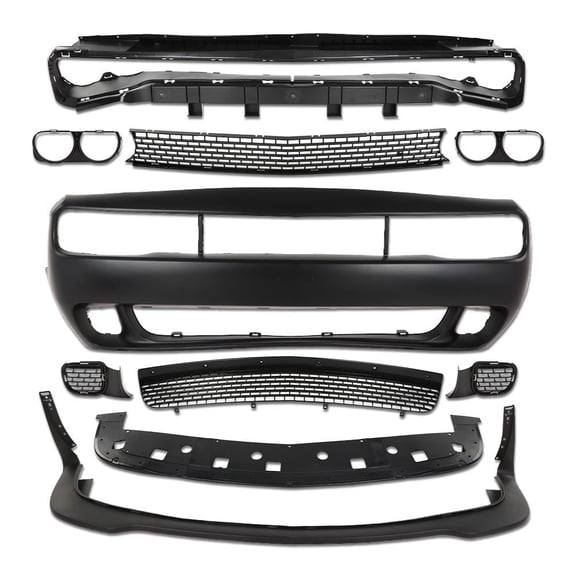
If you’re building a custom front end, you may choose universal options when you plan to modify brackets or surrounding trim. You’ll want extra time for measuring because custom work depends on precise width and contour checks.
A front bumper cloth cover can suit short-term storage needs when you want the painted surface covered between moves or events. You should still measure the nose shape so the cover sits neatly across the front edge.
When you compare bumper covers across cars, SUVs, and trucks, you should think about daily use, body style, and installation approach. You’ll make a clearer choice when placement, cutouts, and material all match your vehicle plan.
What to look for before you finish your choice
You should review placement, fitment, and cutout details first because those specs shape how your part will line up after installation. You’ll feel more confident when your bumper covers match your vehicle’s layout and your project goals.
Whether you need a direct replacement, a bumper cover protector, or a temporary front cover, you can narrow the right option with clearer fitment checks. You’ll end up with a cleaner look and a more straightforward install.