

Type A Light Bulbs & Type A Lamp Bulbs | Walmart
















About Type A Light Bulbs & Type A Lamp Bulbs | Walmart - Walmart.com
Your type a lamp bulb choice shapes how your rooms look and how your lamps perform every day. You can use this guide to compare A-shape bulbs, standard bases, brightness levels, and light color with less guesswork.
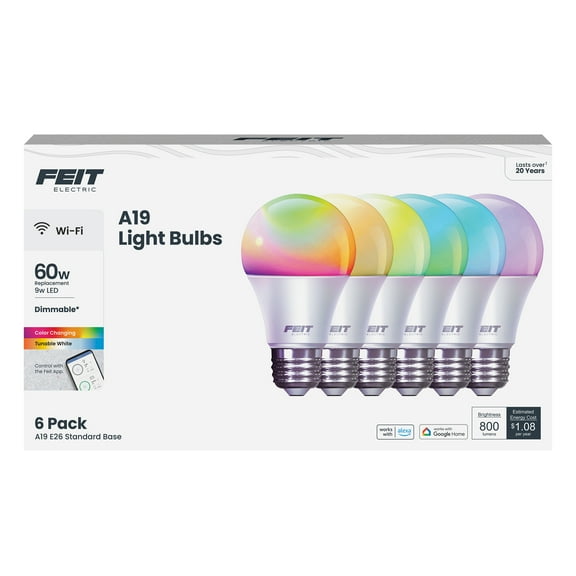
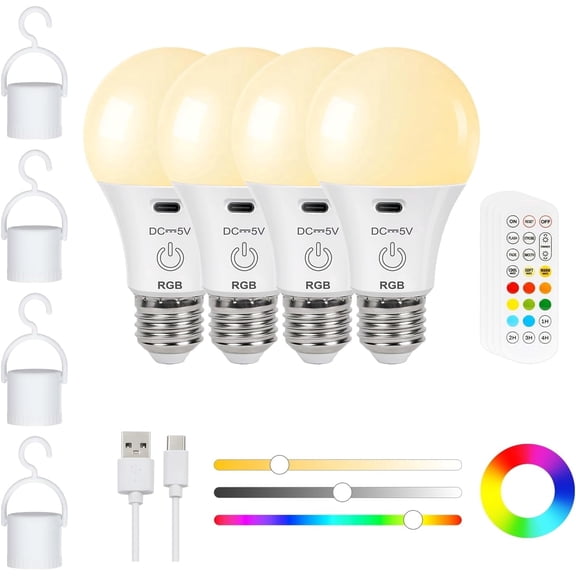
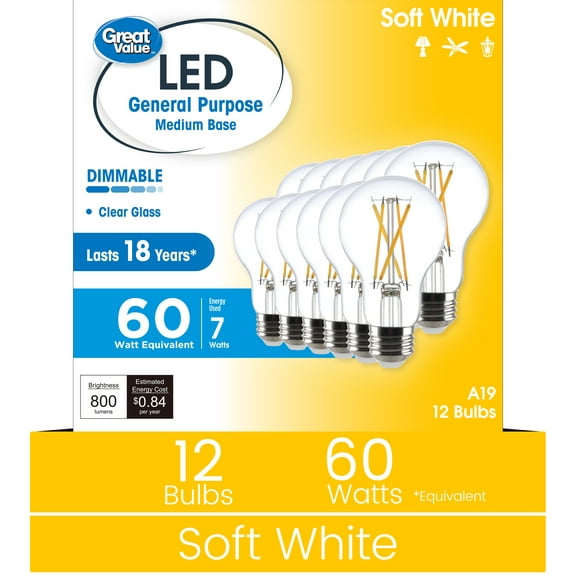
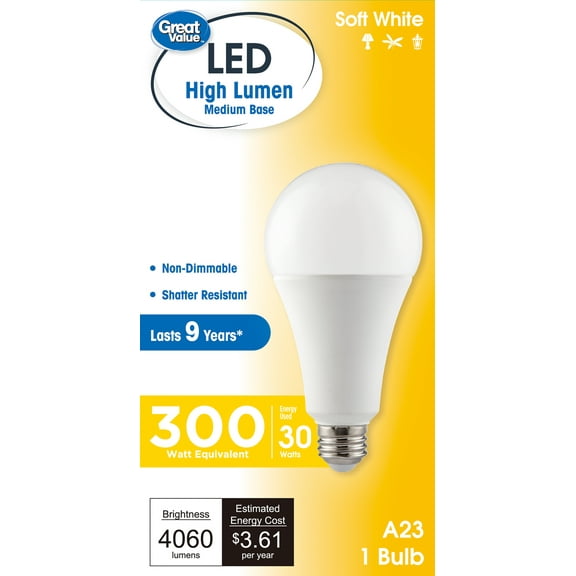
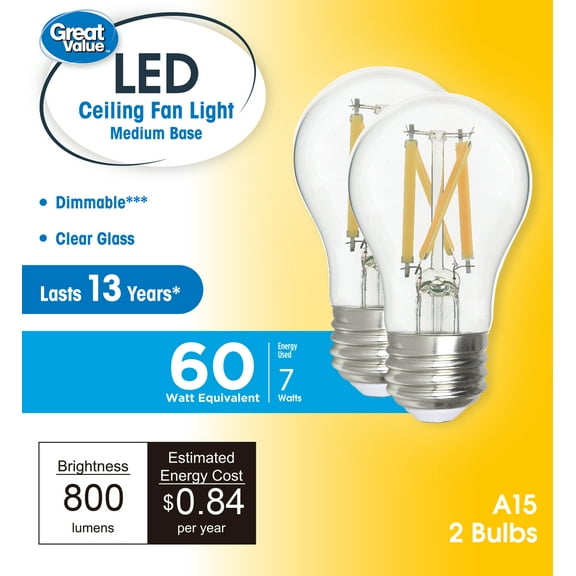
When you shop this category, you’re usually replacing the classic pear-shaped bulb found in table lamps, floor lamps, and ceiling fixtures. You’ll often see A15, A19, and A21 options, and each shape can change fit, light output, and fixture compatibility.
How to choose a type a lamp bulb
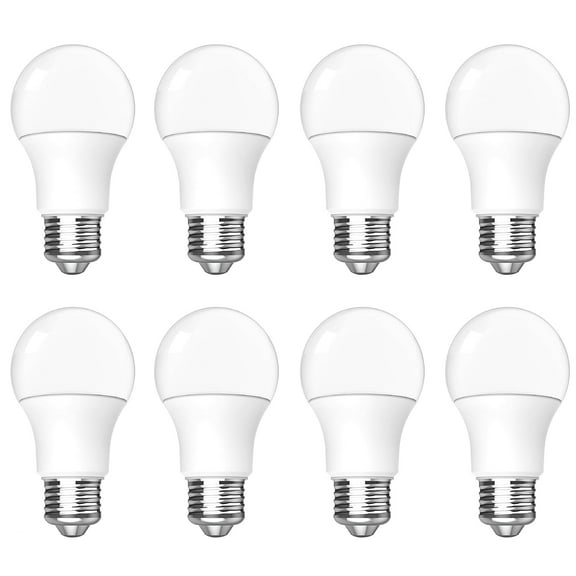
You should start with bulb shape, because size affects how your bulb fits under shades and inside enclosed fixtures. You’ll usually find A19 as the common everyday choice, while A15 and A21 serve more specific fixture needs.
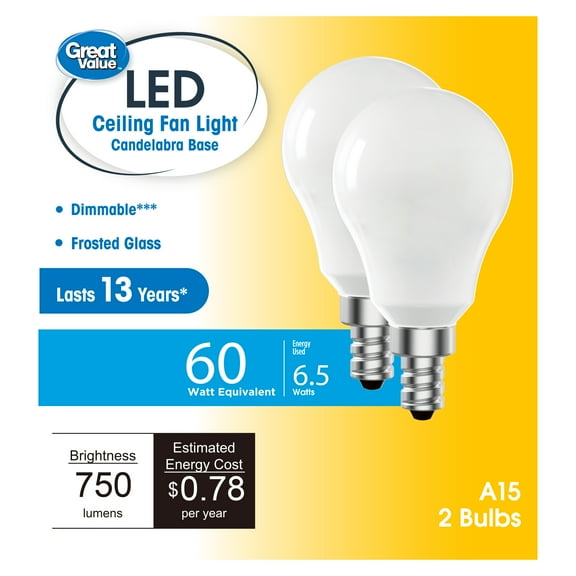
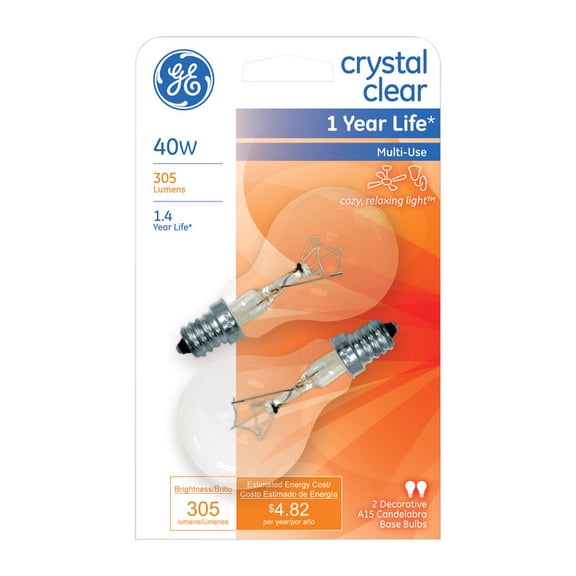
If your lamp uses a standard household socket, you should check for an E26 standard medium base before anything else. You may also see E12 candelabra base options, which fit smaller decorative fixtures instead of typical table lamps.
You can narrow your choices faster when you compare the details that matter greatly for daily lighting. You’ll want to match fit, brightness, color, and dimmer compatibility before you replace a familiar bulb.
- You can choose A15 bulbs when your fixture needs a smaller A-shape profile.
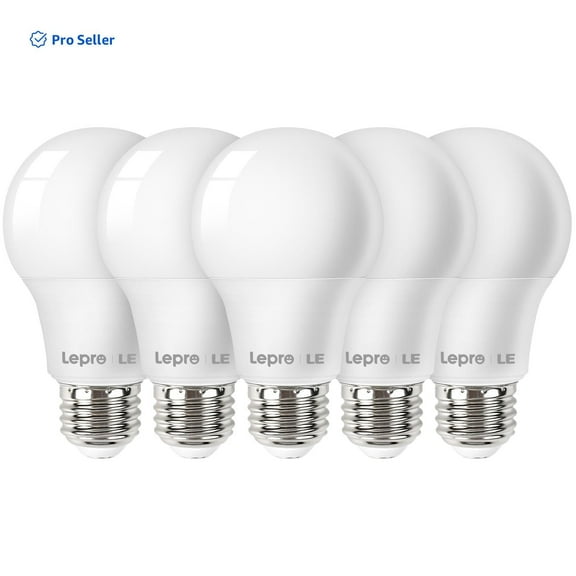
- You can use A19 bulbs for many standard lamps and general household lighting tasks.
- You can pick A21 bulbs when your fixture allows a larger bulb and you want more light output.
- You should look for an E26 standard medium base for many common lamp sockets.
- You can compare lumens to your old wattage so your new bulb feels familiar right away.
- You should check color temperature in Kelvin to get the room tone you want.
Choosing the right base, brightness, and color
You’ll want to confirm socket fit first, because a bulb that looks right still won’t work if the base is wrong. You should look for E26 on standard lamps, while E12 usually belongs in smaller accent or decorative lighting.
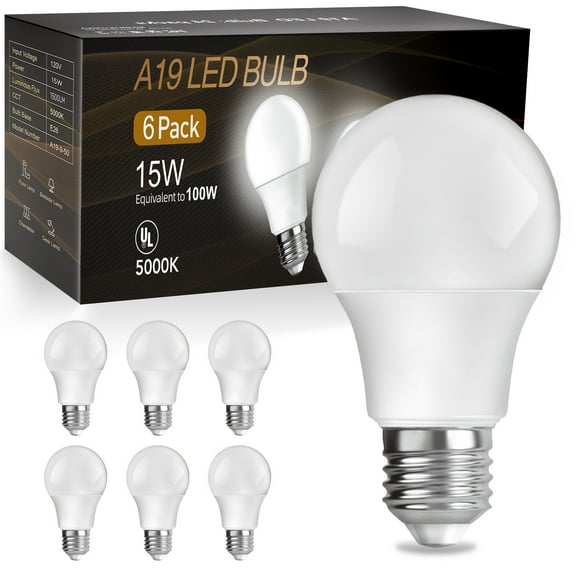
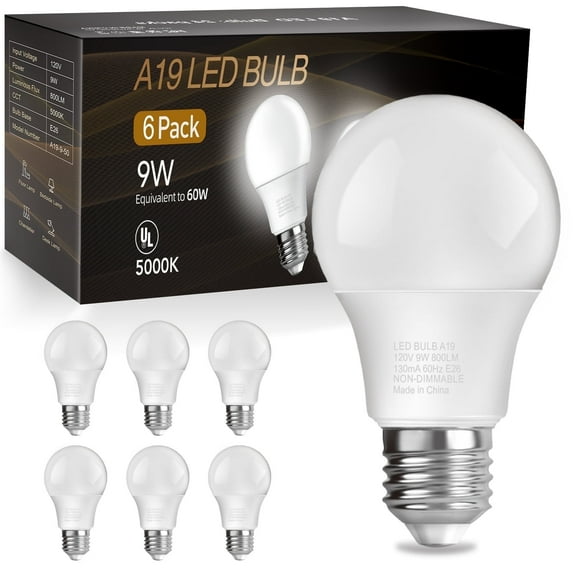
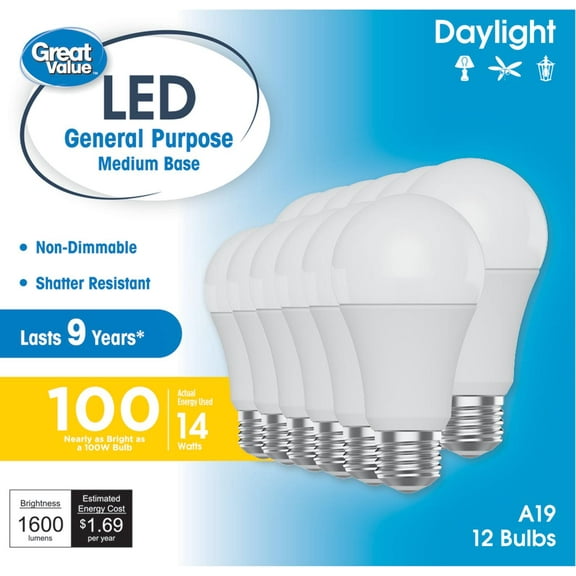
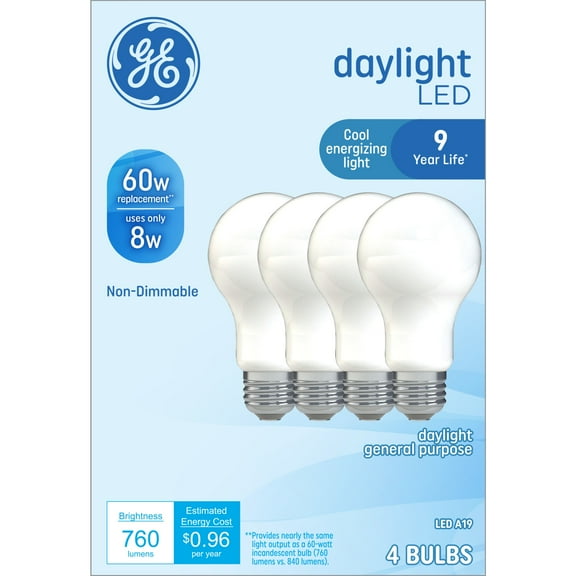
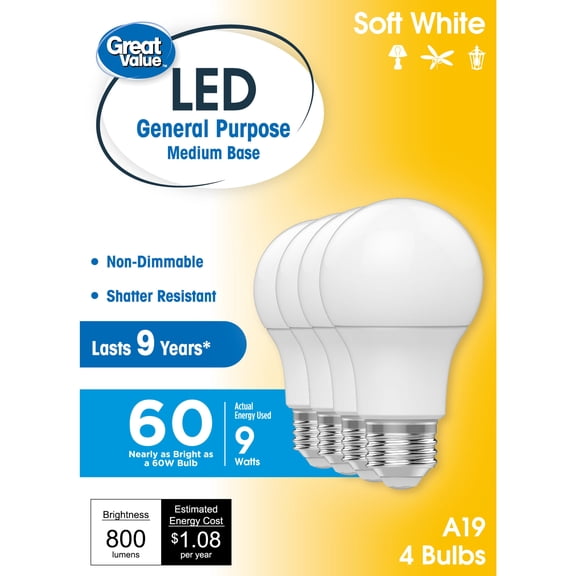
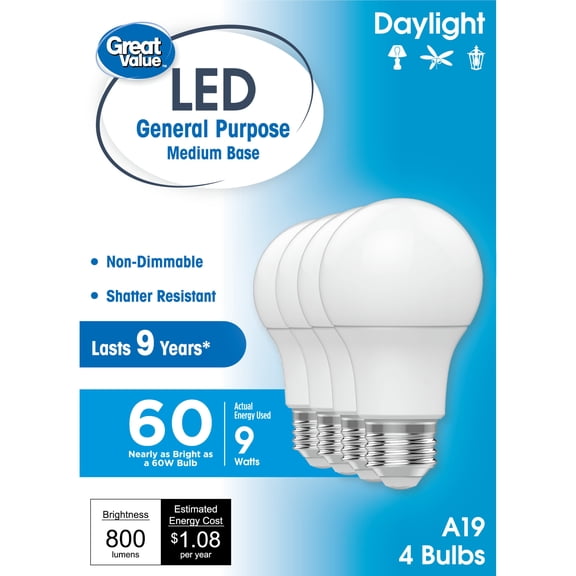
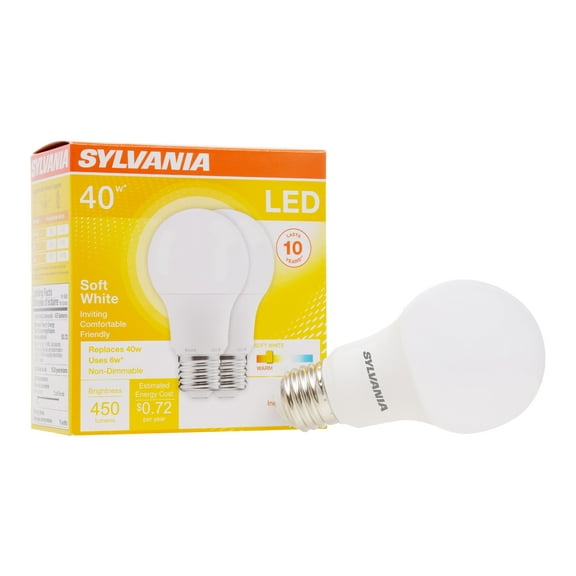
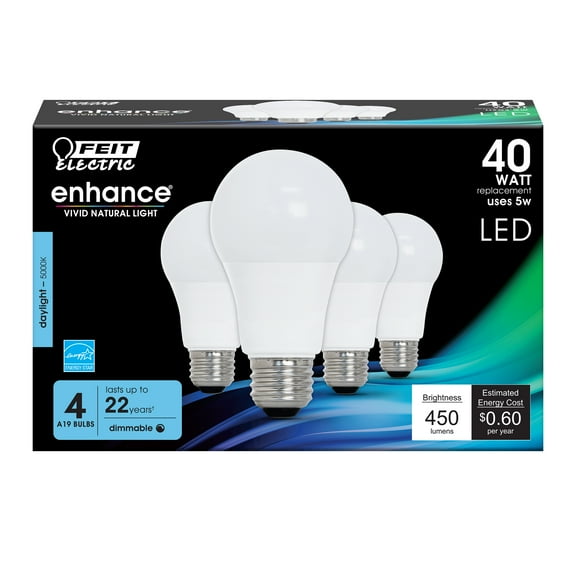
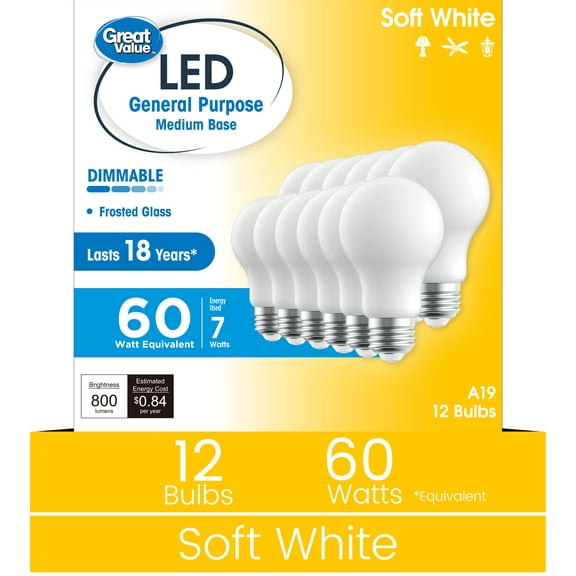
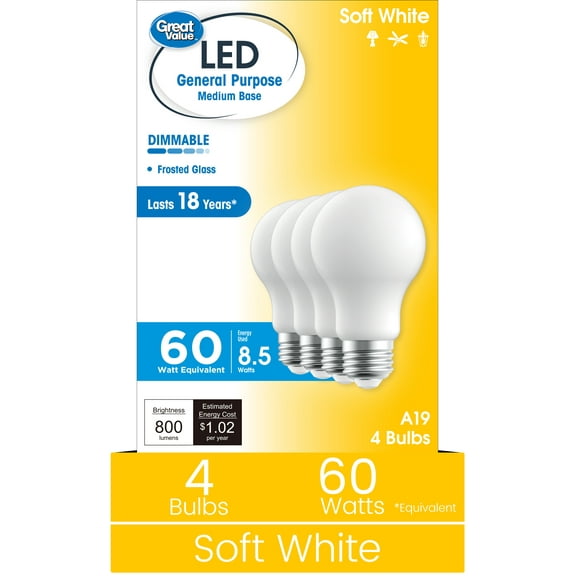
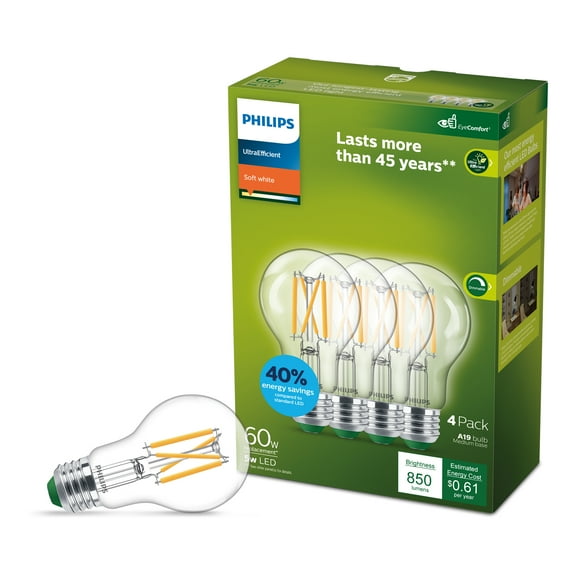
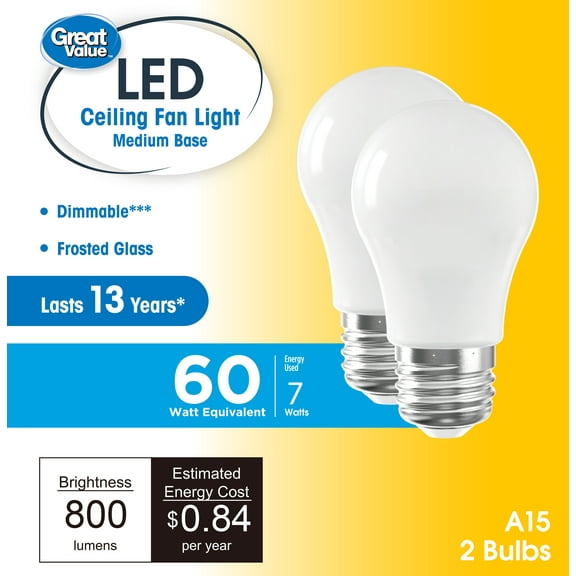
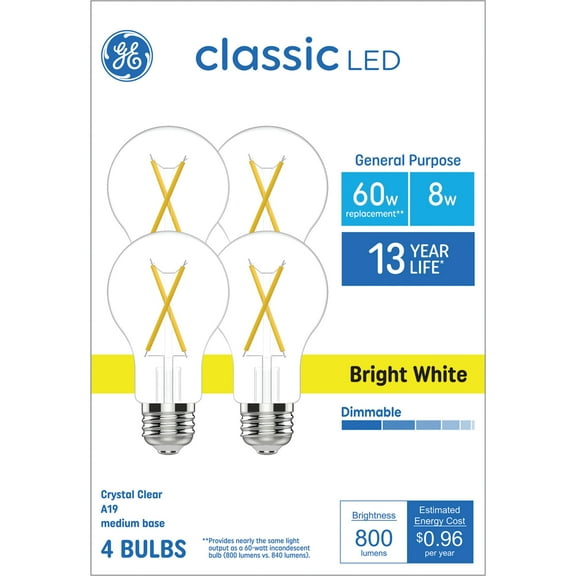
Brightness matters next, and you should compare lumens instead of relying only on old wattage labels. You can use 450 lumens for a 40W feel, 800 for 60W, 1100 for 75W, and 1600 for 100W.
If you’re switching to LED, you’ll often get familiar brightness with lower energy use and less frequent replacement. You can still find incandescent, halogen, and CFL choices when your fixture or preference calls for a different technology.
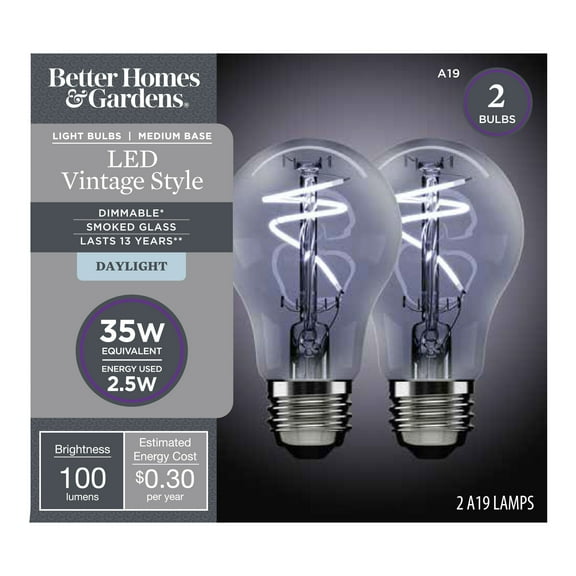
Color temperature helps you control the mood of each room without changing the fixture itself. You can choose warm white at 2700K for cozy spaces or soft white at 3000K for balanced living areas. Try cool white at 4100K or daylight at 5000K for tasks and visibility.
You should also check whether your type a lamp bulb is dimmable before using it with a dimmer switch. You’ll avoid mismatched performance when you match a dimmable bulb with a compatible dimmer setup.
Matching bulb attributes to your rooms
You can use A19 bulbs with E26 bases in many bedside lamps, living room lamps, and open ceiling fixtures. You’ll often choose 800 lumens and warm or soft white when you want comfortable everyday light.
For reading corners, home offices, and craft tables, you may prefer 1100 or 1600 lumens for stronger illumination. You can pair that brightness with cool white or daylight when you want clearer contrast on pages and work surfaces.
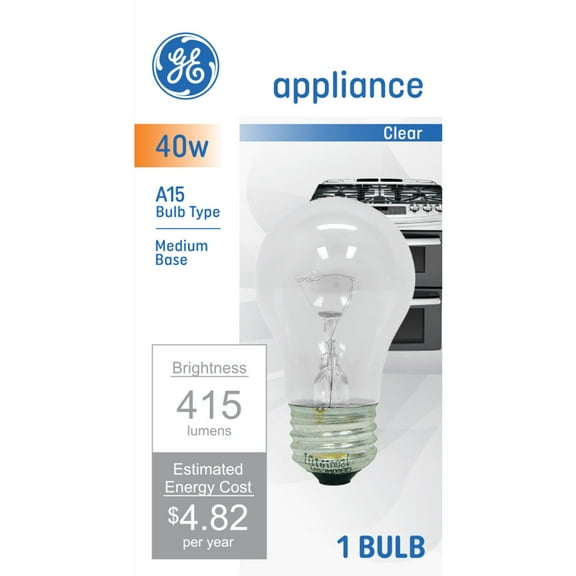
If your shade opening is tight or your fixture runs small, you should compare A15 dimensions before replacing a larger bulb. You’ll reduce fit issues in compact lamps, small ceiling fixtures, and some appliance-style spaces.
When your fixture has room for a larger envelope, you can consider A21 bulbs for broader light coverage. You should still measure your fixture, because the larger shape may crowd harp frames, shades, or enclosed housings.
You may want LED bulbs in frequently used lamps where you expect steady daily use and familiar light levels. You can choose incandescent or halogen options when you prefer a classic bulb format, and you can consider CFL when fixture guidance allows it.
For dining rooms and bedrooms, you’ll often like 2700K or 3000K because the light feels softer and more relaxed. In kitchens, laundry rooms, and work areas, you may lean toward 4100K or 5000K for a cleaner visual tone.
What to look for before you replace a bulb
You should compare the old bulb’s shape marking, base type, and brightness before you buy a replacement. You’ll make a cleaner switch when A19, E26, lumens, and Kelvin all align with your fixture and lighting goal.
If you’re replacing several bulbs in one room, you should keep color temperature consistent across fixtures. You’ll get a more even look when the lamps and overhead lights share a similar light tone.
You can shop this category with more confidence when you know how A15, A19, A21, E26, lumens, and Kelvin work together. You’ll end up with lighting that fits your fixture, matches your room, and feels right the moment you switch it on.