







Breast Pumps in Feeding




























About Breast Pumps in Feeding - Walmart.com
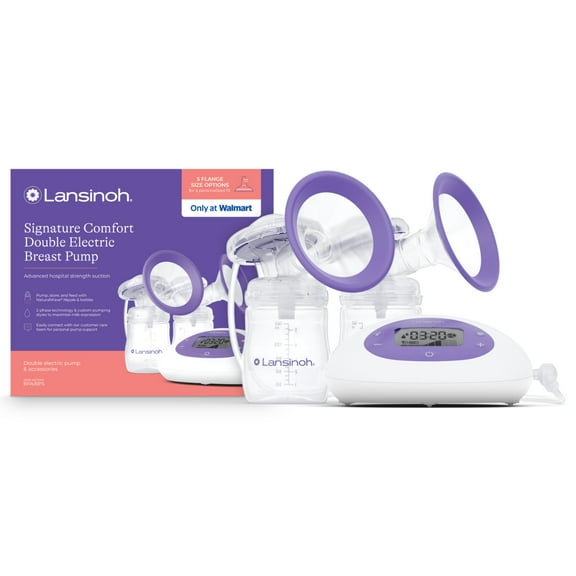
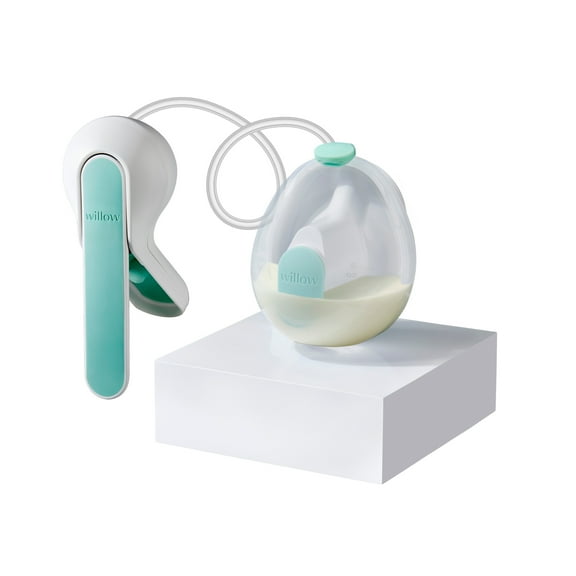
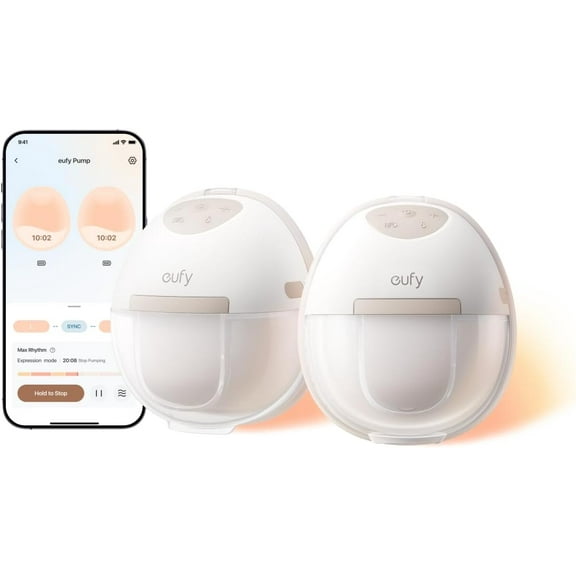
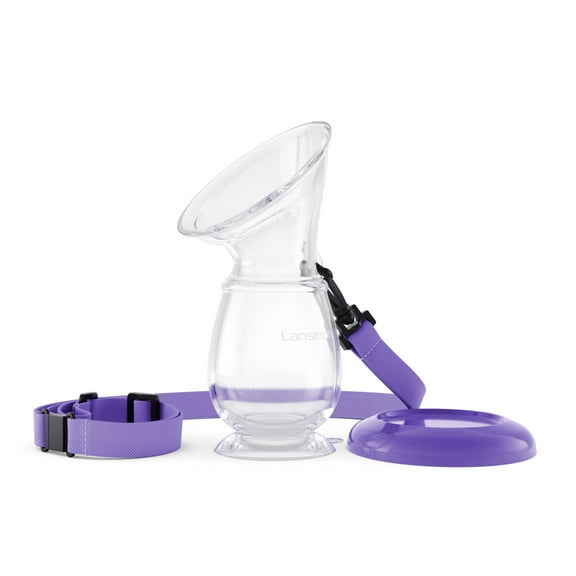
You can compare breast pumps by pump type, fit, and portability, so your feeding routine feels simpler at home or on the go. You may want wearable styles for mobility or electric options for steady sessions, and your choice often depends on schedule, comfort, and cleaning preferences.
How to choose breast pumps by pump type
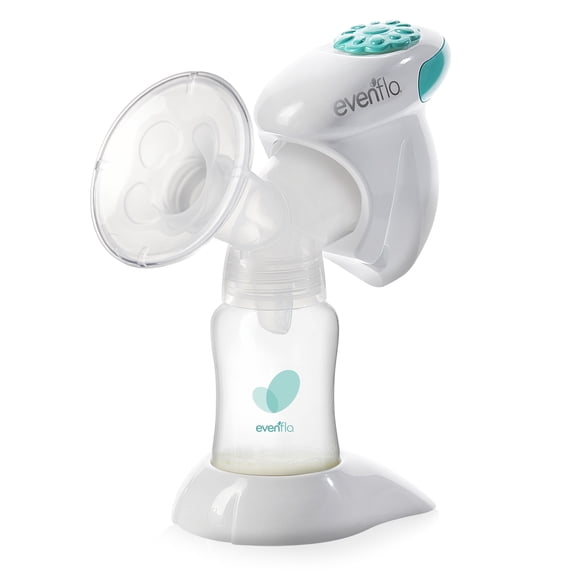
You can start with pump type, because it shapes how your routine fits around work, errands, and overnight feeds. You may compare double electric, single electric, manual, and wearable options based on how often you plan to pump.
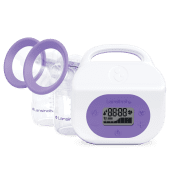
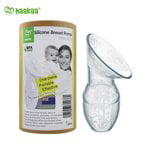
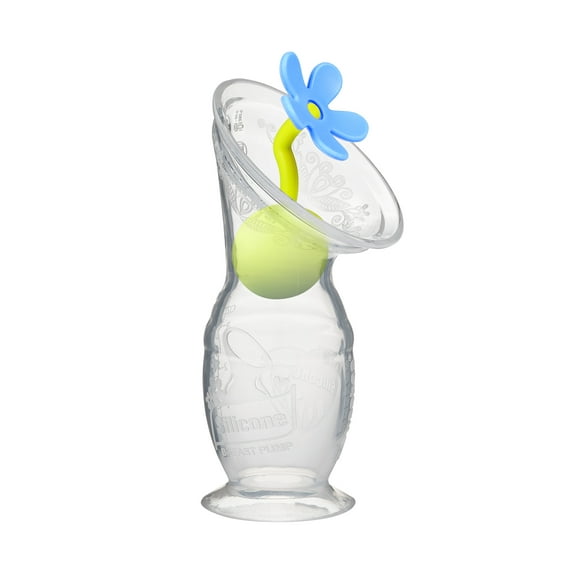
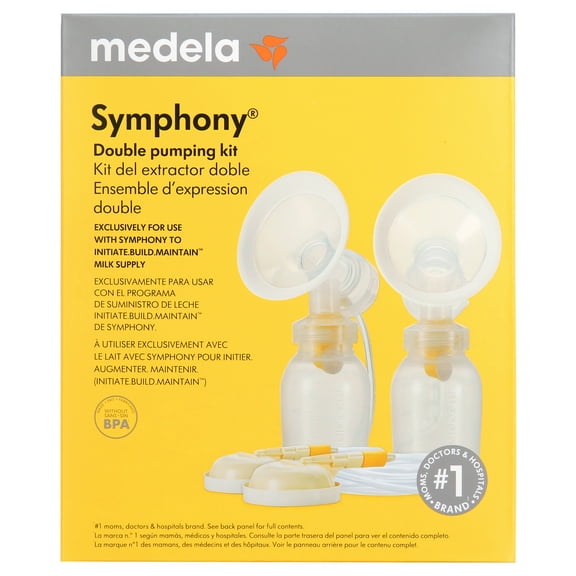
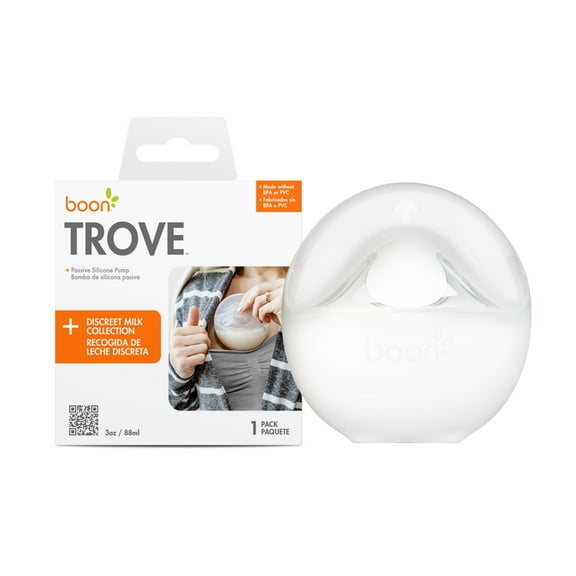
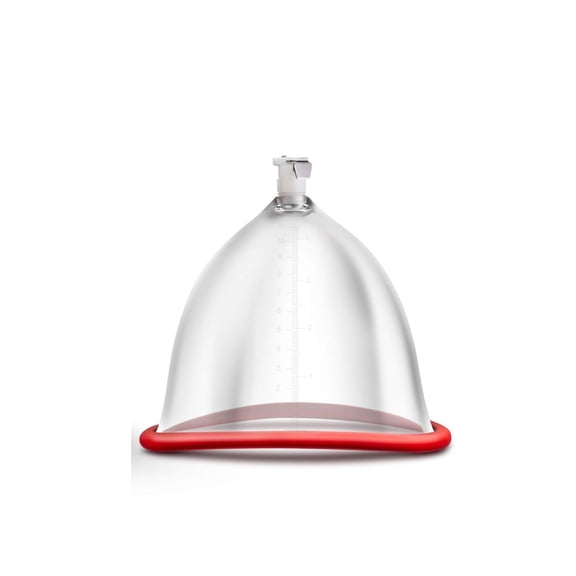
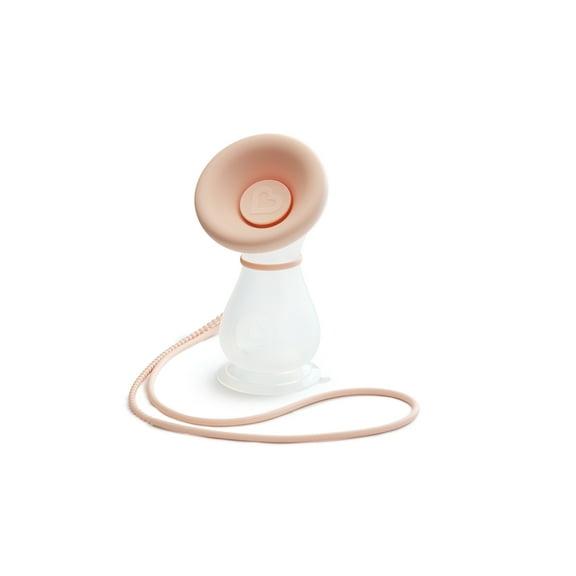
If you pump often, you may prefer electric breast pumps because you can express milk from one or both sides with less hand effort. If you want a simpler backup option, you may like manual breast pumps for travel, occasional use, or quick relief.
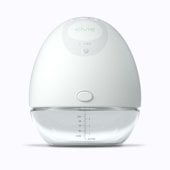
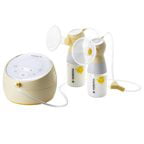
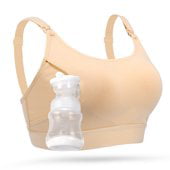
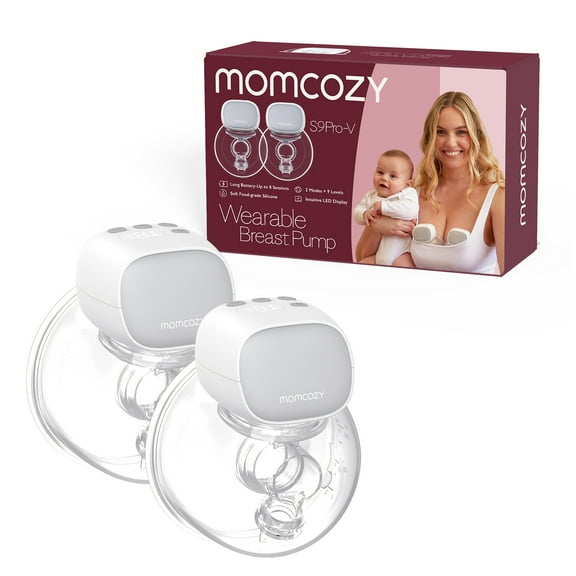
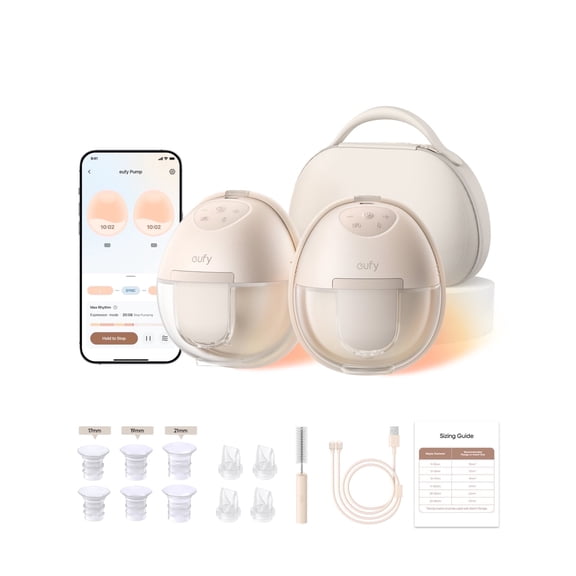
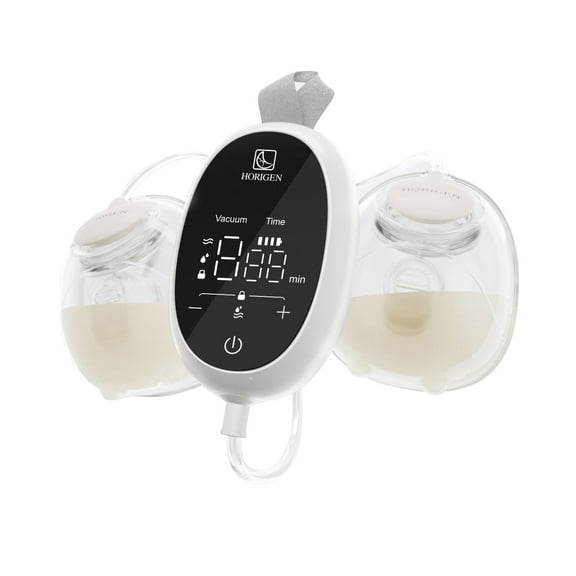
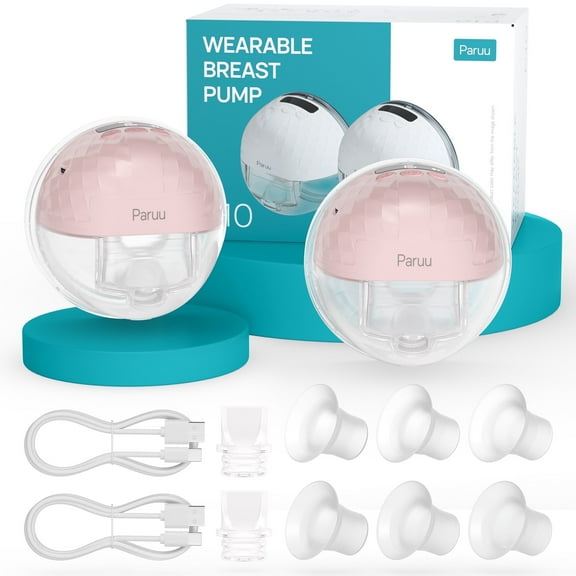
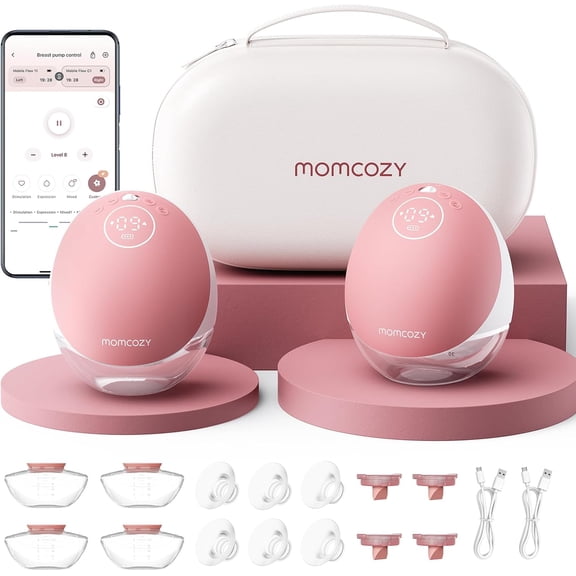
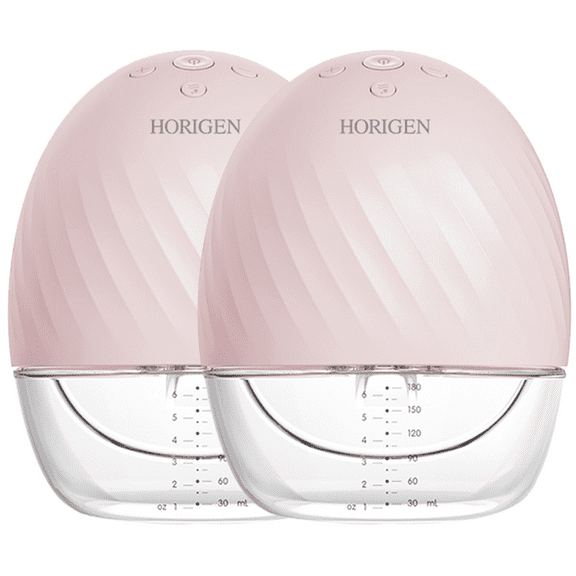
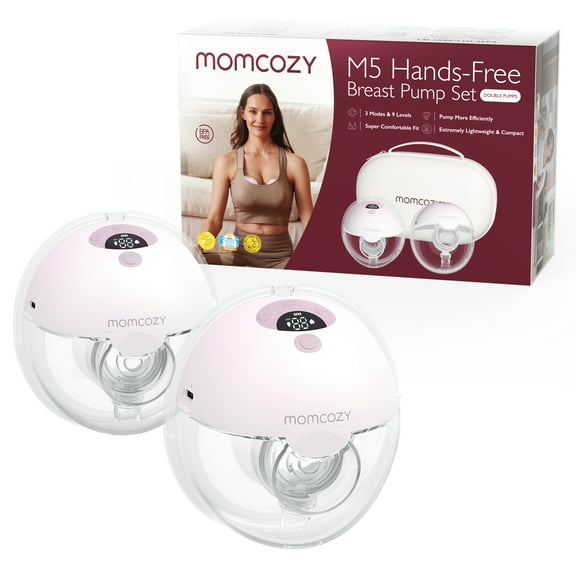
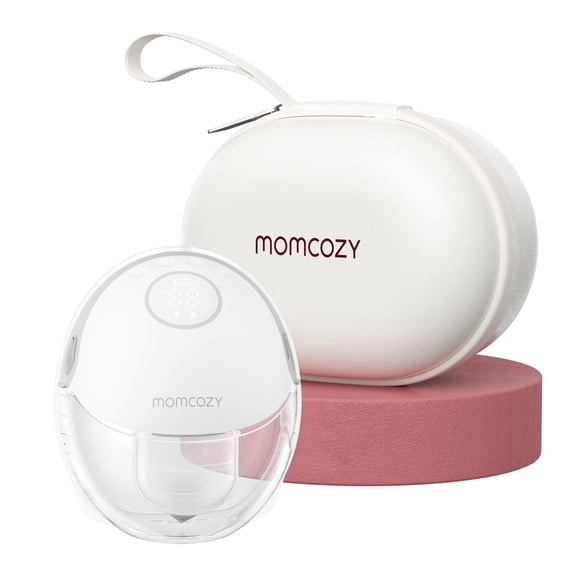
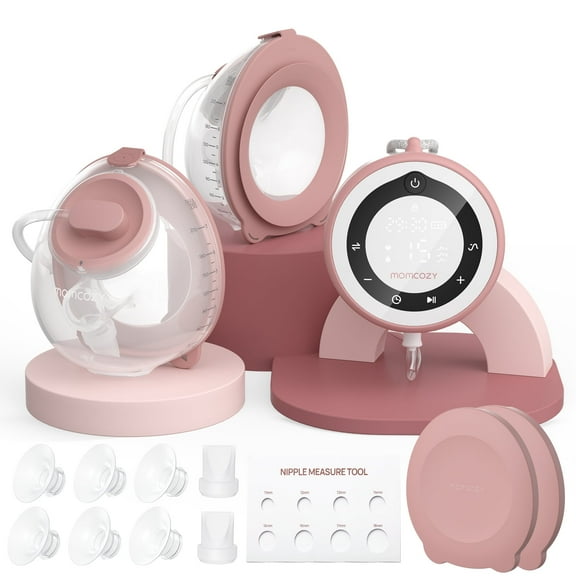
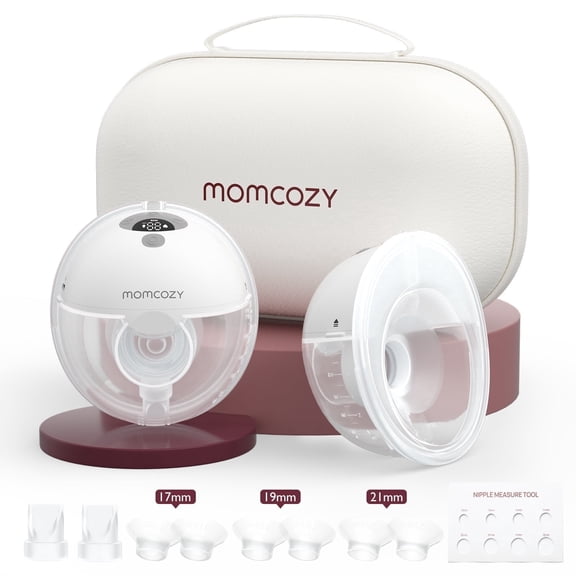
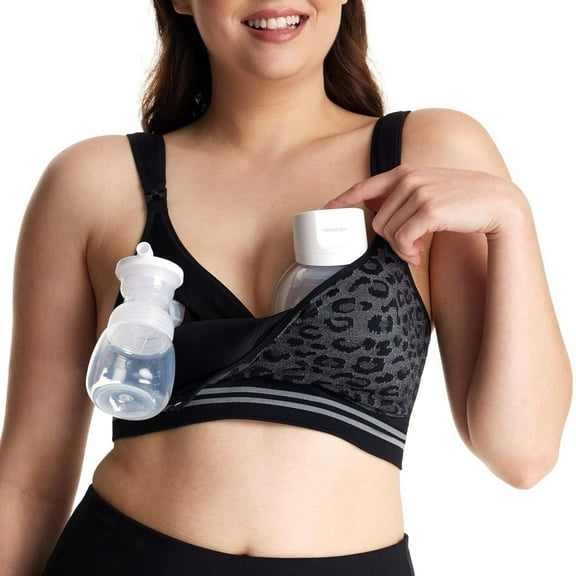
When you want mobility, you can compare wearable breast pumps and hands free breast pumps that fit inside your bra. If you plan to pump at a desk or bedside, you may prefer tabletop styles with separate collection bottles.
- You can choose double electric styles when your routine includes regular pumping sessions and you want efficient, two-sided expression.
- You can choose single electric models when your routine calls for powered pumping with a lighter setup.
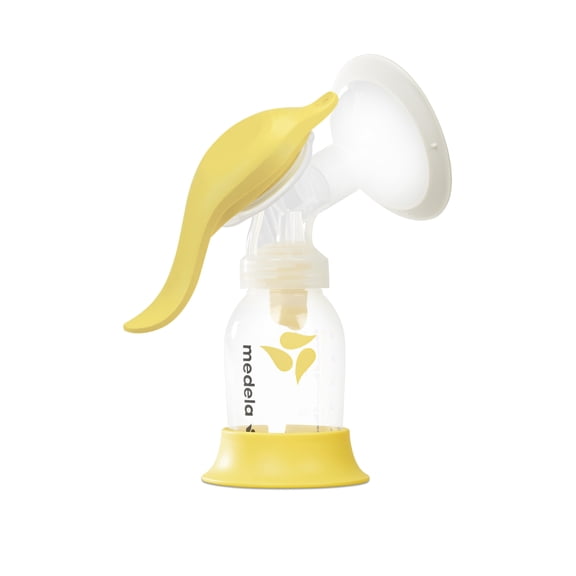
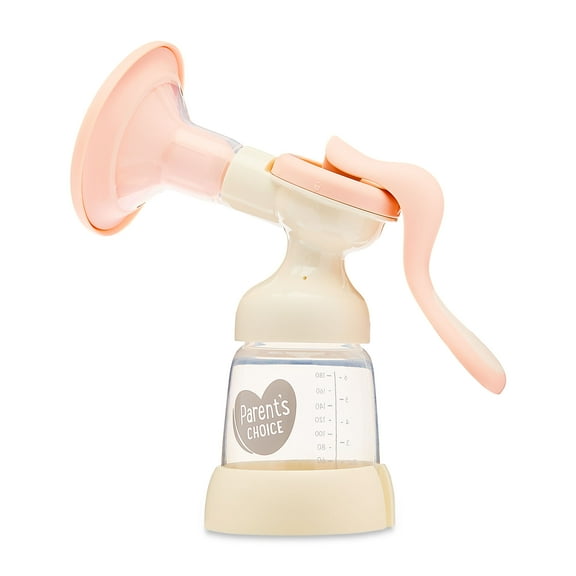
- You can choose manual options when your routine needs a quiet, compact tool with simple controls.
- You can choose wearable options when your routine calls for movement, discretion, and fewer external parts.
Choosing electric breast pumps and power options
You should compare power source next, because it affects where and when you can pump comfortably. You may choose a wall adapter for steady power, or you may prefer rechargeable battery models for greater flexibility.
If your day includes commutes, daycare drop-offs, or shared workspaces, portable breast pumps with rechargeable batteries can fit your routine more easily. If you mostly pump in one spot, a plug-in setup may feel more familiar and consistent.
You can also compare controls, cycle settings, and suction levels to match your comfort preferences. When you have several adjustment options, you can fine-tune your session instead of settling for one pattern.
What to look for in flange fit and comfort
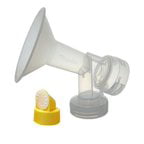
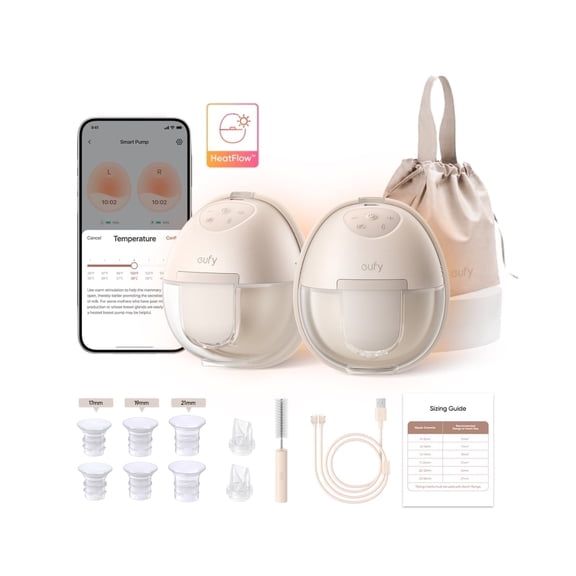
You should measure flange fit carefully, because your comfort and output can change when the tunnel width feels too tight or too loose. You may see sizes listed in millimeters, and you should compare those measurements to your nipple size.
When you review fit details, you can look for flange inserts or size ranges that support a closer match. You may also check whether replacement parts are easy to find if your needs change over time.
If you want a smoother routine, you should pay attention to how the flange sits during a full session. You can often tell a better fit when your nipple moves freely in the tunnel without rubbing the sides.
Comparing closed system and open system designs
You should compare system design, because cleaning and milk path setup matter during frequent use. You may notice closed system and open system labels, and those terms describe how the pump manages airflow and backflow.
When you choose a closed system breast pump, you get a hygiene barrier that helps separate milk from the tubing or motor area. If you compare open system styles, you should review the parts closely so your cleaning routine stays manageable.
You can use this decision point to narrow options when you pump several times each day. You may prefer fewer milk-path concerns if your schedule already feels full and your cleanup time feels limited.
Matching portability and use cases to your routine
You can narrow your choice by thinking about where pumping happens most often in your day. Your home setup, workplace routine, car rides, and overnight sessions can each point you toward a different design.
If you need movement, you may want hands free breast pumps that sit inside your bra while you handle light tasks. If you want stronger session structure, you may lean toward traditional electric styles with external motors and bottles.
For occasional pumping, you might keep a manual model in your diaper bag, suitcase, or nightstand drawer. For daily pumping, you may want a compact portable unit with battery charging, carrying accessories, and easy-to-rinse parts.
You should also think about how your pump works with your feeding setup after each session. You may want compatibility with bottles, storage containers, nursing bras, and breast pump accessories that simplify your routine.
Why the right breast pumps setup matters
You can feel more confident when you compare pump type, flange size, power source, and system design before you choose. Your routine works more smoothly when your pump fits your schedule, your space, and your comfort preferences.