

Bowling Balls in Bowling
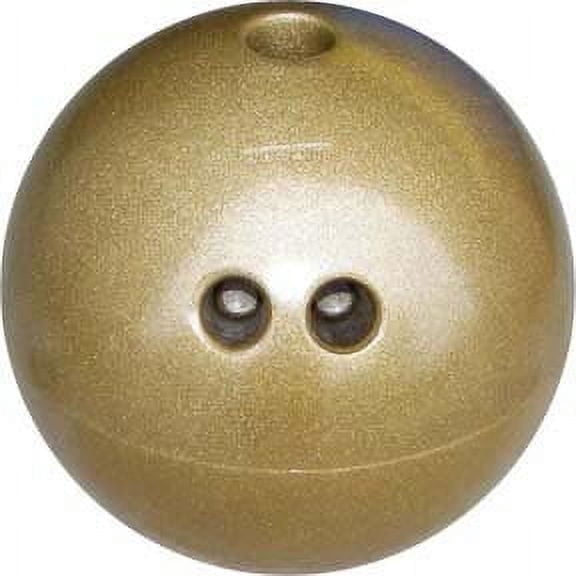

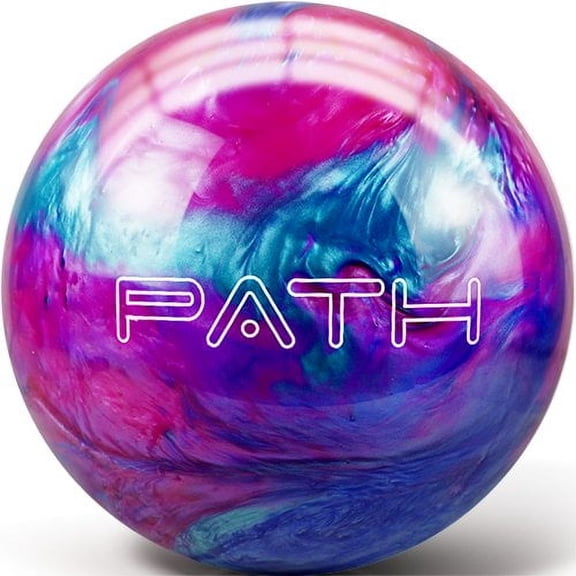
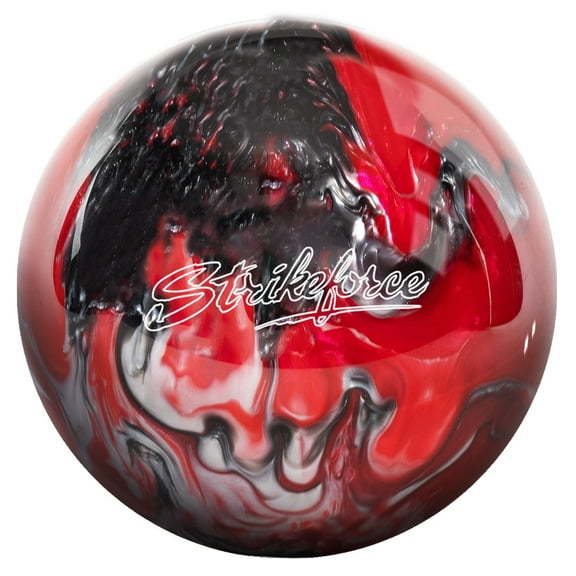
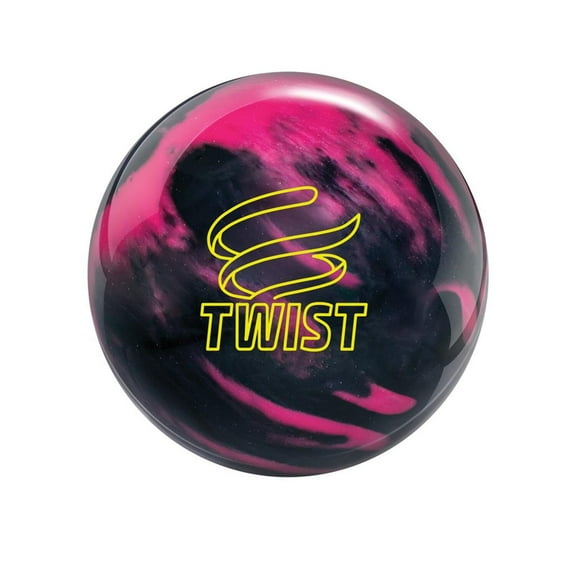














About Bowling Balls in Bowling - Walmart.com
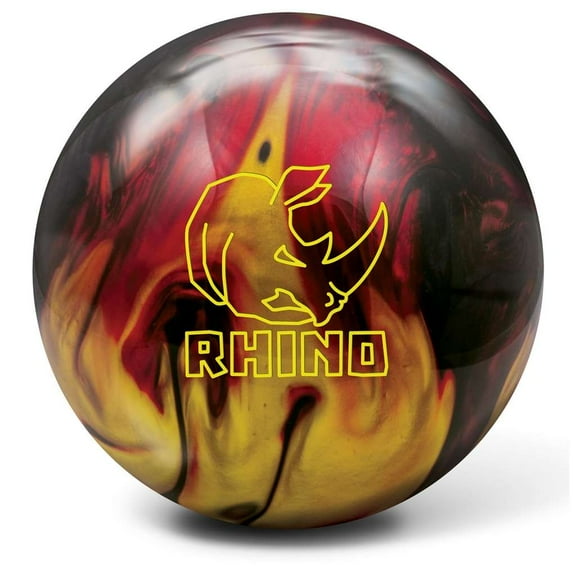
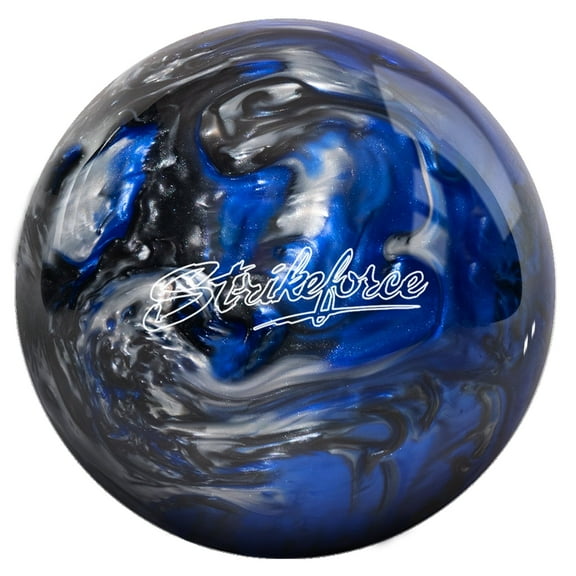
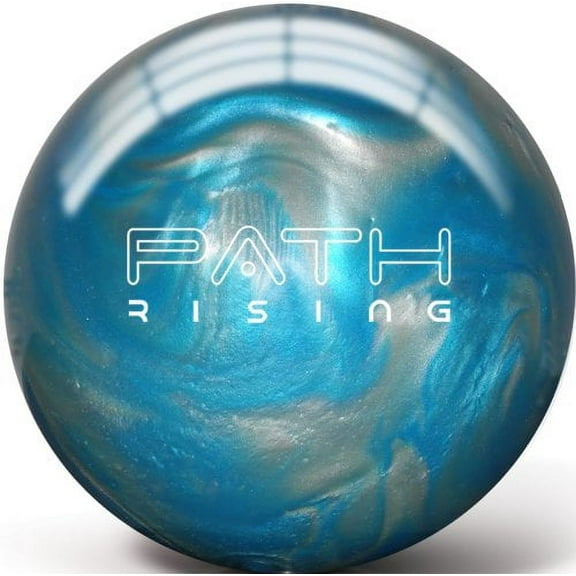
Bowling balls help you match your throw, lane conditions, and experience level with more control from the first frame. You can compare weights, coverstocks, and core shapes here, so your next game feels more consistent.
How to choose bowling balls for your game
When you compare bowling balls, you should start with weight because it shapes comfort, timing, and release. You may want a ball around 10% of your body weight, up to 16 lbs.
If you’re shopping for younger players or lighter throws, you may prefer small bowling balls in 8 lbs or 10 lbs. If you want stronger pin carry, you may lean toward 14 lbs, 15 lbs, or 16 lbs.
Your skill level also helps you narrow the field. If you’re newer to the sport, you may want a smoother reaction and an easier release path.
- You can choose lighter options when you want easier handling and a more relaxed swing.
- You can choose midweight options when you want a balance of control and hitting power.
- You can choose heavier options when you want more momentum through the pins.
- You can compare beginner, intermediate, and advanced designs based on your release style.
Choosing the right weight, fit, and drilling
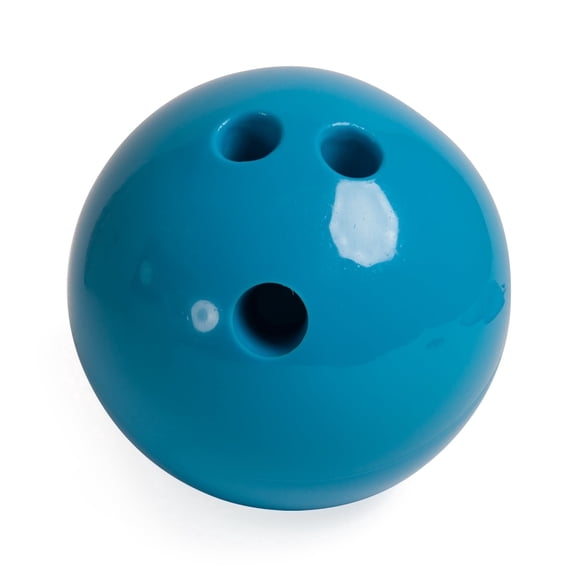
Your grip fit affects how naturally a bowling ball leaves your hand. You should check whether you want pre-drilled convenience or an undrilled ball for custom drilling.
If you want a simpler purchase, you may choose pre-drilled options with standard hole layouts. If you want a more tailored feel, you may prefer undrilled choices for a pro-shop fit.
You should also consider how long you’ll bowl in one session. If your ball feels manageable through every frame, you’re more likely to keep your motion smooth.
For casual games, you may like 10 lbs or 12 lbs for easier handling. For league play, you may compare 14 lbs, 15 lbs, and 16 lbs for stronger roll and carry.
Understanding bowling ball coverstock options
Your coverstock choice changes how your bowling ball moves on the lane. You’ll usually compare plastic or polyester, urethane, and reactive resin based on the motion you want.
If you want straighter shots, plastic or polyester often makes sense. You may choose that surface when you’re learning, practicing spares, or keeping your line simple.
If you want a smoother read with controlled hook, you may look at urethane. You can use that option when you want predictable motion on medium conditions.
If you want more traction and a stronger backend move, you may compare reactive resin. You can often see that choice with intermediate and advanced bowlers who shape shots.
What core type means for your reaction
Your core type affects how the ball revs and changes direction. You should compare pancake, symmetrical, and asymmetrical cores with your release and lane goals in mind.
If you want a straightforward reaction, you may start with a pancake core. You can often find that style in spare balls and beginner-friendly options.
If you want predictable motion, you may prefer a symmetrical core. You can use that design when you want smoother transitions and easier shot reading.
If you want a sharper move downlane, you may consider an asymmetrical core. You can often pair that shape with reactive resin when you want a more defined hook.
Matching bowling balls to real play situations
If you’re buying for a new bowler, you may start with small bowling balls and plastic coverstocks. You can get a simpler motion that helps you focus on aim and timing.
If you’re building a spare setup, you may want a straight-rolling bowling ball with a pancake core. You can keep corner-pin attempts cleaner when your line stays direct.
For weekend league games, you may compare urethane and symmetrical cores for readable motion. You may appreciate that balance when lanes change from game to game.
If you’re ready to shape stronger hook shots, you may look at reactive resin and asymmetrical designs. You can create more angle into the pocket when your release supports that motion.
You may also want to coordinate your setup with bowling shoes, bowling bags, and bowling accessories. You can keep your gear easier to carry, store, and use between games.
What to look for before you choose
You should compare weight, coverstock, core type, and drilling before you decide. You’ll make a more informed choice when each detail matches your experience and playing style.
With bowling balls that fit your hand and match your lane plan, you can roll with steadier timing and more confident pin action. You may notice that fit and motion matter from your first throw onward.