

Bow Sights in Archery Accessories










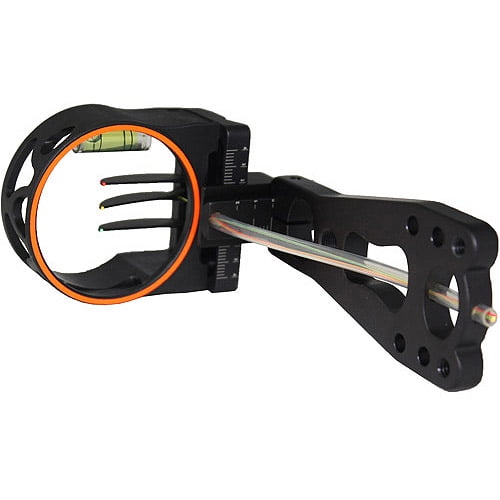


About Bow Sights in Archery Accessories - Walmart.com
Bow sights help you aim with confidence during practice, target rounds, and deer hunting season with bow sights. You can compare pin count, sight type, and brightness details to match your bow and shooting style.
Before you choose, you’ll want clear buying criteria that fit real shooting conditions. This guide helps you compare compound bow sights, archery sights, and bow sight accessories with practical decision points.
Choosing bow sights by pin count
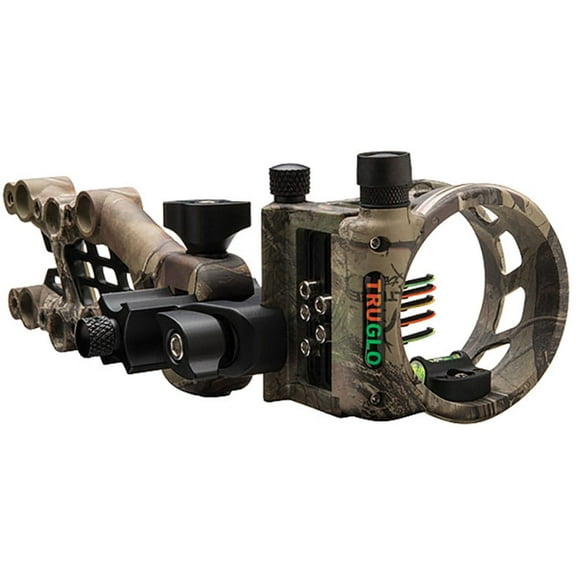
Pin count shapes how you aim across changing distances. You may prefer fewer pins for a simpler sight picture, or more pins for ready yardage references.
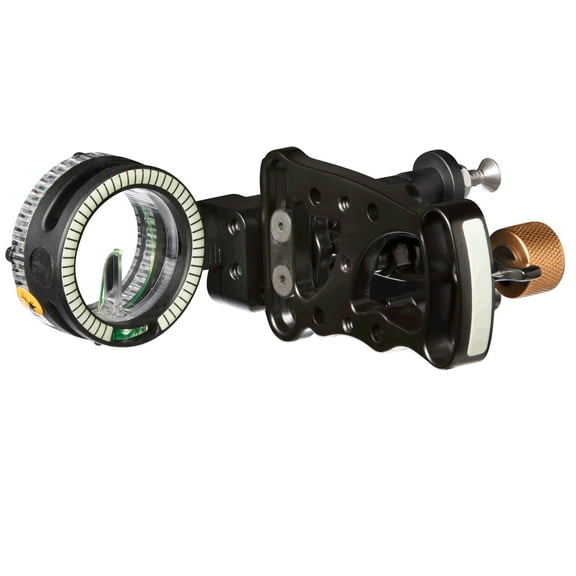
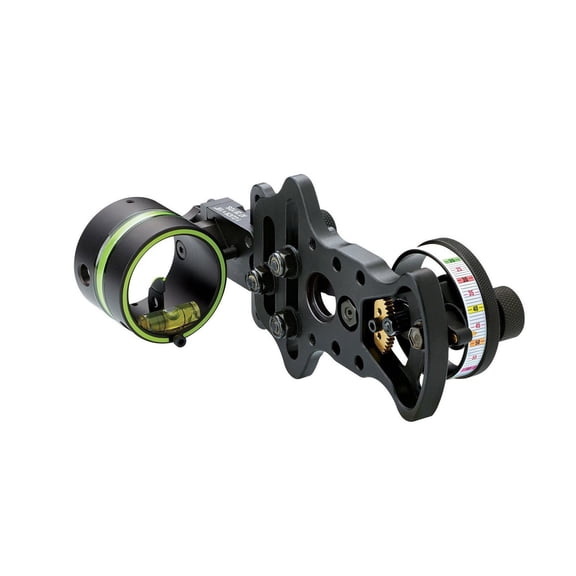
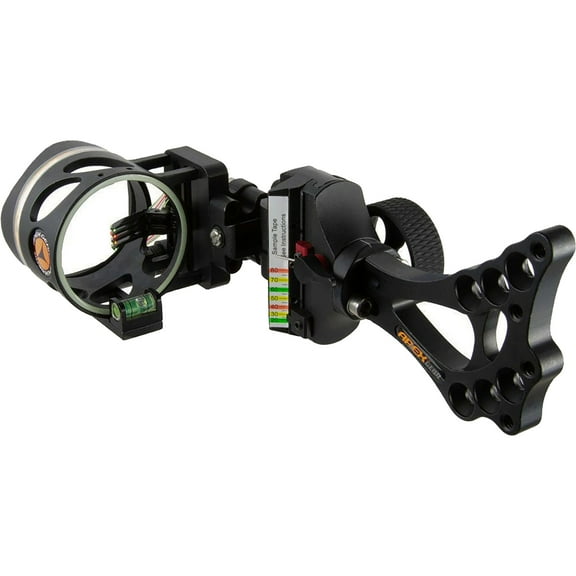
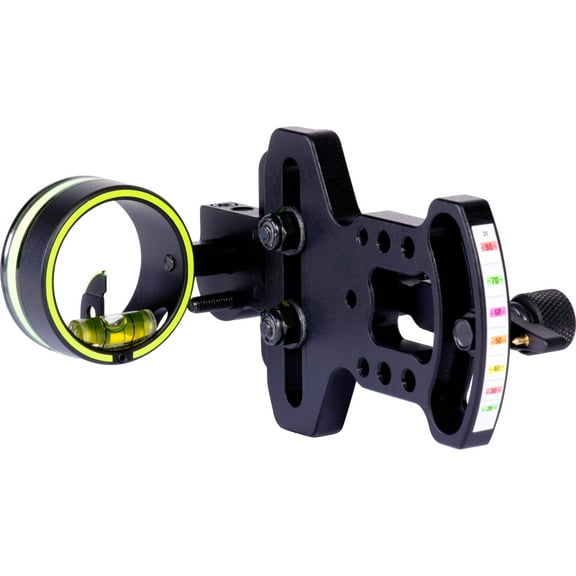
If your shots stay around one main distance, you may like a one-pin setup with a slider. You can dial the yardage and keep a clear view through the sight ring.
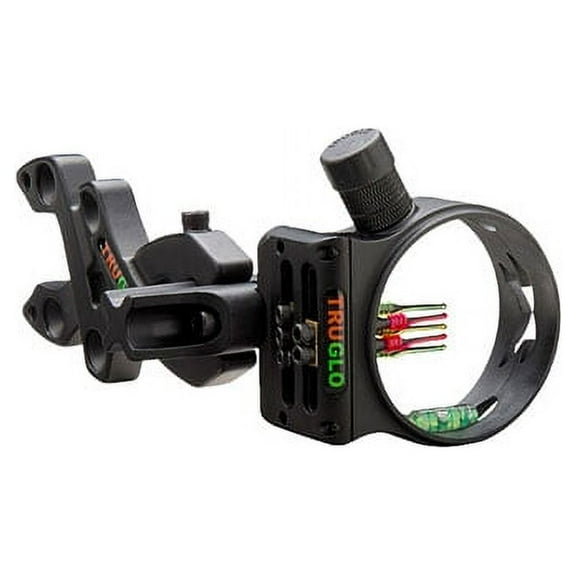
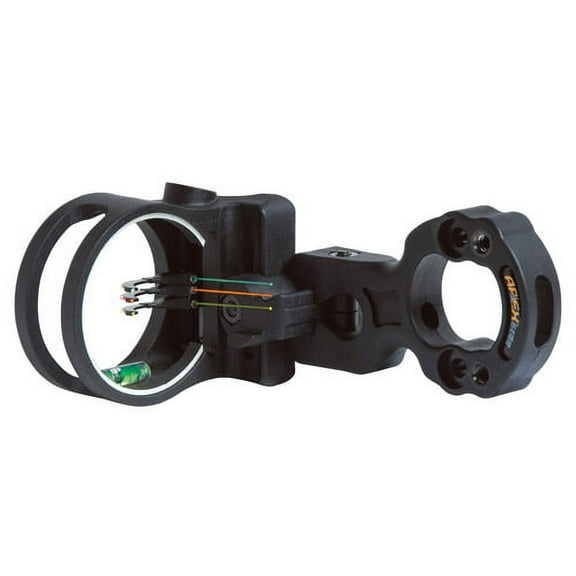
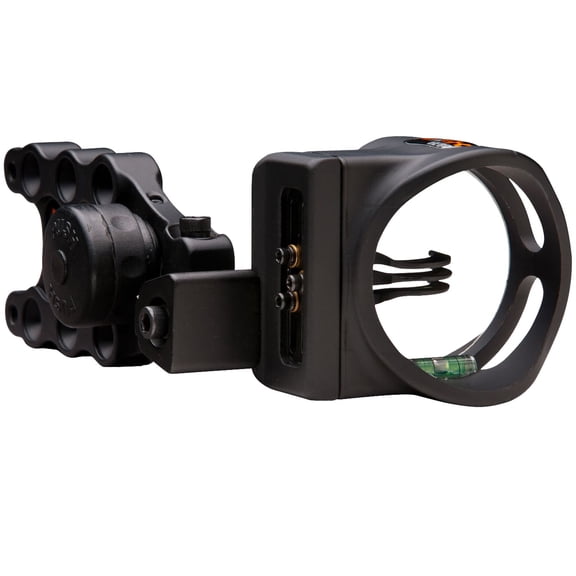
For a balanced setup, 3 pin bow sights give you fast references without crowding your view. You can use them for common hunting distances and regular target practice.
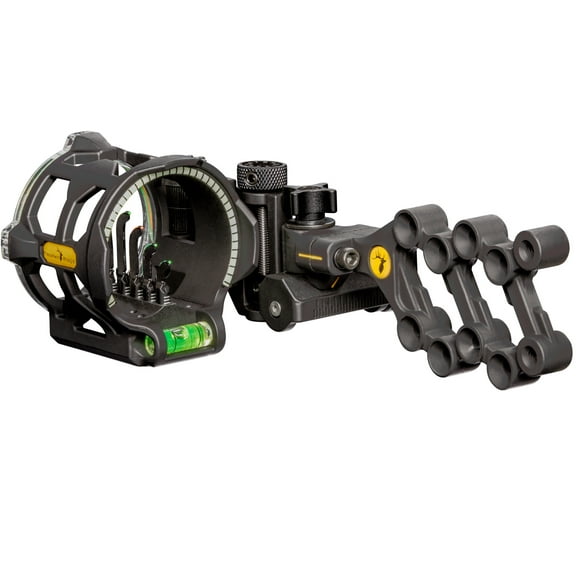
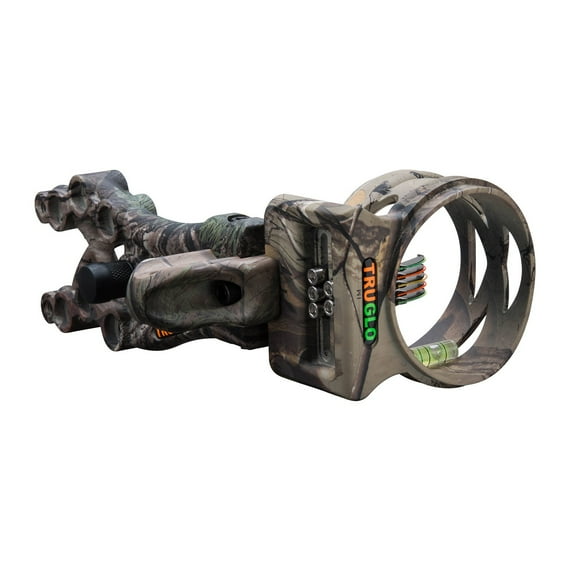
When your distances change often, 5 pin bow sights give you more fixed aiming points. You may like that setup if you want less dialing before each shot.
Some shooters also compare seven-pin options for wider distance coverage. You should check whether extra pins make your sight picture feel too busy.
- You can choose one pin for adjustable yardage and a simple sight picture.
- You can choose three pins for balanced distance coverage and quick aiming references.
- You can choose five or seven pins for more preset yardage points.
- You should match pin count to your usual distances and shooting pace.
Comparing compound bow sights and sight types
Mounting fit matters first when you shop compound bow sights. You should check standard mounting patterns so your sight fits your compound bow riser correctly.
Fixed pin styles work well if you want several distances set and ready. You can sight them in and make small corrections as your setup changes.
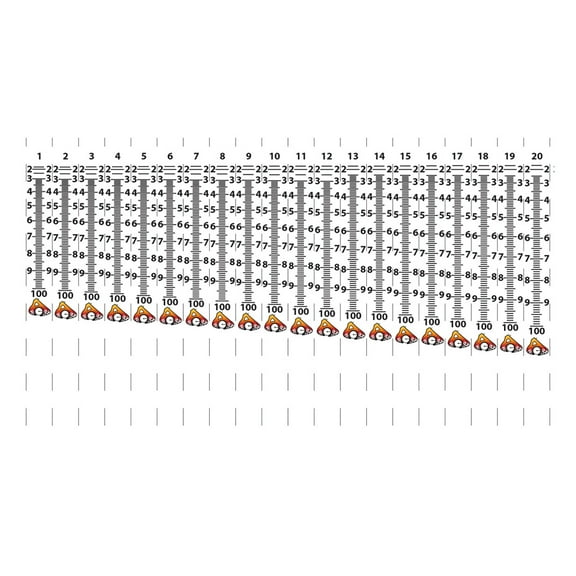
Slider styles let you move a pointer along a yardage tape. You may prefer that design for longer shots and a single aiming pin.
Pendulum styles suit close tree stand use where shot angles change. You should compare intended use carefully because that design serves a narrower purpose.
Digital styles add electronic readouts or aiming features on some models. You can compare battery needs, screen layout, and mounting details before choosing that option.
Another useful detail is a toolless micro-adjust system for windage and elevation. You can make quick tuning changes in the field without reaching for extra tools.
What to look for in archery sights
Pin diameter changes how much of the target you see at full draw. You can compare .010, .019, and .029 pins based on precision and clear visibility.
Finer .010 pins can help when you want a precise aiming point at distance. Thicker .019 and .029 pins can stand out more clearly in darker woods.
Fiber optic brightness matters when you hunt at dawn or in shaded cover. You should look for light-gathering designs that help your pins stay visible in dim conditions.
The sight ring and level also affect what you see before release. You can hold a steady visual reference when the housing feels easy to center.
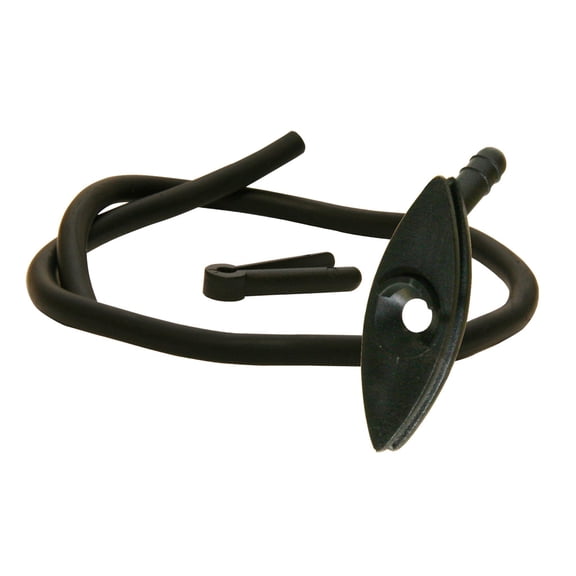
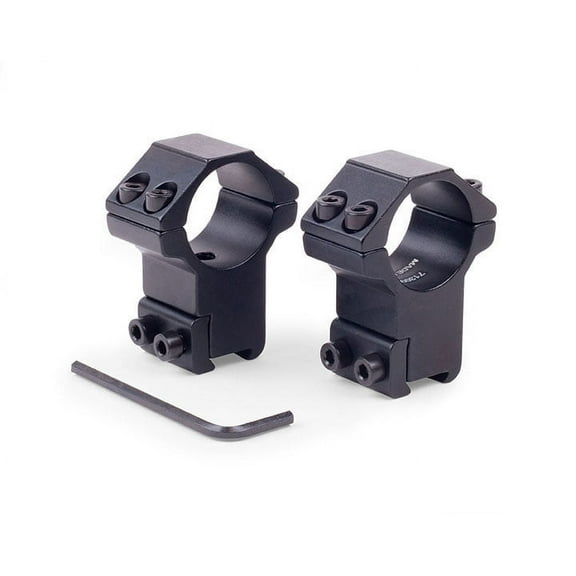
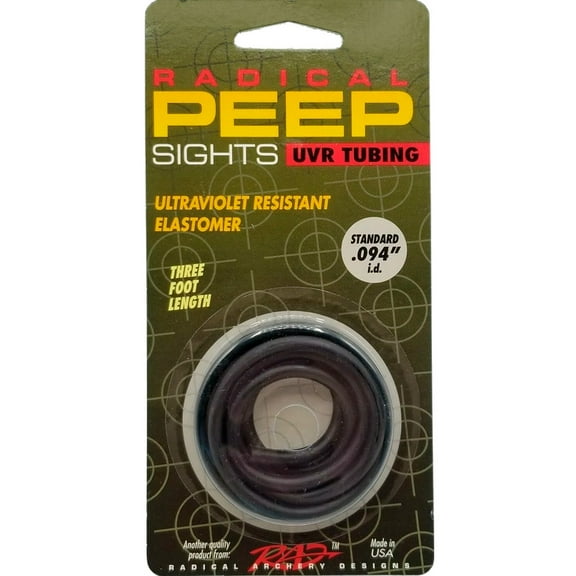
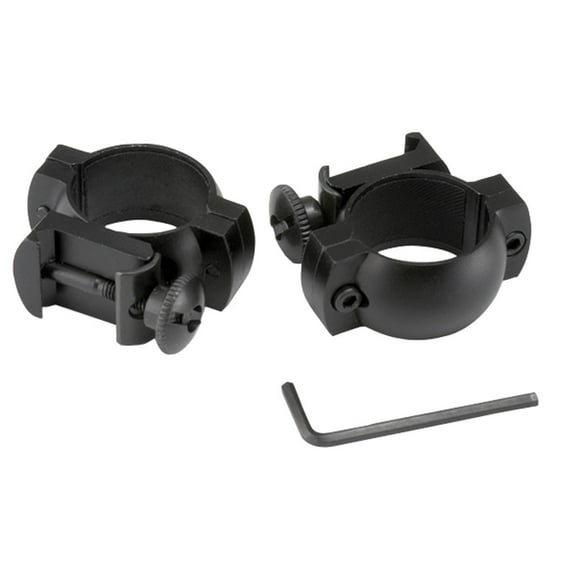
Many shoppers also compare bow sight accessories for setup and upkeep. You may want mounting hardware, replacement pins, covers, sight lights, or yardage tapes for your routine.
Matching hunting bow sights to your shooting style
Your shooting environment should guide your final choice more than any single spec. You can narrow options faster when you compare hunting, target shooting, and 3D archery needs.
If you hunt from blinds or stands, you may want bright pins and quick references. You can lean toward multi-pin hunting bow sights when distances change fast.
During target practice on known ranges, you may prefer a slider for longer shots. You can get a clear aiming picture and direct yardage control with that style.
For 3D archery, you may want flexible adjustment and precise pin placement. You should compare slider travel, tape readability, and adjustment feel for that format.
Your pace in the field matters too when you compare fixed and adjustable styles. You can choose fixed pins for instant references or a slider when you have time to dial.
With the right setup, you can match brightness, pin count, and adjustment style to your bow. You’ll finish with bow sights that fit your distances, your bow, and your aiming habits.