





Trampolines




























About Trampolines - Walmart.com
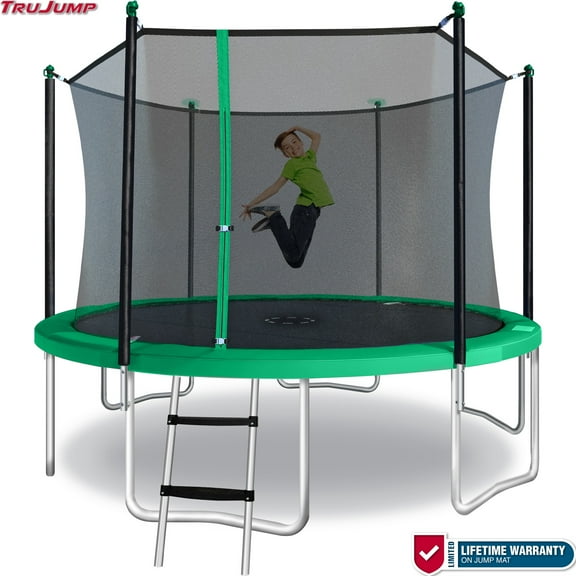
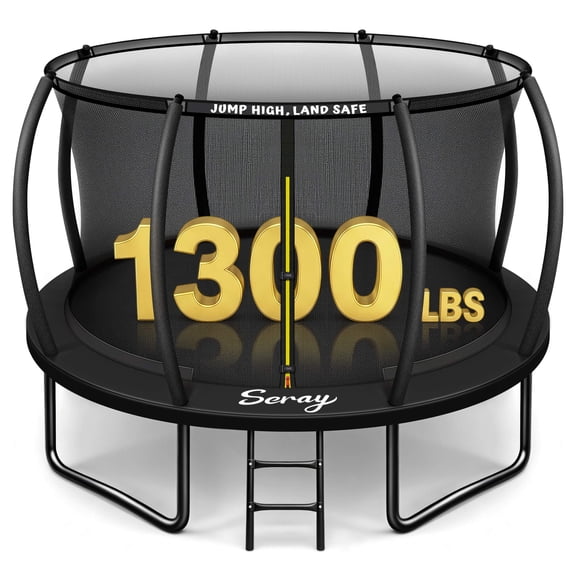
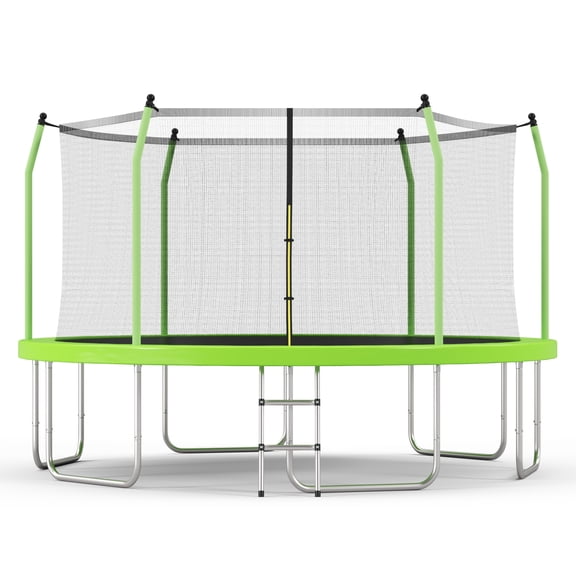
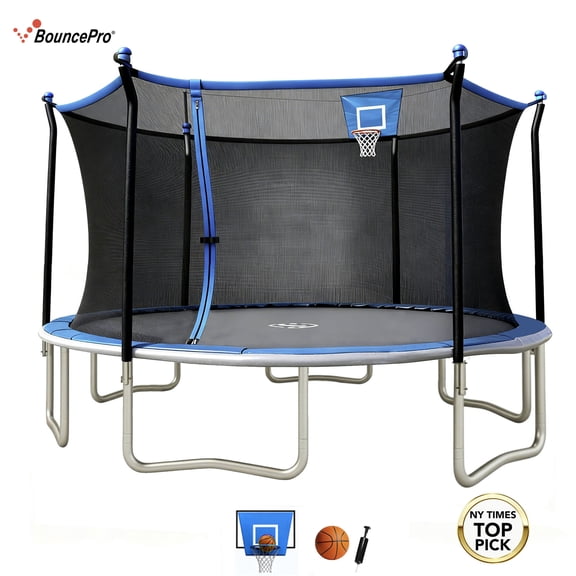
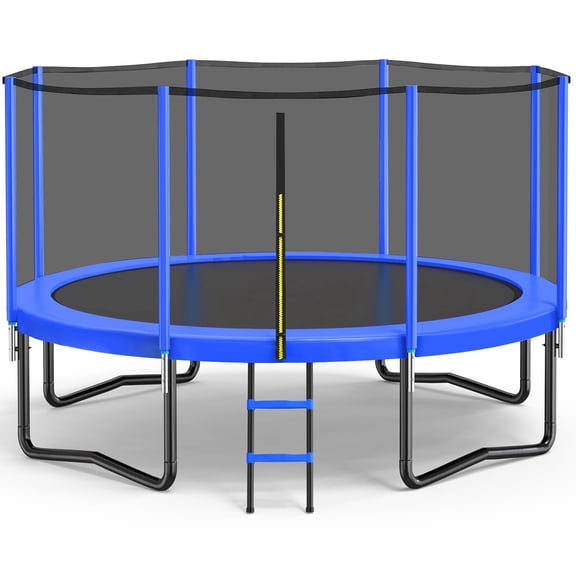
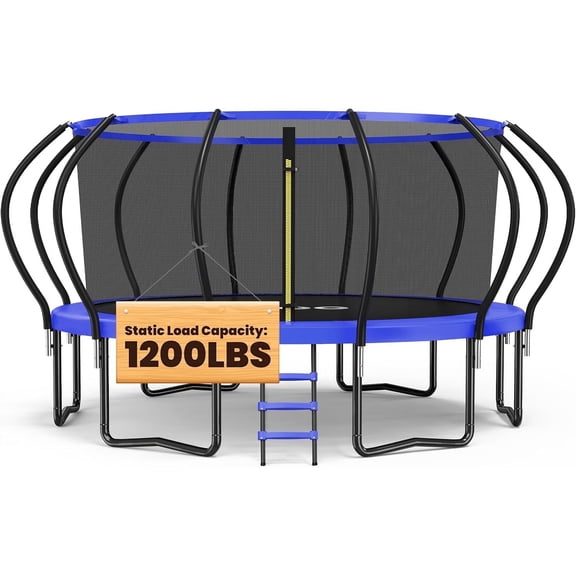
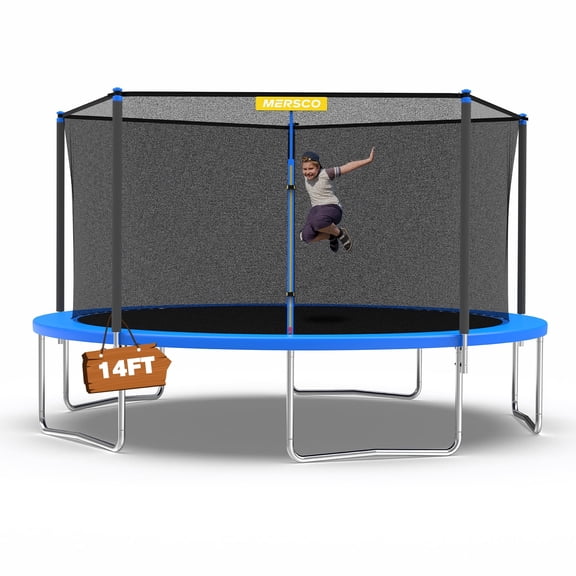
Trampolines help you turn your yard into an active play space with room to jump, practice coordination, and enjoy outdoor time. You can compare sizes, shapes, and safety details that fit your space, your household, and your preferred jumping style.
If you're choosing outdoor trampolines for everyday backyard use, you'll want clear guidance on enclosure nets, frame strength, and size planning. You can also narrow options faster when you know how mini, round, rectangular, and oval designs change the feel of each bounce.
How to choose trampolines for your yard
You'll want to start with the space you can dedicate, not just the jumping surface you want. You should measure open ground and leave extra clearance around the frame for easier placement.
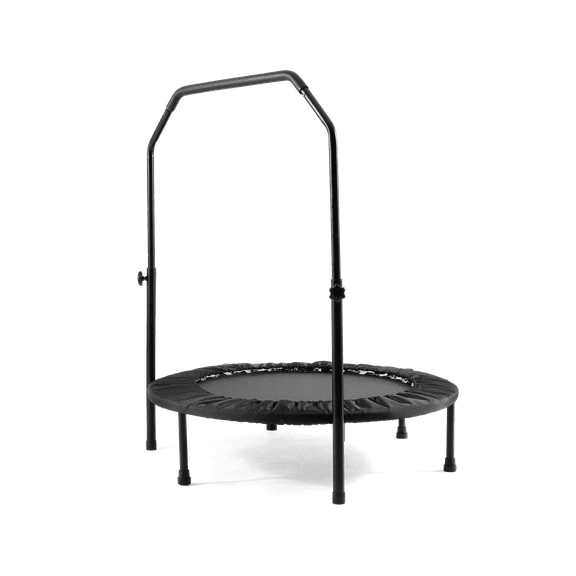
When you compare 12 foot, 14 foot, and 15 foot models, you'll notice each size supports a different backyard layout. You can often use mini options indoors or in smaller areas where a full-size frame won't fit.
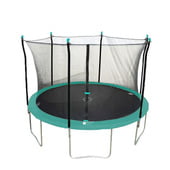
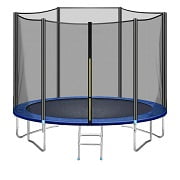
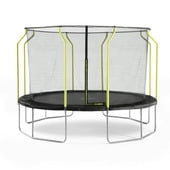
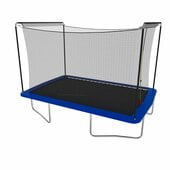
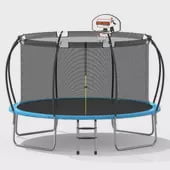
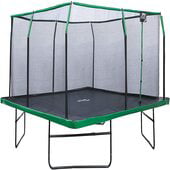
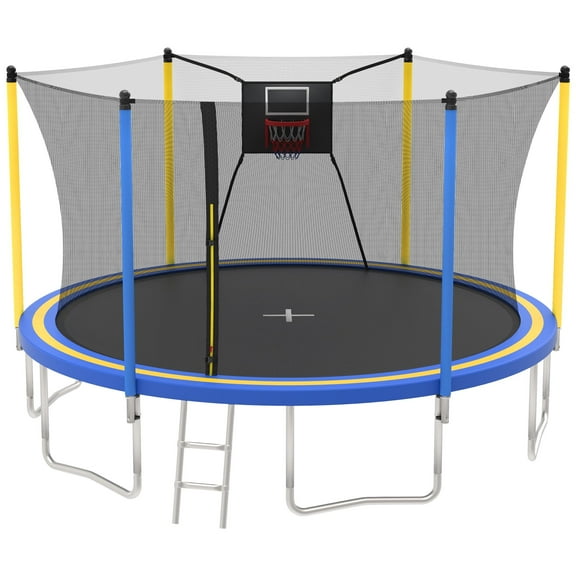
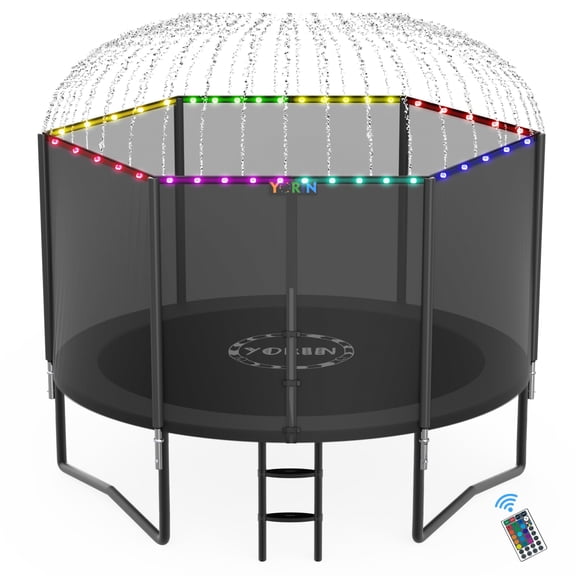
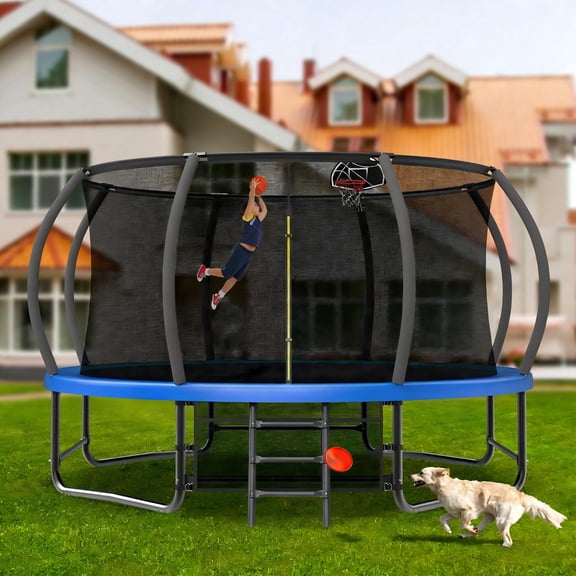
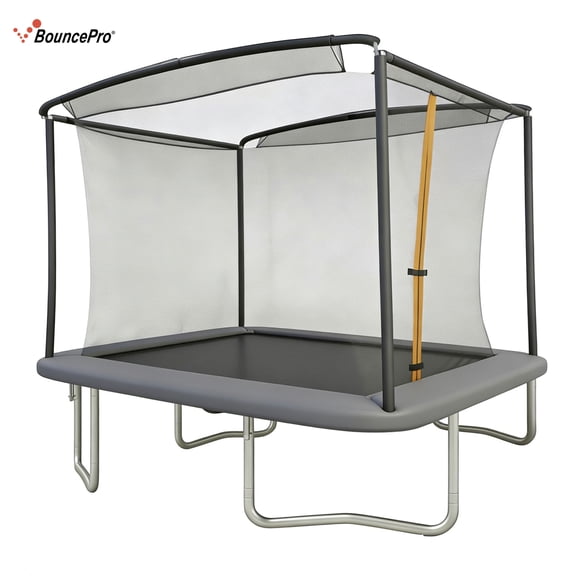
Round backyard trampolines can help you center your jumps, which many households prefer for casual recreation. Rectangular designs can give you a longer jumping lane, while oval styles help you balance length and width.
What to look for in trampolines with safety net features
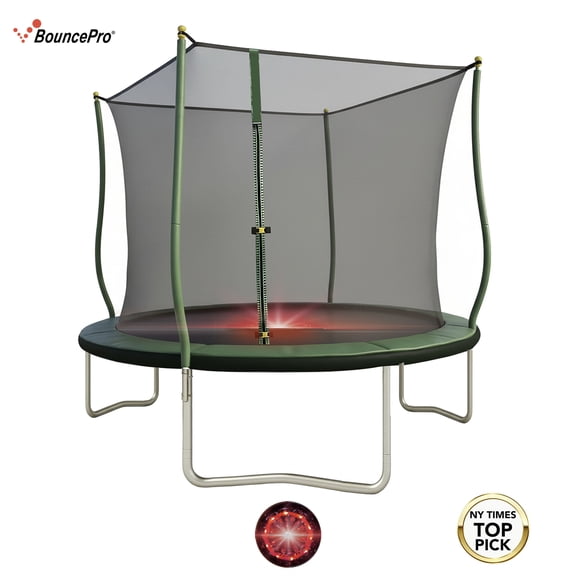
You should check whether trampolines with safety net designs use a secure attachment style around the jumping area. You'll also want to compare zipper entries and latch openings, because each entry style changes how you get in and out.
A padded spring cover matters when you want cushioning over the spring area and a cleaner jumping surface. You can also look for anchor kits when you want added stability for outdoor placement.
- You can compare enclosure net attachment styles for a tighter fit around the mat.
- You should look for zipper or latch entry details that match your daily routine.
- You can choose padded spring covers for a more finished jumping surface.
- You may want anchor kits for backyard setups that stay in one spot.
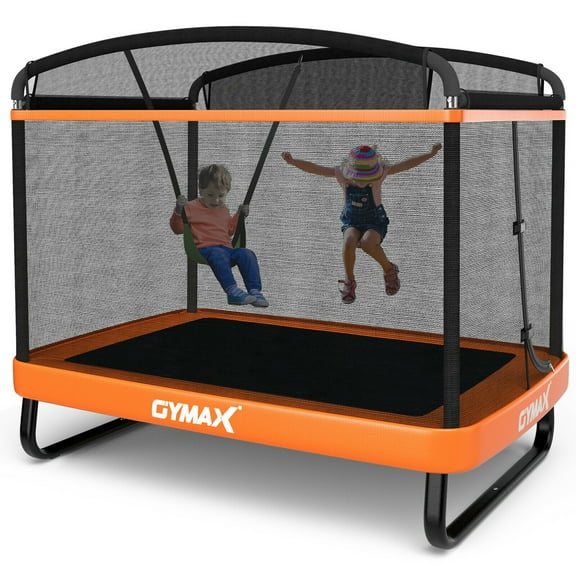
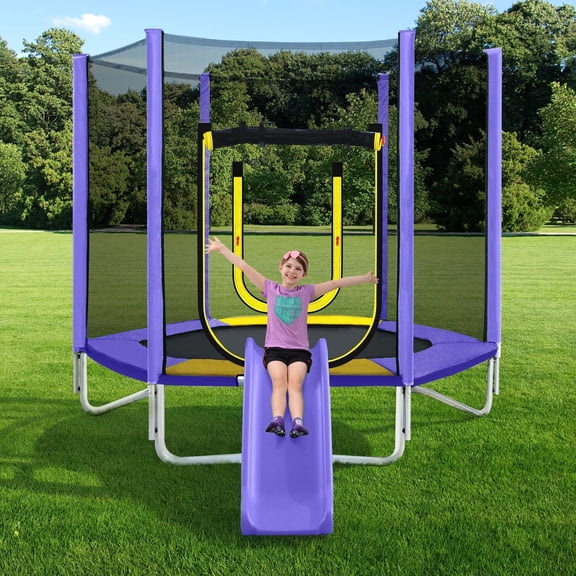
If you're shopping for kids trampolines, you'll likely focus on enclosed designs with clear entry points and visible padding. If you're shopping for adults, you may compare frame size and weight capacity first.
Choosing the right size, shape, and weight capacity
You should match size to both your yard and the number of jumpers you expect at one time. You'll want to read weight capacity closely, because single-jumper use and shared recreational use can call for different limits.
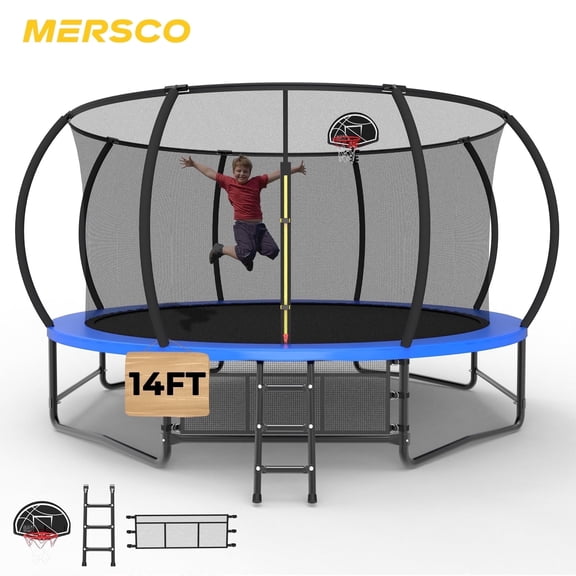
A 12 foot trampoline can suit many standard yards when you want a full jumping area without taking over the whole lawn. A 14 foot trampoline often gives you more landing room, while 15 foot models can support larger recreational setups.
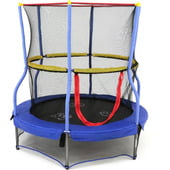
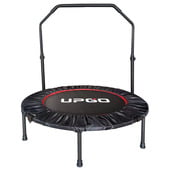
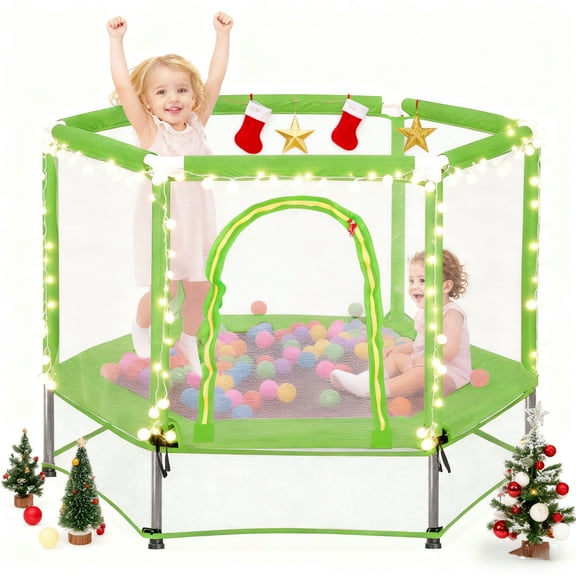
Mini styles can work when your toddler needs a compact option designed for smaller movements and closer supervision. Larger recreational trampolines can make more sense when your family wants longer jumping sessions and wider mats.
When you compare round, rectangular, and oval frames, you should think about how you plan to move during each jump. You'll often find round models easier for general family use, while rectangular models suit more directional bouncing.
What frame and mat materials mean for outdoor trampolines
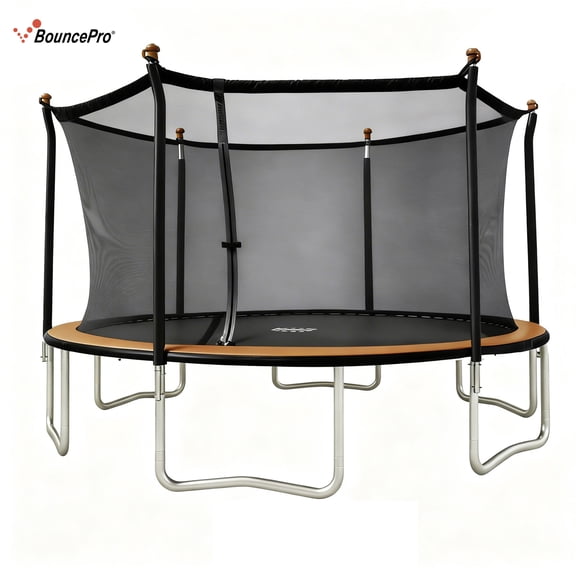
You should look for galvanized steel frames when you want outdoor trampolines that handle regular backyard exposure. You'll find galvanization useful because it adds a protective finish to the metal frame.
Mat material also matters when you want consistent rebound and a surface designed for repeated use. You can compare stitching, spring layout, and frame connection points to understand the trampoline's construction.
If your yard stays set up through changing weather, you'll want to check whether the frame, hardware, and enclosure are designed for outdoor conditions. You should also review how the net connects to poles, because that detail affects everyday setup and feel.
Matching trampolines to your household
You can narrow kids trampolines by looking at enclosure style, entry design, and overall footprint. You'll likely want a size that leaves room to move without overwhelming your yard.
If you're buying for mixed ages, you should compare user guidance and weight capacity before you choose a frame size. You can then match that information to a round or oval shape that fits shared recreational jumping.
For toddlers, you may prefer mini models that fit smaller spaces and simpler movement patterns. For older kids and adults, you might look toward backyard trampolines with larger diameters and more jumping room.
You can also plan ahead by exploring trampoline accessories that support setup and upkeep. You'll often find replacement nets, anchor kits, ladders, and other add-ons useful when you want your setup to stay organized.
With the right trampoline, you can match your yard size, enclosure style, and user needs with more confidence. You'll end up with a setup that fits your space and supports steady outdoor fun.