

Boat Trailer Accessories & Parts


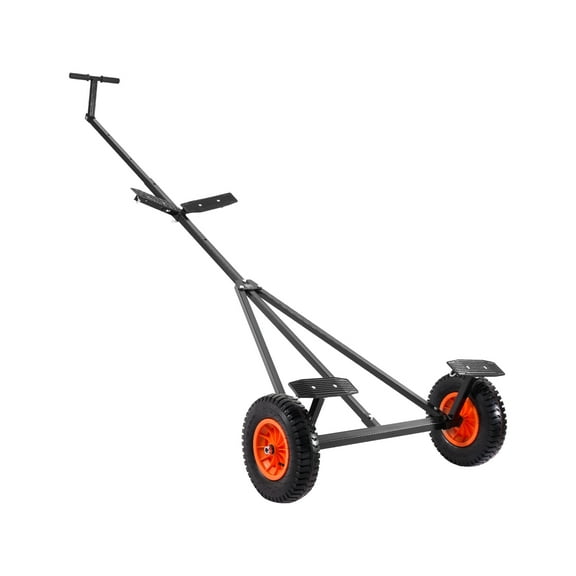
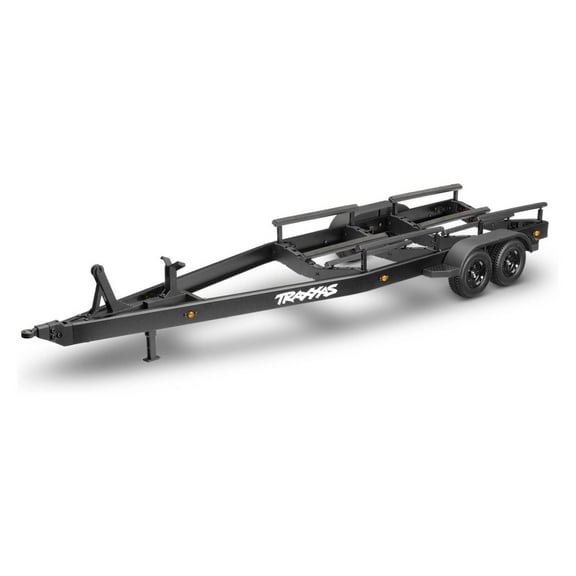
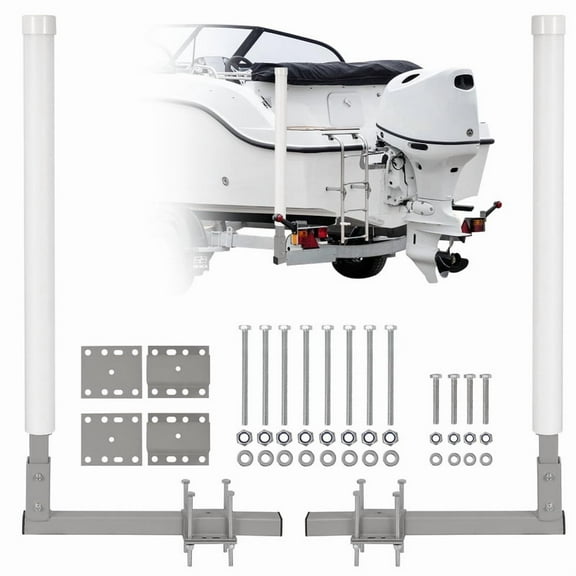
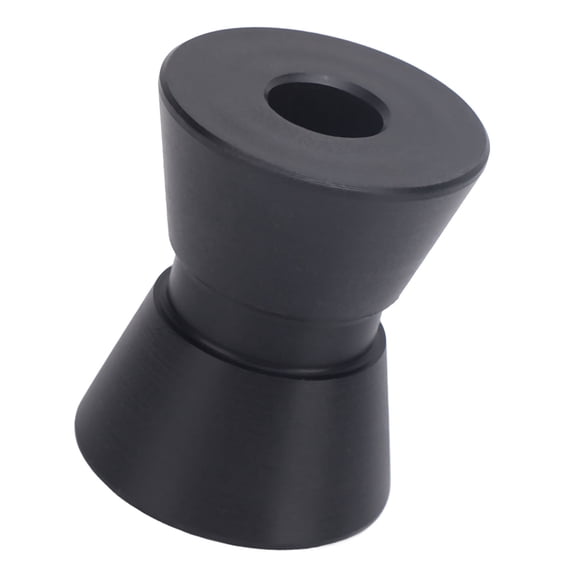
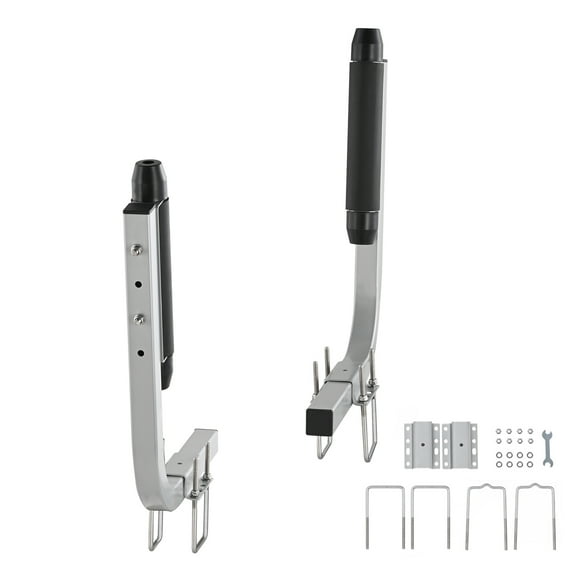


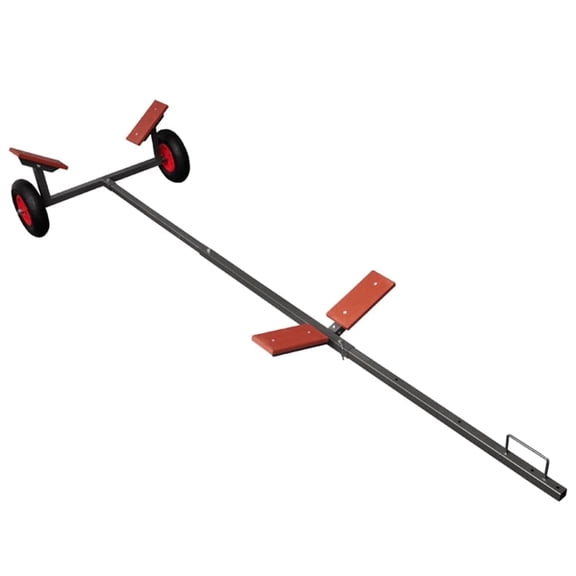


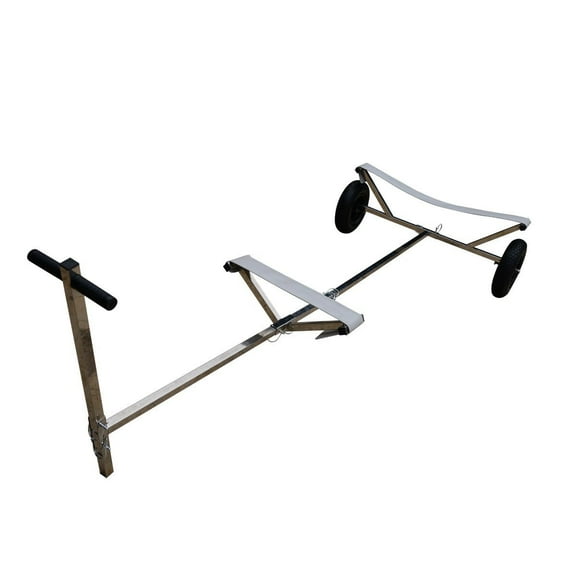
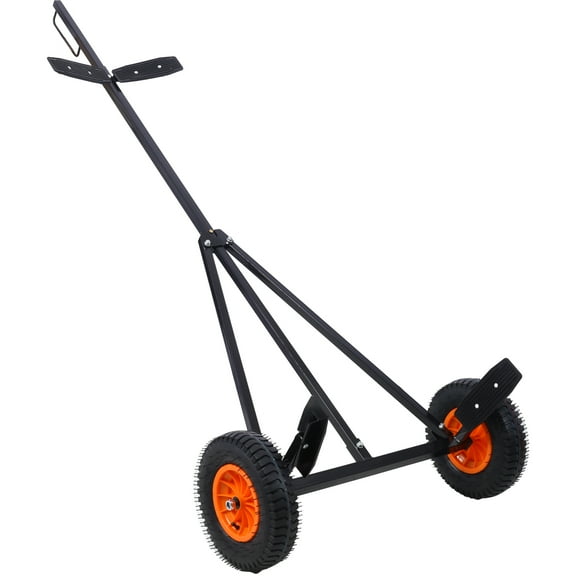

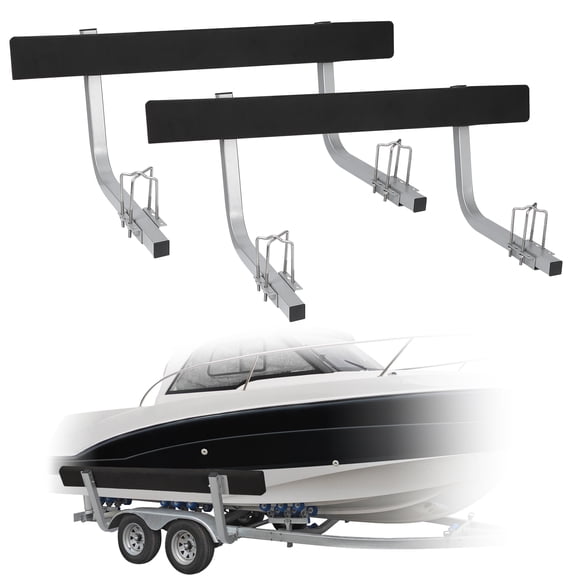
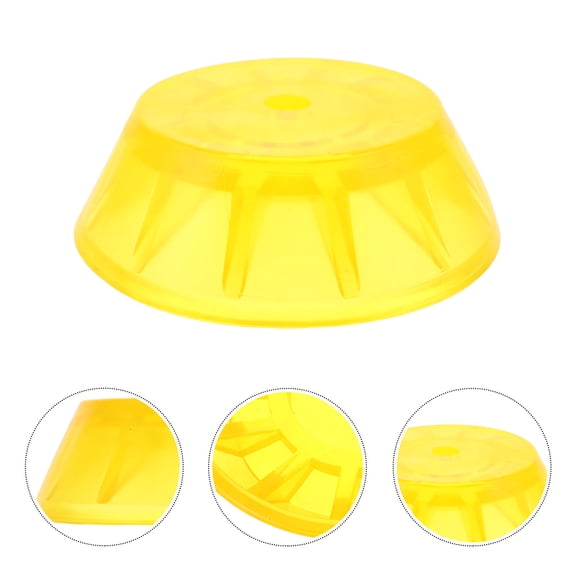
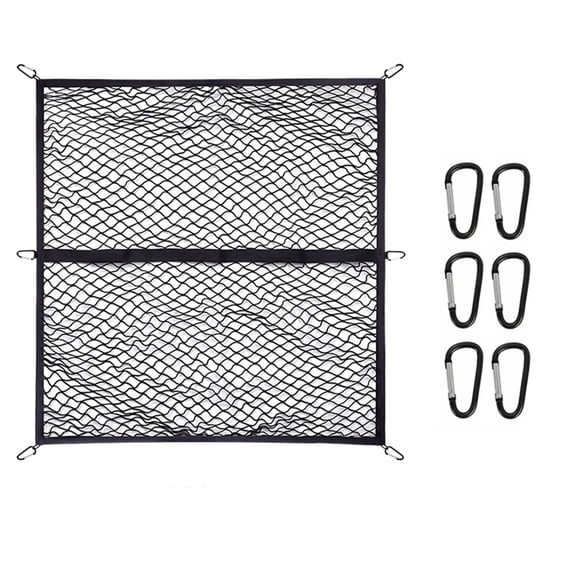
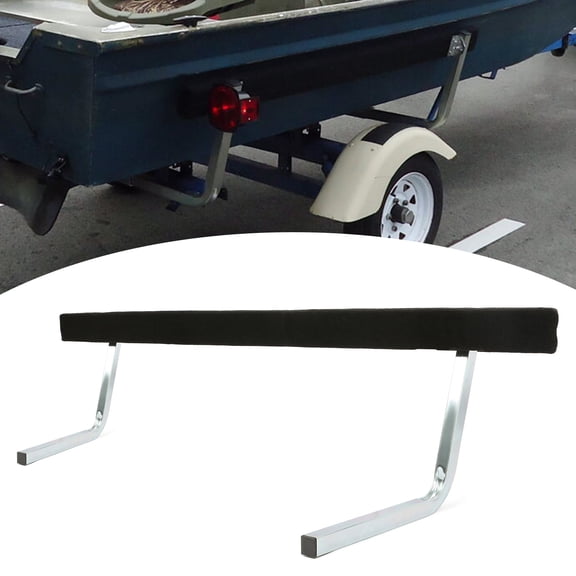

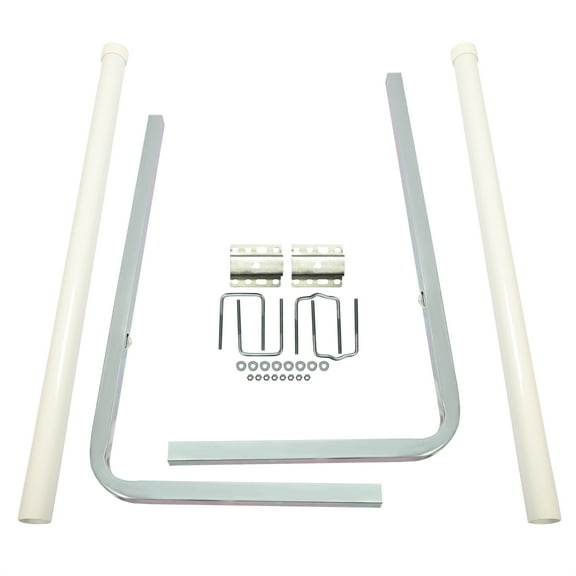
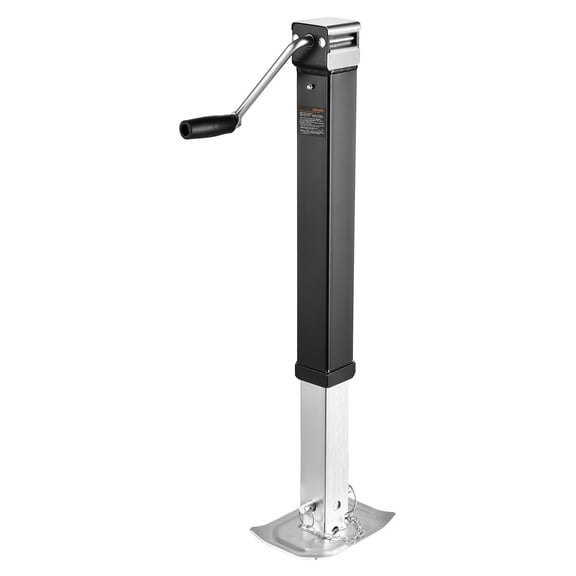









About Boat Trailer Accessories & Parts - Walmart.com
Boat trailer parts help you tow, launch, and load with more confidence. You can compare fitment, materials, and load support to match your trailer and boat.
If you're replacing worn hardware or upgrading for a new season, you need parts that match your setup. You can find options for rollers, lights, winches, jacks, bunks, and bearings in one category.
How to choose boat trailer parts
You should start with the part type that affects your next repair or upgrade. You may need smoother loading, brighter trailer lighting, or steadier lifting at the tongue.
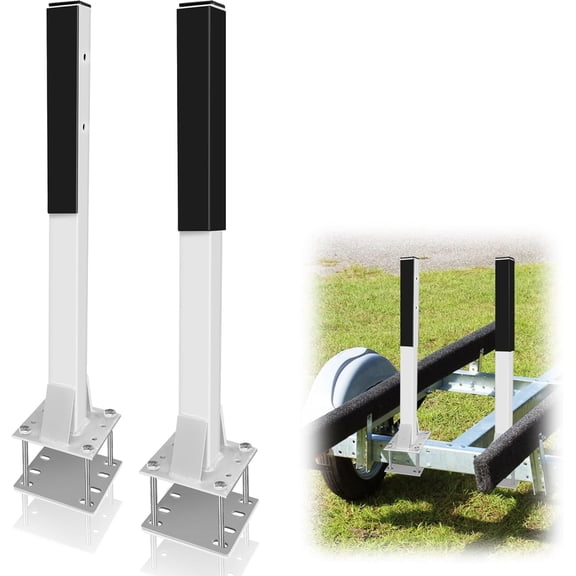
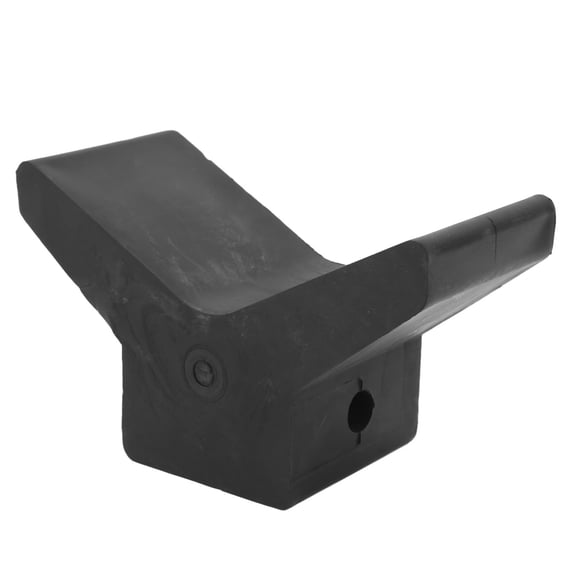
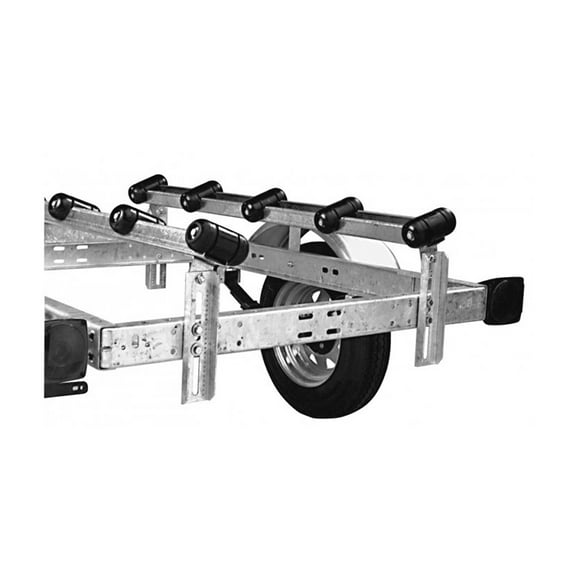
When you compare boat trailer accessories, you can focus on the job each part performs. You can use rollers to guide hull movement, bunks to support the hull, and winches to pull the boat forward.
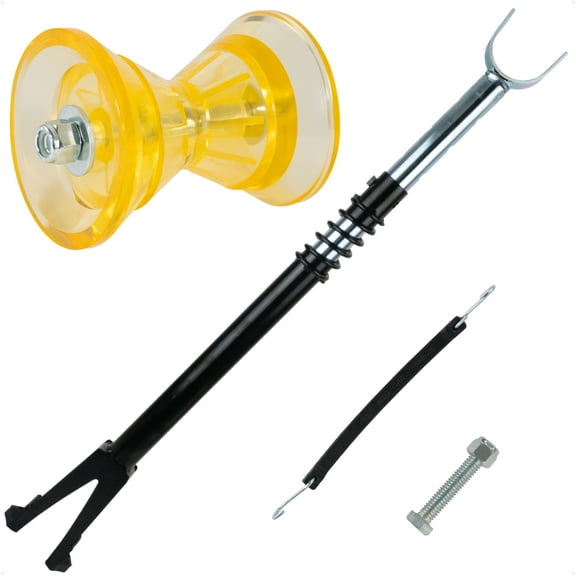
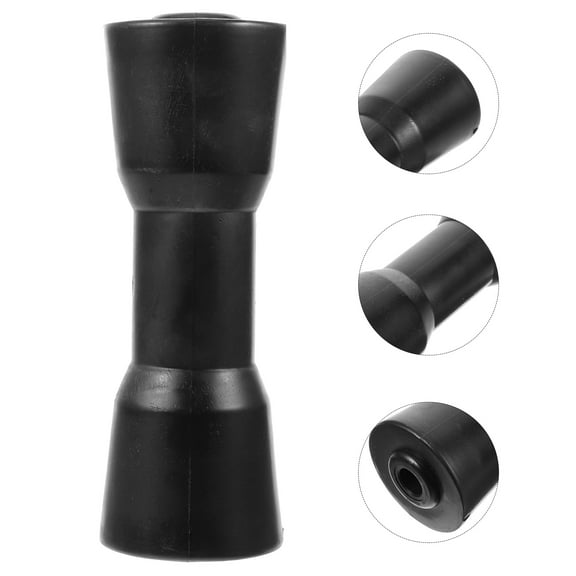
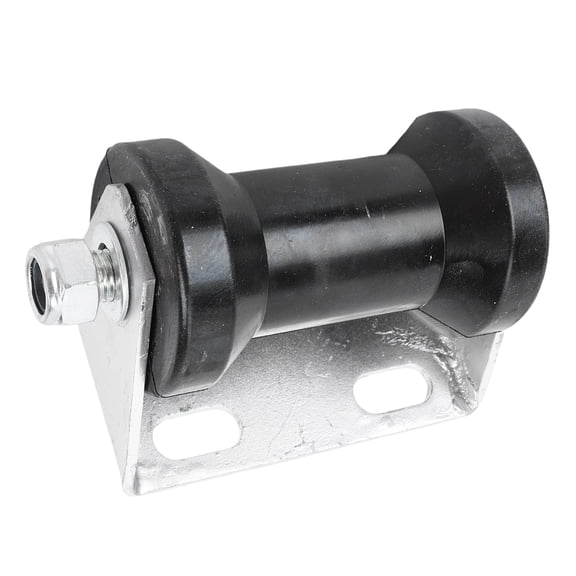
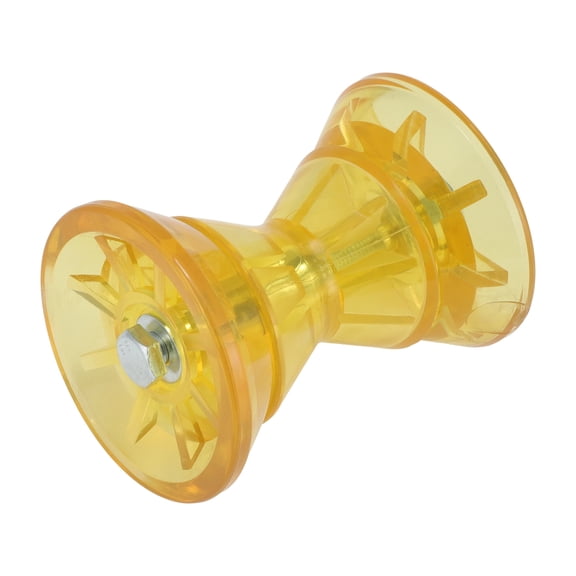
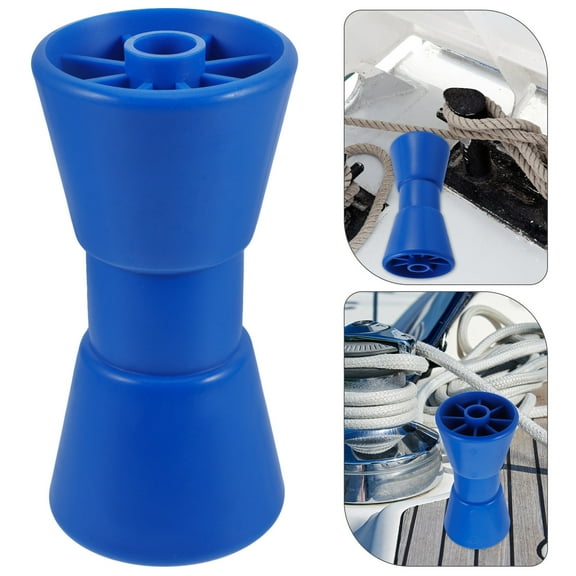
- You can replace boat trailer rollers when you want easier launching and loading.
- You can choose boat trailer lights when you need clear visibility at the ramp and on the road.
- You can add boat trailer winches when you need controlled pulling power for your hull size.
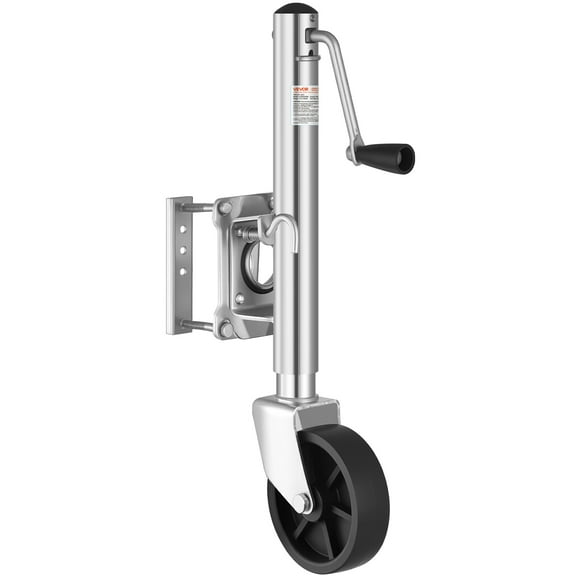
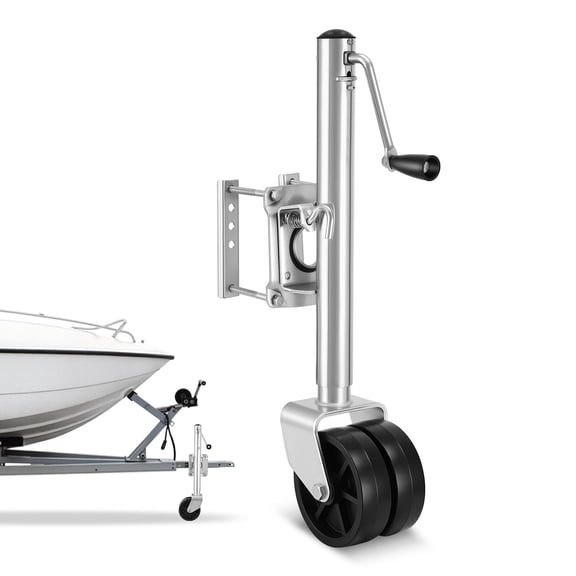
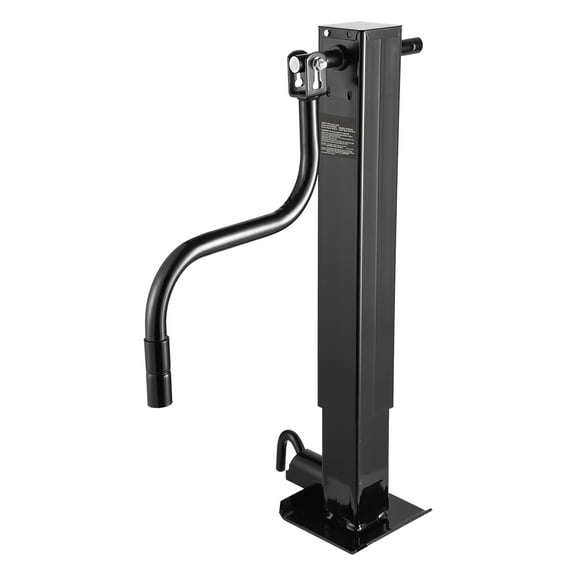
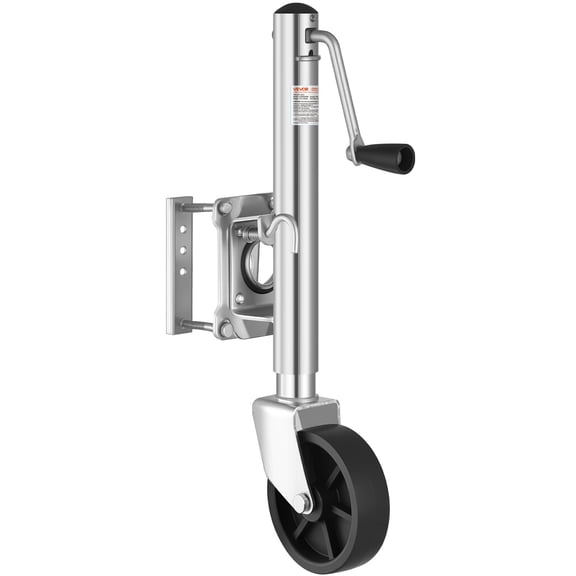
- You can select boat trailer jacks when you want steadier hitching and easier trailer positioning.
- You can check boat trailer bearings when you need smoother wheel rotation and dependable towing support.
You can also think about where the part sits on your trailer. You may want guides and tie downs for seasonal prep, especially before heavy spring and summer use.
Choosing materials for marine trailer parts
You should compare materials based on your water type and storage conditions. You can use that choice to narrow marine trailer parts that fit saltwater or freshwater use.
If you launch in saltwater, you may look for hot-dip galvanized steel or aluminum parts. You can use those materials when you want stronger corrosion resistance in wet, coastal conditions.
If you tow mostly in freshwater, you may compare galvanized steel, rubber, and polyurethane by part type. You can choose rubber or polyurethane rollers based on hull contact and rolling feel.
You should also match materials to the part's job. You can use aluminum frames and brackets for lighter handling, while steel parts may suit heavier towing hardware.
Checking fitment, hub size, and load support
You need fitment details before you choose replacement hardware. You should check axle size, bolt pattern, and hub size so your part lines up correctly.
When you shop for bearings and hubs, you can measure first and compare second. You can avoid guesswork by matching inner and outer dimensions to your current setup.
You also need a load rating that exceeds your total trailering weight. You should include your boat, motor, fuel, battery, and gear when you compare 1000 lb to 5000 lb capacities.
If you use a fishing boat, pontoon, jet ski, or utility trailer frame, you should match support points carefully. You can choose bunks, rollers, and winches that fit your hull shape and trailer style.
Comparing rollers, lights, winches, and jacks
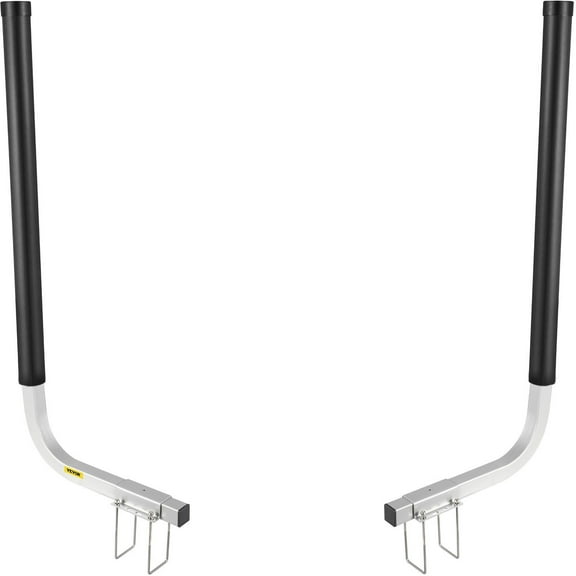
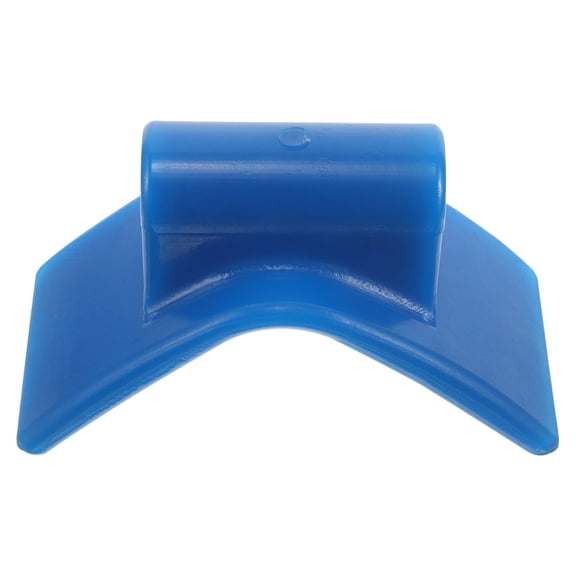
You can use rollers and bunks to control how your boat rests and moves. You may choose rollers for guided loading or bunks for broader hull contact.
With boat trailer lights, you should check housing style, mounting position, and wiring layout. You can compare sealed assemblies and replacement lights based on your existing trailer connections.
For boat trailer winches, you should compare strap length, gear style, and rated pulling strength. You can pair the winch rating with your loaded boat weight for steadier retrieval.
For jacks, you can compare lift range, mount style, and wheel or foot design. You should choose a jack that supports your tongue weight and fits your frame.
Matching parts to your boat and installation plan
You can narrow choices faster when you match parts to your boat type. You may want compact support parts for a jet ski trailer or wider bunk support for a pontoon.
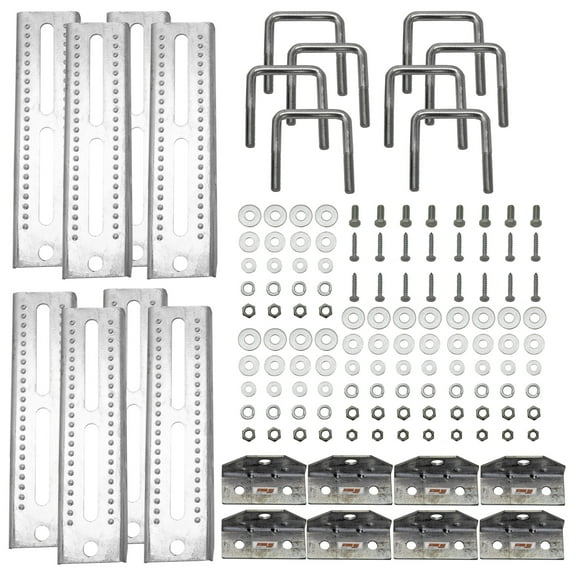
If you handle routine maintenance yourself, you can look for parts with straightforward mounting points. You should still measure brackets, bolt spacing, and frame clearance before you install anything.
Some replacements are simple, while others require tighter fitment checks. You can often swap lights, rollers, and tie downs quickly, but hubs and bearings need closer measurement.
You may also plan around seasonal towing demands and launch frequency. You can keep your trailer ready with parts that match your ramp routine, storage setup, and travel distance.
What to expect from the right setup
You can build a more dependable towing setup when each part matches your trailer and boat. You get smoother loading, steadier support, and clearer fitment decisions from the start.
When you choose the right combination of materials, capacities, and part types, your trailer works the way you need. You can spend less time troubleshooting and more time getting to the water.