


Boat Hooks in Marine Supplies








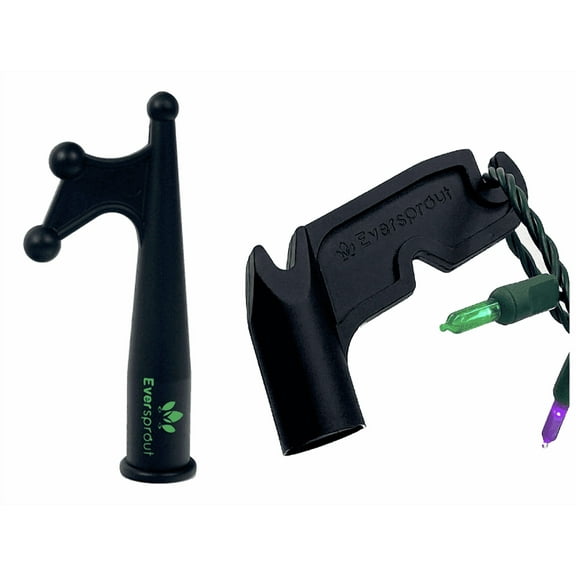
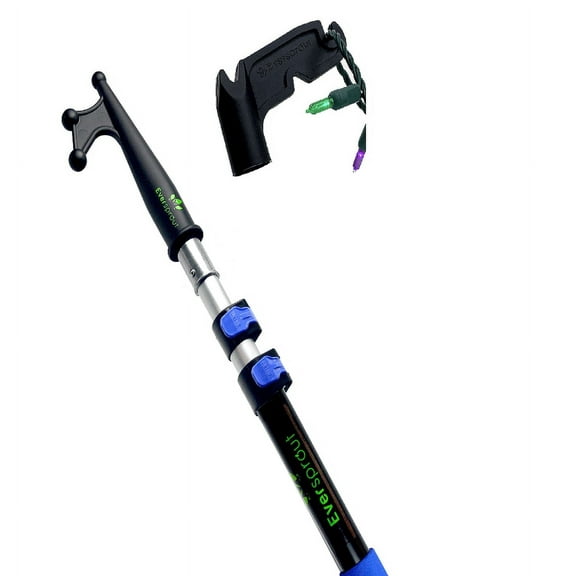
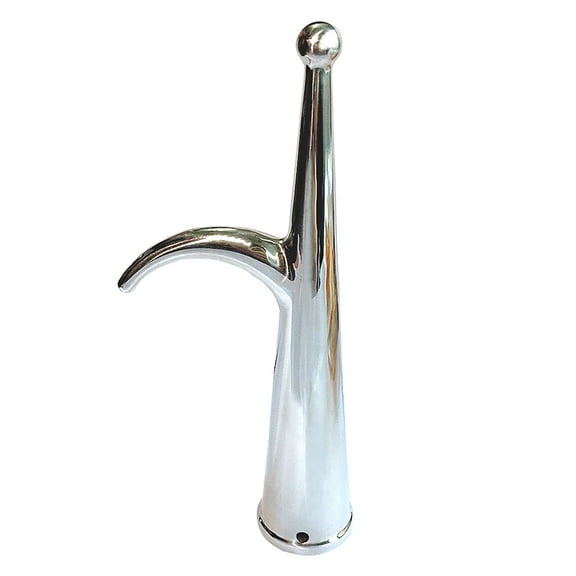

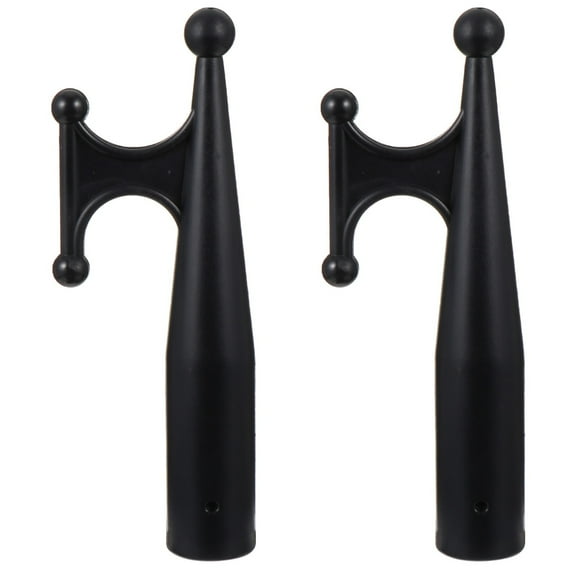





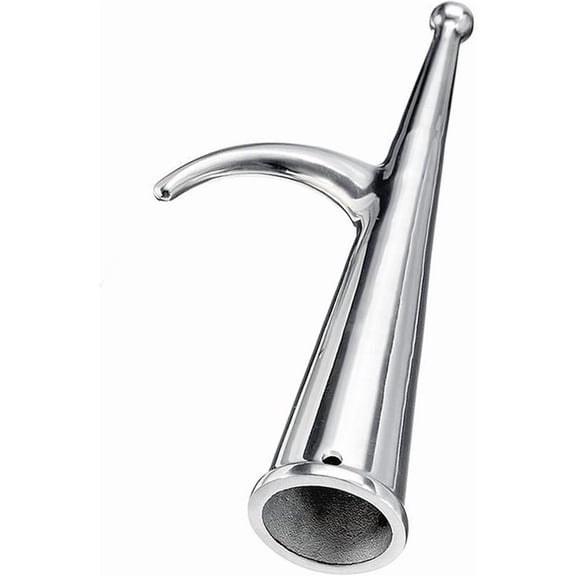


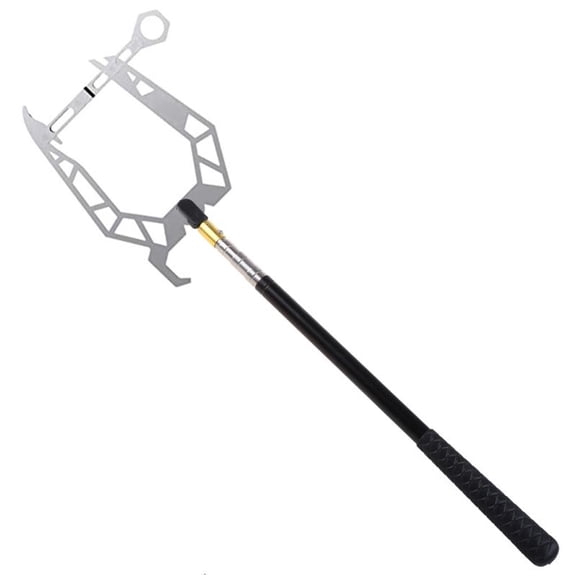


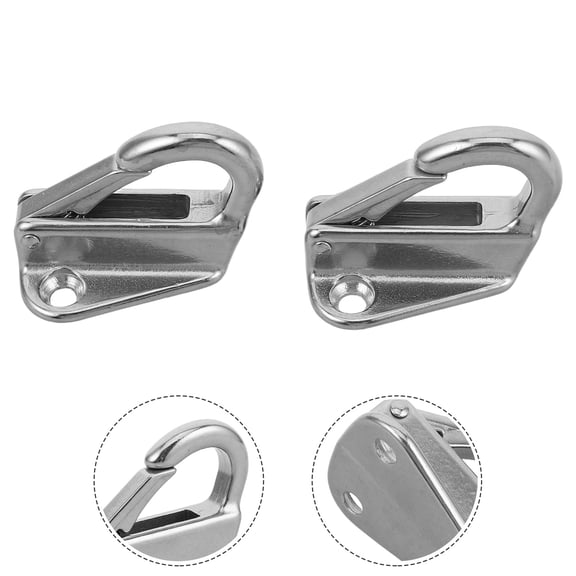
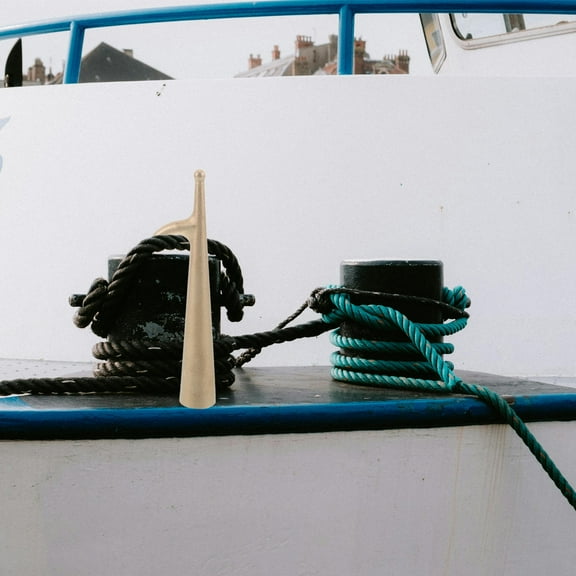
About Boat Hooks in Marine Supplies - Walmart.com
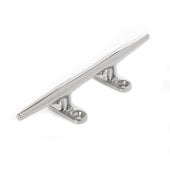
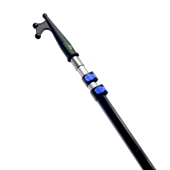
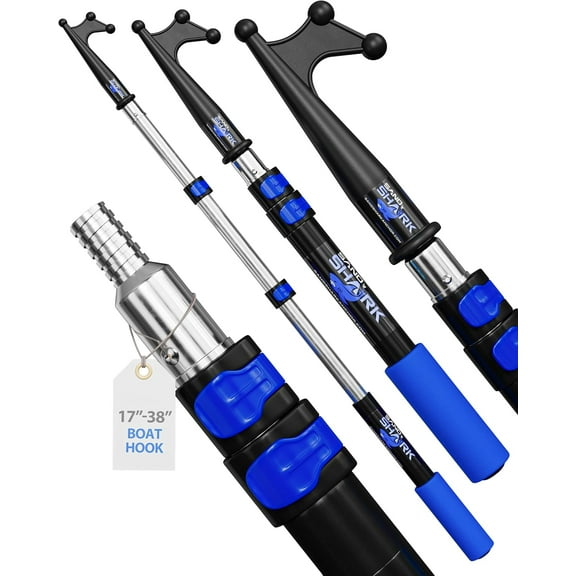
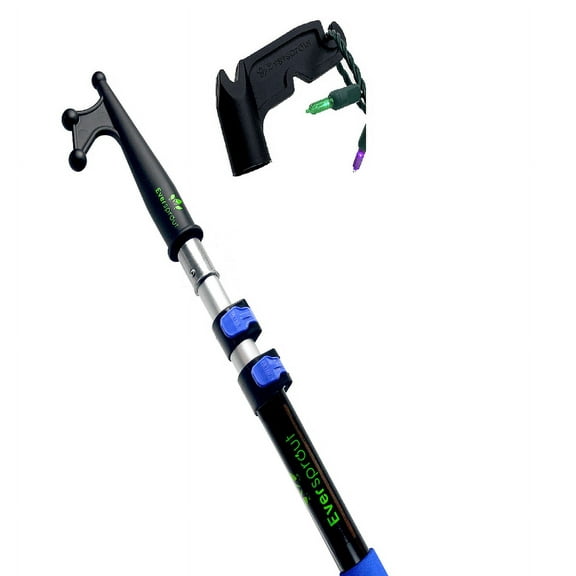
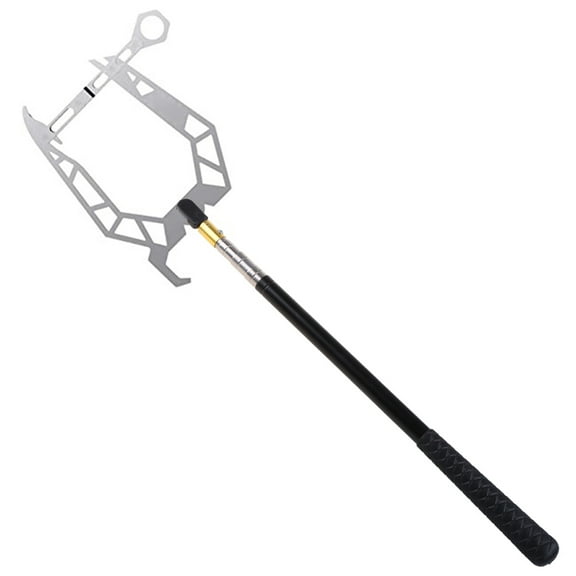
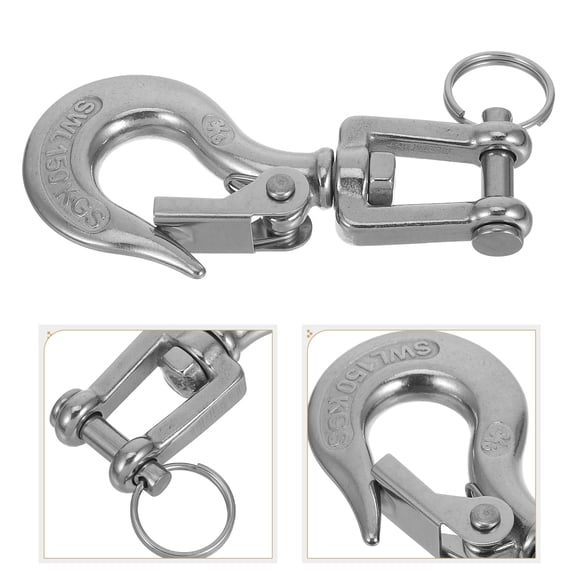
Boat hooks help you handle docking, mooring, and line pickup with added control around cleats, pilings, and fenders. When you compare length, material, and attachment style, you can choose a tool that fits your boat and storage space.
You may also want flexible fulfillment when you need marine gear quickly for an upcoming launch day. You can check options that ship to your home or are available for pickup nearby.
How to choose boat hooks for docking
When you choose a boat hook for docking, you should start with how far you need to reach from the deck. You can use extra reach to guide lines, grab a mooring pendant, or push off gently from a dock edge.
If you boat in tighter marinas, you may prefer a shorter pole that stores neatly in a locker. If you handle taller freeboard or wider slips, you may want more extension for easy line handling.
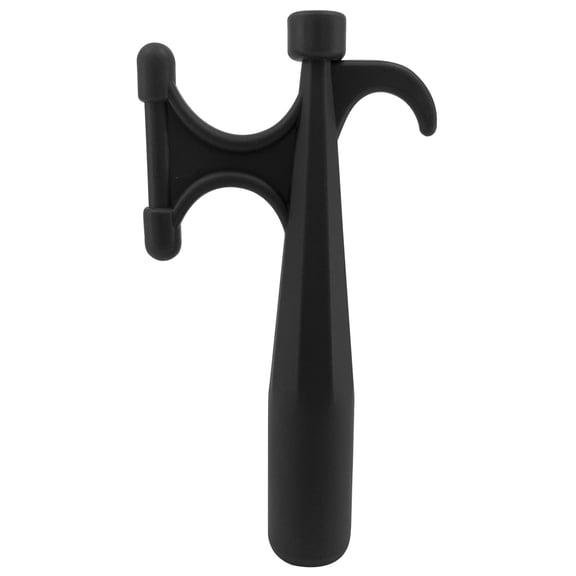
You should also compare how the hook shape meets your usual task. You can use a curved end to catch dock lines, while a straighter profile can help you push away cleanly.
- You can reach cleats and dock lines without leaning as far over the rail.
- You can guide your boat into position with steadier control in close quarters.
- You can store the right pole easily when collapsed length matches your compartment.
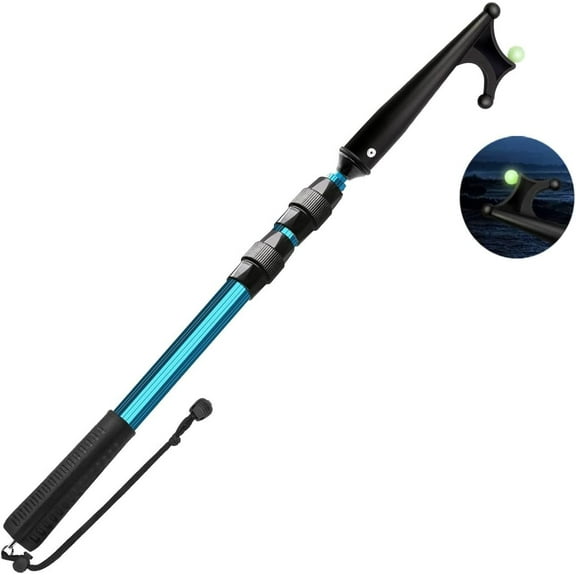
- You can choose a floating design if you want easy recovery after an accidental drop.
Comparing telescopic boat hook and fixed designs
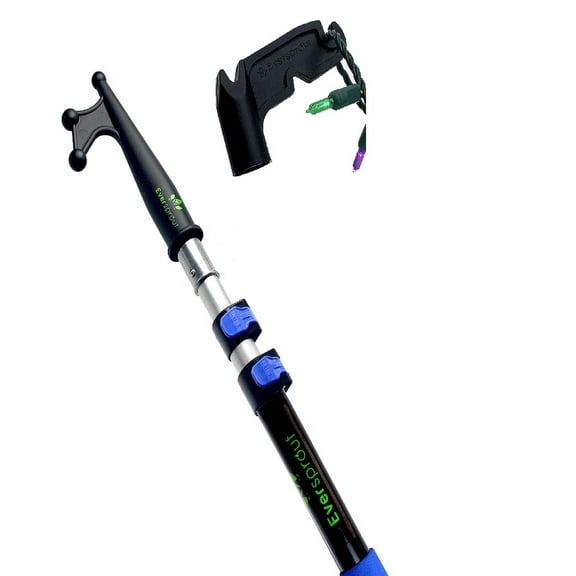
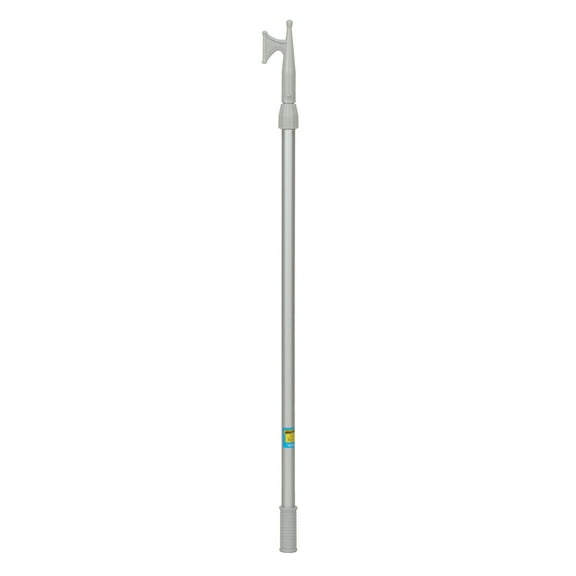
When you compare a telescopic boat hook with a fixed pole, you should measure both collapsed length and fully extended length. You can match those numbers to your storage hatch, console area, and reach needs at the dock.
A telescopic model helps you keep storage compact while still giving you added reach on demand. A fixed design gives you one ready length, which can feel simpler when you want quick access.
You may also see multi-piece options that break down for stowage between trips. You can consider these when you need longer reach but don’t have room for a full-length pole.
For small fishing boats, you may prefer shorter collapsed dimensions that fit under seats or inside side compartments. For pontoons or cabin boats, you may want longer extension to reach cleats below deck level.
What to look for in materials and screw on boat hook compatibility
When you compare materials, you should think about weight in your hand and exposure to saltwater or freshwater. You can choose aluminum for lighter handling, fiberglass for flex, or stainless steel for a tougher hardware feel.
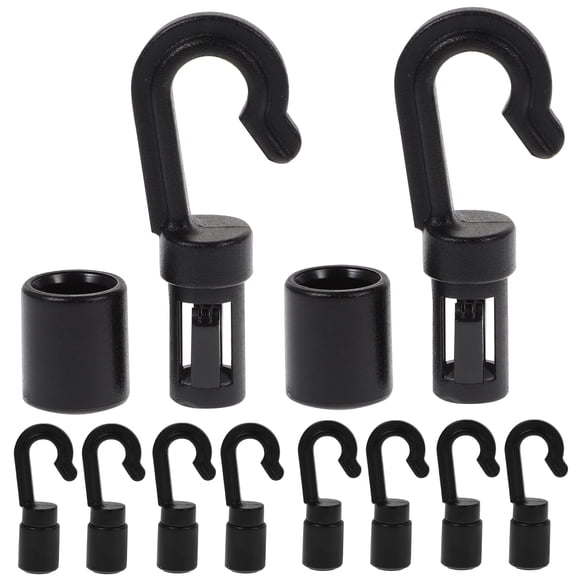
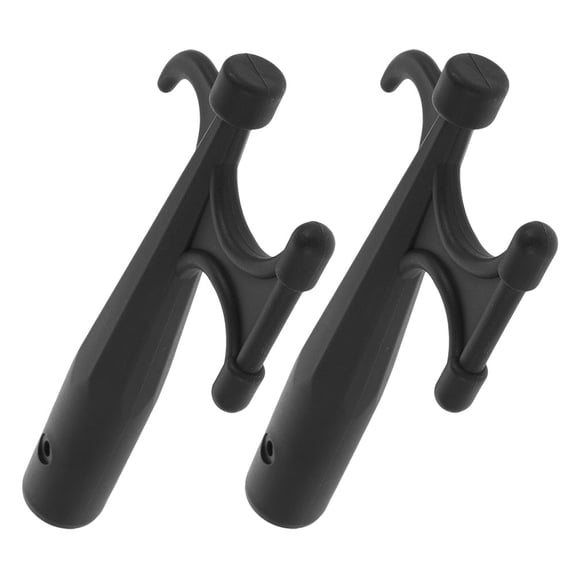
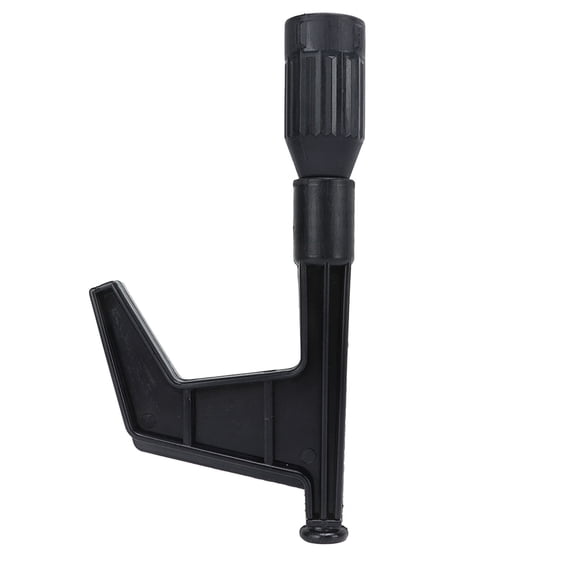
You should also look closely at the hook head itself, not just the pole. If you handle larger vessels, you may prefer metal or reinforced nylon because lighter plastic ends may feel less secure.
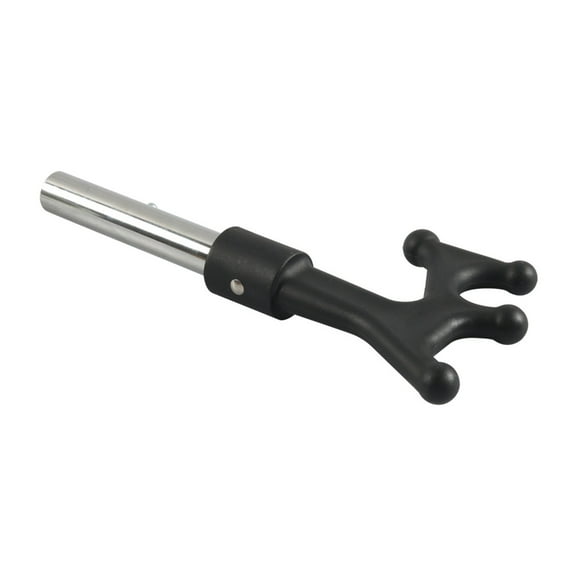
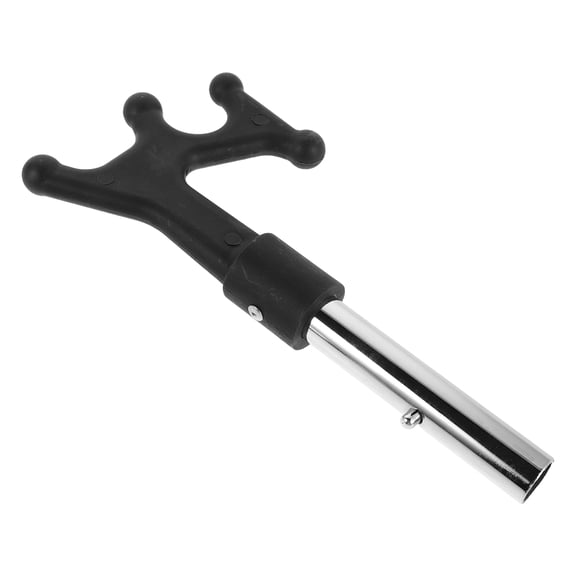
For a screw on boat hook, you should check whether the pole uses a standard 3/4-inch Acme thread. You can swap compatible heads and attachments easily when that thread size matches your existing marine hardware.
You may also find proprietary locking systems that twist or click into place. You should compare those options carefully if you already own a boat hook attachment or replacement head.
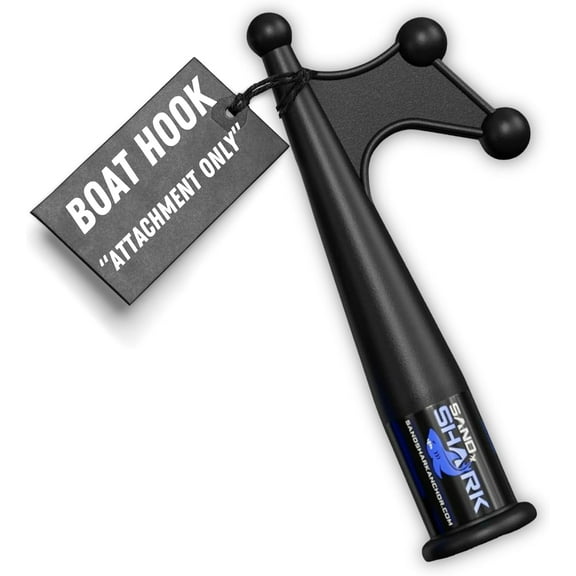
Some boat pole hook setups use integrated heads, while others let you change ends for different tasks. You can choose integrated designs for simplicity or threaded systems for flexibility.
Choosing the right end type and boat hook attachment
When you review end types, you should consider whether you want one tool for one task or one pole for several tasks. You can pick an integrated hook for straightforward docking or a threaded pole for accessory changes.
A locking mechanism can help you keep sections secure during use and while moving around the deck. You should check how easily that lock operates when your hands are wet and you need a quick adjustment.
You may use a boat hook attachment for extending your setup beyond simple line grabbing. You can look for compatible heads when you want one handle system that works across several onboard jobs.
If you want a boathook for regular marina stops, you may focus on a comfortable grip and easy one-handed extension. If you want boathooks for seasonal launch tasks, you may focus on storage and thread compatibility first.
Matching boating hooks to real on-the-water use
You can match boating hooks to your routine by starting with your typical trip type. If you dock often, you may want quick extension, a secure lock, and enough reach to catch lines without awkward stretching.
For mooring, you may need a longer pole that helps you grab a pendant or guide a line through a pickup point. You should compare extended length carefully because a few extra feet can change how that task feels.
If you launch from ramps or move around shallow shorelines, you may use your boathook to push off gently from a trailer guide or dock edge. You can also retrieve floating gear, hats, or lines that drift just out of reach.
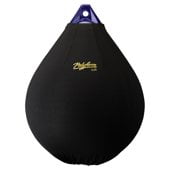
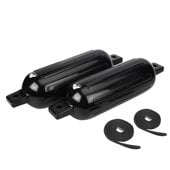
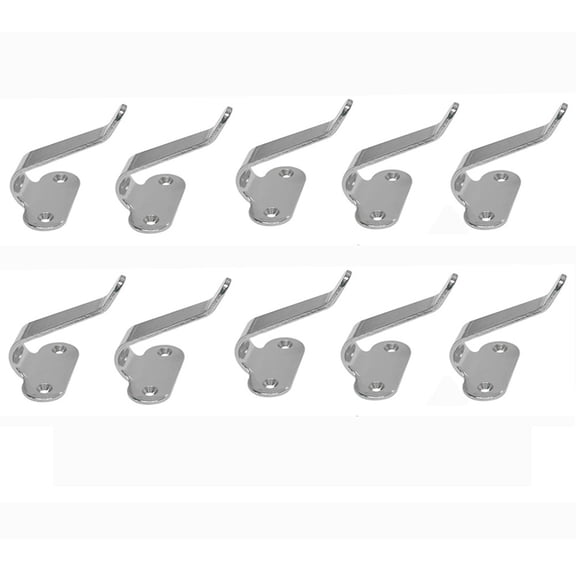
You might keep one boat hook near the helm and another in a storage compartment for backup coverage. You can also pair your setup with boat fenders, dock lines, and marine hardware for an organized docking routine.
When you compare boat hooks by extension, material, and attachment style, you can narrow choices with confidence. You’ll end up with a practical docking tool that fits your boat, your storage space, and your usual marina routine.