

Blackheads in Shop by Skin Concern












About Blackheads in Shop by Skin Concern - Walmart.com
Blackhead treatments help you target clogged pores with formats that match your routine, skin type, and application area. You can compare cleansers, masks, serums, scrubs, and pore strips to choose a precise blackhead skincare approach.
If you shop this category, you’re usually balancing oil control, visible pore buildup, and daily comfort. You may also want options that fit your nose, chin, full face, or t-zone without adding unnecessary steps.
Choosing blackhead treatments by product type
Product type shapes how your routine feels and how often to use it. You may prefer a pore cleanser for daily washing, while you might reserve a mask or blackhead remover tool for focused sessions.
Cleansers and serums usually suit you when you want consistent upkeep with lighter textures. Scrubs, clay masks, and peel-off formats often suit you when you want a targeted step for buildup-prone areas.
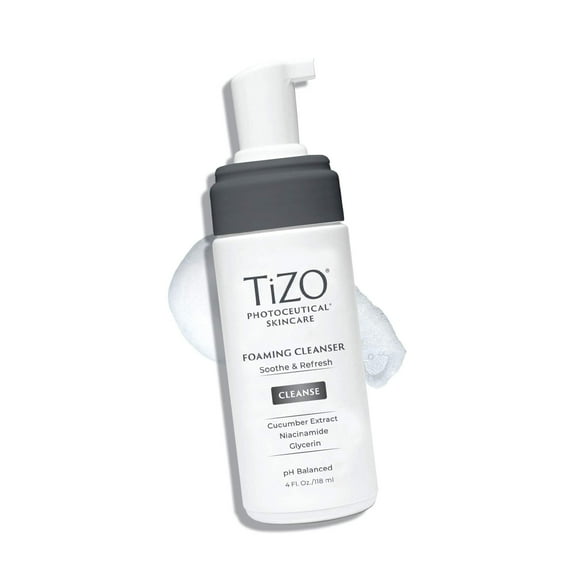
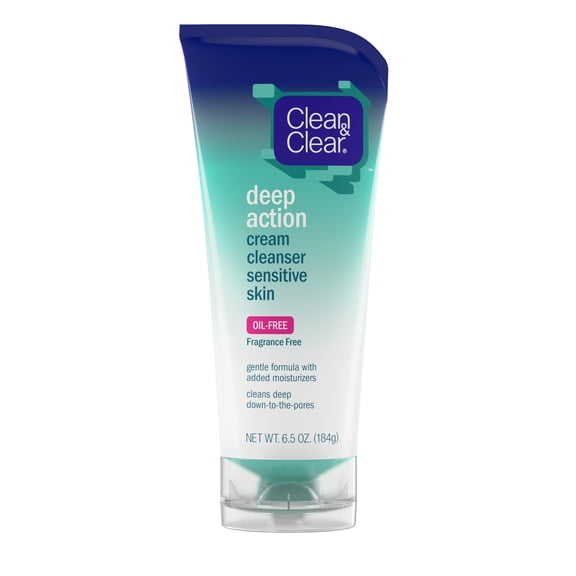
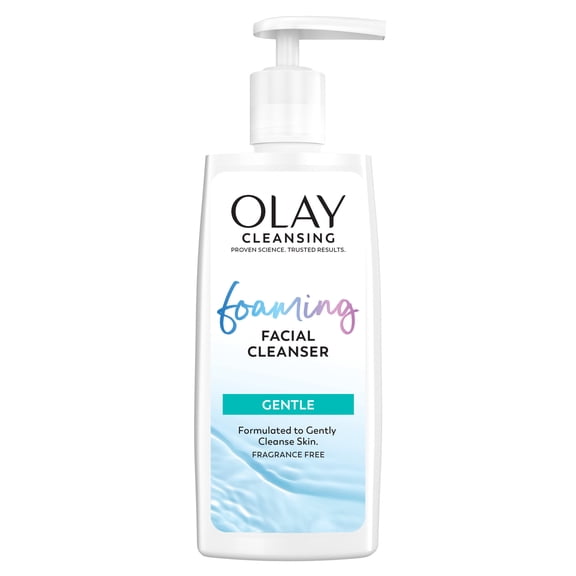
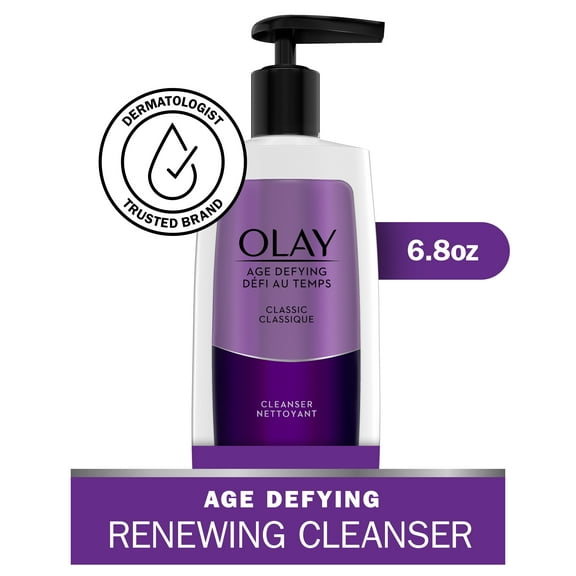
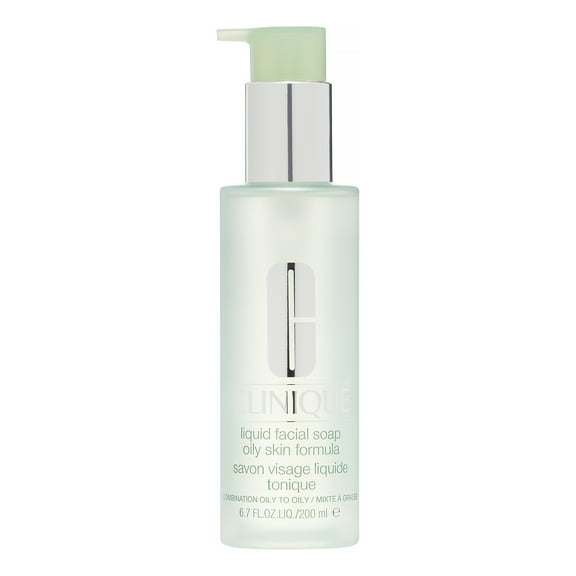
- You can use a cleanser when you want a rinse-off step that fits morning or evening routines.
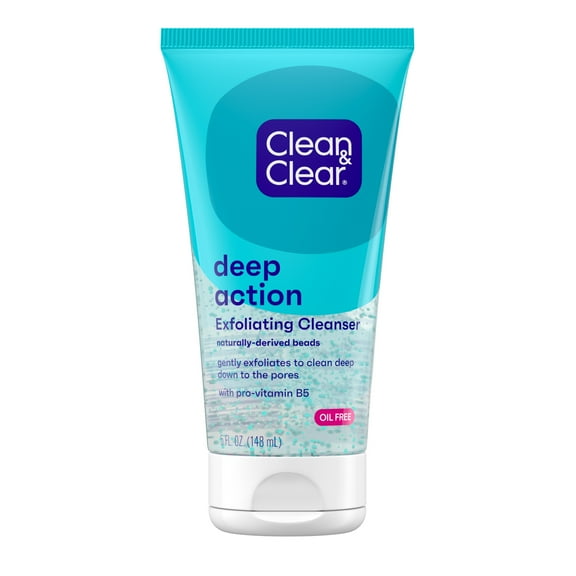
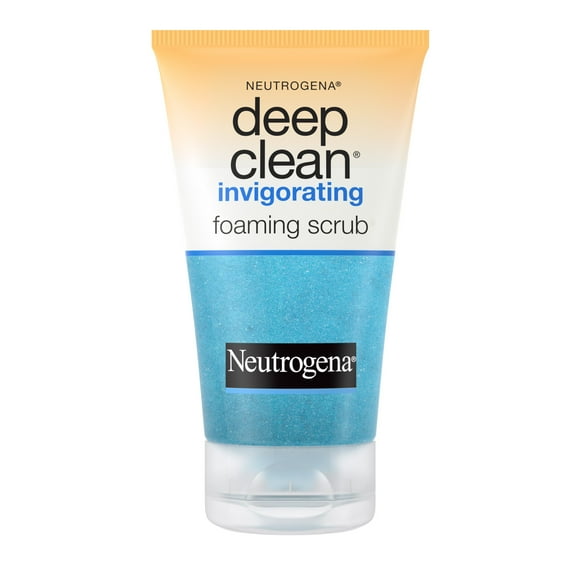
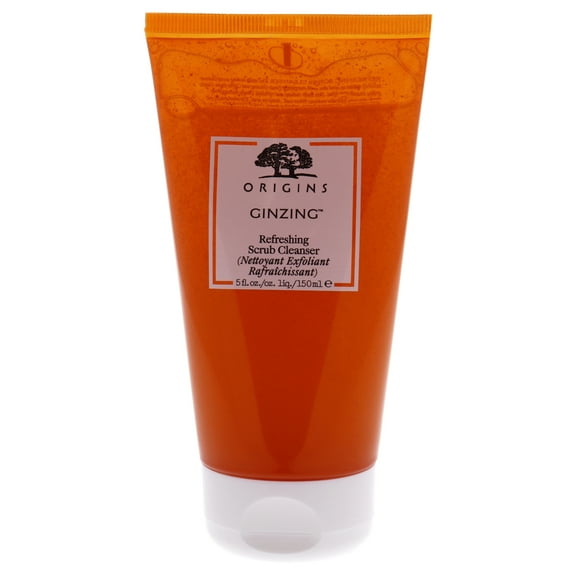
- You can choose a scrub when you want a textured formula that supports occasional exfoliation.
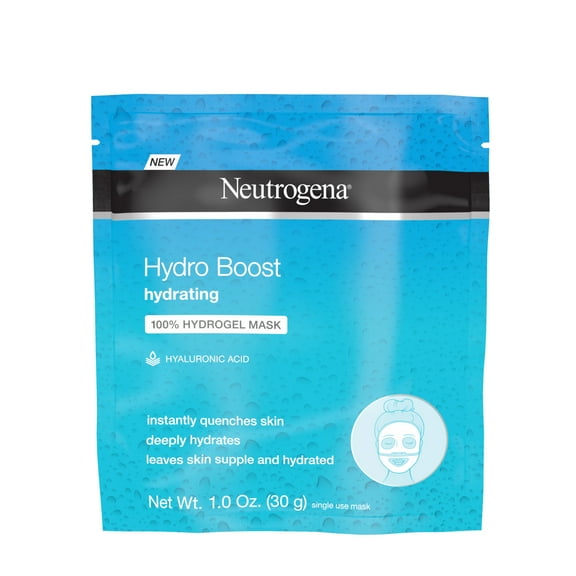
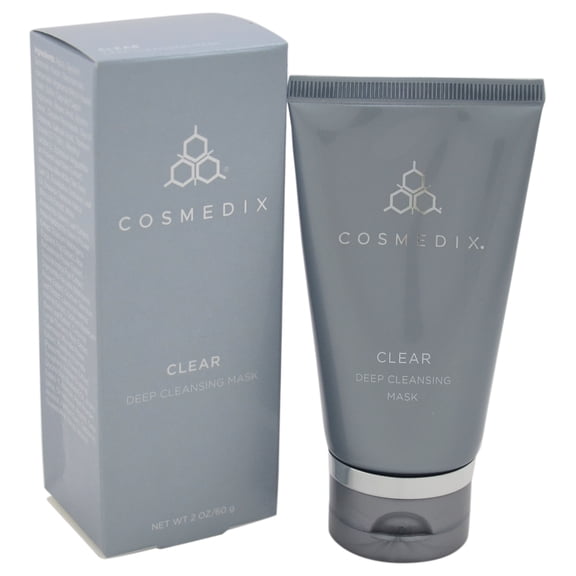
- You can try a mask when your t-zone or chin needs a leave-on step before rinsing.
- You can reach for nose pore strips when you want a targeted format for visible buildup.
- You can compare serums when you want a lightweight leave-on option after cleansing.
Skin sensitivity also matters when you compare these formats. You should look at skin barrier compatibility and active ingredient concentration, because strong formulas may feel too intense for frequent use.
How to compare blackhead skincare ingredients
Ingredients help you narrow the category faster than packaging alone. You can compare salicylic acid, charcoal, clay, and glycolic acid by thinking about oil, texture, and how often you plan to use them.
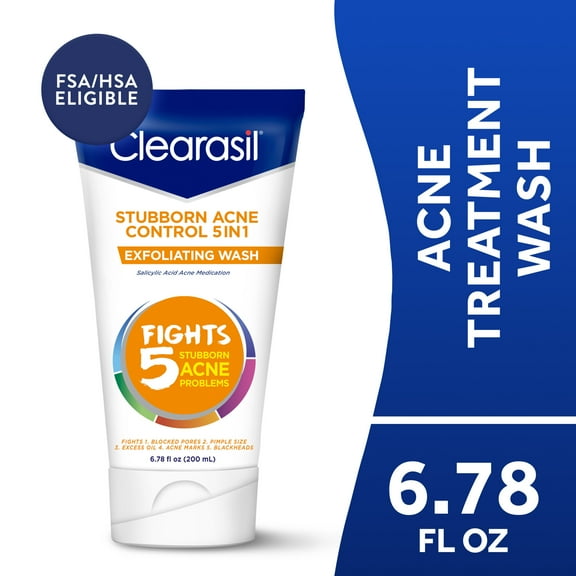
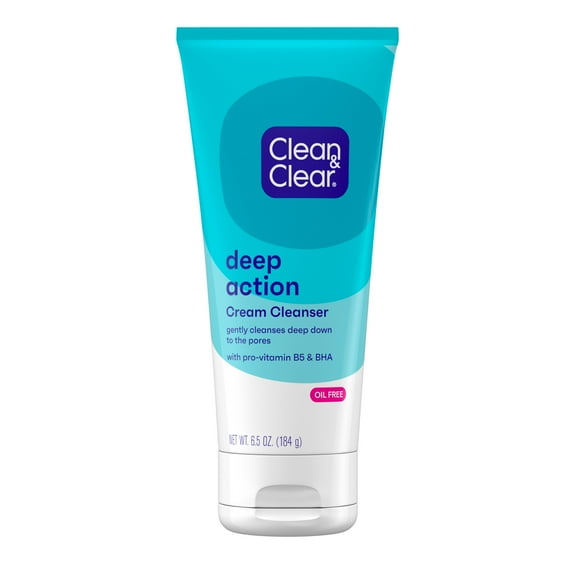
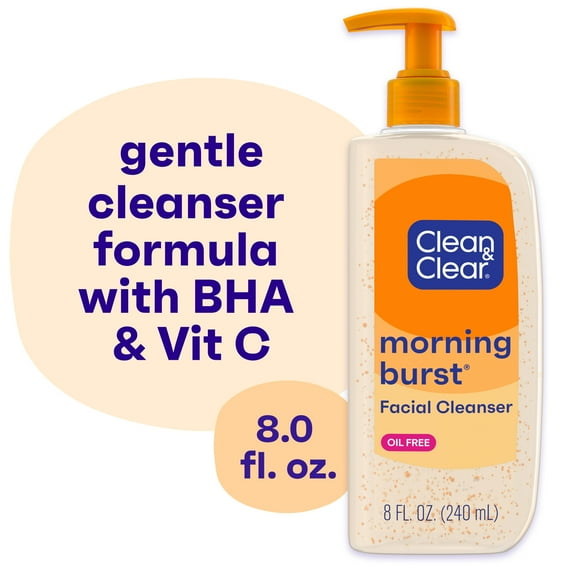
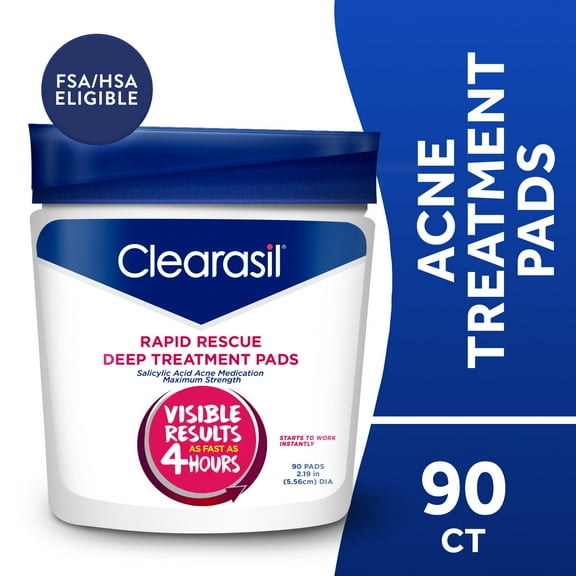
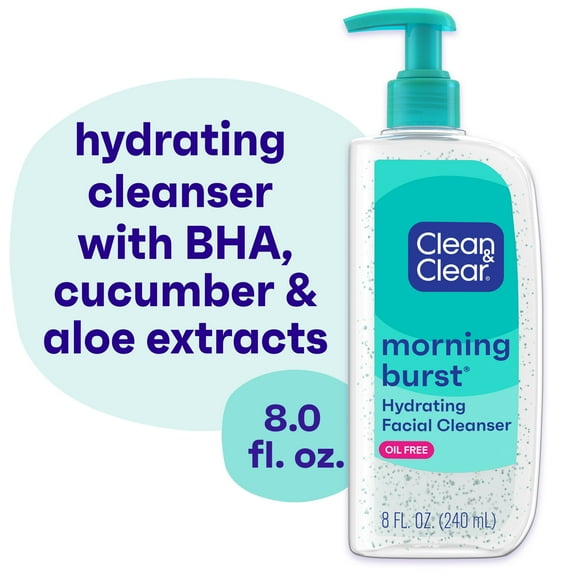
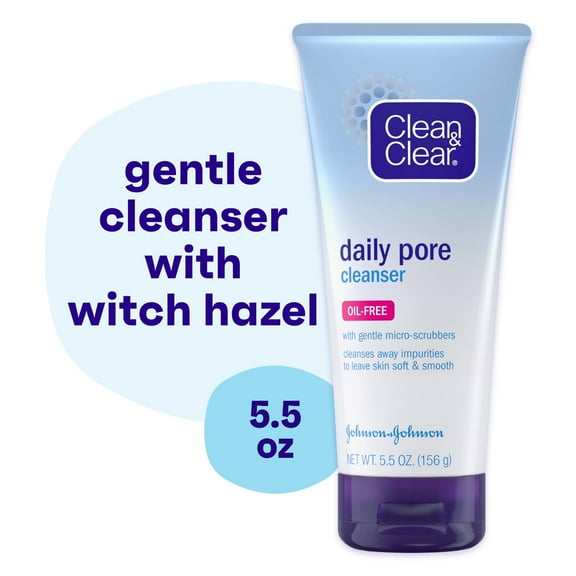
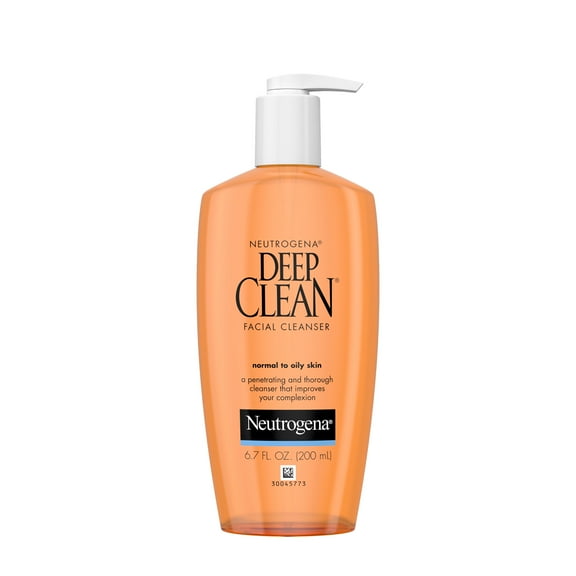
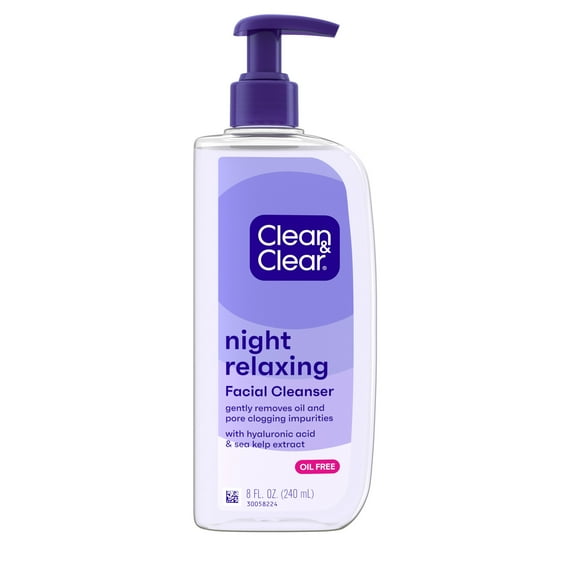
A salicylic acid cleanser gives you a common pore cleanser format because you’re washing while addressing buildup in the same step. You’ll often choose this route when you want a familiar format that fits oily skin or combination skin.
Charcoal and clay usually matter when you want formulas that focus on surface oil and heavy-looking congestion. You may notice these ingredients often appear in masks and clay cream formulas for the nose, chin, and t-zone.
Glycolic acid often shows up when you want a smooth-feeling surface and a refined routine. You should compare concentration details and directions, because leave-on acids and wash-off acids can fit differently into your week.
Matching skin type and application area
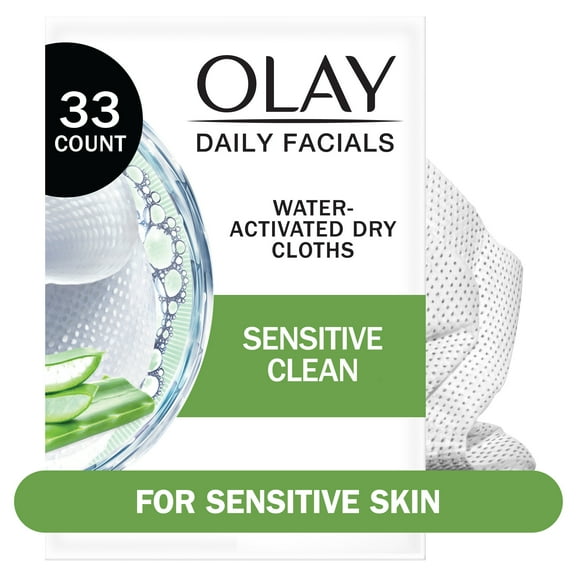
Your skin type should guide how strong, frequent, and targeted your routine becomes. You may want gentler blackhead skincare if you have sensitive skin, while oily skin may support regular pore-focused steps.
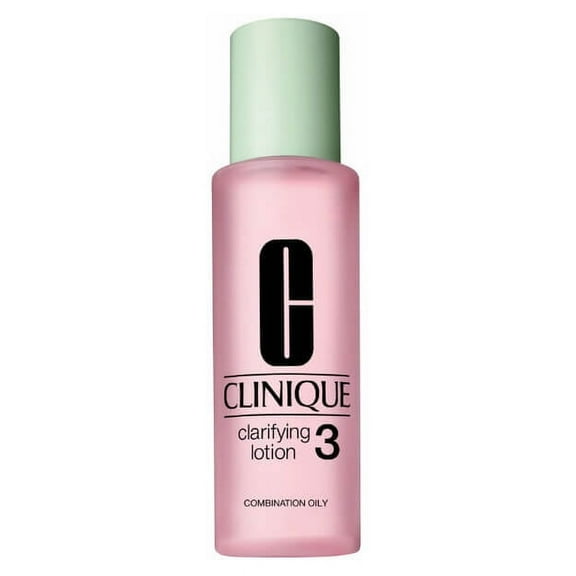
If you have combination skin, you can treat your t-zone differently from your cheeks. You might use a salicylic acid cleanser on your full face, then add a clay mask only where buildup looks noticeable.
Application area changes your product choice more than many shoppers expect. You may prefer nose pore strips for the nose, but you might choose a liquid, gel, or serum for the chin or full face.
If you manage acne-prone skin, you may compare lightweight gels and liquids that layer easily with your routine. You should check whether a formula works for all-over use or only for smaller zones.
What formulation and texture mean for daily use
Formulation affects feel, timing, and cleanup. You can compare liquid, gel, clay cream, and peel-off options by asking how much time you have and how controlled you want application to feel.
Liquid and gel formats often fit simple routines because you can spread them quickly and evenly. You may choose them when you want a serum or cleanser that doesn’t leave a heavy finish.
Clay cream textures usually suit you when you want a mask that stays where you place it. You can apply them precisely across the nose, chin, or t-zone without covering every area.
Peel-off options and nose pore strips feel targeted, but you should always follow package directions closely. You can compare frequency guidance, especially if your routine already includes exfoliating acids.
Using blackhead treatments with the right frequency
Frequency matters because you want a routine that feels steady, not overloaded. You should compare daily, weekly, and spot-focused options based on your skin type and active ingredient concentration.
A daily pore cleanser can anchor your routine when you want regular maintenance. You might add a scrub or mask once or twice weekly, depending on how your skin responds.
If you use a blackhead remover format like nose pore strips, you’ll usually treat that as an occasional step. You should avoid stacking too many exfoliating products in one session, because your routine can feel overly stripped.
When you compare options, look for clear directions about rinse-off versus leave-on use. You can make a confident choice when product type, ingredient strength, and application area all line up with your routine.
How to choose the right blackhead skincare routine
You can build a practical routine by starting with one main format and one support step. You might begin with a salicylic acid cleanser, then add a clay mask or nose pore strips for targeted areas.
If your skin feels easily overwhelmed, you should keep your routine simple and spaced out. You can usually get a clear decision when you compare format, ingredient, skin type, and frequency together.
Blackhead treatments are ideal for shoppers who want targeted options instead of one-size-fits-all routines. You can choose confidently when your product type matches your pores, your skin feel, and your weekly schedule.