




Bird Cages in Birds






























About Bird Cages in Birds - Walmart.com
Bird cages help you create a comfortable home for your pet while matching your space, cleaning routine, and bird species. You can compare size, bar spacing, stand options, and materials to choose a setup that fits daily life.
Choosing bird cages by size and species
You should start with your bird’s species, activity level, and wingspan before you compare cage dimensions. You may need more room for climbing, flapping, and perch placement than a basic footprint suggests.
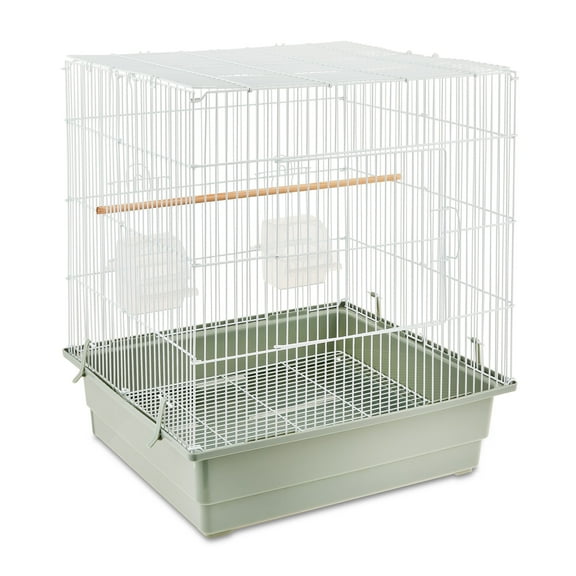
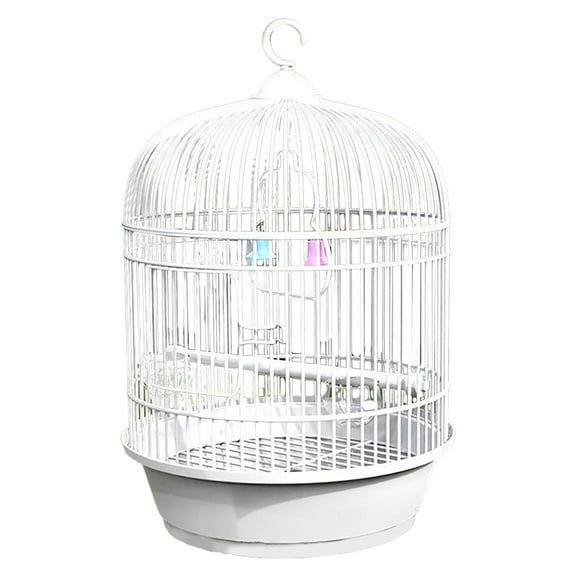
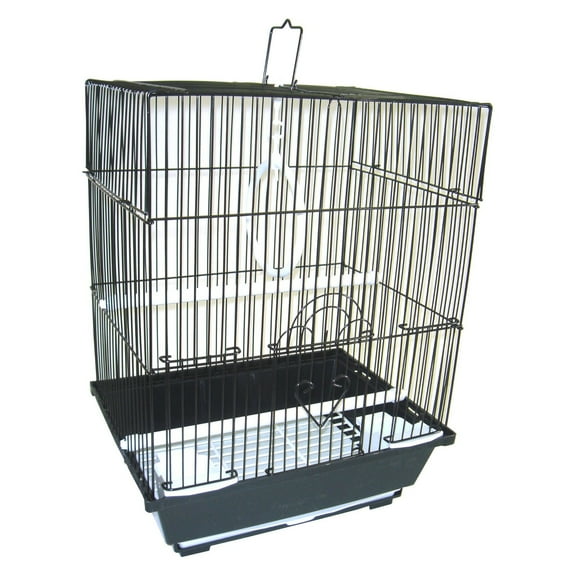
Small bird cages can work for finches or canaries when you match them with appropriate bar spacing. Parakeet bird cages often need room for toys, food cups, and short flights between perches.
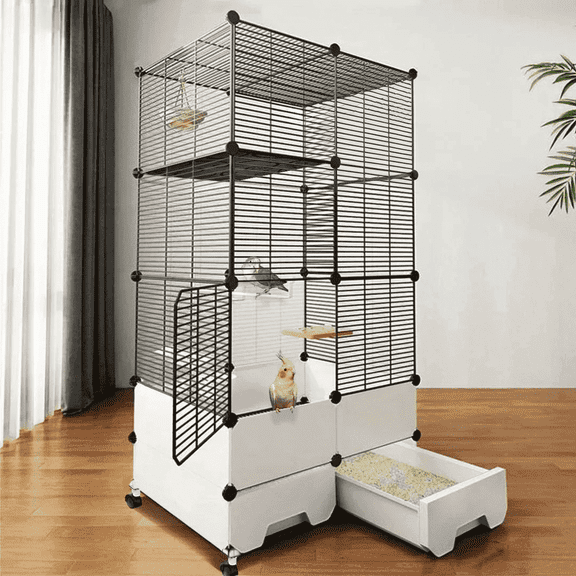
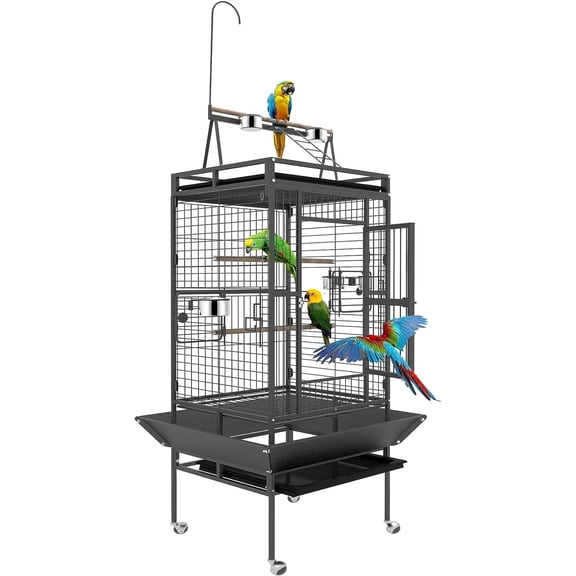
For cockatiels and similar birds, you may look for taller interiors and wider doors for easier access. Large bird cages can also give you more flexibility when you add swings, ladders, and feeding stations.
- You can use small bird cages for compact spaces and smaller species.
- You can choose medium or large layouts for more movement and accessory placement.
- You can consider double cages when you need separated living areas.
- You can match interior height and width to your bird’s natural movement.
Choosing flight bird cages and bar spacing
You should check bar spacing in inches because it shapes everyday use and species fit. You may often see one-half inch, three-quarter inch, or one inch spacing based on bird size.
For smaller birds, you may need tighter spacing that helps keep curious pets securely inside. For larger birds, you may prefer stronger bars and spacing that fits their size without crowding.
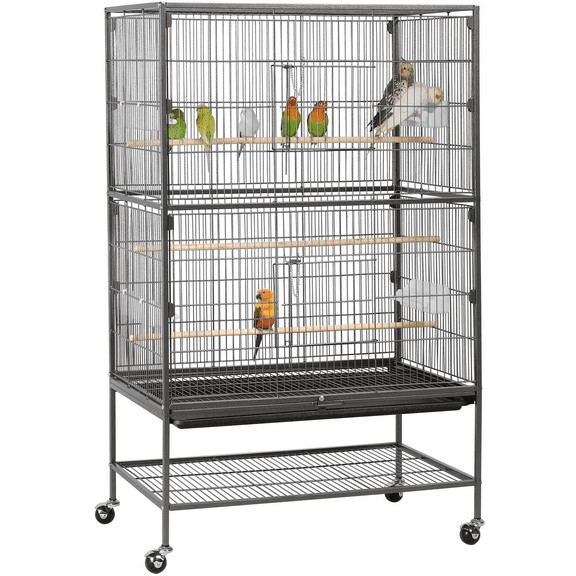
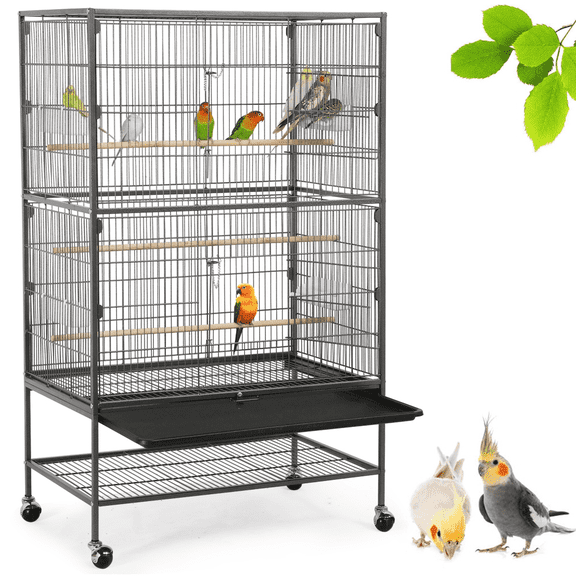
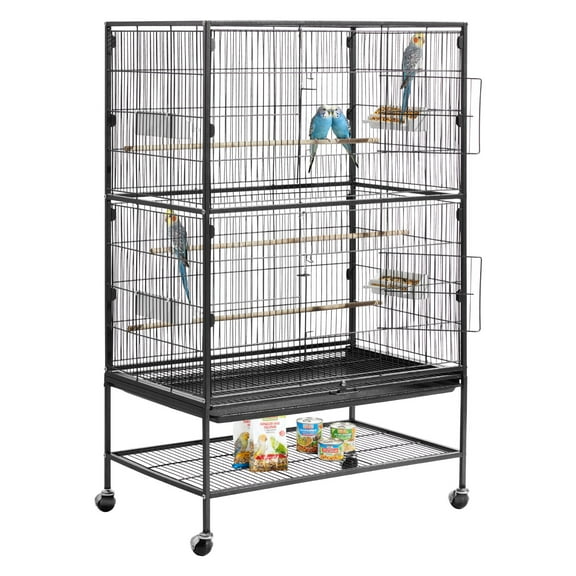
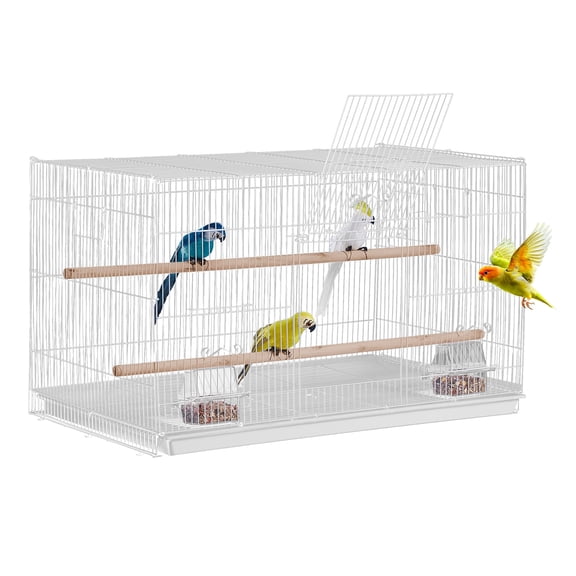
Flight bird cages give you extra horizontal room, which supports short side-to-side movement between perches. You may find this style useful for parakeets, finches, and canaries that stay active throughout the day.
When you compare overall dimensions, you should look beyond exterior width alone. You may want enough interior space for perches, dishes, and toys without blocking your bird’s path.
Comparing bird cages with stand and placement options
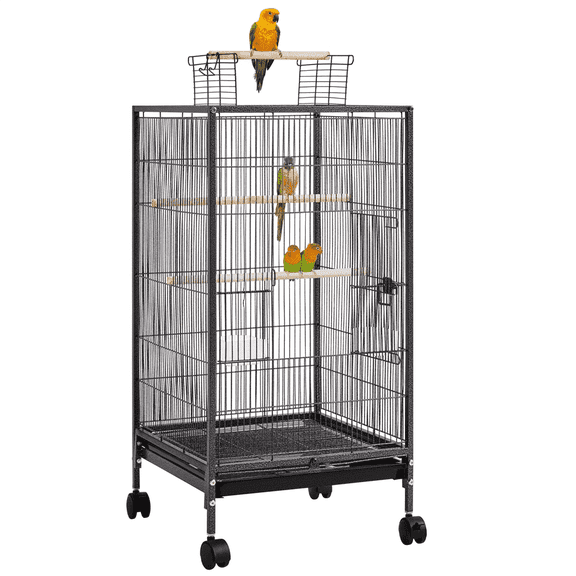
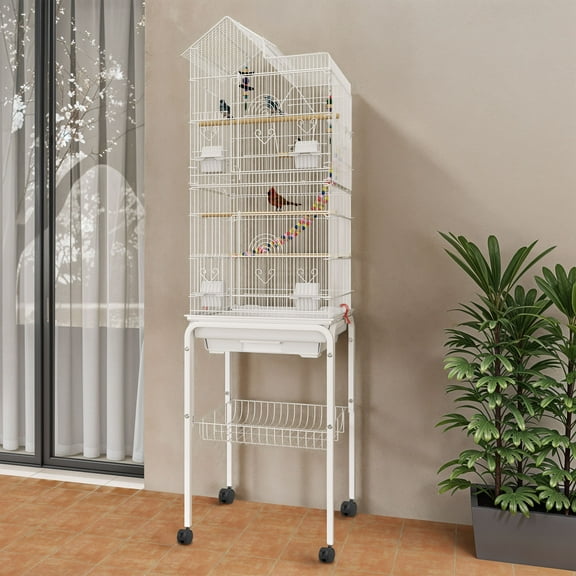
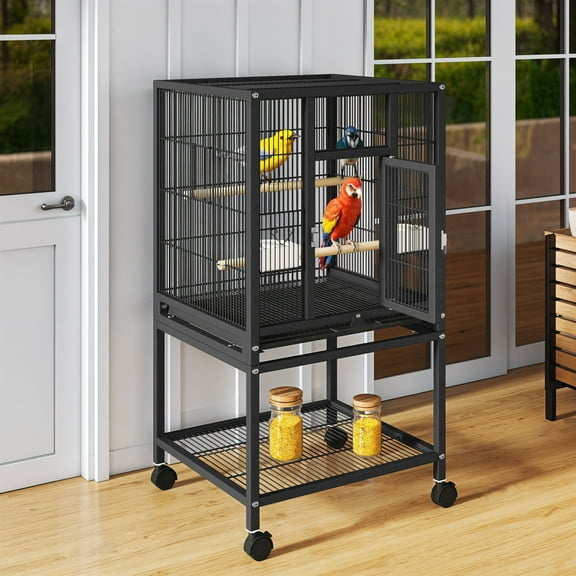
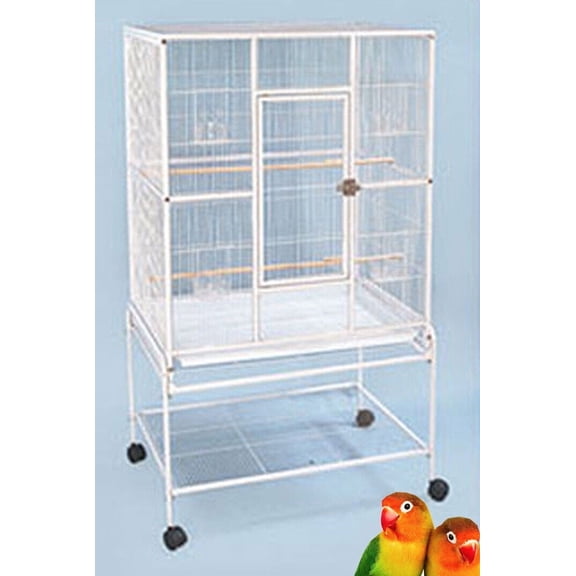
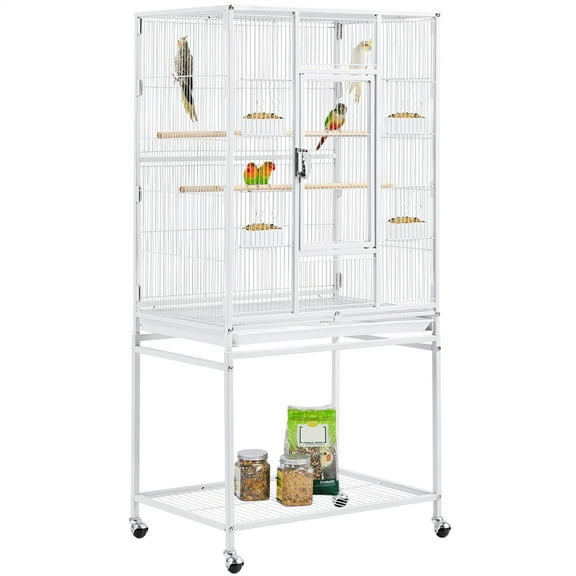
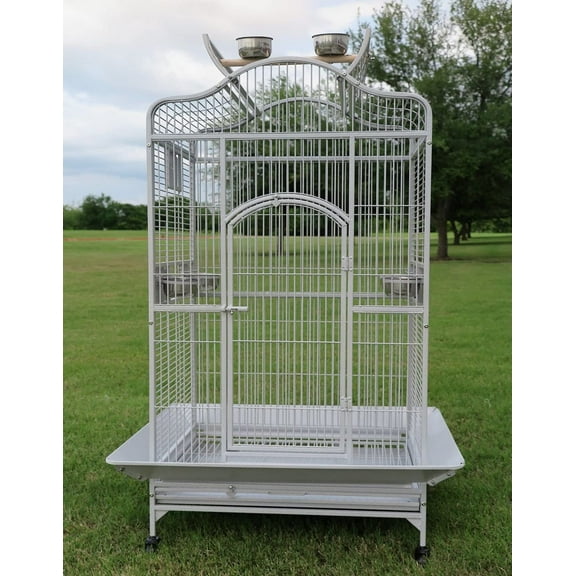
You can choose bird cages with stand when you want a raised setup and fewer furniture constraints. You can also gain easier viewing, a dedicated footprint, and storage space beneath some designs.
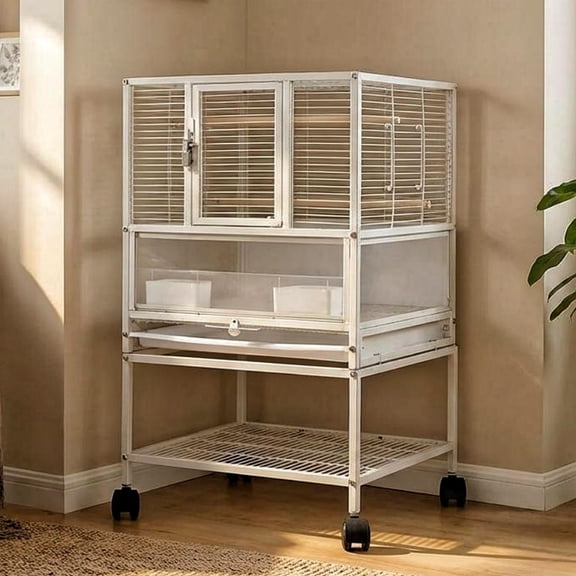
Tabletop cages may suit smaller rooms, shelves, or existing furniture arrangements. You should measure floor space and surrounding clearance before you decide between a stand model and a compact frame.
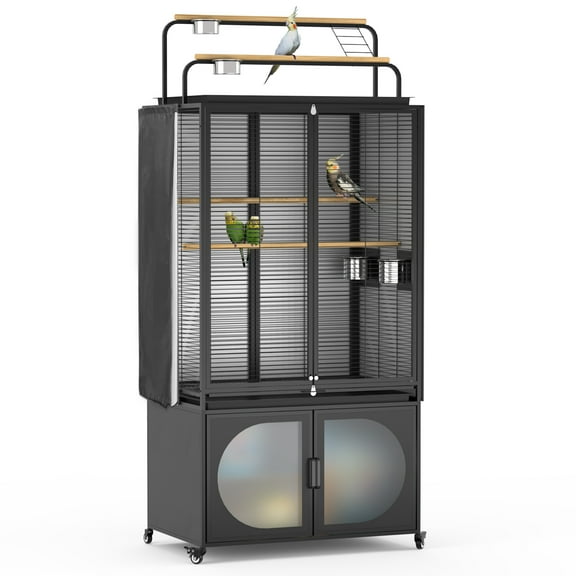
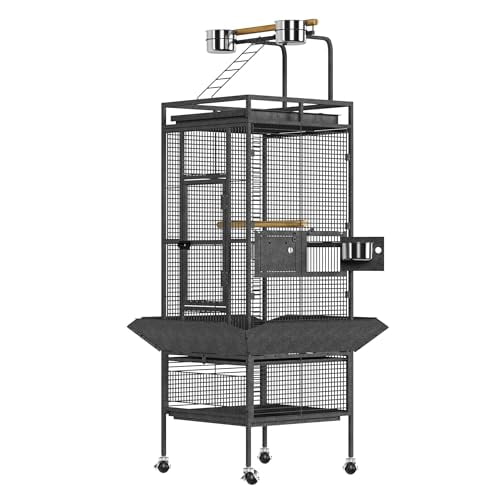
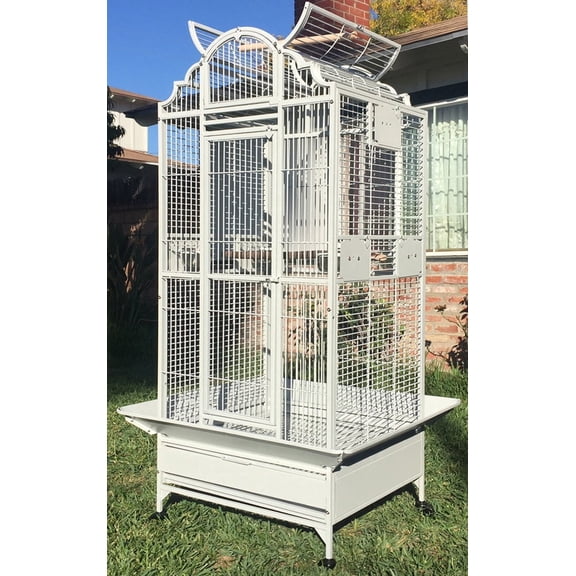
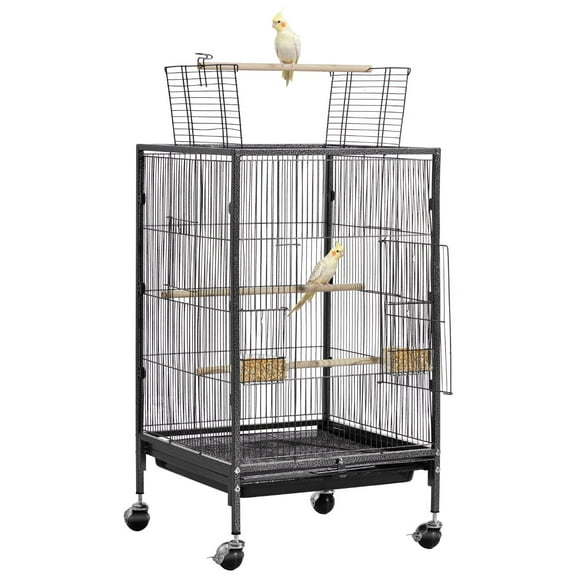
Some shoppers prefer playtop or dome top styles for added overhead space and visual openness. You can compare door placement, feeder access, and top shape based on how you interact with your bird.
If you rearrange rooms often, you may want a layout that fits corners or open walls easily. You can also prefer a stable base when your cage includes multiple perches, cups, and hanging toys.
What to look for in material and cleaning features
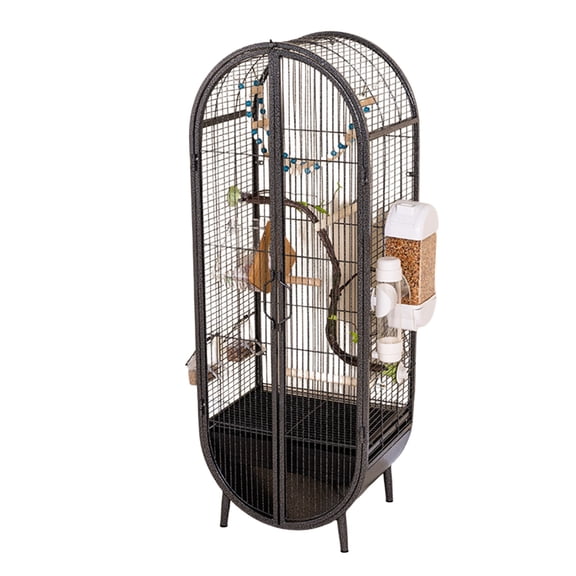
You should compare metal bird cages, wrought iron options, stainless steel designs, and wood styles with daily upkeep in mind. You can notice that material choice affects weight, appearance, and routine maintenance.
Many shoppers look for coated finishes labeled non-toxic, lead-free, and zinc-free. You should also check whether surfaces feel smooth and easy to wipe during regular cleaning.
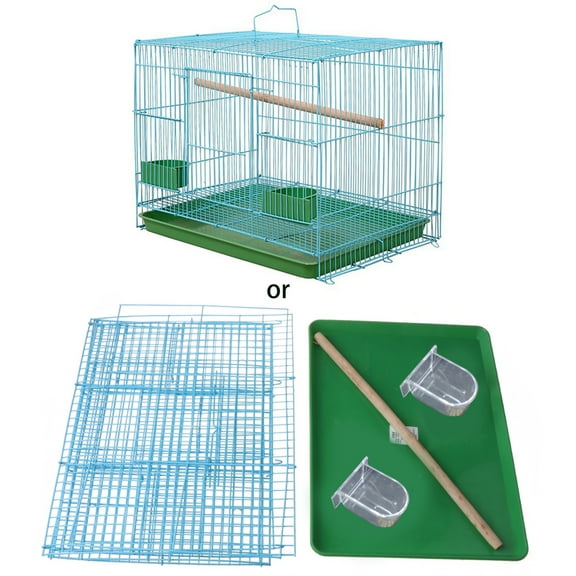
Slide-out trays can make routine cleanup simpler because you can remove waste without moving every accessory. You may also prefer a grate design that helps keep food debris and liner changes more manageable.
Doors, locks, and feeder cups matter because you can use them every day. You should compare latch style, opening width, and tray access so your care routine feels straightforward.
Matching bird cages to everyday use
You can narrow your choice faster when you match cage style to your bird and your room setup. Parakeet bird cages often work well with horizontal space, while cockatiel cages may benefit from extra height.
Canary bird cages and finch setups often prioritize safe spacing and room for several perches. You may also prefer a lighter frame when you plan to move the cage for cleaning.
If your bird spends time in a shared living area, you might want a stand model with a tidy footprint. You may find that a raised cage improves access to dishes, doors, and tray removal.
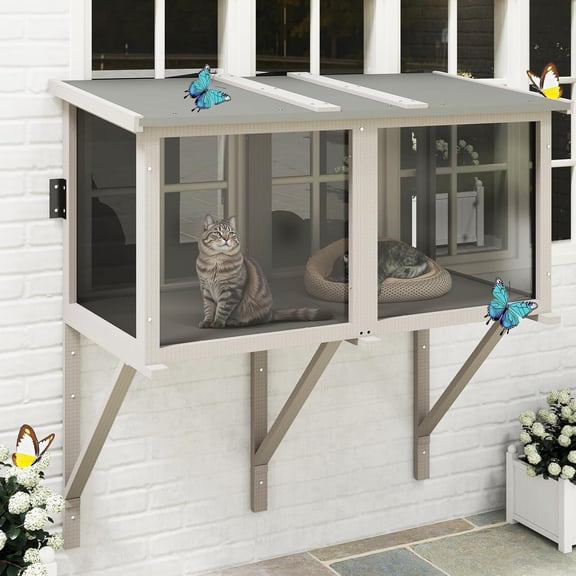
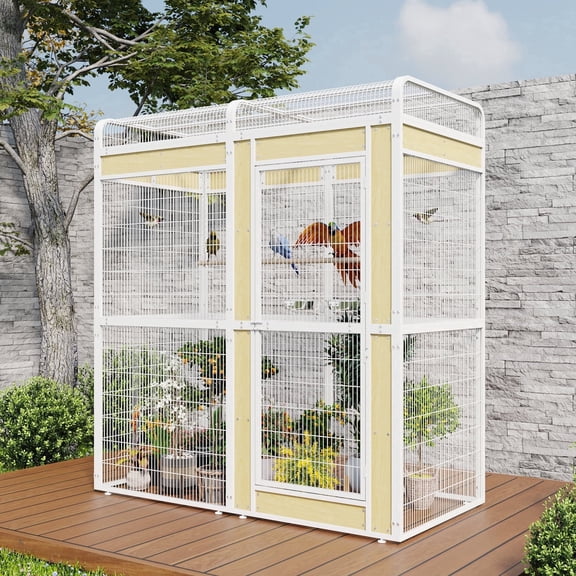
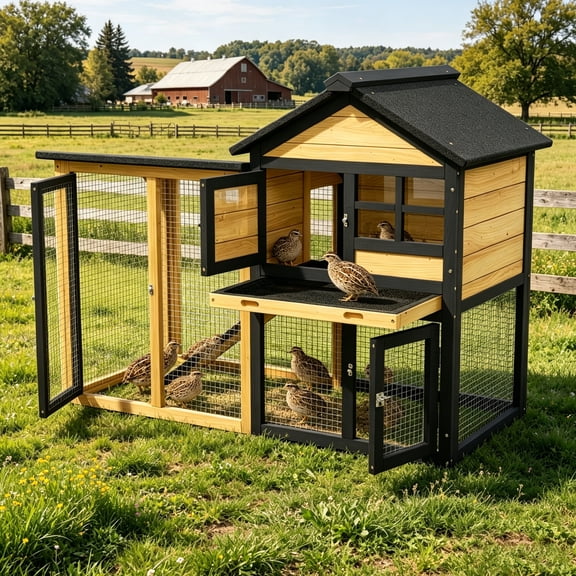
For seasonal outdoor use, you may compare outdoor bird aviaries with indoor cages based on space and enclosure style. You should check dimensions, coverage, and placement needs before choosing a larger setup.
When you want one cage to support feeding, play, and rest, you should compare layout as carefully as size. You can make a more confident choice when bar spacing, stand height, and cleaning access fit your routine.
Bird cages become easier to choose when you focus on species, spacing, placement, and maintenance together. You can create a setup that supports daily comfort, easier cleaning, and a comfortable fit for your home.