


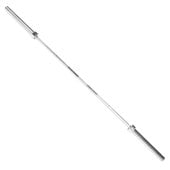
Curl Bar Weights in Barbell and Weight Bars


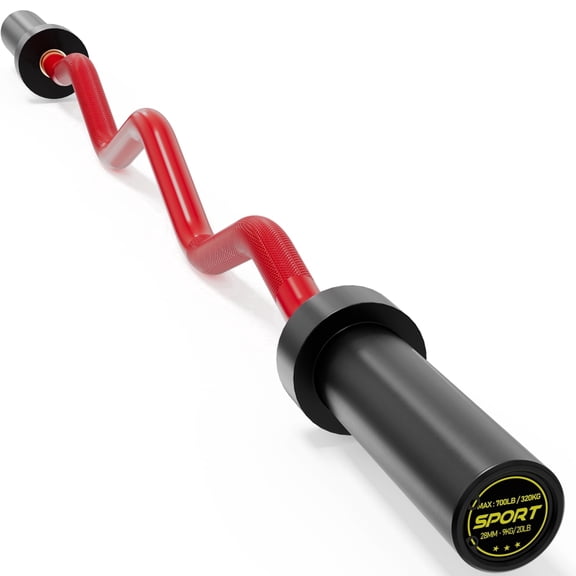
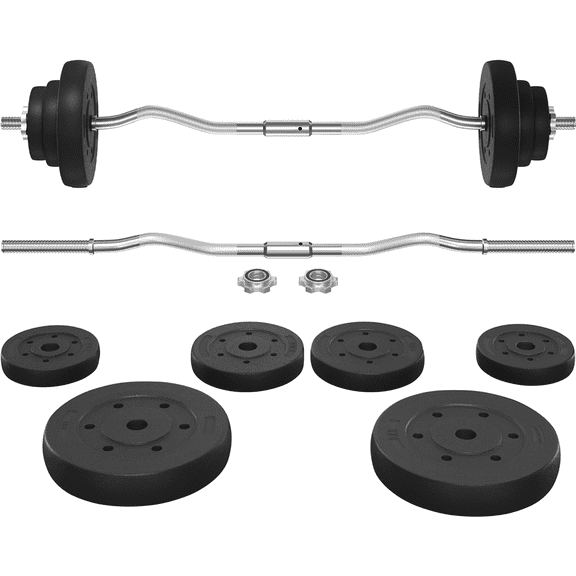
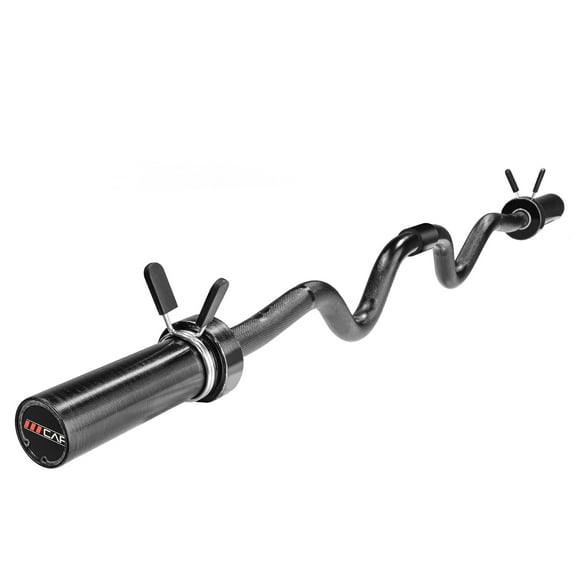




























About Curl Bar Weights in Barbell and Weight Bars - Walmart.com
How much is an ez bar matters when you’re comparing curl bar weights for your home gym. You need to know whether a listing includes the bar, plates, collars, or only add-on pieces.
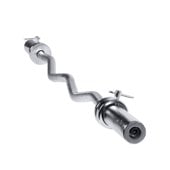
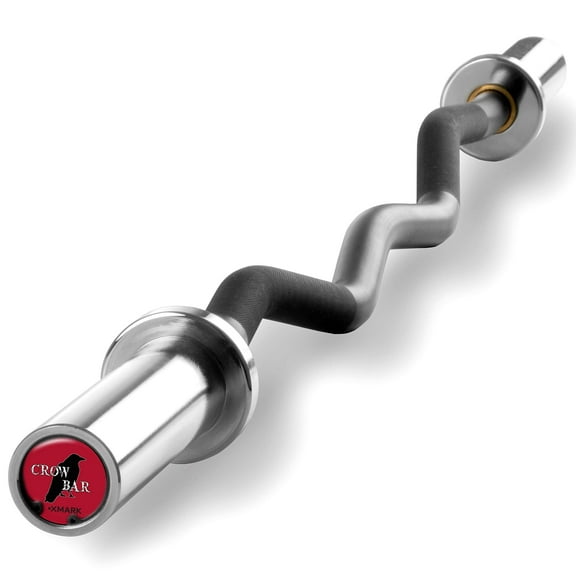
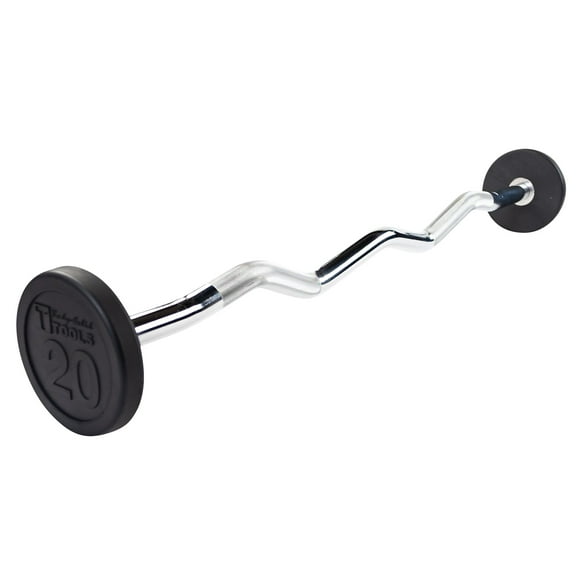
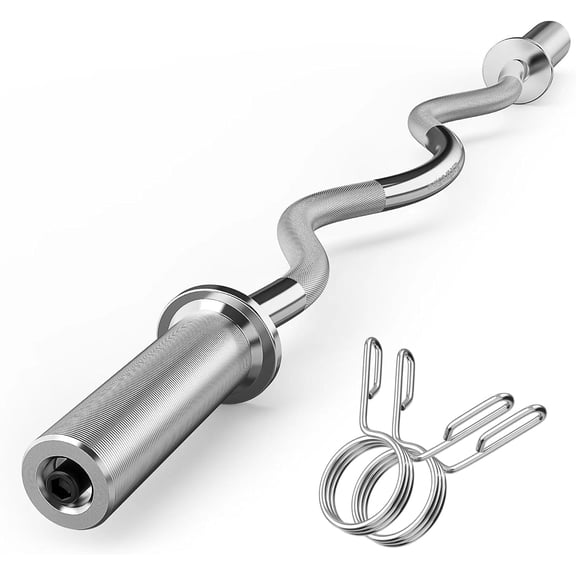
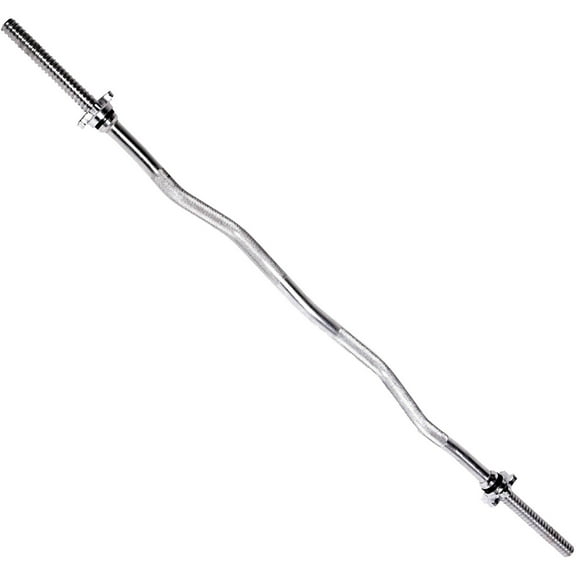
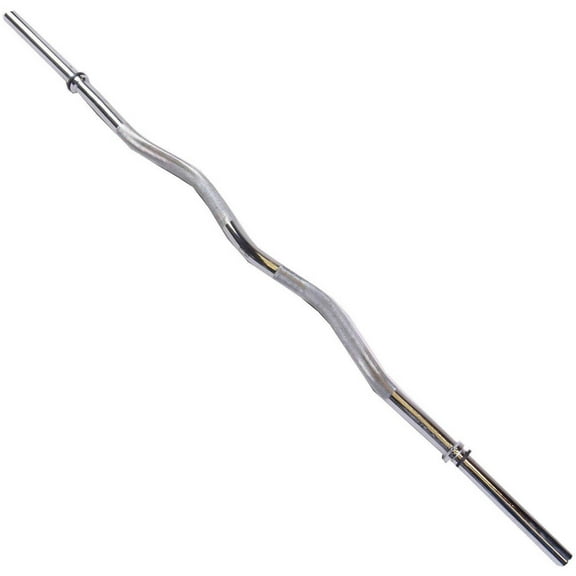
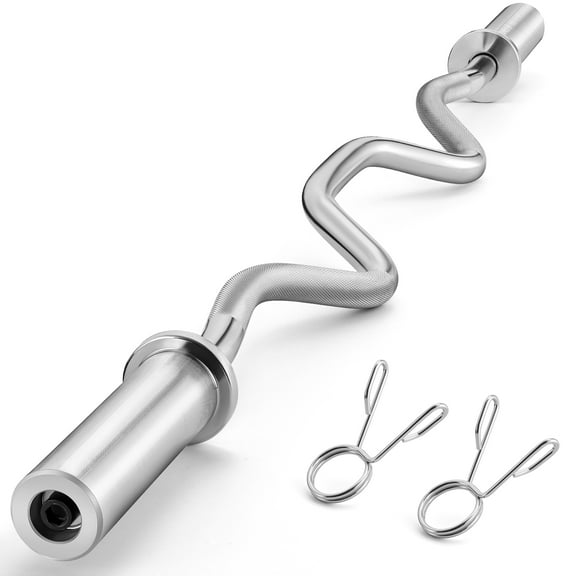
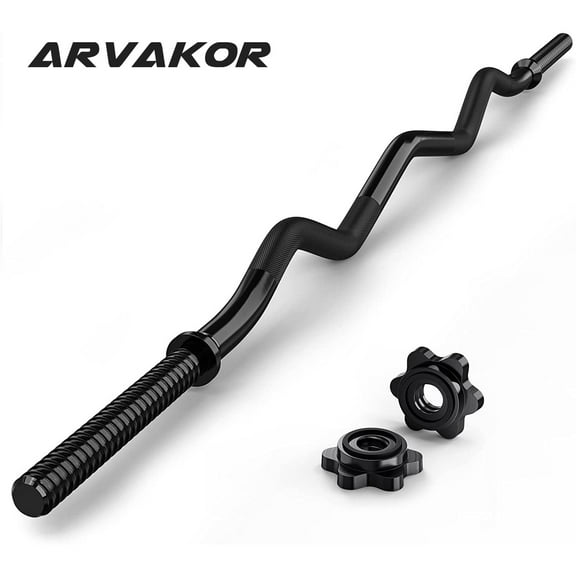
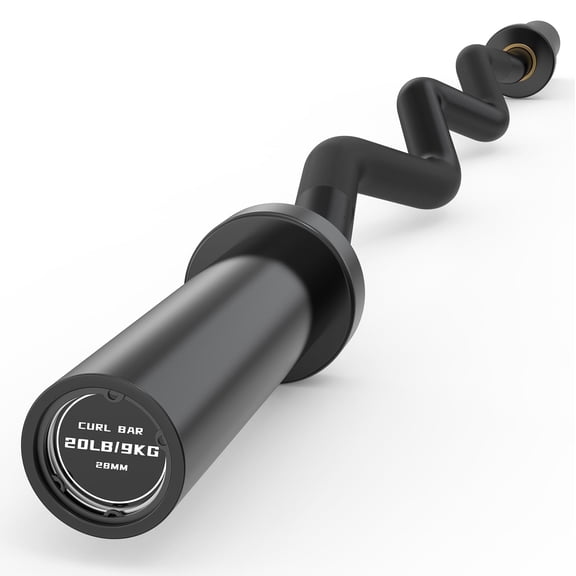
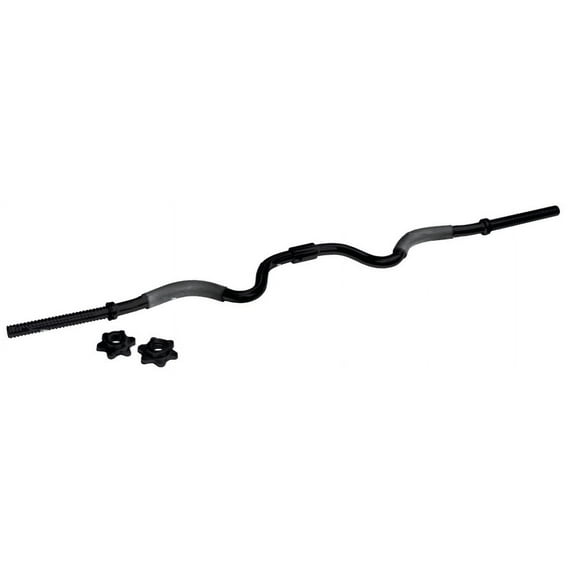
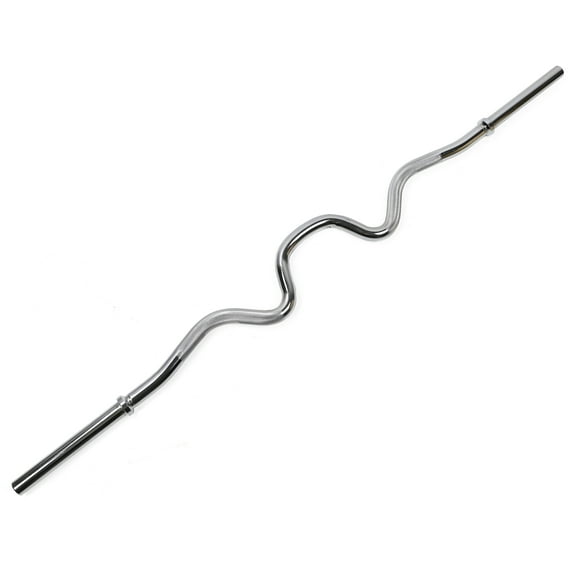
An EZ curl bar uses a bent shaft instead of a straight bar profile. That angled shape changes your hand position during curls, extensions, and close-grip lifts.
How much is an EZ bar: price and set options
Price usually follows set configuration and included weight. A single bar purchase covers the core tool, while larger bundles include more training pieces.
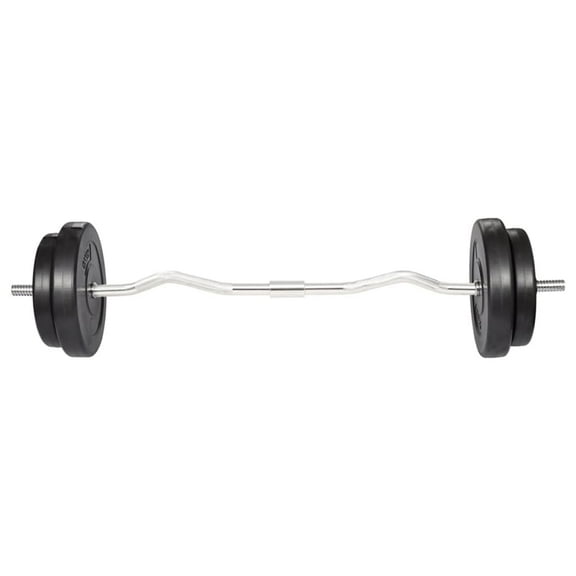
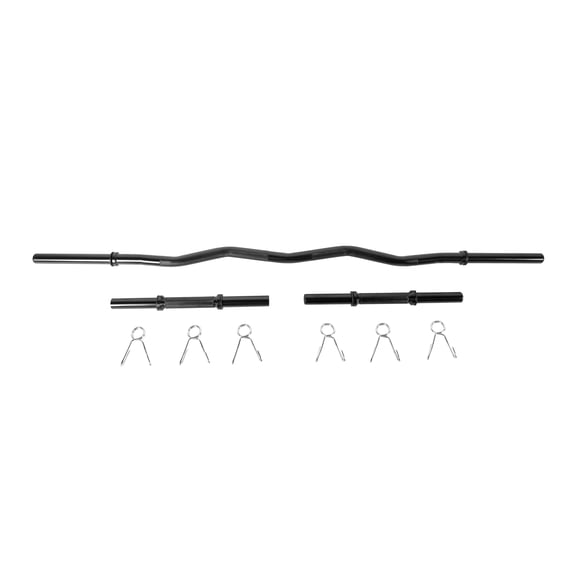
Compare the listing details before you decide. One product may be bar only, while another may be a curl bar weight set with plates and collars.
Entry-level options often focus on a compact bar and basic loading room. Mid-range sets may include matched plates, while heavier bundles support larger training jumps.
That difference matters when you compare practical setup needs. A bar-only choice fits your existing plates, while a complete package gives you coordinated components from the start.
Choosing a curl bar weight set
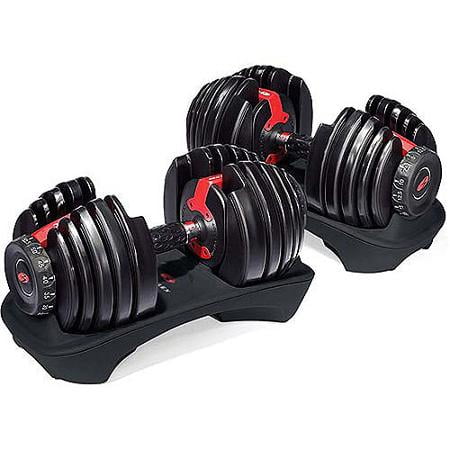
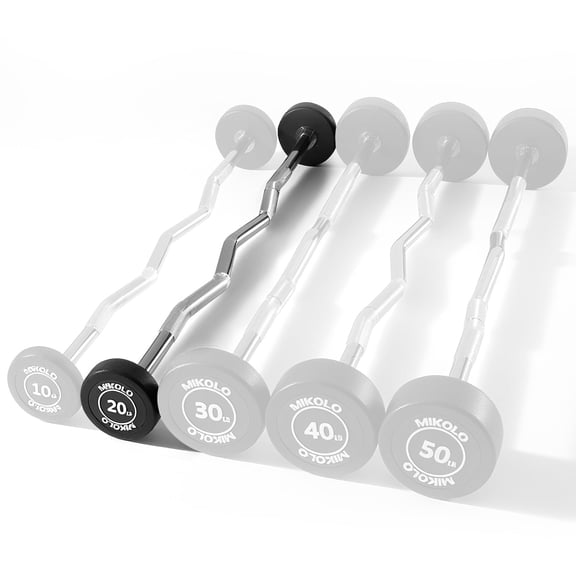
Start with set configuration because it shapes convenience, storage, and setup time. You’ll usually choose between bar only, bar with plates, complete weight set, or plate-only add-ons.
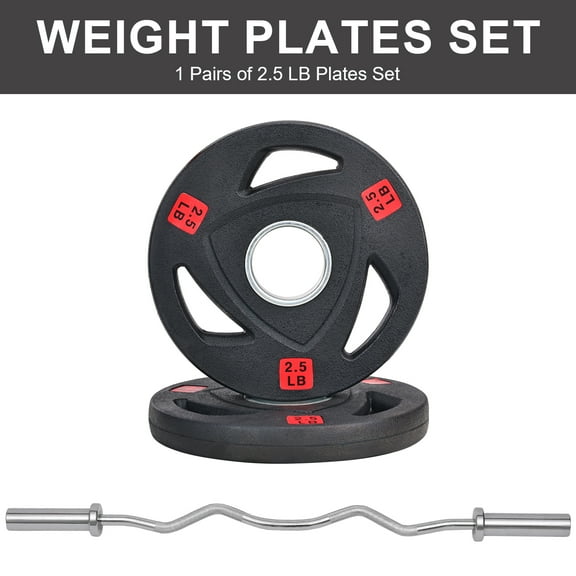
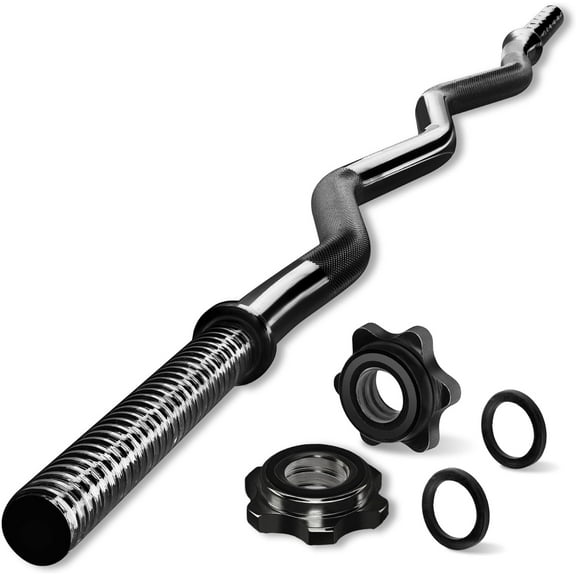
A bar-only option works when you already own compatible plates and collars. A curl bar with weights gives you a ready setup for curls, extensions, and rows.
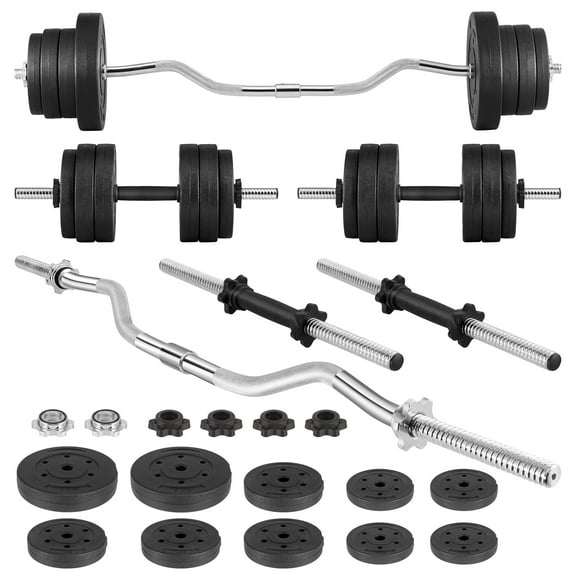
Complete bundles can simplify first-time home gym planning. Plate-only add-ons make sense when you want to expand load without replacing your current bar.
- Bar-only options fit existing plate collections and compact storage plans.
- Bar with plates options create a faster path to a ready workout area.
- Complete weight sets often include matched parts for easier setup.
- Plate-only add-ons help you build training load over time.
Check total set weight alongside included components. Two products can look similar in photos, yet offer very different training range.
Comparing curved weight bar designs
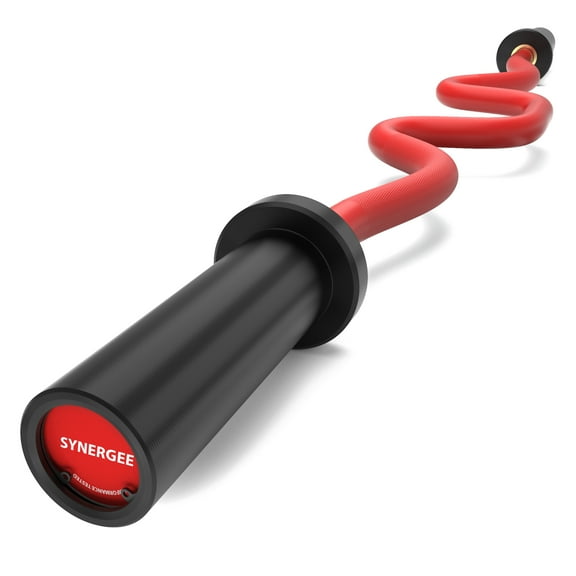
Bar shape changes how the lift feels in your hands. An EZ curl or curved weight bar uses angled grip sections instead of a straight shaft.
Those bends create multiple grip positions for biceps curls and triceps extensions. That design makes this category different from straight barbells and plate-only pages.
When you compare a weight bar curved design, look at bend spacing and grip section length. Wider spacing can suit broader hand placement, while tighter bends feel more compact.
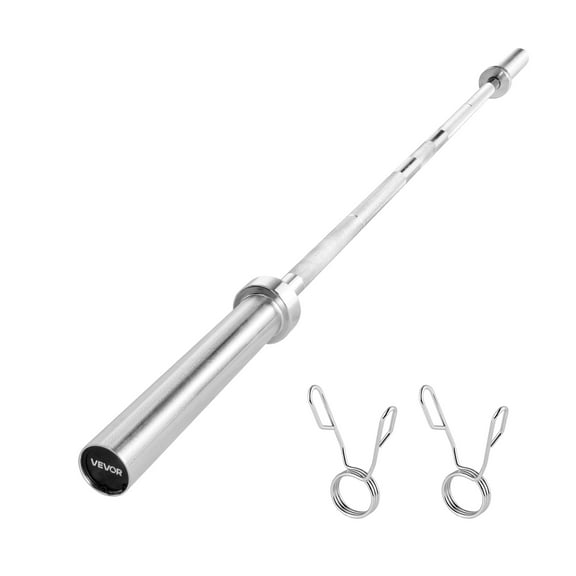
A straight-style alternative may appear in some assortments, but it won’t match the same hand angles. If you want classic EZ positioning, check the shaft shape closely.
How to choose curl bar with weights or without weights
Weight inclusion is a key shopping decision. Some listings include plates and collars, while others give you only the bar frame.
If you’re building a first setup, included plates can make planning easier. If your storage area already holds plates, a standalone bar can fit into your routine quickly.
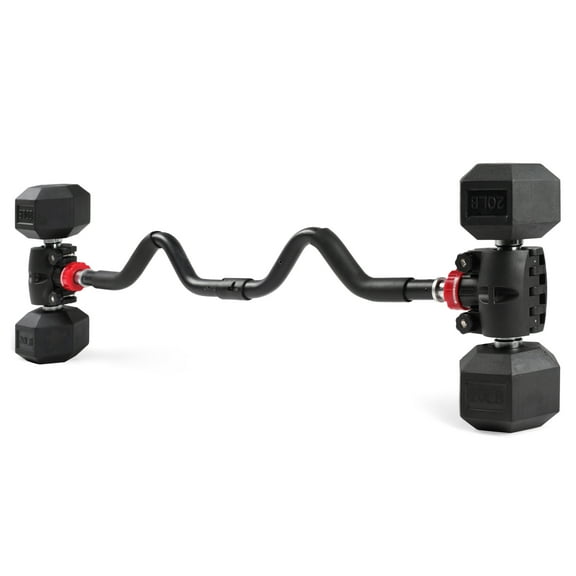
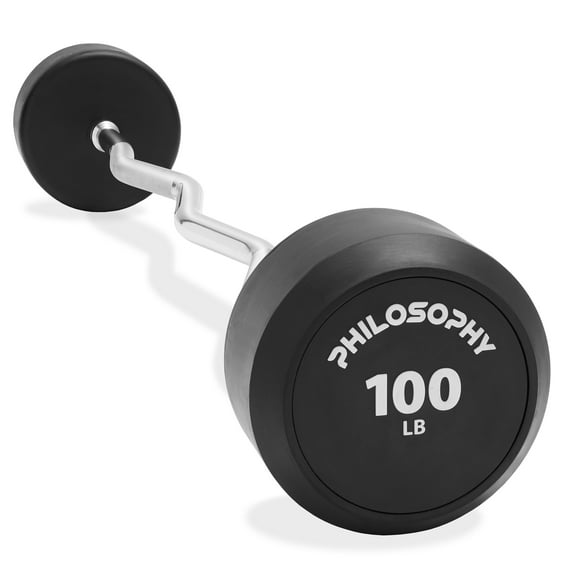
Look for the stated total weight and the exact pieces in the box. A weighted curl bar may be fixed, or it may use removable plates.
That distinction changes how you train and store the set. Removable plates let you adjust load, while fixed totals keep the setup simple.
Checking weights for curl bar compatibility
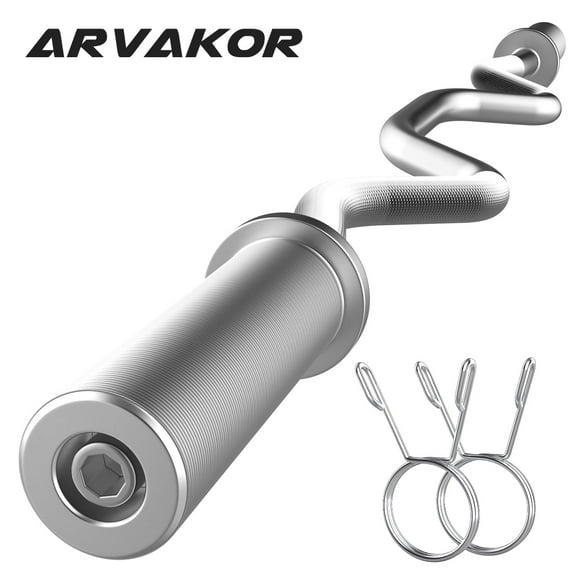
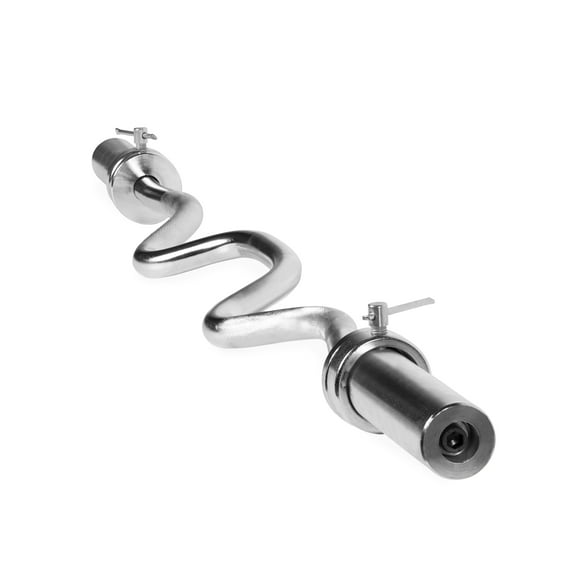
Compatibility matters when you already own plates. Weights for curl bar setups need the right sleeve diameter, opening size, and loading room.
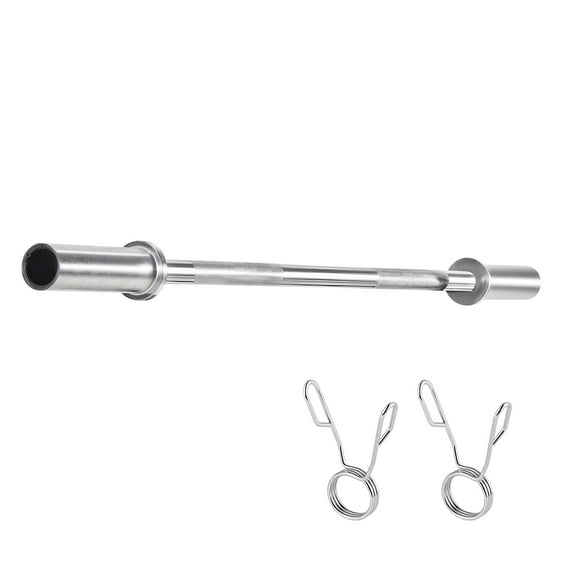
Standard plates fit bars built for standard openings. Olympic-style compatibility works with larger center holes and different sleeve measurements.
Also compare sleeve length capacity before you choose heavier plates. A short sleeve can reach its limit before you reach your preferred training load.
Plate diameter fit matters too, especially when you stack multiple plates on each side. Curl bar weight plates should sit securely with enough room for collars.
Use listing specs to check bar length, sleeve length, and collar style together. That gives you a clearer picture of how the setup will work with your current gear.
Matching a weightlifting curl bar to your training use case
Your training plan should guide the setup you choose. A weightlifting curl bar works well for biceps curls, triceps extensions, upright rows, and close-grip pressing variations.
For focused arm sessions, a lighter setup with included plates can cover several movements in a small area. That makes sense for compact home gym workouts.
If you want broader upper-body strength work, compare heavier bundles with more plate capacity. Extra loading room gives you more flexibility across repeated sessions.
A curved bar also stores differently than a straight barbell. Its shorter overall length can fit smaller corners, bench areas, or wall-mounted storage setups.
If your space is limited, measure the storage footprint before you choose. If you already own benches or racks, check clearances and plate access too.
What to look for before you choose curling weights
Use a simple checklist when you compare curling weights. Consider set configuration, bar shape, included pieces, plate compatibility, and total weight range.
Check whether the listing covers bar only, plates only, or a full package. Compare the grip angles if you want a true EZ pattern instead of a straighter feel.
Measure your workout area and review your existing plates before ordering. Then compare sleeve capacity, bar length, and collar type in one pass.
That approach keeps the decision focused on fit and function. When those details align, your curl bar setup feels organized and ready for regular upper-body training.
Curl bar weights make more sense when you compare shape, included components, and compatibility together. With the right match, your setup supports smoother loading, cleaner storage, and more consistent lifting sessions.