

Betta Fish Food in Fish Food


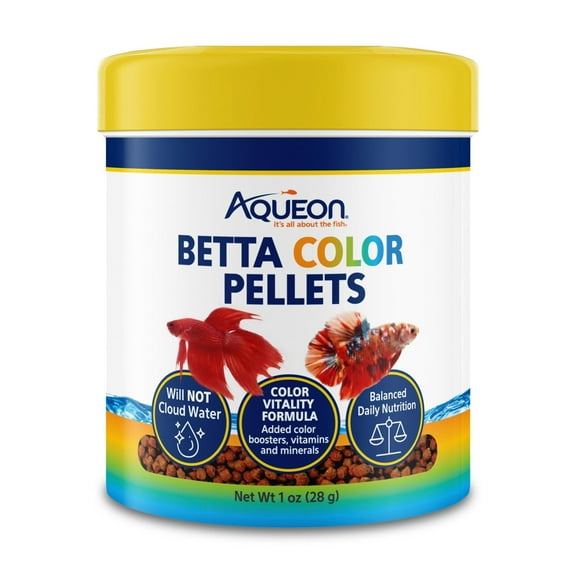
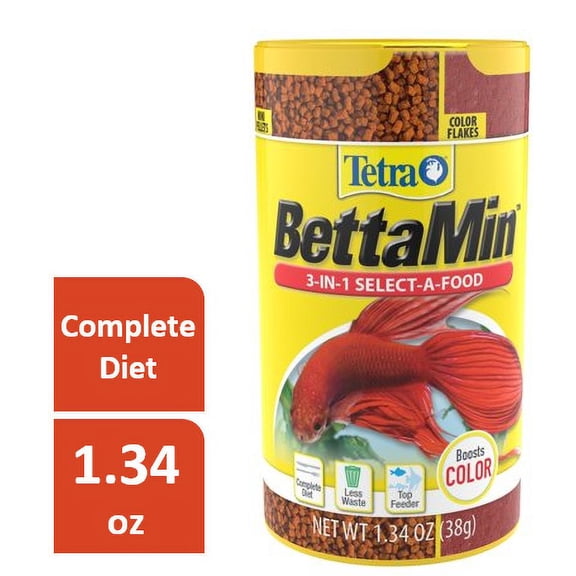
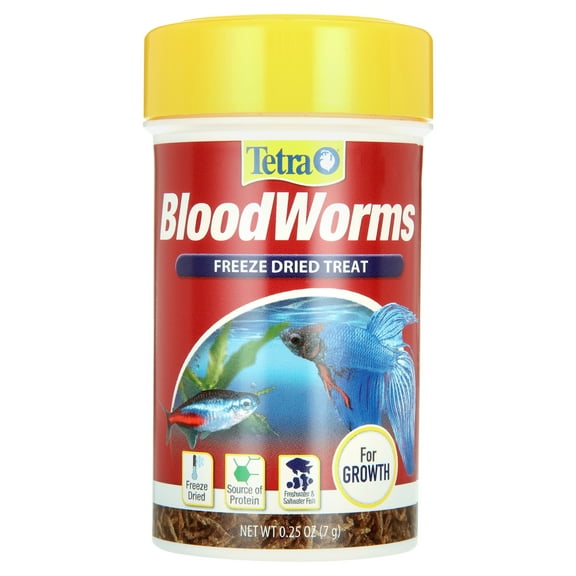
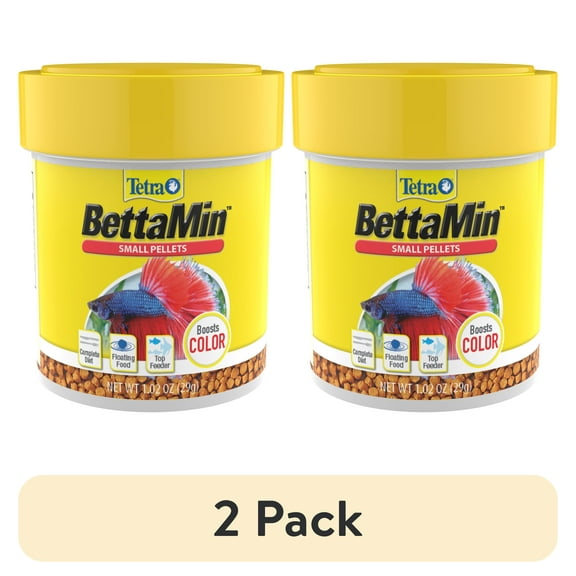














About Betta Fish Food in Fish Food - Walmart.com
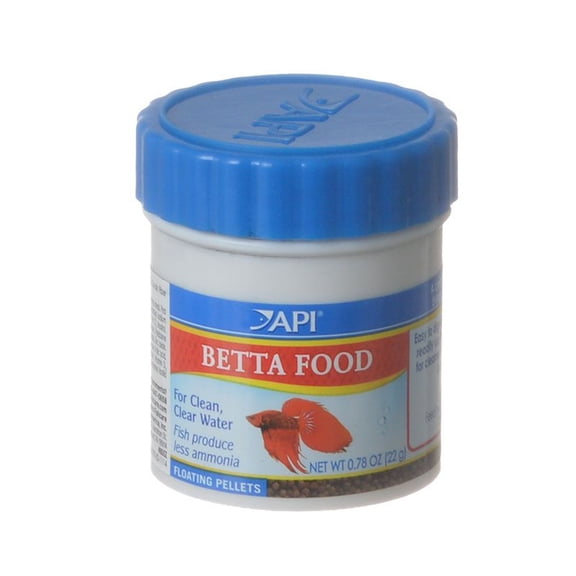
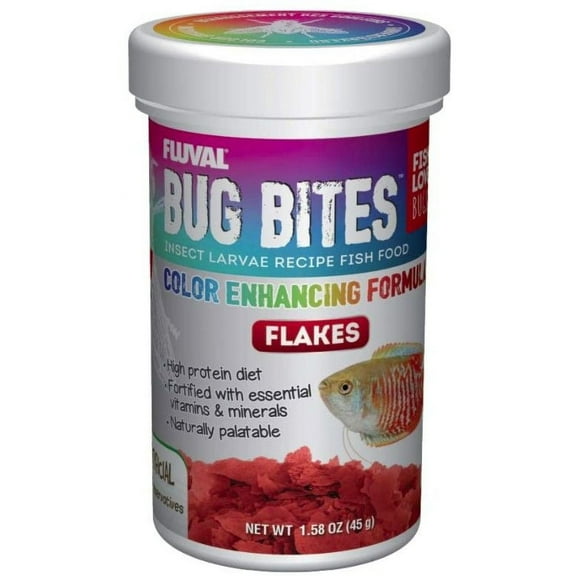
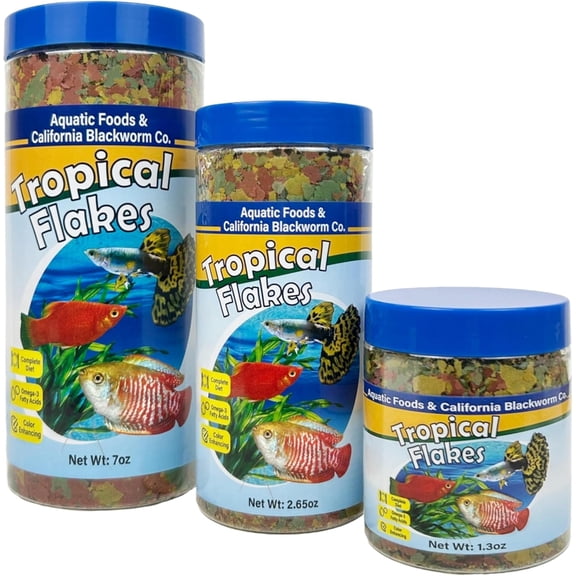
Betta fish food helps you feed surface-loving fish with less mess and clearer portion control. You can compare pellets, flakes, and treats by float, protein source, and life stage needs.
If you keep one betta or several tanks, you may want food that matches small mouths and short feeding windows. You may also want formats that stay easy to portion, store, and use every day.
How to choose betta fish food
When you compare betta fish food, you should start with food type, nutritional focus, life stage, and feeding format. Those choices matter because your betta usually eats near the surface and does well with measured portions.
Pellets often give you cleaner portion control because you can count pieces before feeding. Flakes can work well too, but you should watch how quickly your betta finishes each pinch.
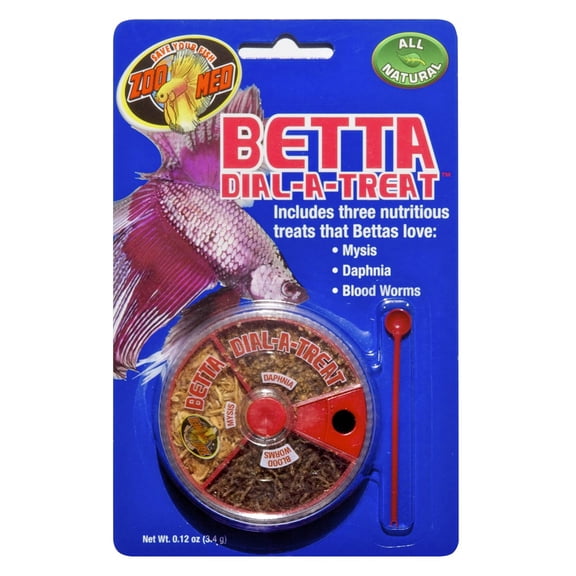
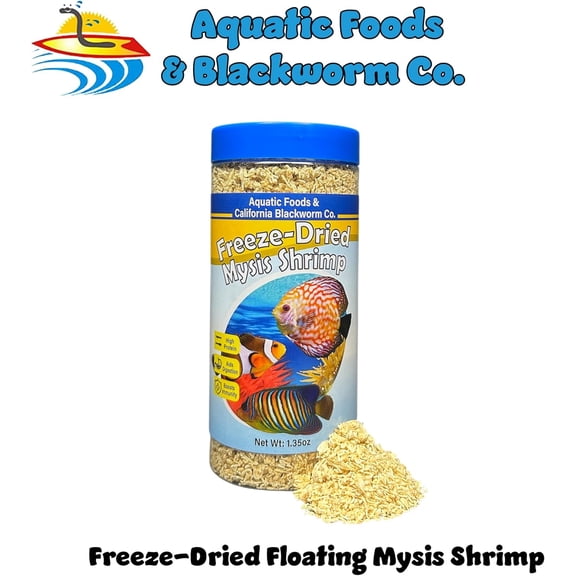
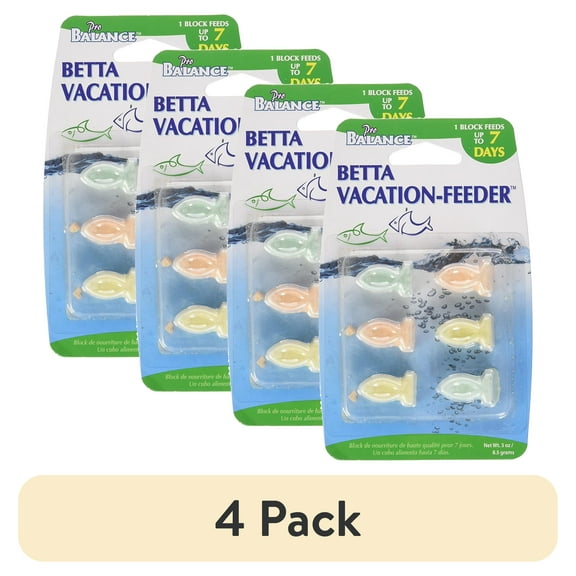
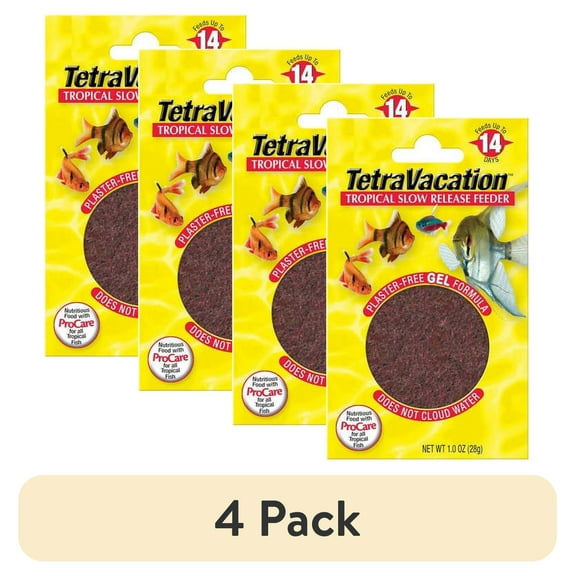
Freeze dried bloodworms for bettas work well when you want variety in a feeding routine. Vacation blocks suit short absences, but you should check serving directions and tank compatibility before use.
- You can count pellets easily for consistent feeding.
- You can choose flakes when your betta prefers softer bites.
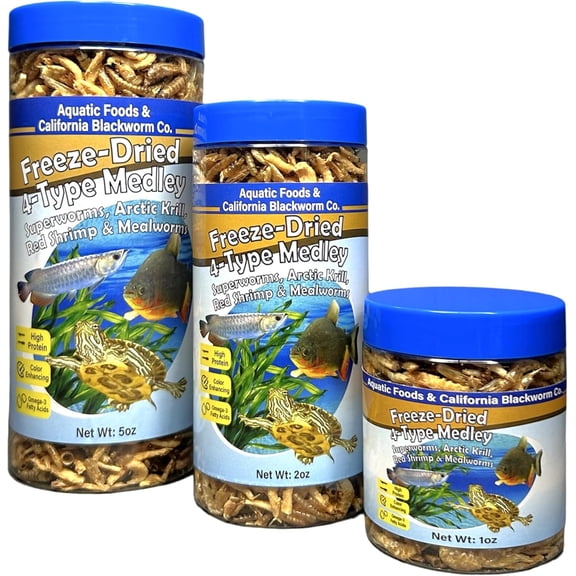
- You can use freeze-dried treats for occasional variety and enrichment.
- You can match baby betta fish food to smaller mouths and early growth stages.
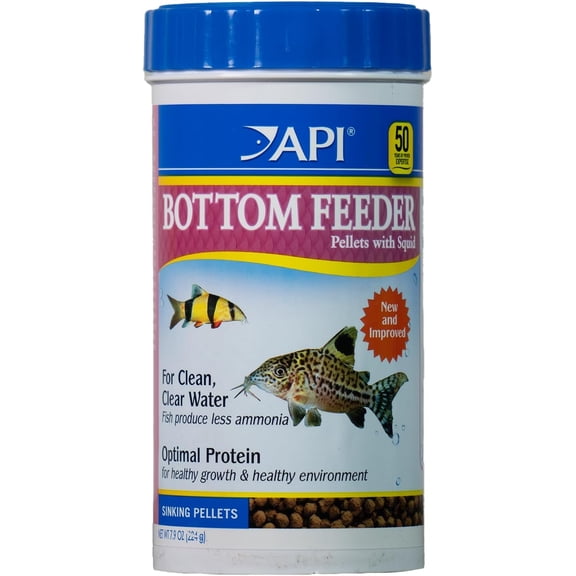
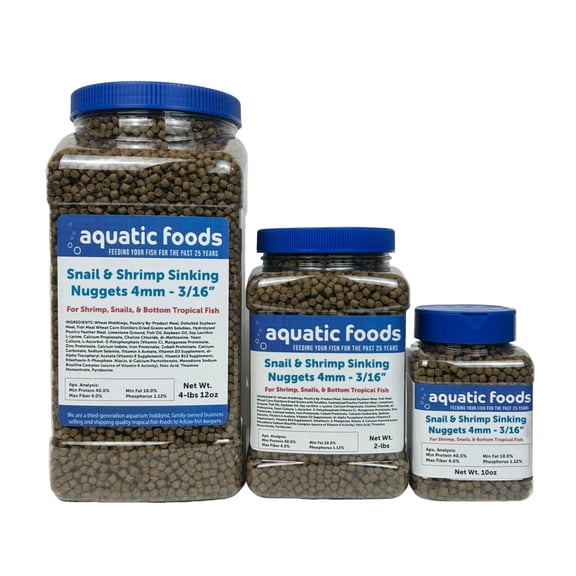
- You can compare floating and sinking options based on where your fish feeds.
Choosing between betta fish pellets and flakes
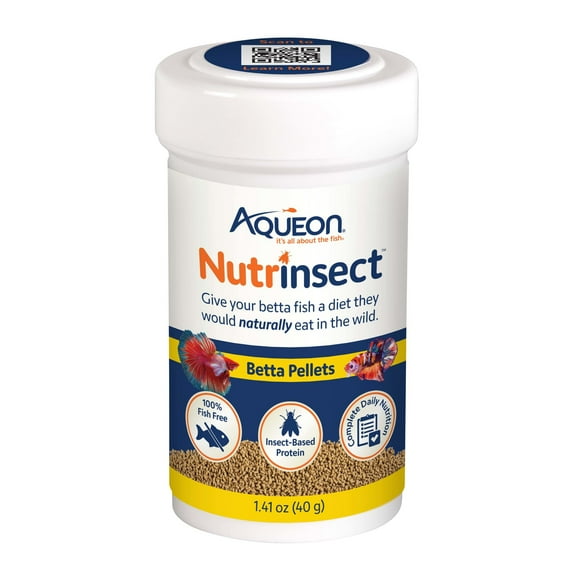
You can often notice betta fish pellets stay easy to portion because each piece looks consistent. That makes it simpler for you to avoid overfeeding during short daily feedings.
Floating betta pellets can suit bettas that rise to the water’s surface for food. You can also see uneaten pieces faster, which helps you keep feeding routines more precise.
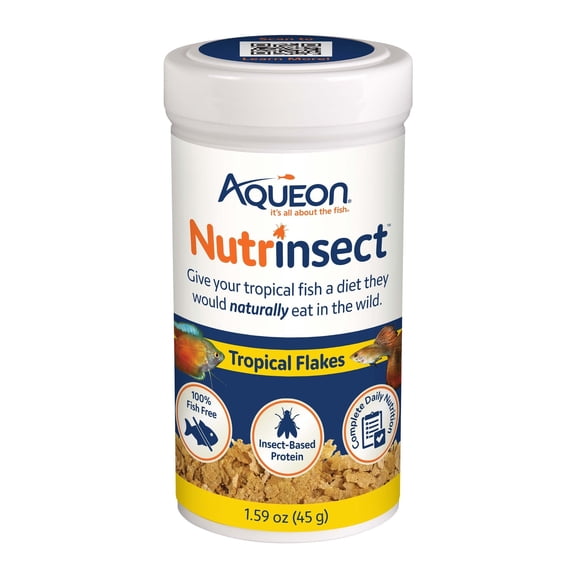
Betta fish flakes may appeal to fish that prefer lighter texture or smaller pieces. You should compare flake size and breakability if your betta hesitates with larger bites.
For baby betta fish food, you should look for smaller particle size and easy-to-manage portions. Those details help you feed young fish with less waste and closer control.
What to look for in ingredients and nutrition
You should check crude protein percentage because your betta usually does well with protein-forward diets. When you compare labels, you’ll want whole fish meal or similar named sources near the top.
You should also compare ingredient lists for fillers that may crowd out animal-based ingredients. A shorter, clearer list can make it easier for you to understand what you’re feeding.
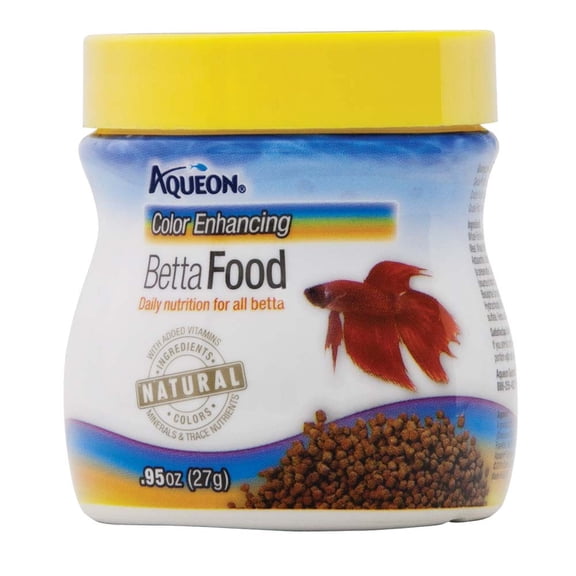
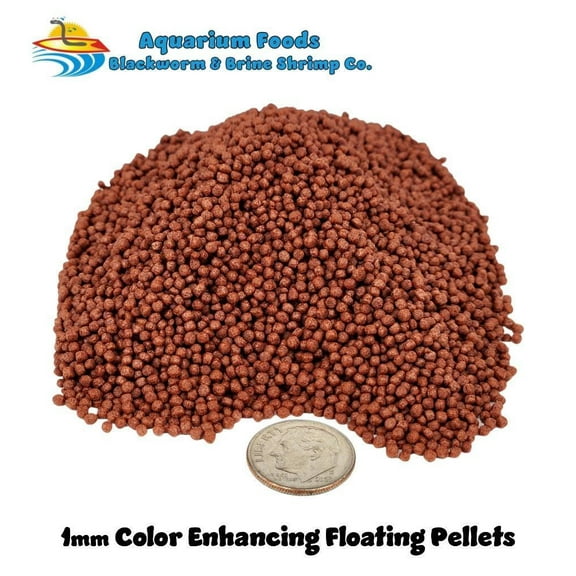
If you’re considering color enhancing betta food, you may see ingredients like spirulina or carotenoids. You may choose those ingredients when you want food selected for brighter natural coloration in regular feeding routines.
Vitamin-fortified formulas can help you build a more rounded feeding plan across staples and treats. You should still compare serving guidance so your portions stay appropriate for your fish.
Freeze-dried foods can add a different texture and protein source to your routine. You should use them as part of a varied plan instead of relying on one format alone.
Comparing life stage and feeding format
You should match food size to your betta’s age because mouth size changes your feeding experience. Baby and fry formulas usually use finer particles that younger fish can take more easily.
Adult formulas often come in larger pellets or broader flakes for daily feeding. You can compare label directions to see how serving size changes by age and food type.
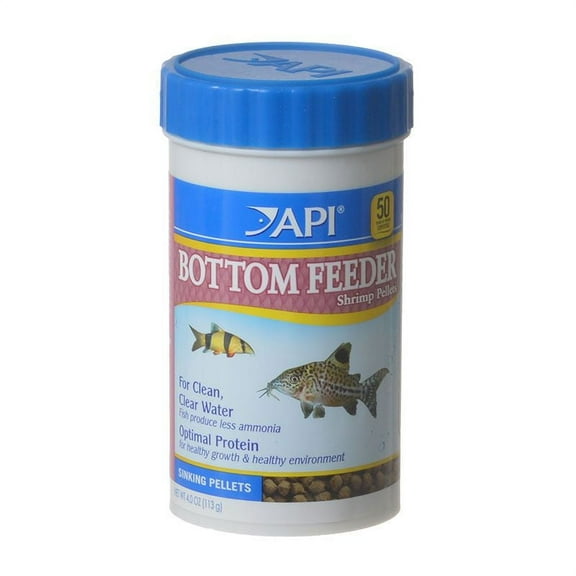
Floating foods usually match the way many bettas prefer to feed at the surface. Sinking foods may fit mixed aquariums, but you should confirm your betta actually reaches and eats them.
When you feed in community setups, you may want a format that lets you monitor your betta’s share. Floating pieces can help you track what your fish actually takes before food drifts away.
Using betta fish food for daily routines and occasional treats
You can build a simple routine by choosing a staple pellet or flake, then rotating in treats occasionally. That approach helps you keep feeding organized without guessing at every meal.
For busy weekdays, you may prefer pellets because they’re quick to count and dispense. On lighter feeding days, you might use flakes when you want finer portion adjustments.
Freeze dried bloodworms for bettas can fit treat days when you want to vary texture and feeding interest. You should reseal containers well so the contents stay dry and easy to portion.
Portion size matters with any format, so you should follow package directions and adjust carefully. Smaller containers may suit slower feeding schedules if you want food to stay fresher after opening.
If you’re stocking a new setup, you can pair food choices with fish tanks, betta filters, and aquarium water conditioners. That gives you a comprehensive care routine built around everyday feeding.
With the right format, protein focus, and portion plan, you can keep feeding simple and consistent. You can feel confident choosing food that matches your betta’s habits and stage.