


Beet Seeds in Seed Gardening


















About Beet Seeds in Seed Gardening - Walmart.com
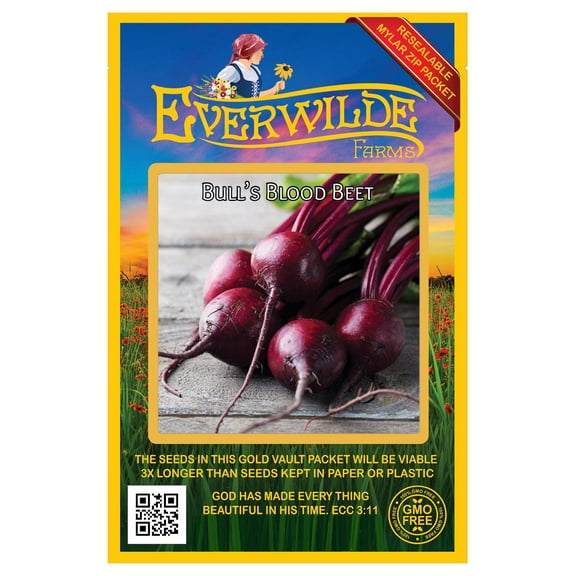
Beet seeds help you plan colorful harvests for garden rows, raised beds, and containers. You can compare variety, flavor, and planting method before your growing season begins.
If you want steady harvest timing, you should start with beet seeds that match your space and sunlight. You can also narrow your choice by root color, sweetness, and container suitability.
How to choose beet seeds
When you compare varieties, you should look at root color, shape, and days to maturity. You can use that timing to plan quick spring sowing or longer fall harvests.
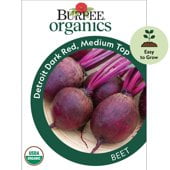
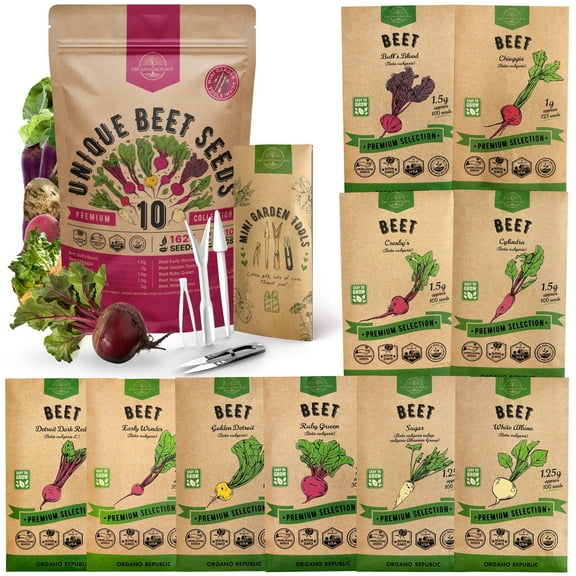
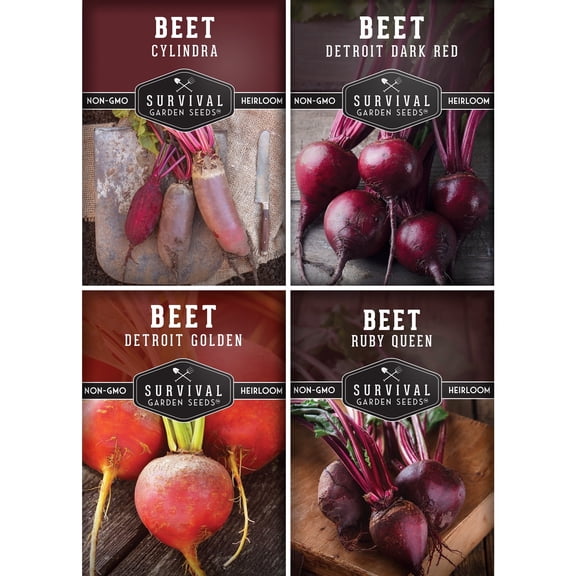
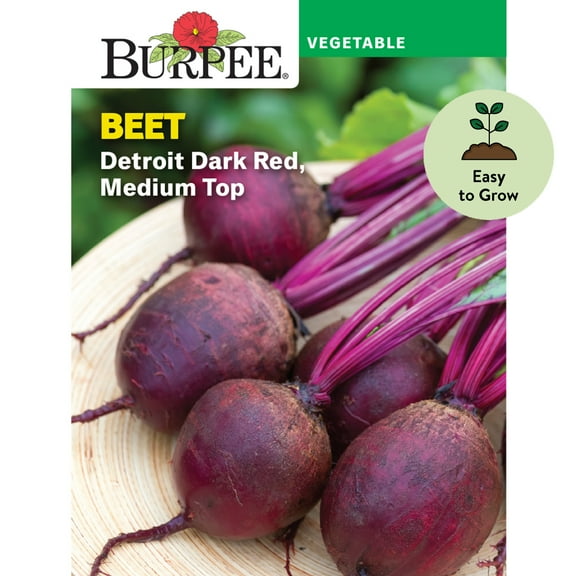
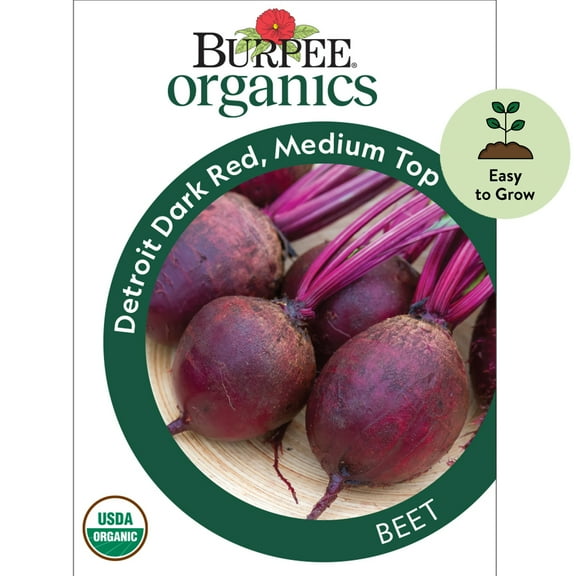
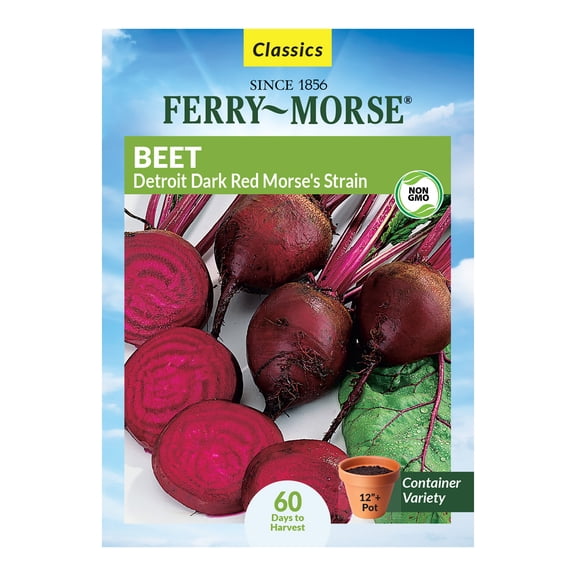
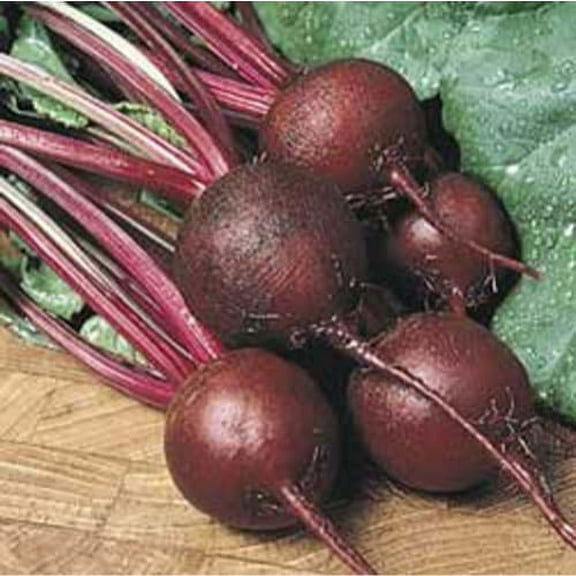
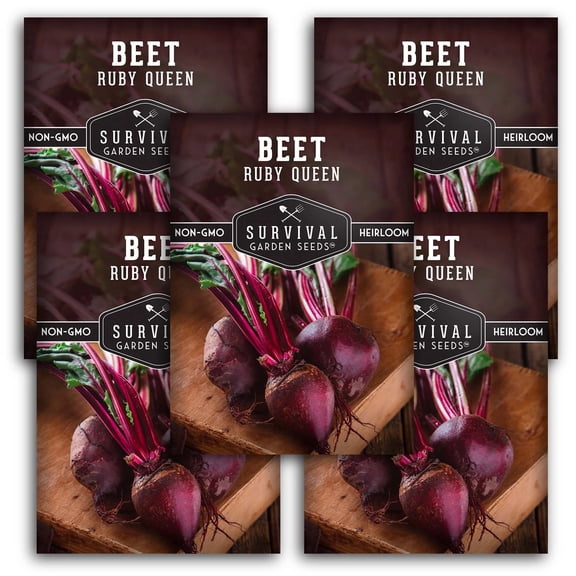
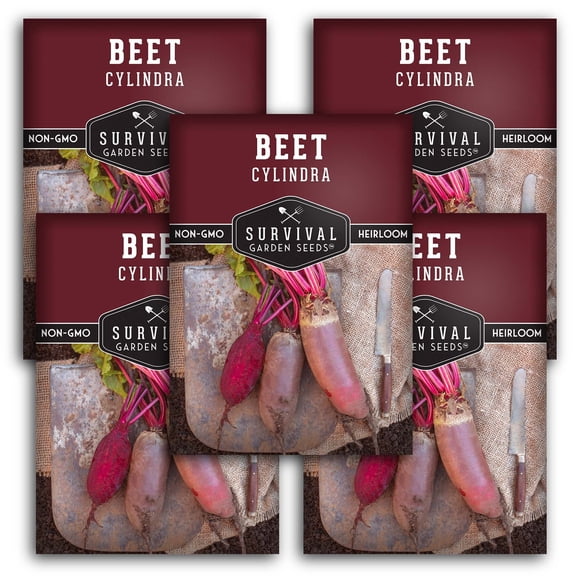
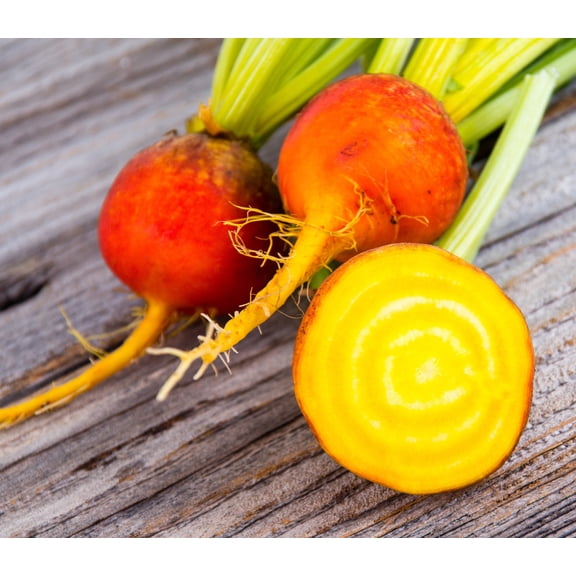
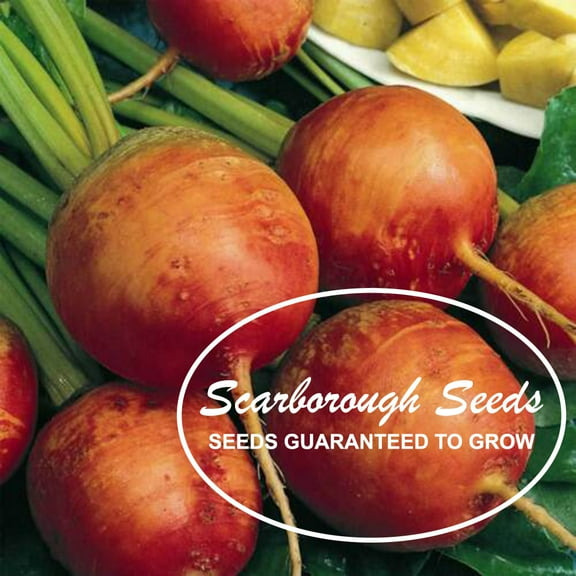
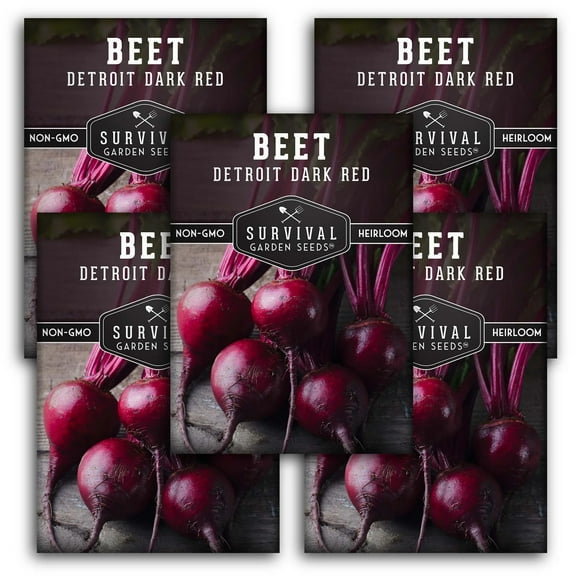
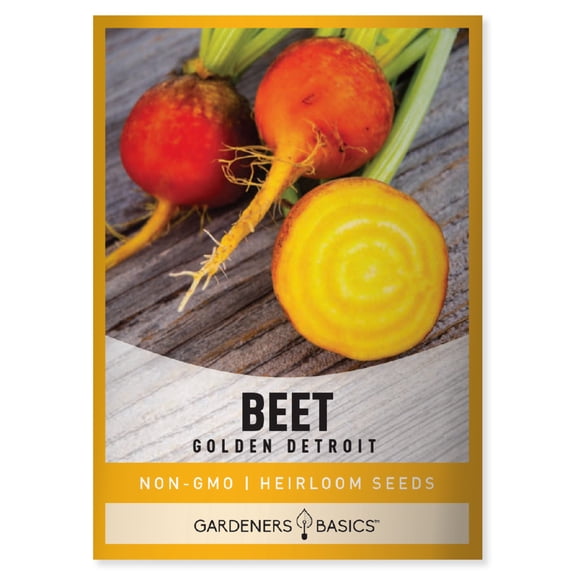
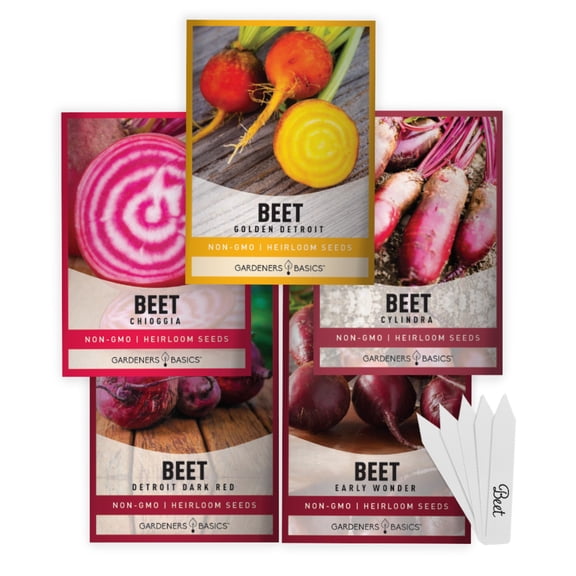
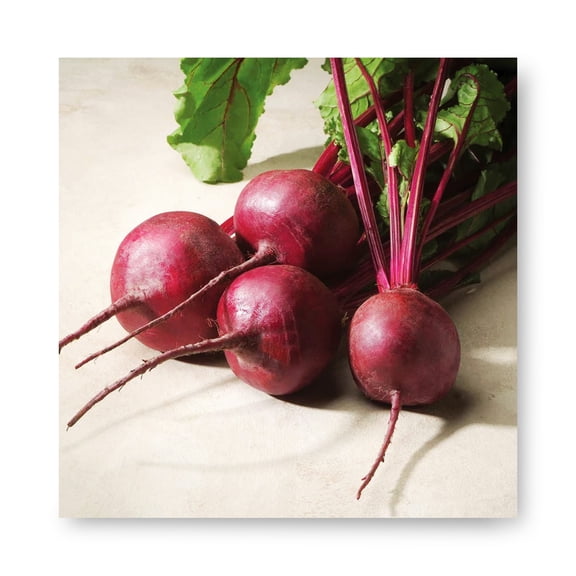
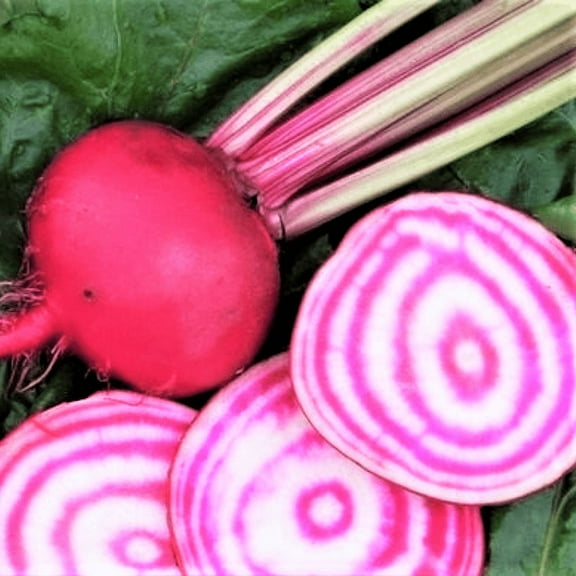
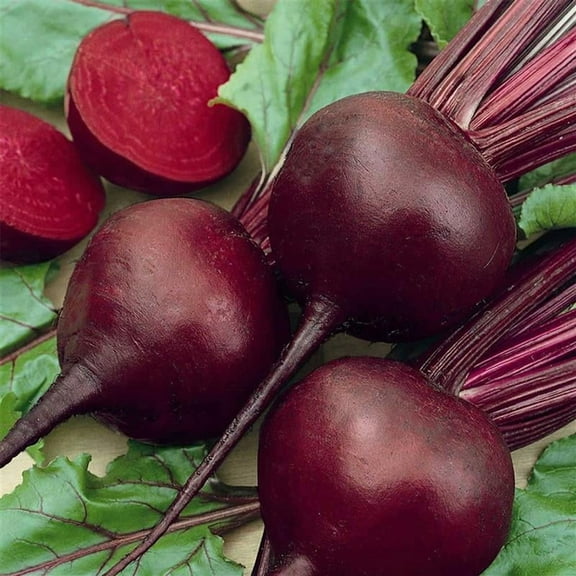
Detroit Dark Red gives you classic deep red roots and familiar beet flavor for roasting or slicing. Golden Detroit gives you golden roots and a milder taste, while Chioggia gives you striped interiors.
You should also check germination rate when you want more predictable spacing across a row. A stronger germination rate can help you thin less and fill beds more evenly.
- You can choose Detroit Dark Red for classic color and steady kitchen use.
- You can choose Golden Detroit when you want a milder, sweet beet flavor.
- You can choose Chioggia when you want striped slices for salads and roasting.
- You can compare days to maturity when you want earlier harvests.
- You can check container suitability if you plan to grow beets in pots.
Choosing beet root seed by seed type
When you compare beet root seed options, you should start with how you like to garden. You may prefer organic, heirloom, or non-GMO choices based on your growing style.
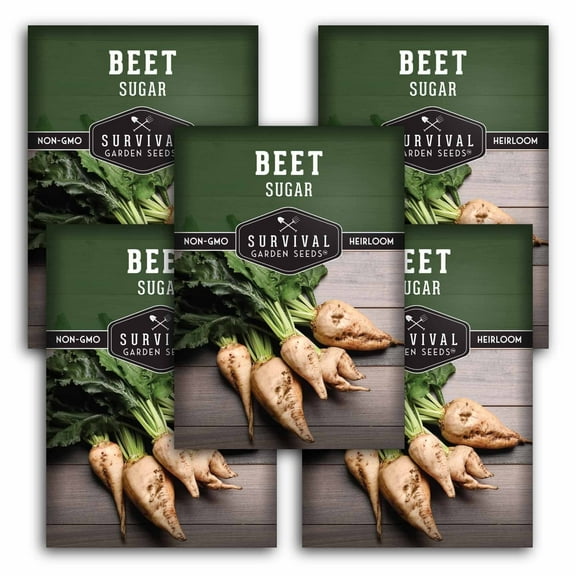
Organic options can fit your preference for specific growing practices and a simple seed-starting routine. Heirloom choices can appeal to you when you want familiar garden varieties with established traits.
Non-GMO selections can work well when you want a straightforward pick for home beds and containers. You should read the packet details so your seed type matches your planting plan.
What to look for in soil and sun needs
You can support stronger root development when you plant in loose, workable soil without heavy clumps. You should look for seed choices that fit full sun, especially for steady top growth.
If your yard gets partial shade, you can still grow beets with careful placement and consistent watering. You may notice slower growth, so days to maturity becomes an even bigger decision point.
You should also think about root size when you compare planting spots. Smaller, round roots often suit tighter spaces, while deeper beds give you more flexibility.
Choosing between garden beds, raised beds, and containers
When you plan where to sow, you should match beetroot seeds to your available depth and width. Garden beds give you long rows, while raised beds help you control soil texture.
If you want beets in pots, you should measure container depth before you plant. Containers with enough depth help you support root shape and make watering easier to manage.
You can use raised beds when your native soil feels dense or uneven. You can use containers when you want patio growing, easier access, or a compact planting setup.
For pots, you should space seeds carefully and thin seedlings once tops appear. That simple step helps you give each root enough room to size up evenly.
How to grow beets at home
You can grow beets from direct sowing, which helps roots form without transplant disruption. You should plant seeds at the depth listed on the packet for cleaner emergence.
When you want steady harvests, you can sow short rows every couple of weeks. That approach helps you stagger maturity instead of pulling every root at once.
You should keep soil evenly moist during early sprouting and early root formation. Consistent moisture helps you support uniform growth and smoother roots.
If you want tender greens too, you can harvest a few tops without clearing the whole row. You can get more use from each planting when you balance roots and greens.
Matching flavor and use to the right variety
You should compare flavor profile if your recipes range from roasting to pickling to salads. Sweet beet varieties can suit simple preparations where you want the root's natural taste.
Earthy selections can fit classic beet dishes and bolder pairings with herbs or vinegar. Mild choices can help you introduce beets to mixed vegetable meals and grain bowls.
If you want colorful plates, you can combine red, gold, and striped roots in one garden plan. That mix gives you visual variety and different flavor notes from the same seed category.
What makes a smart beet seed choice
You should look for beet seeds that match your variety goals, planting method, and expected sun exposure. When those details line up, you get a smoother growing season and a more useful harvest.
By comparing beetroot seeds with your space, timing, and taste preferences, this helps prepare you for planting with more confidence. You can set up a garden plan that supports colorful roots, usable greens, and easier harvest timing.