





Nightstands







































About Nightstands - Walmart.com
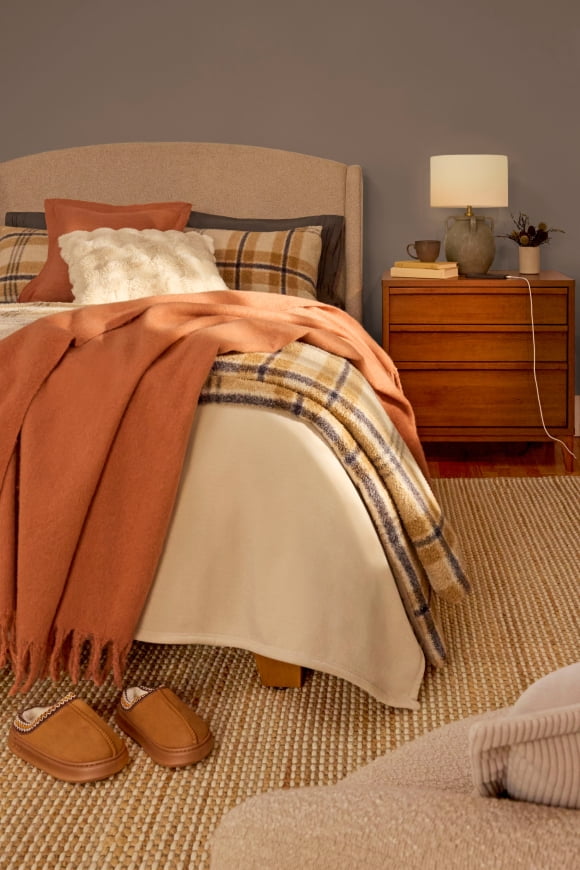
Nightstands help you keep bedtime essentials within reach while shaping your room’s layout. You can compare height, storage, finish, and charging features to match your bed and routine.
How to choose nightstands for your bedroom
Start with height, because your reach matters every night. You’ll want nightstands that sit close to your mattress top, usually within about two inches.
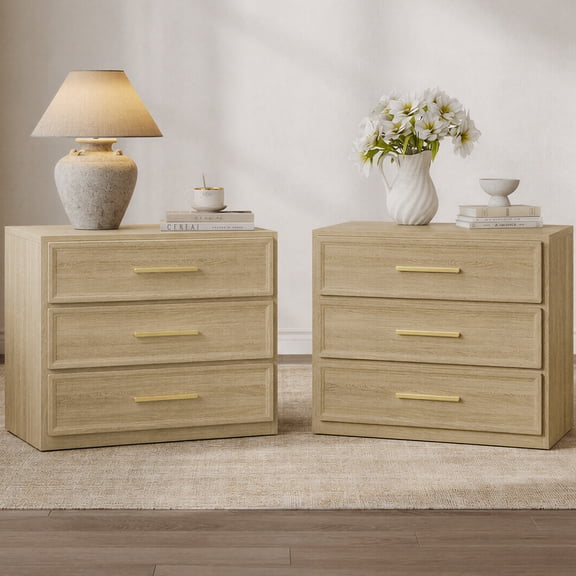
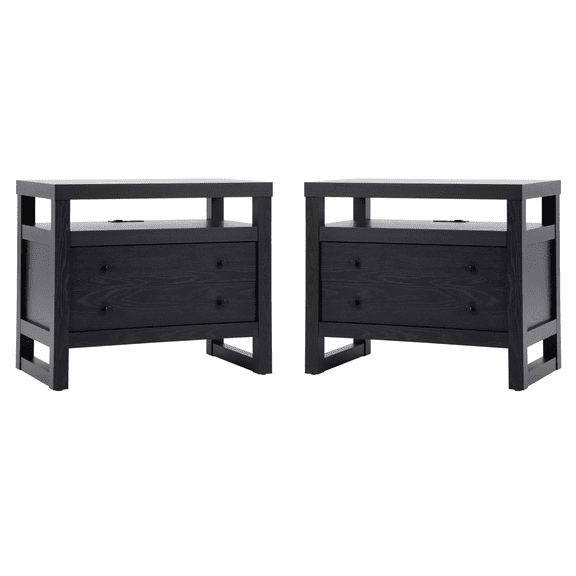
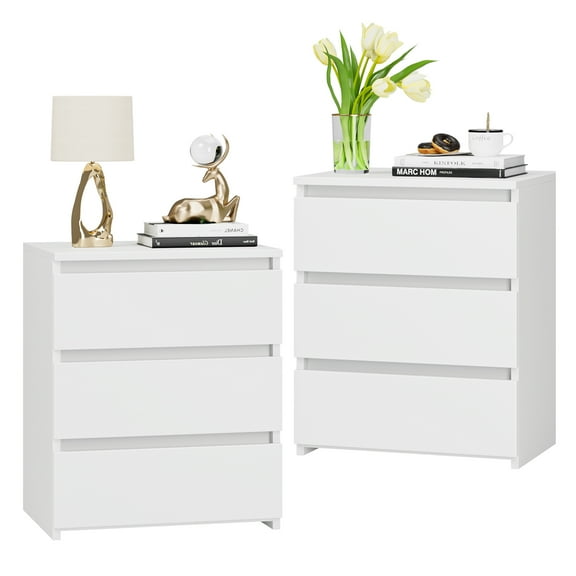
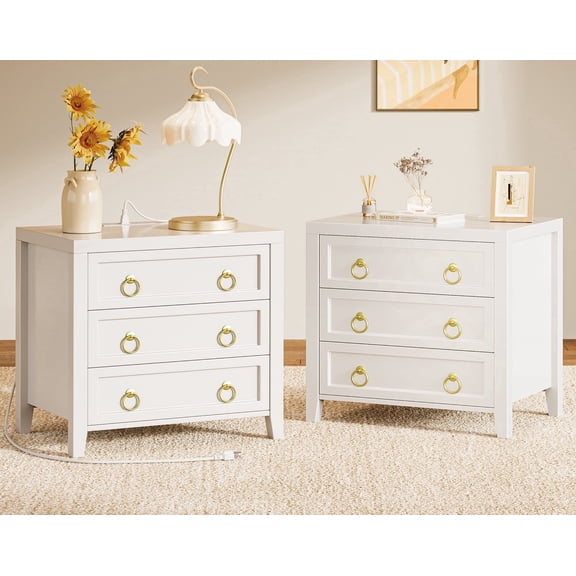
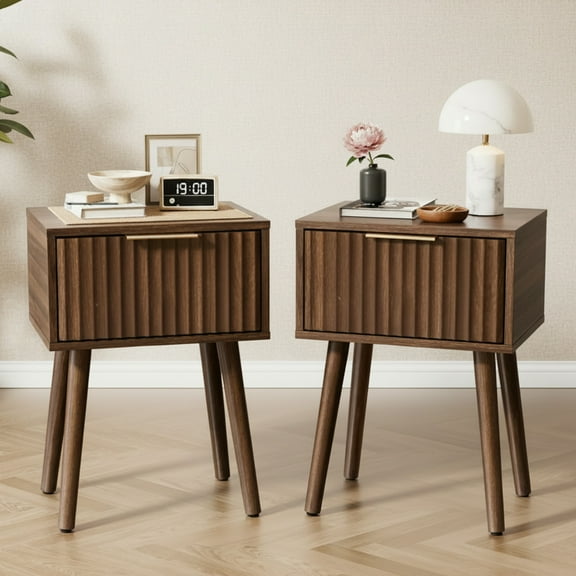
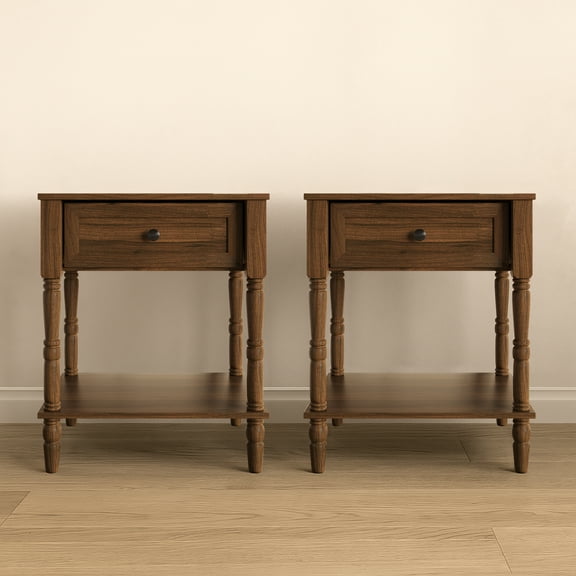
Next, consider whether your room needs one piece or a pair. If your bed sits between two open sides, you might prefer nightstands set of 2.
Floor space also guides your choice more than shoppers sometimes expect. A small nightstand fits tighter corners while still holding a lamp, book, and charger.
Choosing storage in nightstands
Storage works differently depending on what lands beside your bed each night. You can compare one drawer, two drawers, three drawers, and open shelf layouts by your routine.
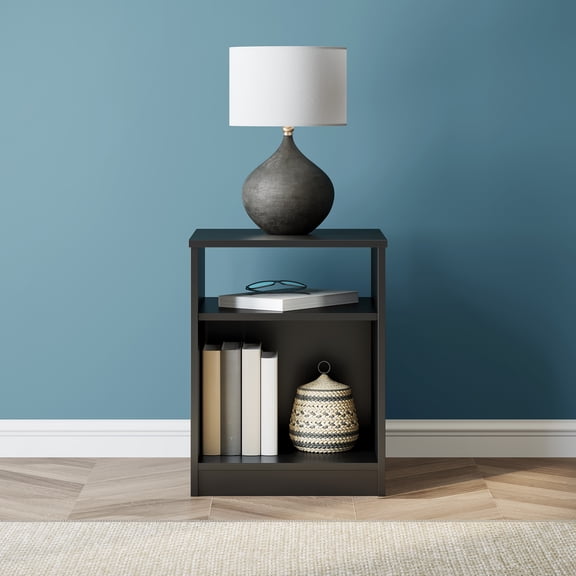
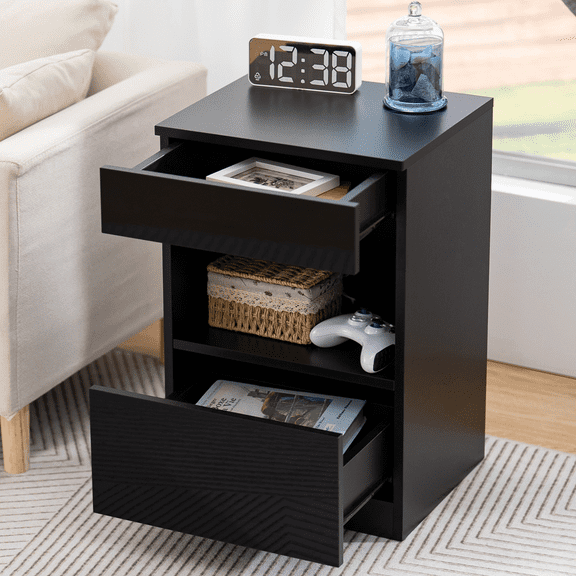
Closed drawers help you tuck away cords, glasses, notebooks, and hand cream. Open shelves keep books, baskets, and devices visible when you want faster access.
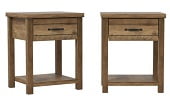
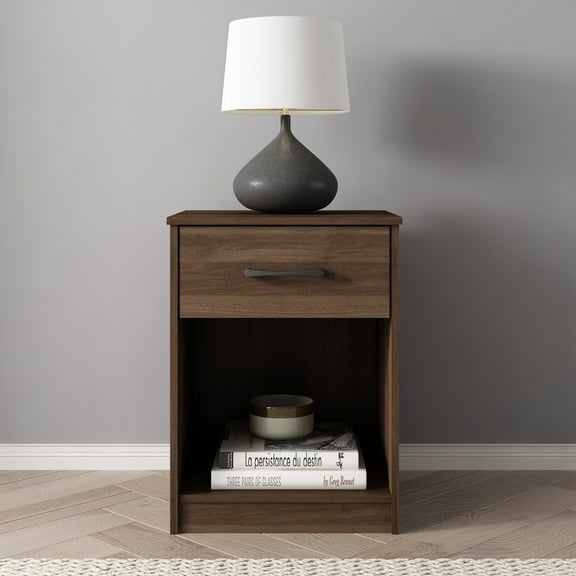
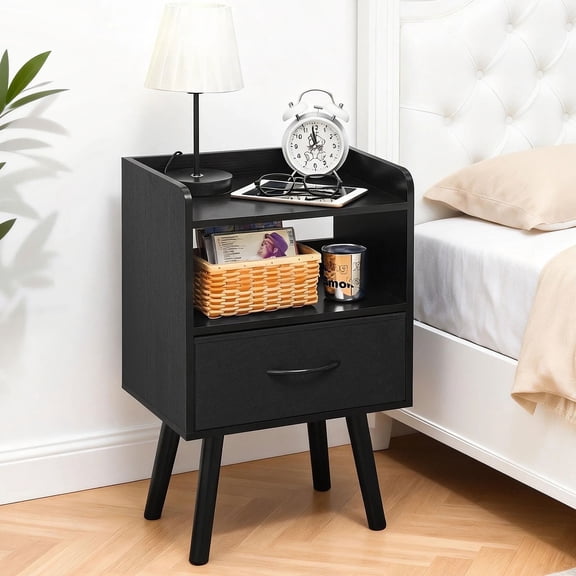
- You can use one drawer styles for lighter bedside storage and a simpler footprint.
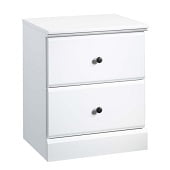
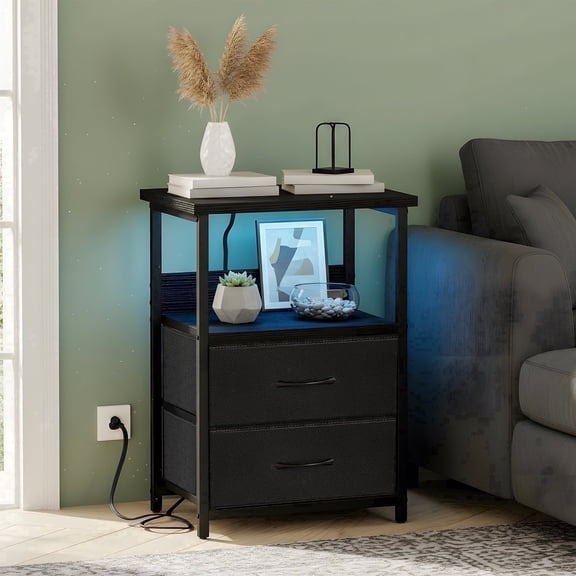
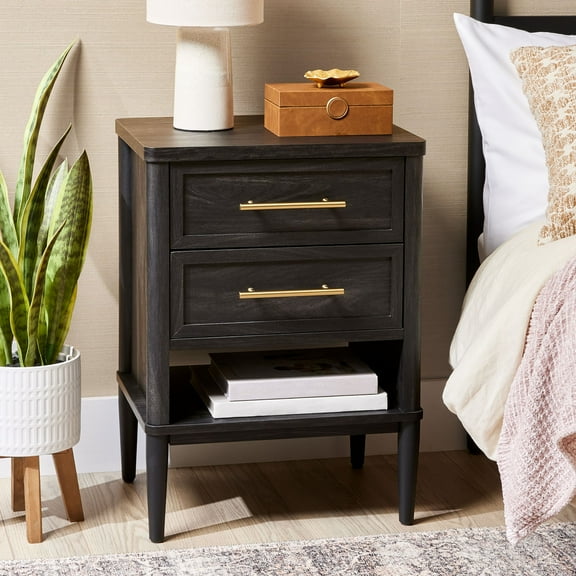
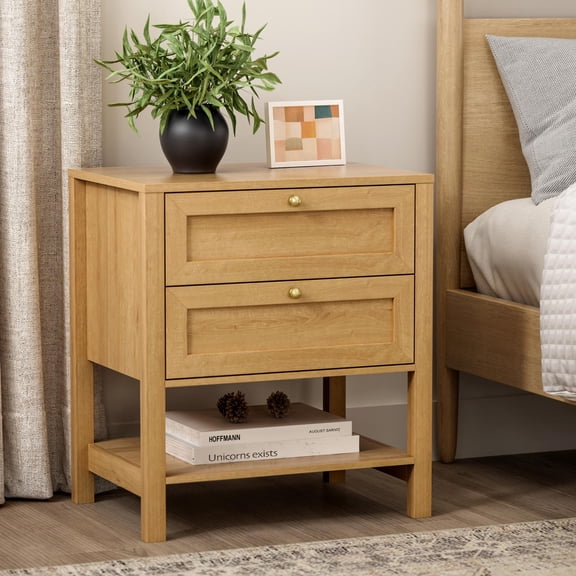
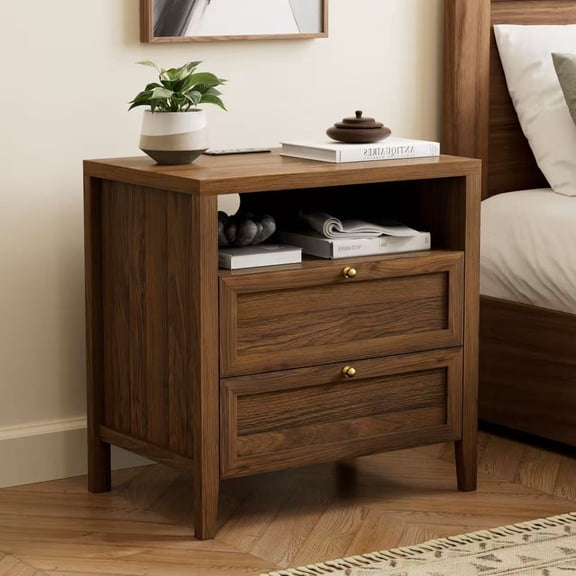
- You can choose two drawers when your everyday essentials need a little more hidden space.
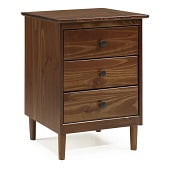
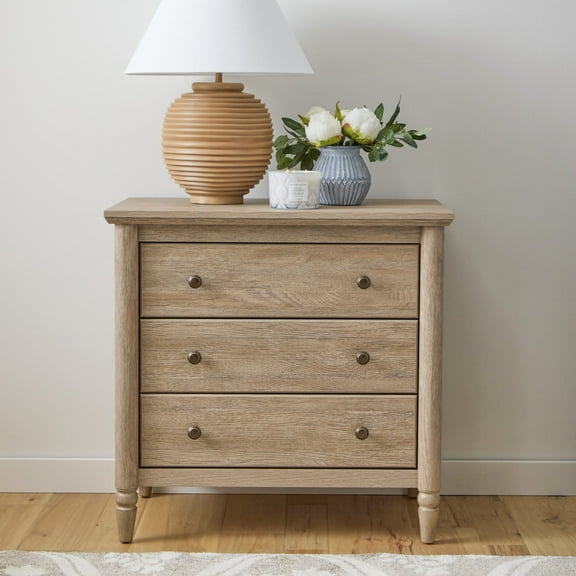
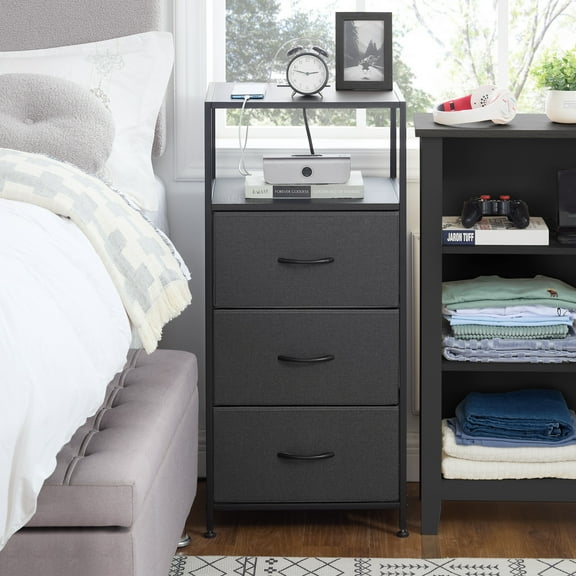
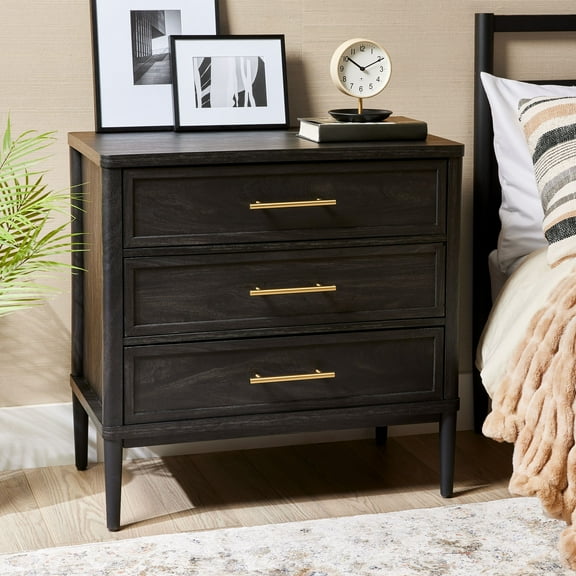
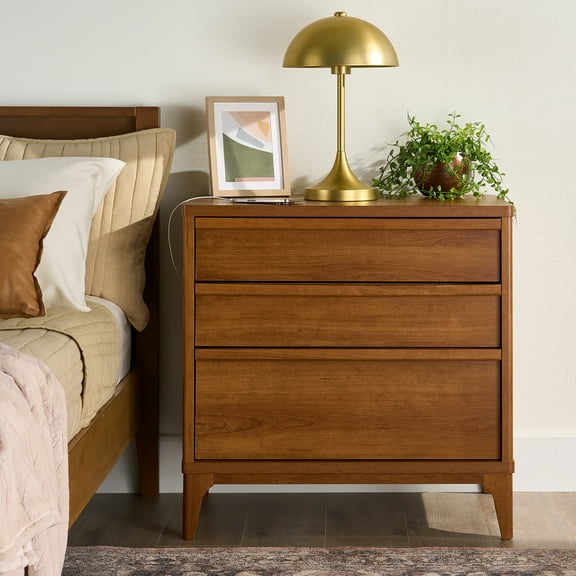
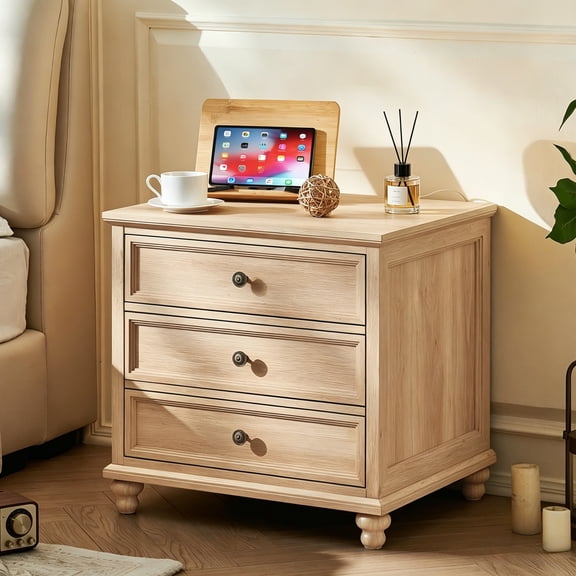
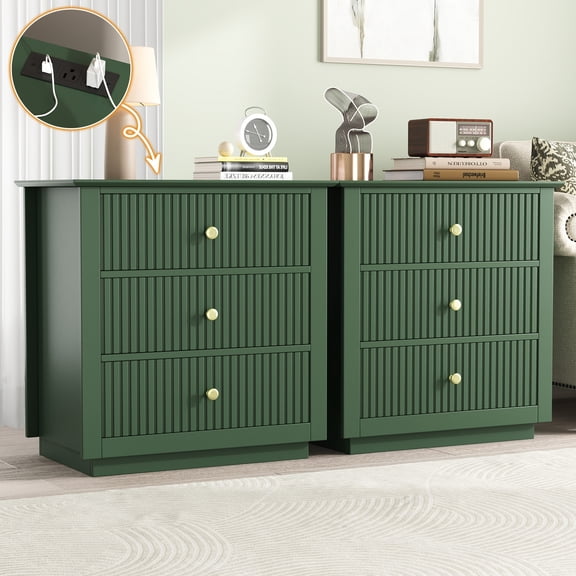
- You can pick a 3 drawer nightstand when your bedside routine includes extra accessories.
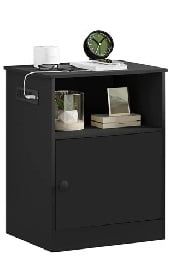
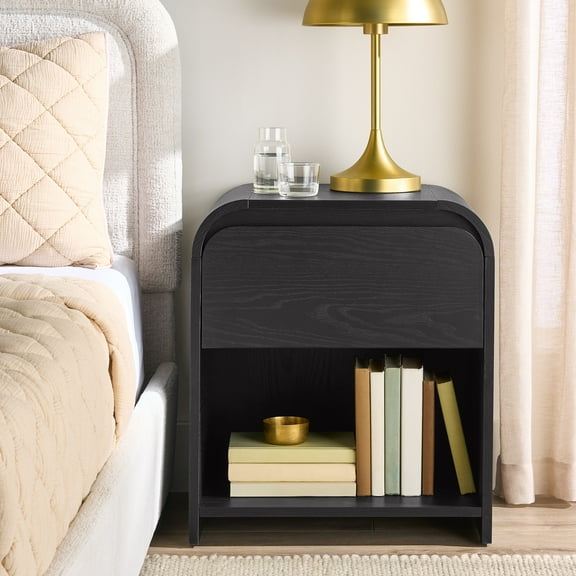
- You can select an open shelf when you want display room and easy access.
Footprint still matters while you compare storage. A narrower profile helps you keep walkways open in smaller bedrooms, guest rooms, or a dorm nightstand setup.
Choosing style, material, and finish
Style shapes how your bedroom feels before you even set down a lamp. A modern nightstand usually gives you clean lines, simple hardware, and a streamlined profile.
You might also compare mid-century modern, rustic, farmhouse, and boho looks. Those styles let your bedside tables coordinate with your bed frame and dresser.
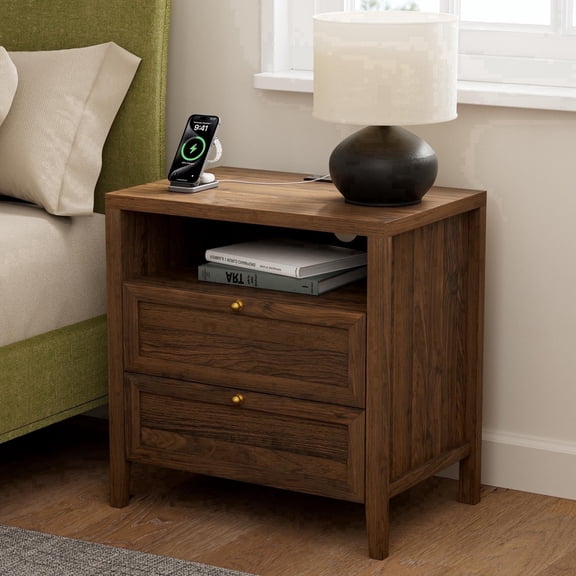
Materials change both appearance and upkeep, so it helps to compare them closely. Wood nightstands bring familiar warmth, while metal frames give your room a light, minimal look.
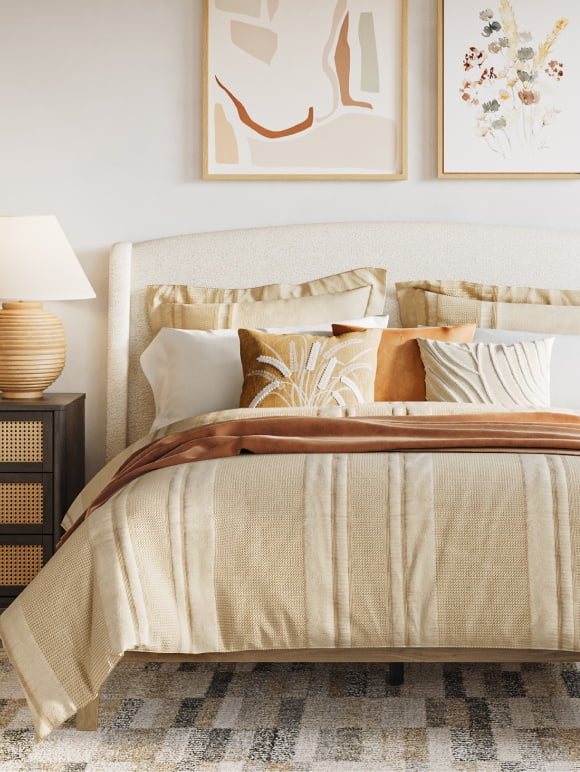
Glass accents can make your bedside area feel more open. Rattan details add texture when your room needs a softer, layered furniture mix.
Finish choices also affect how your room reads at a glance. A white nightstand can brighten compact spaces, while a black nightstand can add contrast beside lighter bedding.
Grey, oak, and walnut options support different furniture pairings and floor tones. You can use those finishes to create either a matched bedroom set or a mixed look.
Choosing nightstands with charging features
Power features matter when your phone, watch, tablet, or lamp all share the same bedside zone. A nightstand with charging station features can keep cords more organized and easier to reach.
Look for AC outlets, USB ports, or USB-C ports based on your devices. If your setup includes several chargers, you should compare port placement and cord access.
Some designs also include wireless charging pads or LED lights for added bedside function. You can check whether those extras fit your routine before you commit to them.
Floating styles create a more open view of your floor in smaller rooms. You should measure wall placement carefully so your mounted piece lines up with your mattress height.
Matching nightstands to real-life spaces
A single piece often works well in guest rooms, narrow bedrooms, or one-sided layouts. You can keep door clearance and bench space more usable with a compact bedside table.
Shared bedrooms often call for balance on both sides of the bed. A nightstand set of 2 gives each sleeper similar storage and a more symmetrical furniture layout.
Height alignment still matters once your room layout is set. You can place lamps, books, and nighttime items comfortably when your tabletop sits close to mattress level.
Dorm rooms call for practical choices because square footage stays limited. A dorm nightstand with shelves or charging access can support tight layouts and daily device use.
Room color and traffic also influence which finish makes sense. Lighter tones help compact bedrooms feel open, while darker finishes give larger rooms a grounded look.
What to look for before you decide on nightstands
Measure your bed height, wall space, and storage needs before narrowing your options. Then you can compare drawers, materials, finishes, and charging features with more clarity.
When your nightstands match your bed height, storage habits, and room layout, your bedside area works for you every day. You get easier reach, cleaner surfaces, and a more organized bedroom setup.