





Overbed Tables in Bedroom Safety & Aids









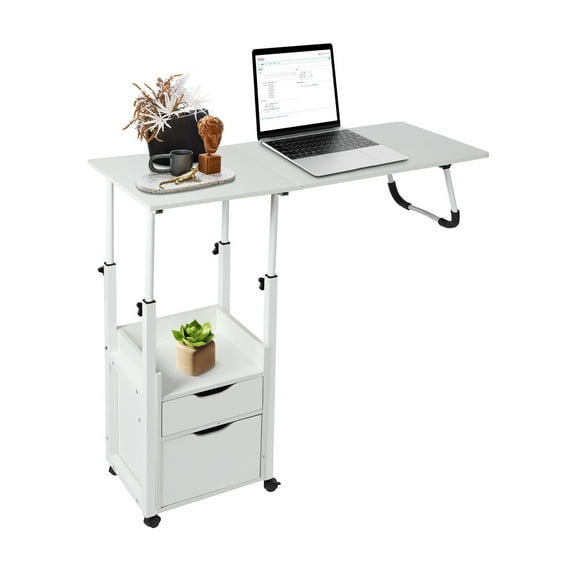
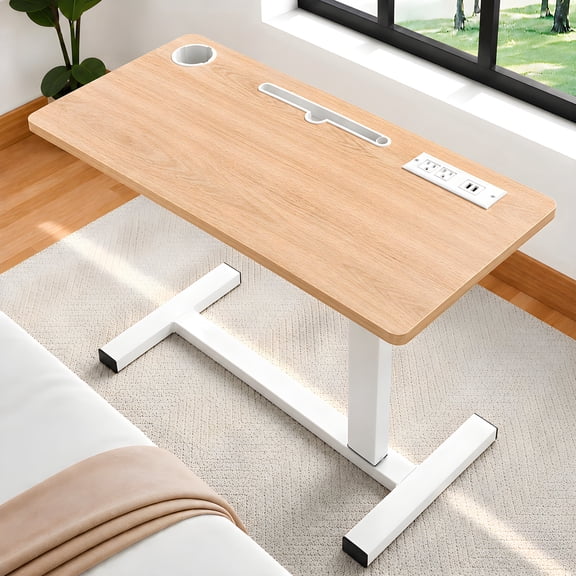



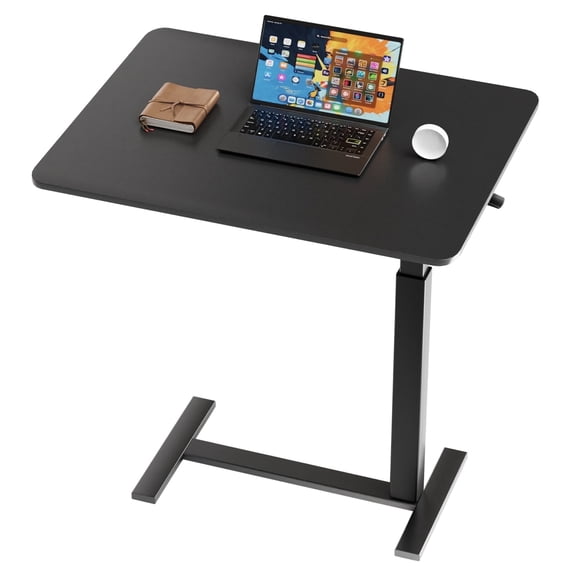


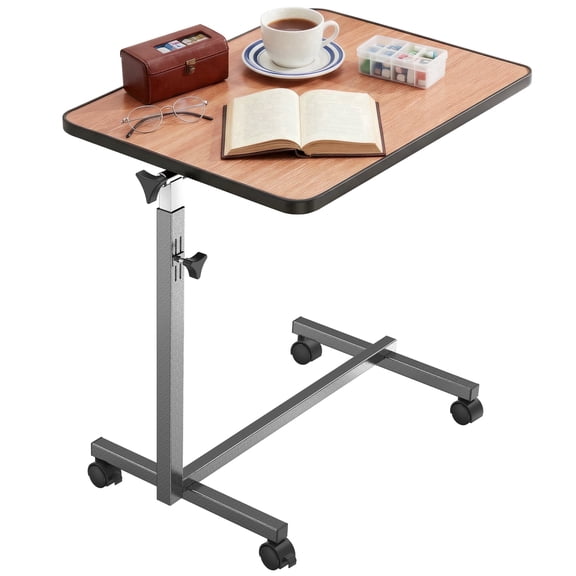


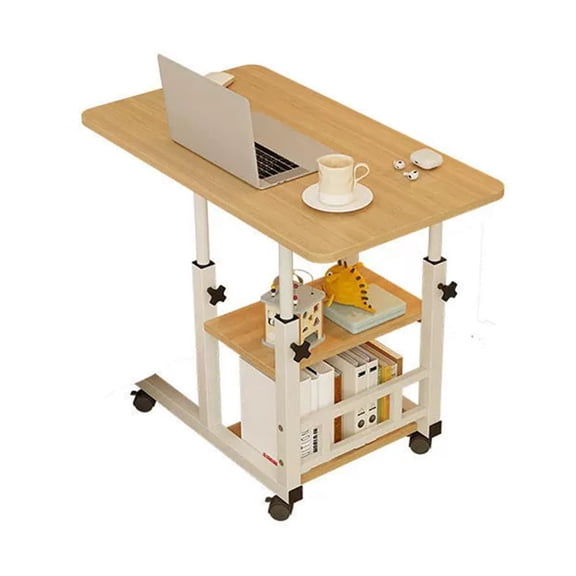


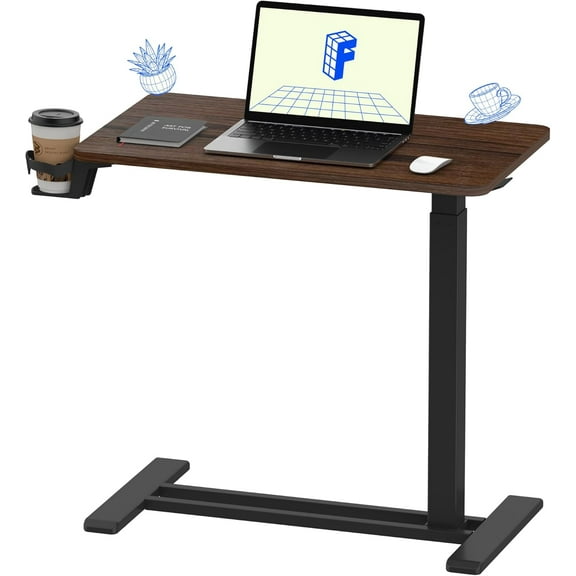


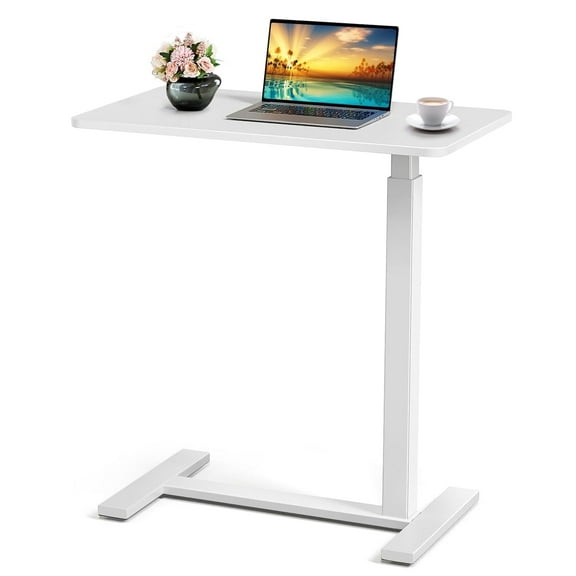
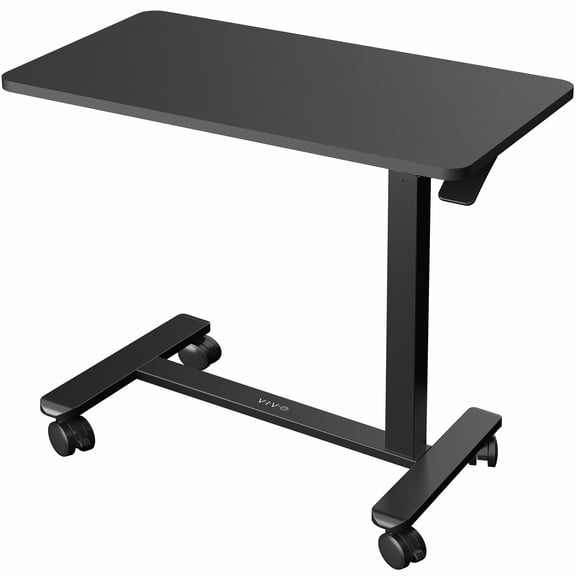












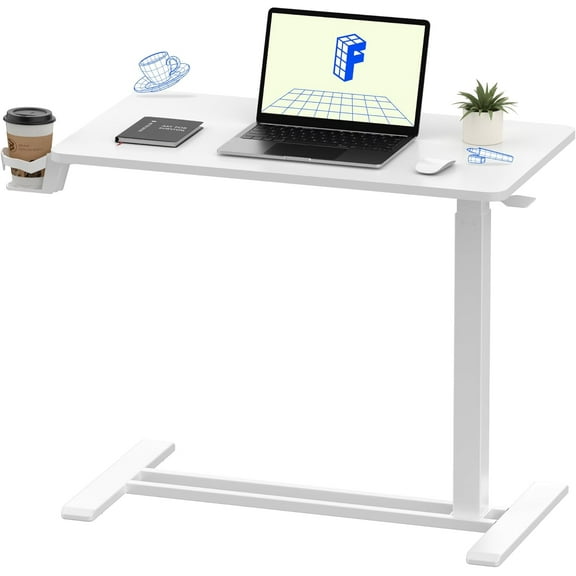


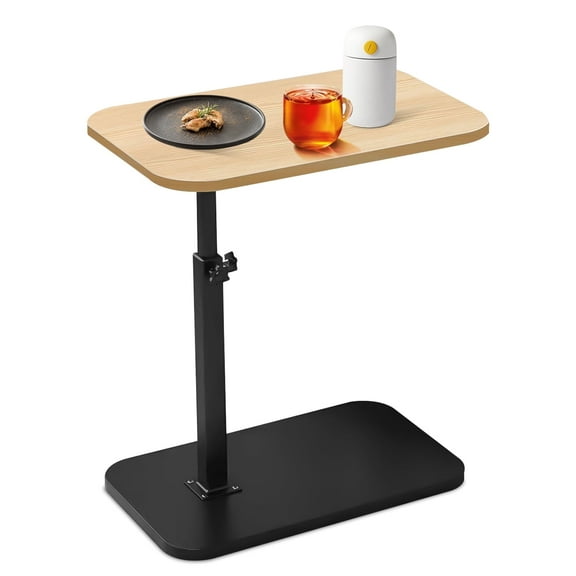


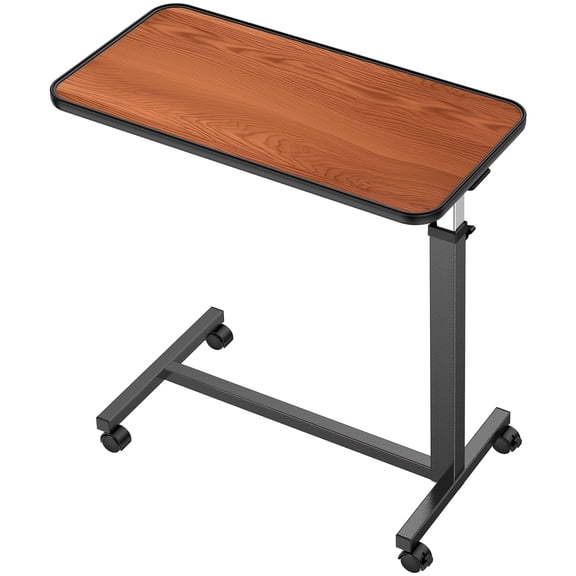
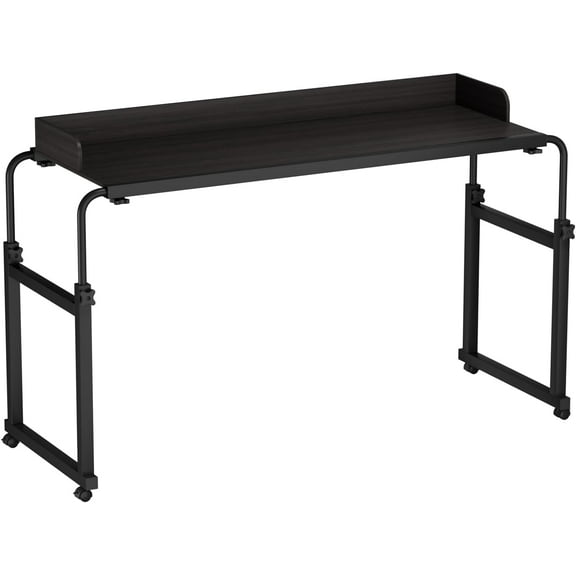










About Overbed Tables in Bedroom Safety & Aids - Walmart.com
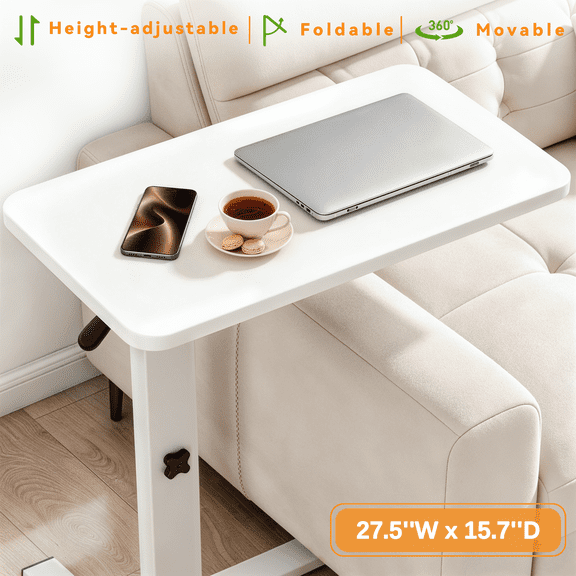
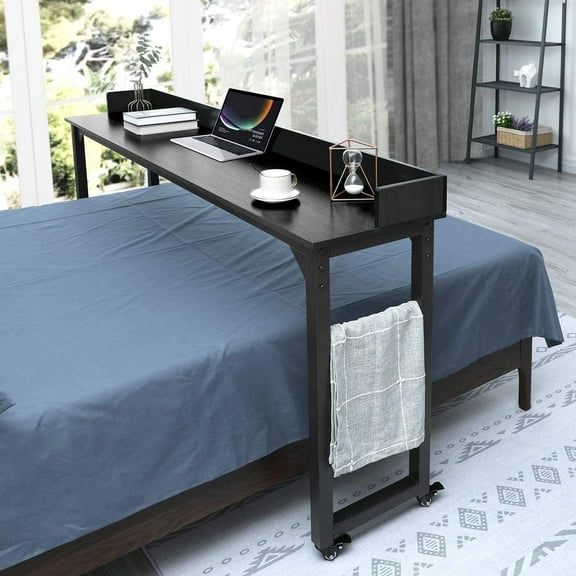
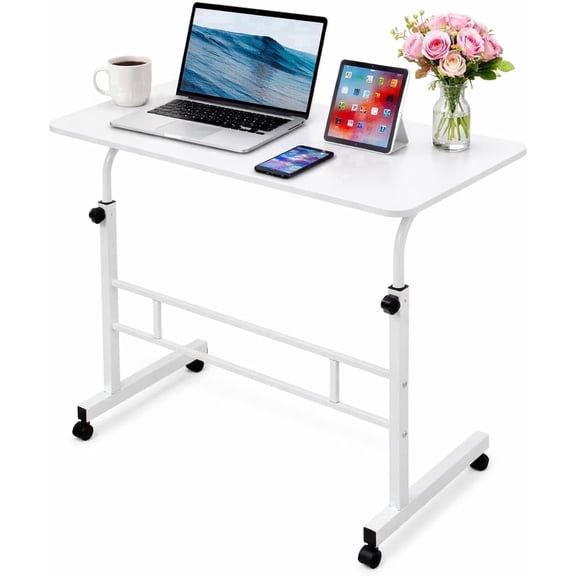
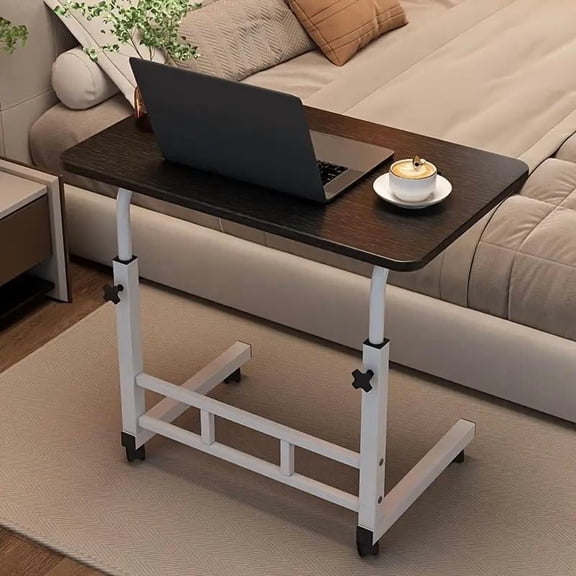
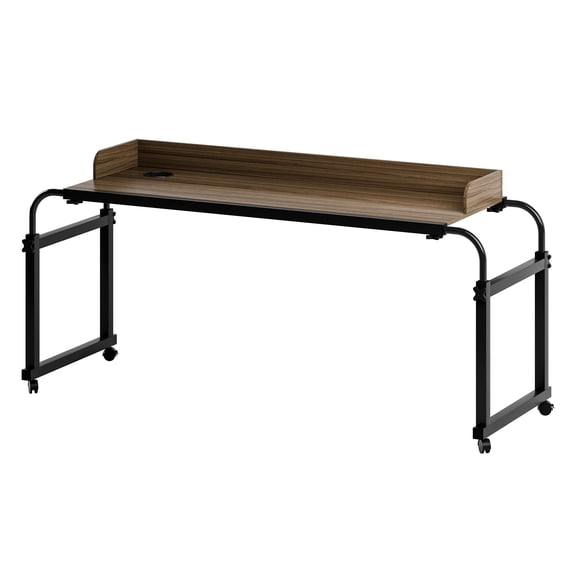
Overbed tables help you create a steady surface for meals, reading, or devices while you rest in bed or sit nearby. You can compare rolling bases, height adjustment, and top styles that fit home care routines and hospital bed setups.
How to choose overbed tables for your space
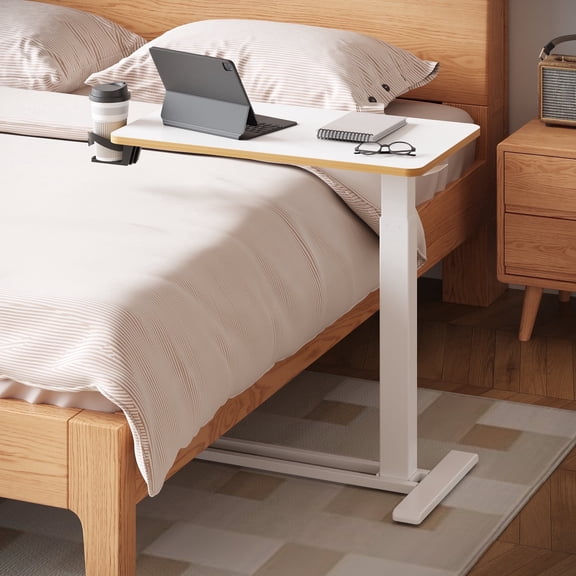
When you compare overbed tables, you should start with bed compatibility and floor clearance. You’ll want a base that slides under your bed frame without crowding wheels, lifts, or side rails.
Height adjustment matters because you may use your table while sitting up, reclining, or moving to a chair. You can check the adjustment range to match mattress height and your preferred tabletop position.
Surface shape also affects daily use in ways you’ll notice quickly. You may prefer a wider top for meals and papers, or a compact design for tighter bedrooms.
Choosing an overbed table with wheels
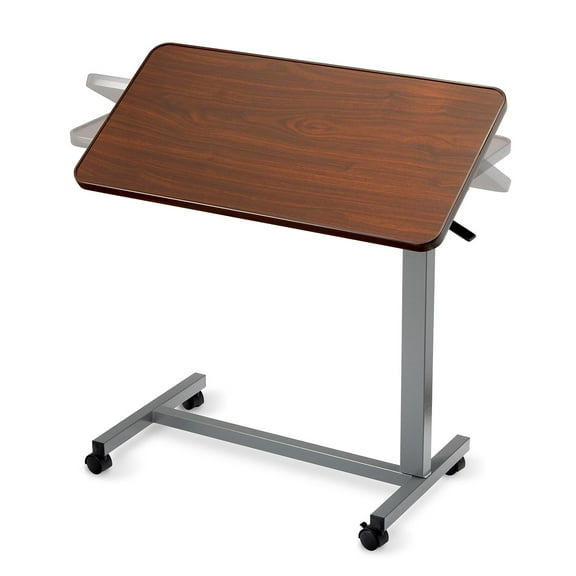
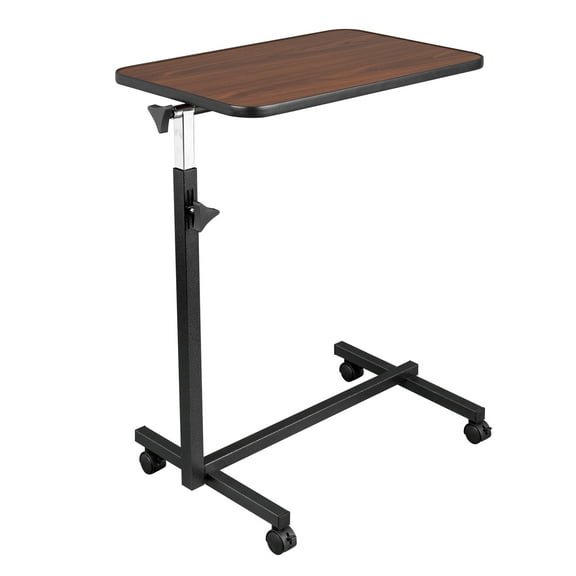
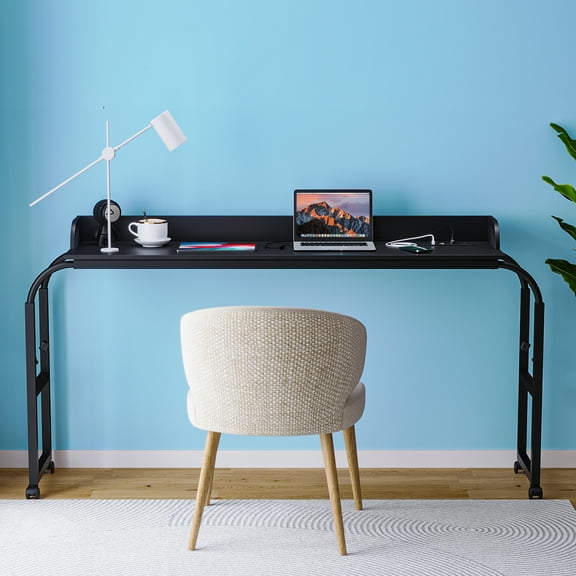
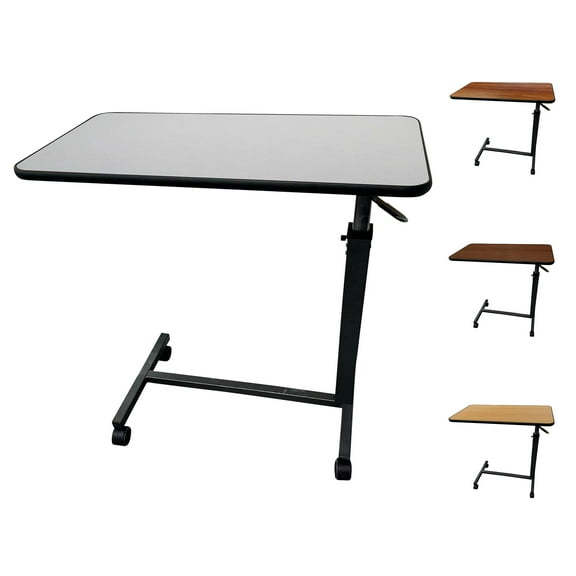
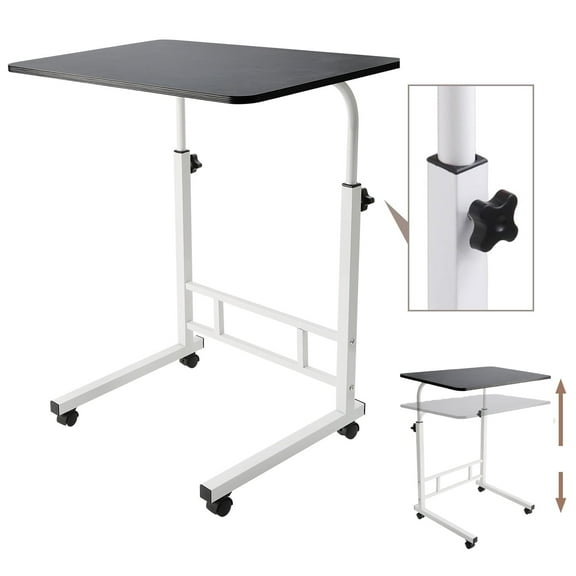
An overbed table with wheels gives you easy movement from one side of the bed to the other. You can roll it closer for meals, then shift it aside when you need open space.
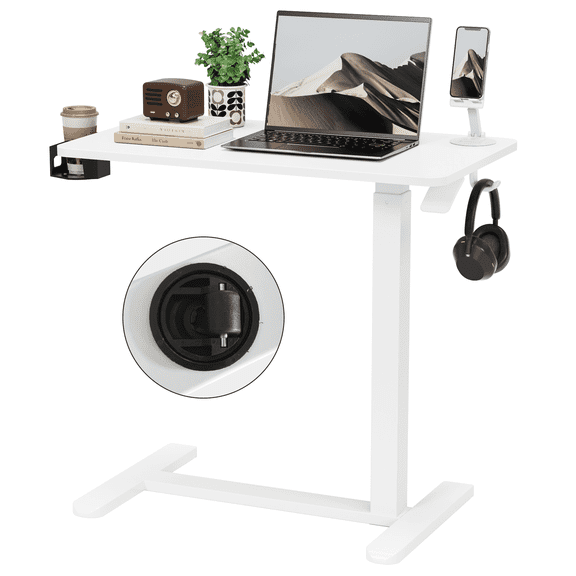
Locking casters help you keep the table in place during writing or laptop use. You should look for wheels that turn smoothly on common indoor flooring and hold steady when parked.
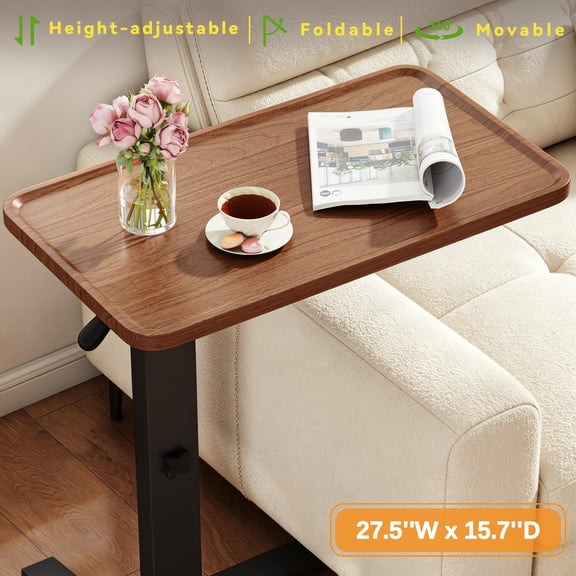
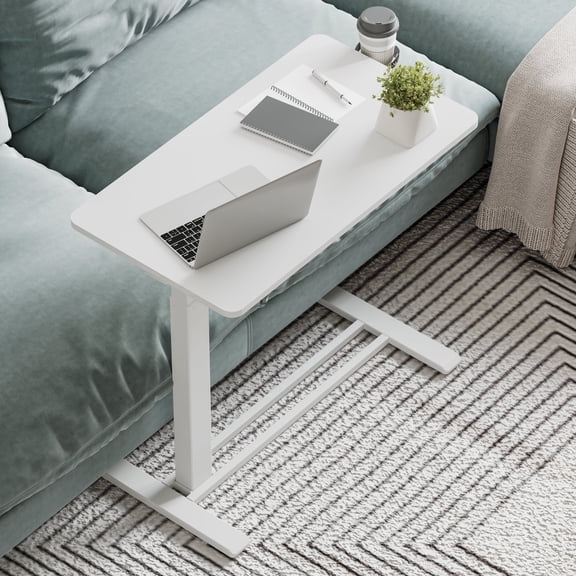
Rolling designs can also support flexible care routines in shared rooms or living areas. You can move a rolling bed table between a recliner, couch, and bedside with minimal lifting.
- You can position the table quickly for meals, books, or crafts.
- You can lock the wheels when you want a steady work surface.
- You can move the table between rooms with minimal lifting.
- You can fit daily care tasks into small spaces easily.
What to look for in an adjustable overbed table
An adjustable overbed table lets you raise or lower the top for comfort and reach. You should compare the lift style, adjustment range, and how easily you can change height.
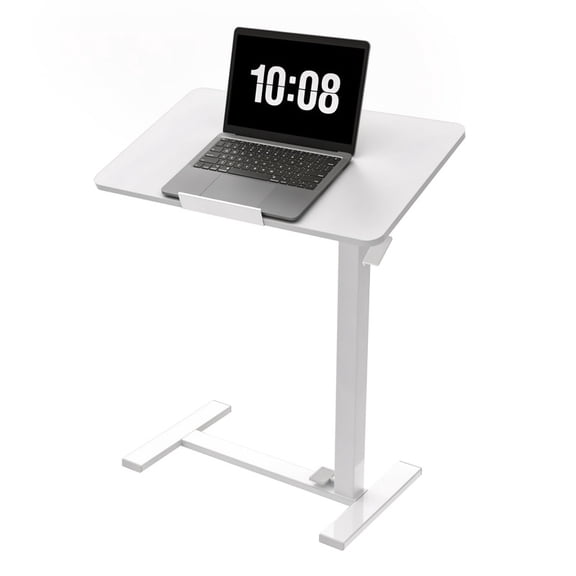
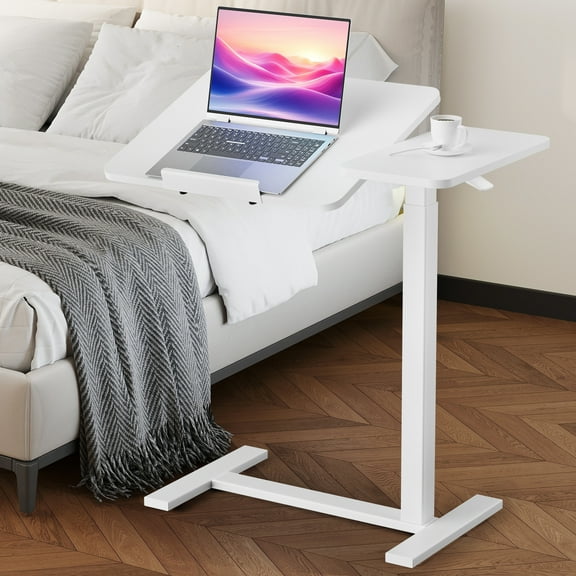
Tilting tops work well when you want an ergonomic angle for reading, tablets, or a laptop desk setup. Flat tops make sense when you want a stable place for eating, writing, or bedside essentials.
Some shoppers only need a fixed surface, especially when the table stays in one setup. You can focus on simple use if your routine centers on meals, drinks, or paperwork.
Weight capacity and frame stability deserve close attention before you choose. You should check whether the tabletop feels steady enough for your intended use, especially with devices or heavier trays.
Choosing a hospital bed table for home care
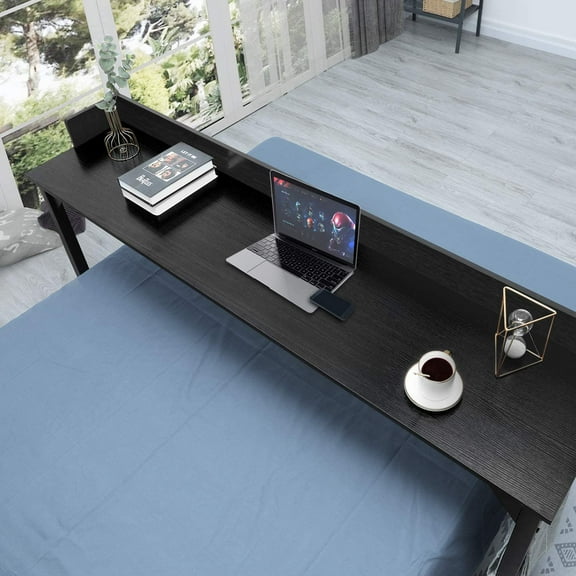
A hospital bed table can make home care routines feel highly organized and convenient. You can use it for meals, grooming tools, books, or electronics without reaching across the bed.
For hospital bed use, you should measure mattress height and the open space under the frame. You can avoid fit issues by checking base width, leg shape, and clearance needs first.
If you’re setting up a home care room, you may want a design that cleans up easily after daily use. You can compare molded plastic tops, sealed finishes, and simple edges that wipe down fast.
You may also use these tables beyond bedside care during recovery or everyday routines. You can roll one beside a chair for hobbies, paperwork, or a convenient eating surface.
Comparing materials and finishes
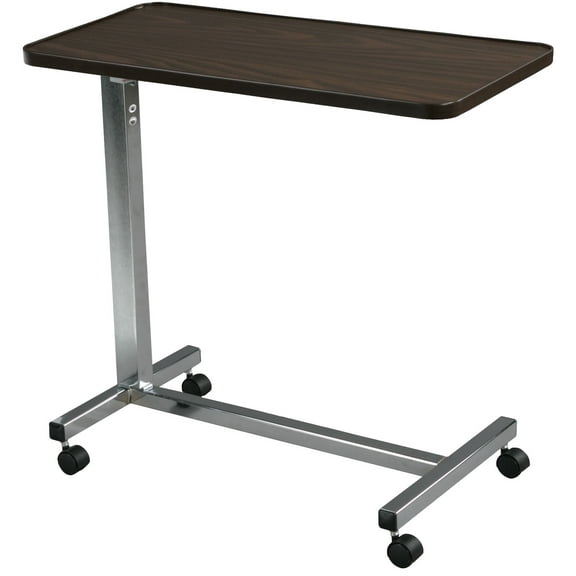
Material choice changes how your table looks, feels, and handles repeated use. You can choose wood grain for a furniture-like look or molded plastic for a more clinical style.
A chrome steel frame can give you a sturdy base and a familiar medical-equipment look. You should compare frame shape and finish if you want your table to match a bedroom or care space.
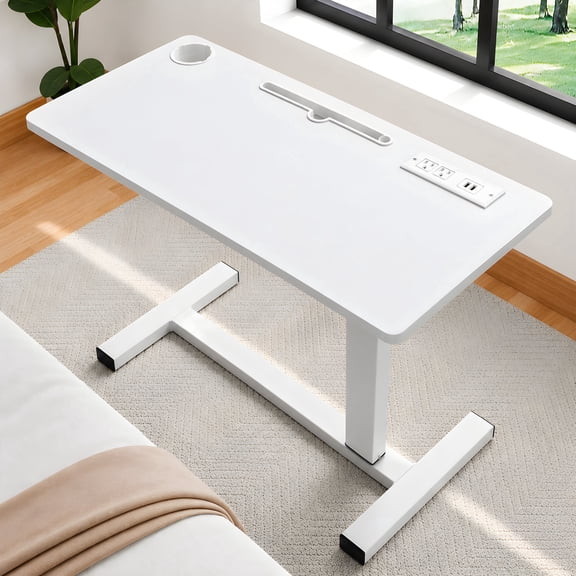
Top finish affects cleanup and daily comfort during long sessions. You can look for smooth surfaces that handle cups, plates, notebooks, and devices with minimal fuss.
Matching features to real daily routines
If you plan to eat in bed often, you may want a flat top and locking wheels. You can keep drinks, plates, and utensils closer without shifting your position repeatedly.
If you read, stream, or use a laptop, you may prefer a tilting top and easy height changes. You can set a comfortable viewing angle while keeping the base tucked under the bed.
For small bedrooms, you should consider a narrow rolling base that moves around furniture easily. You can gain flexibility when your bed, dresser, and chair share the same space.
If your routine moves between bed and recliner, a rolling design can support both spots. You can keep one surface for snacks, paperwork, or devices throughout the day.
When your setup includes a hospital bed, you should focus on clearance, caster movement, and tabletop stability. You can create a useful bedside station that fits your room and routine.
With overbed tables, you can narrow your choice by measuring clearance, comparing wheel control, and deciding between flat or tilting tops. You’ll end up with a surface that fits your bed, supports daily tasks, and moves when you need it.