



Beard Oil for Men: Growth & Grooming | Walmart


















About Beard Oil for Men: Growth & Grooming | Walmart - Walmart.com
Beard oil helps you soften facial hair, condition the skin underneath, and refine your routine with targeted ingredient and scent choices. You can compare lightweight blends, richer formulas, and finish options that suit your beard length, skin feel, and daily grooming habits.
Choosing the right beard oil
When you choose beard oil, you should start with your beard length and thickness. You’ll usually need lighter coverage for short growth and more oil for longer, denser facial hair.
If your beard feels coarse, you may prefer blends that spread easily through thicker strands. If your beard is shorter, you may want a lighter texture that won’t leave your face feeling coated.
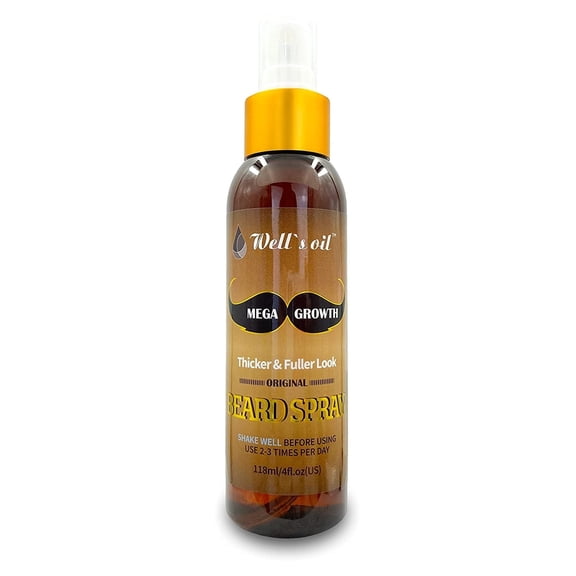
You can narrow your options faster by focusing on what you want your routine to deliver. You may look for softening, shine, beard moisturizer support, or beard growth oil options that fit your grooming goals.
- You can use lighter oils for quick daily grooming and a cleaner feel.
- You can choose richer blends when your beard feels coarse or your skin feels dry.
- You can match scent strength to your cologne, cleanser, or fragrance-free routine.
- You can compare finish options when you want a natural look or more visible shine.
How ingredients shape your beard care routine
You should compare ingredients first when you want a natural beard oil that fits your skin and hair type. You’ll often see jojoba oil, argan oil, castor oil, and shea butter across this category.
You may like jojoba oil when you want a lighter feel that spreads quickly through short or medium beards. You may choose argan oil when you want smooth slip and a polished finish.
If your beard feels rough, you may look for castor oil in blends meant for thicker texture. If you want extra richness, you may compare formulas that include shea butter.
You should also check whether a formula uses non-comedogenic carrier oils when your skin feels easily overwhelmed. You may prefer fewer synthetic fragrance notes when your routine needs a simpler, gentler feel.
Comparing beard conditioner and finish preferences
You may compare beard oil with beard conditioner when you want softness but need different textures. You’ll often use oil for daily leave-in grooming, while you may use conditioner during washing or rinse-out care.
If your beard needs smooth control after cleansing, you may pair both formats in one routine. You can use conditioner for wash days, then use oil to maintain softness and shape.
Your preferred finish also matters when you compare formulas across the page. You may want a matte look for a natural appearance, or you may want more shine for a more defined finish.
You should think about how your beard looks at work, at dinner, or after a long day. You may prefer a low-shine oil for subtle grooming, while a glossier blend can highlight texture and shape.
Deciding on scented beard oil or unscented options
You should treat scent profile as a key decision, not a small detail. You’ll notice sandalwood, cedarwood, citrus, and unscented options serving very different routines.
If you wear cologne, you may want an unscented or lightly scented beard oil. You can avoid scent overlap and keep your grooming routine from competing with your fragrance.
You may enjoy sandalwood or cedarwood when you want a warm, wood-forward profile. You may choose citrus when you want a brighter scent that feels lighter during morning grooming.
If your skin is sensitive, you should review fragrance details before you choose a formula. You may find that simpler scent profiles fit your routine more comfortably.
Matching beard oil to skin and hair type
You should match your formula to both the hair you see and the skin underneath. You may need a beard moisturizer style blend when dry skin makes your routine feel rough.
If you have coarse hair, you may want oils that add slip and help you work a comb through evenly. If you have patchy growth, you may prefer a lighter formula that keeps shorter areas neat.
You should also think about how often you apply oil during the week. You may use smaller amounts daily for short beards, while longer beards may need fuller coverage after washing.
When you compare beard growth oil choices, you should focus on texture, ingredients, and routine fit. You can choose formulas that support a fuller-looking grooming routine without making your beard feel heavy.
Using beard oil in real routines
You can use beard oil after a shower when your beard feels clean and slightly damp. You’ll usually get easier spread and more even coverage from roots to ends.
For office days, you may choose an unscented or matte-finish option that keeps your grooming subtle. For evenings out, you may prefer a scented beard oil with a polished finish.
If your beard gets dry in cooler weather, you may reach for richer blends with castor oil or shea butter. If your skin feels reactive, you may prefer simple ingredient lists and lighter carrier oils.
You can build a routine that fits your beard instead of guessing from the bottle alone. When you compare ingredients, scent, skin needs, and finish, you’ll land on beard oil that feels easier to use every day.