


Grill Thermometers










![[Classic]Double Probe, variant on AGCAN Digital Meat Thermometer Instant Read Food Thermometers for BBQ Grilling Cooking](https://i5.walmartimages.com/asr/84a4097c-dd2b-40dd-84c1-84f044a4b859.dedbe3e442874a3deae67d72ecf9adeb.jpeg?odnBg=FFFFFF&odnHeight=30&odnWidth=30)


















About Grill Thermometers - Walmart.com
Grill thermometers help you cook steaks, ribs, and brisket with more control. You can track heat, check doneness, and avoid guessing over open flames or long smoking sessions.
If you're comparing grill accessories, you should start with the thermometer style that matches your cooking routine. You can choose from instant read tools, wired probes, and wireless options for different setups.
How to choose grill thermometers for your setup
You should first match grill thermometers to the way you cook outdoors. If you grill quick burgers and chops, you may want fast spot checks instead of long cook monitoring.
When you smoke larger cuts, you may prefer a smoker thermometer with probe-based tracking. You can watch both food temperature and grill temperature without opening the lid often.
You should also consider where you'll read the temperature during a cook. If you stay beside the grill, a local digital display may fit your routine well.
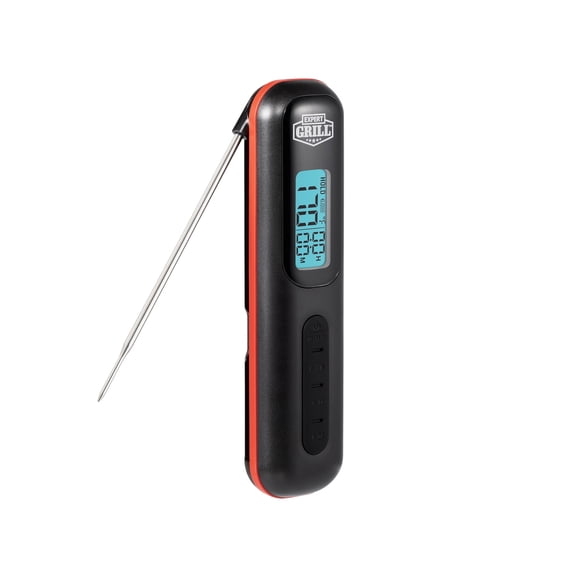
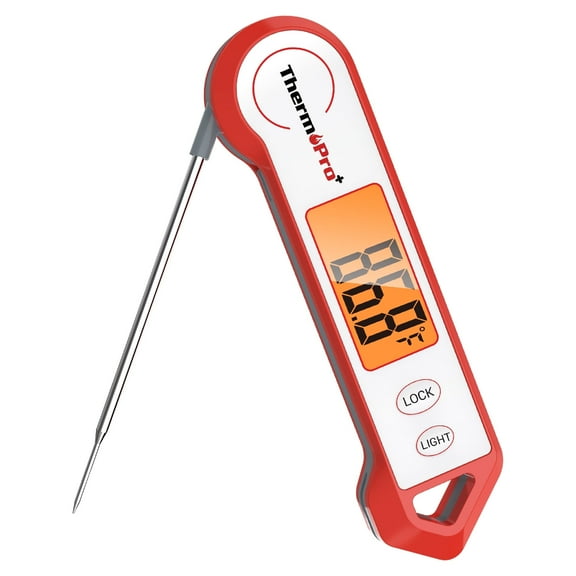
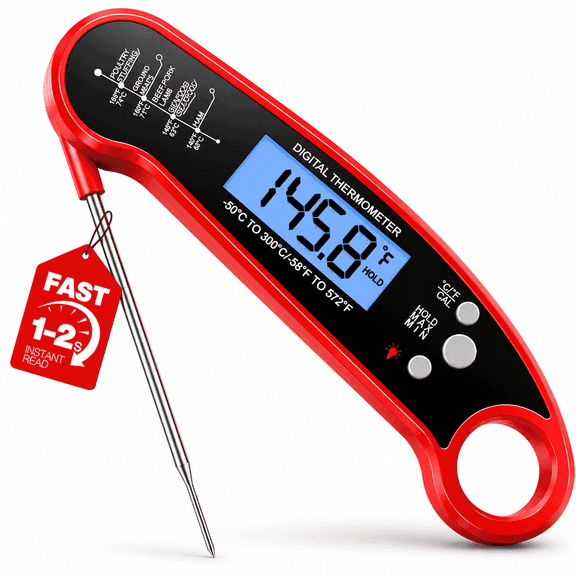
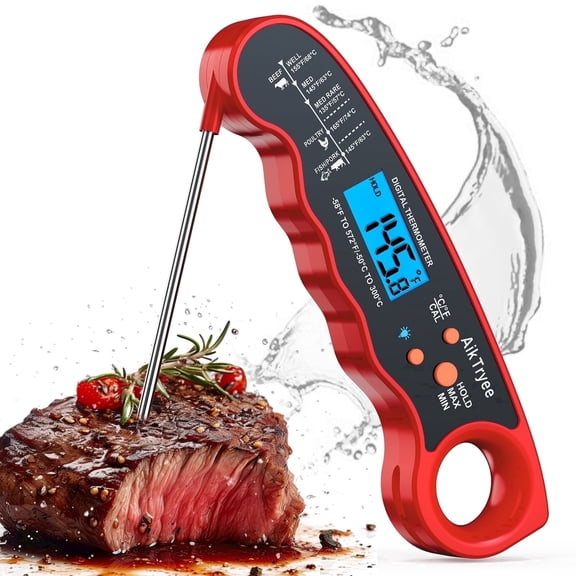
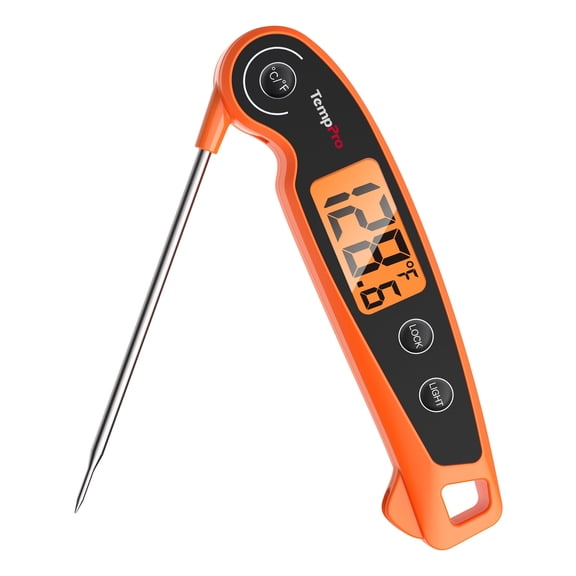
- You can use instant read models for quick checks on steaks, chicken pieces, and burgers.
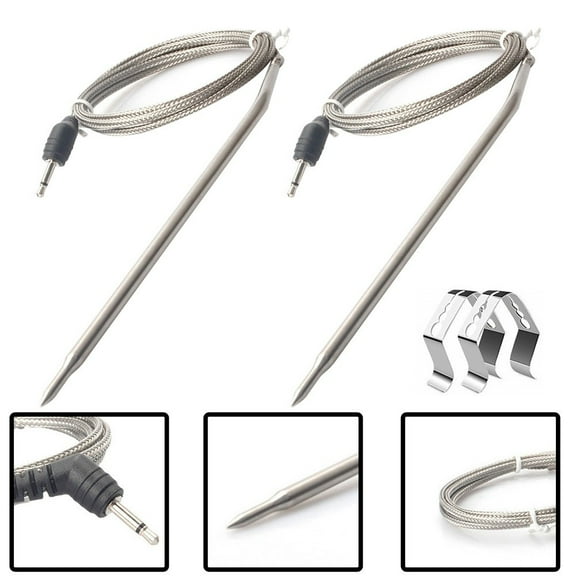
- You can use probe thermometers for brisket, pork shoulder, ribs, and other long smoking sessions.
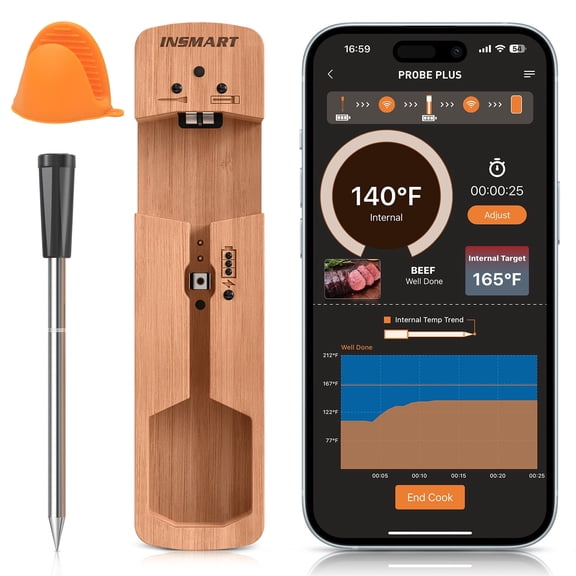
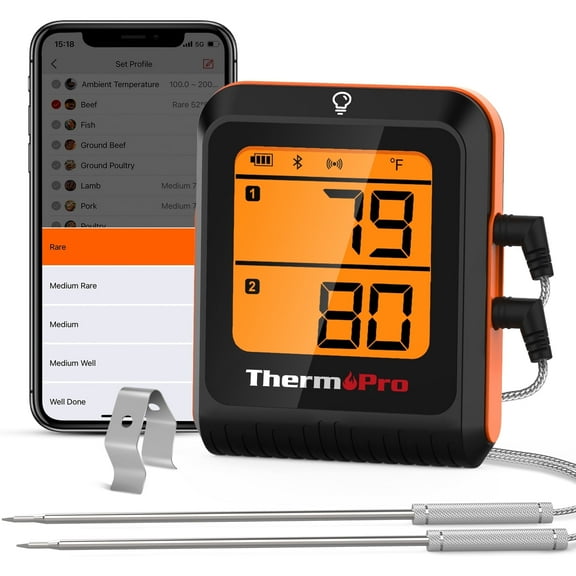
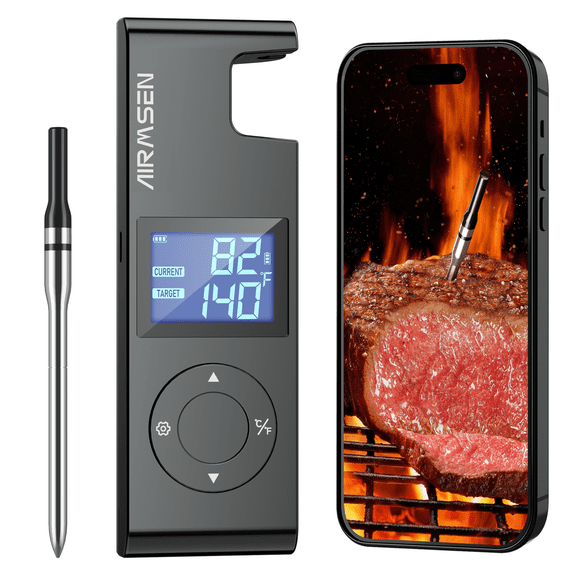
- You can use wireless options when you want to monitor temperatures from the patio, kitchen, or living room.
- You can choose multi-probe designs when you cook several foods or track grill heat and meat together.
Choosing connectivity in a wireless grill thermometer
You should compare connectivity types before you focus on screen style or body shape. Your choice affects where you can stand and how easily you can follow a cook.
With Bluetooth, you can check temperatures from your phone at shorter distances. You may notice walls and closed doors can reduce signal strength in some homes.
With radio frequency, you can often monitor cooks farther from the grill. You may prefer RF when your smoker sits outside and your receiver stays indoors.
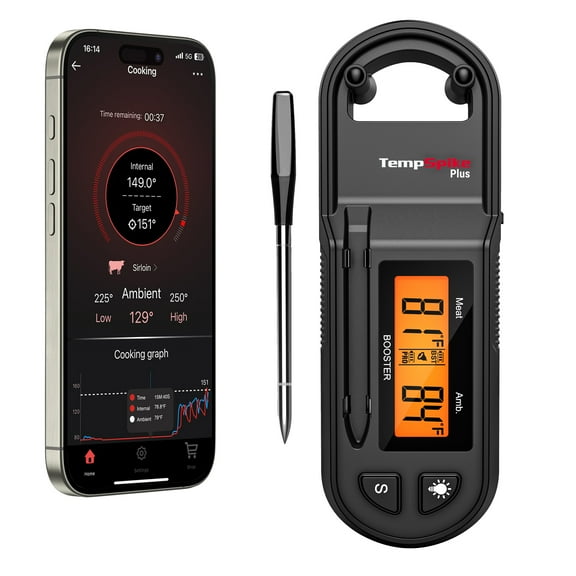
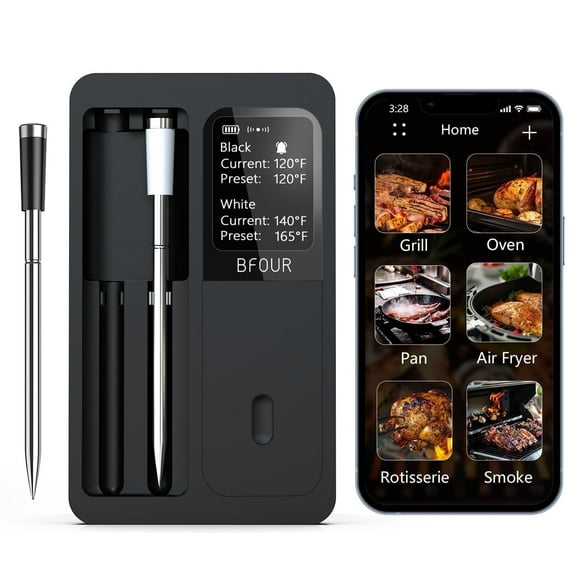
With Wi-Fi, you can use app-connected features and broader home coverage. You should check whether your setup depends on a strong home network near the grill.
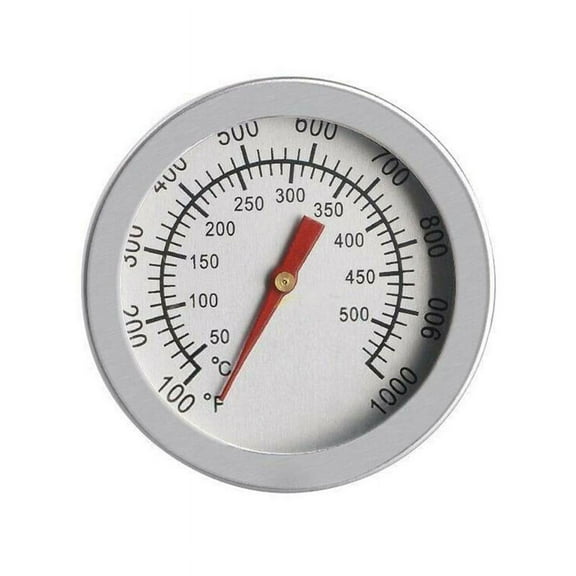
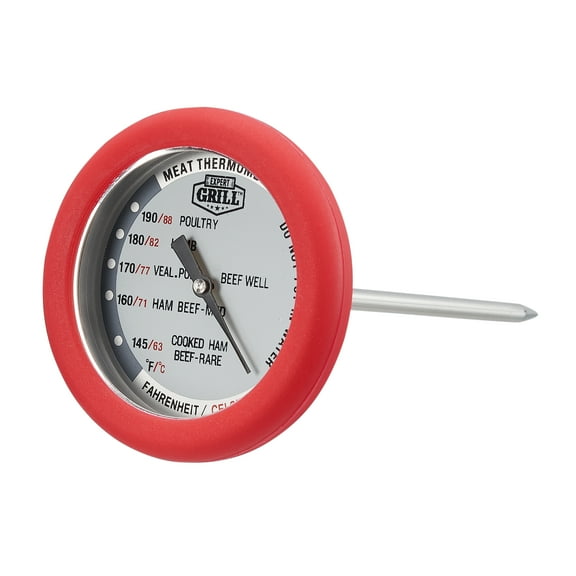
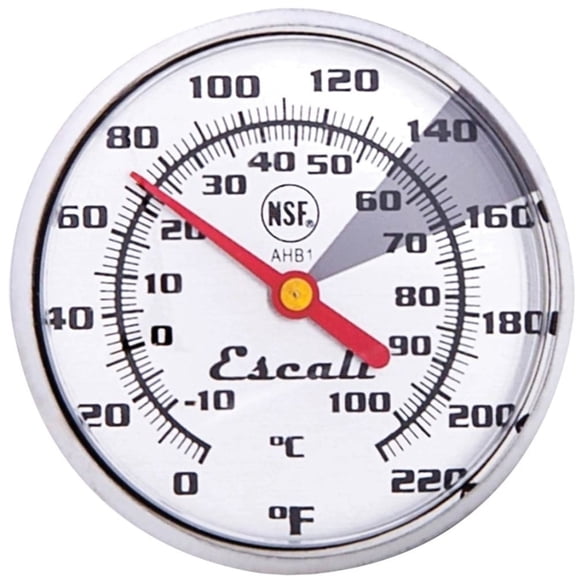
If you prefer simple controls, you can choose a local digital display or analog dial. You may like this approach when you want fewer setup steps and a dedicated screen.
What probe configuration means for your cook
You should decide how many temperatures you need to track at once. A single probe works well when you cook one item and only need one reading.
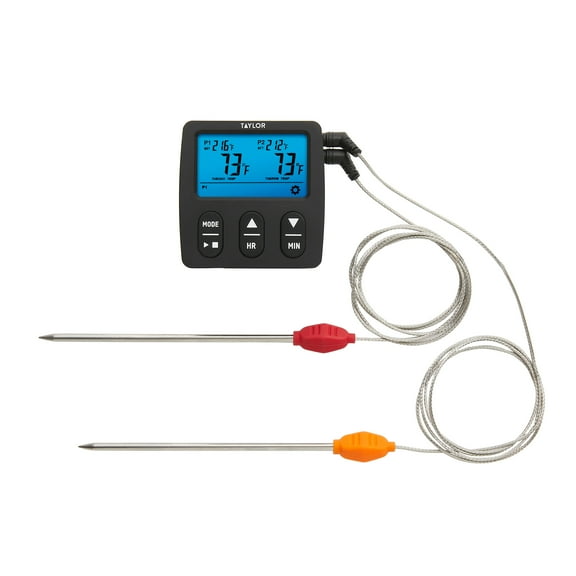
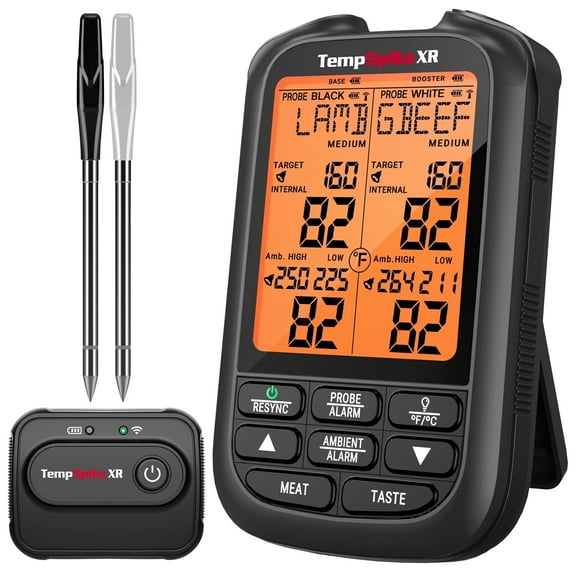
A dual probe setup lets you follow two points during the same cook. You can monitor one cut of meat and the grill chamber, or track two foods together.
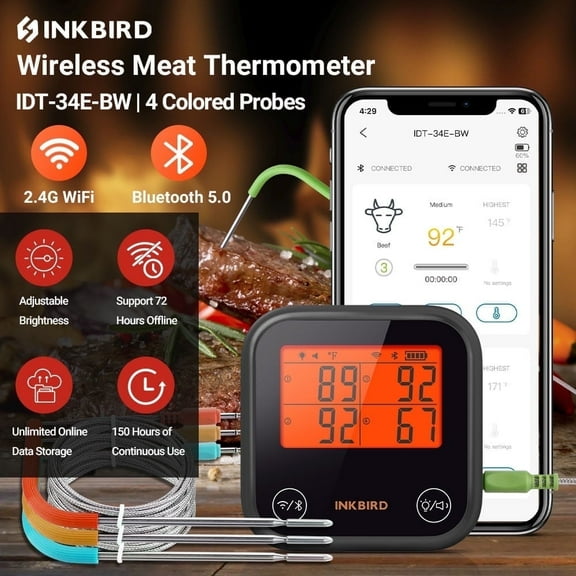
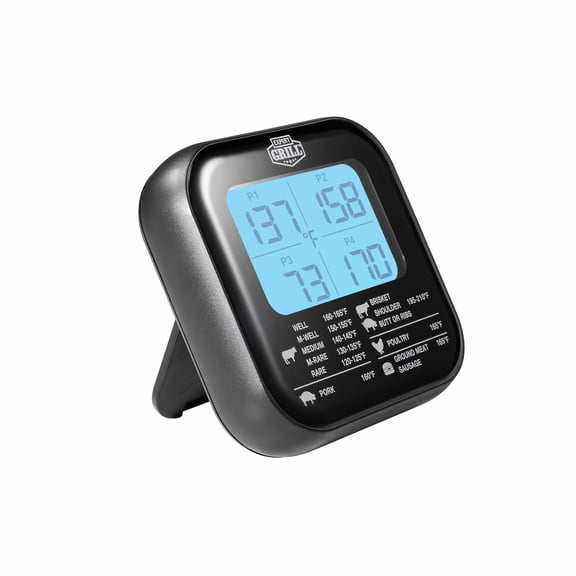
If you cook for groups, you may want four probes or a multi-channel layout. You can watch several meats, compare doneness levels, and manage a busy smoker with less lid lifting.
You should also compare meat thermometer probe designs and cable limits. Probe wires with higher heat tolerance can suit grills and smokers where surface temperatures rise quickly.
How a digital meat thermometer supports accuracy
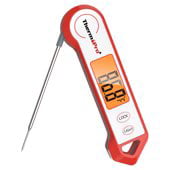
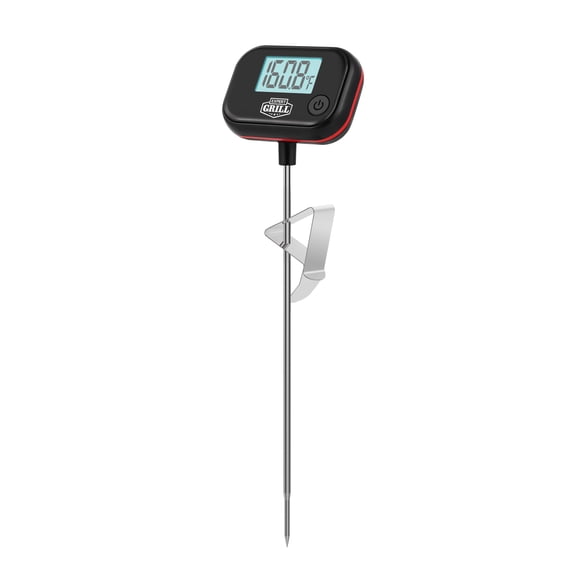
You should look for a digital meat thermometer when you want quick readings and clear numbers. Faster response times can help you check food in seconds instead of hovering over the grill.
You'll also want to compare stated accuracy, especially for low-and-slow barbecue. A reading within about one degree can help you judge target temperatures with more confidence.
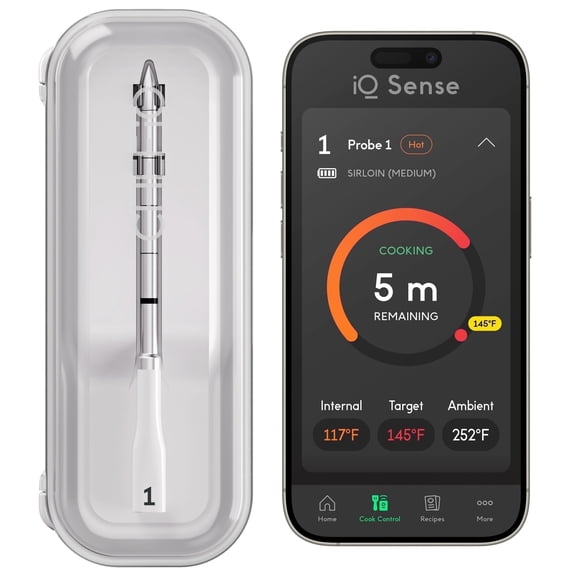
If you prefer a digital grill thermometer with a backlit LCD, you can read it more easily at dusk. You may also like touchscreens or app-connected displays for guided monitoring.
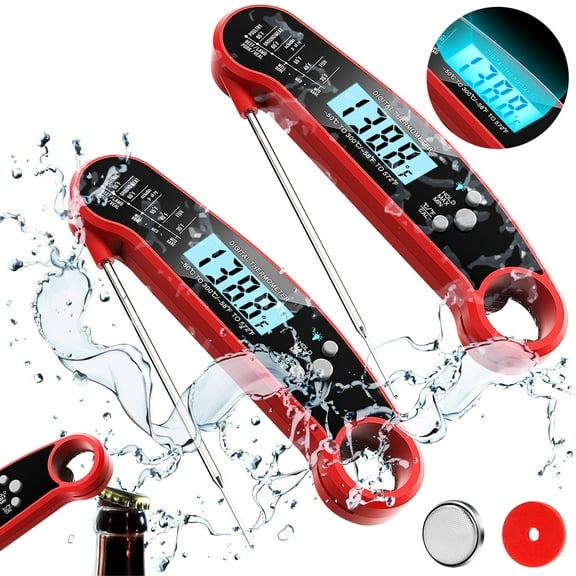
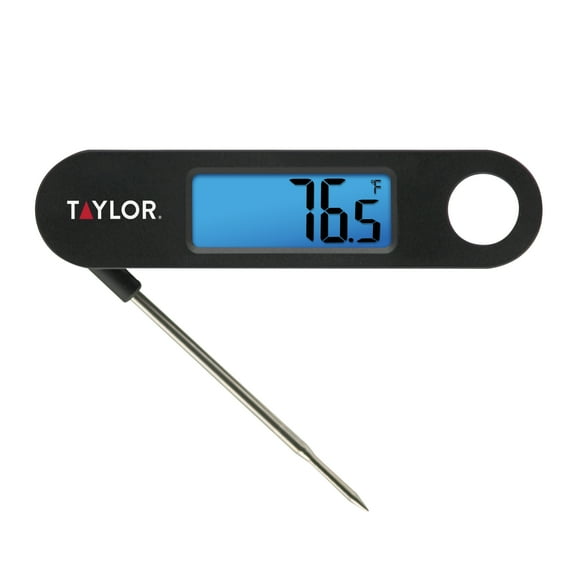
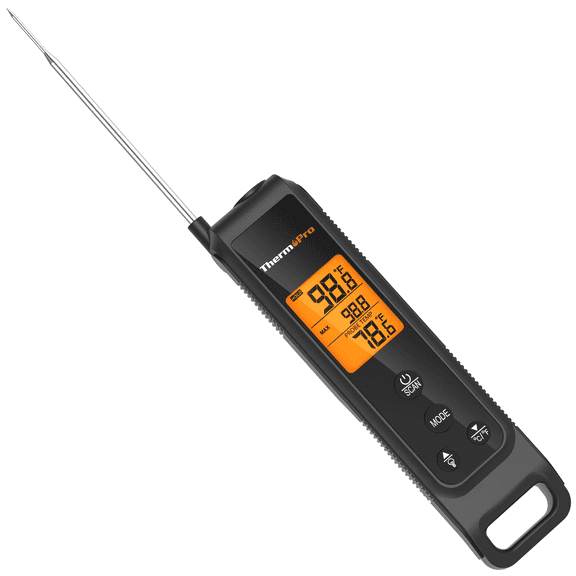
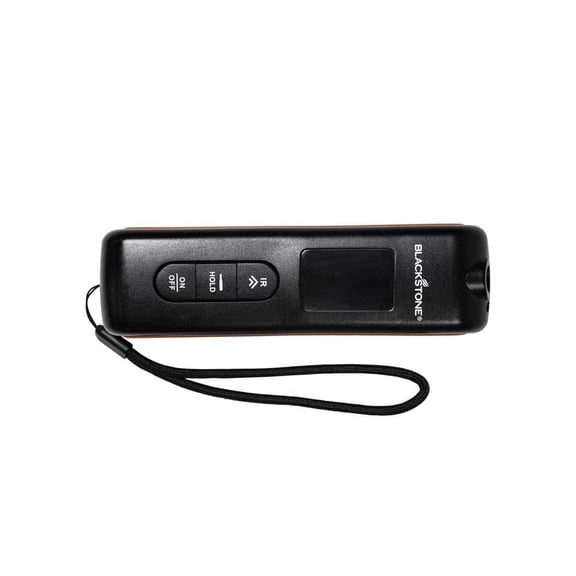
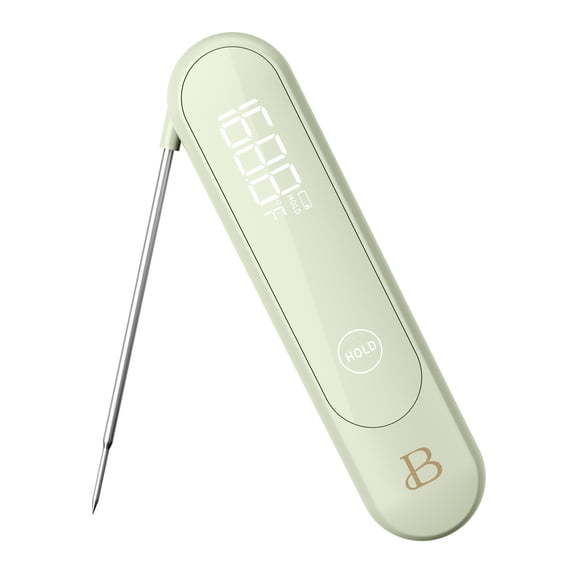
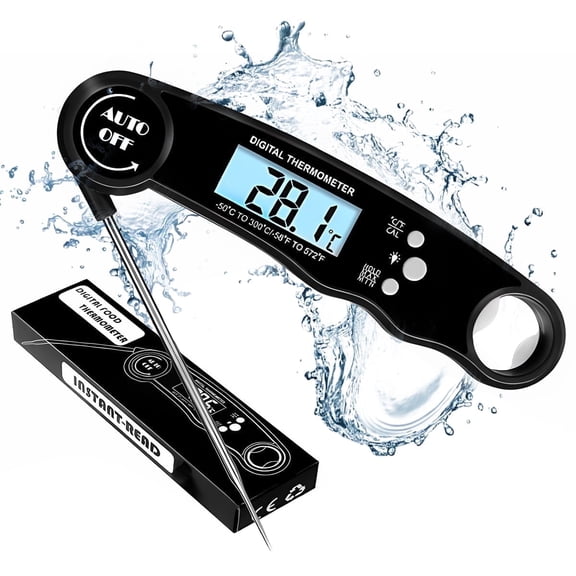
An instant read thermometer can fit weeknight grilling when you move fast between foods. You can check chicken breasts, sausages, or thick burgers without waiting through long refresh times.
Checking durability, waterproof ratings, and heat limits
You should consider where your thermometer will live between cooks. Outdoor use can expose your gear to grease, rain, splatter, and repeated high heat.
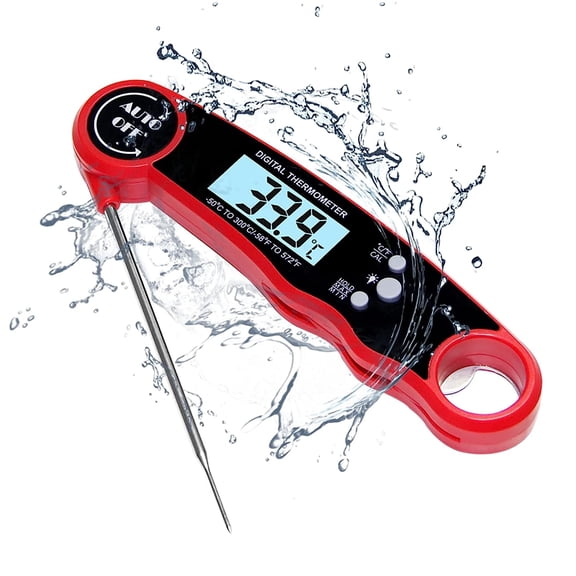
If you see an IPX7 rating, you can expect strong water resistance for cleanup and wet conditions. You should still check the product details for full care guidance and handling.
You should also review probe wire heat limits before long smoking sessions. Higher heat tolerance can matter when your probes sit near hot grates or pass through tight lids.
A bbq thermometer with sturdy housing and easy-clean buttons can simplify repeat use. You may appreciate stronger seals and durable clips when you cook outside often.
Matching display and use case to your cooking style
You should match the display style to how you cook and where you stand. Backlit LCD screens help when evening cooks stretch late, while app-connected screens help when you multitask indoors.
For BBQ smoking, you may want multi-probe tracking and alerts for long sessions. You can follow brisket and smoker heat together without checking the chamber every few minutes.
For oven roasting, you may prefer a compact probe system with a simple display. You can move from backyard grill meals to holiday roasts with the same thermometer style.
For deep frying, you should check the listed temperature range and probe design. You can choose options that support steady monitoring when you need precise heat control.
For everyday grilling, you may lean toward a fast instant read thermometer or a simple probe model. You can get clearer doneness checks for steaks, chops, seafood, and vegetables.
When you compare grill thermometers by connectivity, probes, display, and heat limits, you can choose with less guesswork. You end up with steadier cooking results and fewer surprises at serving time.