



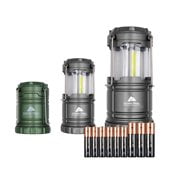
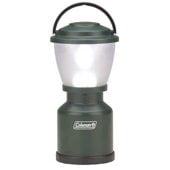
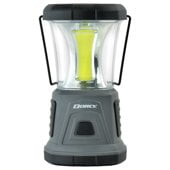
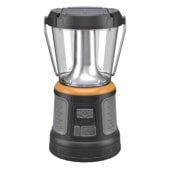
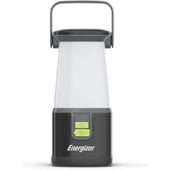
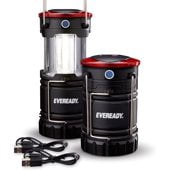
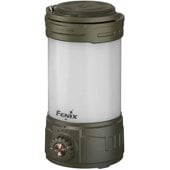
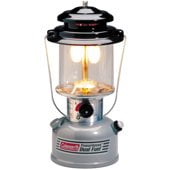
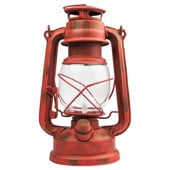
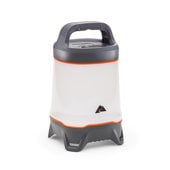
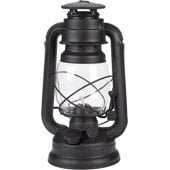
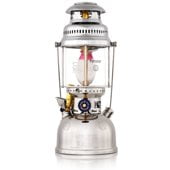
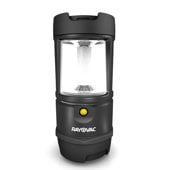
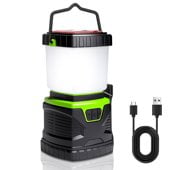
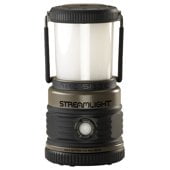
Battery Lanterns in Camping Lanterns


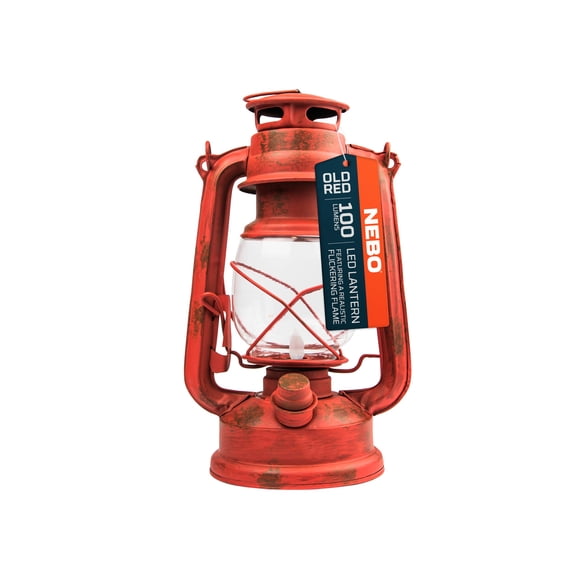
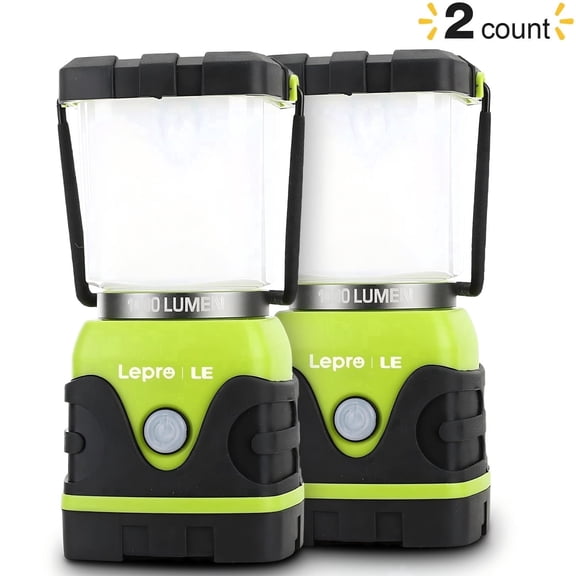




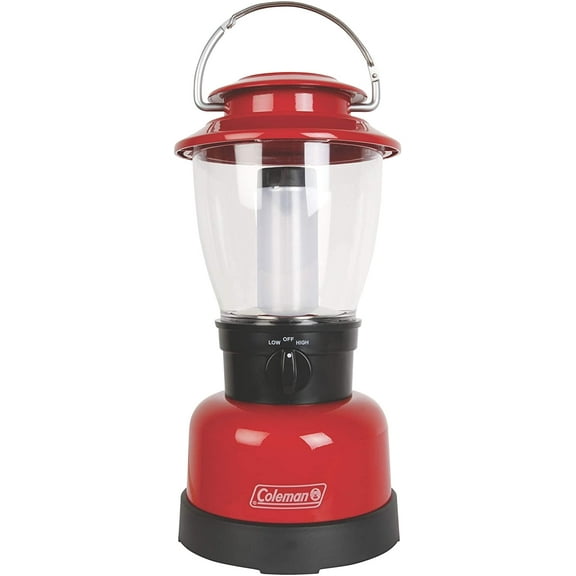


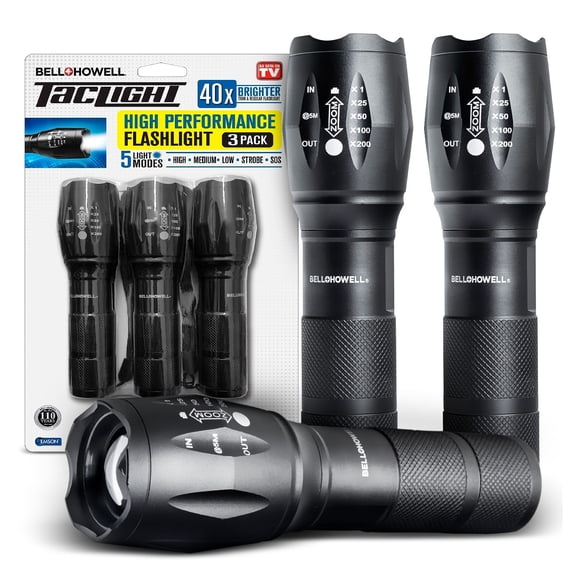

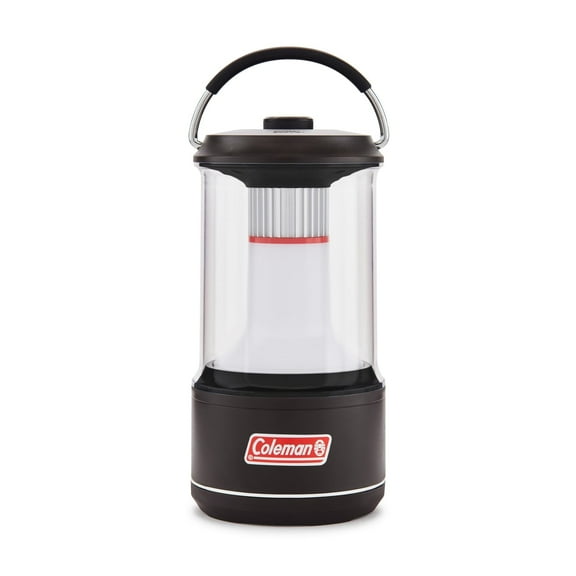


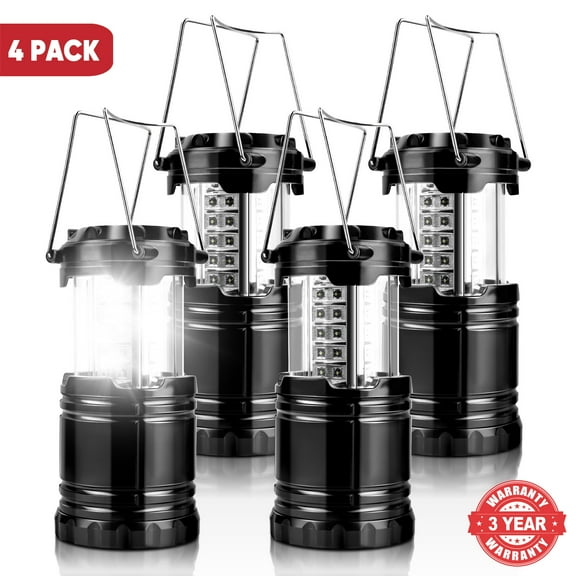





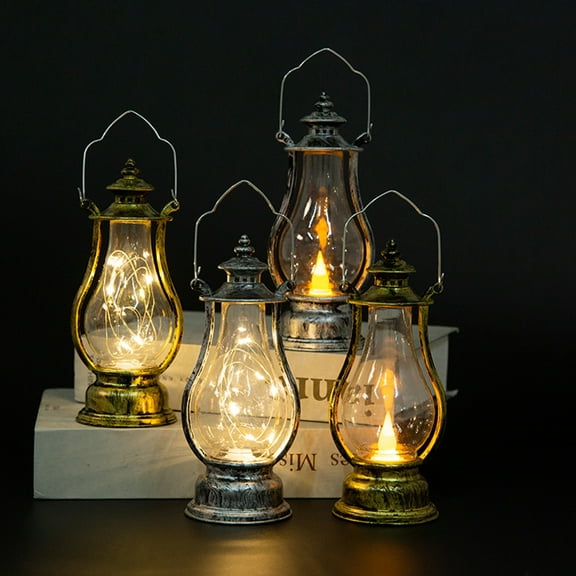


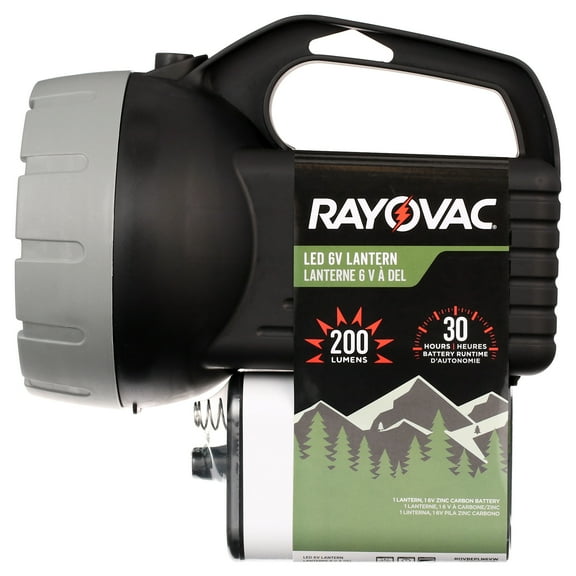
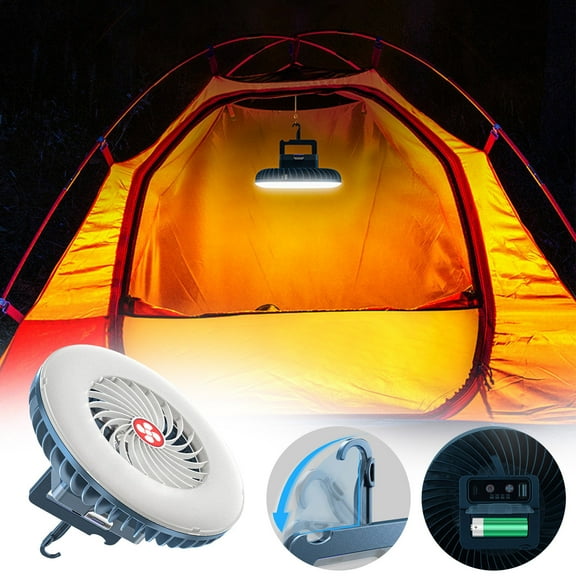


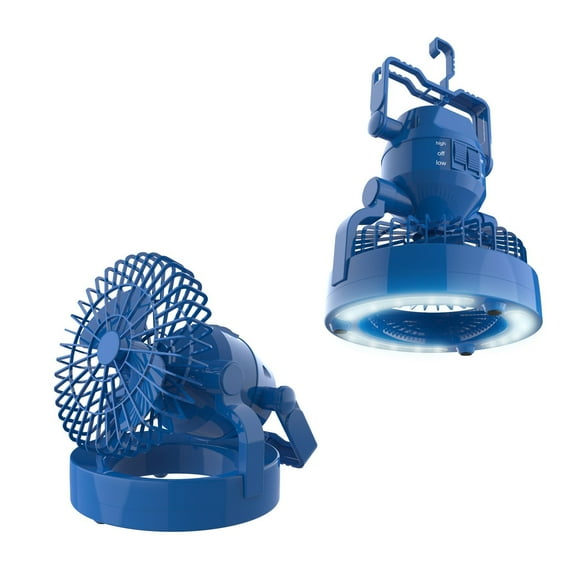


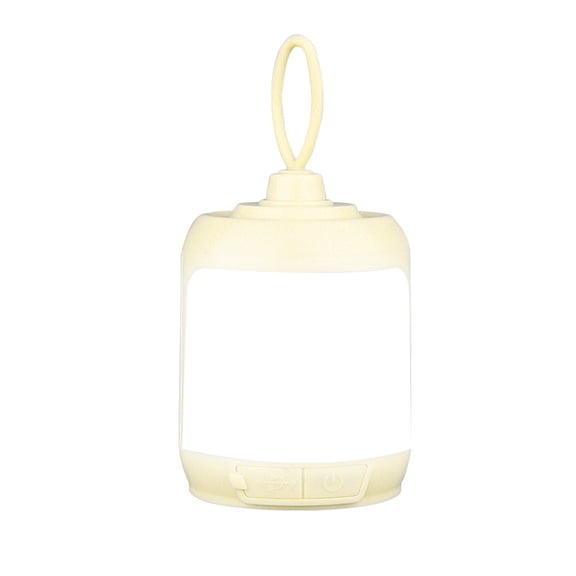
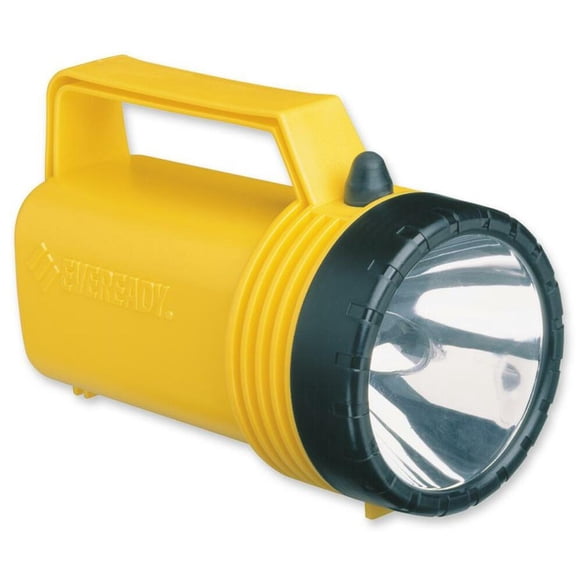

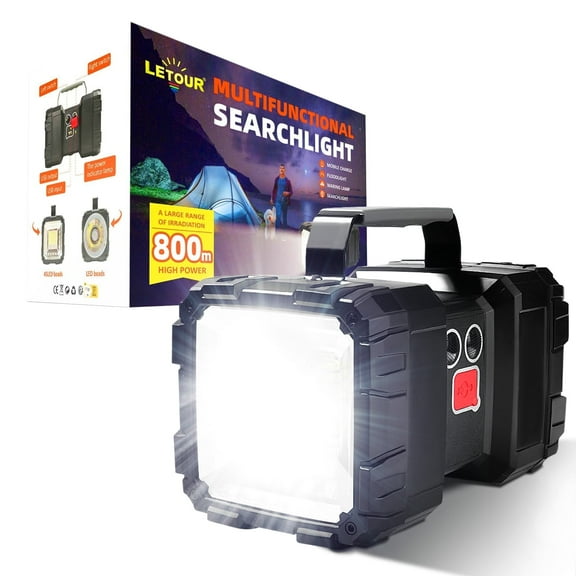


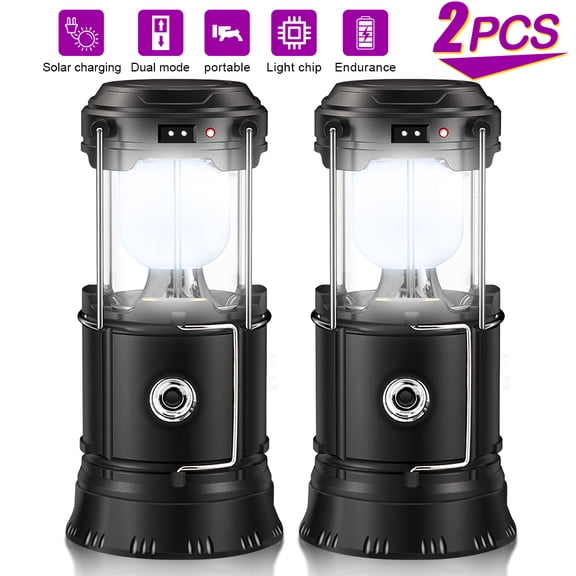
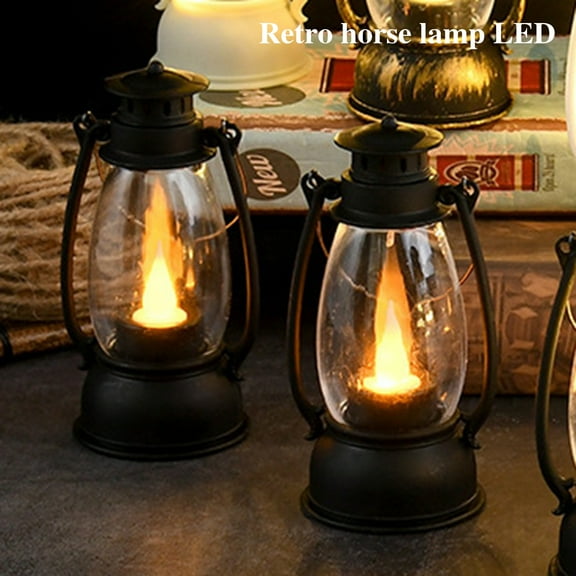
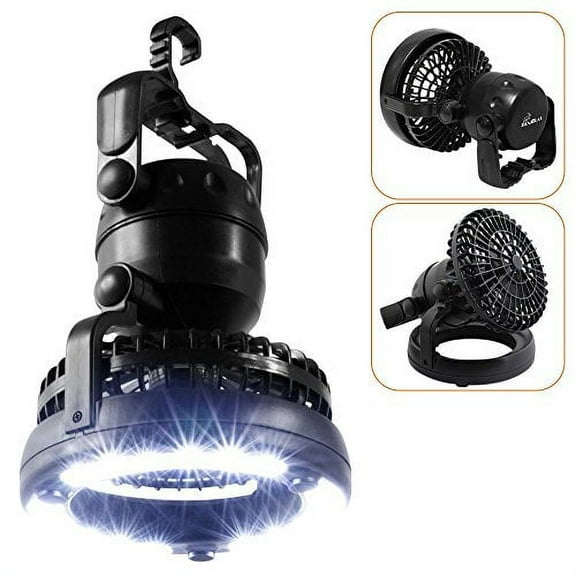
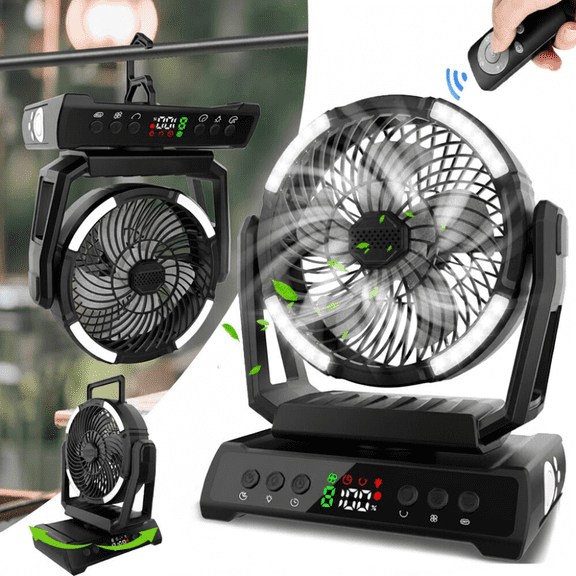
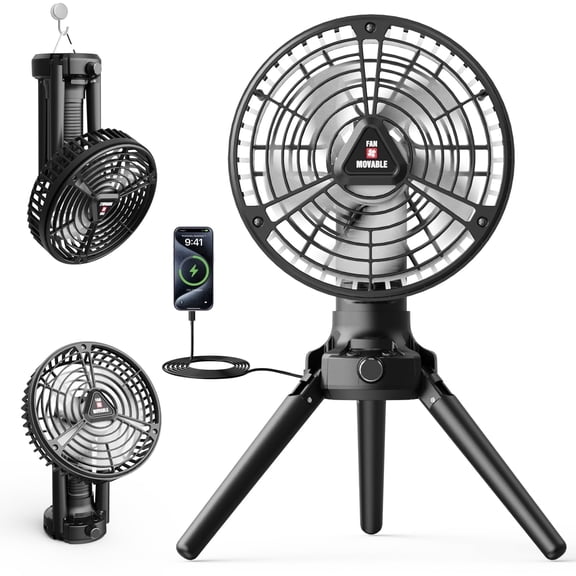

About Battery Lanterns in Camping Lanterns - Walmart.com
Lantern battery options give you dependable light for campsites, patios, and outage kits without cords, fuel, or charging downtime. This category focuses on portable lighting choices that start fast, pack easily, and fit tents, tabletops, and home backup spaces.
How to choose lantern battery and battery operated lanterns
Start by comparing battery format. AA and AAA models are usually lighter and easier to pack for short trips. D-cell designs often support longer runtime and brighter output for extended evenings outdoors.
Next, compare replaceable cells with a rechargeable battery, and check whether batteries are included. Replaceable formats work well for backup kits and quick swaps, while rechargeable options suit repeat use before departure. A ready-to-use lantern reduces setup steps when prep time is short.
- AA and AAA formats support compact carry and lighter weight.
- D-cell lanterns often fit longer overnight or extended runtime needs.
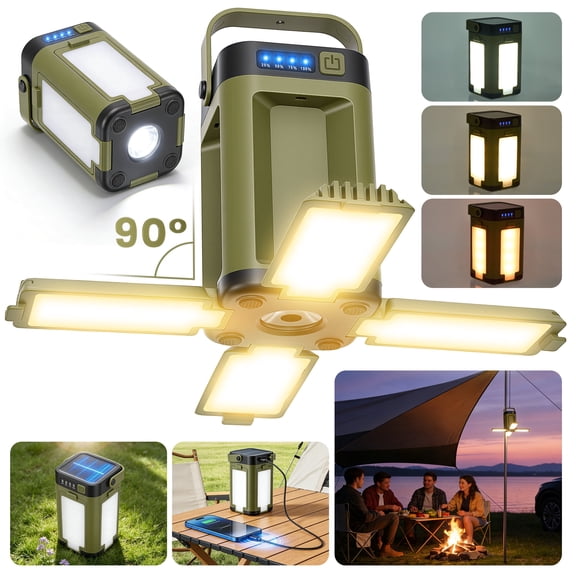
- Rechargeable battery models suit repeat use between trips.
- Battery included options simplify emergency and home backup planning.
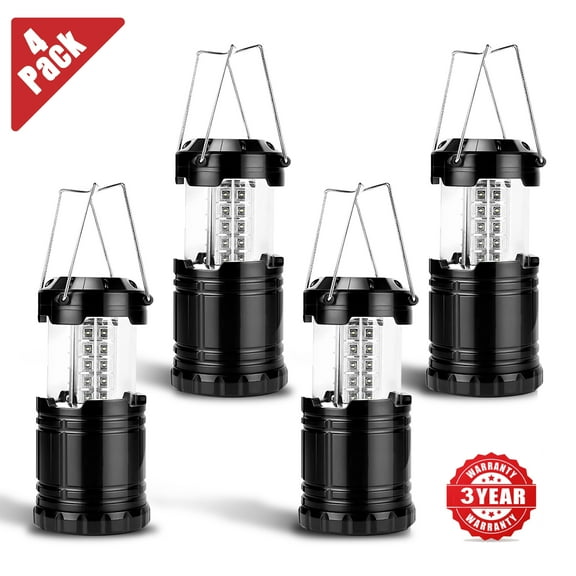
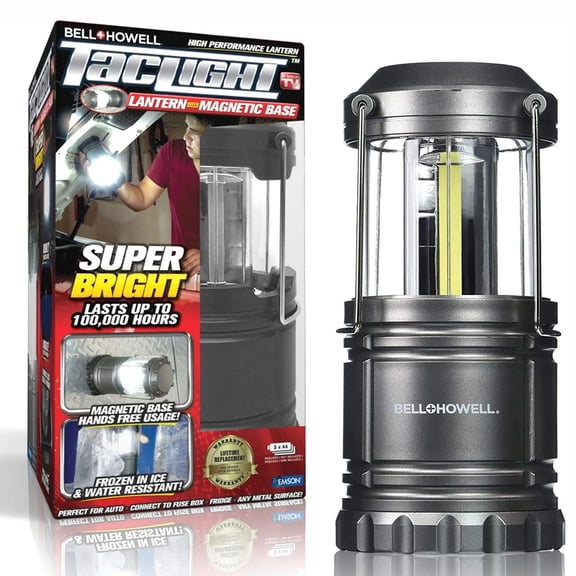
Consider portability at the same time. Compact and collapsible designs fit crowded camping bins, while tabletop and hanging styles change where light can reach. Handle shape also matters when you're moving between the tent, table, and vehicle.
Choosing battery powered lanterns by brightness and runtime
Brightness shapes how a lantern works in real use. Low light fits tent tasks like reading maps or sorting small gear. Medium light suits card tables, meal prep, and smaller gathering areas.
High lumen output helps illuminate larger campsites, patios, and indoor rooms during outages. Adjustable brightness adds control for changing conditions and placement. You can shift from softer ambient light to broader area lighting in seconds.
Runtime deserves the same attention as output because both affect how long a lantern stays useful. Short-term use fits quick backyard evenings or late-night gear checks, while overnight models support tent lighting through the night. Extended runtime and energy-saving mode help stretch one battery set during longer trips.
Check how brightness and runtime work together before choosing a battery powered lantern. A very bright setting can suit campsite cooking, but a lower mode often works longer for reading. That balance matters when spare batteries share space with other gear.
What to look for in a battery lantern for portability
Portability changes how a battery lantern fits into your setup. Compact shapes work well in packed totes, glove boxes, and smaller camping bins. Handheld styles help when you're moving between the shelter, table, and vehicle.
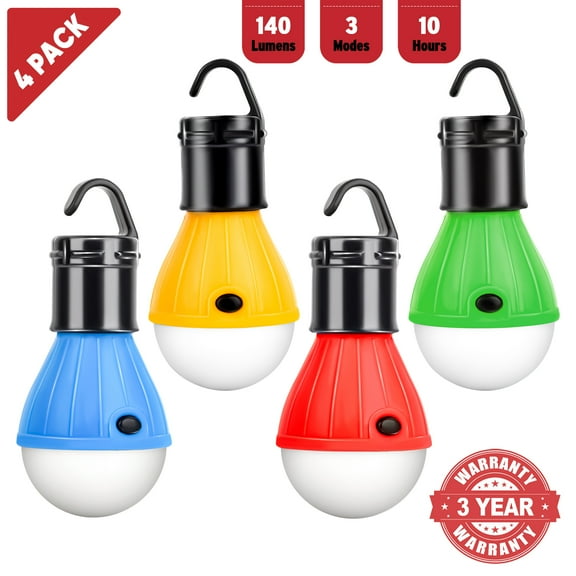
Tabletop lanterns provide steady light for meals, maps, and games. Hanging designs free up surface space in tents and covered shelters. Collapsible styles reduce bulk and store neatly in drawers or emergency kits.
Consider where the lantern will sit most often. A tent setup may call for hanging placement and softer light. A patio or campsite table often benefits from wider spread and a sturdy base.
Look for controls that feel simple in low light. Large buttons and clear switches can make quick adjustments easier. Stable bases also help keep light pointed where you need it during indoor and outdoor use.
Matching battery operated camping lantern use cases
A battery operated camping lantern supports several outdoor routines. For tent use, look for compact size, hanging capability, and adjustable brightness. Those details create usable light without taking over limited space.
For campsite cooking and table tasks, medium to high lumen output is often useful. A stable tabletop base keeps the lantern where you need it. Longer runtime also helps during evening meals and cleanup.
Outdoor recreation can call for portable, handheld designs that move with you. Patio setups may benefit from broader area light and a shape that sits securely on flat surfaces. Home backup needs often favor ready storage and simple battery replacement.
Indoor emergency use has its own priorities. Easy controls matter in dark rooms and hallways, and familiar battery formats help with quick replacement. Lanterns with batteries can fit closets, living spaces, and organized backup bins.
- Tent use: compact body, hanging option, and softer adjustable light.
- Campsite use: broader beam, stable base, and overnight runtime.
- Patio use: tabletop placement and wider area illumination.
- Home backup: simple controls and common battery compatibility.
Key differences between battery lights for camping and home backup
Camping shoppers often compare packability first. They may prefer compact or collapsible lanterns that leave room for cookware, layers, and sleeping gear. Hanging placement also helps when table space is limited.
Home backup shoppers often compare battery format and storage readiness first. D-cell and battery included options can make preparation more straightforward. A wider light spread can also help in kitchens, living rooms, and stair landings.
Consider brightness, runtime, and placement together before choosing. A camping lantern battery powered for overnight tent use may differ from one meant for room lighting. The right match depends on where it will sit, how long it will run, and which batteries you keep on hand.
With the right lantern battery setup, you get portable light that fits camping nights, outage kits, and everyday outdoor routines with less guesswork.