

Caulking & Sealants in Paint Supplies & Tools








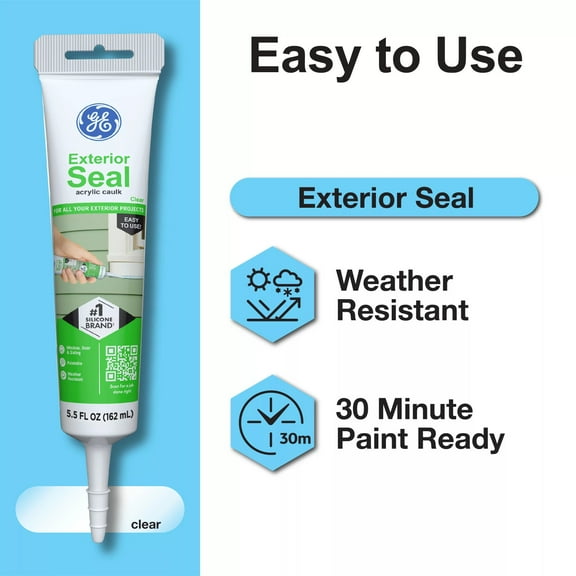

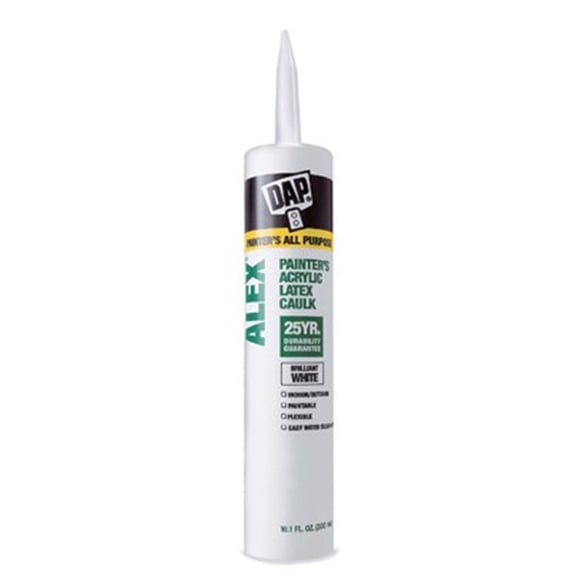
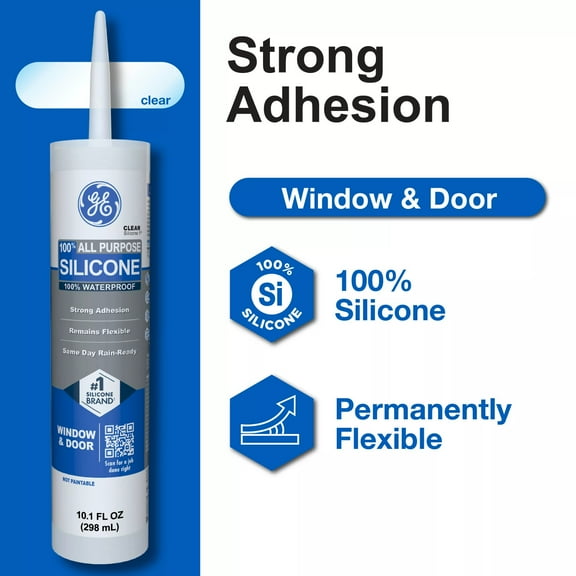
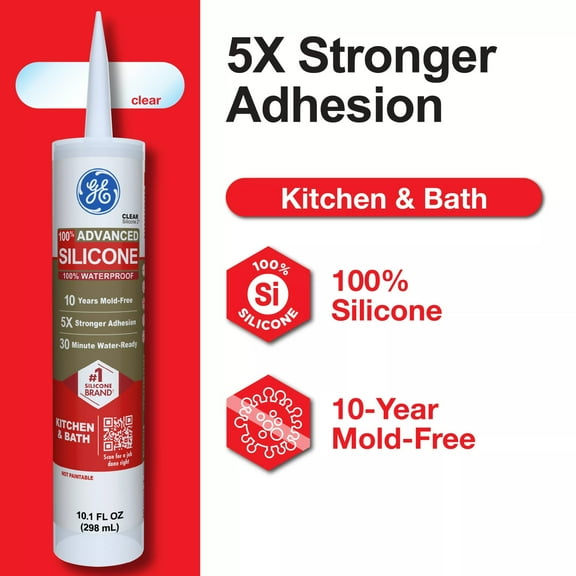












About Caulking & Sealants in Paint Supplies & Tools - Walmart.com
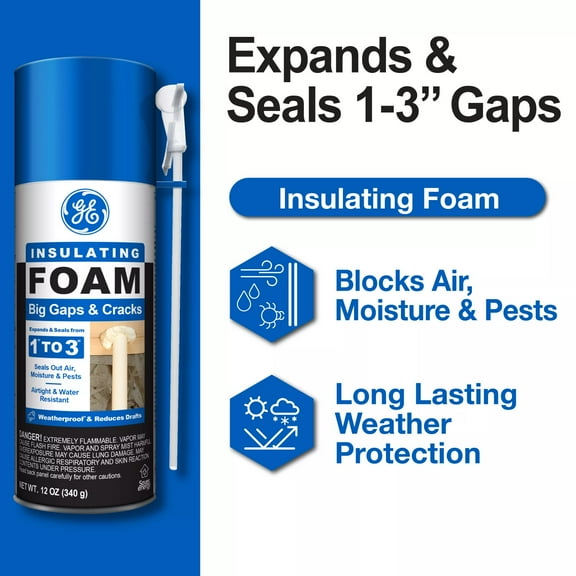
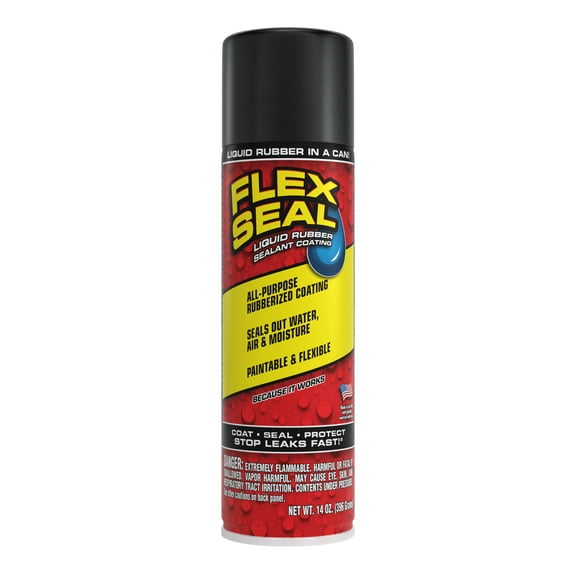
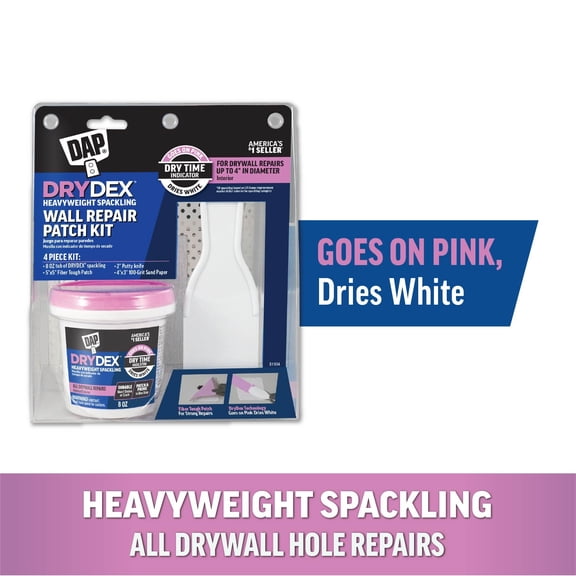
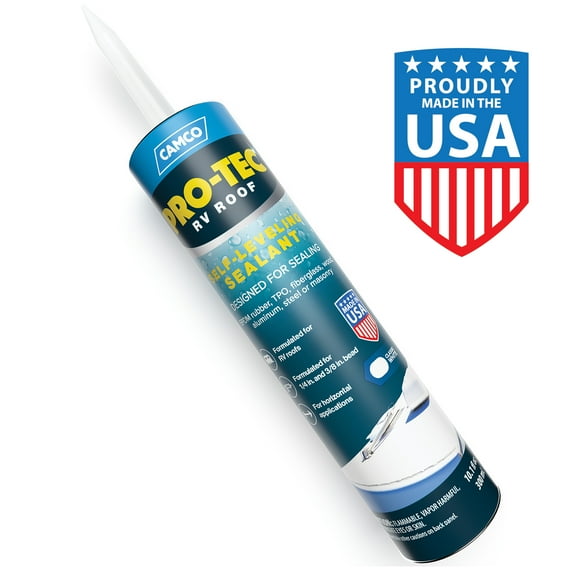
Caulk sealants help you close gaps, block moisture, and finish edges neatly across kitchens, baths, windows, doors, and outdoor surfaces. You can compare material base, water resistance, application area, and finish to match each project with minimal guesswork.
Choosing the right caulk sealants for your project
Your first decision is where you plan to apply the product. You should check whether your project sits in a wet room, a painted trim area, or an exposed outdoor joint.
If you’re sealing a sink, tub, or shower edge, you’ll want a formula made for frequent moisture. If you’re closing trim gaps or small interior cracks, you may prefer a paintable option.
For windows, doors, gutters, or exterior joints, you should consider weather exposure and movement. You’ll want a seal that stays flexible when surfaces expand and contract through seasonal changes.
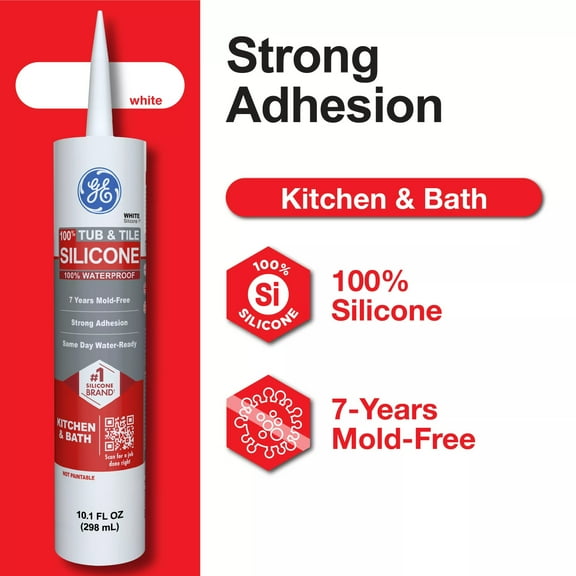
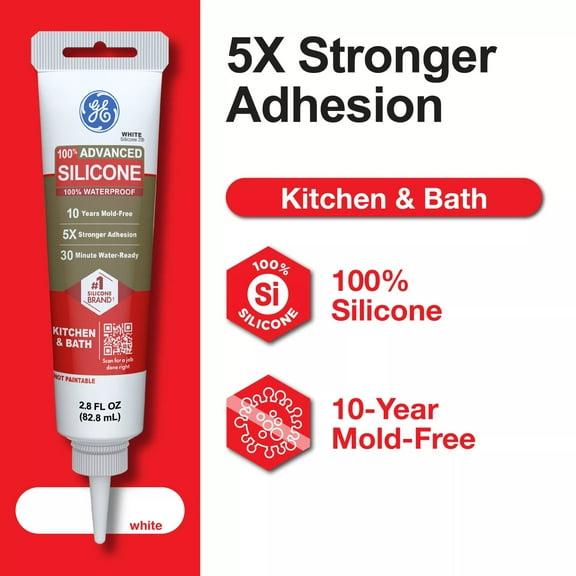
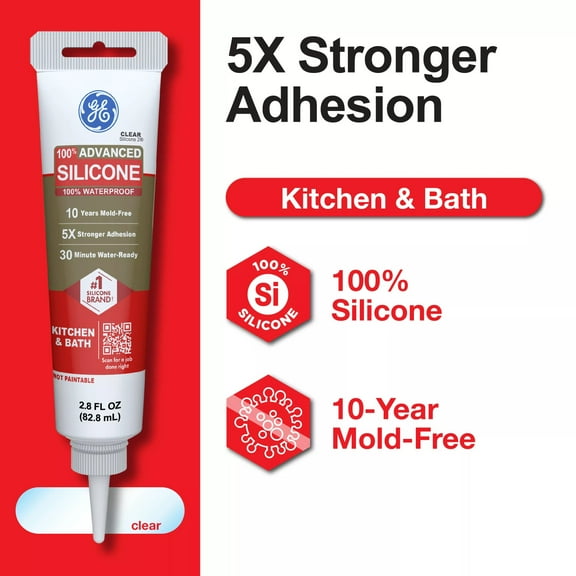
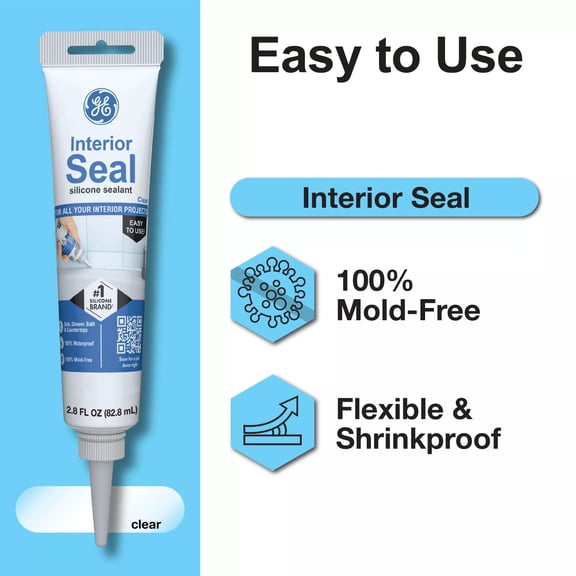
- You can use silicone caulk where you need lasting flexibility and strong moisture resistance.
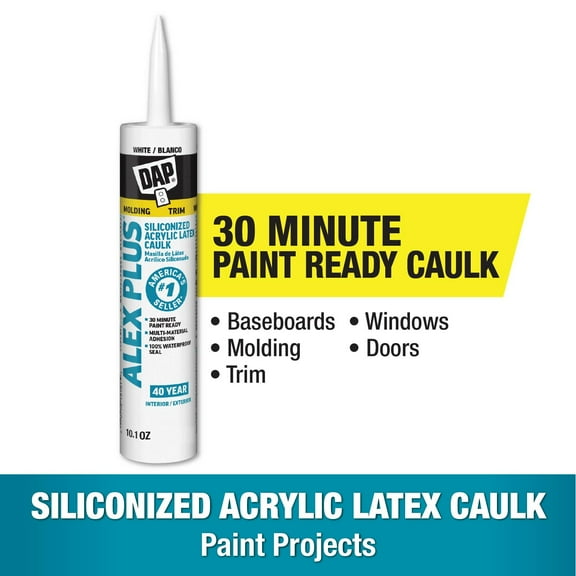
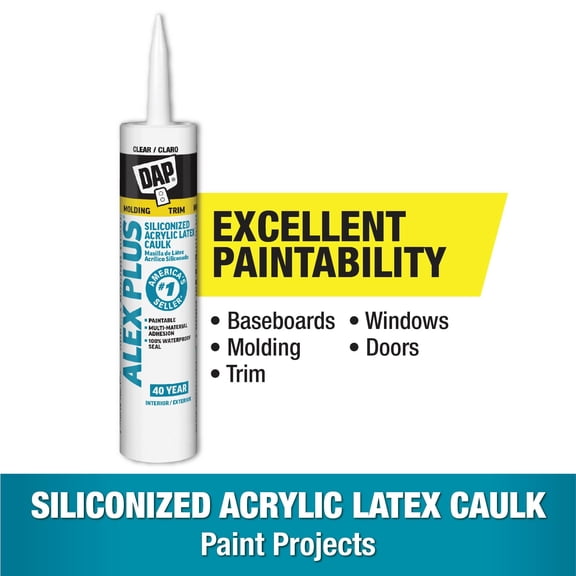
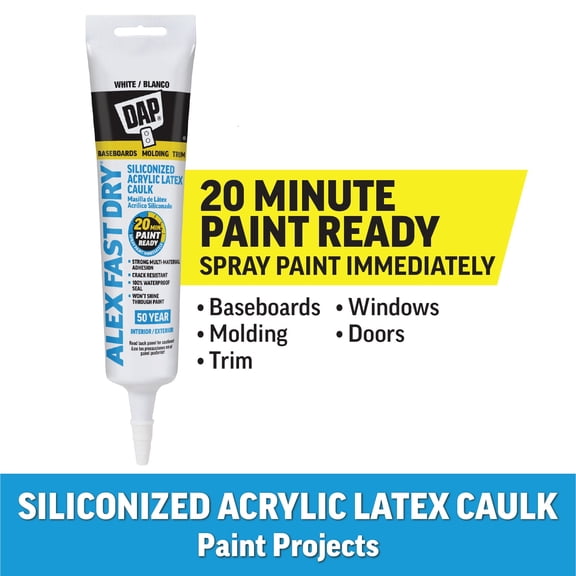
- You may choose acrylic latex caulk when you want easy water cleanup and a paintable finish.
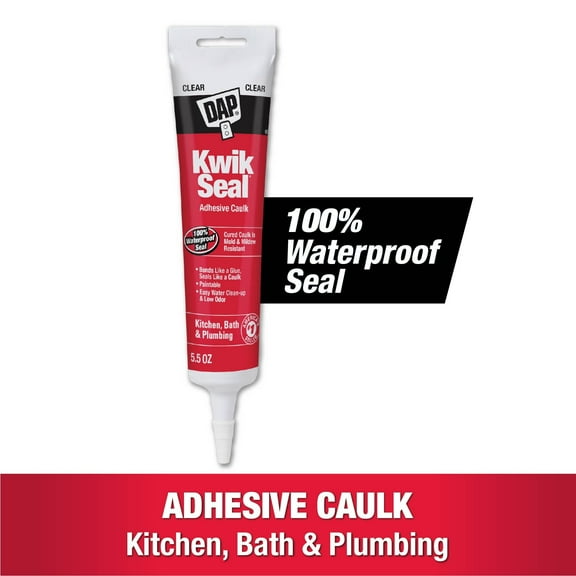
- You can look for waterproof caulk in wet spaces like kitchens, baths, and outdoor joints.
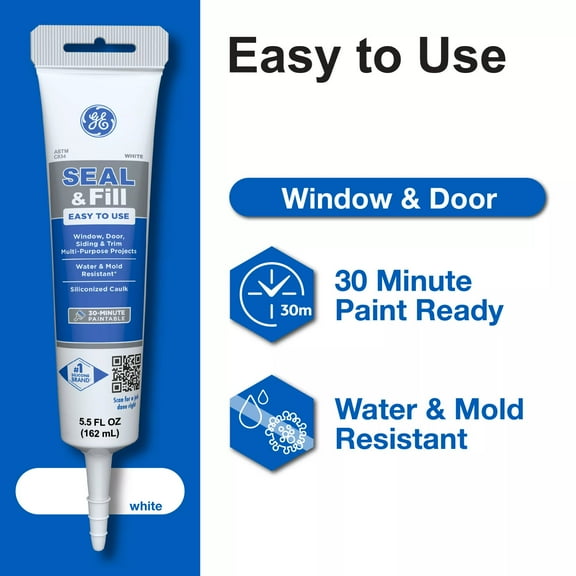
- You should compare window and door sealant options when you want neat lines around frames and trim.
You can also compare color and finish before you begin your project. You should check clear, white, almond, or gray when you want the bead to blend with nearby surfaces.
How to compare silicone caulk and acrylic latex caulk
You’ll notice that material base changes how the sealant handles moisture, movement, and finishing. You should compare silicone, acrylic latex, polyurethane, and hybrid formulas before you start.
If you need strong flexibility, you may lean toward silicone caulk for tubs, showers, or exterior joints. You should know silicone usually isn’t paintable, so your color choice matters from the start.
When you want a paintable line along trim or drywall, you may prefer acrylic latex caulk. You’ll also like that many acrylic latex formulas clean up with water during application.
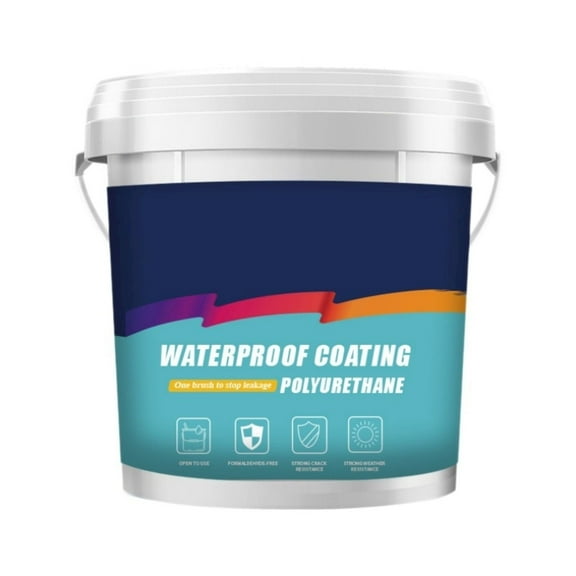
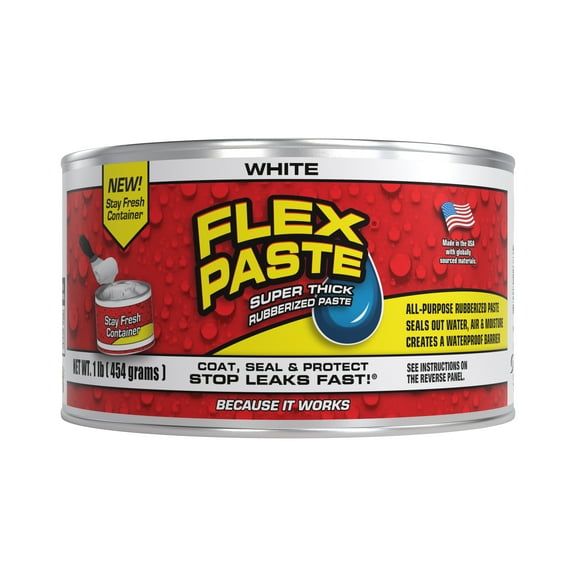
For demanding exterior seams, you can consider polyurethane or hybrid formulas. You’ll often get a tough, flexible bond that handles shifting materials around concrete, siding, and frames.
Your cleanup method also matters before you begin. You should check whether the formula uses water-based cleanup or needs mineral spirits after application.
What to look for in waterproof caulk and window and door sealant
Your water-resistance choice should match the space you’re sealing. You can compare waterproof, water-resistant, and weatherproof options based on moisture level and outdoor exposure.
If you’re sealing a backsplash edge or vanity top, waterproof caulk can help you create a neat finished line. You should also look for kitchen and bath caulk when you expect daily splashes.
When you’re working around frames, you should compare window and door sealant formulas that stay flexible. You’ll want that flexibility because doors and windows shift slightly with temperature changes.
For gutters, siding joints, or concrete gaps, you should check how the sealant handles sun, rain, and cold weather. You can reduce touch-ups when you match exterior caulk to outdoor conditions.
Your finish matters as much as your formula. You can choose clear, white, almond, or gray when you want the bead to blend with tile, trim, masonry, or frame color.
If you plan to paint after the sealant cures, you should check whether the label says paintable. You’ll often find that acrylic latex caulk fits painted interior projects easily.
How to match application area and finish to everyday projects
You can narrow your options quickly when you pair the formula with the room or surface. You should also measure joint width and check whether you need a caulk gun for steady application.
In kitchens and baths, you may want a smooth bead around sinks, tubs, backsplashes, and counters. You’ll usually focus on moisture resistance, surface compatibility, and a finish that suits nearby materials.
For interior trim, baseboards, and crown molding, you may prefer acrylic latex caulk in white or paintable finishes. You can create neat transitions before painting walls, doors, or window casings.
At exterior windows and doors, you should look for weatherproof sealing and lasting flexibility. You’ll want a formula that helps maintain a neat barrier along changing outdoor joints.
On gutters or concrete, you may need a tougher formula that handles rough surfaces and wide gaps. You should compare polyurethane or hybrid options when movement and outdoor exposure are part of the job.
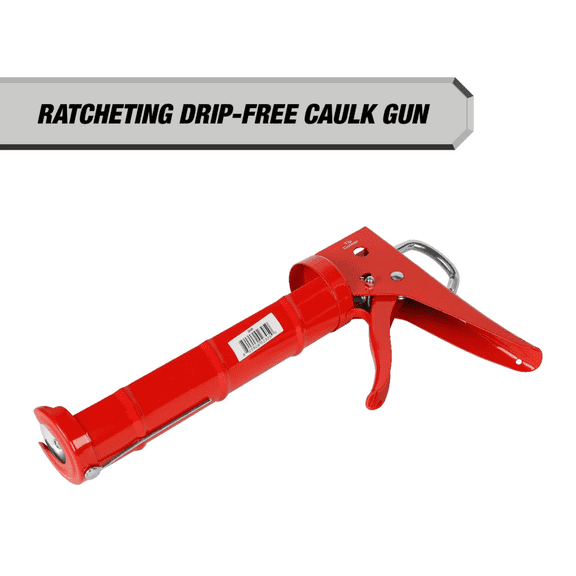
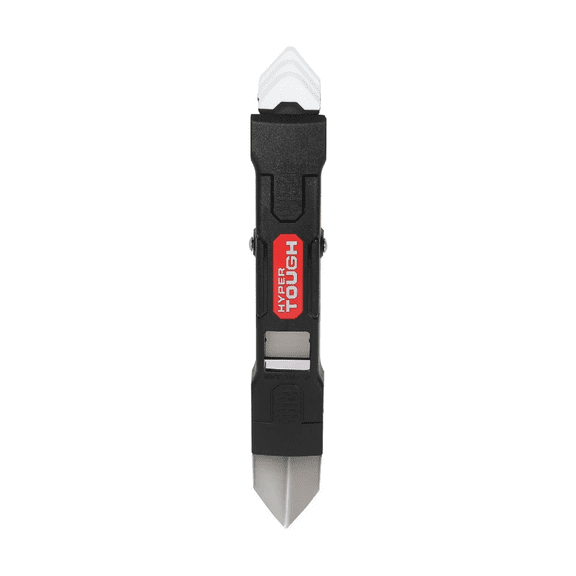
Your tool choice can affect the final line. You can use a caulk gun for controlled flow, and you should smooth the bead quickly for a neat finish.
When you match material base, water resistance, application area, and finish, you can choose caulk sealants with confidence. You’ll end up with neat lines, a polished look, and help avoiding redo projects.