








Bath and Shower Aids in Bath Safety





























About Bath and Shower Aids in Bath Safety - Walmart.com
You can compare bathing aids by support type, bathroom fit, and installation needs before you set up a steadier daily routine. You’ll also find shower chairs, transfer benches, grab bars, and bath mats that match different spaces and mobility setups.
How to choose bathing aids for your bathroom
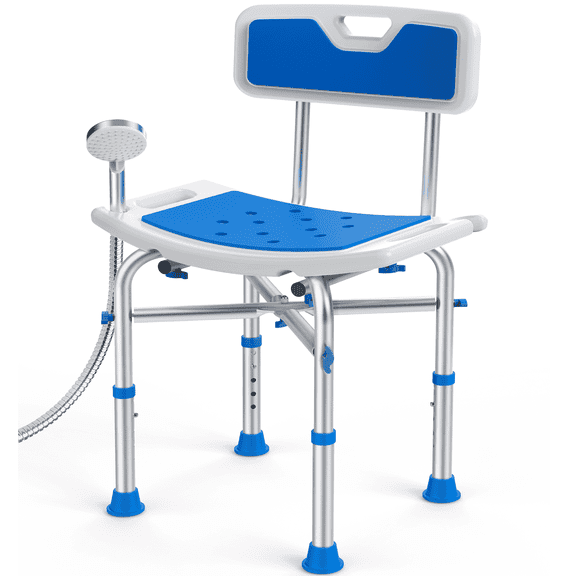
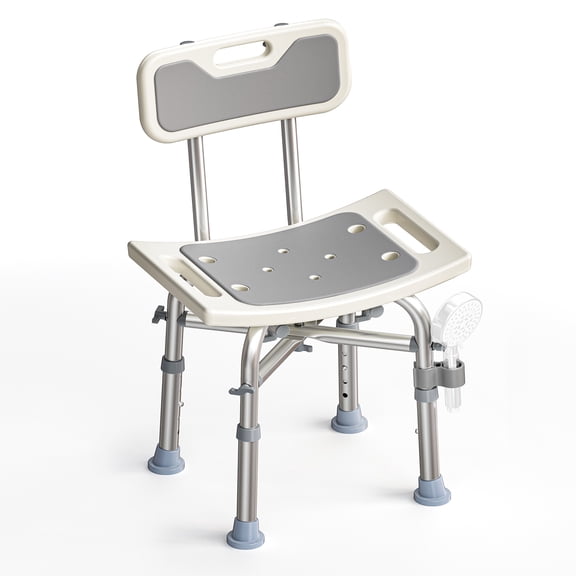
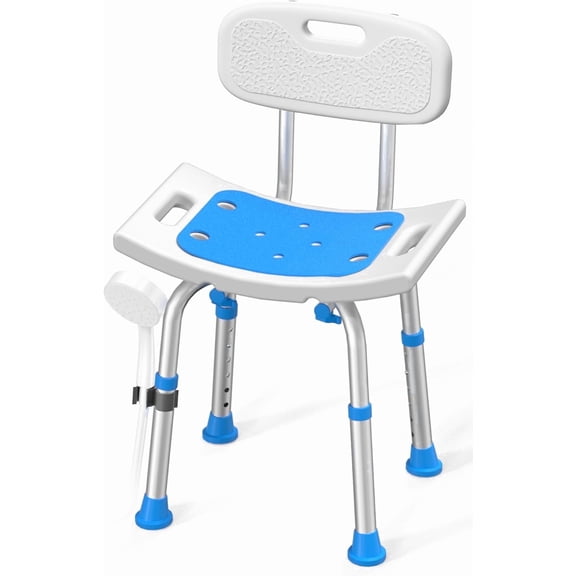
You should start with product type because each option supports a different part of your bathing routine. You may prefer shower chairs for seated washing, transfer benches for tub entry, grab bars for hand support, and bath mats for added traction.
You’ll want to compare your bathroom dimensions before you choose. You can measure tub width, shower floor space, and chair footprint so your setup fits without crowding your movement.
You should also match the setup to your daily routine and installation comfort. You may want tool-free assembly for faster setup, or wall-mounted support when your space calls for a fixed hold point.
What to look for in bath safety equipment
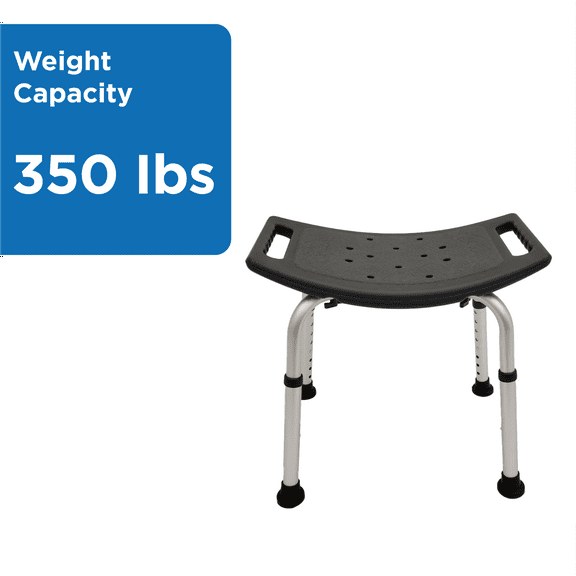
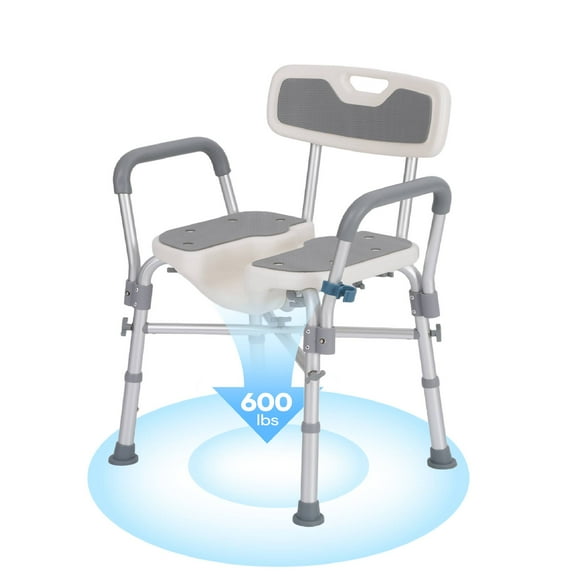
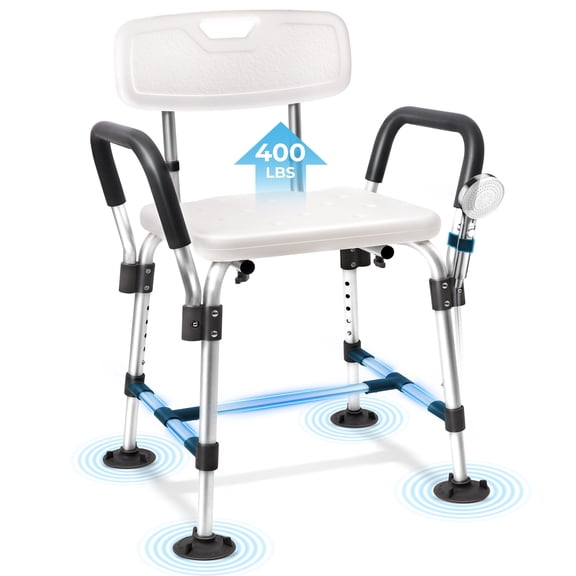
You can narrow bath safety equipment by weight capacity because that detail affects stability and everyday confidence. You should check if standard models support up to 250 pounds, heavy-duty options support 400 pounds, or bariatric designs support 500 pounds.
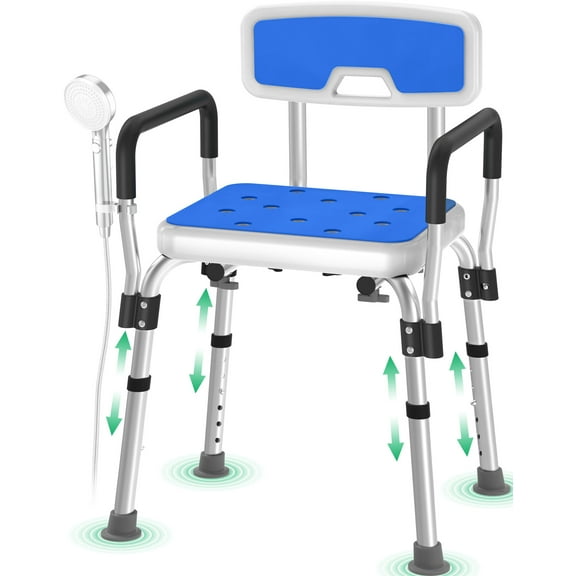
You’ll also want to look at base design and contact points. You can compare slip-resistant rubber tips, wider legs, and secure feet that help equipment stay in place on wet surfaces.
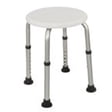
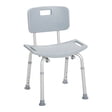
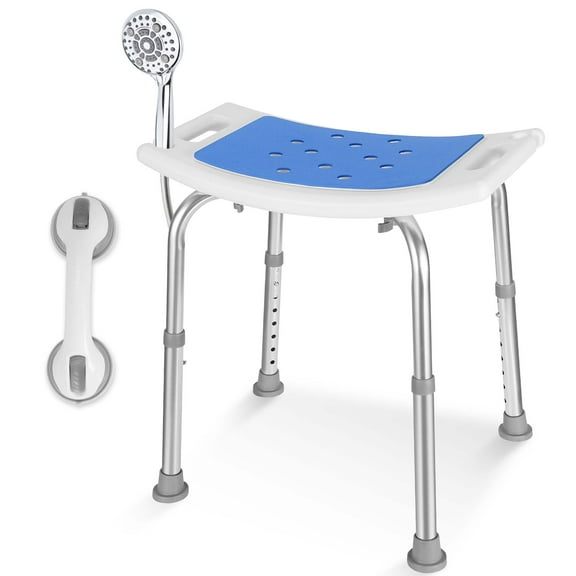
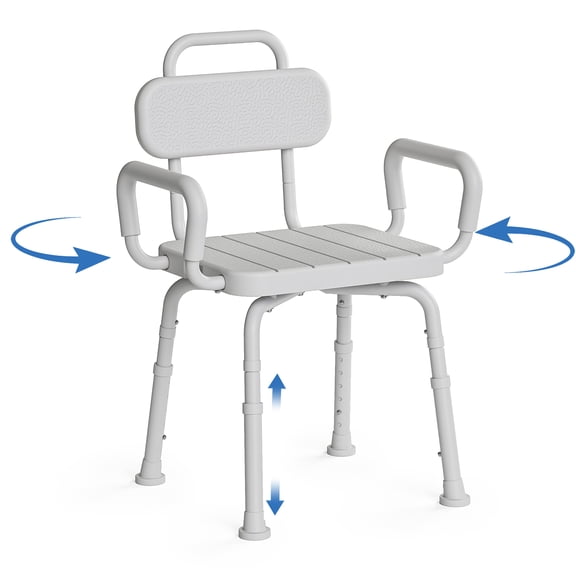
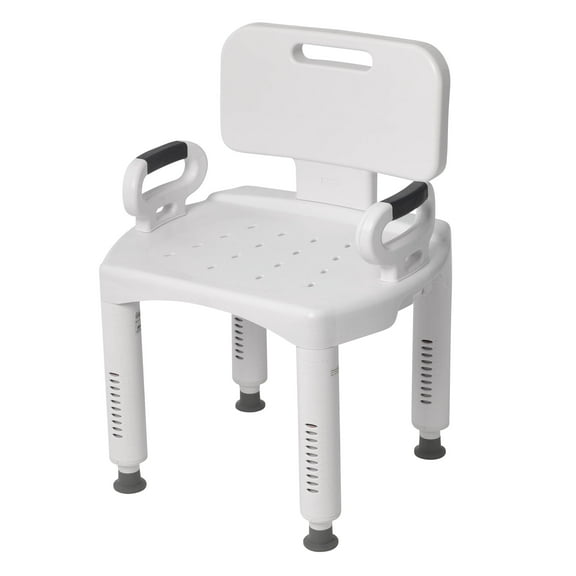
- You can use shower chairs when you want seated support during longer showers.
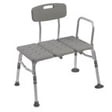
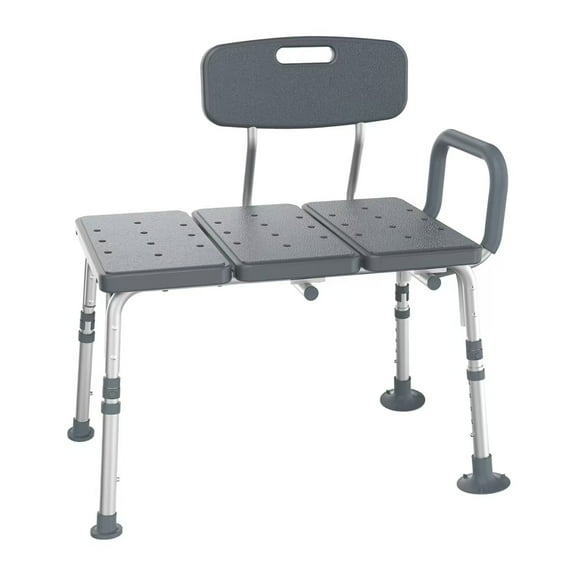
- You can choose transfer benches when you need to move across a tub wall with less lifting.
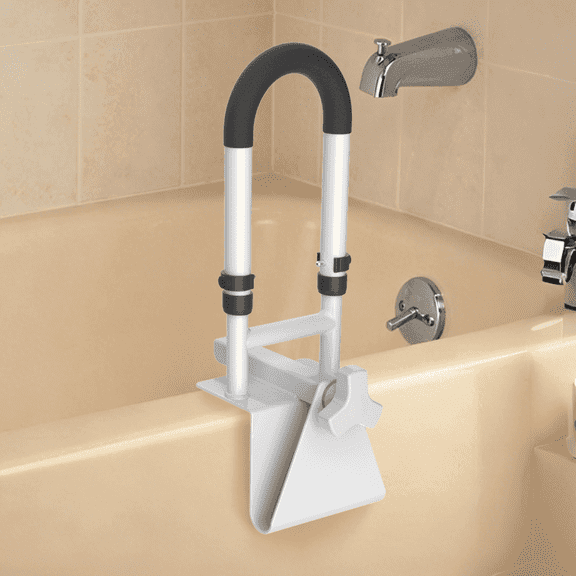
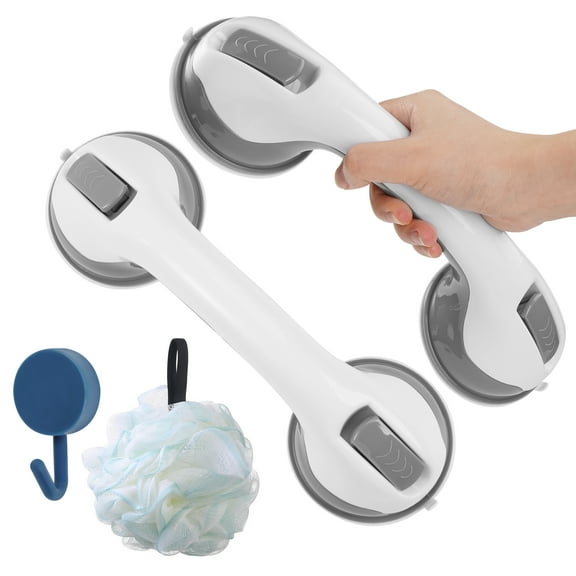
- You can add grab bars when you want a steadier handhold near the tub or shower entry.
- You can place bath mats when you need extra traction underfoot on smooth floors.
You should think about independence as well as support. You may find that the right combination of seating, grip points, and traction helps your routine feel more manageable.
Comparing shower chairs, transfer benches, and grab bars
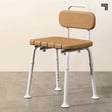
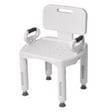
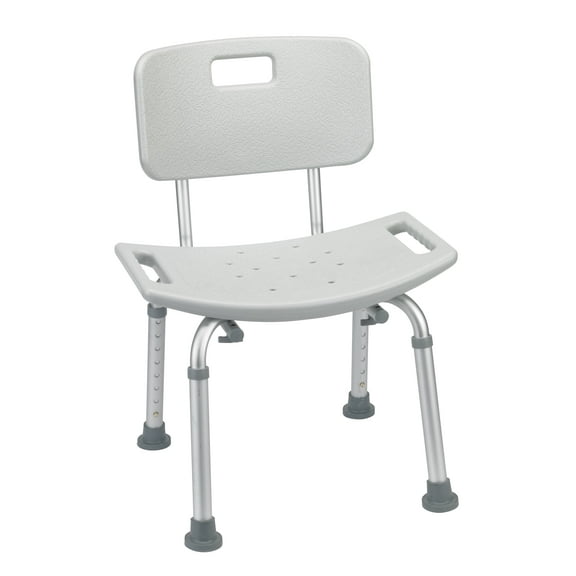
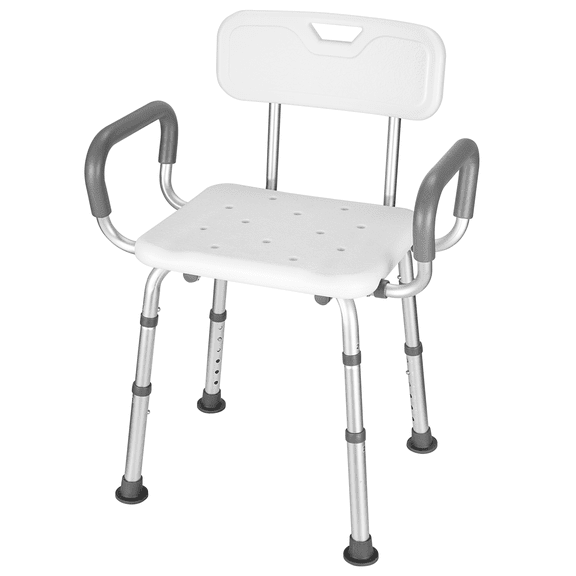
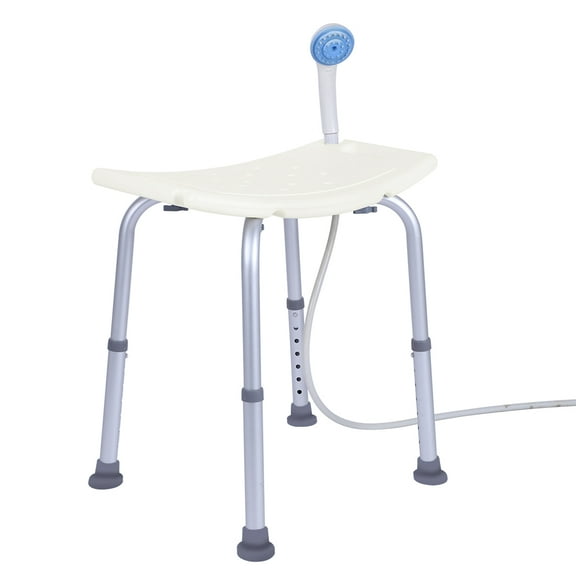
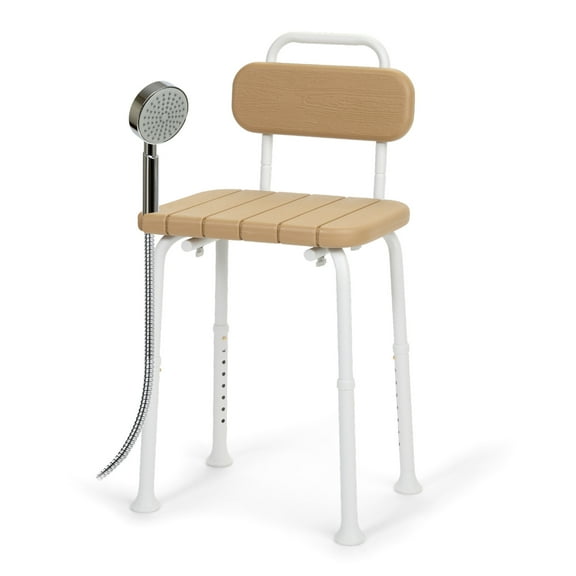
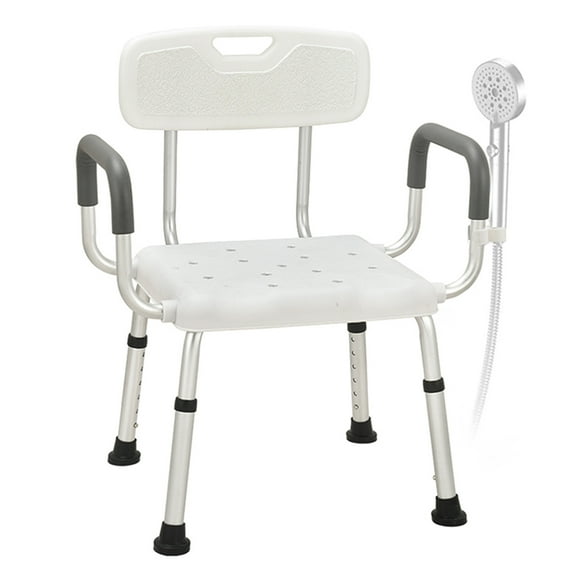
You can compare shower chairs by seat shape, back support, and adjustable leg height. You’ll want a seat that fits your shower area and positions you comfortably under the water stream.
You should compare transfer benches by overall length and tub-side balance. You can use these designs when you need one side outside the tub and one side inside it.
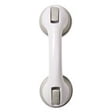
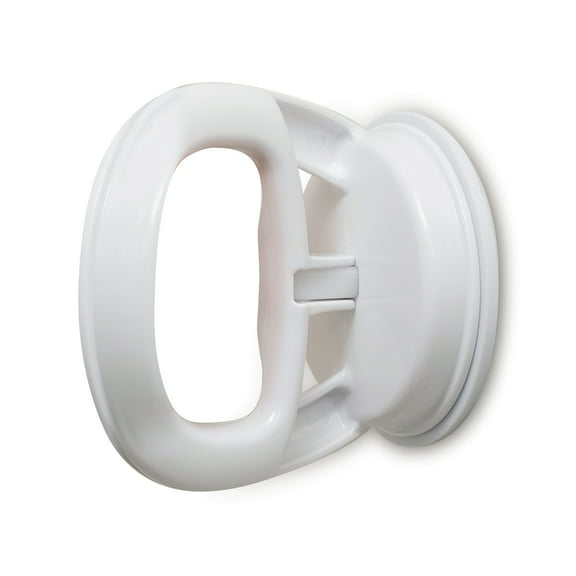
You may evaluate grab bars by placement and installation type before anything else. You should check whether suction cup styles suit temporary positioning, or whether screw-in and wall-mounted options fit your long-term setup.
You can also compare bath mats by surface texture and underside grip. You’ll want drainage-friendly designs that reduce water pooling and help the area feel easier to maintain.
Choosing materials and installation types for bathing aids
You can use material details to understand upkeep and day-to-day handling. You may notice rust-resistant aluminum frames feel light to move, while molded plastic seats are easy to wipe down.
You can also compare stainless steel bars when you want a solid mounted feel. You should check whether surfaces include drainage holes or easy-clean contours.
You can keep your setup simpler when water moves through the seat instead of collecting on top. You’ll also need to compare installation type with your bathroom and your comfort level.
You may prefer tool-free assembly for chairs and benches, while wall-anchoring can make sense for fixed grab bars. You should read installation notes carefully before choosing handicap bathing accessories for your space.
You can avoid fit issues when you confirm wall location, hardware needs, and whether you need the item for temporary or fixed use. You can compare those details before setup, so your bathroom feels orderly and easier to use.
Matching bath safety equipment to everyday routines
You can match bathing aids to quick showers, longer wash routines, or shared family bathrooms. You may want a compact chair for a stall shower, a transfer bench for a tub, or grab bars for entry and exit points.
You should think about who uses the bathroom and how often the setup needs to move. You can choose lighter frames for flexible placement, or fixed supports for a more permanent arrangement.
You may also want options that clean up easily after frequent use. You can look for smooth surfaces, drainage holes, and simple shapes that help you rinse and wipe them down.
You can maximize the benefits of bath safety equipment when you compare fit, support level, installation, and cleaning needs together. You can create a setup that feels steadier, fits your space, and supports a smoother bathing routine.