



Baseball Training Equipment
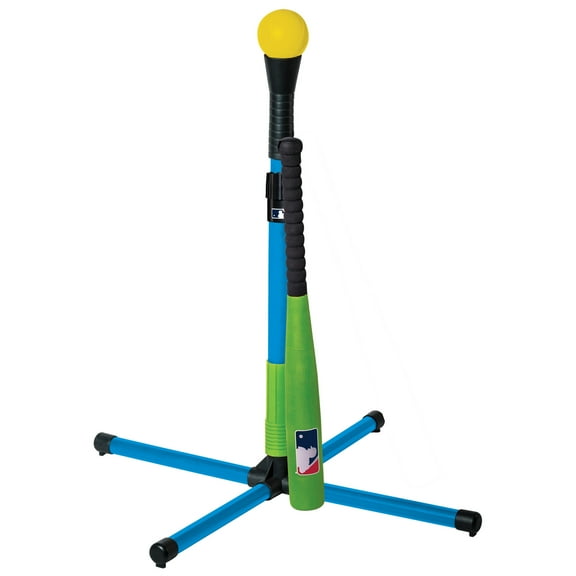

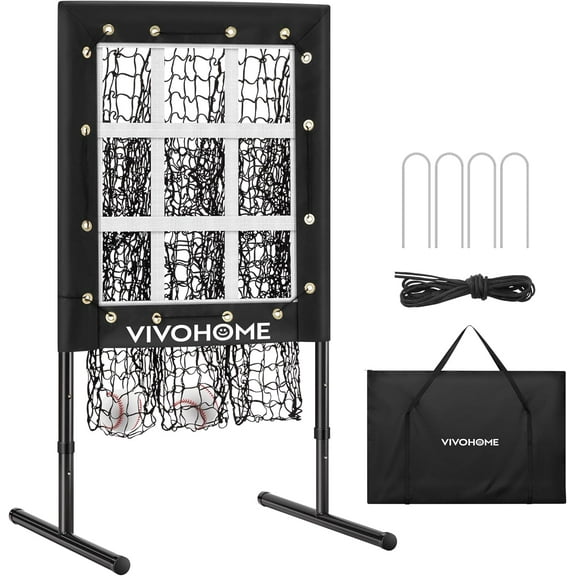

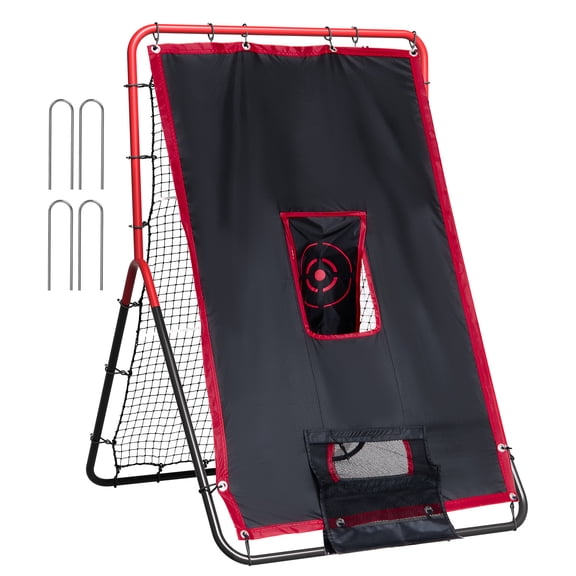

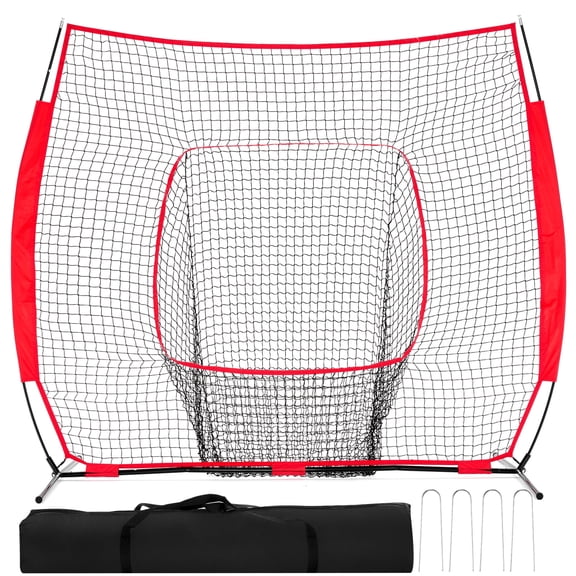







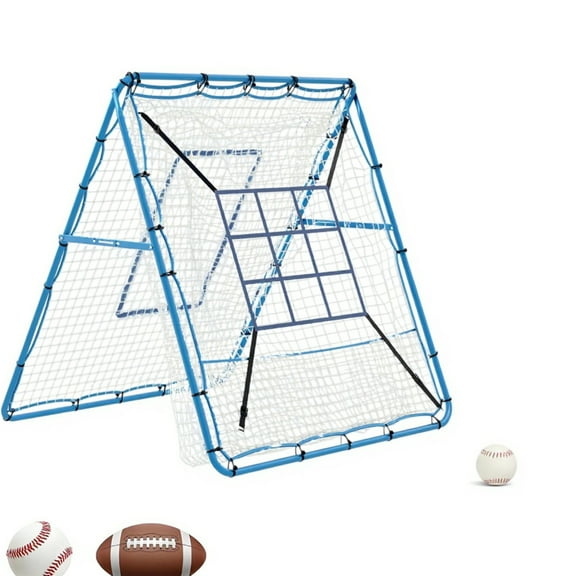
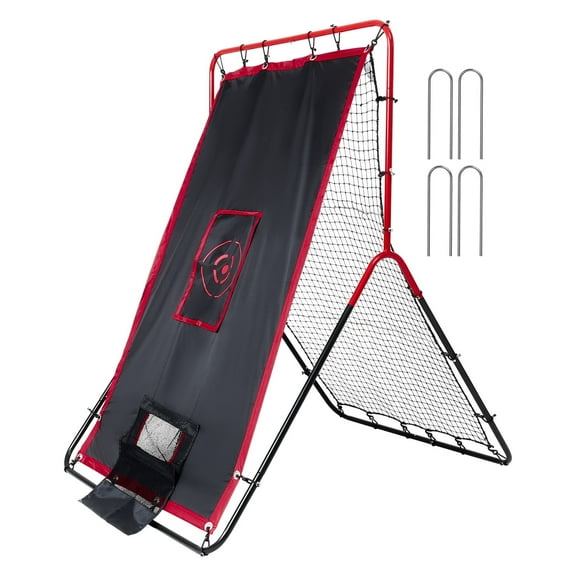
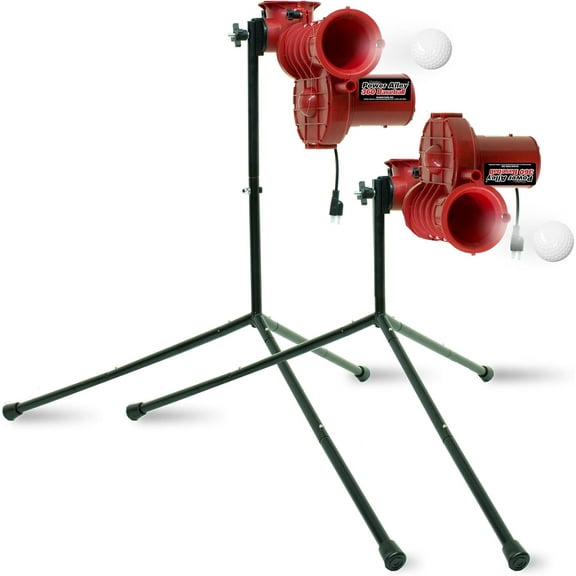












About Baseball Training Equipment - Walmart.com
You can build smarter practice sessions with baseball training equipment that fits your skill focus, space, and setup needs. You’ll find category options like nets, batting tees, rebounders, weighted balls, and pitching machines designed for backyard reps, team drills, and solo work.
How to choose baseball training equipment
When you compare baseball training equipment, you should start with the skill you want to practice most. You’ll narrow your options faster when you match equipment type to hitting, pitching, fielding, catching, or speed work.
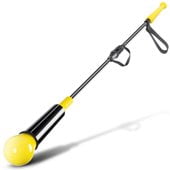
For hitting practice, you may look at a baseball hitting trainer, baseball batting tees, and baseball training nets first. You’ll get a clearer path for tee work, soft toss, and live-rep style drills at home.
If you’re building a complete practice area, you should compare how each tool supports repetition and setup space. You’ll often pair nets with tees or weighted baseballs for more structured sessions.
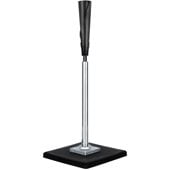
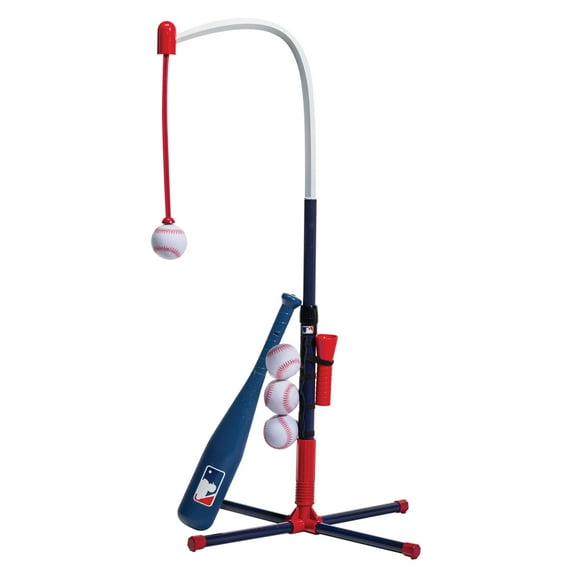
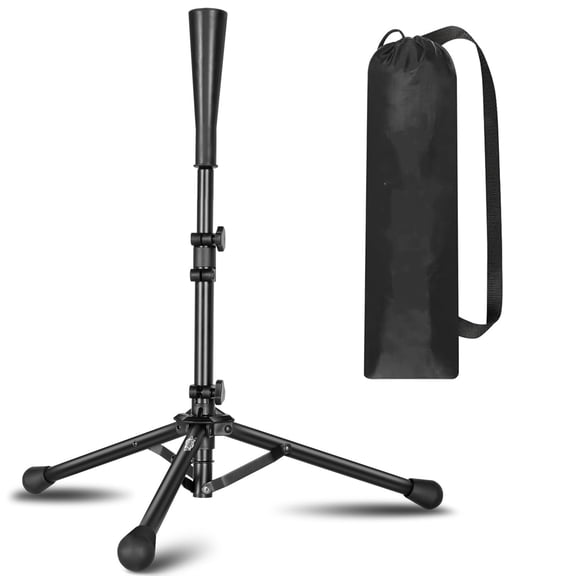
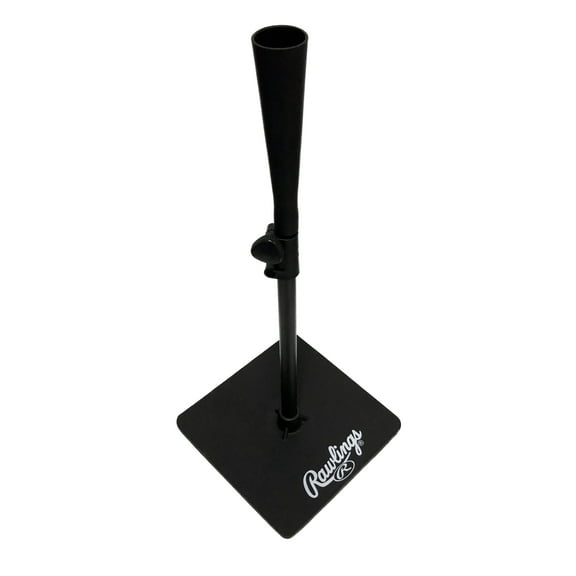
- You can use batting tees to work on stance, contact point, and swing path.
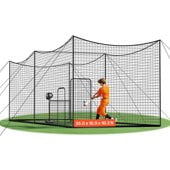
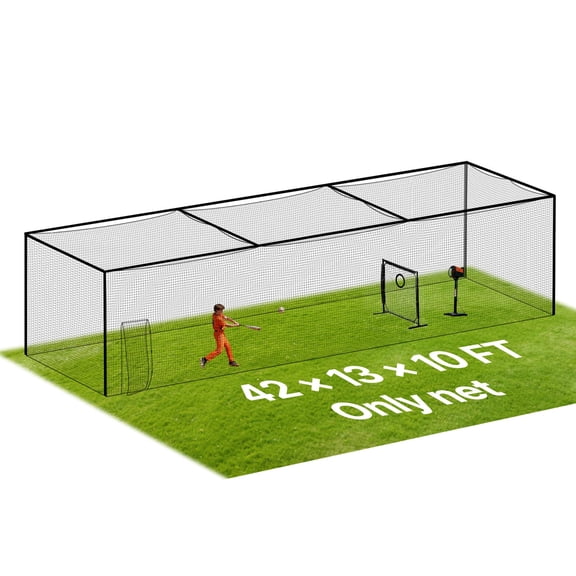
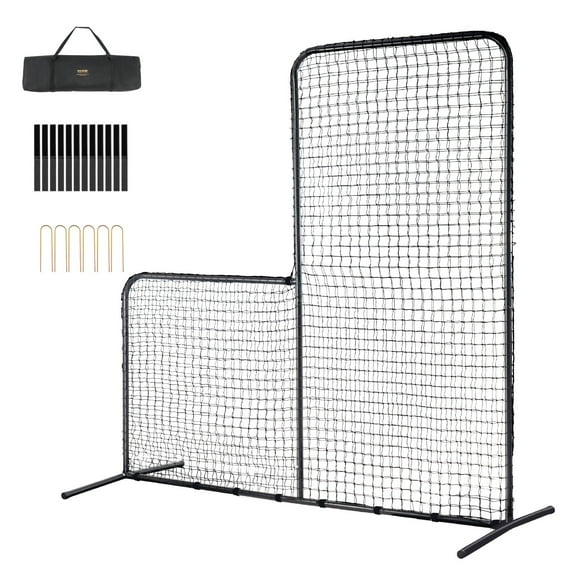
- You can use training nets to contain balls and create a cleaner backyard setup.
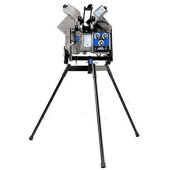
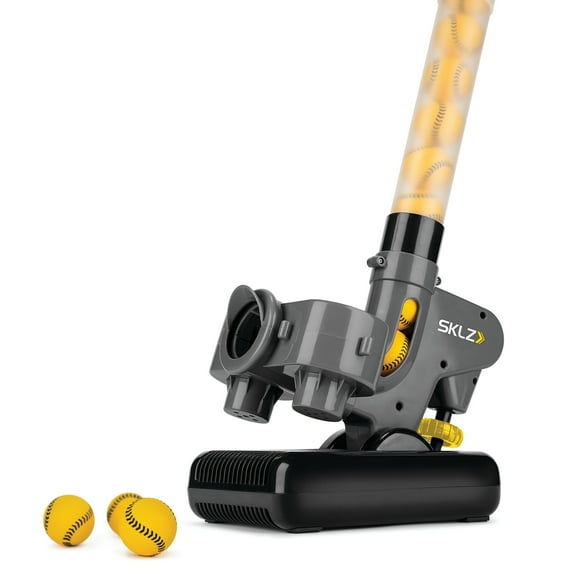
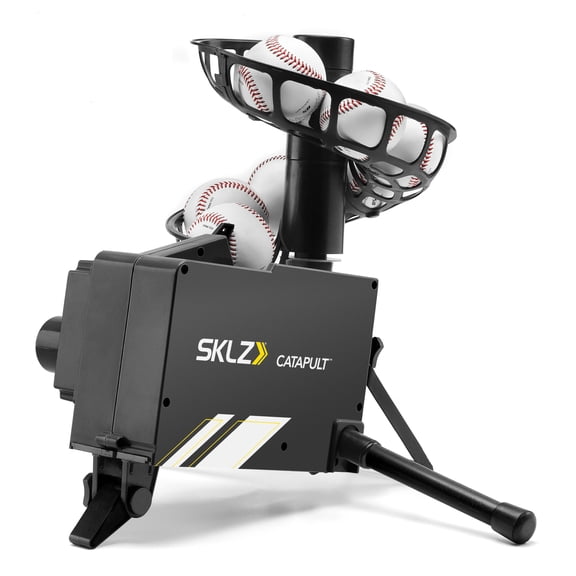
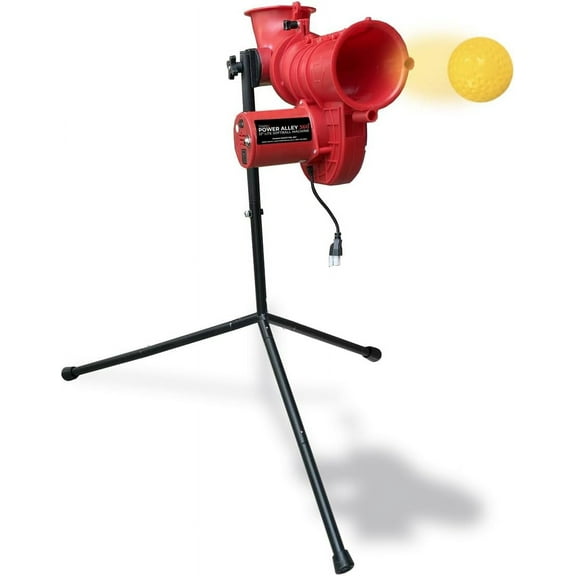
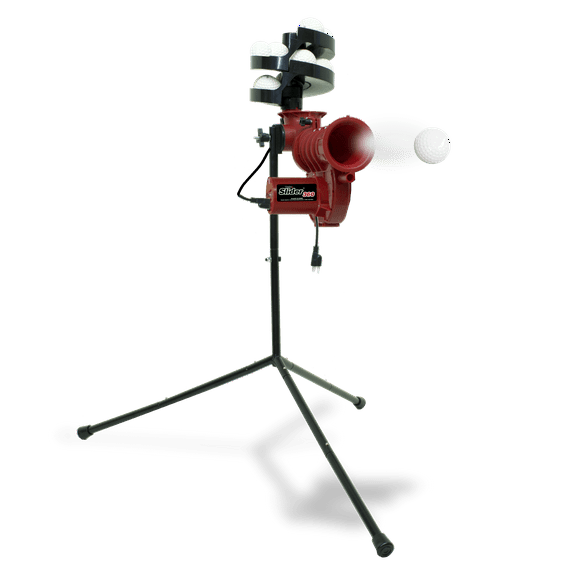
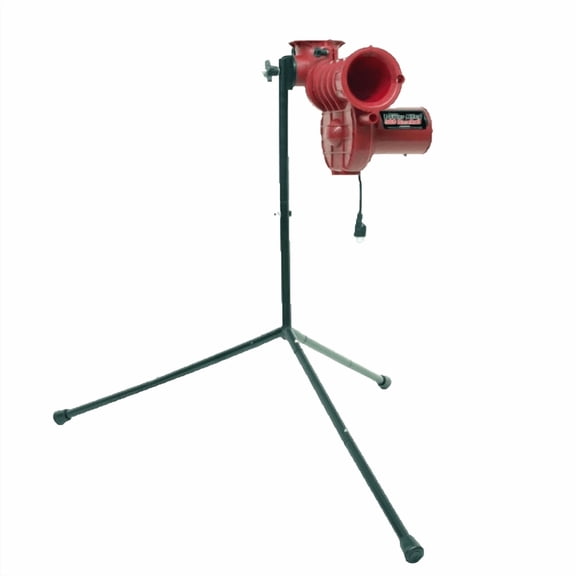
- You can use pitching machines for backyard practice when you want repeatable ball delivery.
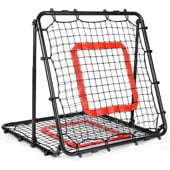
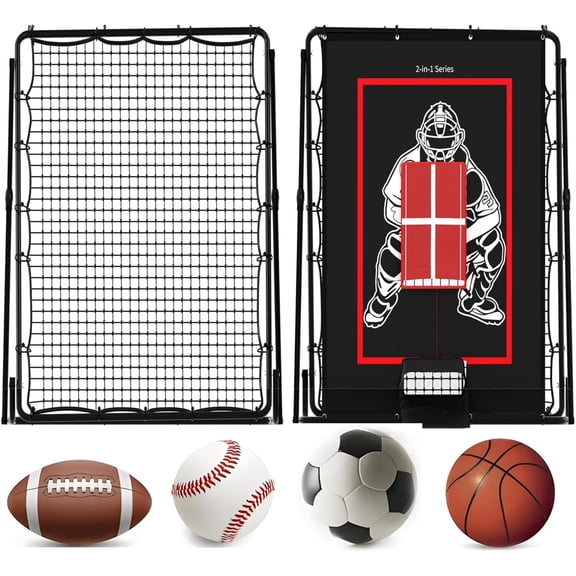
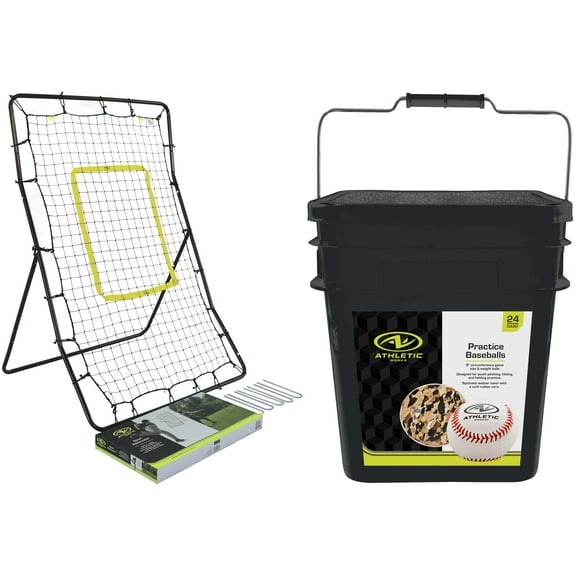
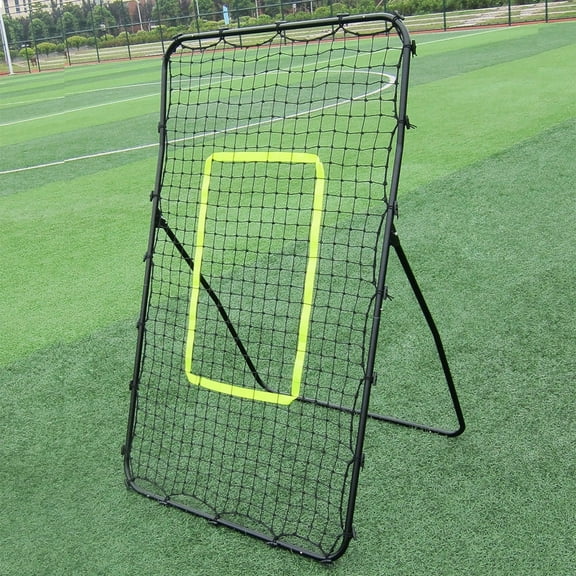
- You can use rebounders and fielding trainers when you want fast defensive reps.
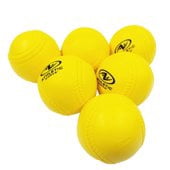
- You can use weighted baseballs for drill variety when your training plan calls for controlled throwing work.
Choosing equipment type and skill focus
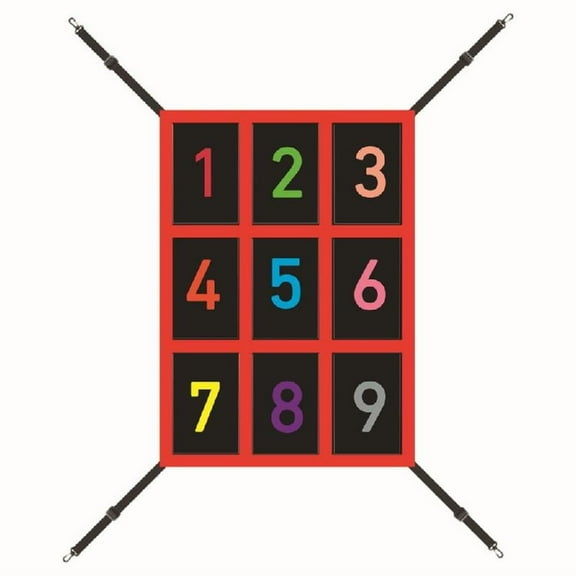
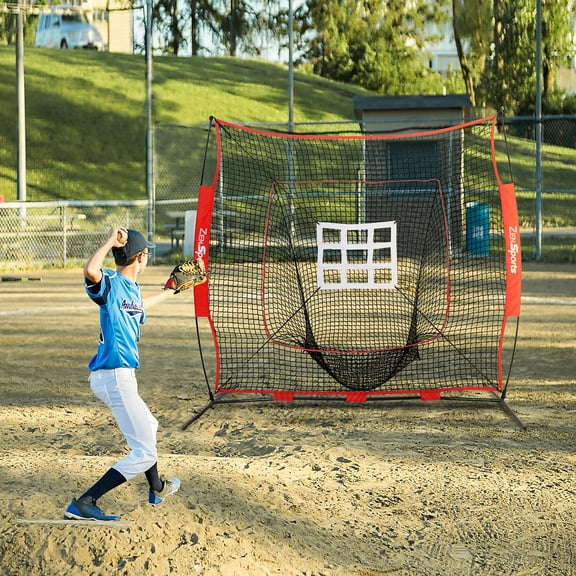
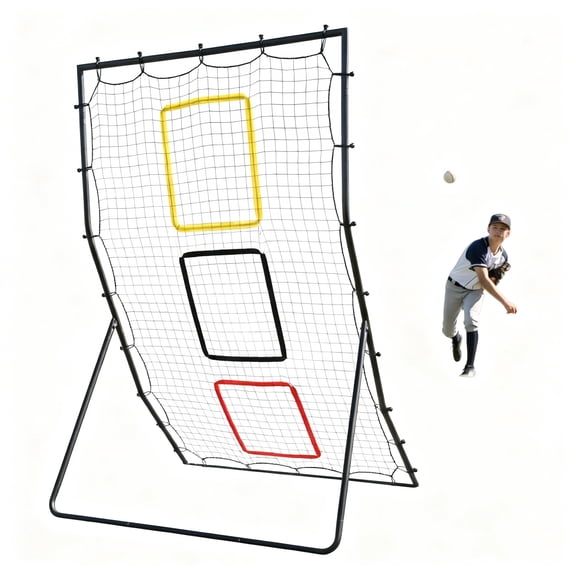
Nets work well when you want flexible practice for hitting, pitching, and catching in one area. You should compare target zones, frame shape, and net depth based on your drill plan.
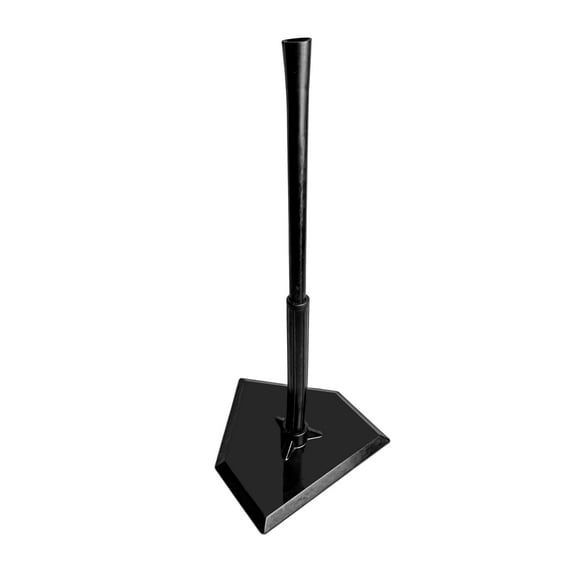
Batting tees support repeatable swing work because you can control ball height and location. You’ll want to check whether the tee adjusts easily for t-ball players, youth hitters, or taller athletes.
Pitching machines for backyard use can help you create consistent timing practice in limited space. You should compare feeding style, ball compatibility, and wheel design before choosing one.
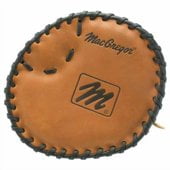
Rebounders and fielding trainers help you practice glove work, footwork, and quick transfers. You’ll benefit from angle-adjustable designs when you want different hop patterns and return speeds.
Weighted baseballs fit buyers who want drill variety within a structured baseball coaching equipment setup. You should check size, weight range, and intended drill type so your practice plan stays organized.
Choosing age level and fit
You should match youth baseball training gear to your player’s age, height, and experience level. You’ll make a more useful choice when tee height, machine speed, and rebound force align with current ability.
T-ball players usually need lower tee ranges and lighter, simpler training tools for first swings. You may prefer pop-up nets and softer practice formats when you want quick setup and easier routine building.
Youth and high school players often need equipment that grows with longer practice sessions and harder contact. You should compare adjustment ranges and frame strength if your drills will change through the season.
Adult and advanced players may look for heavy duty baseball tees, larger nets, and more stable frames. You’ll want equipment that stays consistent during stronger swings, firmer throws, and frequent use.
Choosing portability for backyard and park practice
If you practice in different spaces, you should compare collapsible, pop-up, wheeled, and stationary designs. You’ll notice portability affects setup time, storage, and how often you actually use your gear.
Collapsible and pop-up baseball training nets help you move from storage to practice without a long setup routine. You may appreciate carry bags and fold-flat frames when your garage or trunk space is limited.
Wheeled equipment can make sense when you move heavier machines across driveways or dugout areas. You should check wheel size and handle design if you expect frequent repositioning.
Heavy duty stationary pieces fit dedicated practice zones where you want a more fixed setup. You’ll often choose these when your backyard space stays ready for regular training sessions.
Choosing materials and durability
You should check frame material first when durability matters for repeated impacts and outdoor use. You’ll often see steel frame and fiberglass designs, and each option supports a different balance of weight and portability.
Steel frames usually feel steadier during harder contact and frequent drills. You may prefer them when older players use the setup or when your net stays assembled longer.
Fiberglass parts can reduce carry weight and simplify transport between home and the park. You should compare how often you’ll move the gear before choosing a lighter frame style.
Net strength matters too, especially when you expect firm line drives and daily reps. You’ll want to compare net ply ratings like #36 or #42, because thicker netting usually handles stronger impacts.
Material details also matter on contact points, bases, and training surfaces. You should look for leather, rubber, or high-density foam components where hands, bats, and balls meet often.
How to match equipment to real practice routines
You can build a simple home station with a tee and baseball training nets for swing work. You’ll get cleaner repetition when balls stay contained and setup stays easy between sessions.
For pitcher and catcher work, you may combine a target net with weighted baseballs and receiving drills. You should choose equipment that fits your throwing lane, recovery space, and storage plan.
If your player splits time between school practice and home reps, you may want portable baseball nets and adjustable tees. You’ll keep your routine consistent when your gear moves easily from backyard to field.
Coaches may prefer baseball coaching equipment that supports station-based drills for groups. You should compare durability, reset speed, and versatility when several players rotate through one setup.
Spring baseball training gear often needs fast setup and quick breakdown during changing weather and field access. You’ll appreciate compact frames, simple adjustments, and organized storage when practice windows stay tight.
When you choose by skill focus, age level, portability, and durability, your practice setup becomes easier to use consistently. You’ll get equipment that fits real baseball routines and supports more productive reps.