

Dog Bark Collars in Dog Training & Obedience
























About Dog Bark Collars in Dog Training & Obedience - Walmart.com
With dog training obedience tools, you can build clear routines for puppies, adult dogs, and senior dogs. You can compare clickers, whistles, treat pouches, and training collars by goal, fit, and ease of use.
How to choose dog training obedience supplies
You should start with your training purpose, because obedience, housebreaking, bark control, and agility call for different tools. You can narrow options quickly when your gear matches the behavior you're teaching.
For basic cues, you may prefer dog clickers or dog training whistles that help you mark timing clearly. For reward-based sessions, you can keep treats ready with pouches that stay close during walks and drills.
When you need dog obedience equipment for guided control, you should compare collar types carefully. You can check whether electronic, martingale, head halter, or pinch styles match your experience level.
Key benefits of dog training supplies
You can make training consistent when your tools support the same cue every time. You may notice that repeatable sounds, quick rewards, and steady handling help your sessions feel organized.
You can also keep lessons moving when your gear fits your routine and your dog's life stage. Your puppy may need simple, short sessions, while your adult dog may be ready for extended obedience practice.
Your senior dog may respond well to familiar cues and easy handling during slower-paced work. You can choose training tools that help you keep commands clear without adding unnecessary complexity.
- You can reinforce timing with dog clickers during sit, stay, and recall practice.
- You can carry rewards in treat pouches for housebreaking trips and short leash sessions.
- You can use dog training whistles when you need a distinct cue outdoors.
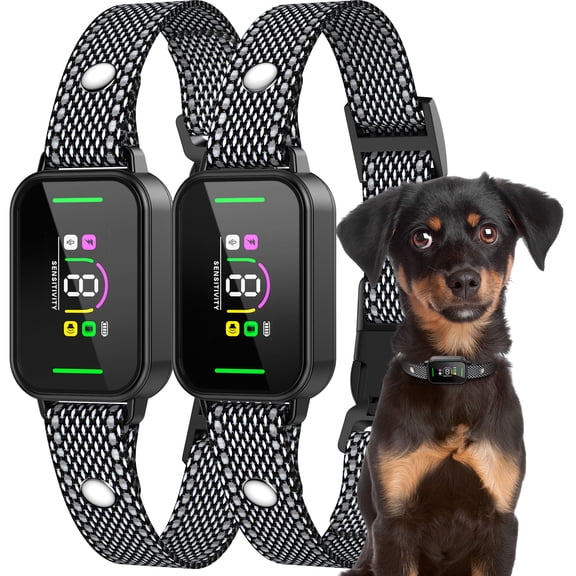
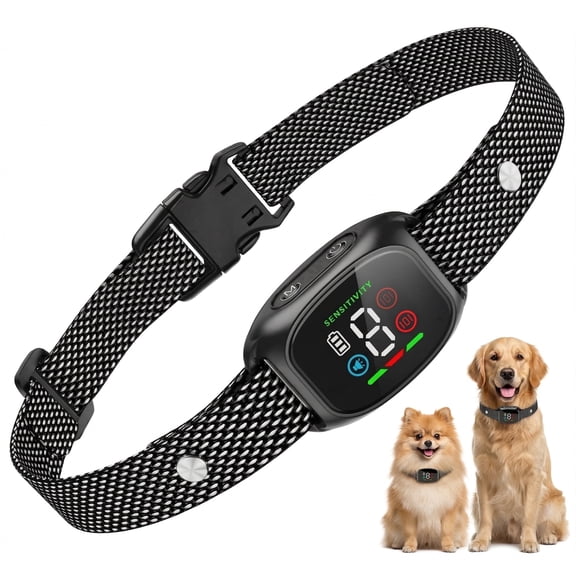
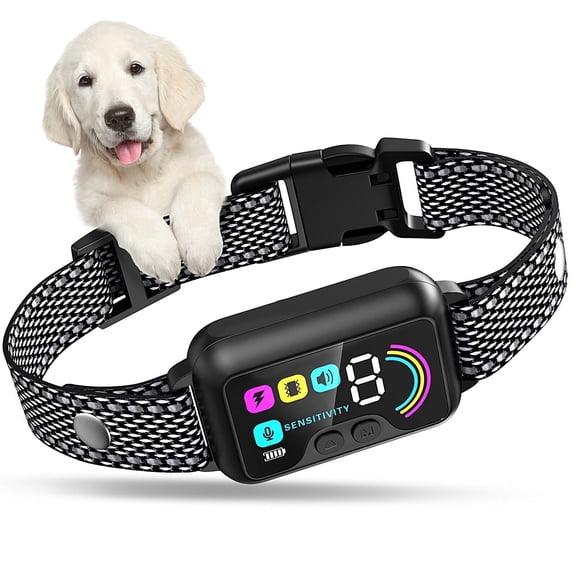
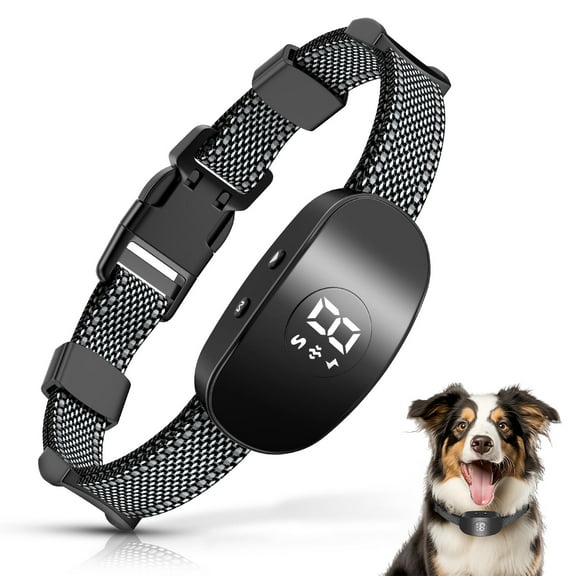
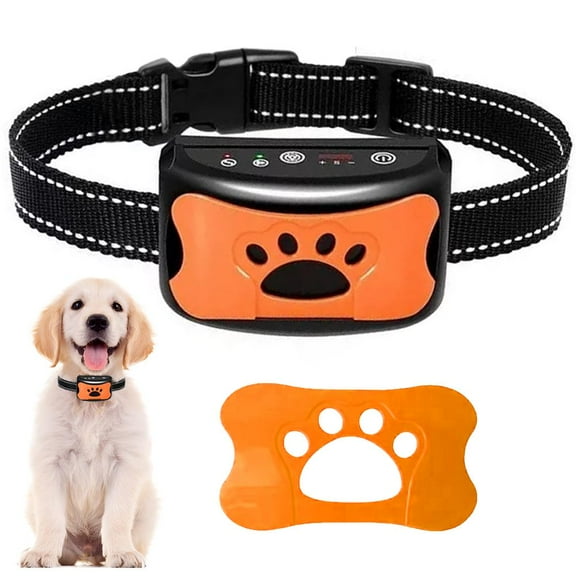
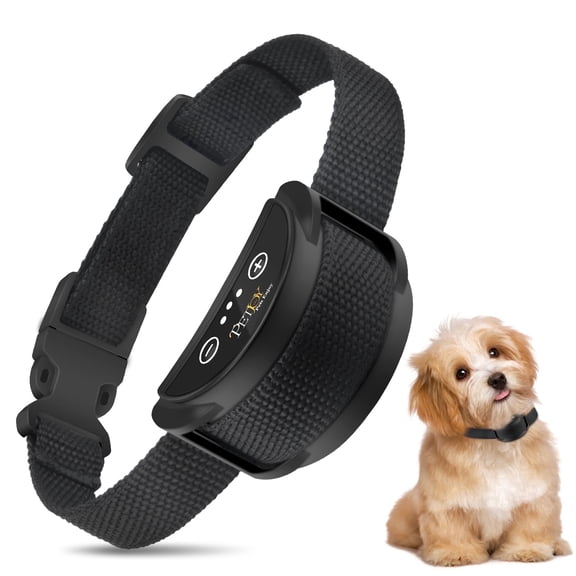
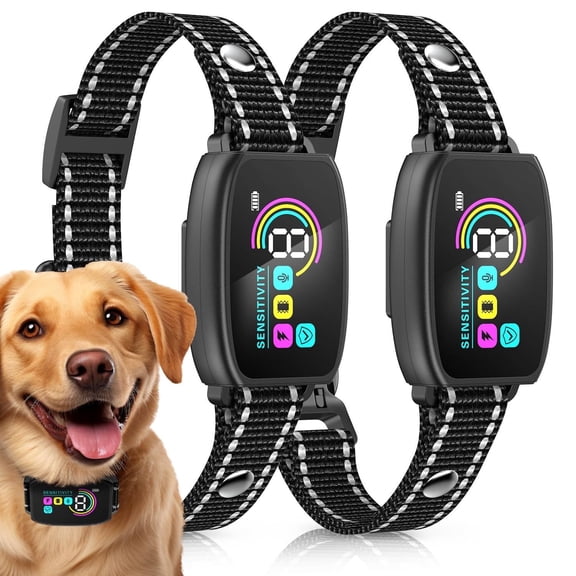
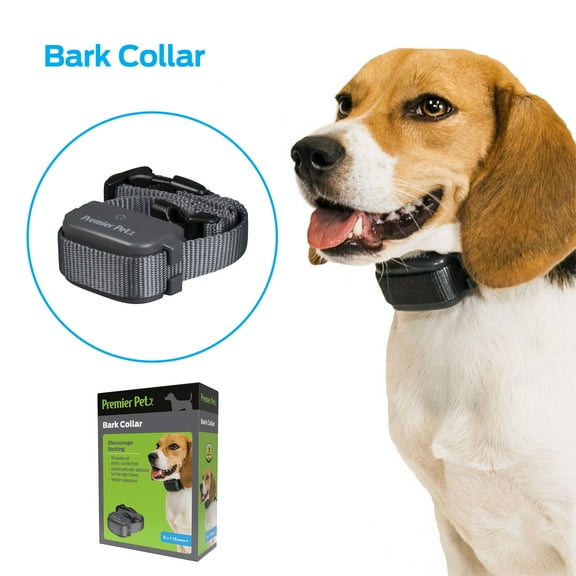
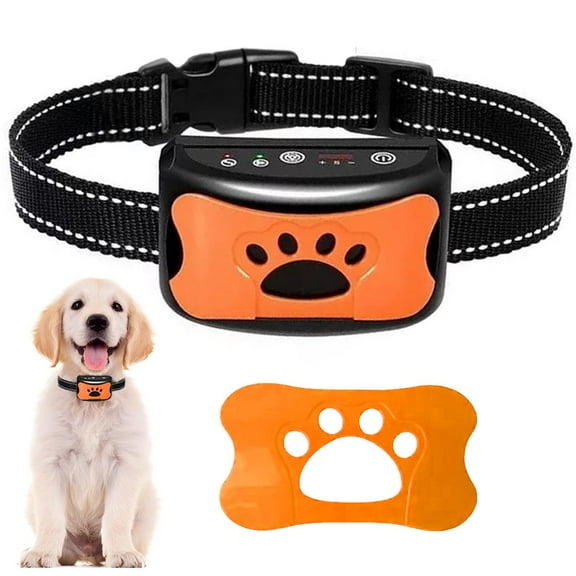
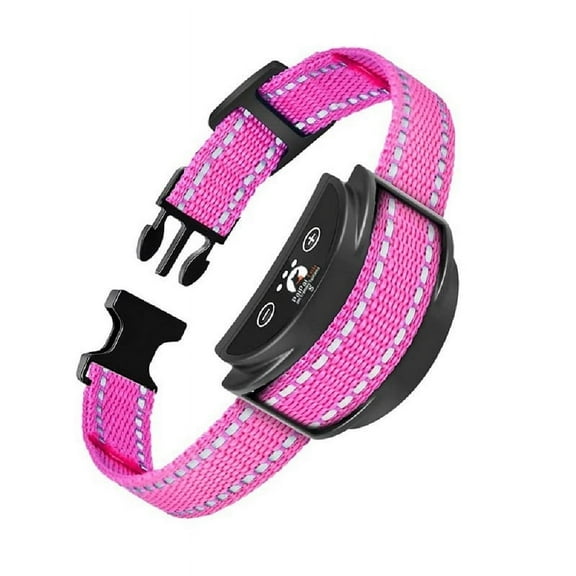
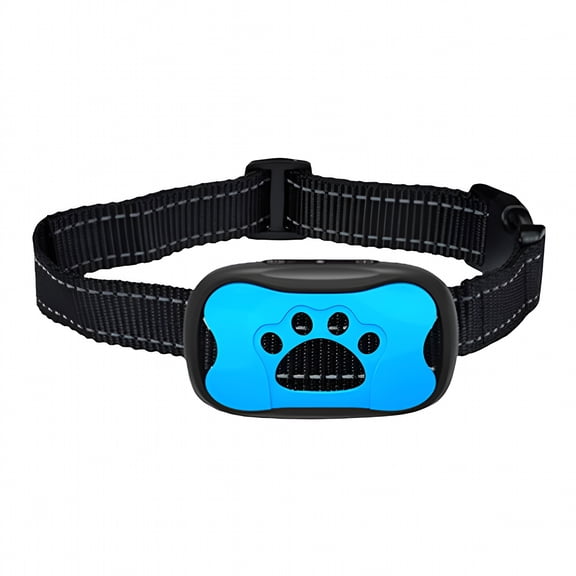
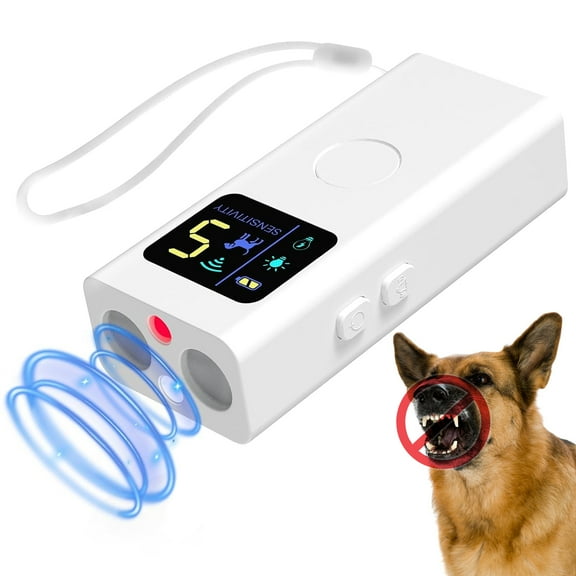
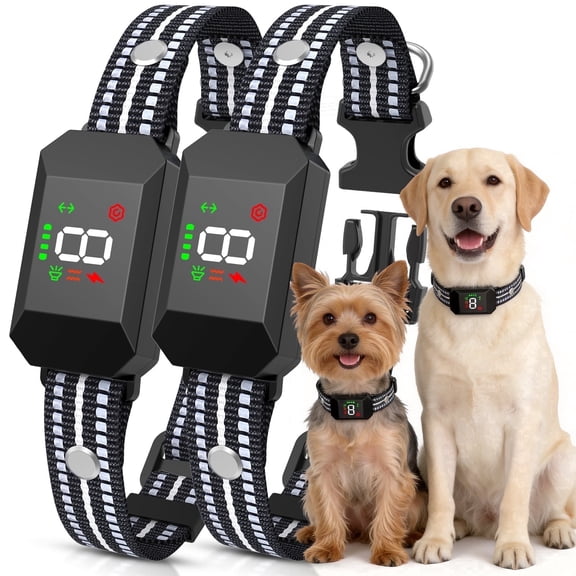
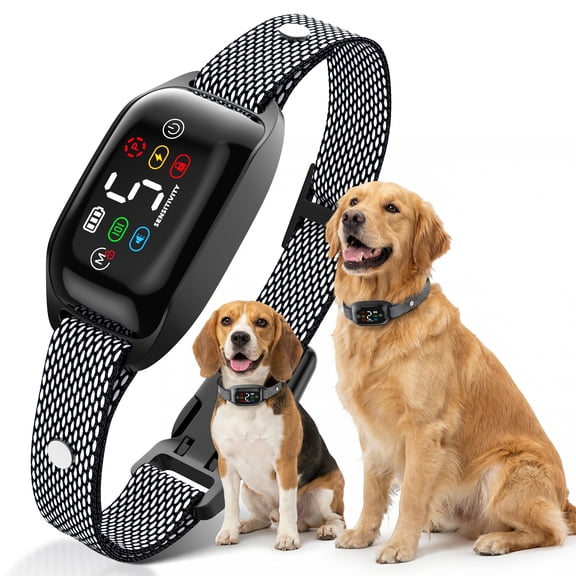
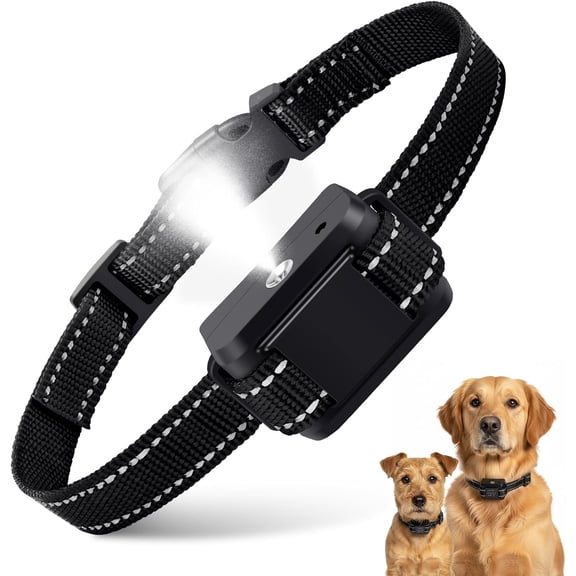
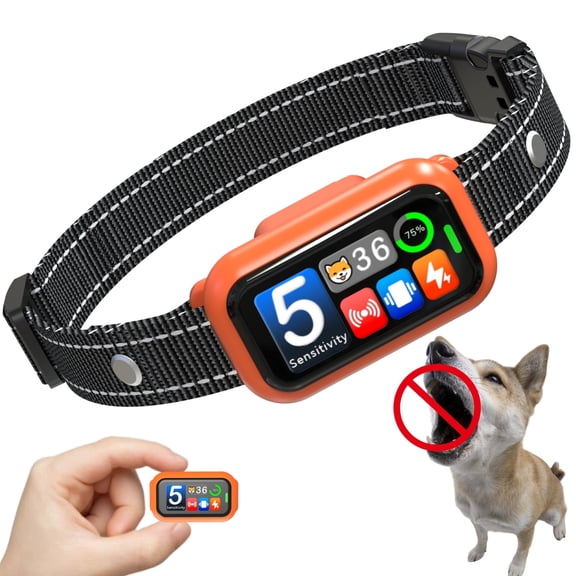
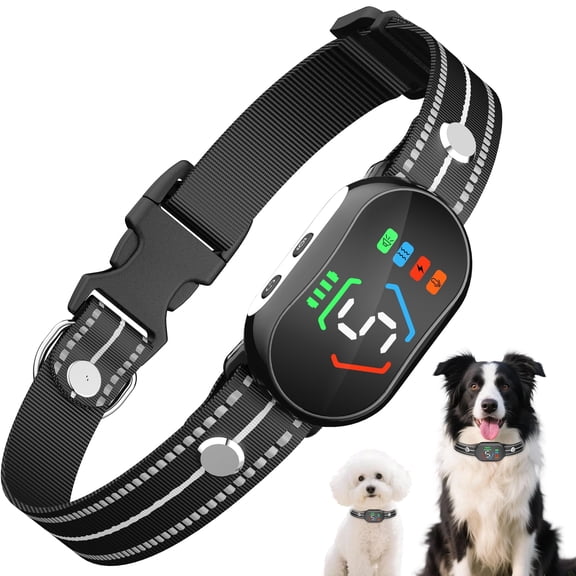
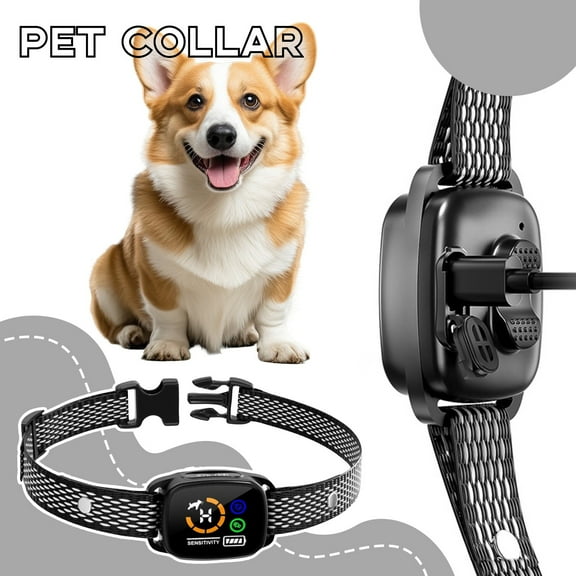
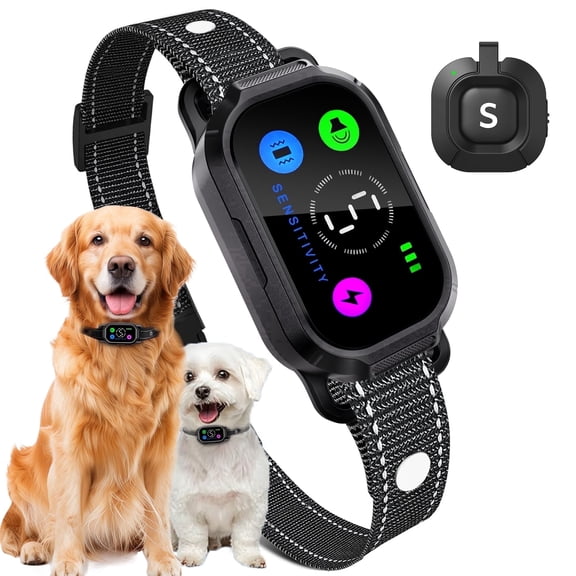
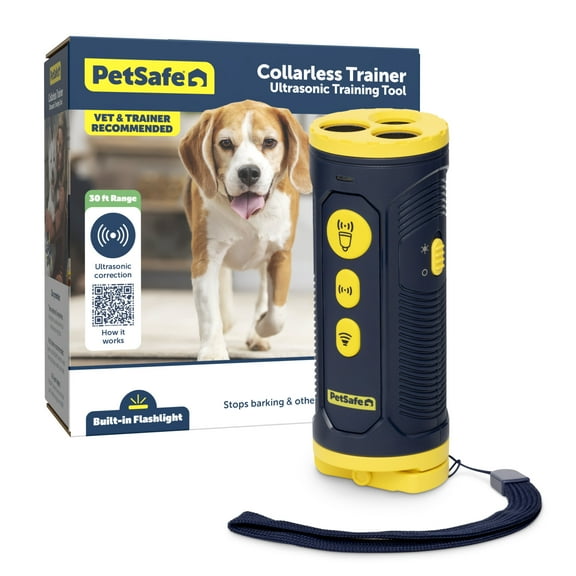
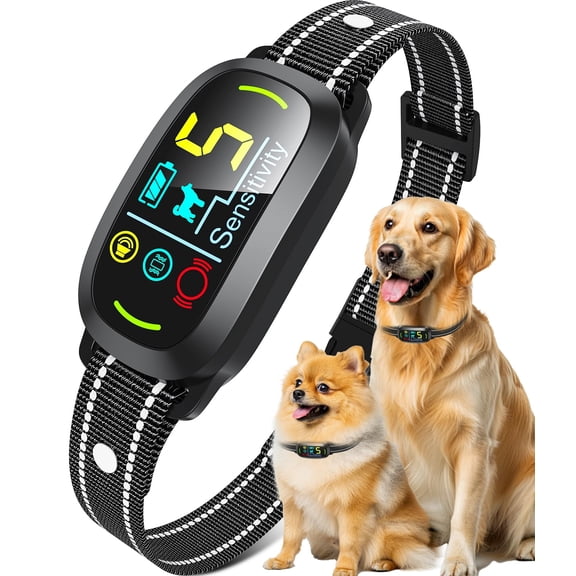
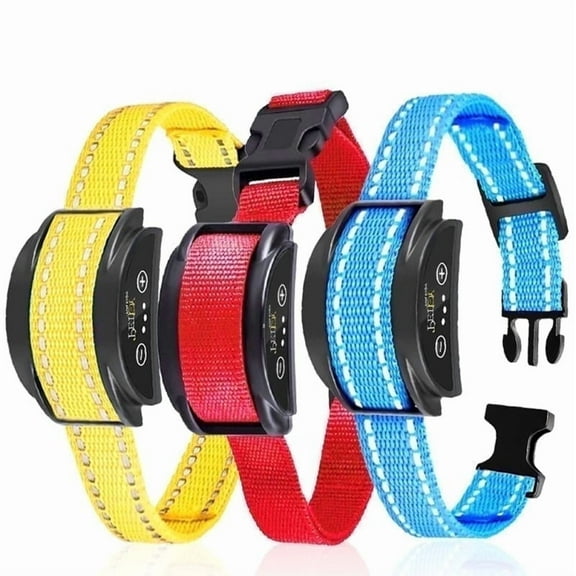
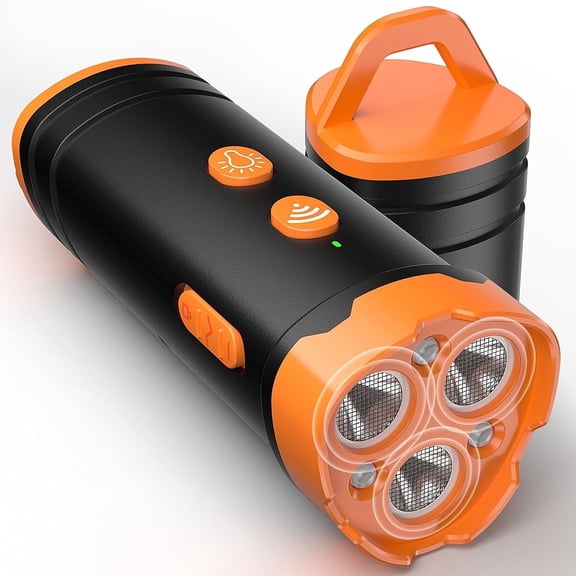
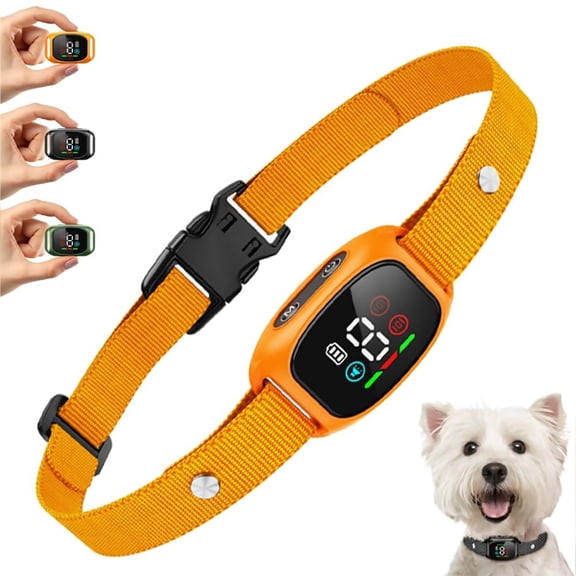
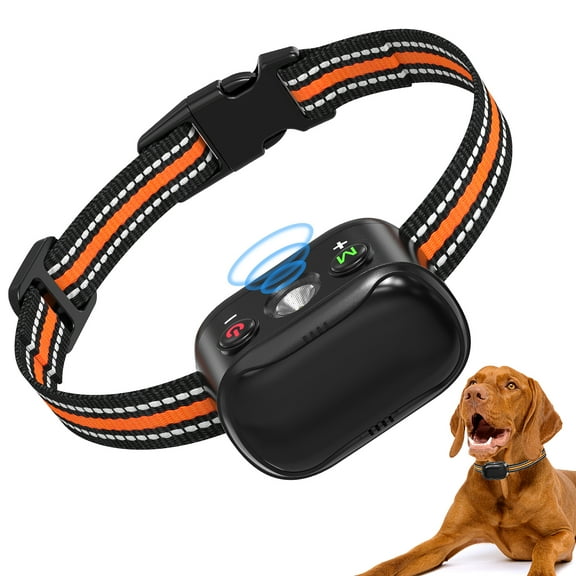
- You can compare bark control collars and other collar types by fit, guidance level, and intended use.
You can also train with confidence when your equipment supports indoor practice and outdoor sessions. Your routine may include the yard, the park, or neighborhood walks, so durability matters.
Choosing puppy training tools by life stage
You should consider your dog's age before choosing puppy training tools or other training aids. Your puppy often needs simple cues, frequent rewards, and gear that feels easy for you to manage.
An adult dog may need tools that support leash manners, recall, or focused obedience sessions. You can compare training whistles, clickers, and collars based on the command style you already use.
Your senior dog may benefit from familiar routines and equipment that's quick to put on and remove. You should look for straightforward designs that help you keep sessions calm and consistent.
What to look for in dog obedience equipment
You should check size guidance, collar sizing, and weight limits before choosing dog obedience equipment. You can avoid guesswork when you measure your dog and compare the product details carefully.
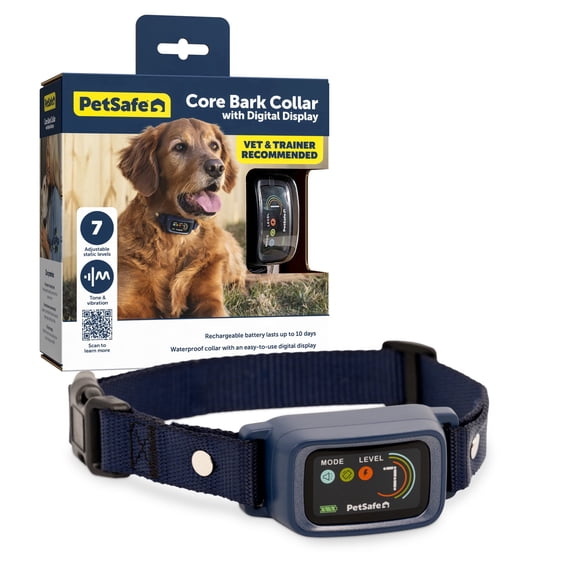
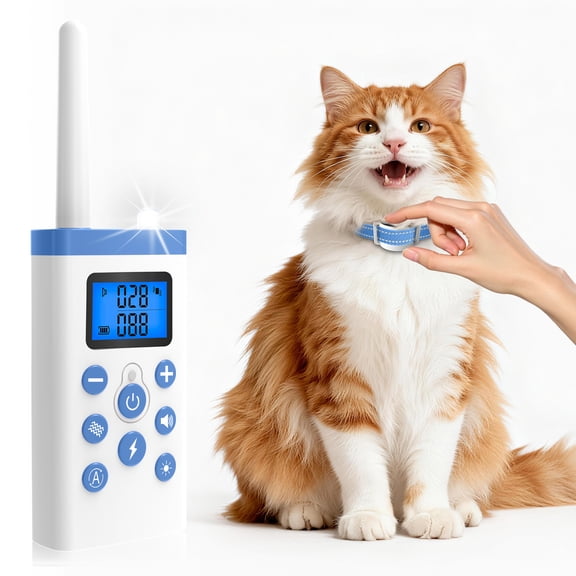
If you're considering electronic collars, you should review static stimulation levels and control settings. You can choose an option with adjustable levels, so your setup matches your dog's size and your training plan.
You should also think about ease of use, especially if you're starting a new routine. You may want simple buttons, clear indicators, and fast access to treats during short practice sessions.
For outdoor work, you can look for durable materials and weather-resistant construction. Your training sessions may include damp grass, light rain, or repeated daily wear, so sturdy gear can matter.
Matching tool types to your training goal
You can use clickers for marker-based obedience work, where exact timing helps your dog connect action and reward. Your treat pouch can support that method by keeping rewards ready at your side.
You may prefer whistles for distance cues during yard practice, recall work, or agility drills. Your whistle can stay consistent across outdoor spaces where your voice may carry differently.
When you're comparing training collars, you should match the collar type to your handling style and goal. Your head halter may support guided walking, while your martingale may help with controlled leash work.
If you're exploring bark control collars, you should check fit, settings, and intended use before deciding. You can compare how each option aligns with your dog's size, your routine, and your comfort level.
Use cases for everyday training routines
You can build a housebreaking routine with frequent trips outside, quick rewards, and a treat pouch that keeps snacks accessible. Your puppy training tools should support short, repeatable sessions throughout the day.
For basic obedience, you can pair dog clickers with treats during sit, down, stay, and come practice. Your sessions may feel simple to repeat when your timing stays consistent from cue to reward.
You can support loose-leash walking with the right collar type and clear handling cues during neighborhood outings. Your adult dog may respond well when your equipment matches both size and walking style.
For agility or active outdoor drills, you can use whistles and durable gear that handles repeated motion. Your setup should feel easy to carry, easy to reach, and ready for changing weather.
You can choose dog training obedience supplies confidently when you compare purpose, life stage, tool type, and fit. Your routine can become simple to maintain when your equipment supports clear cues and steady practice.