


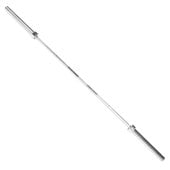
Barbell and Weight Bars in Weights
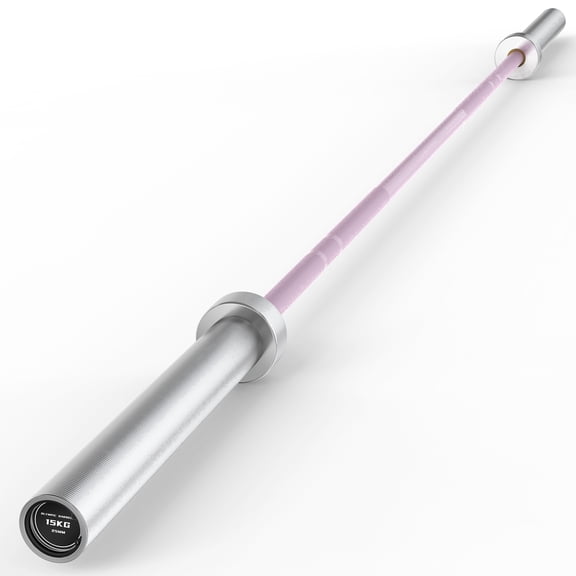


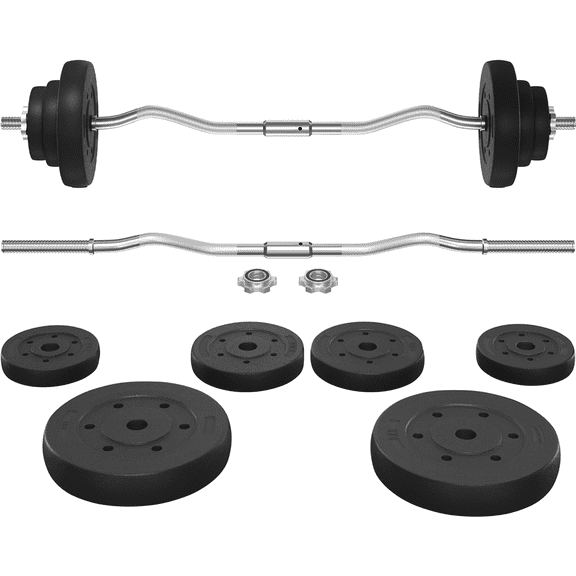
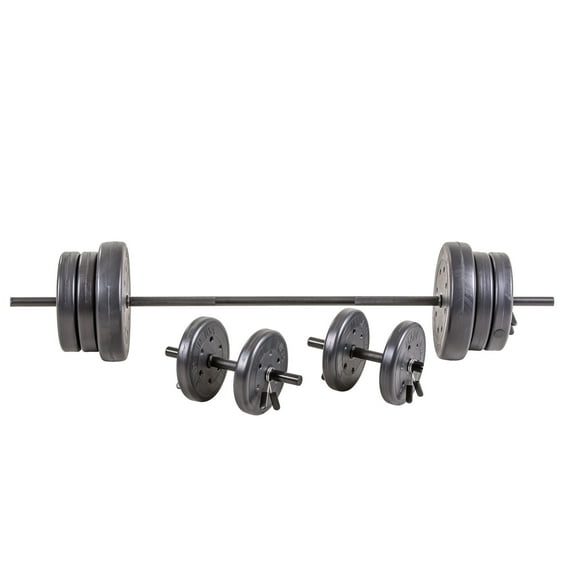


























About Barbell and Weight Bars in Weights - Walmart.com
Barbell weight bars help you build a home gym around the lifts you actually do. You can compare sleeve size, bar length, and grip texture before you choose a bar that fits your plates.
If you're replacing an old setup, you should start with compatibility and training style. You may want a straight weight bar for squats, an olympic barbell bar for heavy plate loading, or a curl barbell bar for arm work.
Choosing barbell weight bars for your setup
When you compare barbell weight bars, you should first match the bar to your plates. You can avoid frustrating fit issues by checking whether you need a 2 inch weight bar or a 1-inch standard option.
You should also measure your training space before you pick a length. A 7ft barbell gives you full-size reach, while shorter bars can suit tighter rooms and lighter setups.
- You can match sleeve diameter to your existing plates for a smoother setup.
- You can choose bar length based on rack width, floor space, and lift style.
- You can compare weight capacity ratings to your current and future training plans.
- You can pick grip texture based on comfort, control, and exercise type.
Another key benefit comes from choosing the right barbell type for your routine. You can keep one straight weight bar for core lifts or add specialty options for more targeted training.
You may also notice that the right bar changes how efficiently you train. You can move from bench presses to rows or curls with equipment that matches your programming.
Comparing olympic barbell bar, standard, curl, and trap designs
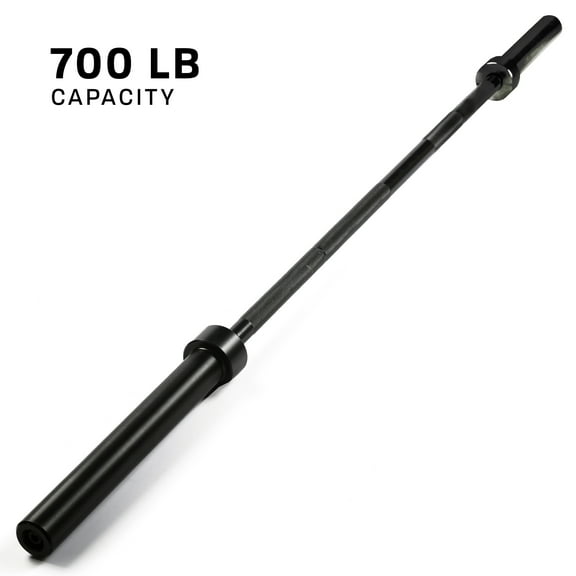
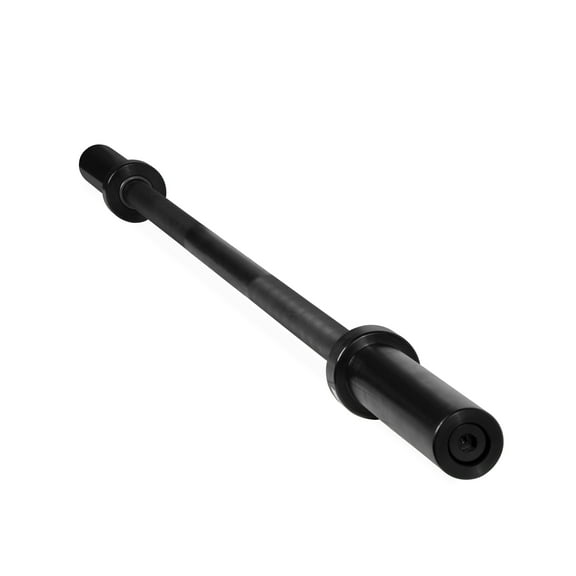
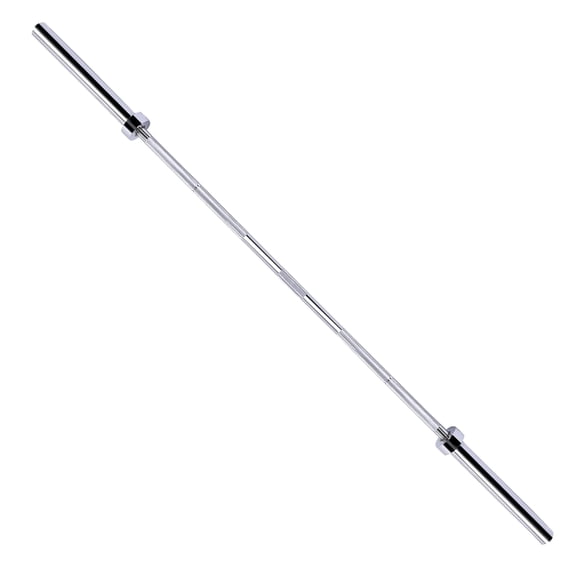
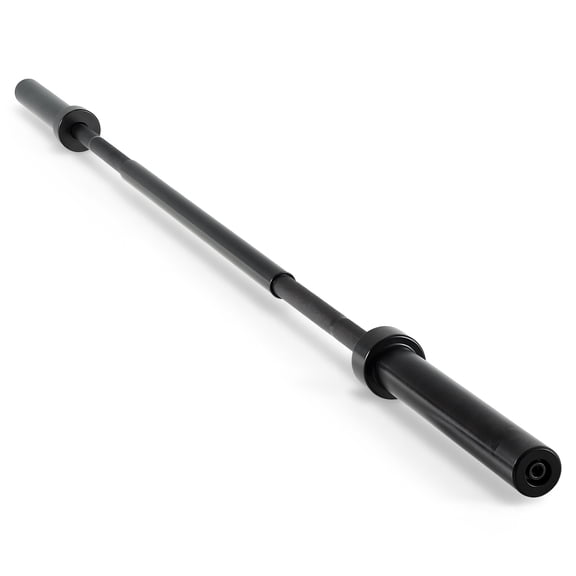
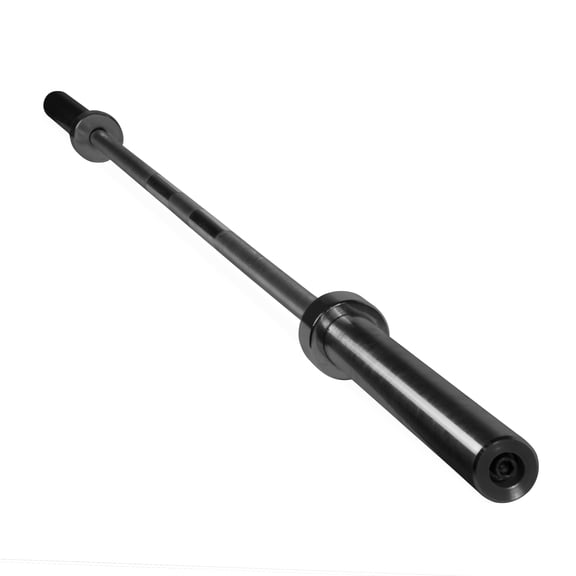
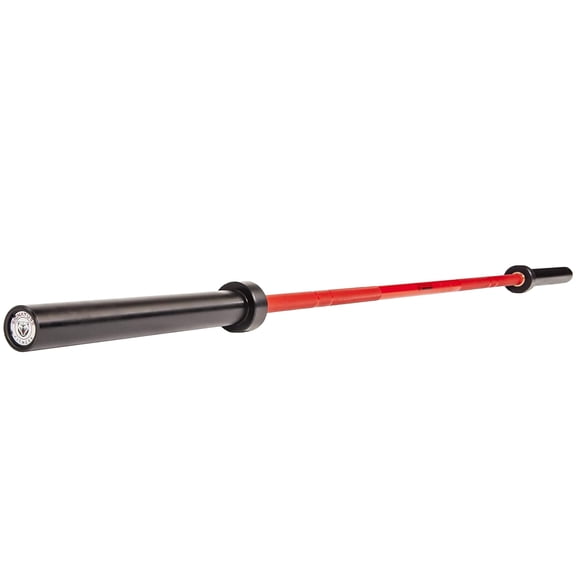
An olympic barbell bar usually uses 2-inch sleeves, which fit Olympic plates and many common racks. You can use that setup when you want wider compatibility and a familiar full-size lifting feel.
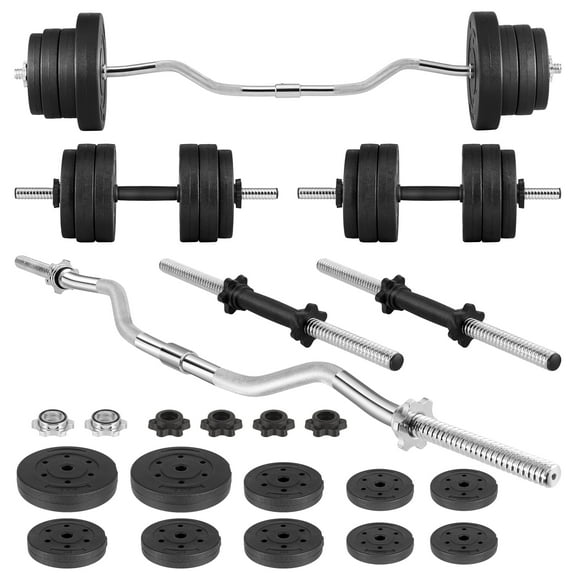
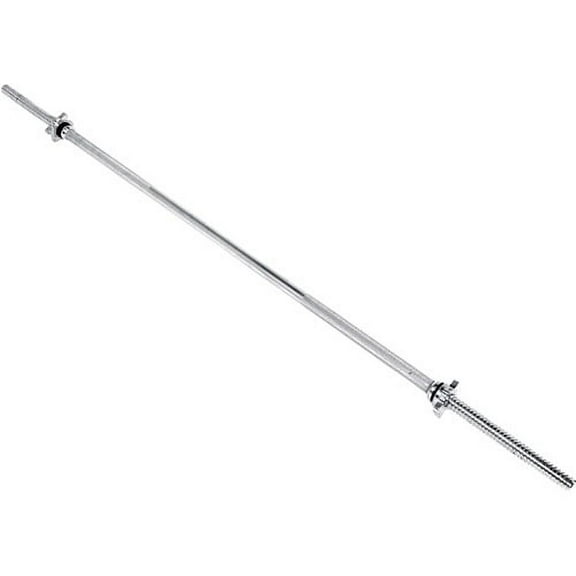
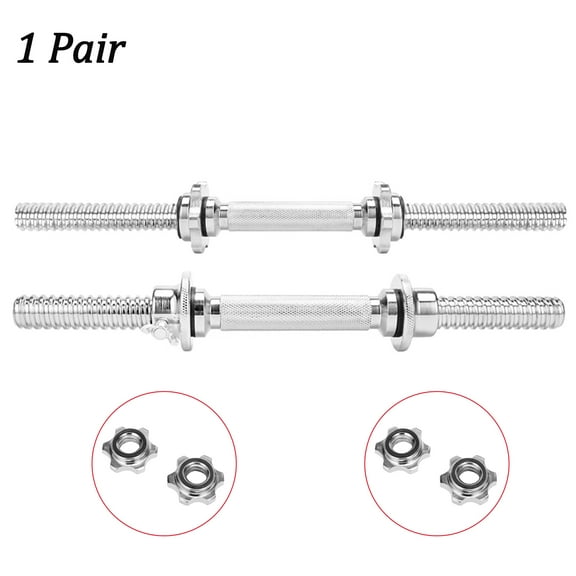
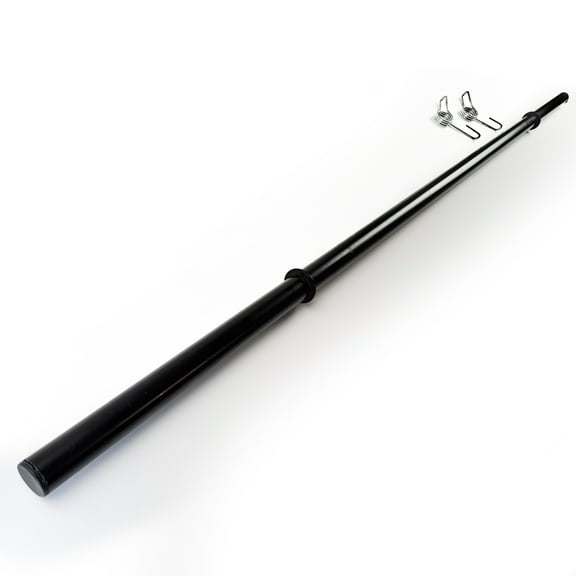
A standard bar uses 1-inch sleeves, which fit standard plates and compact home gym setups. You may prefer that option when your storage space is tighter or your plate collection is smaller.
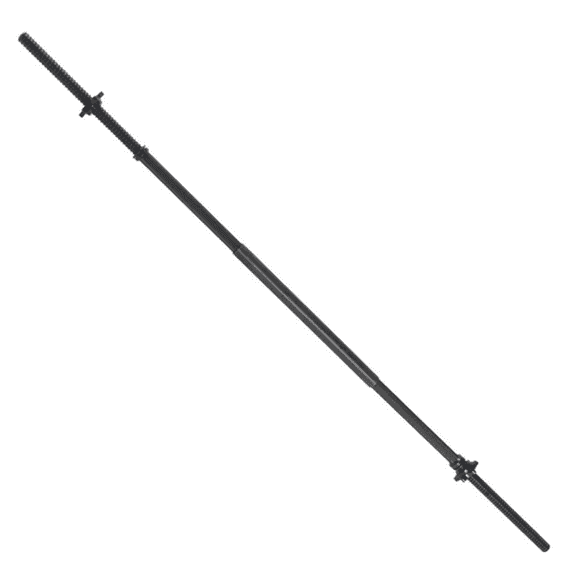
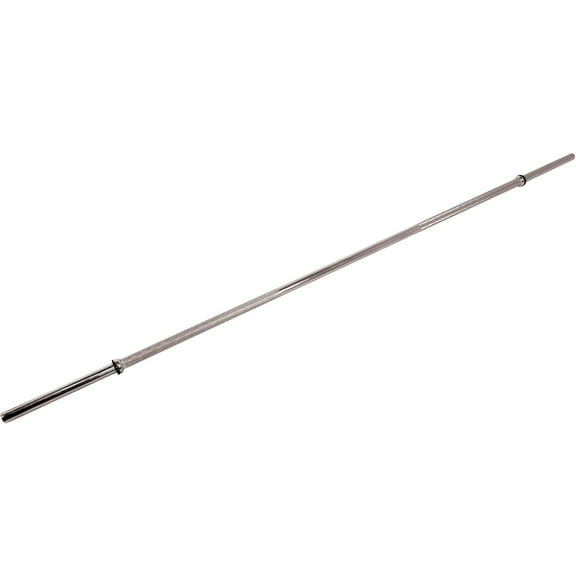
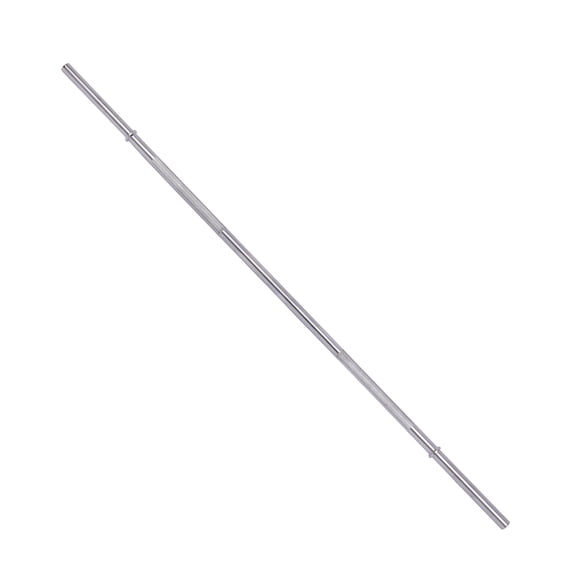
A straight weight bar supports staple lifts like presses, squats, rows, and deadlifts. You can make it the center of your setup if you want one bar for many exercises.
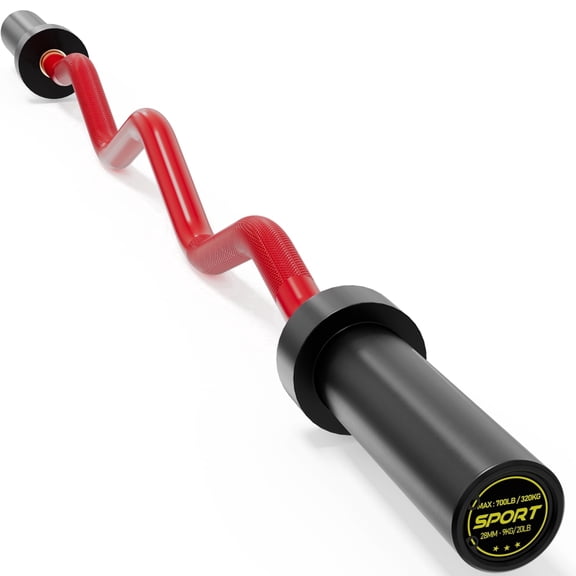
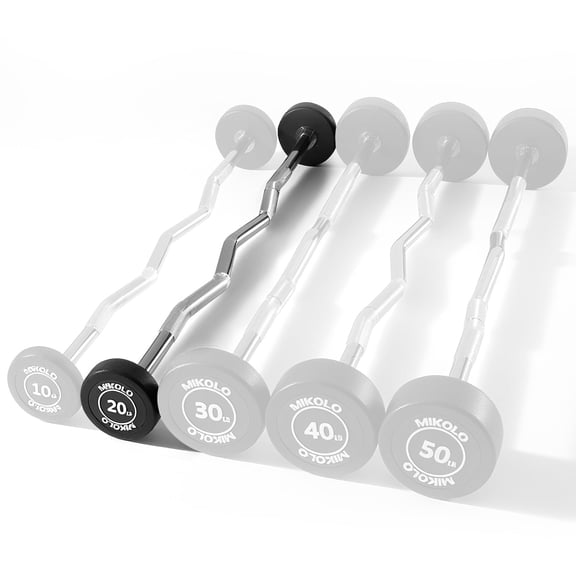
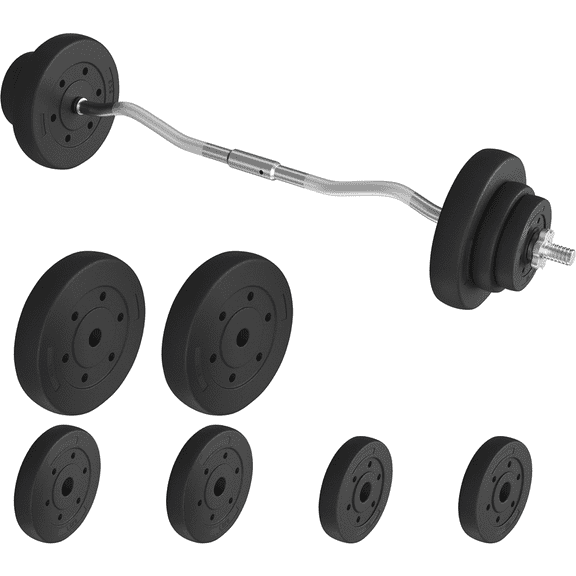
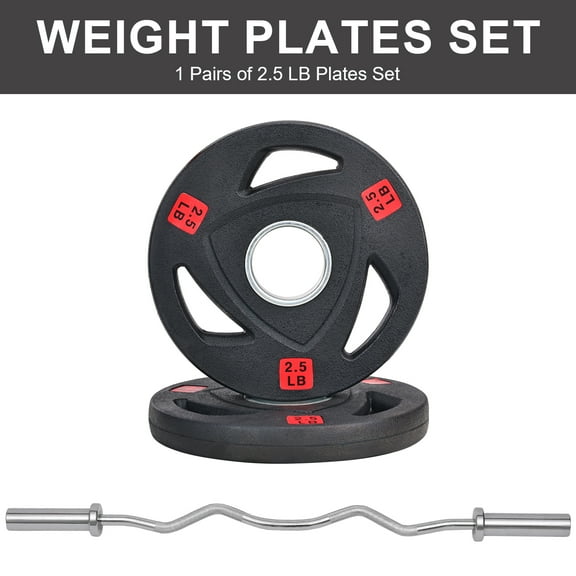
A curl barbell bar uses angled grips that change your hand position during curls and extensions. You may find that shape more comfortable for biceps and triceps sessions.
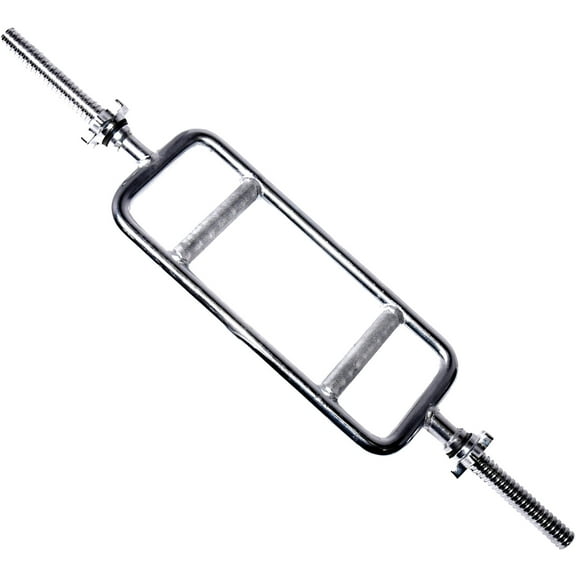
A trap bar places you inside the frame, which changes how you hold the weight. You can use that design for carries, shrugs, and deadlift-focused training with a different pulling position.
Checking weight capacity, steel specs, and bar length
You should compare weight capacity before you commit to a bar for progressive training. You may see options rated for 300 lbs, 500 lbs, 700 lbs, or 1000 lbs+.
Higher capacity bars often feature stronger steel and more demanding use. You should check the listed load rating and PSI details when you expect heavier lifts over time.
PSI refers to tensile strength, which helps you judge how the steel handles repeated loading. You don't need advanced jargon, but you should know that stronger steel often supports steadier long-term performance.
Length matters because it affects sleeve room, rack fit, and handling. You can choose a 5 foot bar for compact areas, a 6 foot bar for flexibility, or a 7ft barbell for full-size training.
You should also think about how much plate space you need on each side. You may want longer sleeves if your training includes larger Olympic plates or gradual load increases.
Understanding knurled barbell grip and sleeve details
A knurled barbell uses textured grip areas that help your hands stay set during lifts. You can compare aggressive knurling, dual knurling marks, and no center knurling based on your training style.
Aggressive knurling gives you a rougher feel, which many lifters use for secure grip. You may prefer a milder pattern if you want a smoother hand feel during higher-rep sessions.
Dual knurling marks help you place your hands consistently across different lifts. You can use those guides to line up your grip for presses, rows, and Olympic-style movements.
No center knurling creates a smoother middle section on the bar. You may prefer that design when you want less friction against your body during deadlifts or front-loaded movements.
Sleeve rotation and collar fit also matter when you compare bars. You should check whether your collars match the sleeve diameter so your plates stay positioned as you train.
Matching barbell weight bars to real training use
If you're building a starter home gym, you may begin with a straight bar and matching plates. You can create a versatile setup for presses, squats, rows, and floor lifts.
If your setup already uses Olympic plates, you should focus on a 2 inch weight bar. You can keep your equipment compatible across racks, benches, collars, and plate storage.
If your workouts center on arm days, you may want a curl barbell bar with angled grips. You can target curls, skull crushers, and close-grip movements with a different hand position.
If you train in a garage or spare room, you should measure width before choosing a full-size bar. You can use shorter bars where wall clearance or storage limits your layout.
If you're planning heavier deadlifts, squats, or bench sessions, you should compare higher load ratings and steel specs. You can choose a bar that supports long-term progression without outgrowing your setup quickly.
Barbell weight bars become easier to choose when you compare type, sleeve diameter, length, capacity, and knurling together. You can build a more complete home gym when your bar fits your plates, rack, and training plan.