

Bakeware Sets & Baking Pan Sets | Walmart
































About Bakeware Sets & Baking Pan Sets | Walmart - Walmart.com
Bakeware sets help you build an organized baking routine with coordinated pans, dishes, and tools for your kitchen. You can compare materials, piece counts, and coatings with ease when you choose a set designed around your favorite recipes.
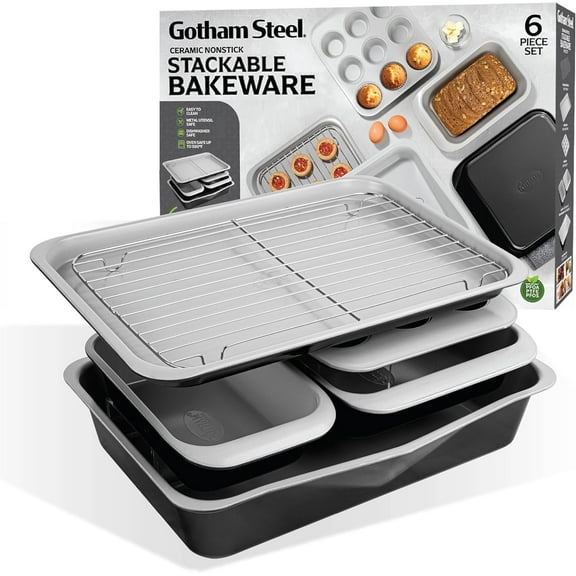
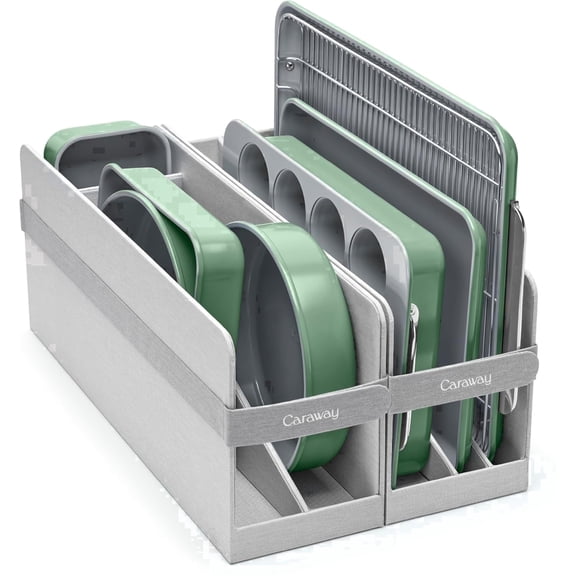
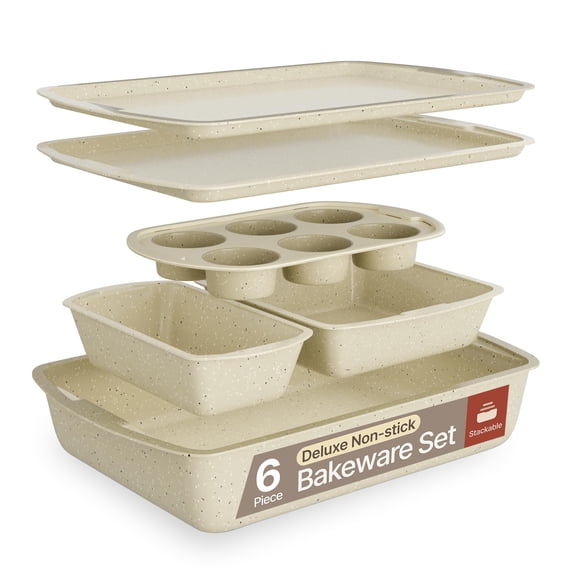
If you bake cookies one week and casseroles the next, you may want pieces that handle different temperatures and shapes without crowding cabinets. You can also choose sets that stack neatly, which helps your shelves stay organized.
How to choose bakeware sets by material
When you compare bakeware sets, material is often your first big decision because it affects browning, cleanup, and everyday handling. You may notice each material supports a different baking style, from sheet pan meals to oven-to-table casseroles.
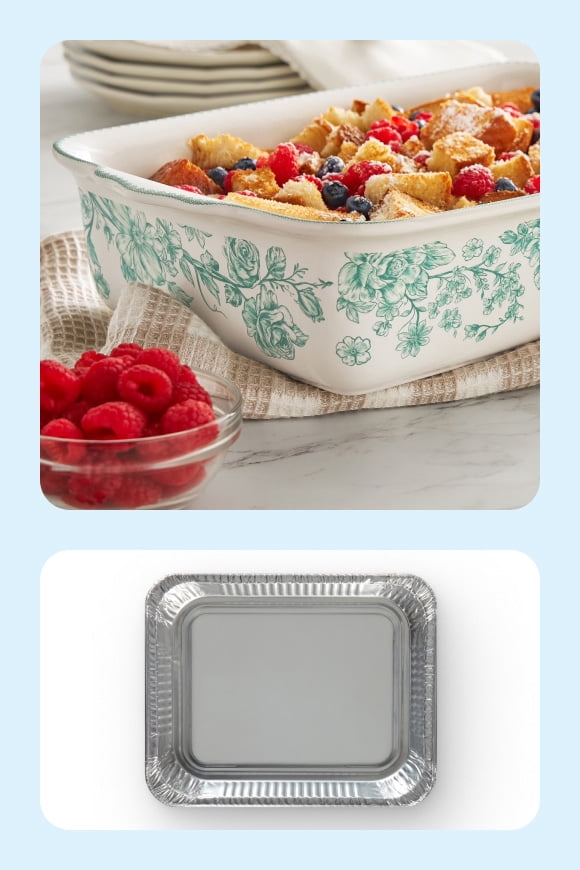
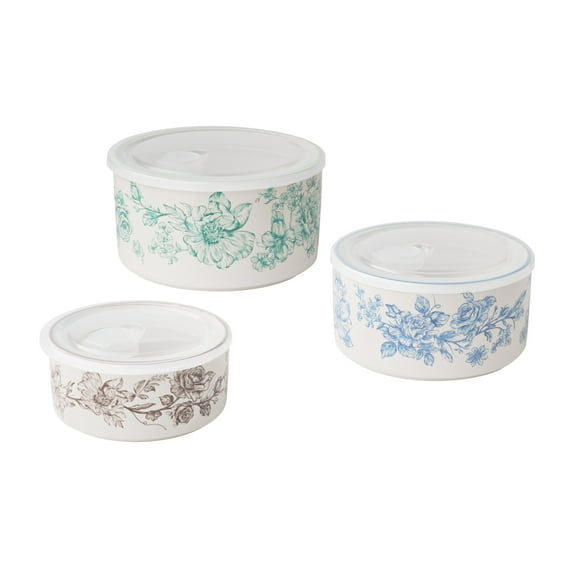
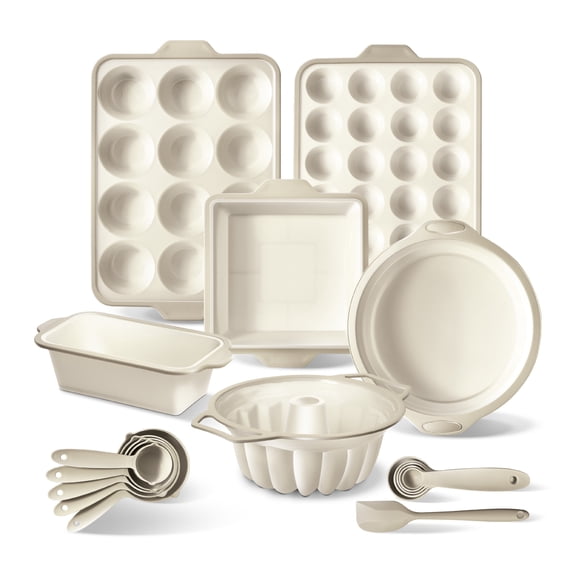
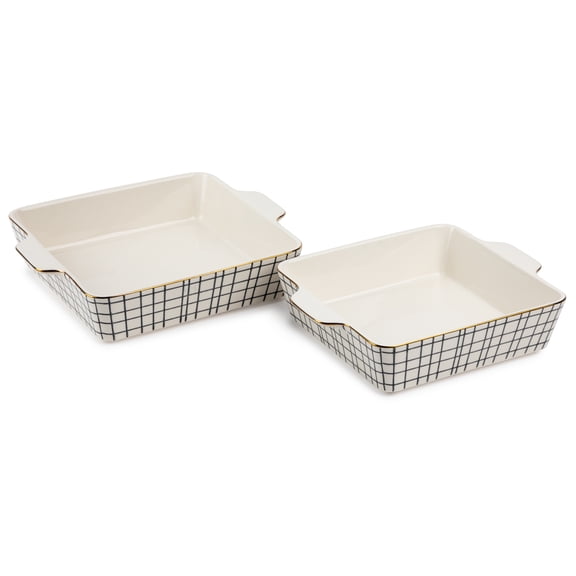
Ceramic baking sets can suit you when you want a polished look for serving and steady heat for baked dishes. You may prefer ceramic bakeware for casseroles, cobblers, and holiday baking sets that move from oven to table.
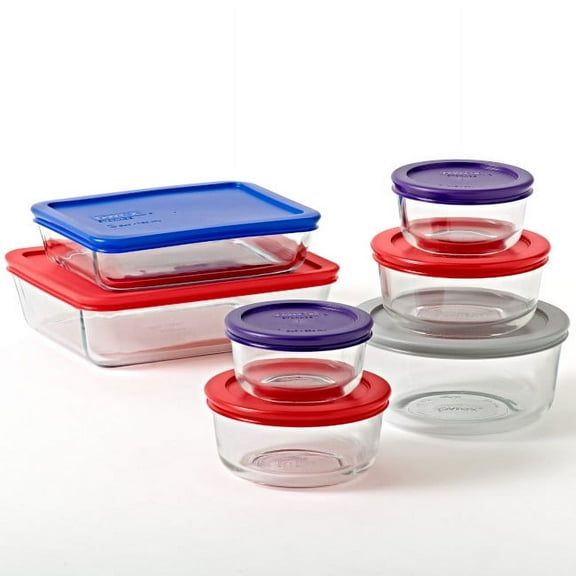
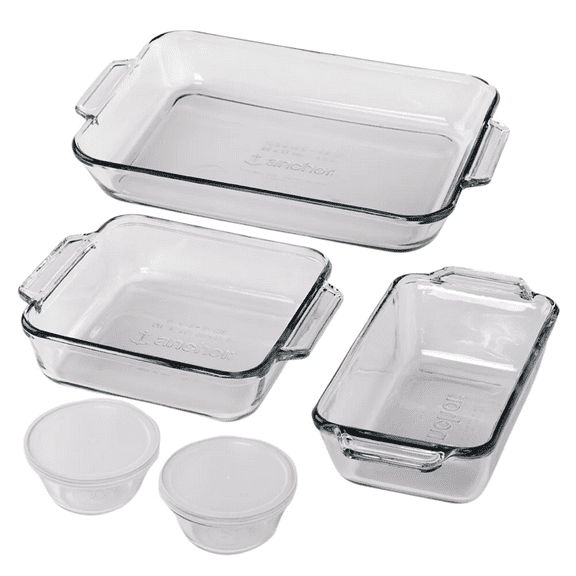
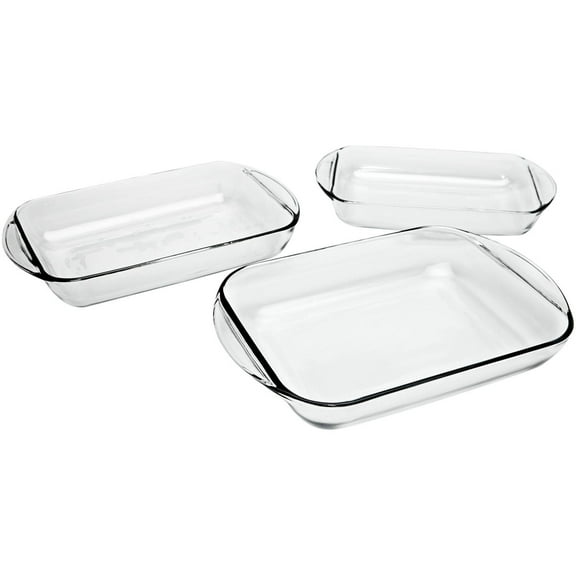
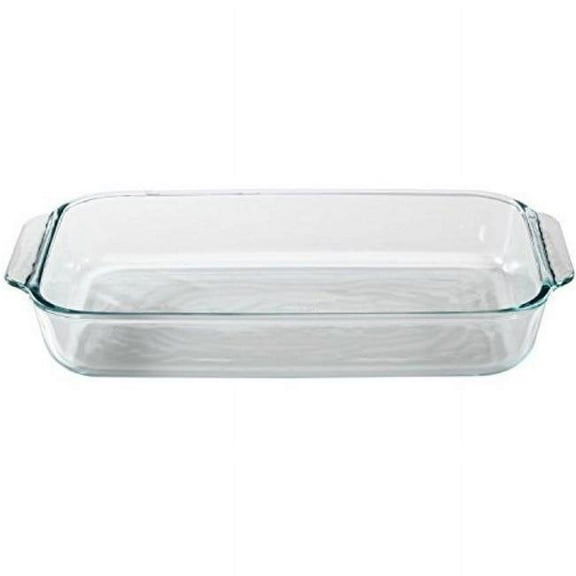
Glass bakeware sets can work well when you want to see browning along the sides and layers inside your dish. You should check thermal shock guidance, because glass-to-oven transitions depend on steady temperature changes and careful handling.
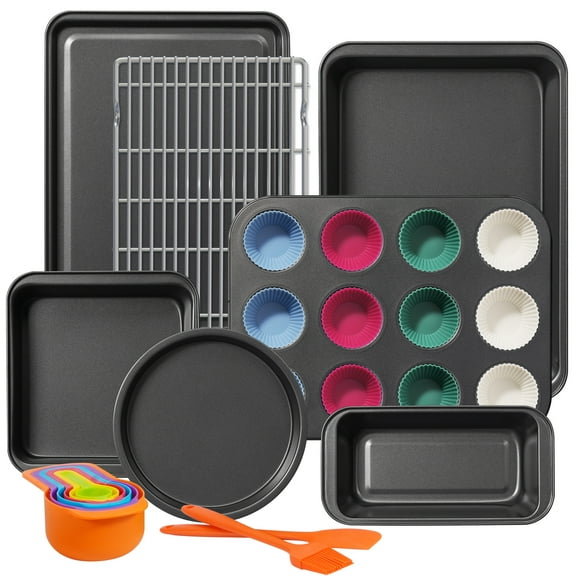
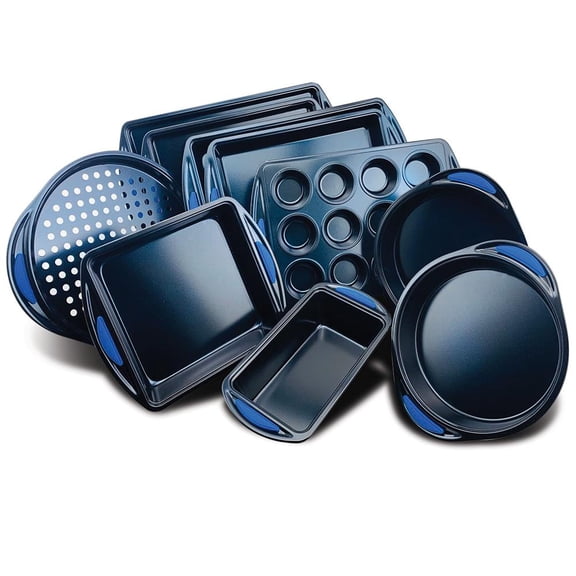
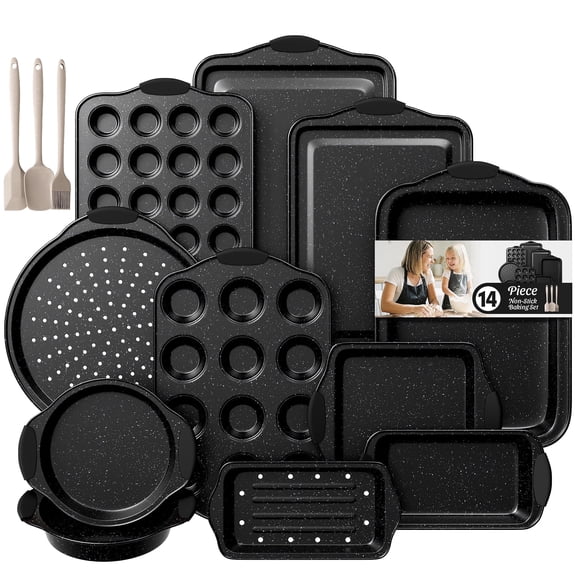
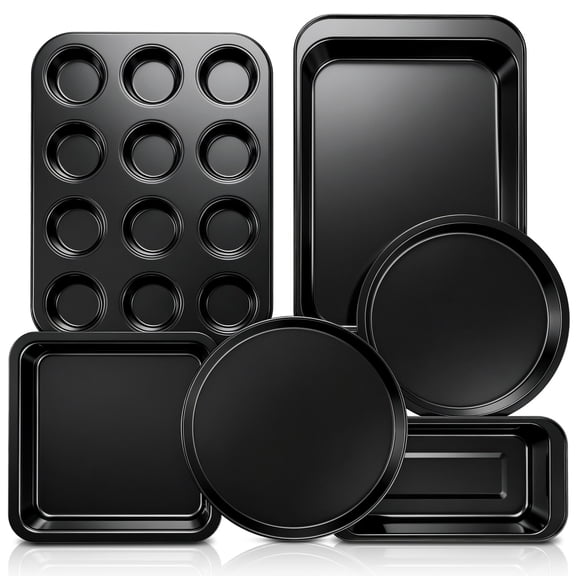
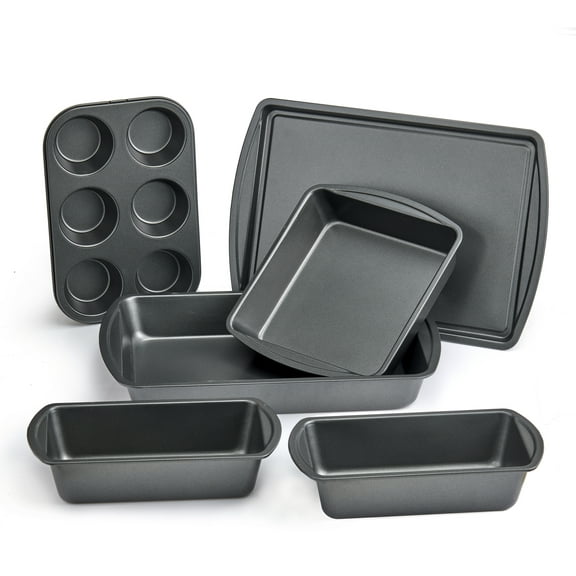
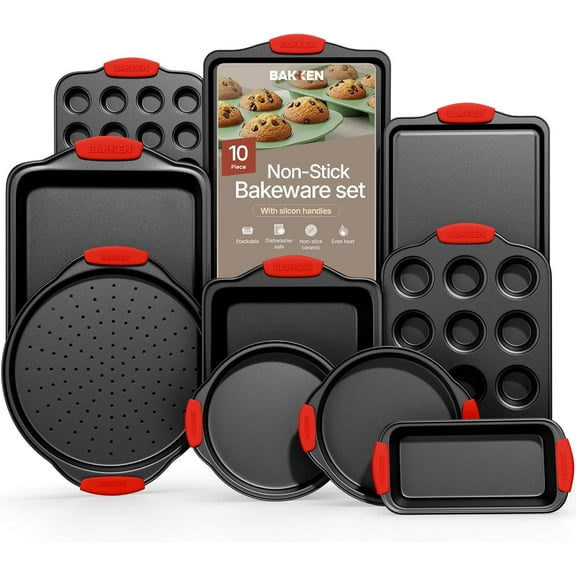
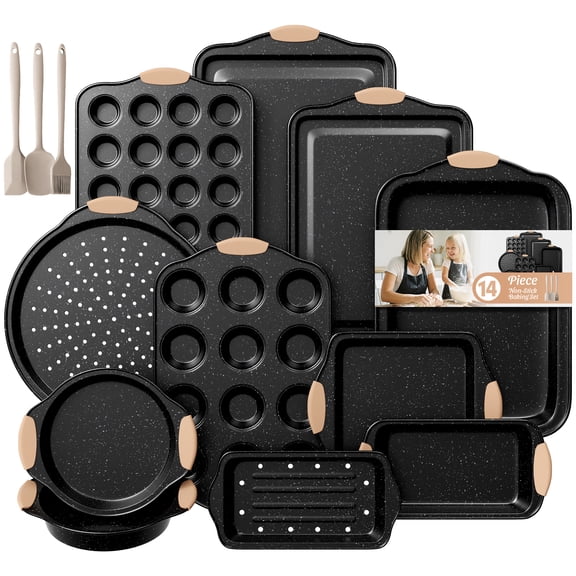
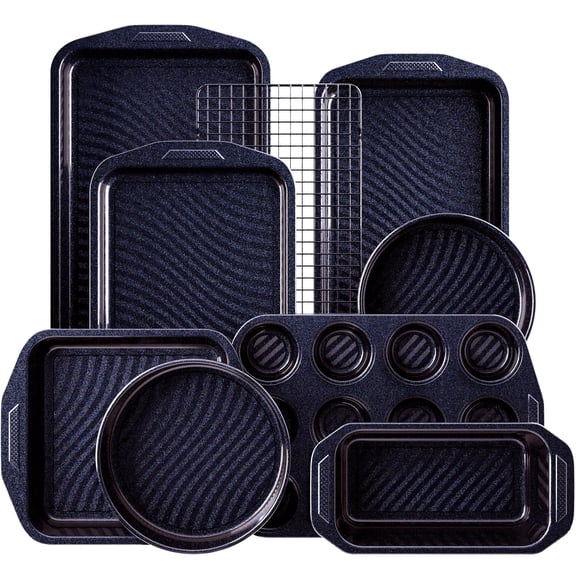
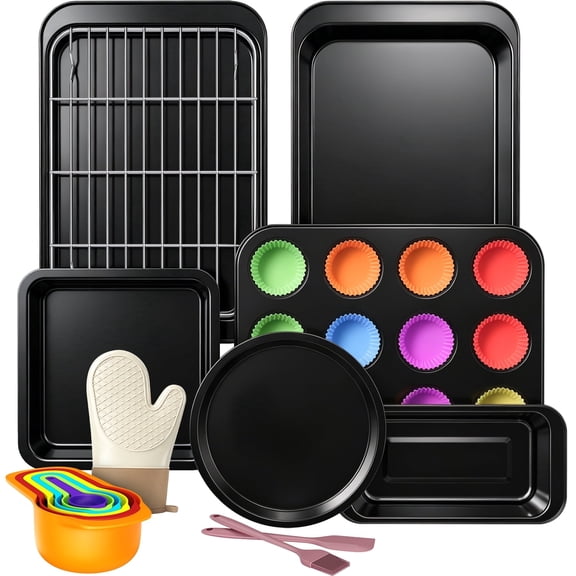
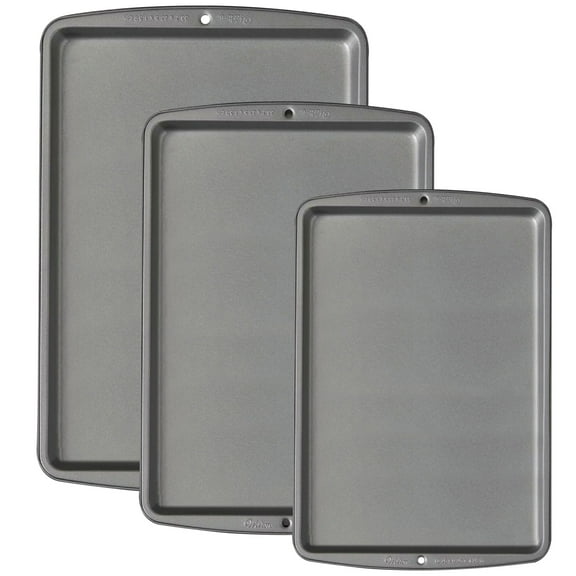
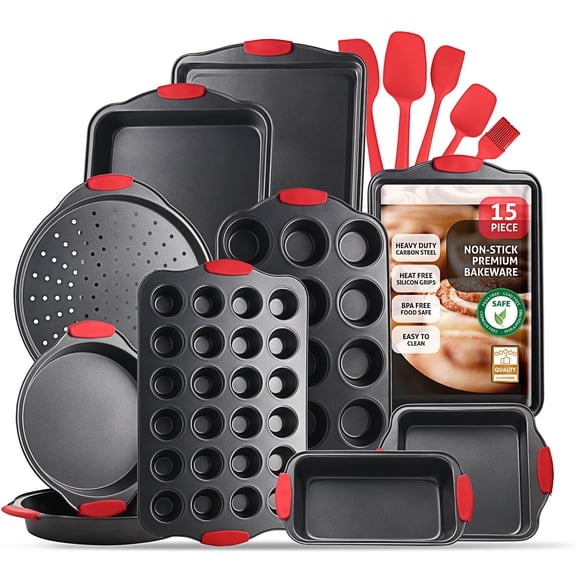
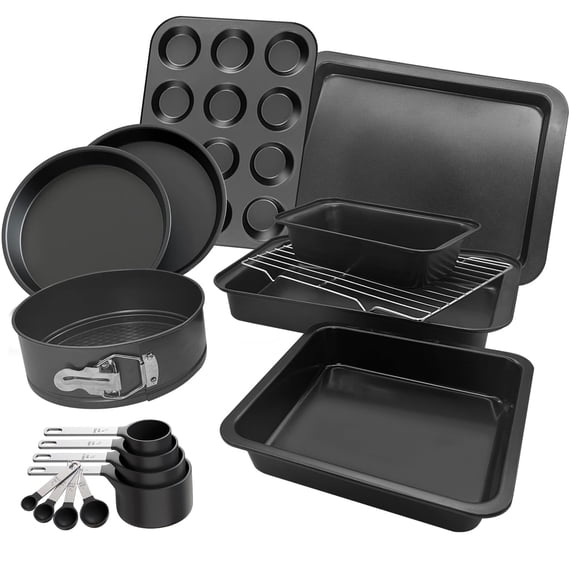
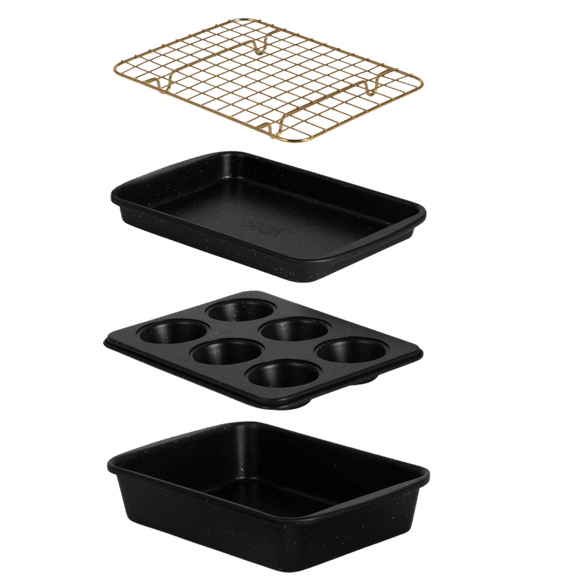
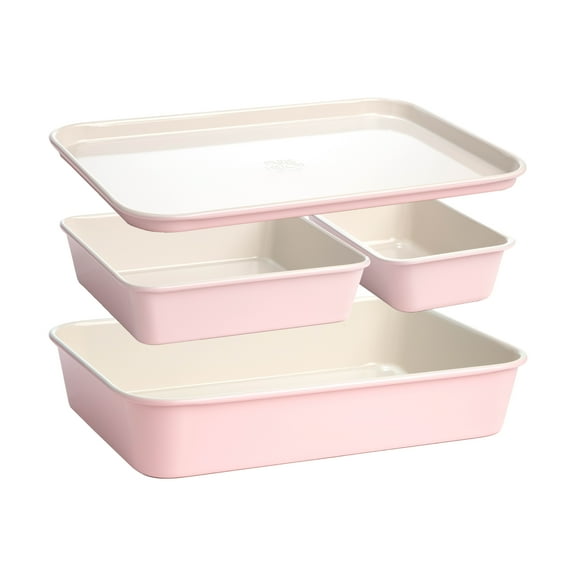
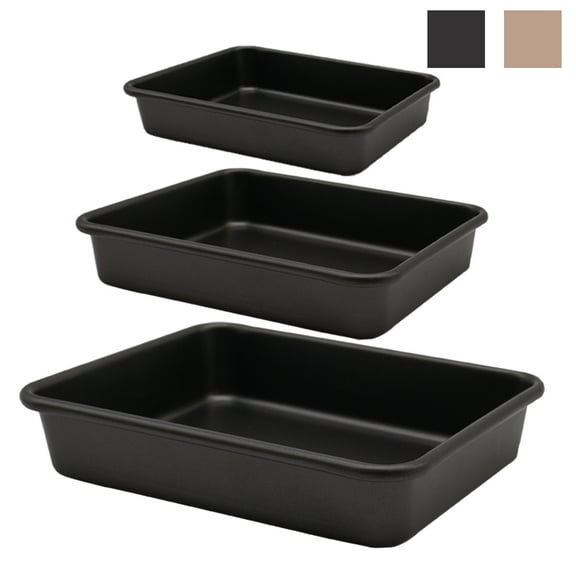
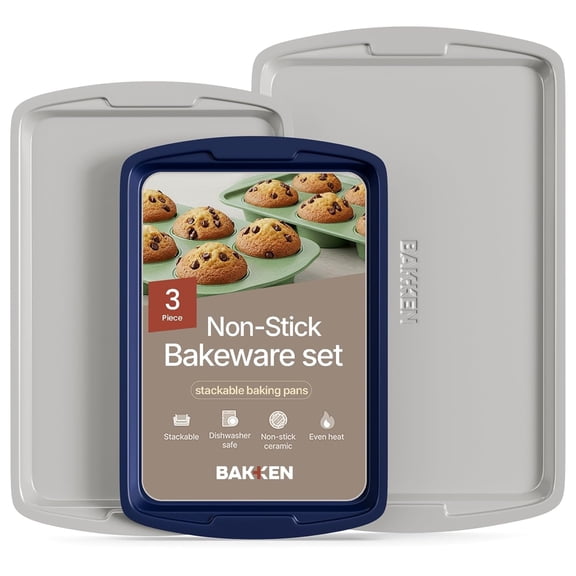
Nonstick metal options can fit your routine when you want quick release and familiar pan shapes for everyday baking. You may often see nonstick baking pans in sets with baking sheets, cake pans, and muffin pans.
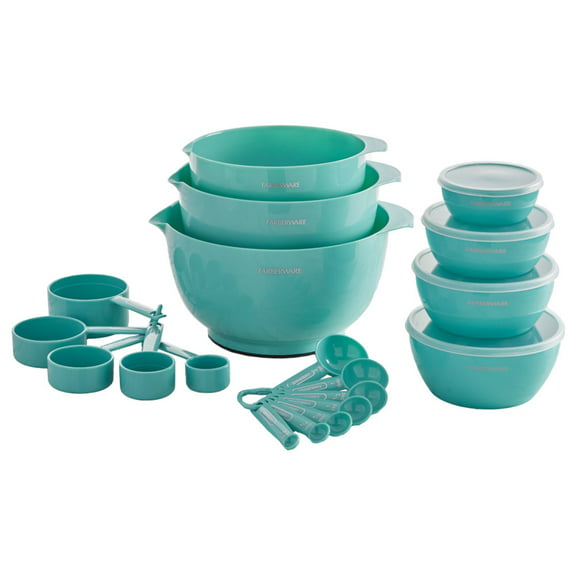
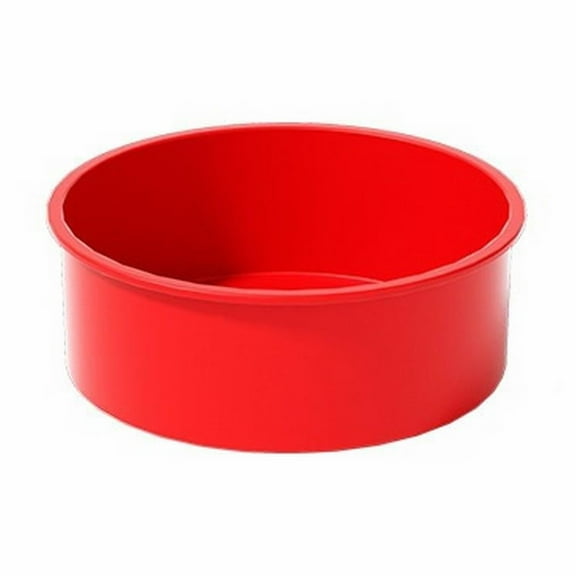
Silicone pieces can help you with flexible release and compact storage, especially when you use silicone baking mats or molds often. You may like silicone additions for easy handling of bite-size treats and lined sheet pan baking.
- You can choose ceramic when your recipes center on casseroles and oven-to-table presentation.
- You can choose glass when your recipes benefit from visible layers and steady baking progress.
- You can choose nonstick metal when your recipes call for cookie sheets, cake layers, and muffins.
- You can choose silicone when your recipes include small portions, liners, or reusable baking mats.
Choosing the right piece count in bakeware sets
Piece count matters because you don’t need the same setup for cookies, breads, and layered desserts. You should compare your usual recipes first, then match the set to the pans you actually reach for.
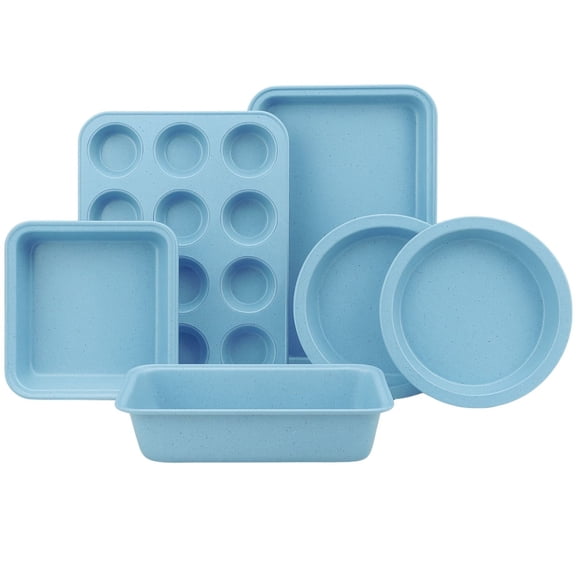
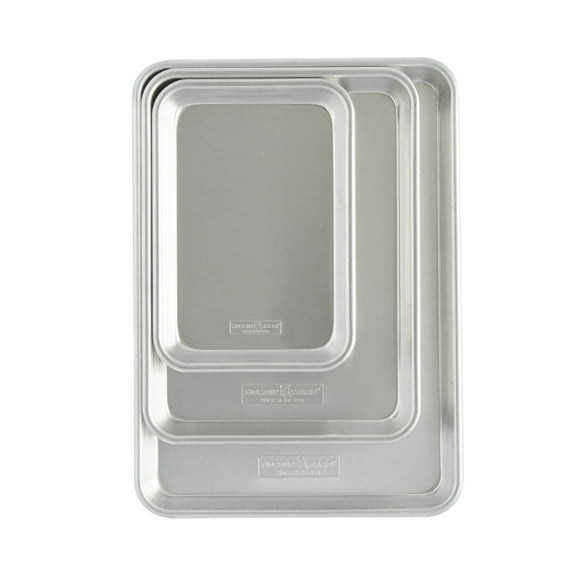
A three-piece set can suit you if you want core essentials without filling limited cabinet space. You may start with a baking sheet, a loaf pan, and a square or round cake pan.
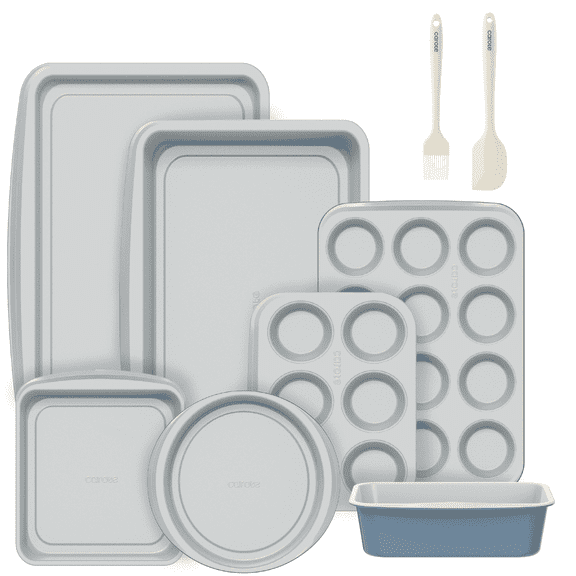
A 10-piece set can give you flexibility when your week includes cookies, muffins, and simple casseroles. You may often get a broader mix of cake pans, baking sheets, and muffin pans for regular use.
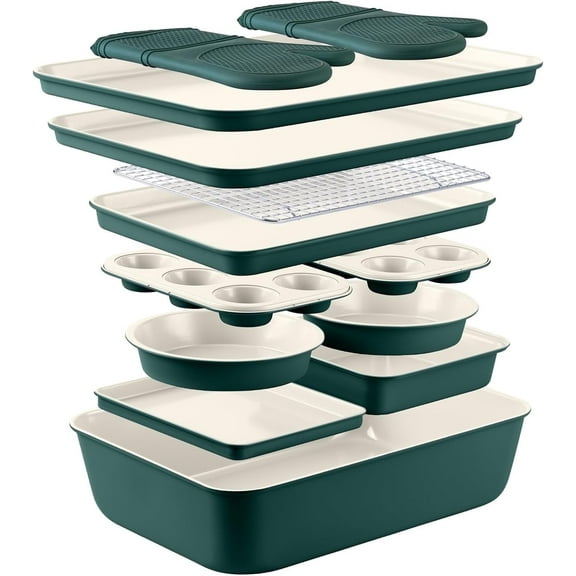
If you host often, an 18-piece or 24-piece set can support larger meal prep and dessert planning. You can keep multiple pan sizes ready when your menu includes breads, bars, roasted sides, and thanksgiving bakeware tasks.
You should also look at set composition, not just the number on the box. A larger count helps only when your set includes shapes you use, such as deep dishes for casseroles or loaf pans for bread making.
Choosing coating and care details
Coating can affect how your pans release food, how you clean them, and how you maintain them over time. You should compare PTFE-free, PFOA-free, ceramic coated, and uncoated options based on your cooking habits.
If easy release matters to you, coated surfaces can simplify cleanup after cakes, muffins, and roasted dishes. You may want ceramic coated or other nonstick finishes when sticky batters are part of your regular routine.
If straightforward construction matters to you, uncoated pieces can feel familiar and simple to maintain with the right prep. You should check care details closely, because dishwasher compatibility and utensil guidance can vary by finish.
Safety language is another detail you may compare while narrowing your options. You can look for PTFE-free or PFOA-free labels when those coating details matter for your kitchen preferences.
After a full baking day, you may want cleanup and storage to feel manageable. You should look for smooth interiors, rounded corners, and nesting shapes when cabinet order matters to you.
Matching baking sets to everyday baking and hosting
Your recipes can point you toward the right set quickly, guiding you through key features. You should match your pans to the dishes you make frequently, whether that means weeknight breads or large holiday desserts.
For everyday baking, you may want a balanced mix of baking sheets, cake pans, and a muffin pan. You can handle cookies, cupcakes, sheet pan dinners, and snack prep with fewer gaps.
For casseroles, you may prefer ceramic baking sets or glass bakeware sets with deeper dishes and practical handles. You can move from baking to serving smoothly when your dish works well for table presentation.
For bread making, you should look for loaf pans and shapes that fit your favorite recipes and batch size. You may also want a set that stacks cleanly, because taller pans can crowd smaller cabinets.
For holiday hosting, you can compare larger bakeware sets with varied pan sizes and extra serving-ready pieces. You may appreciate that range when your menu includes cookies, stuffing bakes, side dishes, and dessert bars at once.
Storage can shape your choice just as much as baking performance. You should measure your cabinet depth and look for nesting designs when you want your set to stack neatly after cleanup.
Why coordinated bakeware sets support planning
Coordinated bakeware sets help you plan recipes, organize storage, and keep useful pan shapes close at hand. You can choose with confidence when you compare material, piece count, coating, and use case together.
Whether you bake for weeknights or holiday tables, you can get a setup that fits your space and supports the recipes you make often. You can spend less time improvising with mismatched pans and enjoy more consistent baking results.