

Backsplashes in Kitchen Fixtures and Materials


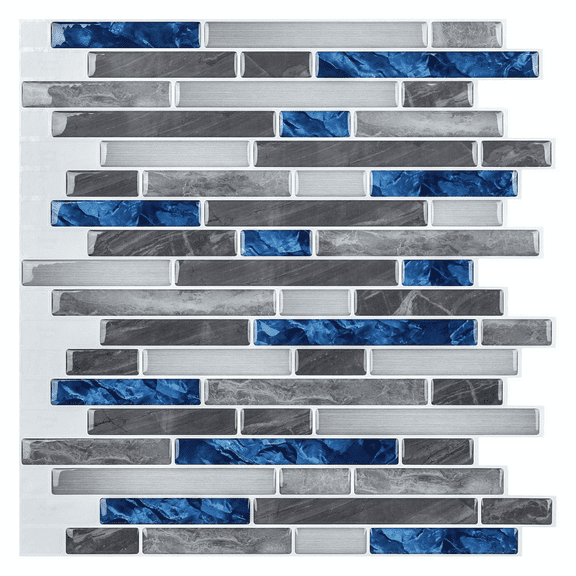


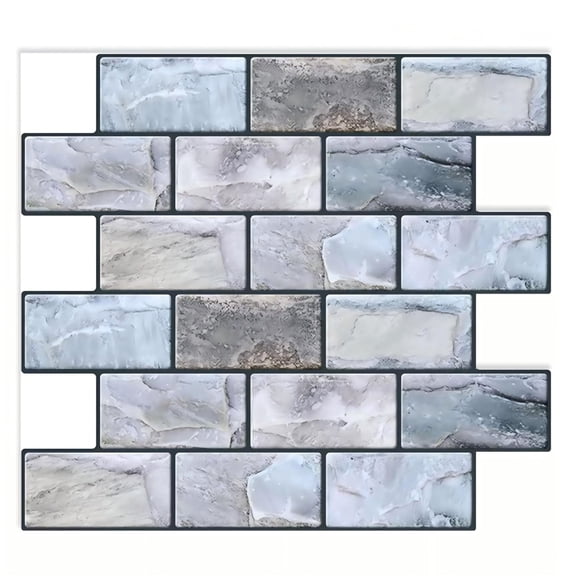


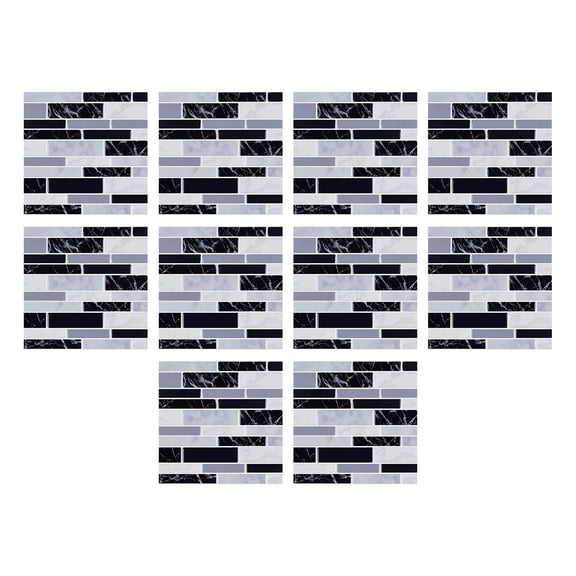


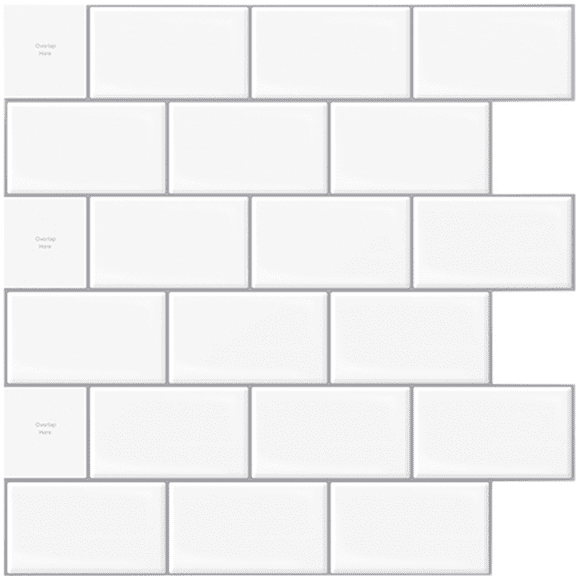



















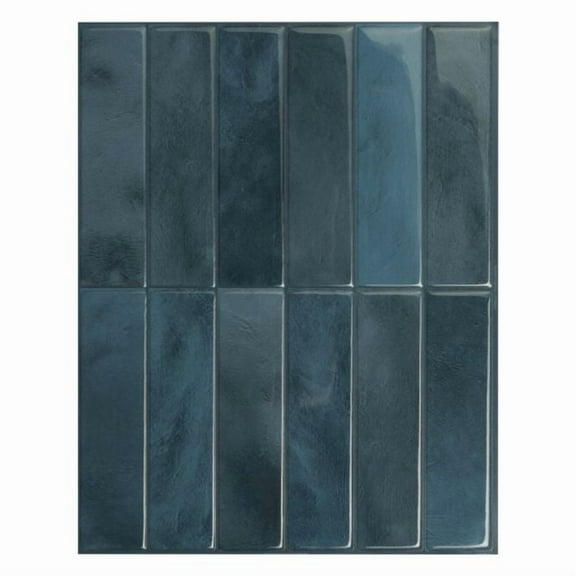


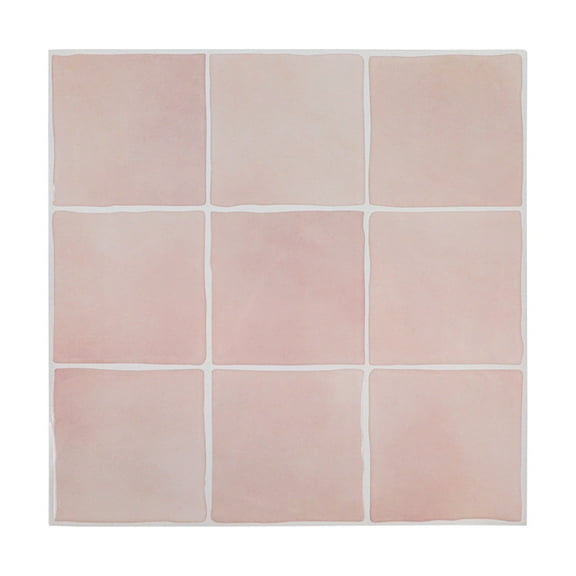


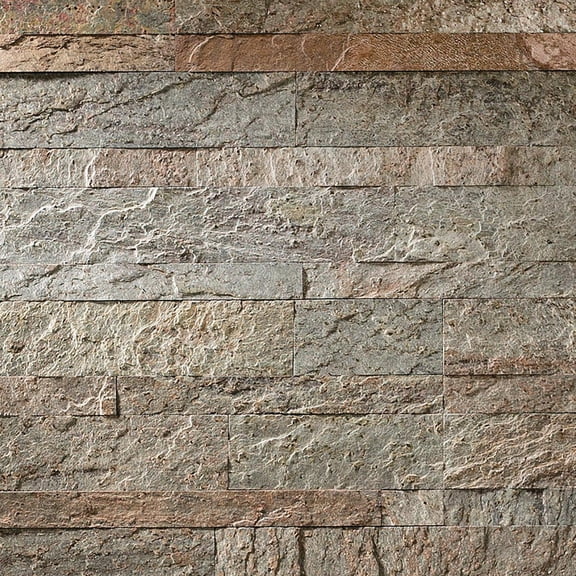


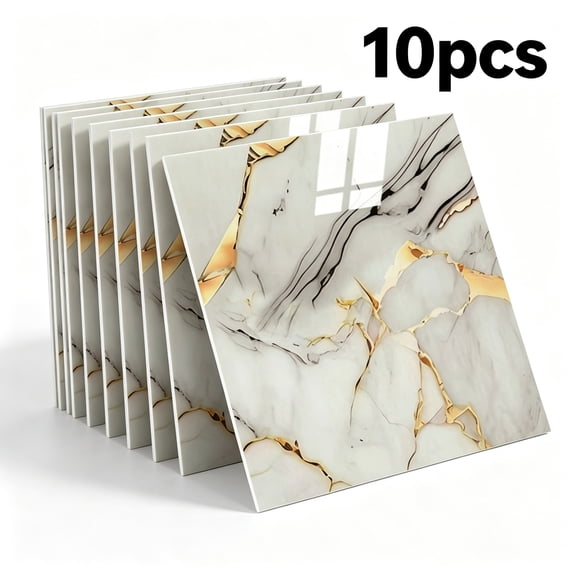


About Backsplashes in Kitchen Fixtures and Materials - Walmart.com
Your backsplash for kitchen can change how your space looks and how easily you clean everyday splashes. You can compare peel and stick sheets, tile, and panels by material, installation, and coverage before you choose.
When you plan a backsplash kitchen update, you usually want style that also handles steam, grease, and wipe-downs. You can use this guide to compare options for kitchen walls, behind stoves, and other hardworking spots.
How to choose a backsplash for kitchen
You should start with the wall area, the look you want, and the installation effort you can handle. You can often narrow your options quickly by choosing material, format, and adhesive style first.
Many shoppers want a surface that wipes clean without extra fuss after cooking. You may also want a finish that fits cabinets, counters, and faucet hardware without clashing.
- You can get a fast room refresh with peel and stick sheets or self-adhesive panels.
- You can create a more traditional installed look with mortar and grout tile formats.
- You can choose smooth surfaces when you want easier wipe-downs after everyday cooking.
- You can compare coverage per pack and add extra material for cuts and corners.
Choosing material for your kitchen wall
You should compare material first because it affects shine, texture, and upkeep. You can find glass, ceramic, stone, metal, and vinyl options for different rooms and install styles.
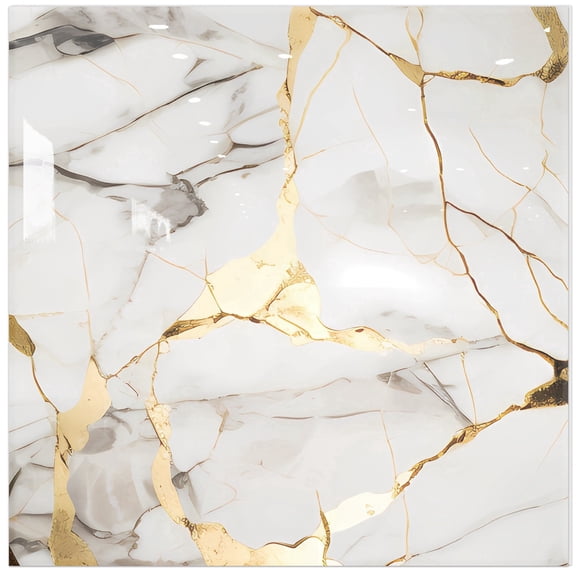
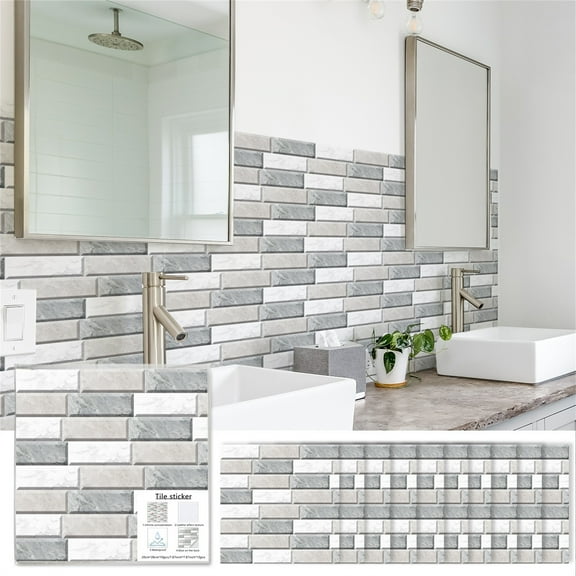
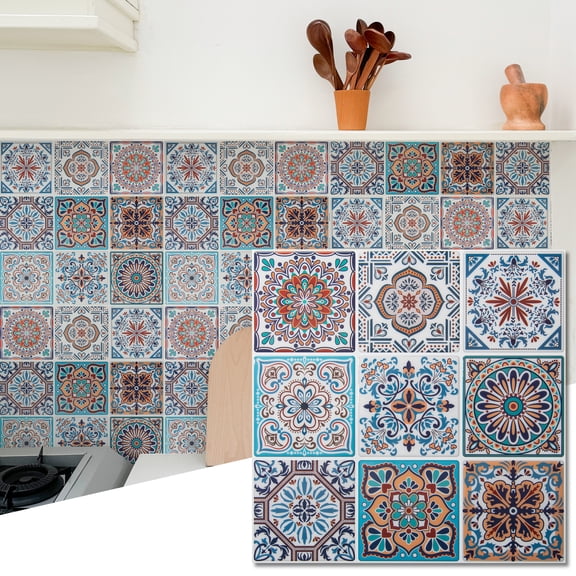
Glass can give your kitchen backsplash tile a bright, reflective look that helps smaller kitchens feel more open. You may prefer ceramic when you want a classic surface with many colors and patterns.
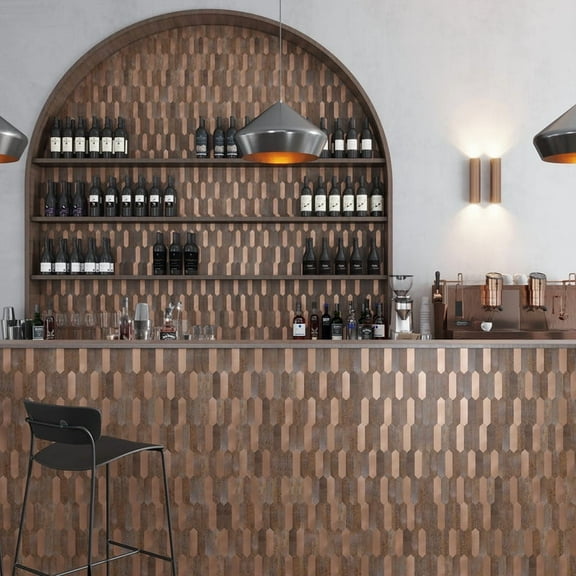
Stone can add natural variation, but you should check whether the texture means more detailed cleaning. You may like metal when your kitchen has stainless accents and you want an industrial feel.
Vinyl often appeals when you want lighter sheets and a simpler DIY setup. You should also check the product details for heat resistance limits and fire rating guidance behind cooking areas.
If you need a backsplash for kitchen wall space near a range, you should review placement notes carefully. You can use those details to confirm whether a material suits behind-stove installation or another wall zone.
Comparing installation types and DIY effort
You should decide early whether you want a quick update or a more involved tile project. You can usually install peel and stick backsplash for kitchen spaces with fewer tools and less prep time.
Peel and stick and self-adhesive styles can work well when you want straighter planning and fewer installation steps. You should still measure carefully and prepare a smooth, clean surface before applying sheets.
Mortar and grout installations can give you a familiar tile finish with more layout flexibility. You may prefer this route when you want individual tile placement or a permanent built-in appearance.
You should also think about cleanup after installation, because grout lines can change your maintenance routine. You can reduce daily wipe-down effort by choosing larger pieces or smoother panel surfaces.
Choosing the right format and coverage
You should compare format next because it changes both the look and the install experience. You can choose subway tile, mosaic sheets, hexagon tile, or kitchen backsplash panels for different design goals.
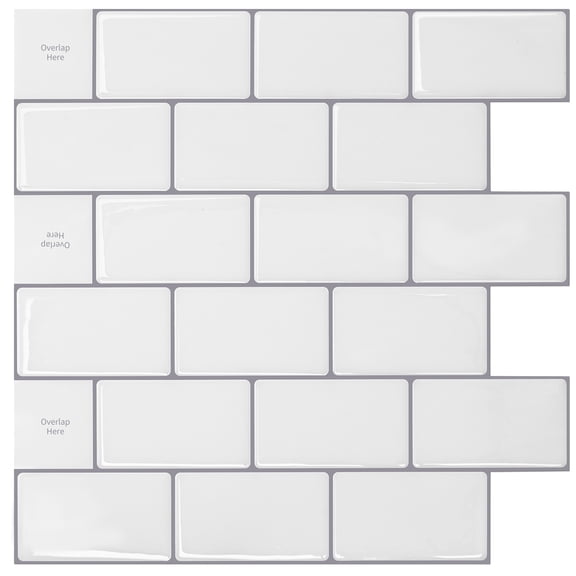
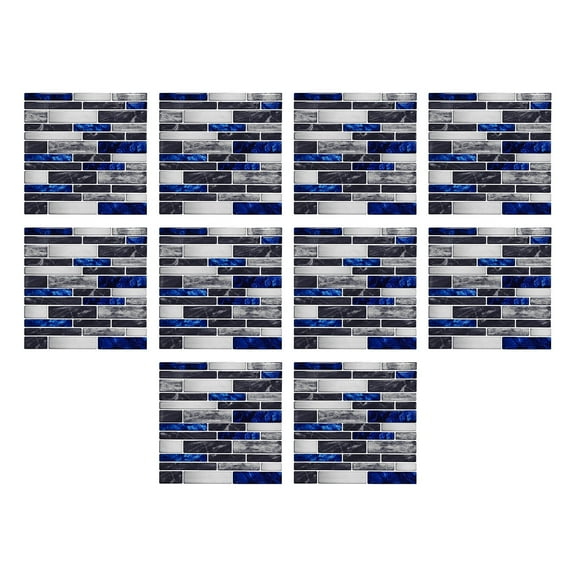
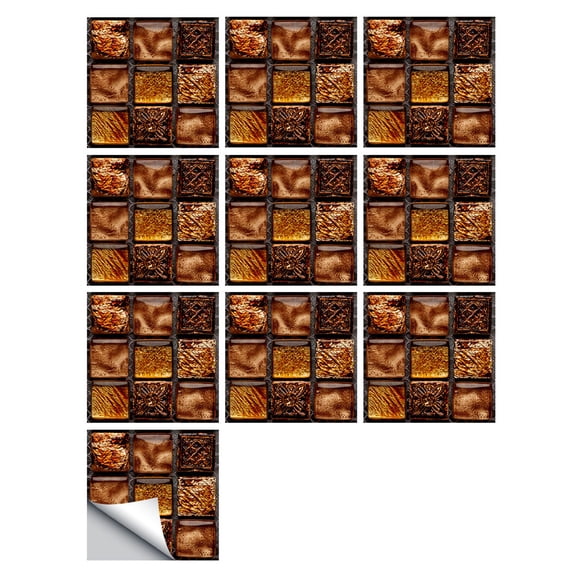
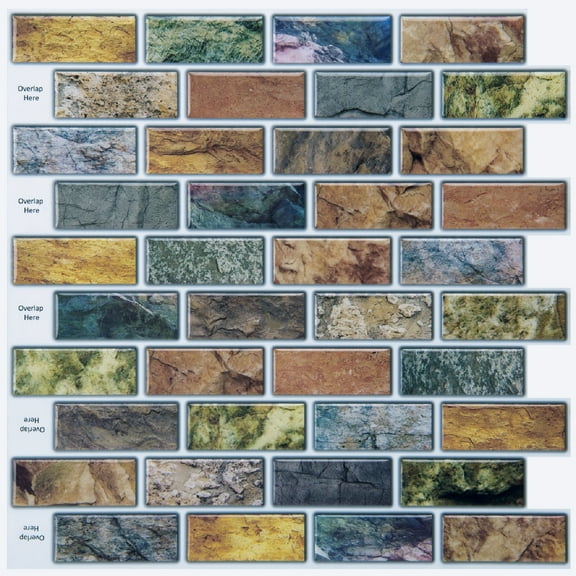
Subway tile gives you a familiar linear layout that works with many cabinet styles. Mosaic sheets can help you add small-scale detail without placing each tiny piece one by one.
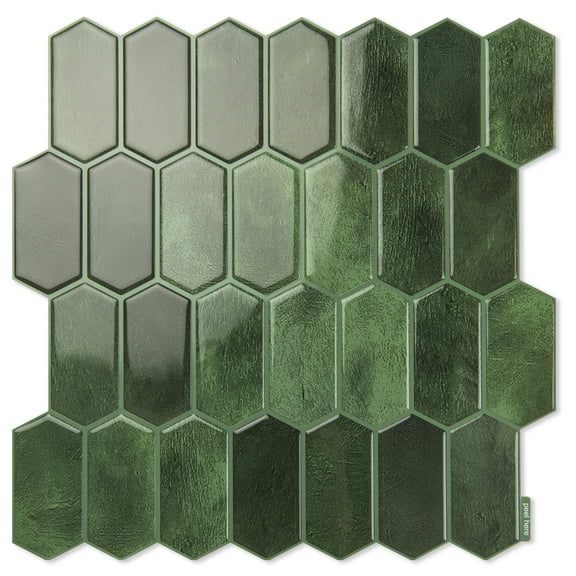
Hexagon tile can create a patterned focal point, especially on a cook zone wall. Wall panels can help you cover larger areas faster with fewer seams to line up.
You should always check how many square feet each pack, sheet, or panel covers. You can measure your wall width and height, then add extra material for cuts, outlets, and edge trimming.
Most shoppers add a little extra for waste so the project stays consistent across corners and pattern matches. You can avoid mismatched reorders when you confirm coverage before checkout.
Peel and stick backsplash for kitchen projects
You may want peel and stick styles when you need a cleaner DIY process in an active home. You can often update a breakfast nook wall, rental-friendly area, or small cooking zone with less setup.
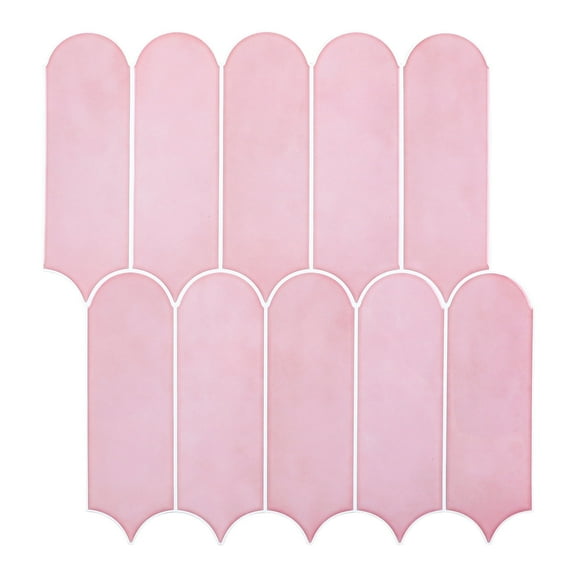
These formats can be useful when you want the look of tile without mixing mortar or grout. You should compare adhesive style, sheet size, and surface finish before choosing your design.
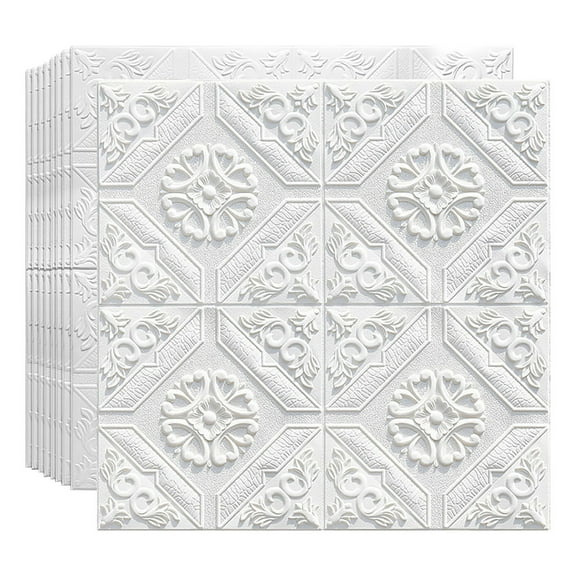
You can also use kitchen backsplash panels when you want broad coverage and fewer grout lines. Panels can make sense when you prefer a sleek visual line across longer counters or sink runs.
Matching application area to performance
You should match your selection to the part of the room you plan to cover. You can use one style on a full kitchen wall, another behind the stove, and another on an accent area.
Behind a stove, you should pay close attention to heat resistance limit and fire rating details. You can use those specifications to compare whether a material suits that higher-heat placement.
Around a sink or prep zone, you may focus more on moisture exposure and easy wipe-downs. You can often simplify cleaning by choosing smooth finishes and fewer recessed grout lines.
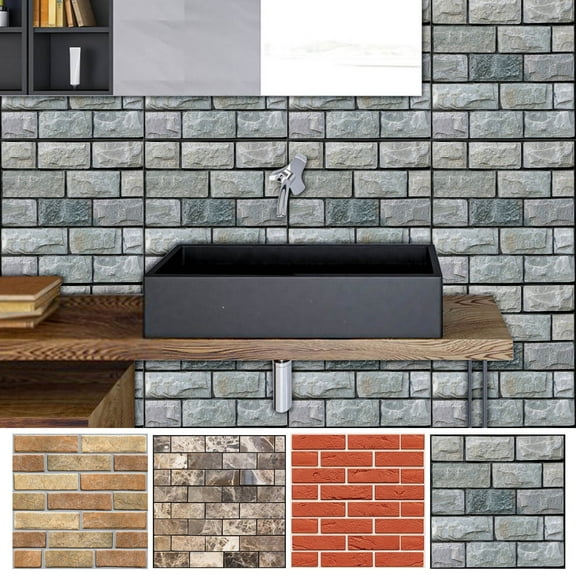
For a bathroom vanity or small accent wall, you may lean more toward visual texture and pattern. You should still measure carefully so your format fits outlets, mirrors, and trim edges neatly.
What to look for before you finish your choice
You should review color tone, edge shape, and finish before you commit to a design. You can compare glossy, matte, and textured surfaces with your countertop and cabinet samples.
It also helps to check grout requirements, installation notes, and coverage details on every listing. You can make a more confident choice when your backsplash fits your wall, your tools, and your cleanup routine.
Your kitchen can feel more finished when your backsplash matches your layout and your daily cooking habits. You can choose a surface that fits your wall, handles routine splashes, and keeps cleanup straightforward.