




Back Roller in Foam Rollers






















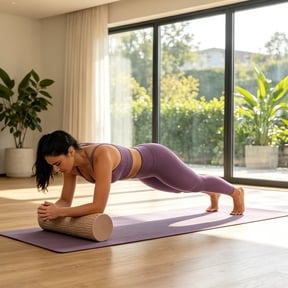
About Back Roller in Foam Rollers - Walmart.com
You can compare a yoga roller for back pain by firmness, length, and material, so your stretching routine feels more precise and easier to repeat. You’ll also find back roller options built for spine alignment, travel use, and deeper pressure across broad muscle areas.
How to choose a yoga roller for back pain
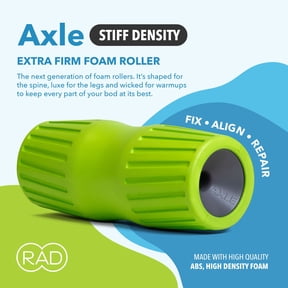
When you compare density first, you can match the roller’s feel to your flexibility and pressure preference. You may prefer soft foam for lighter contact, while extra firm designs create a deep tissue back roller feel.
If you’re new to a back roller, you may want medium firmness for balanced support and control. If you already use recovery tools often, you may prefer firmer pressure that feels steadier under your weight.
Material matters because you can notice differences in texture, durability, and cleanup after repeated use. You can compare EVA foam, molded polypropylene, and latex-free back rollers for sensitive skin needs.
- You can use soft or medium rollers when your routine focuses on gentle yoga stretching.
- You can choose extra firm designs when you want more direct pressure across larger back muscles.
- You can pick latex-free options when your skin comfort is part of your buying decision.
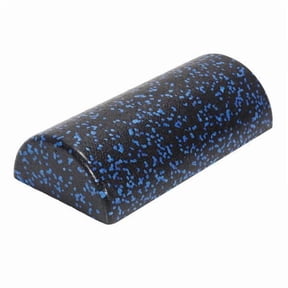
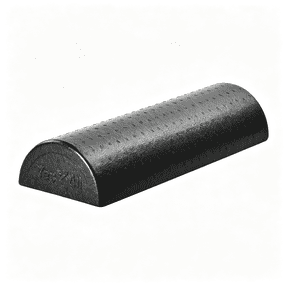
- You can select molded polypropylene when you want a more rigid shape that keeps its form.
Choosing firmness, texture, and support details
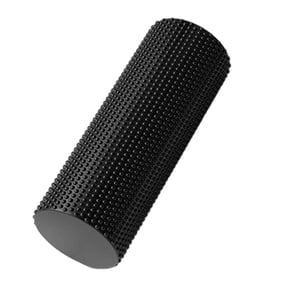
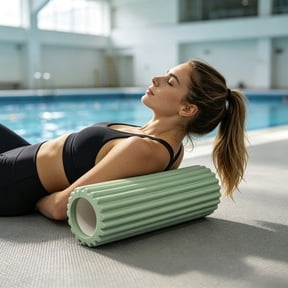
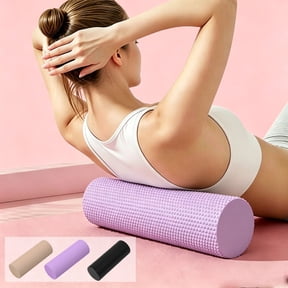
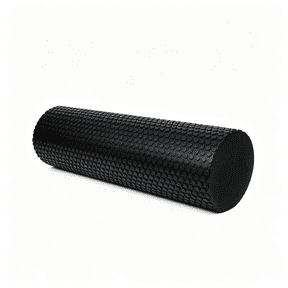
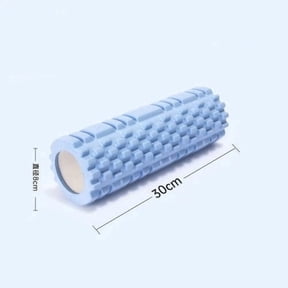
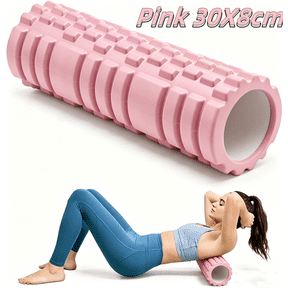
You should check whether the surface is smooth or textured before you compare colors or styling. You can get broader contact from smooth rollers, while ridged patterns feel more targeted along specific areas.
When you want a foam roller for back sessions that feel controlled, you should pair texture with the right density. You may find that a ridged extra firm model feels intense, while a smooth medium roller feels easier to guide.
You can also compare diameter because it changes how high your body sits off the floor. A larger diameter can feel more noticeable under your back, while a smaller one may feel easier to steady.
Weight capacity is another decision point you shouldn’t skip when you compare long-term durability. You should check the product details so your roller keeps its shape through repeated stretching and recovery sessions.
If you use your roller often, you may want dense foam or molded construction that resists flattening over time. You can measure durability by looking for shape retention, steady support, and a clearly listed weight rating.
Choosing the right back roller length
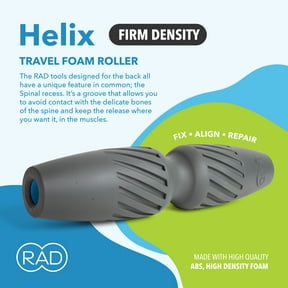
You can narrow your options fast when you start with roller length and where you plan to use it. A 12-inch travel roller fits smaller storage spaces, while a 36-inch full body roller gives you more contact.
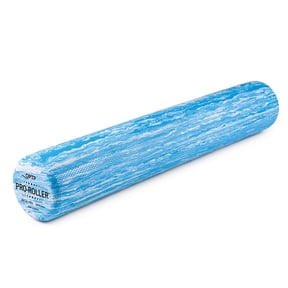
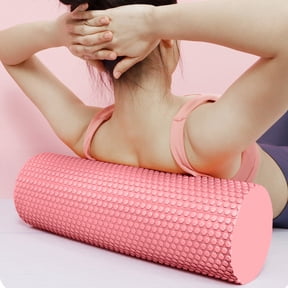
If you want a back roller for spine positioning, you may prefer longer shapes that support more of your torso at once. You can often get a steadier setup with 18-inch or 36-inch rollers during slow floor stretches.
When portability matters, you can choose a shorter roller that fits gym bags, office drawers, or carry-on luggage. You may give up some full-back coverage, but you can gain convenience for quick routines away from home.
Spine rollers for taller women can feel more balanced when the roller length supports a larger portion of the back. You should compare full body lengths if you want a more centered position during yoga stretching or recovery work.
Matching material and use case to your routine
You should match the roller material to the routine you actually repeat each week. EVA foam often gives you a familiar cushioned feel, while molded polypropylene tends to feel firmer and more structured.
If your routine centers on yoga stretching, you may want a roller that feels stable without feeling overly aggressive. You can look for medium density and a smooth surface when your sessions include longer holds and slower movement.
When muscle recovery is your focus, you may prefer firmer builds and textured surfaces that feel more concentrated. You can use those combinations after strength training, cardio days, or mobility work that leaves your back feeling tight.
If you’re shopping for a back roller for spine support during floor exercises, you should compare shape and length together. You may want a roller that stays aligned under your torso and feels predictable during repeated passes.
You can also keep cleanup simple by checking whether the surface wipes clean after studio or home use. If your routine includes shared spaces, you may prefer closed-cell foam materials that feel easier to maintain.
How your back roller fits everyday routines
You can use a yoga roller for back pain before class, after lifting, or during short evening stretching sessions. You can get a very useful fit when the roller matches your floor space, pressure preference, and session length.
For home workouts, you may want an 18-inch standard roller that balances storage and coverage. For travel or office use, you can choose a 12-inch option that supports quick stretching without taking much room.
If you build a longer recovery routine, you may prefer a 36-inch roller for broader support under your back and shoulders. You can also compare that size when you want smoother transitions during floor-based yoga sequences.
When your decision comes down to comfort and control, you should compare firmness, material, texture, and length together. You can make a clearer choice when your back roller matches your body size, your routine, and your preferred pressure.
You can feel more confident choosing a back roller when you focus on measurable details instead of guesswork. Your routine becomes easier to repeat when your roller matches your space, pressure needs, and stretching style.