








Azalea Bushes in Garden Bushes















About Azalea Bushes in Garden Bushes - Walmart.com
Azaleas make spring landscapes pop with dense blooms, glossy leaves, and reliable shrub structure. On Walmart.com, azalea bushes arrive ready to plant, with clear sizing and variety details. You can filter by color, mature height, and sun needs for your yard. That makes it easier to match your foundation beds, borders, or woodland edges. Many garden azaleas stay compact, so they fit tight spaces well. Others grow wider and suit hedge lines or layered shrub beds.
If you’ve searched for azaleas near me, availability and timing usually matter most. Walmart helps with shipping options and pickup choices, so you can plant when conditions are right. You’ll also find supplies like mulch and acidic soil amendments in the same Patio & Garden department. That saves planning time when you’re building a complete planting plan.
Why azaleas work in real landscapes
Azaleas bring heavy color without needing a full perennial bed redesign. Their rounded form fills gaps between taller flowering shrubs and lower groundcovers. Many varieties keep green foliage for multi-season structure. That helps your beds look intentional even after bloom season ends.
They’re also great for creating repeatable color blocks along walks and entryways. Massing several azalea bushes can make a small front yard feel landscaped. You can also mix bloom times for a longer seasonal show. Pairing early and later bloomers keeps interest going.
Azaleas can suit partial shade, which is common around homes and mature trees. That makes them useful where full-sun shrubs struggle. Many gardeners use them under high-canopy trees with filtered light. You’ll get color without pushing plants into harsh exposure.
- Bright seasonal blooms that stand out along porches, patios, and front walks.
- Compact growth options that fit foundation beds and small urban gardens.
- Shade-tolerant choices for tree lines, north-facing beds, and covered entries.
- Evergreen forms that keep foliage interest outside the main bloom window.
Features to compare when choosing azaleas
Start with mature size, not the pot size you receive. A three-gallon plant can still grow several feet wide over time. Check height and spread to avoid crowding windows and paths. Spacing matters for airflow and long-term shaping.
Next, match sun exposure to the spot you’re planting. Some azaleas handle more sun with consistent moisture and mulch. Others prefer morning sun and afternoon shade for steadier performance. The right exposure helps protect blooms and leaves.
Hardiness is a key filter for planting success. Look for USDA zone guidance in the listing details. Choosing within your zone supports winter survival and spring bud set. That’s especially important for colder regions and windy sites.
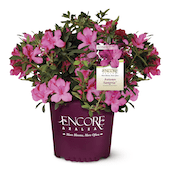
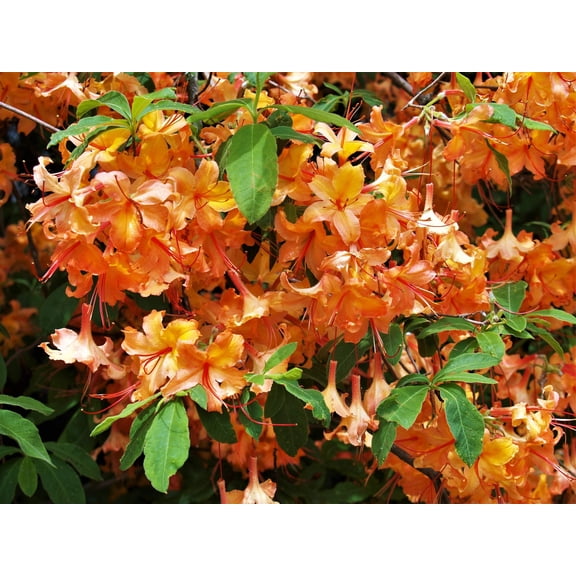
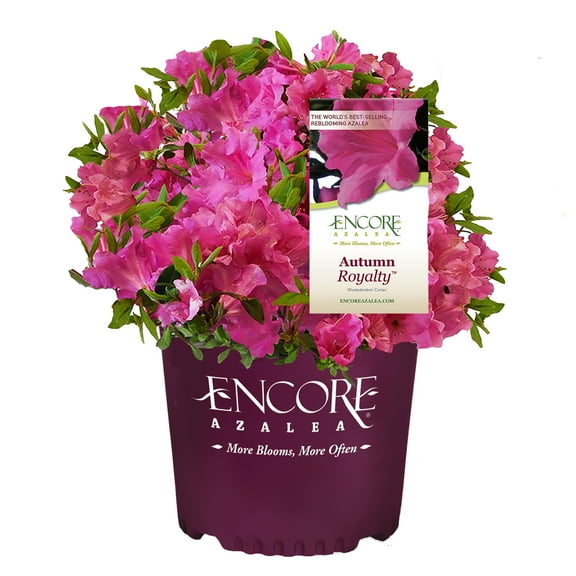
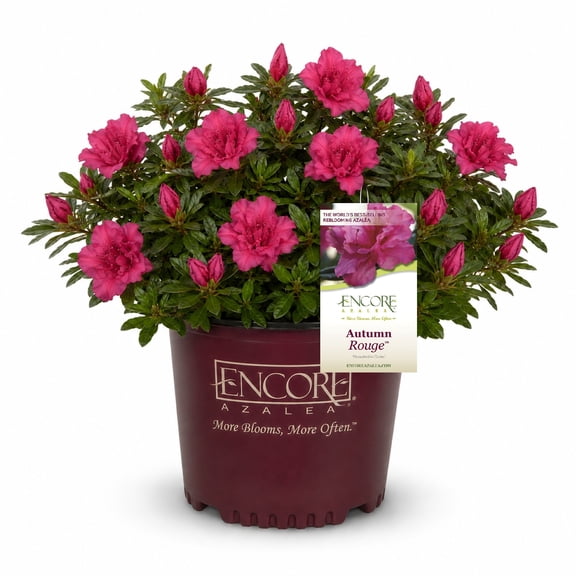
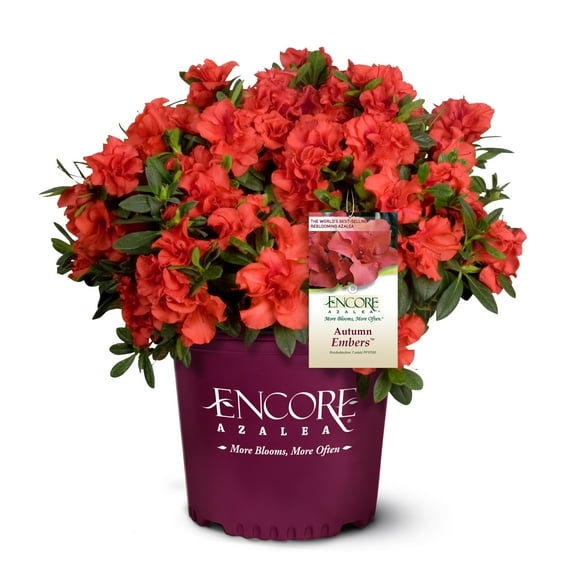
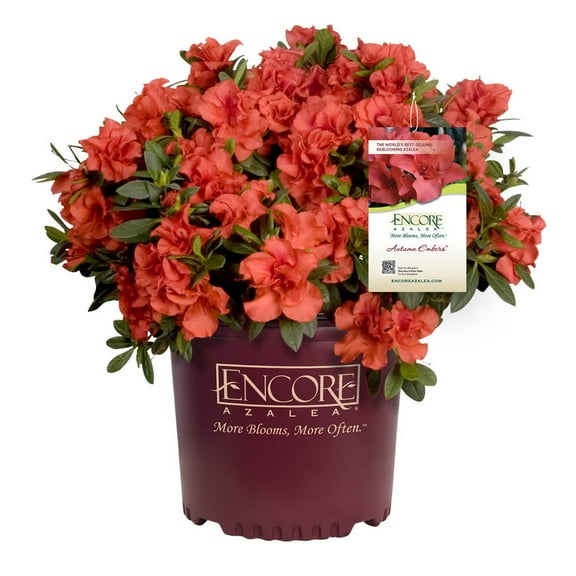
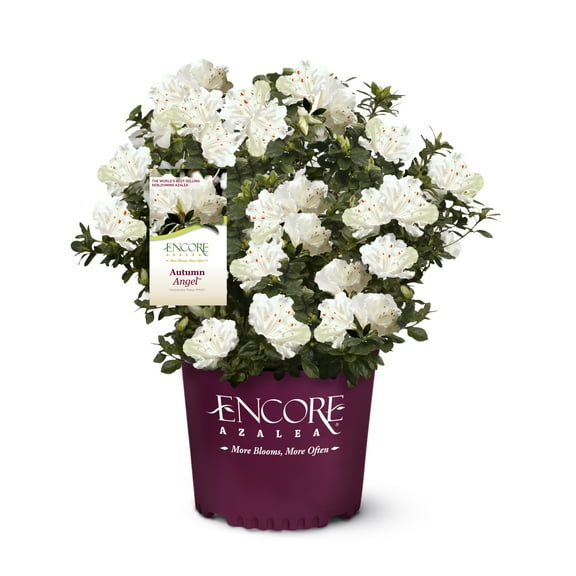
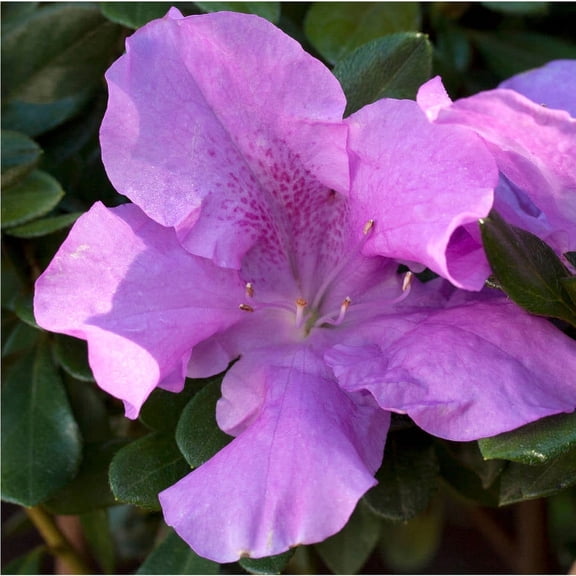
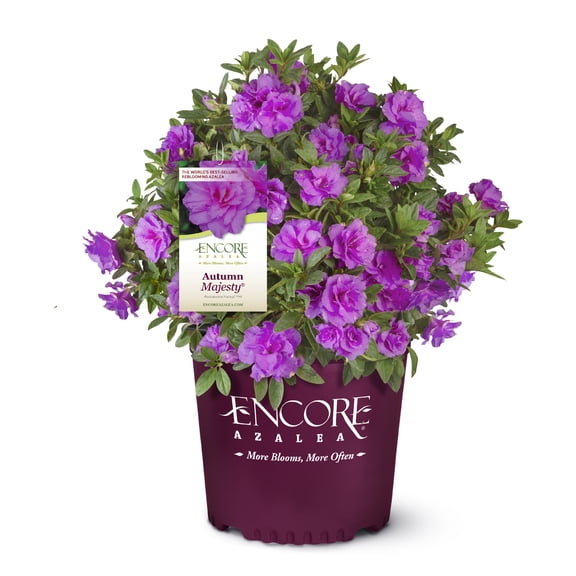
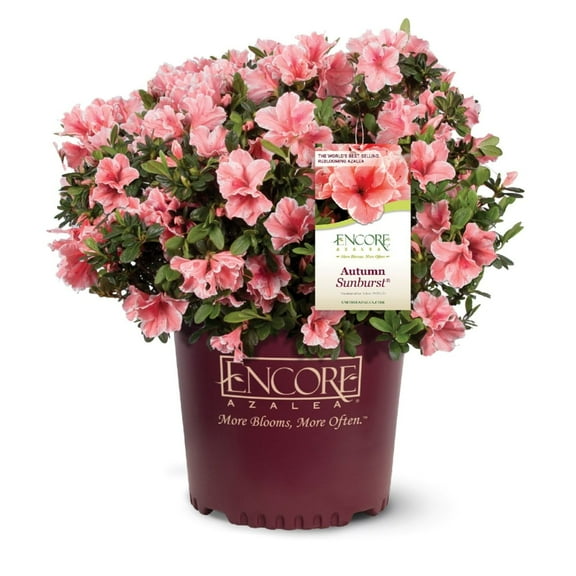
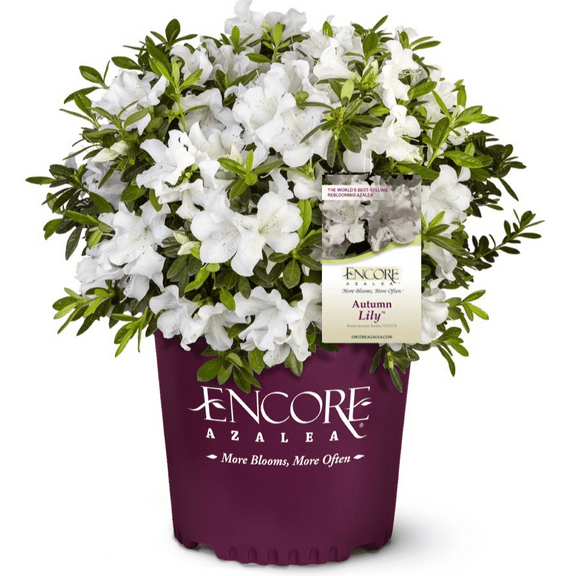
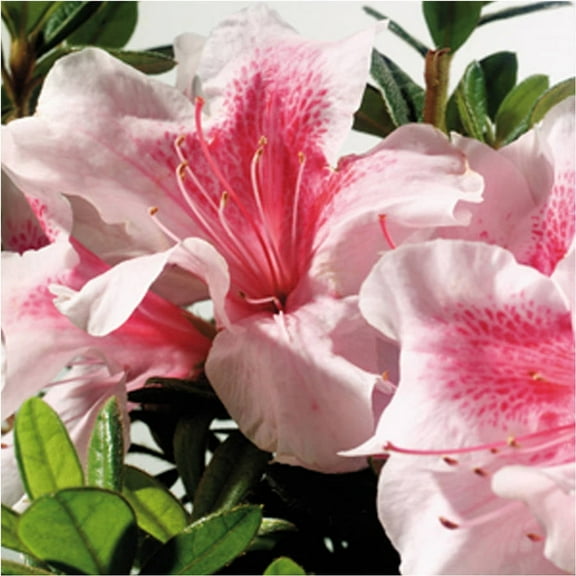
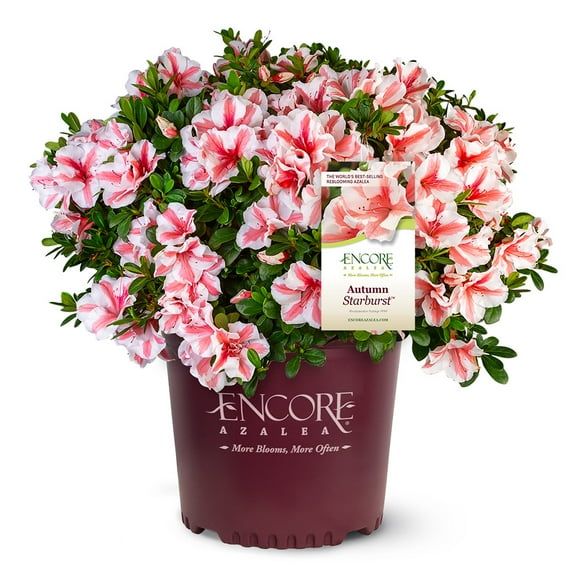
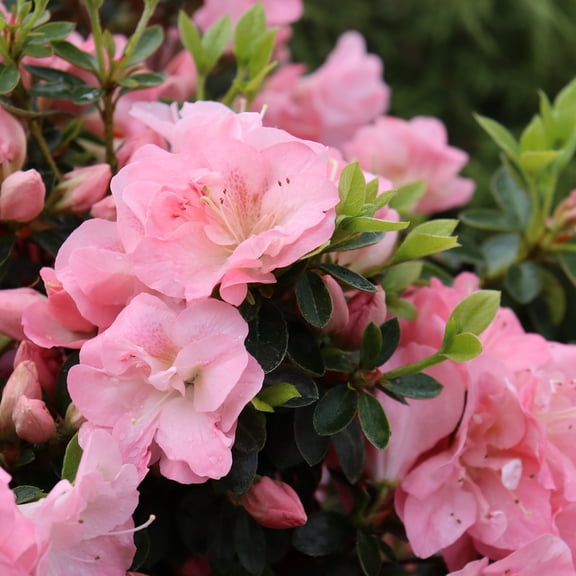
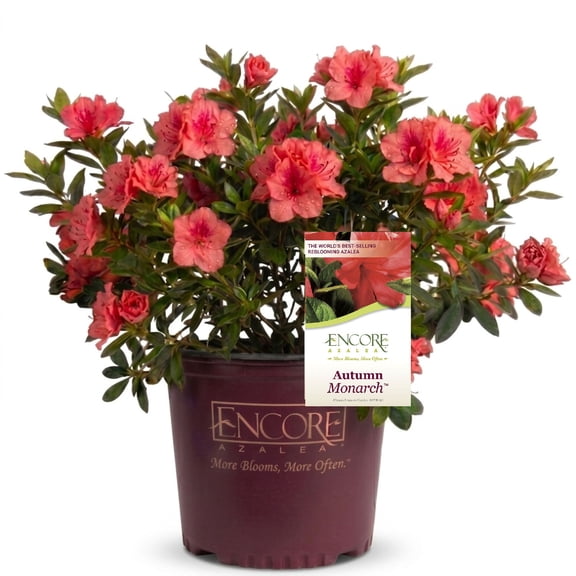
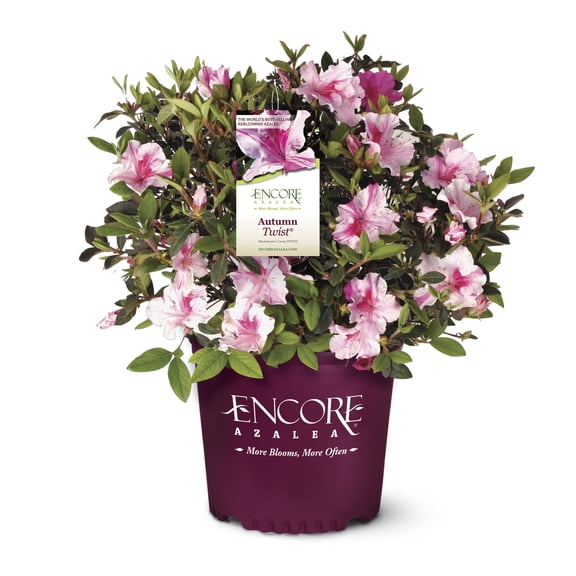
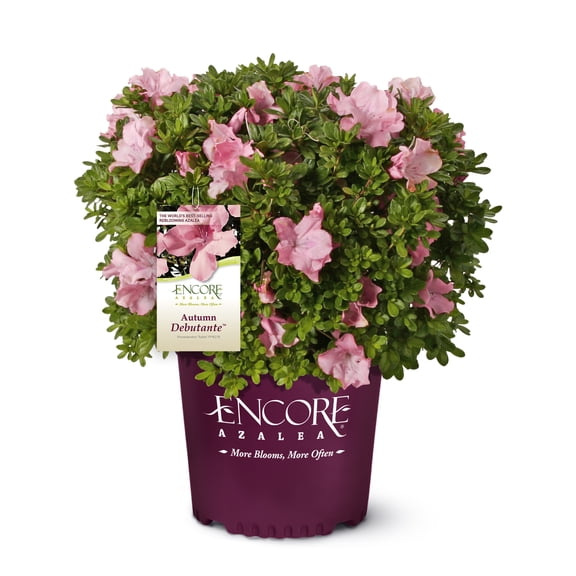
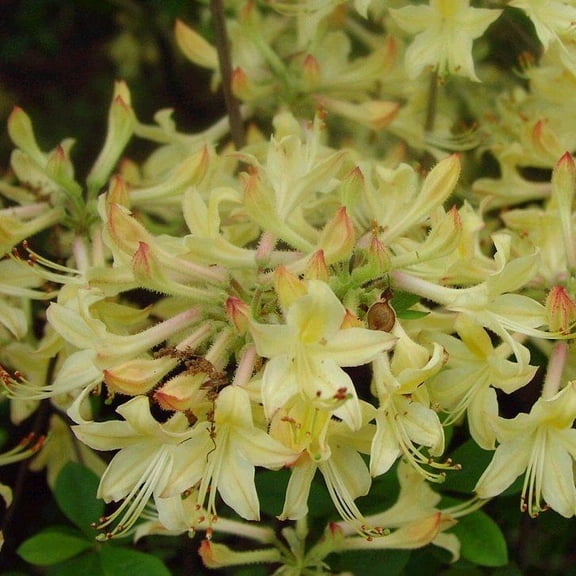
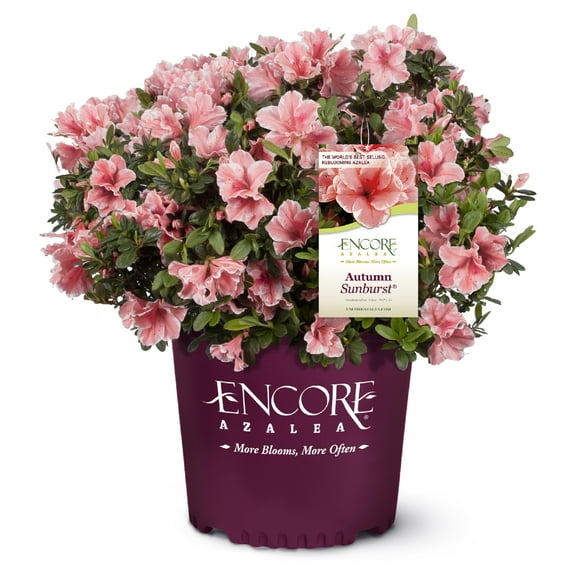
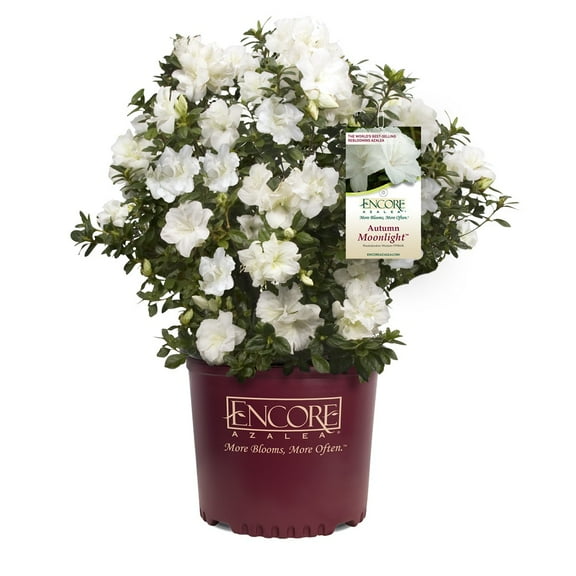
Pay attention to bloom timing and color family. Spring bloomers can range from white to pink, coral, red, and purple. Some types are known for repeat blooming in multiple seasons. Encore azaleas are a common example in many regions.
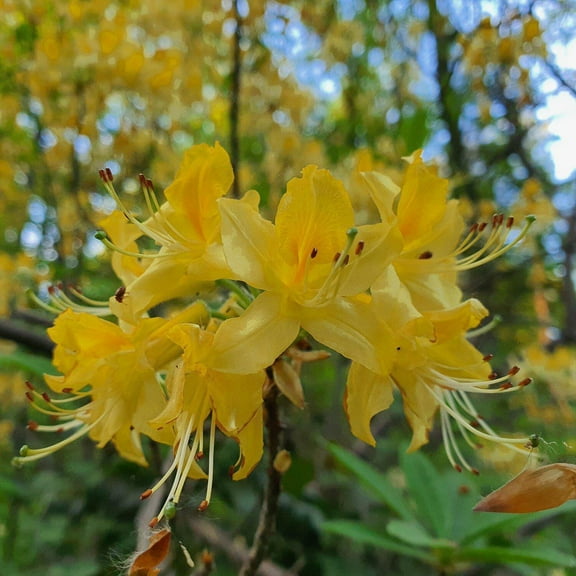
Leaf type also changes the look of your bed. Evergreen azaleas keep foliage through winter in many climates. Deciduous azaleas drop leaves and can show fall color. Either choice can work, depending on your landscape goals.
Azalea planting and care basics
Soil condition drives azalea performance more than frequent feeding. Azaleas prefer acidic soil with good drainage and steady moisture. If your soil is heavy clay, raised beds can help. Mixing in soil conditioners supports healthier roots.
Planting depth is another common success factor. Set the root ball slightly above the surrounding soil line. Then mulch around it, while keeping mulch off the main stems. That helps reduce drying and temperature swings.
Watering should be consistent during the first growing season. Deep watering encourages roots to spread outward in the bed. Avoid leaving roots in soggy soil, especially after heavy rain. Good drainage protects against root stress.
Pruning is usually light and timing-sensitive. Shape azalea bushes right after flowering, before new buds set. Heavy pruning later can reduce next season’s blooms. For compact beds, choose smaller varieties instead of frequent cutting.
Feeding can support growth when it matches your soil needs. Many gardeners use fertilizers made for acid-loving plants. Follow label directions and avoid overfeeding. Too much nitrogen can push leaves over flowers.
Use cases shoppers plan for with azalea bushes
Foundation planting is a popular reason to buy azaleas. Their rounded habit softens corners and breaks up long wall lines. Choose mature height that stays below windows for easier upkeep. Use mulch for a clean, finished bed edge.
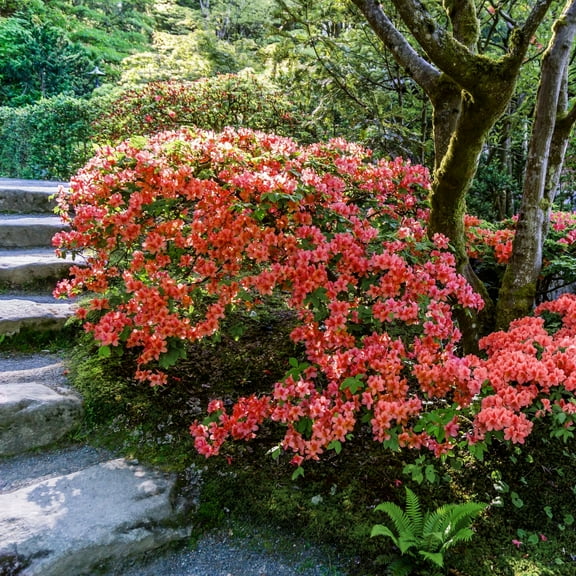
Woodland borders are another natural fit for garden azaleas. Plant them along tree lines where light is filtered. Layer them with ferns, hostas, and shade perennials for a textured look. This style works well in older neighborhoods with mature trees.
Entryway accents are great when you want quick curb appeal. Place matching azalea bushes on both sides of a path or steps. Color choice can echo your front door or house trim. Pink and white shades are common for classic looks.
Mixed shrub beds benefit from azaleas as a mid-height anchor. They sit well between taller hydrangeas and lower edging plants. Use repeated color groups to keep the bed from feeling busy. Stagger bloom seasons for a more continuous display.
If you’ve been searching azaleas near me for a planting weekend, timing matters. Plan for mild weather and workable soil after the last hard freeze. Have mulch, soil amendments, and a hose ready before plants arrive. That keeps roots from sitting out too long.
Finish your azalea planting plan
Azaleas reward good site prep with stronger blooms and steadier growth year after year. Match your zone, light, and mature size before planting. Add mulch and acidic soil support from the start. You’ll get fuller shrubs and cleaner bed lines.