




Self Cleaning Cat Litter Boxes for Easy Maintenance















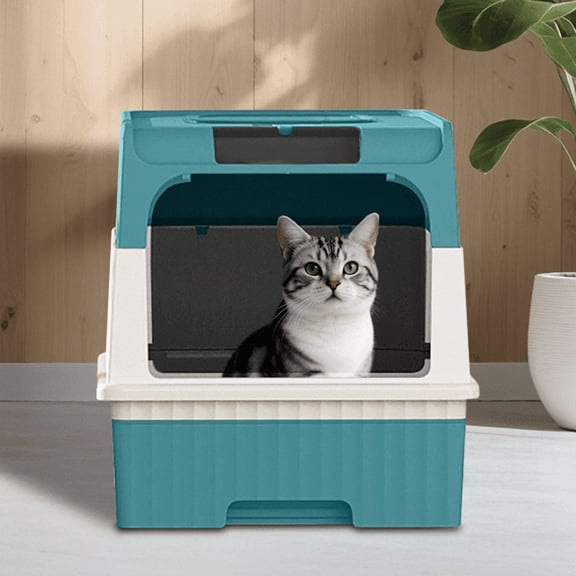


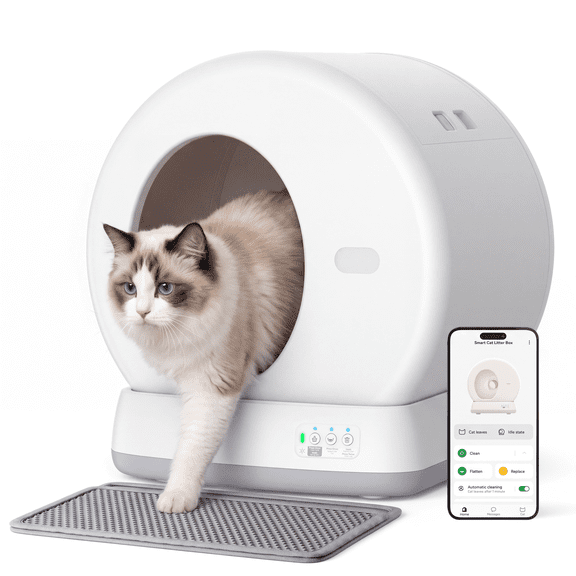
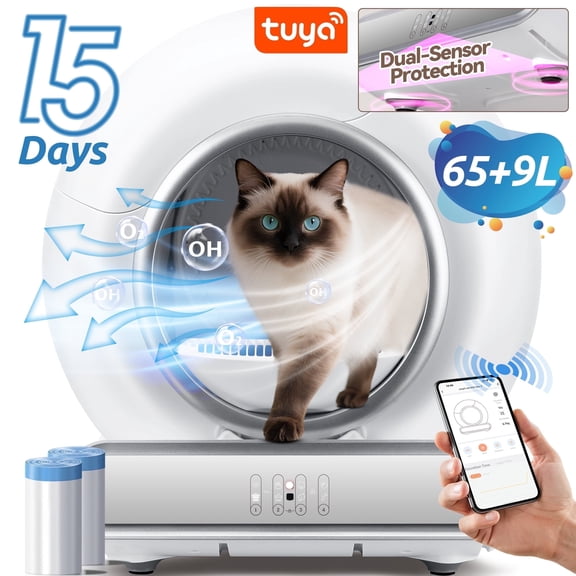


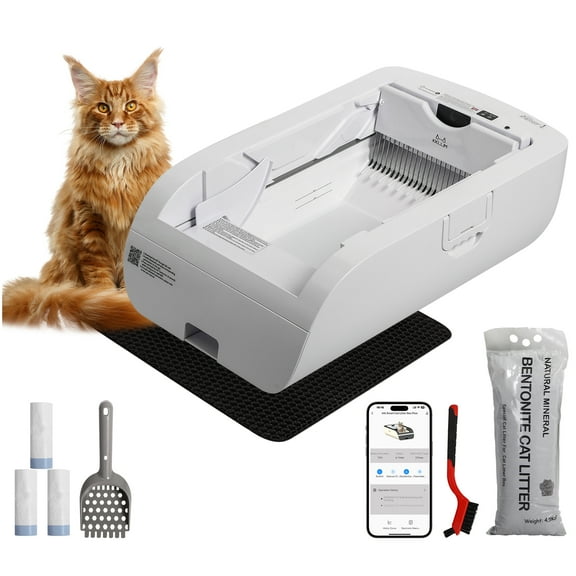









About Self Cleaning Cat Litter Boxes for Easy Maintenance - Walmart.com
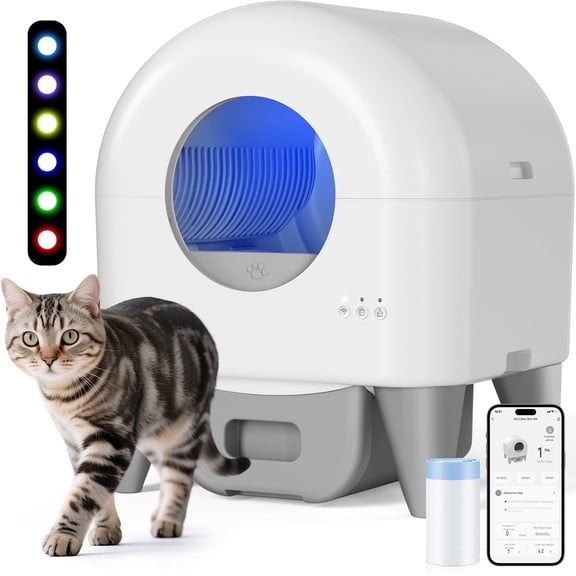
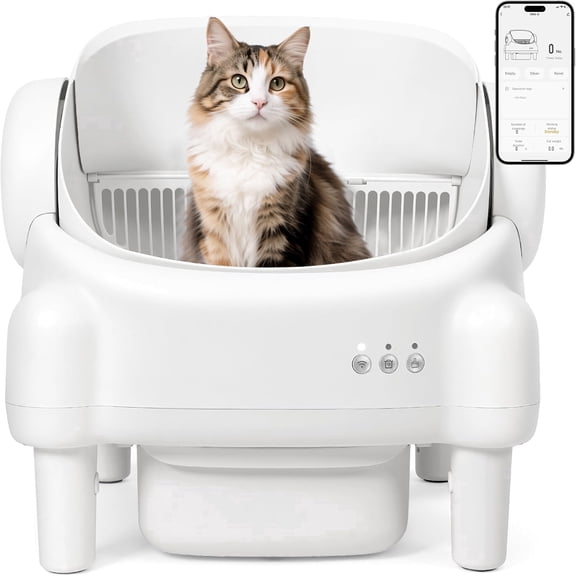
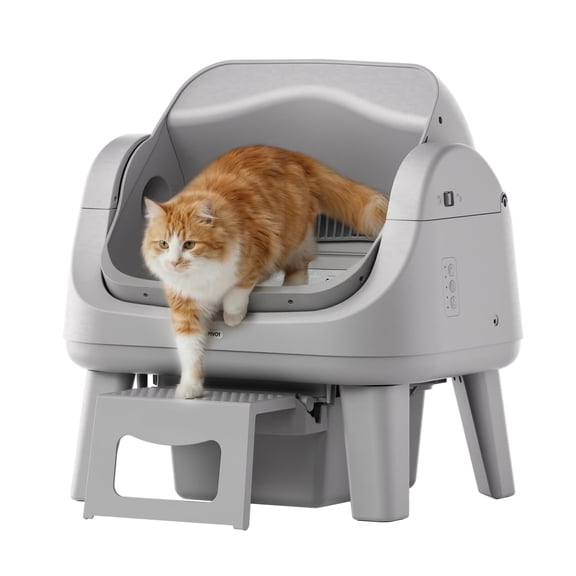
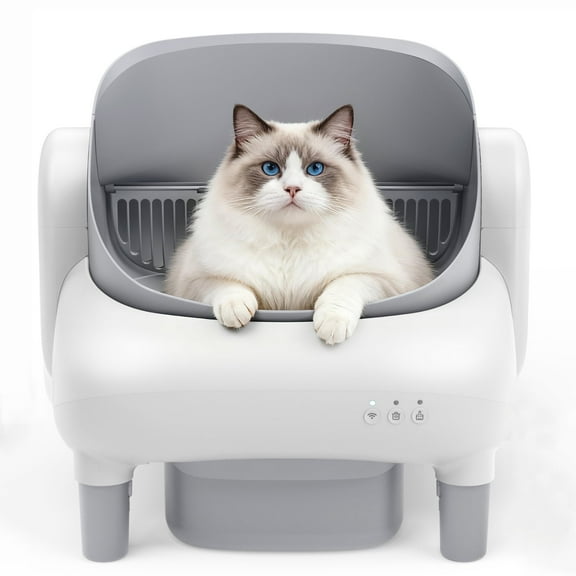
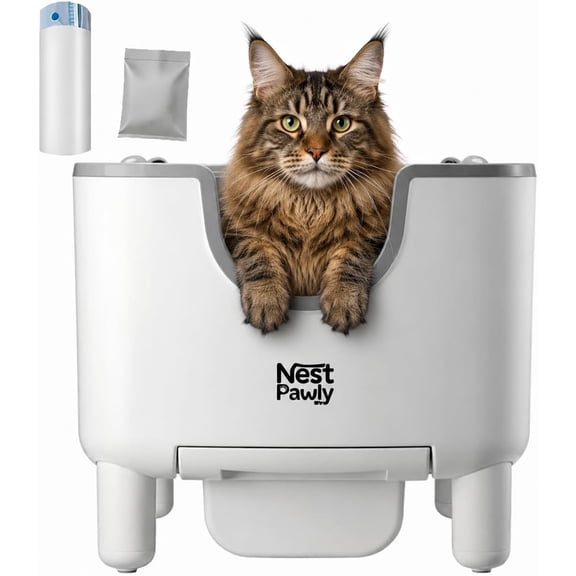
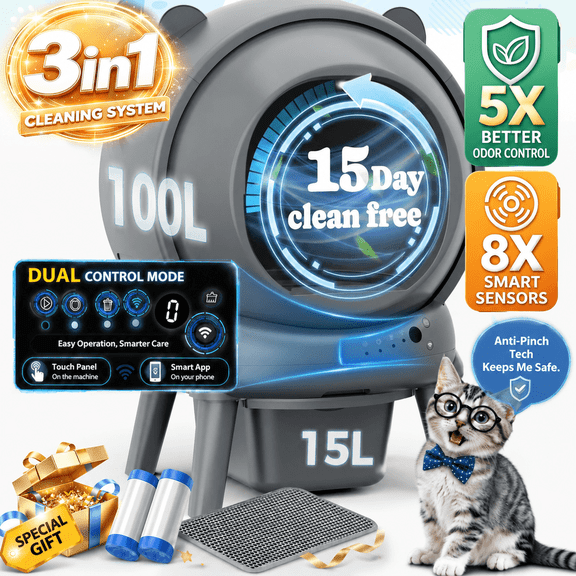
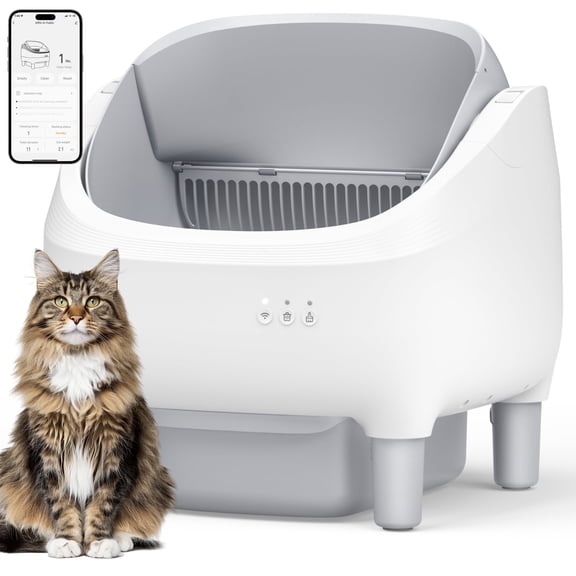
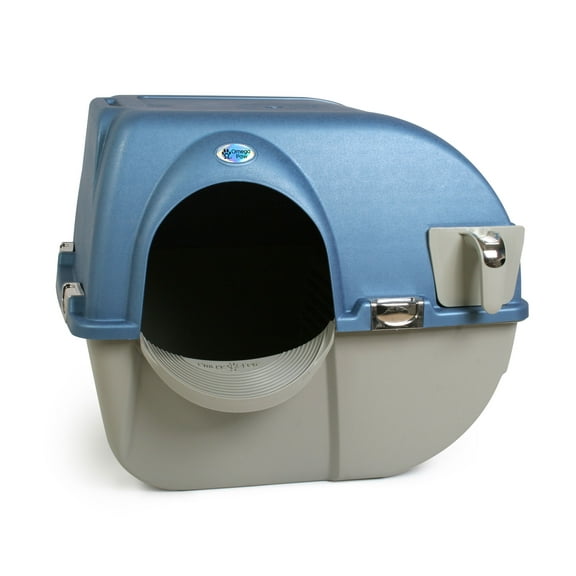
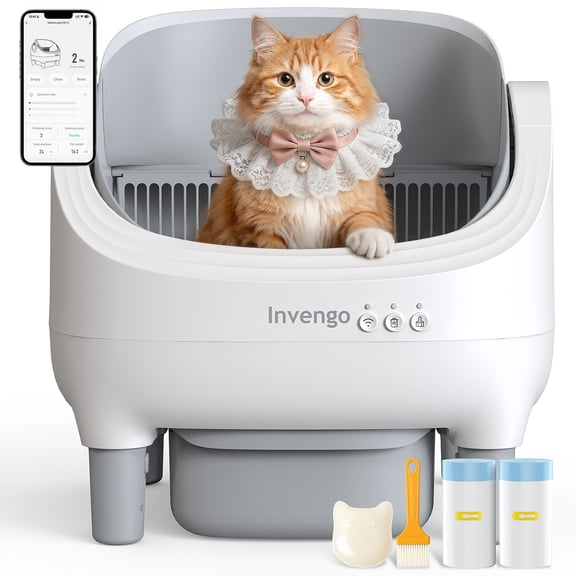
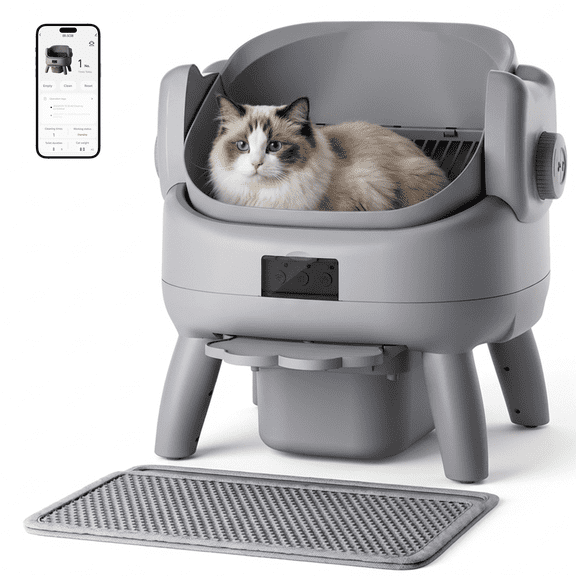
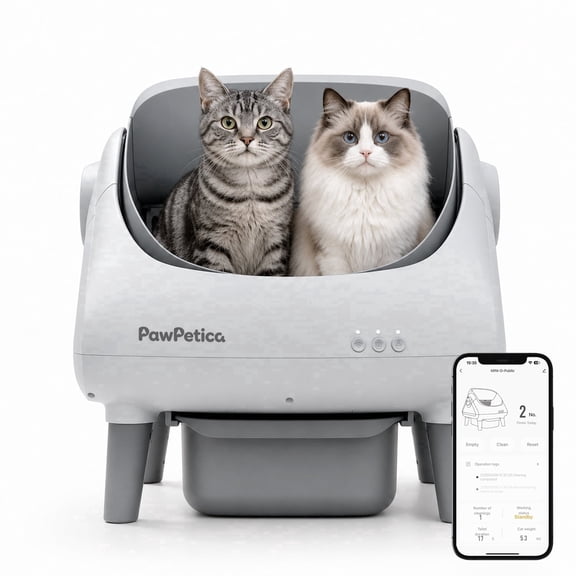
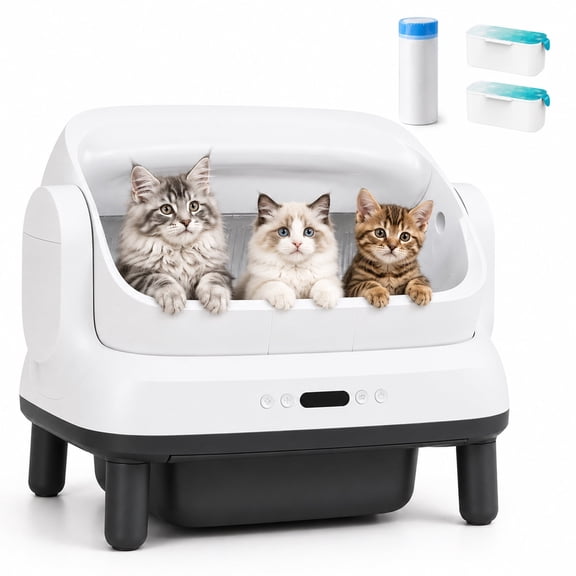
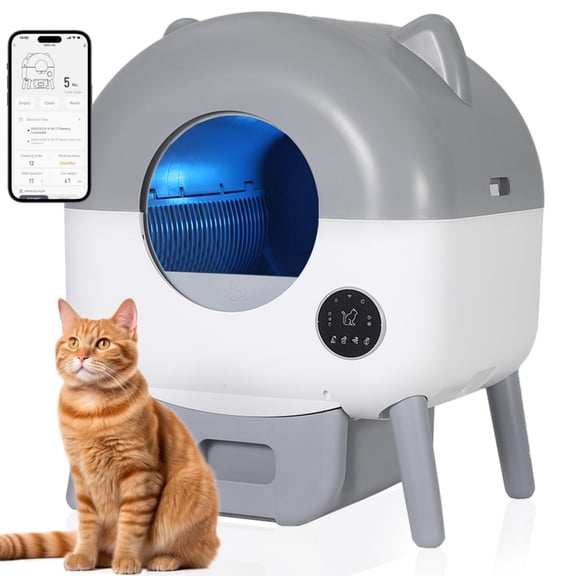
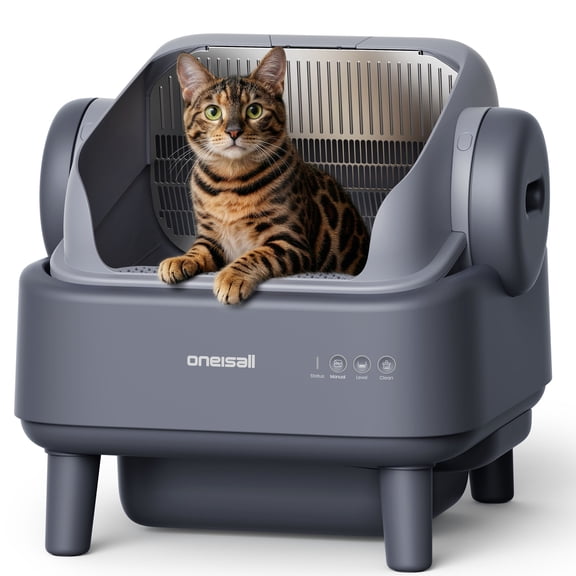
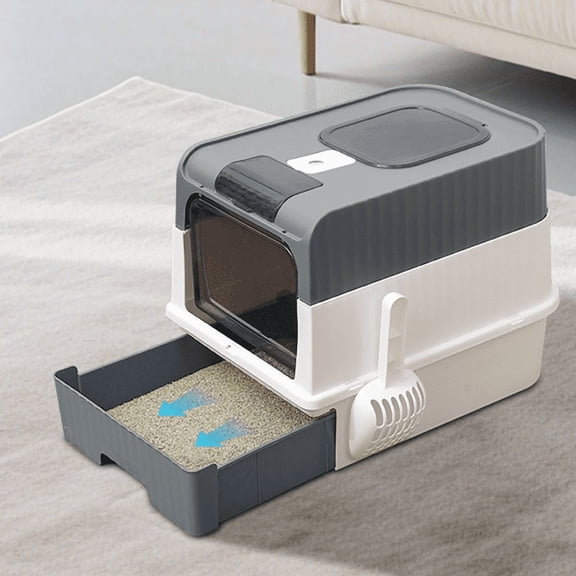
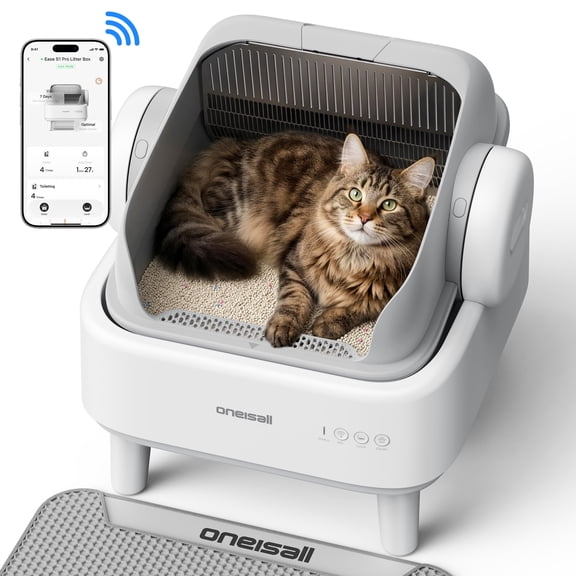
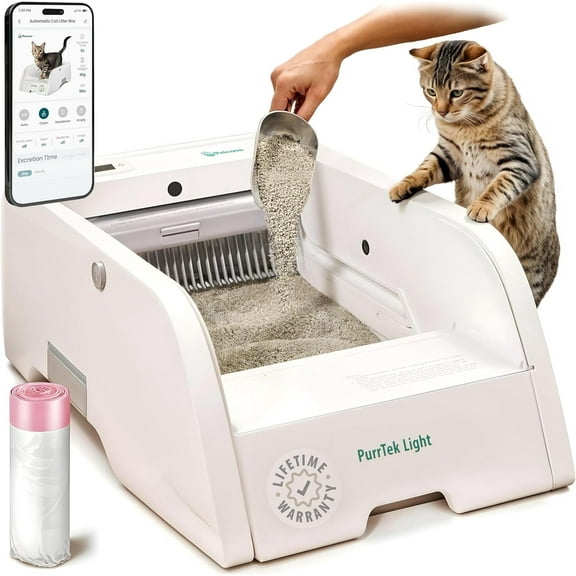
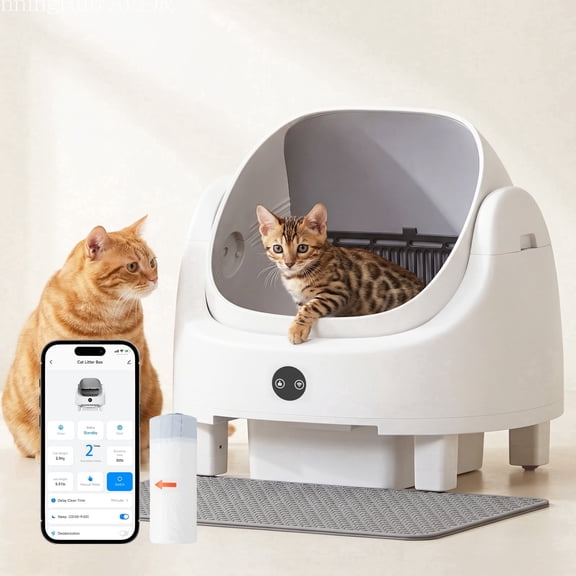
Self-cleaning cat litter boxes help you cut daily scooping and keep your cat area tidier between full cleanings. You can compare sizes, litter compatibility, and odor features to match your home and your cat’s routine.
If you want less hands-on cleanup, you’ll notice this category focuses on waste separation after each visit. You can also narrow choices by sensors, sealed waste drawers, and smart controls that fit your setup.
How to choose self-cleaning cat litter boxes
You should start with your cat count, your cat size, and your preferred litter type. You’ll make a clearer choice when you match those basics before comparing extra features.
Many shoppers want an automatic cat litter box that reduces scooping and contains mess in one step. You may also want a layout that fits a corner, laundry room, or small apartment floor plan.
- You can reduce daily scooping with automated raking or rotating cleanup cycles.
- You can support fresher spaces with sealed bins, filters, and covered waste storage.
- You can simplify care for busy routines when cleanup runs after each use.
- You can compare compact models for one cat or larger units for several cats.
When you compare this category, you’ll see benefits that are specific to litter box maintenance. You can focus on fewer visible clumps, less manual handling, and a cleaner path around the box.
You may also appreciate easier upkeep if your home has one bathroom area for pets. You’ll often find waste drawers or bags that let you empty collected waste without scooping every day.
Choosing an automatic cat litter box by litter type
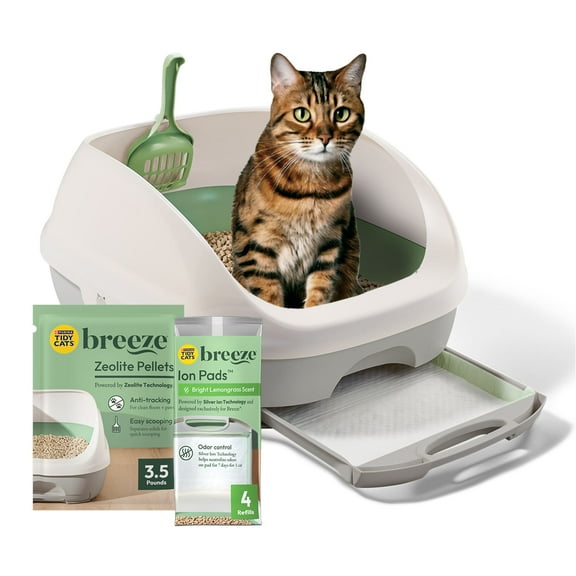
You should check litter compatibility first because not every unit works with every fill material. You’ll often see support for clumping clay, while some models are built for crystal litter or pine pellets.
If you already use standard litter, you may prefer systems that accept common clumping clay. You can avoid guesswork when the product details explain grain size, weight limits, and fill line guidance.
A self-sifting cat litter box usually separates clumps from clean litter through a rake, tray, or rotating drum. You’ll want to compare how that cleaning method works with your preferred litter texture.
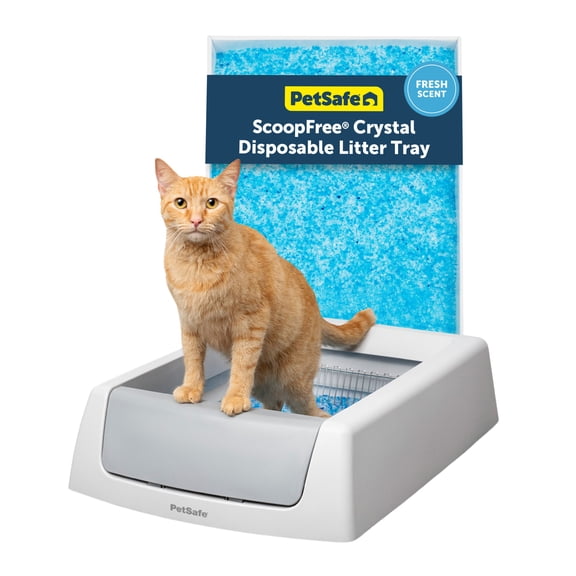
If you’re interested in crystal options, you should confirm whether the unit needs proprietary trays or supports refill choices. You can also compare how often you’ll replace trays versus empty a waste drawer.
For pellet households, you should look closely at grate design and waste collection style. You’ll get a smoother routine when the box is designed for pellet size and moisture handling.
Comparing size, capacity, and multi-cat automatic litter box options
You should measure your floor space and your cat’s body length before choosing a unit. You’ll want enough interior room for turning, digging, and comfortable entry.
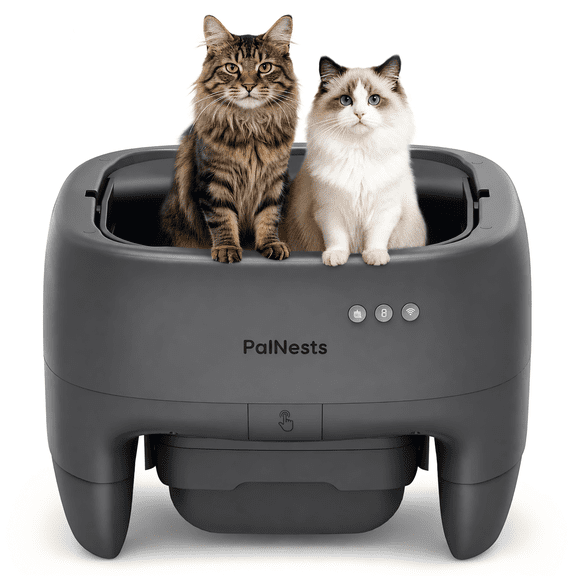
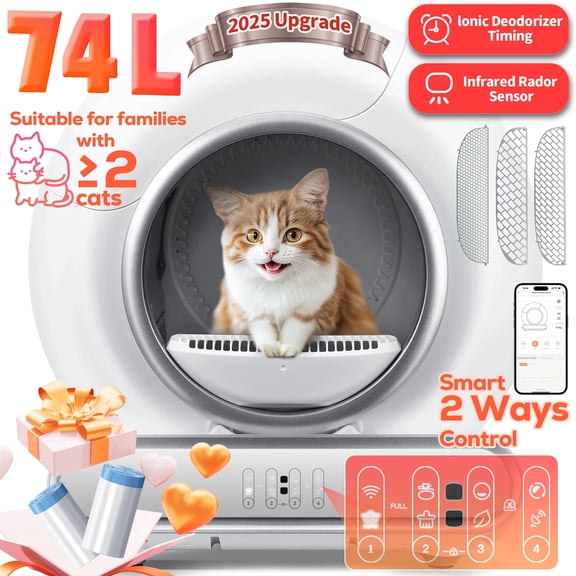
If your home has two or more cats, a multi-cat automatic litter box can help you keep up with heavier daily use. You should compare waste bin capacity, cleaning frequency, and opening size for shared use.
Large breeds need extra attention to entry height, interior width, and weight guidance. You can avoid cramped setups when you check both outside dimensions and usable inside space.
Compact units may suit one cat and tighter rooms, but you should still confirm the waste drawer size. You’ll likely empty smaller compartments more often in busy households.
An electric litter box may include timed cycles or sensor-based cycles after your cat exits. You should compare whether those cycles match your schedule and your comfort with powered operation.
What to look for in odor control automatic litter box features
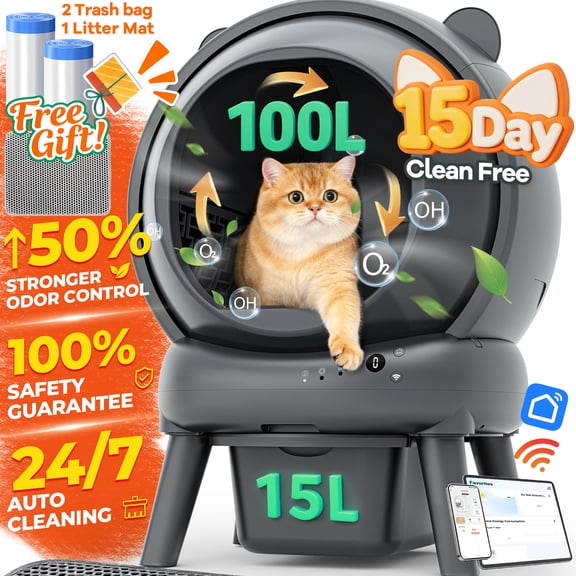
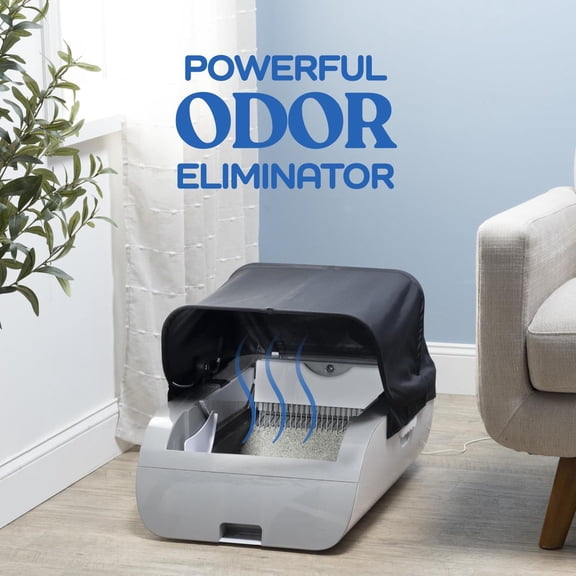
You should compare odor control technology as carefully as size because waste storage design changes the day-to-day experience. You’ll often see carbon filters, sealed waste drawers, or UV sterilization options.
Carbon filters can help you manage litter box smells as air moves through the unit. You should check replacement needs so your routine stays simple.
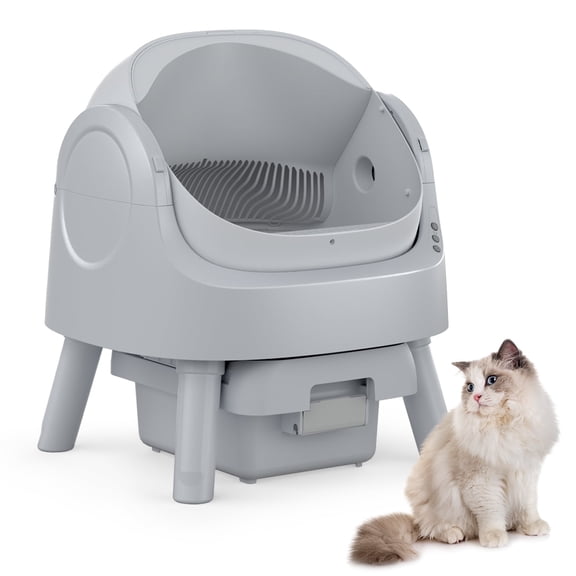
A sealed waste drawer helps you keep used litter contained between empties. You may prefer this setup if your litter box sits near a hallway, office, or shared living area.
Some shoppers consider an odor control automatic litter box for apartments or homes with limited ventilation. You can narrow choices by looking for covered storage and clear instructions for liner changes.
You should also think about how easy the unit is to wipe down. You’ll appreciate smooth interiors, removable trays, and parts that lift out for regular cleaning.
Checking connectivity, sensors, and smart controls
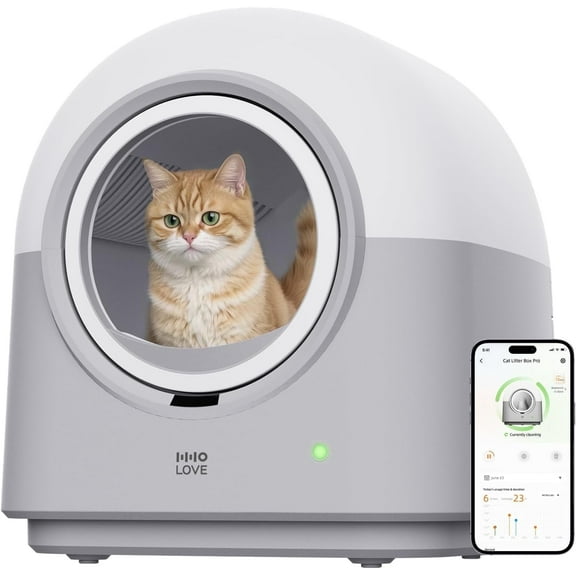
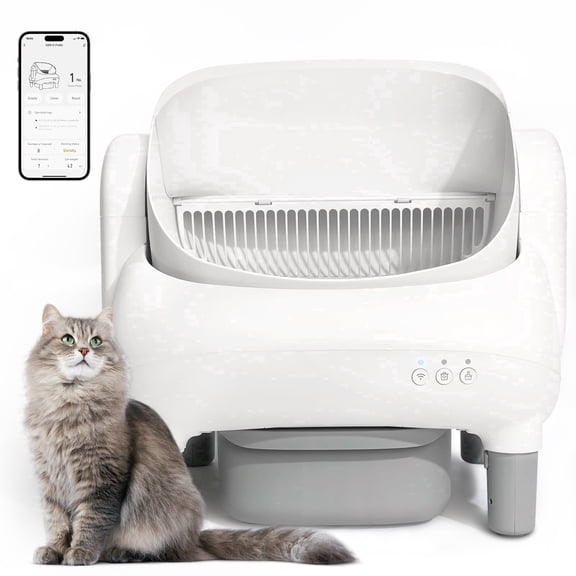
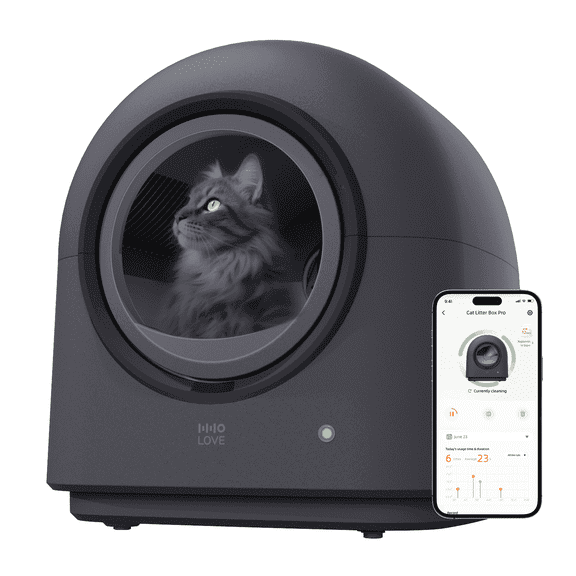
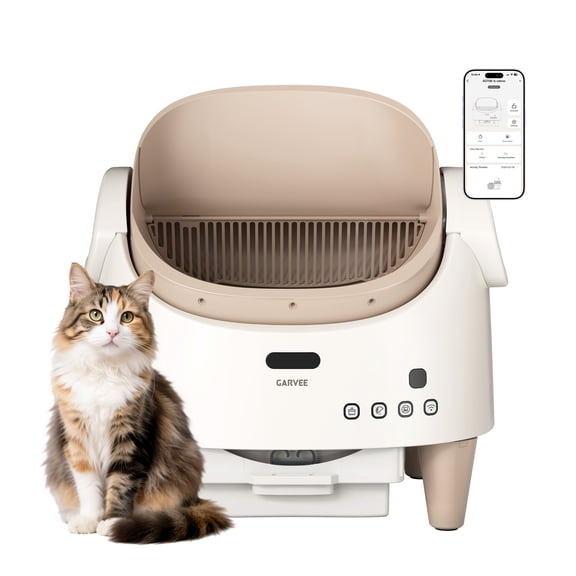
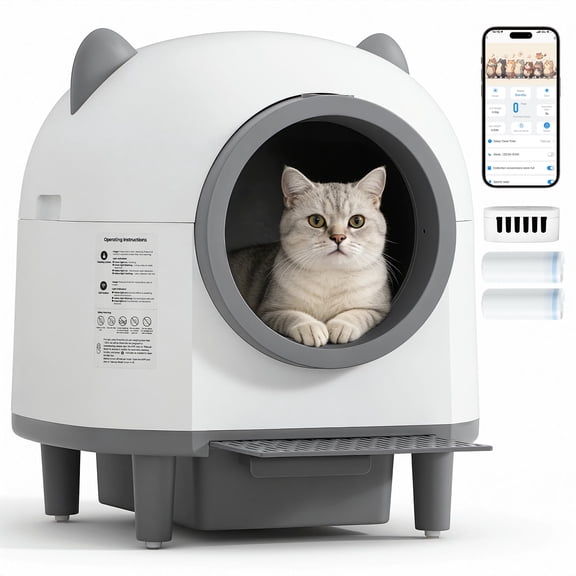
You can divide this category into Wi-Fi enabled, app-controlled, and non-smart options. You should choose the level of control that fits your routine instead of paying for features you won’t use.
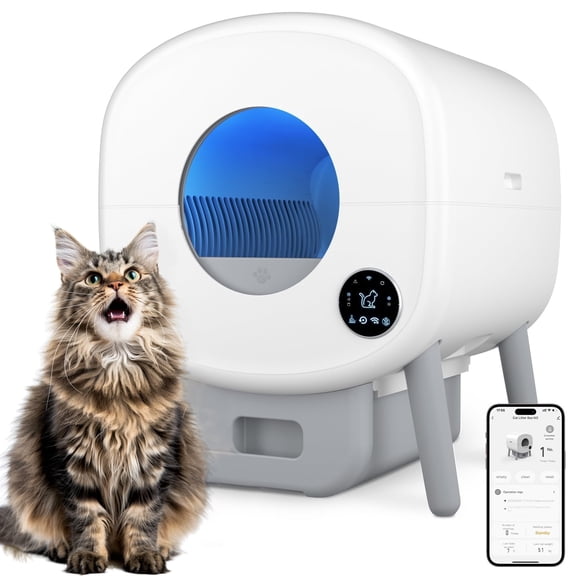
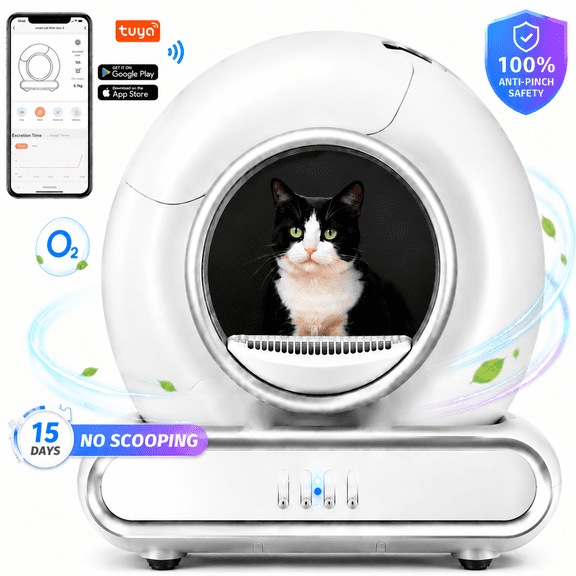
Smart models can send cycle updates, drawer alerts, or usage information to your phone. You may like that visibility if your cat box sits on another floor or in a separate room.
Non-smart models keep the experience simpler with onboard buttons and basic indicators. You can still get automated cleaning without relying on an app or home network.
Sensor systems matter because you want the unit to pause when your cat approaches or re-enters. You should read how motion, weight, or proximity sensors work before choosing a smart self cleaning litter box.
You may also want a control panel that’s easy to read during setup. You’ll spend less time adjusting settings when cycles, drawer status, and lock controls are clearly labeled.
Matching use cases to your home
If you live in a smaller space, you may want a compact footprint with a sealed drawer and quiet cycling. You can keep the litter zone more contained without adding a large cabinet.
For busy households, you may prefer larger bins and app alerts that help you track maintenance. You’ll know when to empty waste without checking the unit as often.
If your cat is picky about litter texture, you should start with litter compatibility over every other feature. You can then compare odor tools and connectivity once you know the box works with your usual fill.
If you’re setting up for multiple cats, you should look for roomy interiors and higher waste capacity. You’ll also want sensor details that support frequent visits throughout the day.
When you compare self-cleaning cat litter boxes with these decision points in mind, you can choose with more confidence. You’ll end up with a setup that fits your cat’s habits, your litter preference, and your cleaning routine.
Popular in Self Cleaning Cat Litter Boxes for Easy Maintenance - Walmart.com
- Best Sellers In Self Cleaning Litter Box For Multiple Cats
- Clean Cat Litter Box
- Best Sellers In Self Cleaning Cat Litter Boxes
- Litter Pro Con
- Self Cleaning Litter Box
- Cat Litter System
- Litter Paw Litter Box
- Cat Litter Box On Carpet
- Best Sellers In Pet Supplies Cat Litter Boxes
- Cat Toilet Litter Box
- Cat Grass Box
- Litter-robot 4 Waste Drawer