


Find tires that fit
Let’s search for tires that fit your vehicle.ATV Spreaders & Seeders for Fertilizer, Seed & Salt
















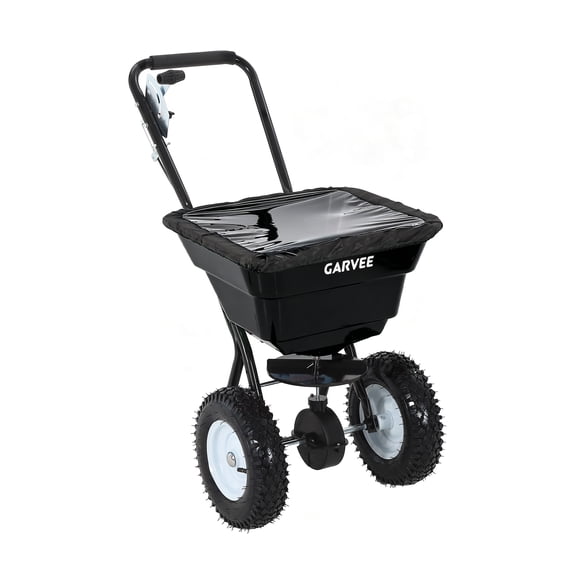


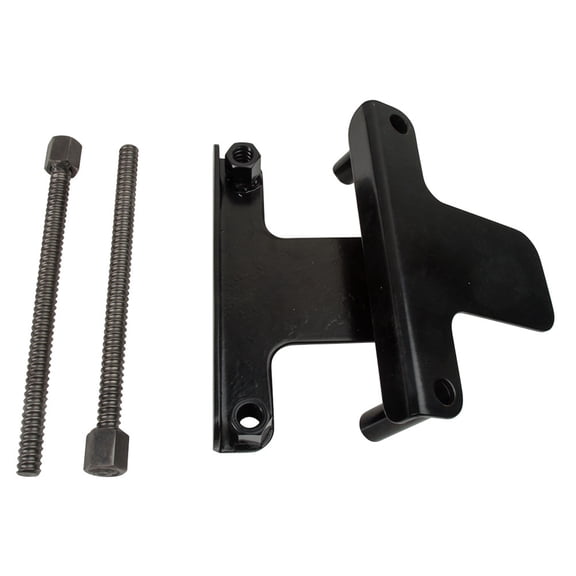
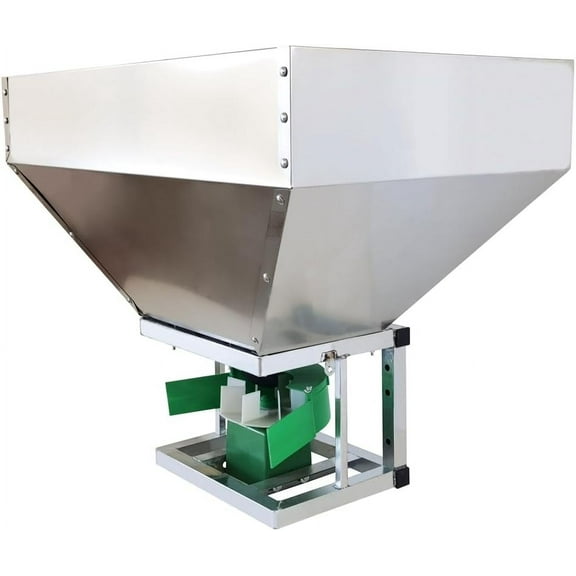



About ATV Spreaders & Seeders for Fertilizer, Seed & Salt - Walmart.com
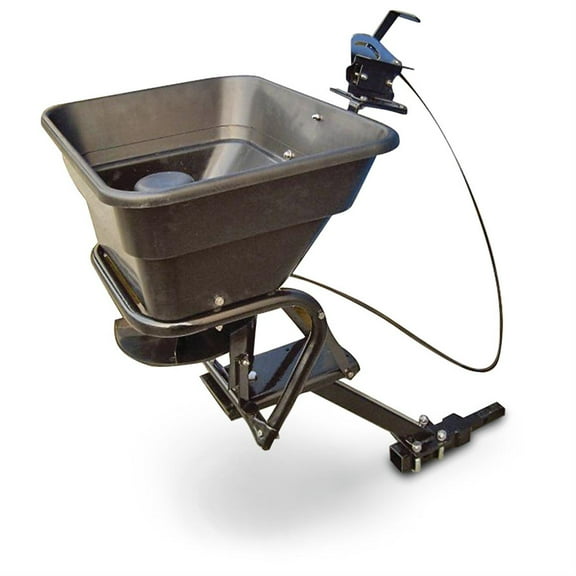
ATV spreaders help you cover fields, food plots, driveways, and trails with less walking and lifting. You can compare mount style, power source, capacity, and material use to match your ATV or UTV.
How to choose ATV spreaders by mount type
You should start with mount type because it shapes how your spreader fits and how you work. You can choose tow-behind, receiver mount, or rack mount designs based on your vehicle setup.
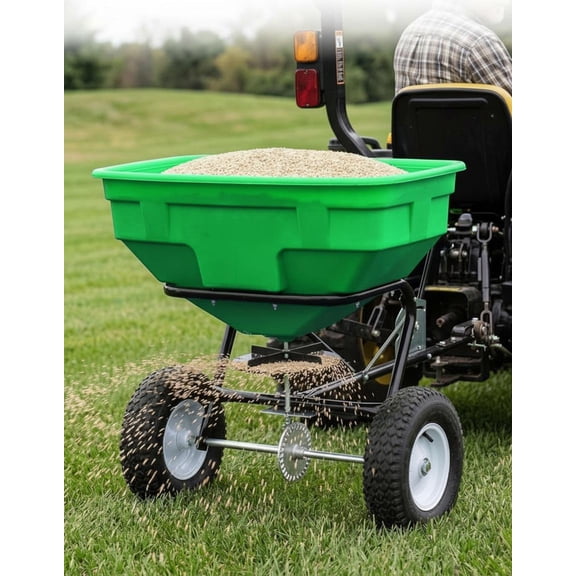
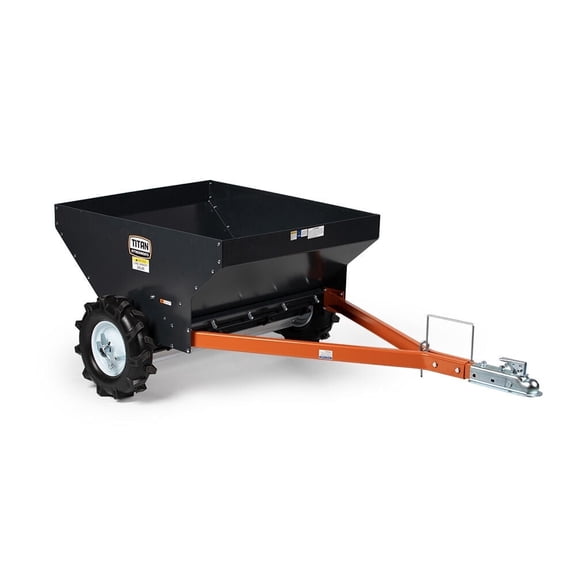
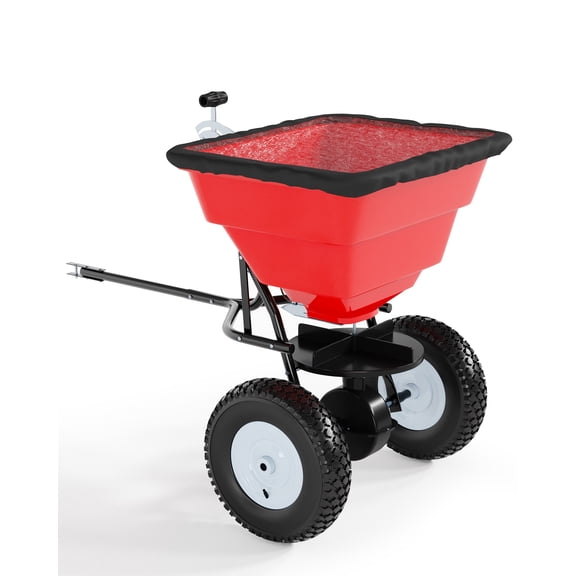
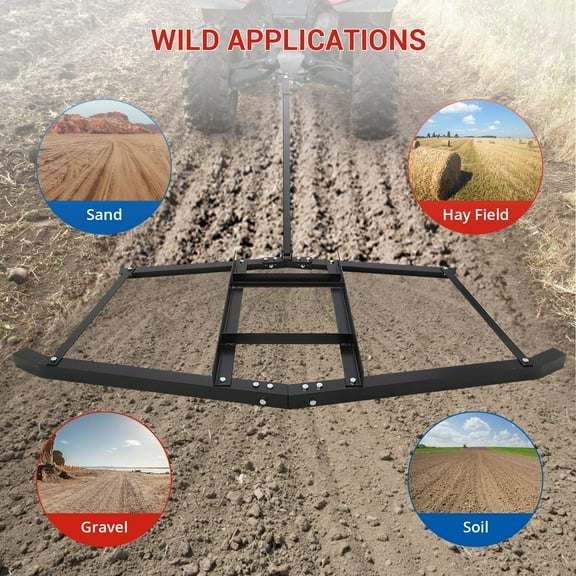
A tow behind ATV spreader helps you cover larger areas with steady movement across open ground. You may prefer this style when your property includes food plots, pastures, or long gravel lanes.
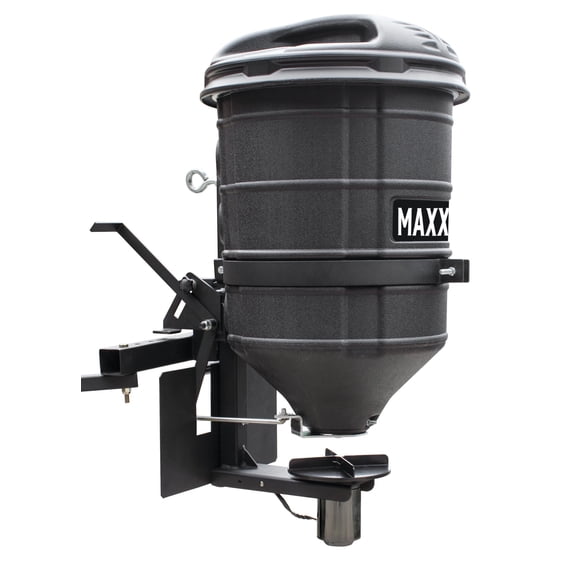
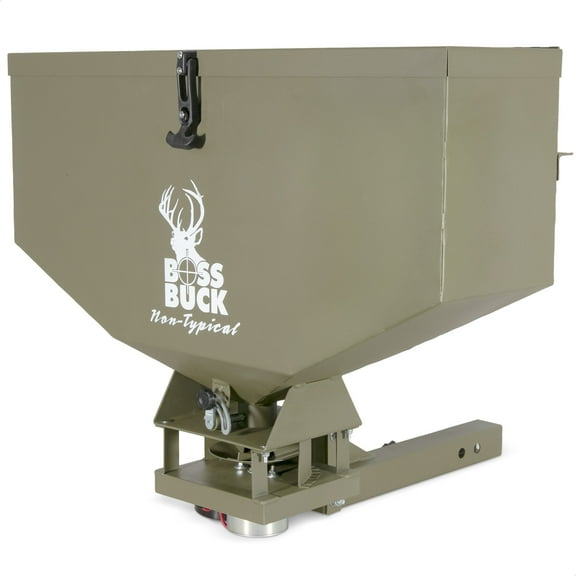
A receiver mount spreader keeps the hopper close to your machine and simplifies backing into tighter spaces. You can use this setup when your ATV or UTV has a compatible hitch and enough rear clearance.
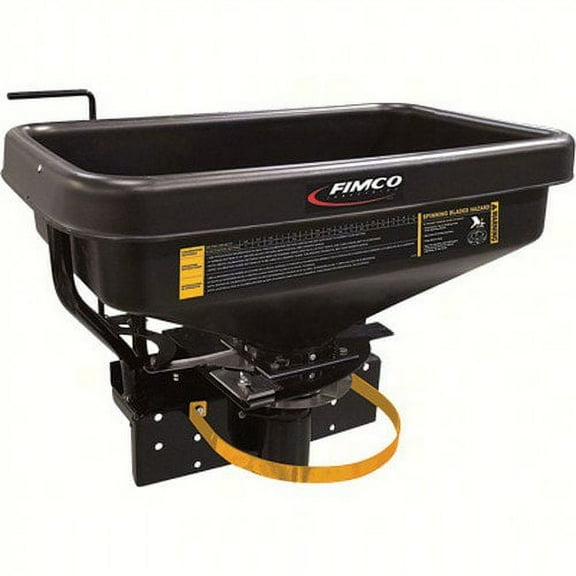
A rack mount unit works well when your front or rear rack supports the loaded weight. You should check your rack weight capacity before choosing this option for seed or salt.
- You can use tow-behind models for broad coverage on open land.
- You can pick receiver mount options for compact storage and easier maneuvering.
- You can choose rack mount designs when your vehicle lacks a rear trailer setup.
Choosing between 12v atv spreader and ground-driven options
You should compare power source next because it affects spread control and vehicle compatibility. You can choose a 12v atv spreader, a ground-driven model, or a manual pull design.
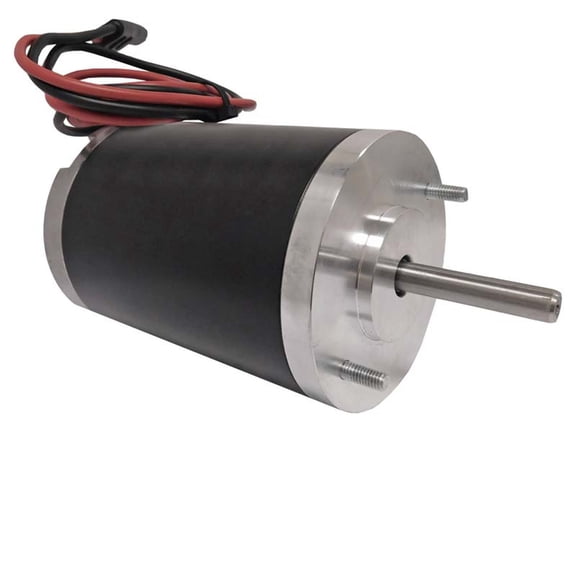
A 12V electric motor lets you power the spreader from your vehicle connection while you ride. You should check whether your ATV or UTV has the right 12V hookup before ordering.
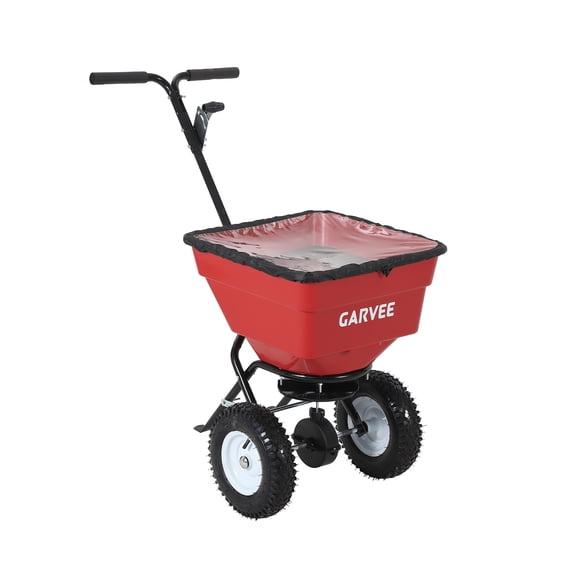
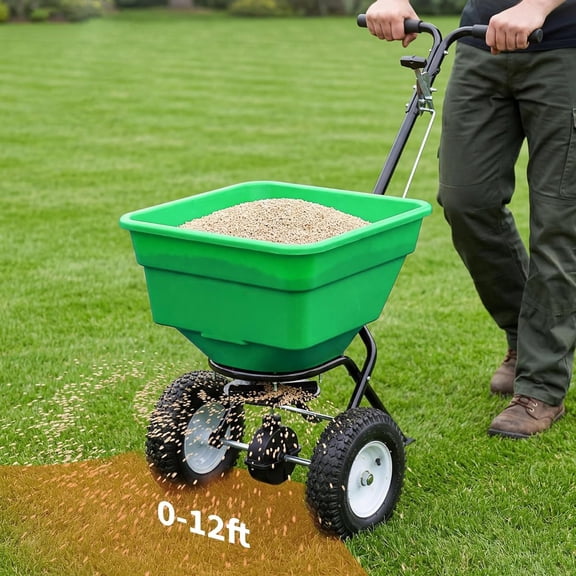
Ground-driven units spin as your wheels move, so you get simple operation without electrical wiring. You may like this option when you want fewer connection steps and straightforward field use.
Manual pull styles can suit lighter tasks where you need occasional spreading without powered parts. You should compare your route length and fill weight before picking a manual setup.
You can also compare control style when you review spread pattern and flow adjustment. You may want electric controls when you need quick changes between lighter seed and heavier fertilizer.
How capacity affects your atv fertilizer spreader results
You should match capacity to your coverage area so you refill less often and keep your route moving. You can compare 100-pound, 125-pound, 175-pound, and 200-pound-plus sizes by job size.
A smaller hopper can make sense when your storage space is tight or your routes stay short. You may prefer that size for spot seeding, garden edges, or smaller home properties.
A mid-size atv fertilizer spreader supports routine property work without feeling oversized on many vehicles. You can use that range for food plots, longer fence lines, and repeated seasonal yard tasks.
A 200-pound-plus model fits larger coverage needs where you want fewer stops during each pass. You should confirm hitch limits, rack limits, and towing comfort before moving to a heavier load.
You can estimate coverage in simple terms by thinking about how many passes you make per fill. Your larger hopper usually means more square footage covered before you stop and reload.
Choosing an atv seed spreader for different materials
You should match the spreader to the material you plan to use across seasons. You can look for an atv seed spreader that also handles fertilizer, salt, or ice melt.
Seed often calls for even flow so you can avoid bare patches and heavy clumps. You may want adjustable gates and a steady spinner when planting food plots or overseeding open ground.
Fertilizer can be tough on metal parts, so you should look for rust-resistant hoppers and hardware. You can compare polyethylene bins and protected frames when you expect repeated fertilizer contact.
Salt and ice melt need a spreader built for heavier granules and colder weather use. You should check product details for material compatibility before using winter spread materials.
A pull behind spreader can help you switch from spring planting to winter surface coverage with one attachment style. You can get more seasonal use when your spreader supports several material types.
What to look for in compatibility and durability
You should measure hitch size, rear clearance, and wire length before choosing any attachment. You can avoid setup issues when you compare receiver fit, rack support, and battery connection needs.
Your ATV or UTV also needs enough carrying or towing support for the filled hopper weight. You should check loaded weight instead of empty weight when you compare options.
Durability matters because outdoor use brings dust, mud, moisture, and repeated loading cycles. You can look for polyethylene hoppers, coated frames, and covered motors for easier long-term upkeep.
You may also want a hopper cover to keep material drier during transport across rough ground. You can appreciate simpler cleanup when smooth interior walls release leftover material more easily.
How you might use ATV spreaders through the year
You can use ATV spreaders in spring for lawn seeding, food plot prep, and early fertilizer passes. You may also use them in fall when you reseed worn areas and refresh larger property sections.
During winter, you can apply salt or ice melt on private lanes, paths, and work areas. You should choose a compatible setup when you want one attachment for warm and cold seasons.
If your land includes trails, orchards, or pasture edges, you can cover ground faster than hand spreading. You can keep your route more consistent when your machine handles the load and spread pattern.
ATV spreaders give you a practical way to handle seasonal material application with vehicle-mounted convenience. You can finish demanding coverage jobs with fewer refills, smoother passes, and a setup that fits your machine.