


Find auto parts that fit
Let’s search for parts that fit your vehicle.ATV Radiators and Engine Cooling Parts




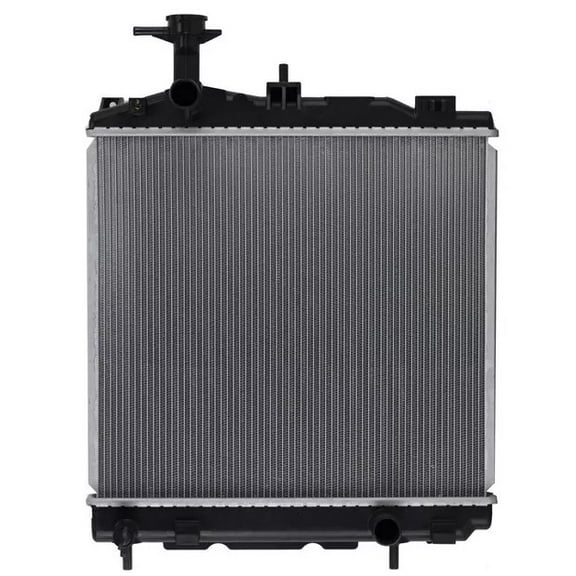


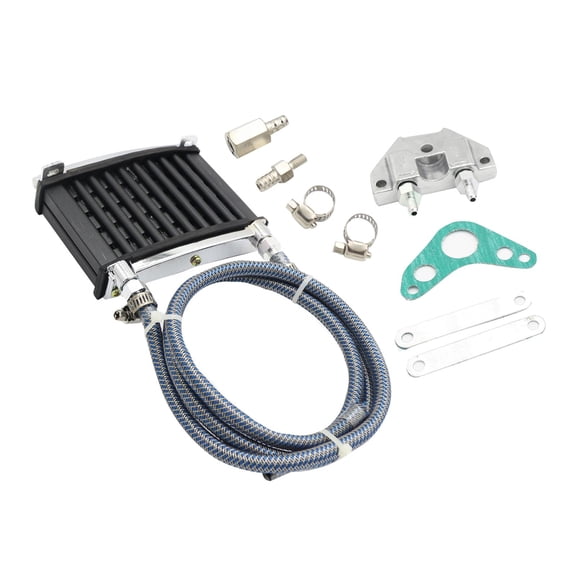
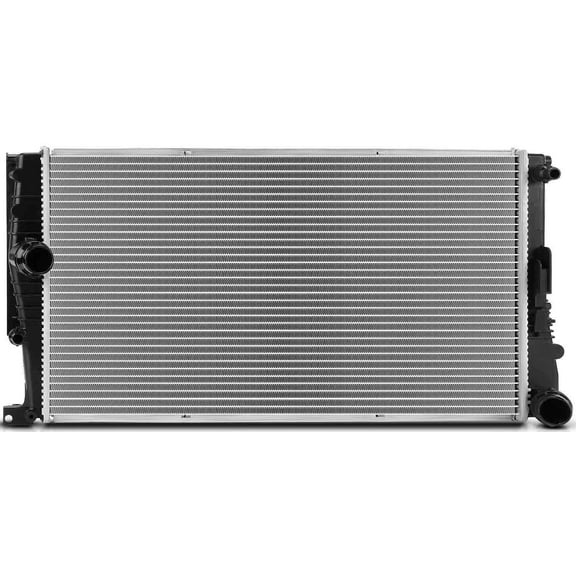
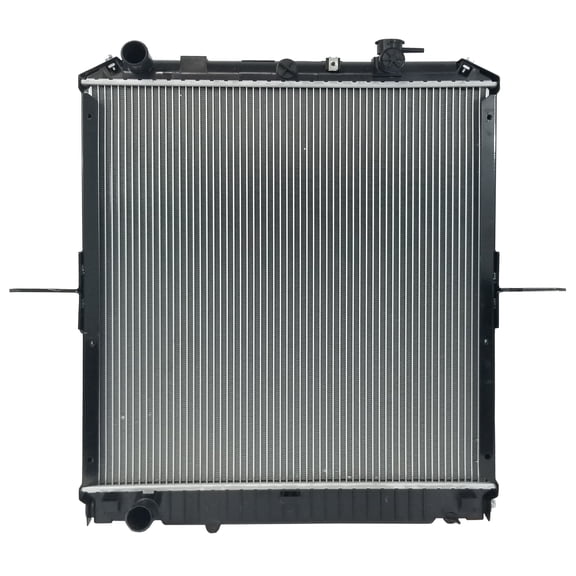

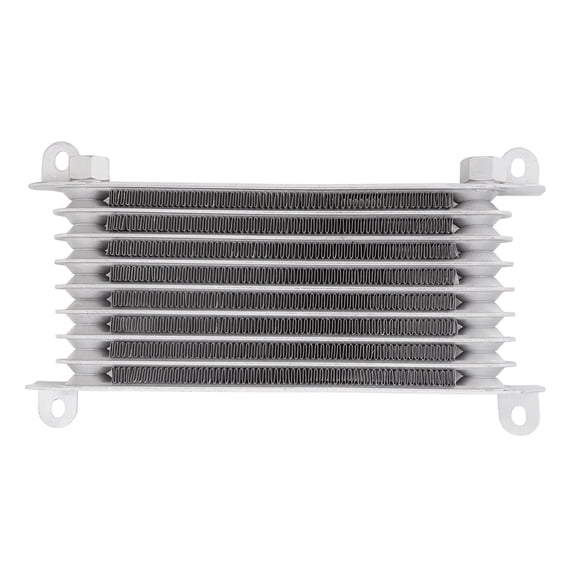




![Yajisi 16 Rows Engine Oil Cooler Cooling Radiator Universal for 125-250CC Motorcycles ATV Dirt Bike Silver 9.4 in / 238 mm[cite: 1]](https://i5.walmartimages.com/seo/Yajisi-16-Rows-Engine-Oil-Cooler-Cooling-Radiator-Universal-for-125-250CC-Motorcycles-ATV-Dirt-Bike-Silver-9-4-in-238-mm-cite-1_c43d829d-381d-40cb-b4cb-e0fef7b5d4fd.b8ea358628d981ff816f9502d11c8fc7.jpeg?odnHeight=576&odnWidth=576&odnBg=FFFFFF)
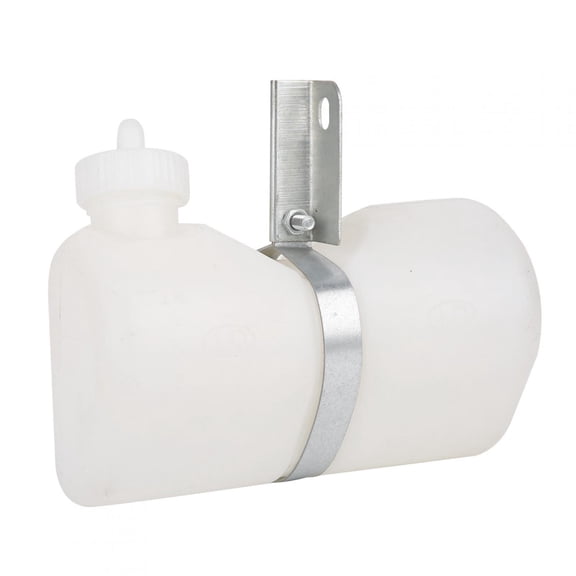
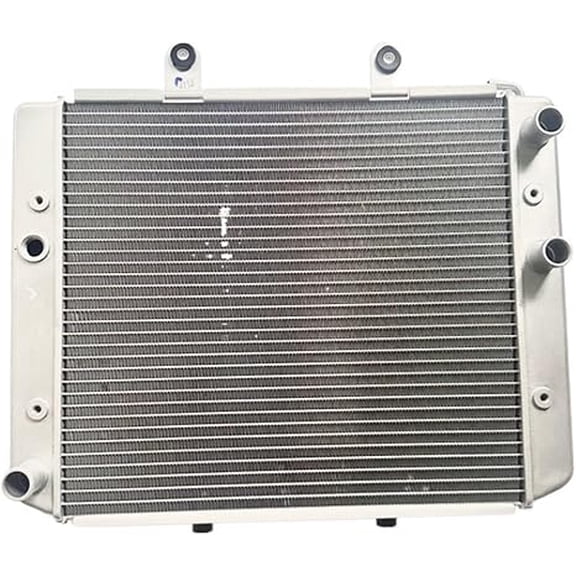

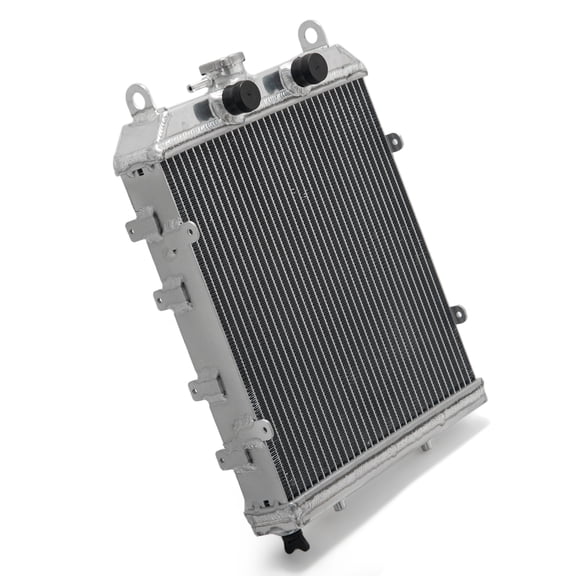
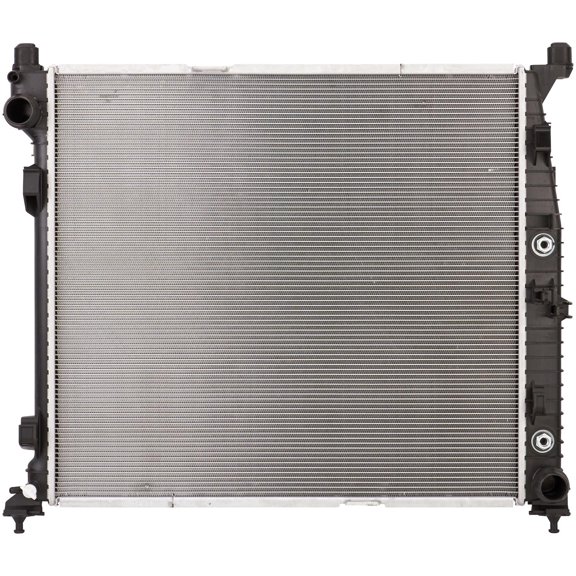
About ATV Radiators and Engine Cooling Parts - Walmart.com
Atv radiators help you manage engine heat during mud, climbs, and slow trail sections. You can compare fitment, material, and core thickness here, so your replacement matches your machine.
How to choose atv radiators for your machine
When you shop atv radiators, you should start with vehicle compatibility before anything else. You can check your year, make, model, and OEM part number cross-reference to narrow the right fit.
You'll also want to measure bolt-hole spacing and inlet and outlet diameter before you order. Those details help you avoid extra adjustments and support a direct bolt-on replacement.
If you ride a quad, ATV, UTV, or side-by-side, you should match the radiator to that vehicle type. You can often spot differences in mounting points, hose routing, and tank shape.
What to look for in your atv cooling system
You can choose from aluminum, copper, or plastic and aluminum designs, depending on your priorities. Each material affects weight, heat transfer, and the replacement setup you prefer.
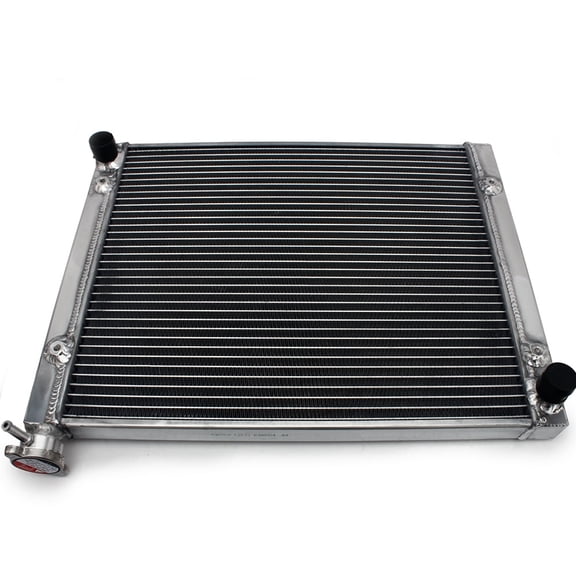
An aluminum atv radiator may appeal to you if you want a lighter build and welded construction. You'll often see aluminum options paired with off-road focused designs and reinforced mounting areas.
If you prefer a factory-style layout, you may consider plastic and aluminum combinations. You can also compare copper options when you want a traditional construction style.
- You can improve heat exchange by matching the right material to your riding conditions.
- You can simplify installation by checking direct-fit layouts and connection points.
- You can build a complete repair by pairing radiators with a hose kit, coolant reservoir, or atv radiator fan.
- You can compare standard replacements with heavy-duty designs for demanding trail use.
Component type matters just as much as material when you're planning a cooling repair. You may need a complete radiator, a radiator fan, a coolant reservoir, or a hose kit.
If your current setup has several worn parts, you can replace related components at the same time. That approach helps you match connections and complete your atv cooling system refresh.
Choosing compatible make, fitment details, and installation points
You should confirm compatible make details early if you ride Polaris, Honda, Yamaha, Can-Am, or Suzuki. Each platform can use different bracket locations, cap placement, and hose angles.
You'll want to compare listing details with your original part and current mounting setup. You can use OEM part number references, bolt-hole spacing, and inlet sizes to confirm fitment.
Direct bolt-on replacement matters when you want a smoother install in your garage. You can reduce guesswork when the radiator matches stock mounting tabs and connection locations.
A quad radiator replacement should line up with your frame and cooling lines without custom fabrication. You'll appreciate that fitment focus when you want to get back to maintenance fast.
If you also maintain a utility model, you may compare an ATV option with a utv radiator layout. You should check tank dimensions and fan clearance because those differences can change overall fit.
Comparing core thickness, row count, and heavy-duty builds
You can choose standard duty, double core, or heavy duty atv radiator designs based on how you ride. Core thickness and row count help you compare cooling capacity in clear, practical terms.
A standard-duty design may suit you if you use stock equipment and casual trail routes. You can move to a double-core or triple-core style when you run harder conditions.
If you ride in slow technical sections, tow gear, or run larger tires, you may want extra cooling capacity. You'll often look for thicker cores when your machine works harder than stock.
You should also compare airflow space around the fins and fan mounting areas. Those details matter when you plan to pair your replacement with an atv radiator fan.
Welded seams and stronger construction can matter when your machine sees vibration, mud, and rough terrain. You can focus on those build details when durability matters as much as fitment.
Matching atv radiators to real riding and repair scenarios
If you use your machine for trail riding, you may want a direct-fit replacement that installs with stock-style connections. You'll likely focus on fitment speed and dependable everyday cooling.
When you ride in hotter months or slow wooded sections, you may compare a heavy-duty core and fan-ready setup. You can support airflow and cooling capacity for longer low-speed rides.
If you maintain a work-focused UTV or side-by-side, you may need a utv radiator with thicker construction. You'll want to compare vehicle dimensions, hose routing, and mounting tabs carefully.
For a garage refresh, you can pair a radiator with a coolant reservoir and hose kit. You can also replace a worn fan assembly when you're updating multiple cooling parts.
If you ride a sport quad, you may care about weight, clearance, and direct mounting points. An aluminum atv radiator may suit you when you want a lighter replacement style.
You can make an informed choice when you compare material, make, component type, and core thickness together. That approach helps you find the radiator setup that fits your machine and your riding conditions.
With atv radiators, you get greater confidence when fitment measurements and cooling goals line up clearly. You can choose a replacement path that supports a smooth installation and steady performance on the trail.