







Desk Chairs and Office Chairs


































About Desk Chairs and Office Chairs - Walmart.com
Desk chairs help you build a workspace that feels focused, flexible, and easier to use every day. You can compare support, materials, and size details here, so your chair fits your room and routine.
How to choose desk chairs for your workspace
When you shop desk chairs, you should start with how long you sit each day. You may want simpler support for short sessions, or more adjustments for longer work blocks.
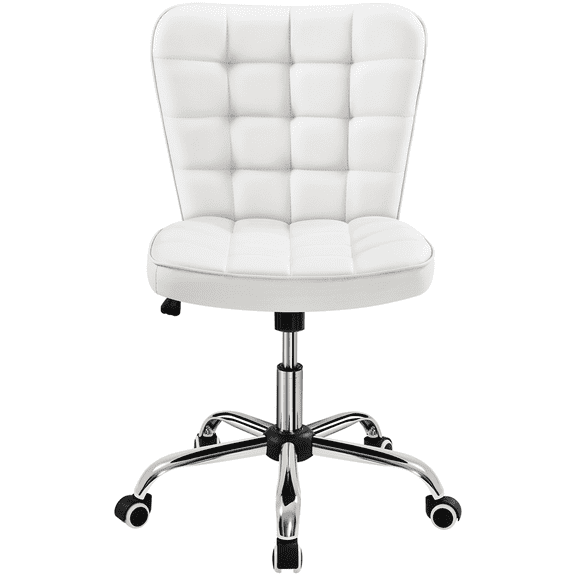
If your space doubles as a bedroom or dining area, you may prefer small desk chairs with a lighter frame. If your setup stays put, you may prefer a wider seat and taller back.
You can narrow your options faster when you compare these key decisions first. You should look at support style, material, adjustability, chair type, and weight capacity.
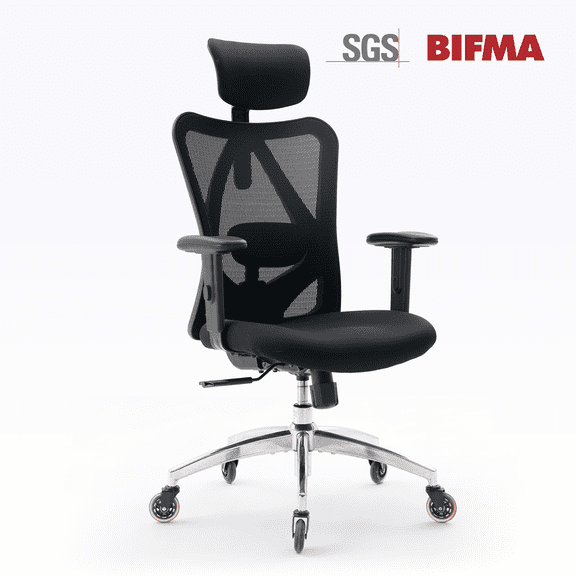
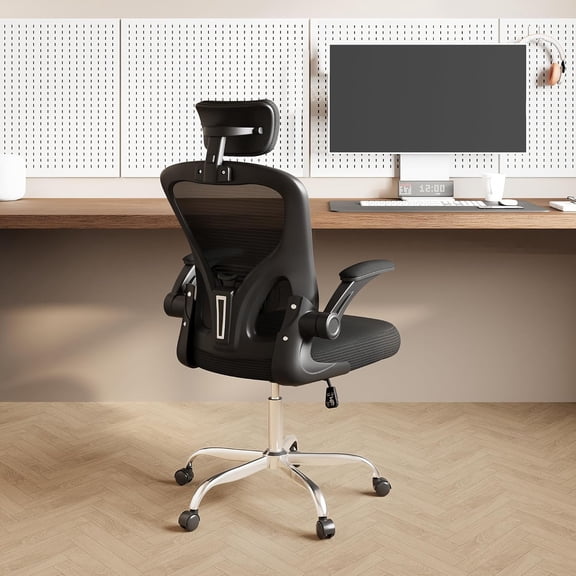
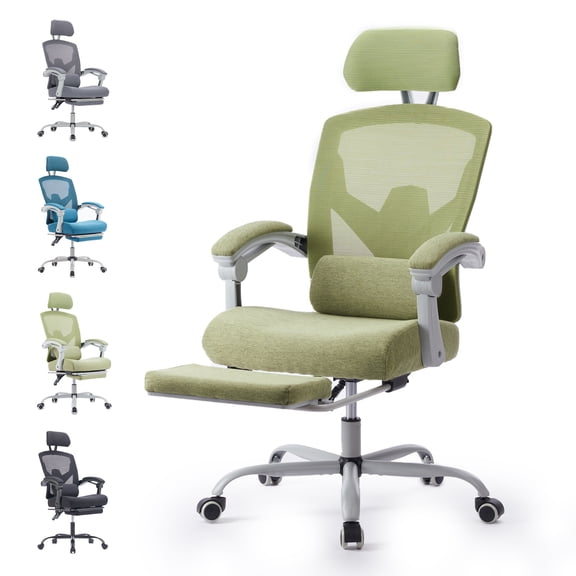
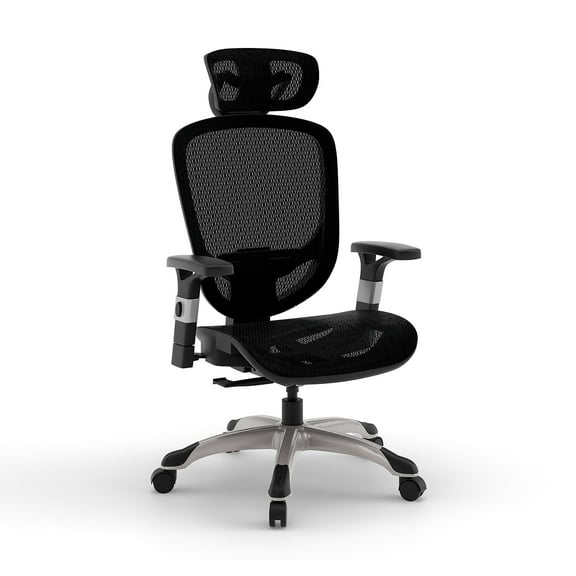
- You can choose lumbar support, a headrest, or tilt lock for a more tailored seated position.
- You can compare mesh, leather, fabric, and vinyl based on airflow, texture, and cleanup needs.
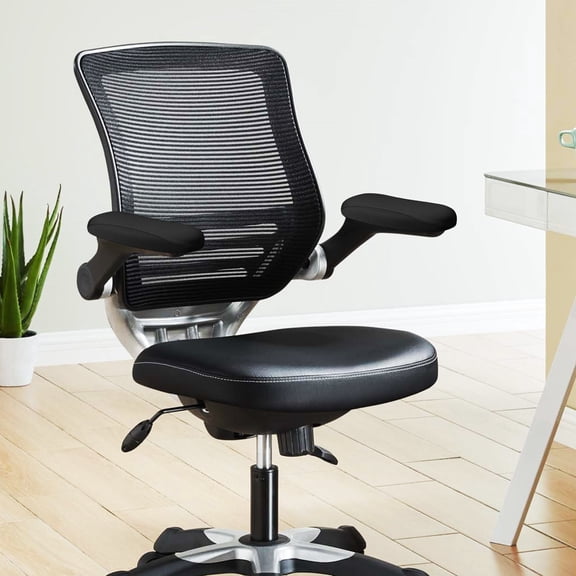
- You can look for seat height, armrest, and tilt tension controls that match your desk height.
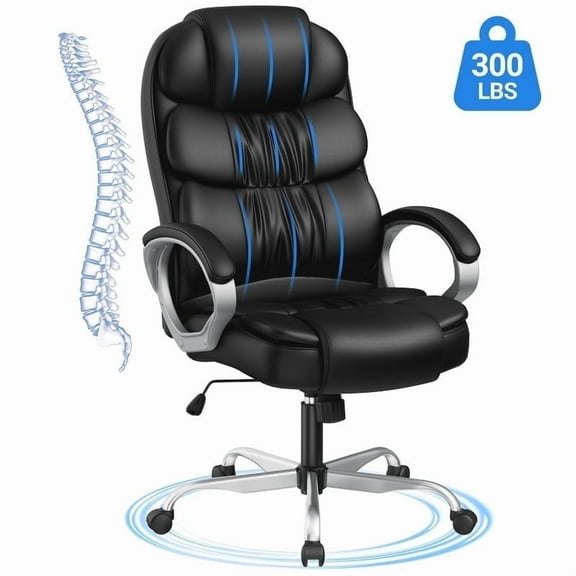
- You can pick task, executive, gaming, or drafting styles based on your room and daily use.
- You can check standard or big and tall sizing by reviewing weight rating and seat width.
Choosing ergonomic desk chairs and support settings
You should compare ergonomic desk chairs by how many adjustments you can actually use. You may notice that lumbar support, tilt tension, and a pneumatic lift change how your seat feels hour after hour.
If you work in longer stretches, you may want a backrest that follows your shape more closely. You can use tilt lock to hold a steady angle during calls, typing, or focused reading.
Seat height matters because you need your arms and desk surface to line up comfortably. You should also check whether armrests adjust, especially if your keyboard tray or desk sits higher.
For shorter tasks, you may prefer a fixed frame with fewer controls to keep setup simple. For longer sessions, you may want extra tuning points that help your chair match your posture.
Comparing materials in office desk chairs
Material changes how office desk chairs feel across a full day of use. You should compare airflow, cushioning, texture, and cleanup before you choose a finish.
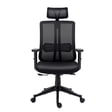
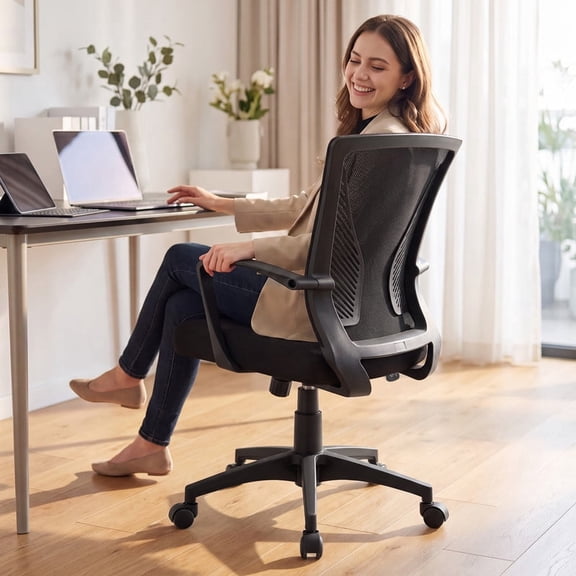
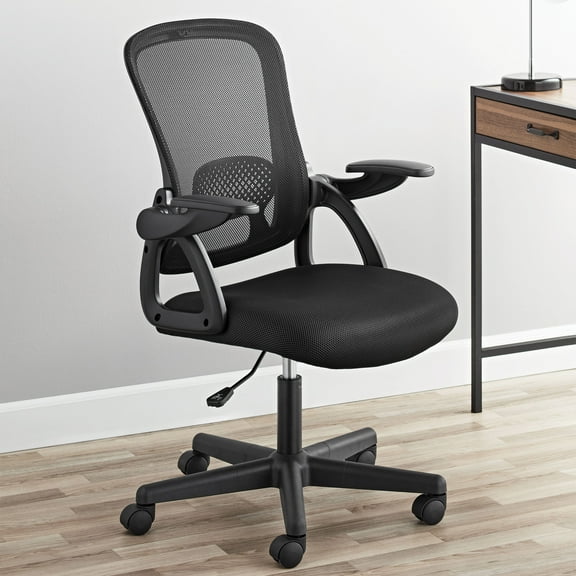
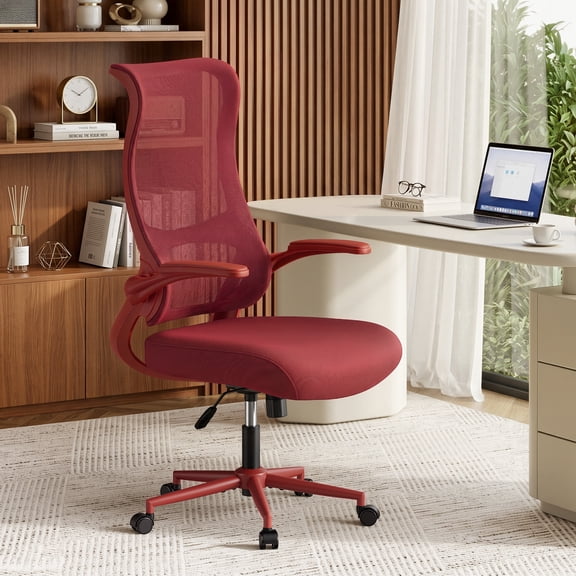
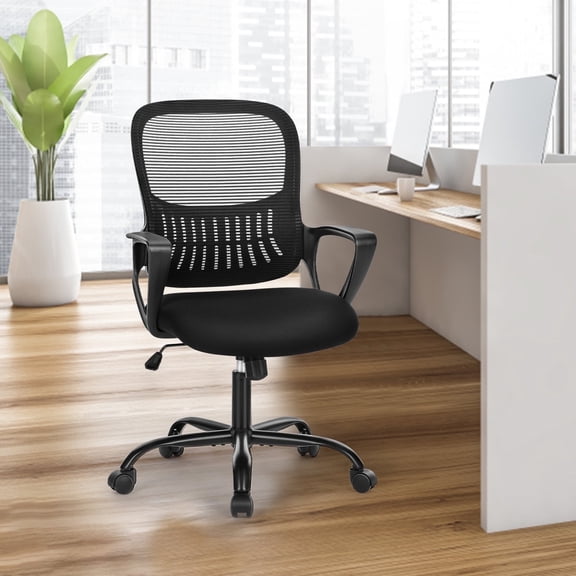
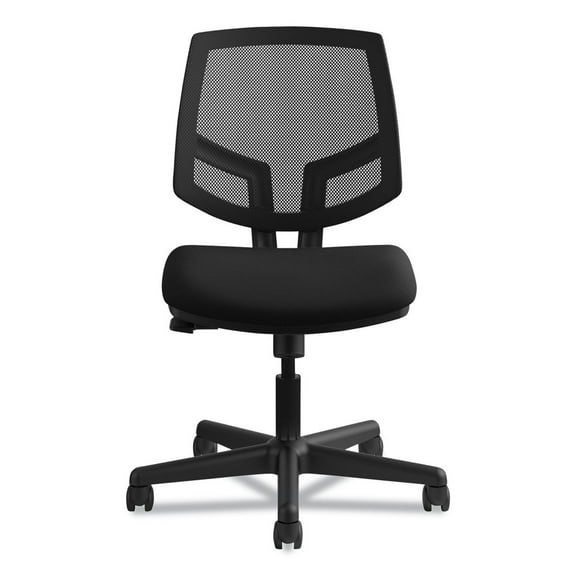
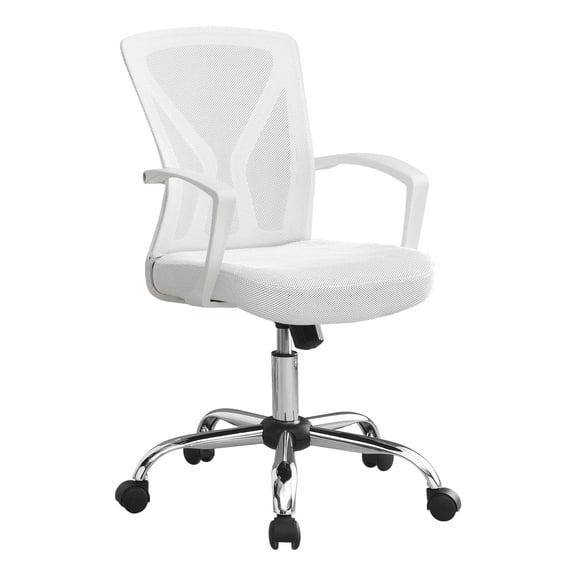
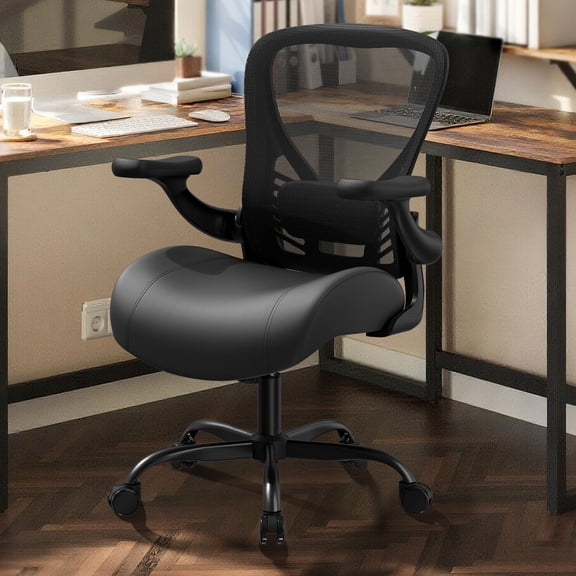
Mesh desk chairs can feel lighter and more breathable in warm rooms or busy home offices. You may prefer mesh computer chairs if you want airflow across your back during longer seated time.
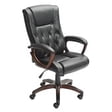
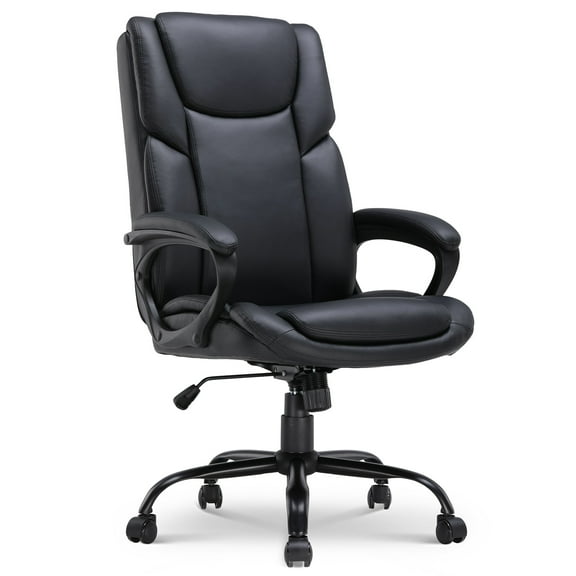
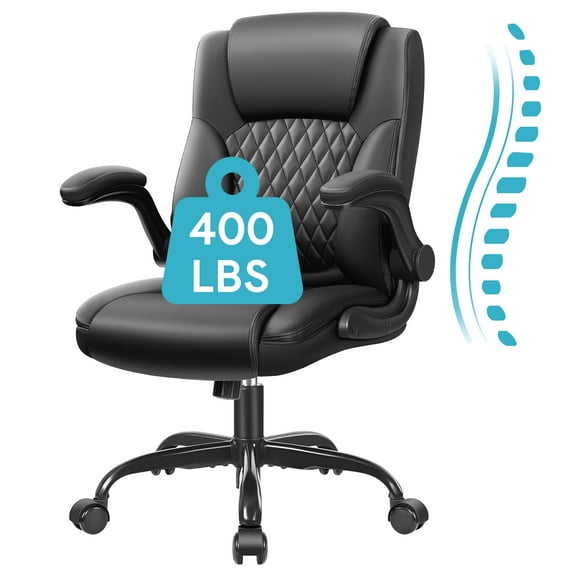
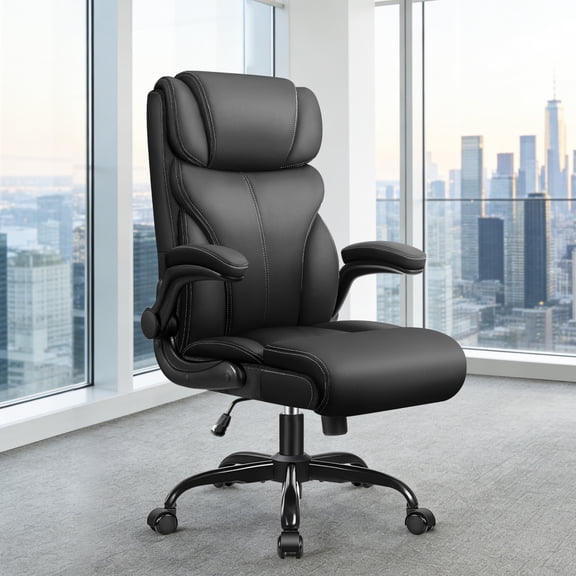
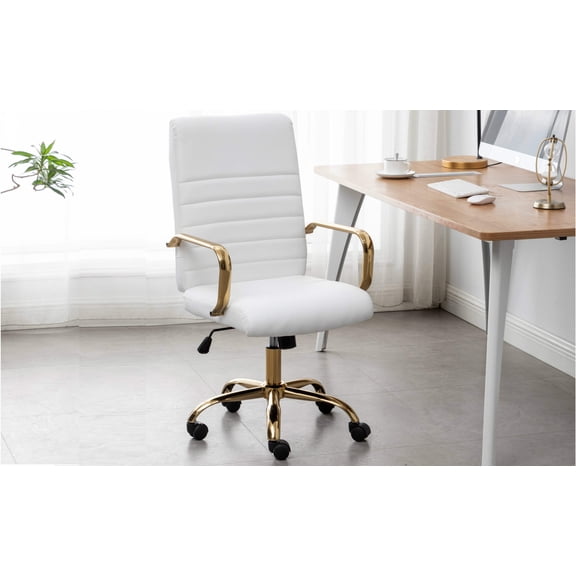
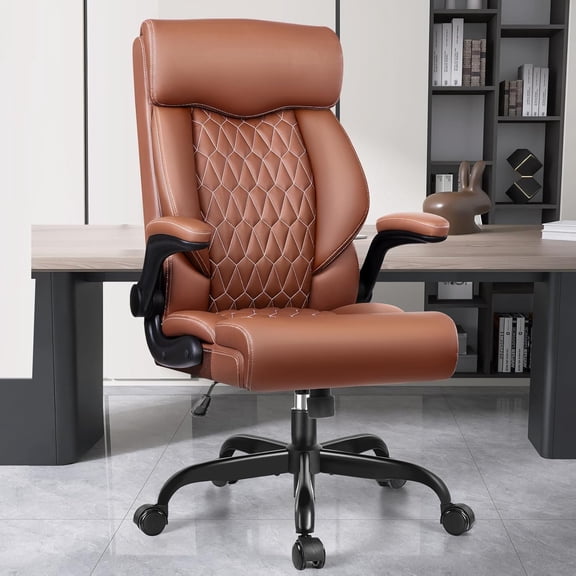
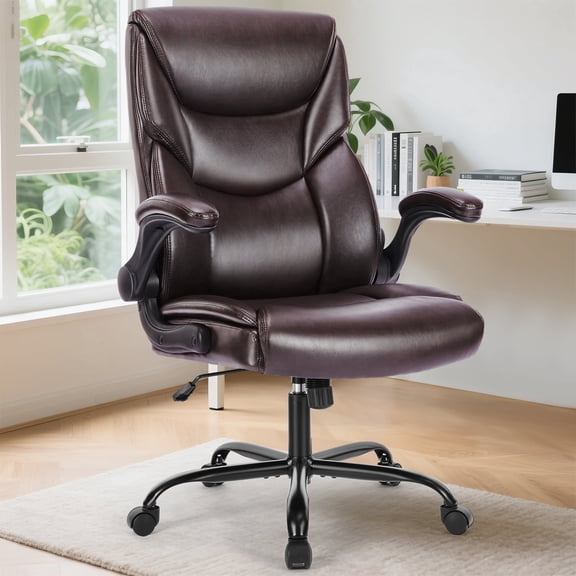
Leather and vinyl can give your workspace a smoother, more polished look. You may like these surfaces if your room leans formal and you want quick wipe-clean care.
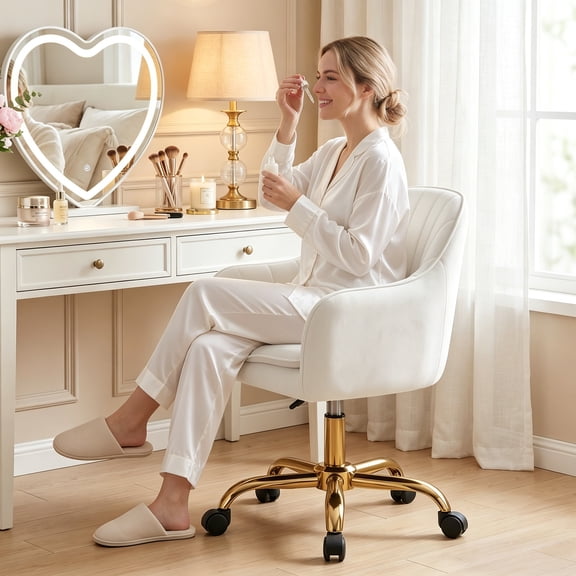
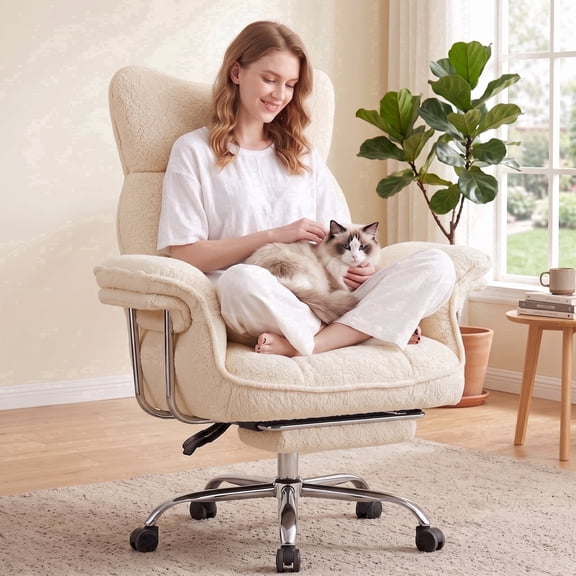
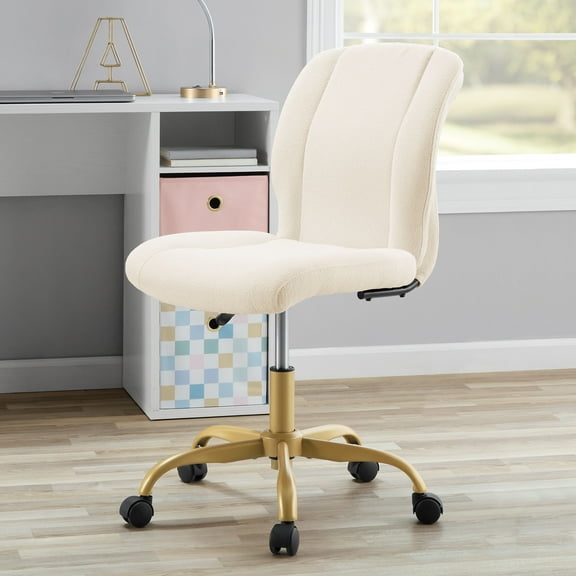
Fabric can bring a softer look that blends easily with home furniture. You should consider fabric when your desk sits in a shared living space or multipurpose room.
What to look for in adjustable desk chairs
Adjustable desk chairs can make a bigger difference when your desk height, monitor stand, or work style changes often. You should compare the controls you’ll use most instead of chasing extra features.
Seat height is the first setting to check because it affects leg position and arm reach. You may want a pneumatic lift if more than one person uses the same workspace.
Tilt tension controls how easily the chair reclines when you lean back. You should look for this feature if you shift between typing, reading, and video meetings during the day.
Armrest adjustments can help when you move from laptop work to a full keyboard setup. You can also compare swivel desk chairs if you need easy movement between drawers, printers, and side tables.
Matching style, size, and weight capacity to your routine
You should choose style and size based on your room layout and your daily tasks. Task chairs usually fit compact setups, while executive office chairs often bring taller backs and fuller cushioning.
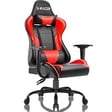
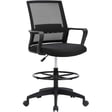
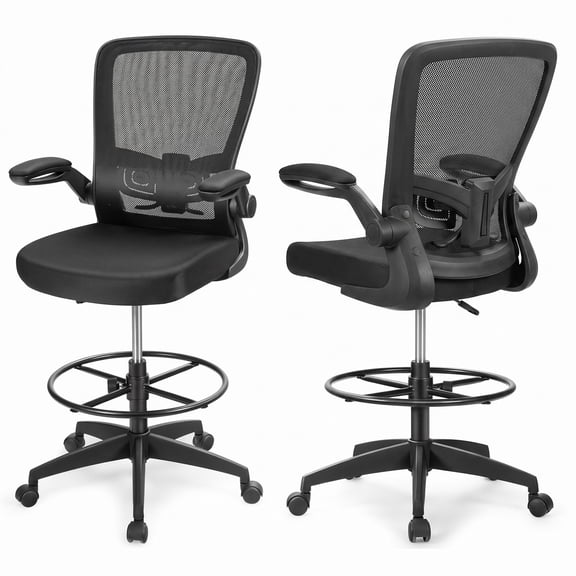
Gaming styles may suit you if you want a bold look and a more wrapped seat design. Drafting chairs may fit you if you work at a taller table or counter-height surface.
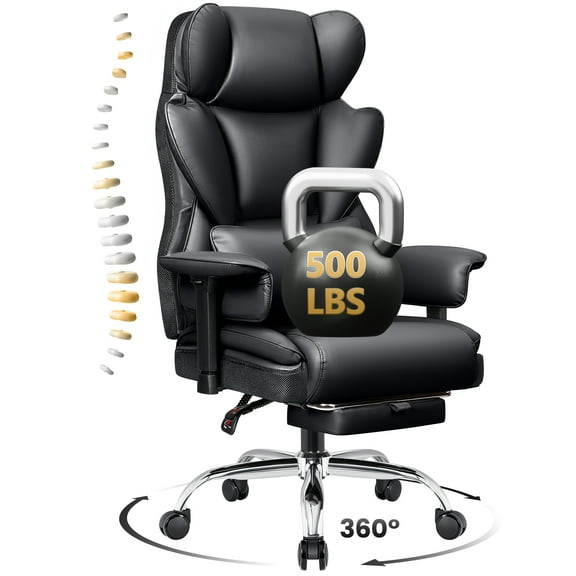
Weight capacity deserves a close look because it affects fit, seat width, and overall support. You should check the weight rating in pounds and compare seat pan dimensions before you decide.
If you need more room through the seat and back, you may prefer big and tall options. If you’re furnishing a tighter nook, small desk chairs may help you keep pathways open.
Using desk chairs at home, school, and work
You can match different desk chairs to different routines without overcomplicating your choice. A student desk may call for a simple task chair, while an all-day workstation may need deeper ergonomic support.
For back to school desk chairs, you may want compact sizing that fits dorm rooms and shared apartments. You should measure desk clearance, floor space, and seat height before you choose.
In a home office, you may want comfortable desk chairs with breathable material and flexible adjustments. If you work eight or more hours, you should pay closer attention to lumbar support and tilt tension.
For occasional bills, crafts, or laptop sessions, you may prefer a lighter chair with a smaller footprint. You can keep your setup practical by choosing only the features your routine really uses.
When you compare desk chairs by support, material, adjustability, size, and daily use, you can choose with more clarity. You’ll end up with a chair that fits your desk, your space, and your work rhythm.