






Antiseptics in First Aid










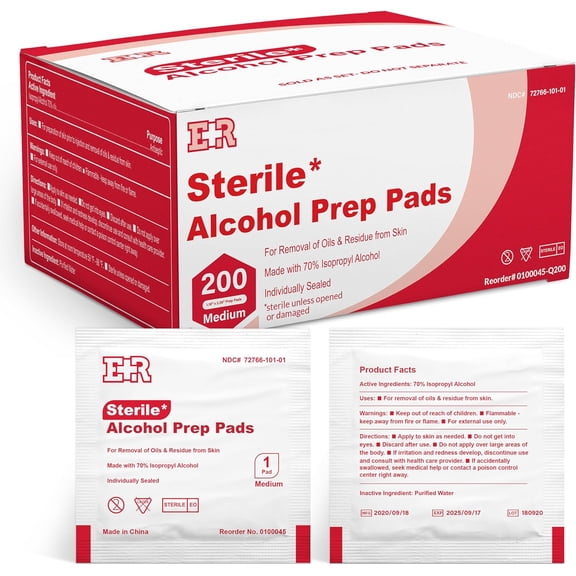
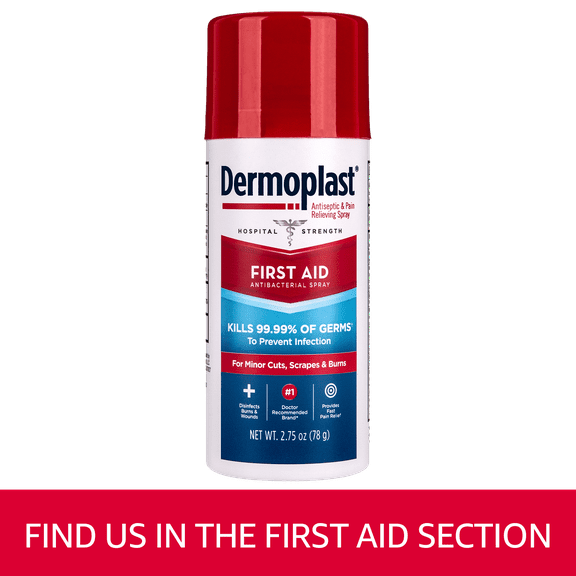
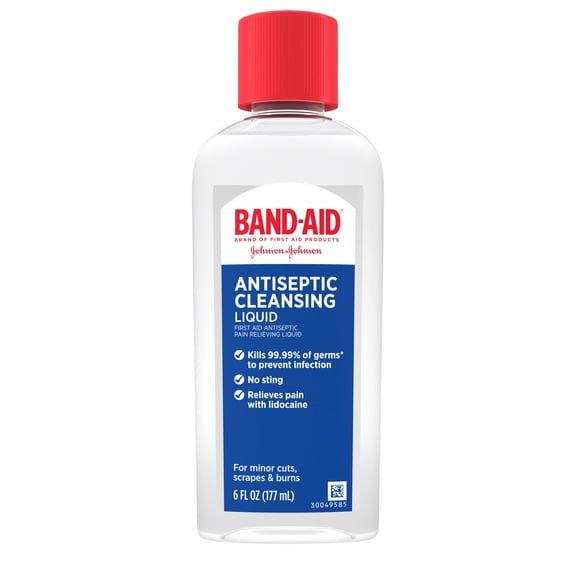








About Antiseptics in First Aid - Walmart.com
Antiseptics help you compare skin-cleansing formats for first aid routines, wound prep, and stocked cabinets. With liquids, sprays, creams, and ointments, you can match application style, ingredient type, and package size to your routine.
Instead of guessing between similar labels, you can use this guide to compare the choices that shape everyday use. Clear differences in texture, ingredient, application area, and bottle size help you narrow options quickly.
How to choose antiseptics by formulation type
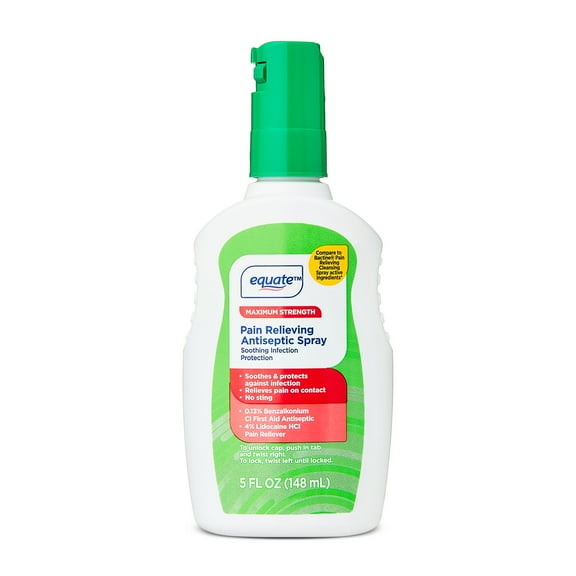
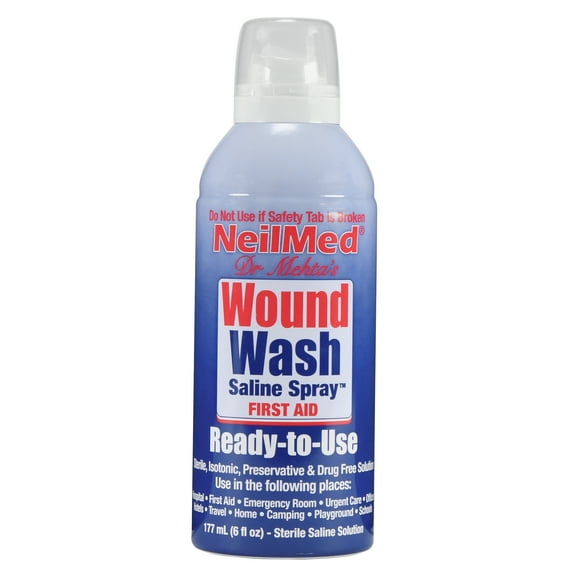
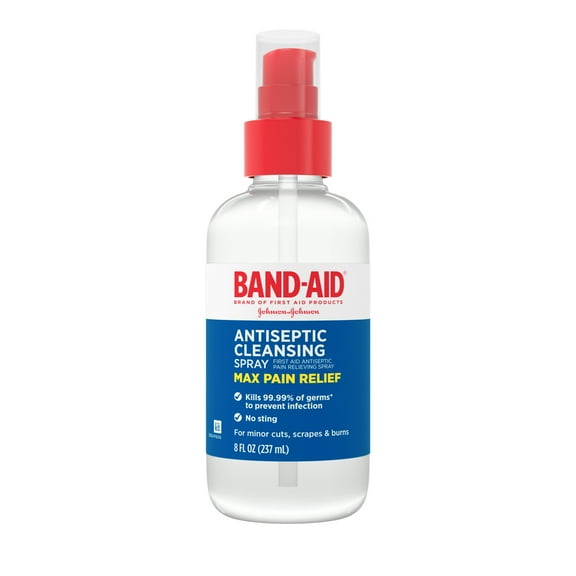
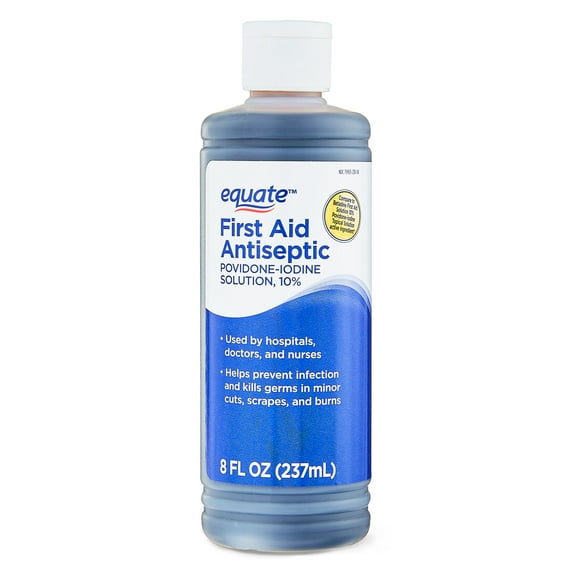
Formulation type shapes how you apply antiseptics and how much control you have during use. An antiseptic liquid helps you wet gauze evenly, while an antiseptic spray gives you quick coverage on hard-to-reach spots.
Cream and ointment textures give you a thicker layer that stays where you place it. That added staying power helps you focus on small areas when you want less dripping.
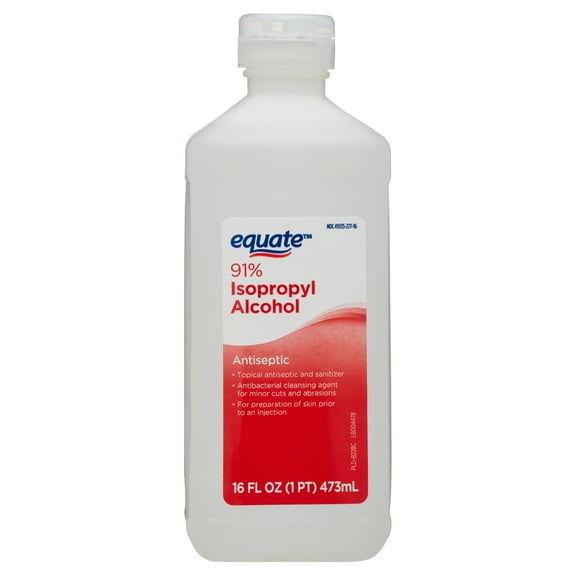
- You can choose liquid formulas when you want even coverage on pads, gauze, or larger skin areas.
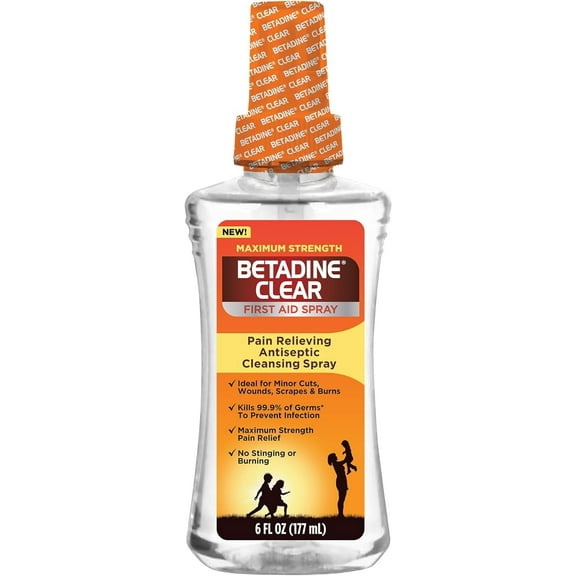
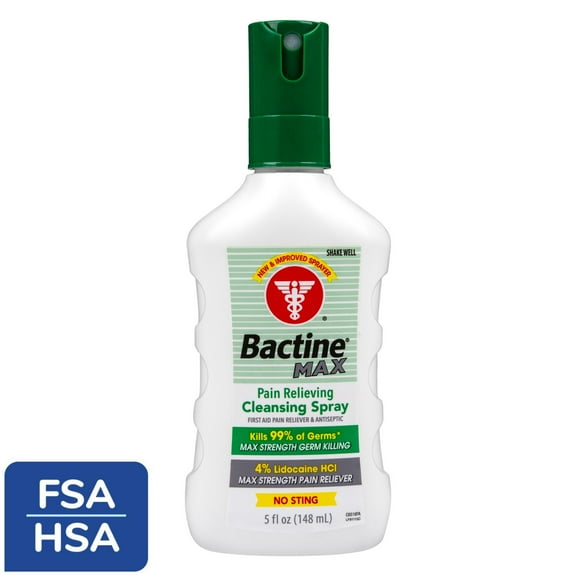
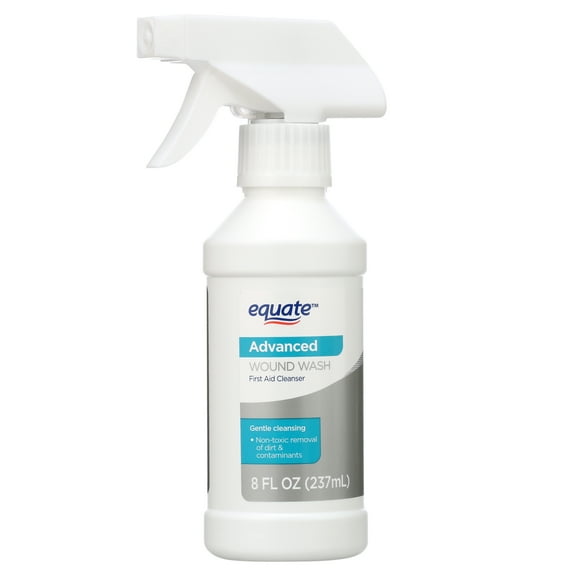
- You can choose spray formats when you want touch-light application and quick access in busy first aid routines.
- You can choose cream textures when you want more control on smaller spots and a less runny feel.
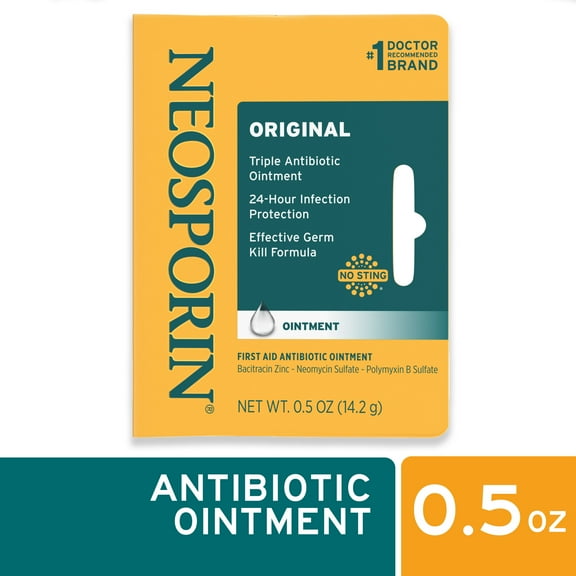
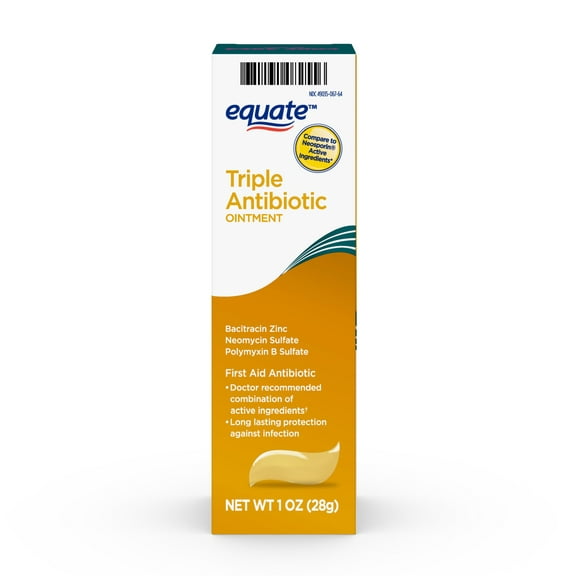
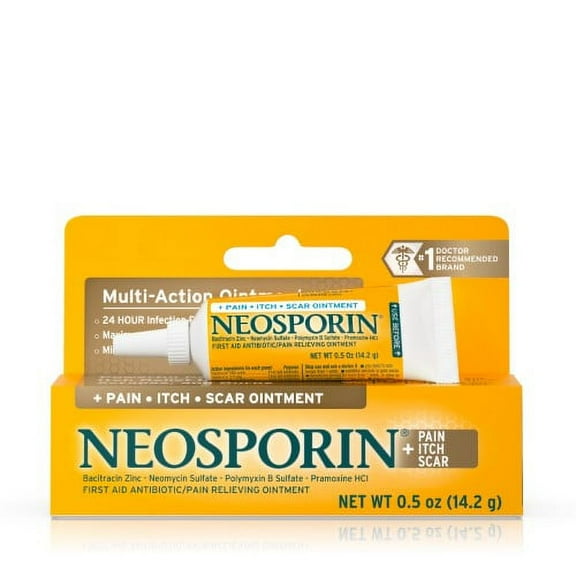
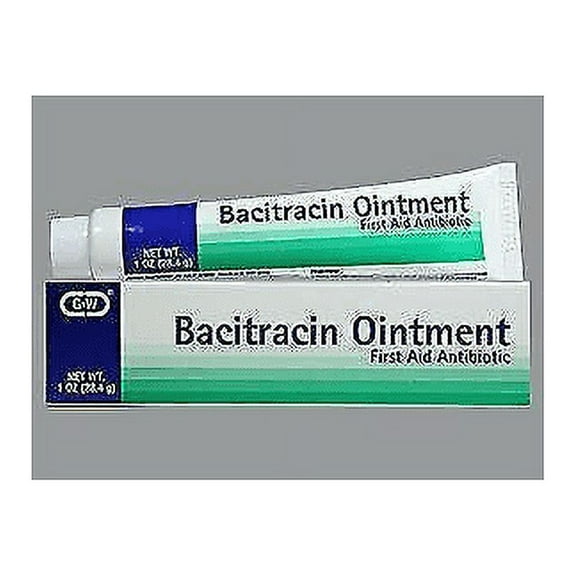
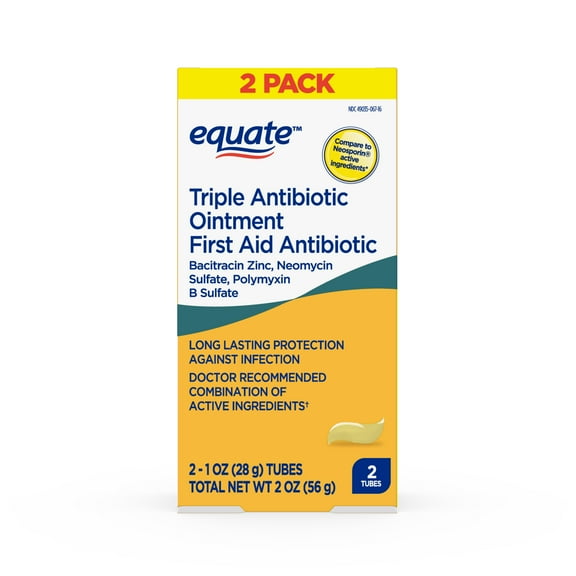
- You can choose ointment formats when you want a thicker layer that stays concentrated where you apply it.
- You can choose travel size packaging when you want compact supplies for bags, cars, or work lockers.
Texture also affects how the formula feels when you apply it to skin. Thin options usually spread quickly, while thick options stay concentrated in one place.
Choosing an antiseptic skin cleanser by active ingredient
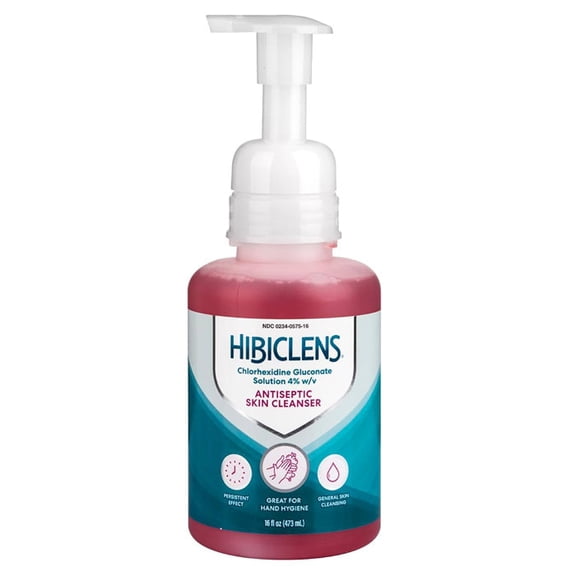
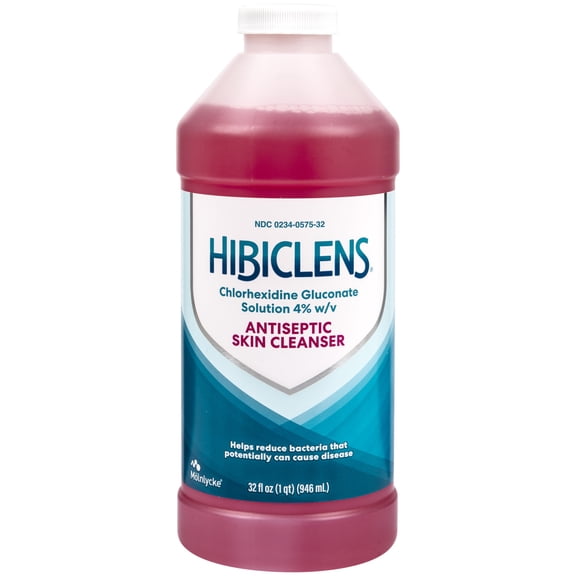
Active ingredient is one of the biggest decisions you face when comparing an antiseptic skin cleanser. You may see isopropyl alcohol, hydrogen peroxide, chlorhexidine gluconate, and povidone-iodine across this category.
Each ingredient gives you a different application experience, so label reading matters. Some shoppers notice a strong feel on contact, while others prefer a formula that feels mild during routine cleansing.
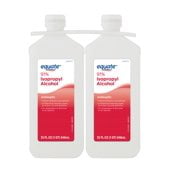
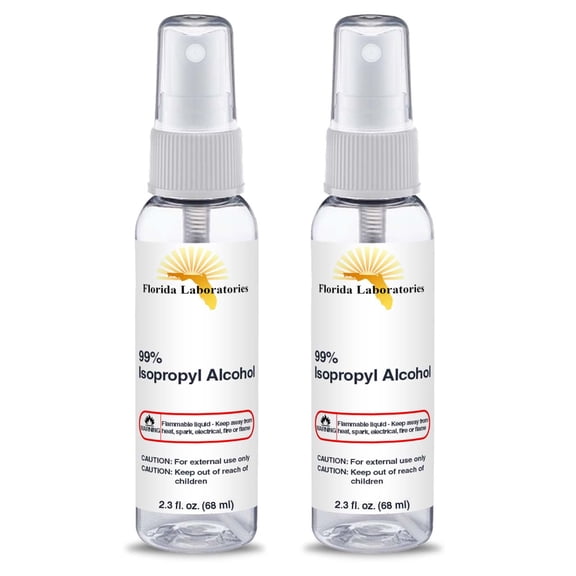
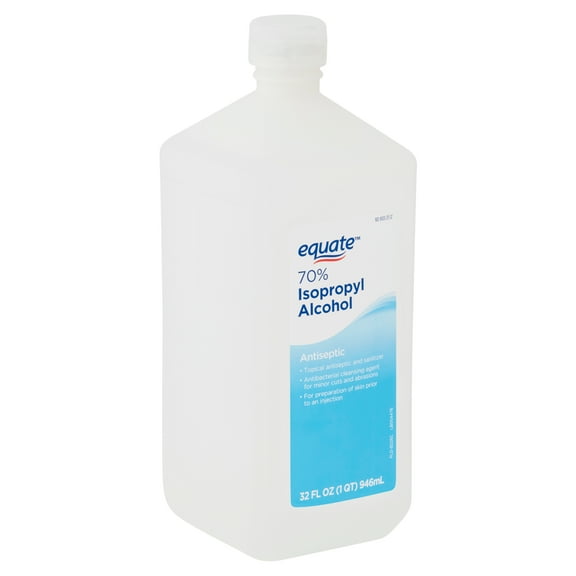
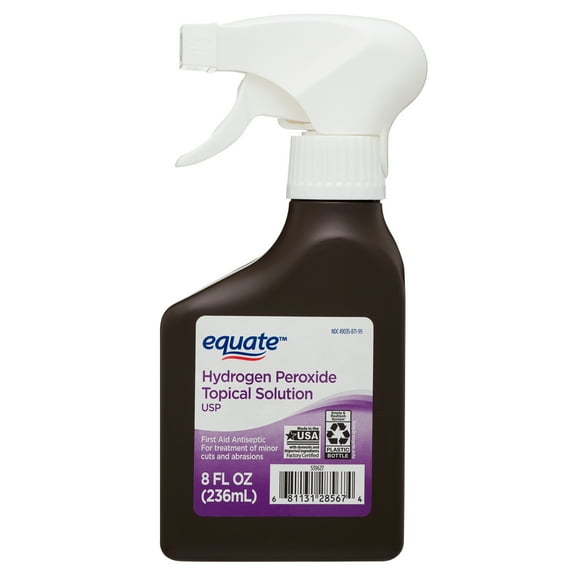
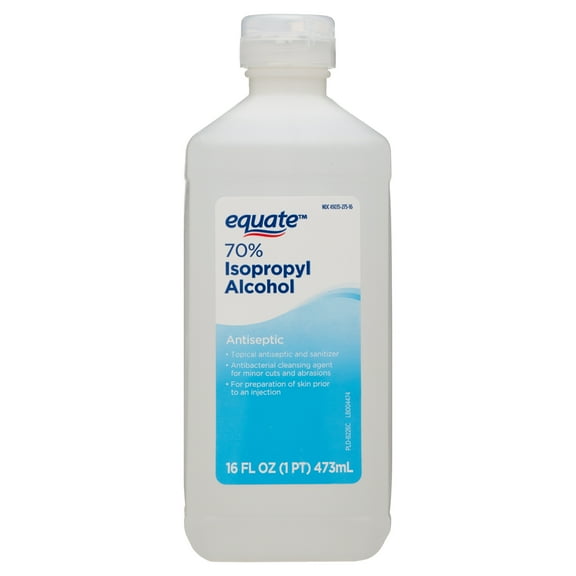
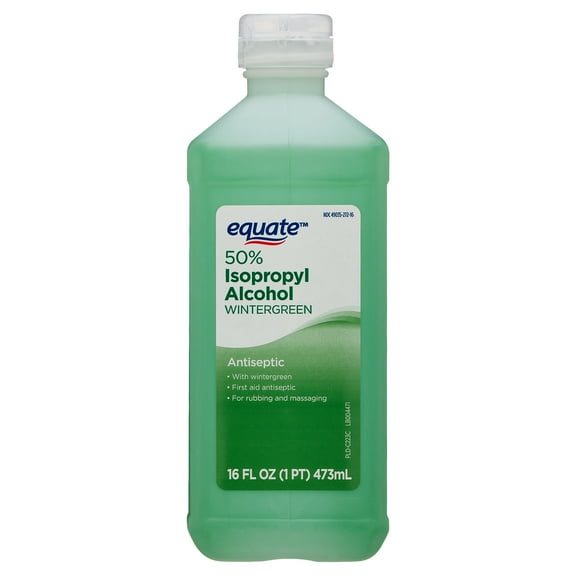
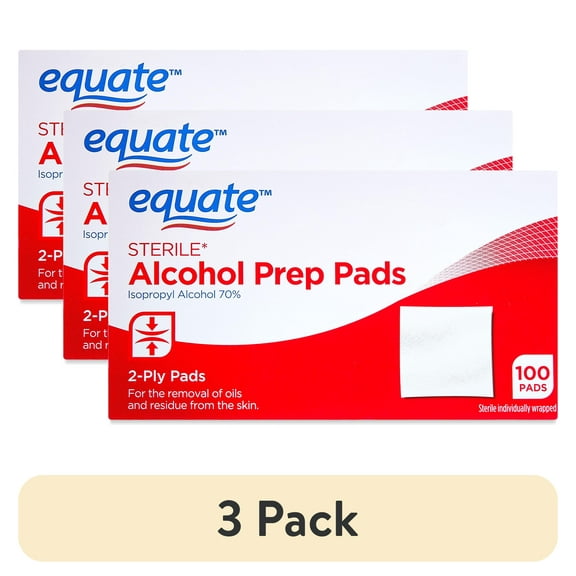
Isopropyl alcohol gives you a familiar option for many skin-cleansing tasks and cabinet setups. Hydrogen peroxide gives you a bubbling liquid that many shoppers recognize from home first aid shelves.
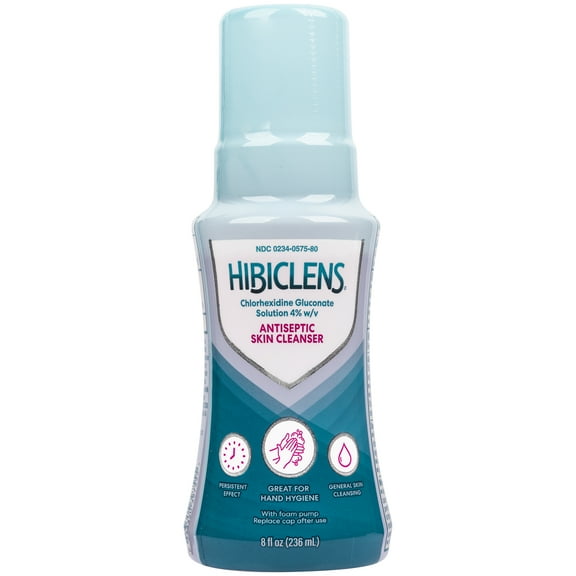
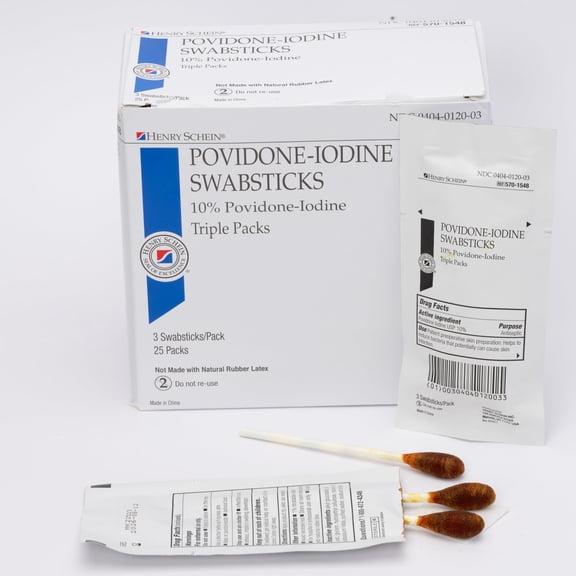
Chlorhexidine gluconate often appears in more structured prep routines where you compare label directions closely. Povidone-iodine gives you visible coverage, which helps you see where you applied the formula.
When you're deciding between iodine, peroxide, or chlorhexidine, you should compare label directions and application areas together. That approach helps you match the ingredient to your routine instead of choosing by name alone.
If your skin feels delicate, you should check whether the label supports your preferred application area. You can also compare instructions carefully when you're choosing for facial areas, hands, or general skin cleansing.
Choosing first aid antiseptics by application area
Application area matters because first aid antiseptics target living tissue, while disinfectants work on hard surfaces. That distinction helps you choose a product that matches skin-focused use instead of household cleaning.
Labels can guide you toward options for skin, wound, hands, or oral use. Checking that wording helps you avoid mixing up surface cleaners with products made for personal care routines.
For a cabinet setup at home, you may want a standard bottle that stays easy to reach. In workplaces or shared spaces, bulk or professional sizes can make restocking simple and organized.
Travel size bottles fit gym bags, backpacks, glove boxes, and carry-ons without taking much room. Smaller packaging works well when you want familiar supplies close by during commutes or weekend trips.
What to look for in wound cleanser options and real use cases
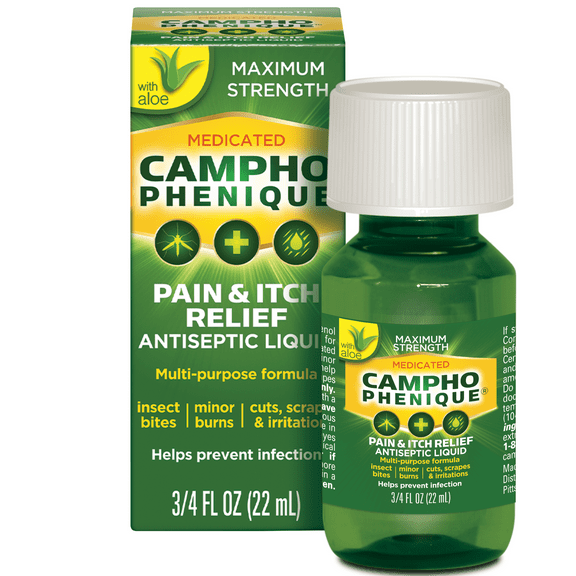
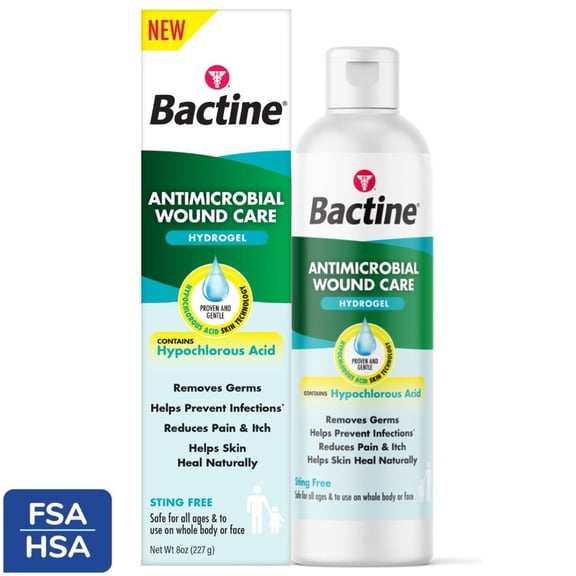
A useful kit often includes more than one format because different routines call for different application styles. You might keep an antiseptic spray for quick coverage, an antiseptic liquid for gauze, and a thicker option for targeted placement.
At home, you may want a wound cleanser or skin cleanser that fits everyday cabinet storage. Standard bottles and familiar ingredient names can make restocking and repeat purchases easier.
For travel or sports bags, compact packaging can make routine prep feel simple. Spray bottles and small liquids work well when you want a portable option that fits limited space.
In more structured settings, you may compare professional sizes and ingredients used for prep-focused routines. You should check whether the label lists skin cleansing, wound care, hands, or oral use before choosing.
When you're comparing feel during application, product descriptions can help you sort through common concerns. You may prefer one ingredient or texture over another based on how it feels on your skin.
Cross-shopping related first aid items can also make your setup more complete. You can pair antiseptics with bandages, gauze, and first aid kits so your supplies stay coordinated and easy to access.
How this antiseptics guide helps you choose with confidence
When you compare formulation, active ingredient, application area, and package size together, your decision gets clear. This helps you find antiseptics that fit your storage space, preferred texture, and everyday first aid routine.