






Antibiotics in First Aid
















About Antibiotics in First Aid - Walmart.com
Antibiotics for first aid help you compare antibiotic ointment, cream, spray, and gel for everyday wound care. You'll sort choices faster when you focus on product form, ingredient blend, and common household use.
Across this category, you can evaluate topical first aid items made for minor cuts, scrapes, and small burns. Unlike many first aid pages, you'll also compare triple antibiotic blends, bacitracin ointment options, and pain relief formulas.
Choosing antibiotics by product form
Start with product form, because your choice changes how the formula feels during application. An ointment usually gives you a thicker coating, while a cream gives you a lighter finish.
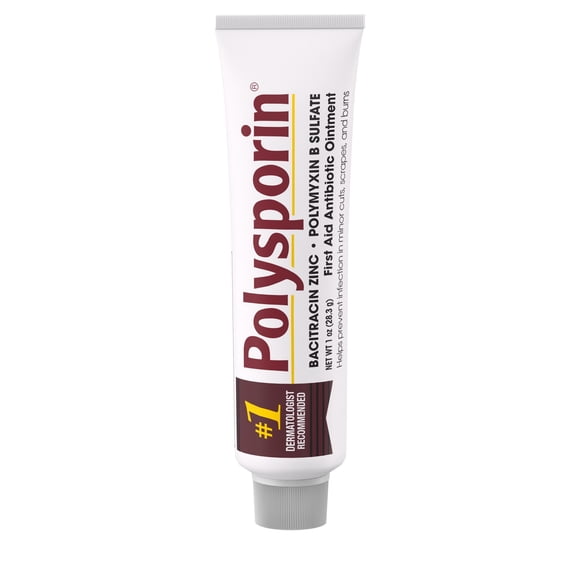
When you want a classic first aid ointment texture, you may prefer an ointment for spots that need a more covered feel. If you want quicker rub-in, you may lean toward cream for easier daily use.
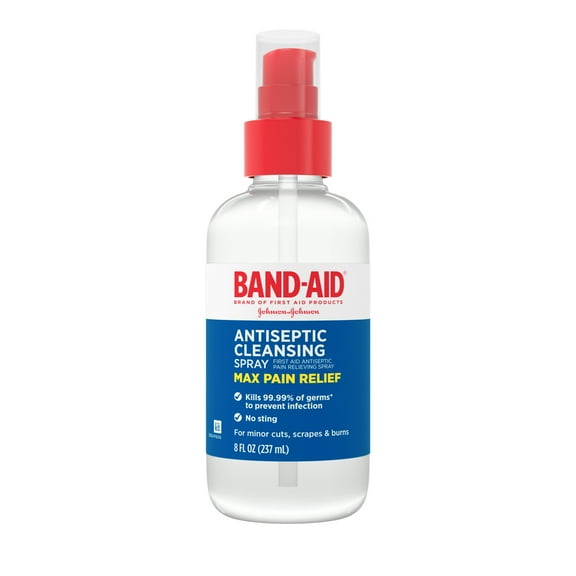
Spray and gel options can also fit specific routines in this antibiotics category. You'll often choose spray for harder-to-reach areas, while gel can feel smoother on busy days.
- You can choose ointment when your routine calls for a thicker layer on minor cuts and scrapes.
- You can choose cream when your preference is a lighter feel with faster absorption.
- You can choose spray when your application area feels awkward for direct rubbing.
- You can choose gel when your routine calls for smooth spreading with a lighter finish.
Choosing the right antibiotic ointment formula
Next, compare formulation type so you can narrow similar-looking options with more confidence. You'll often see triple antibiotic, double antibiotic, and pain relief formulas across topical first aid assortments.
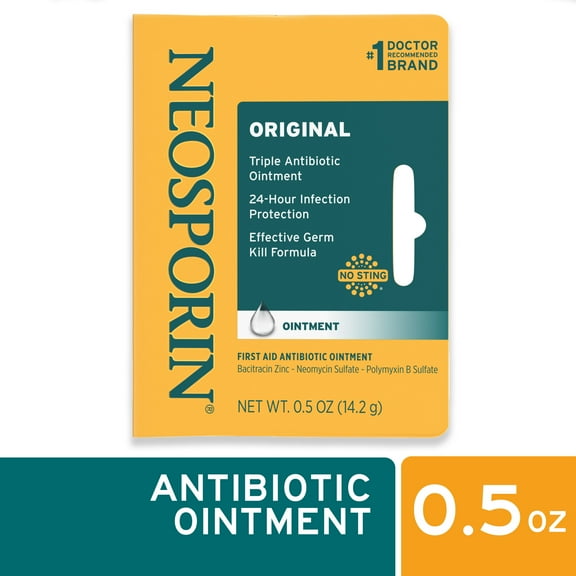
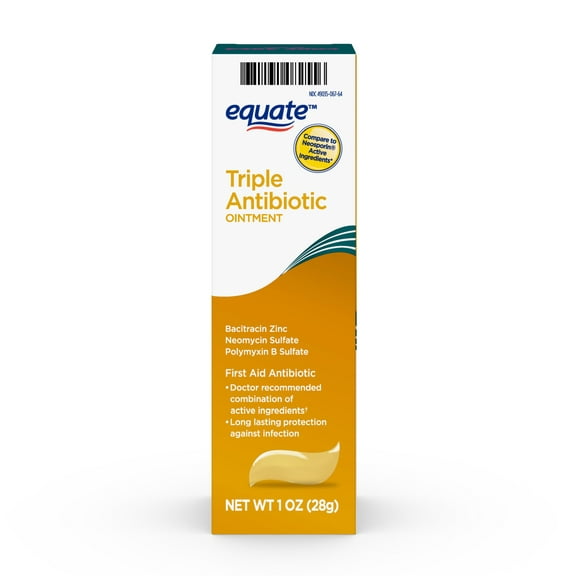
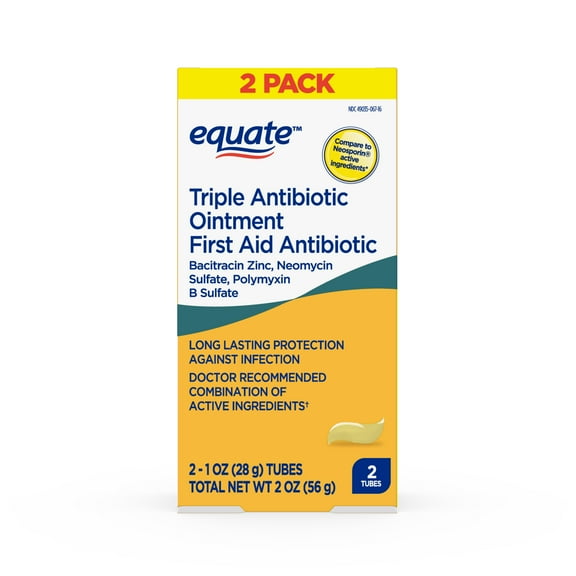
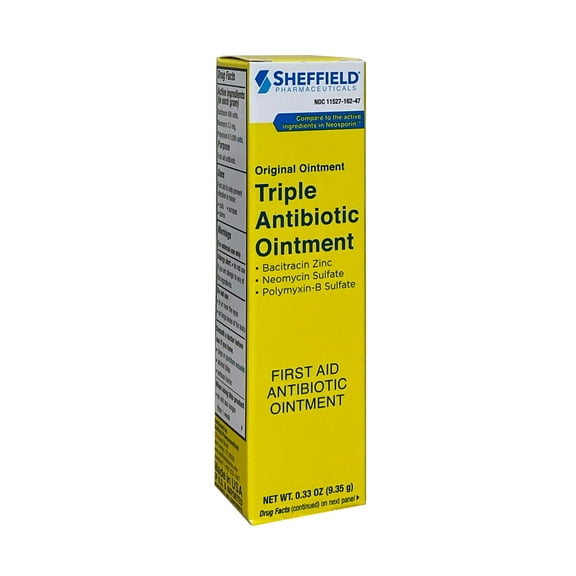
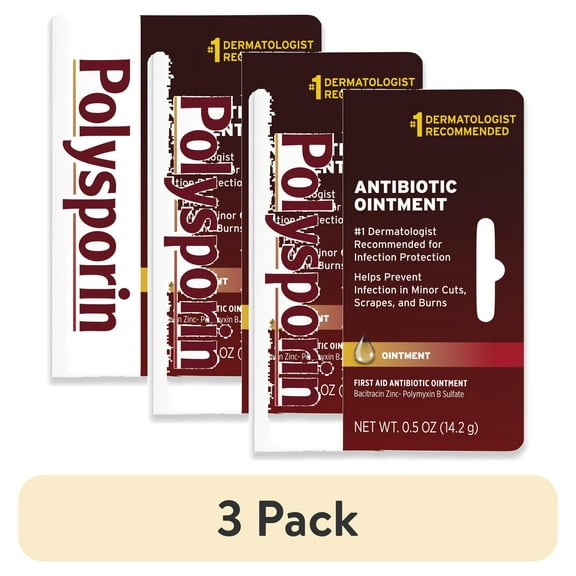
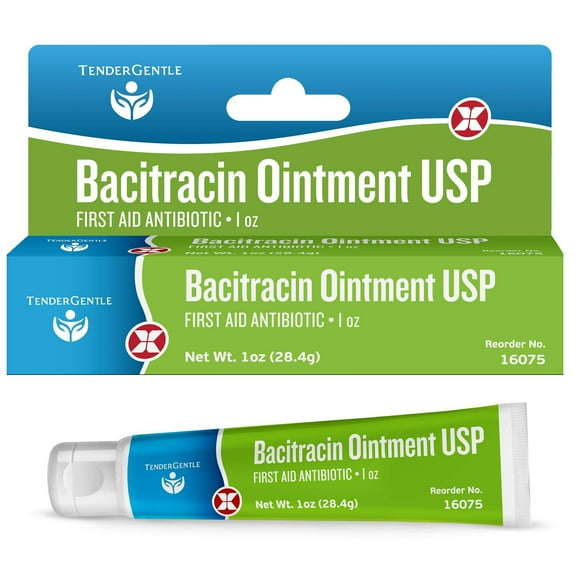
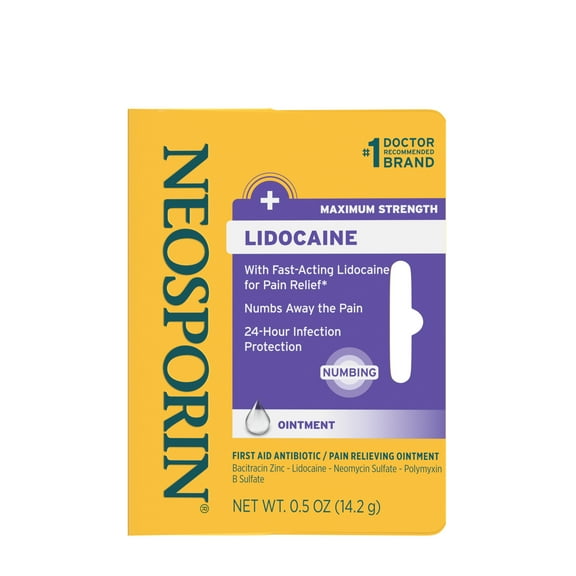
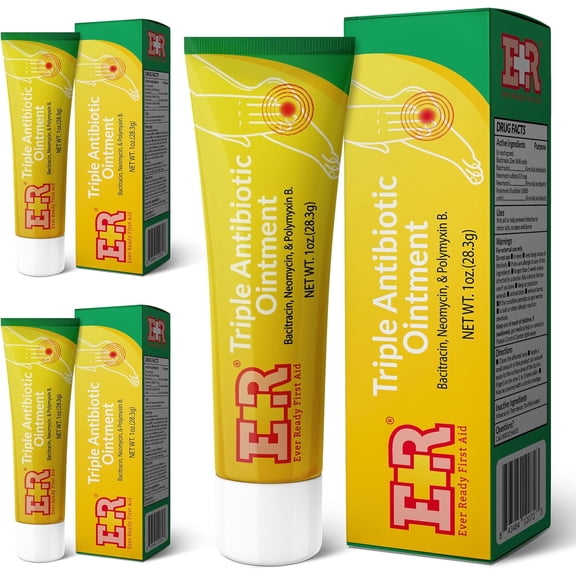
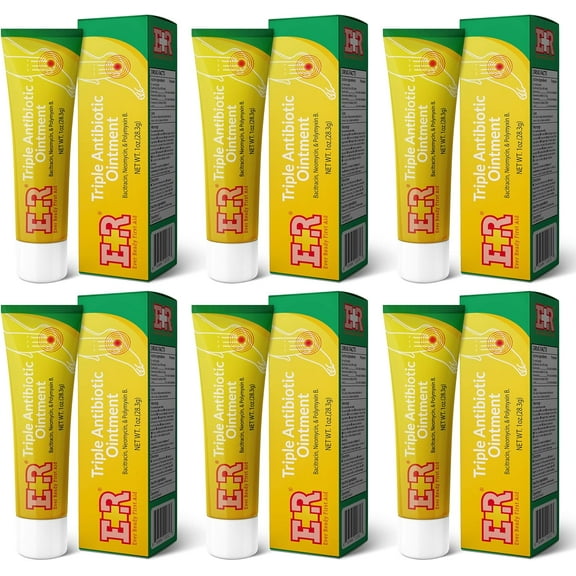
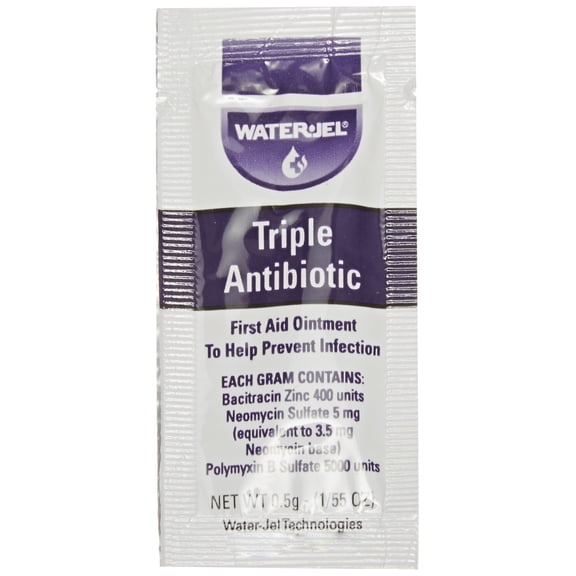
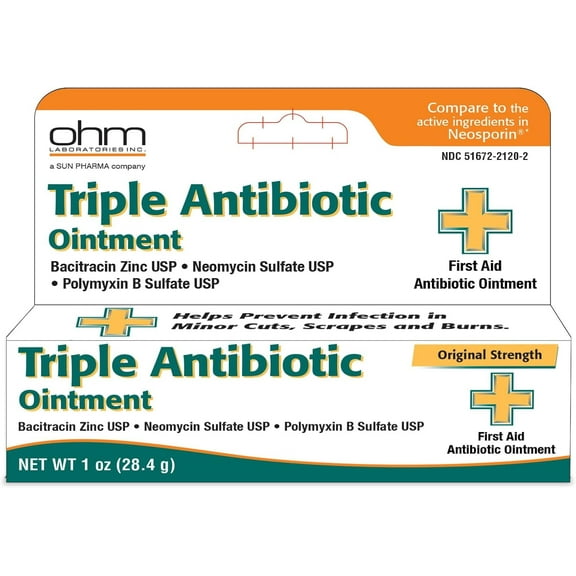
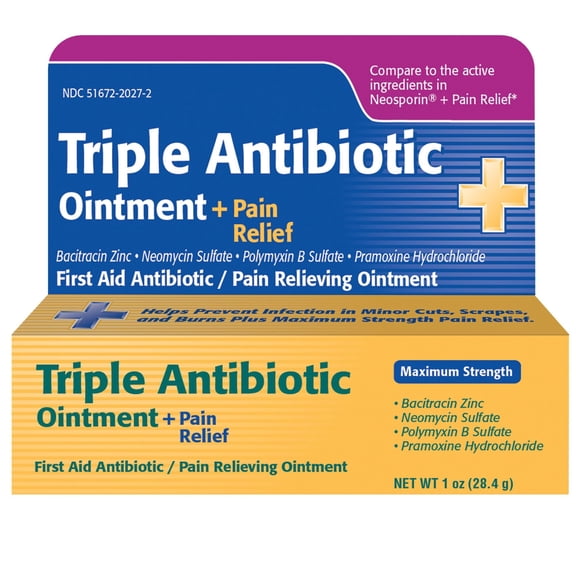
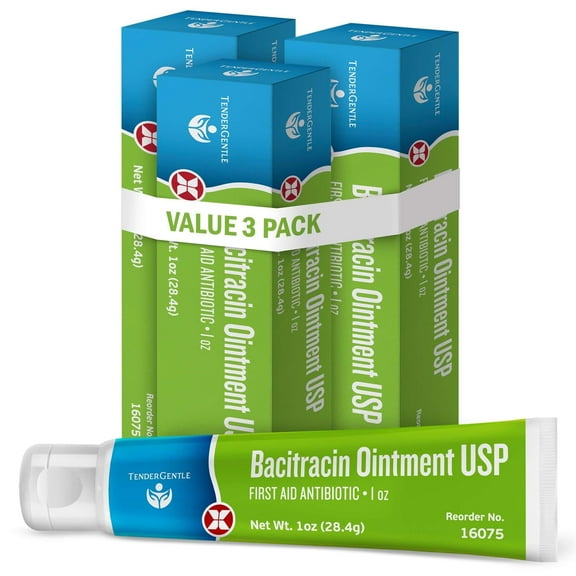
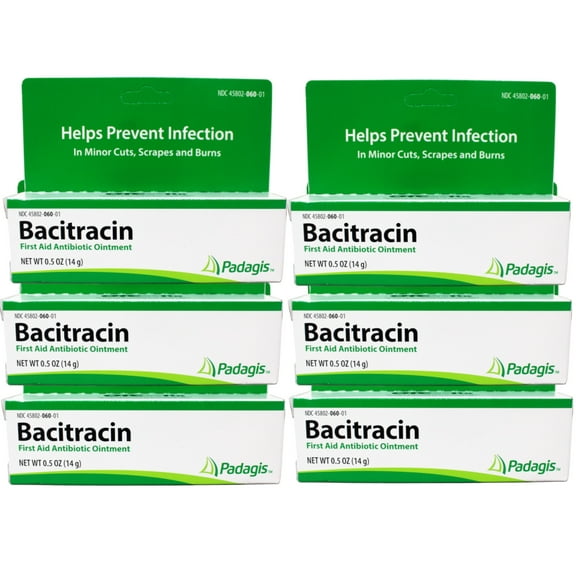
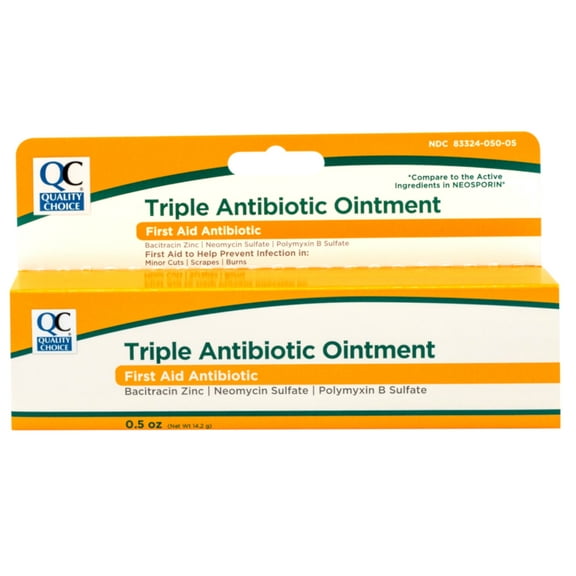
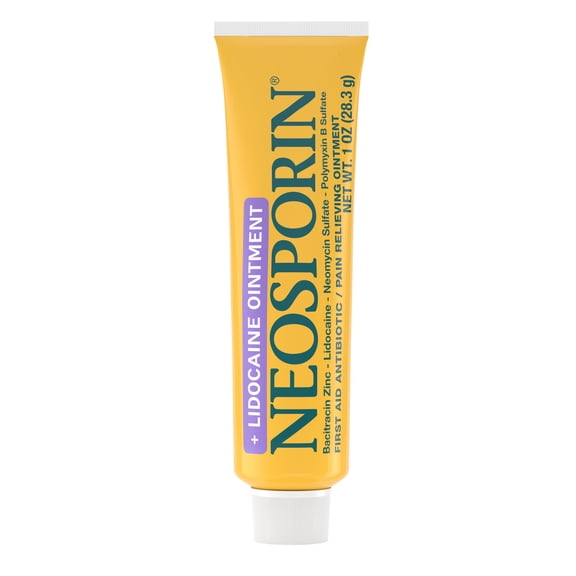
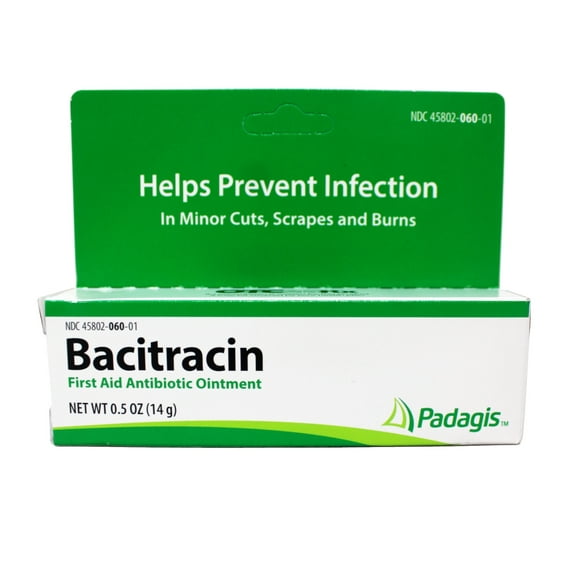
A triple antibiotic formula usually lists bacitracin, neomycin, and polymyxin B together on the label. If you prefer a simpler ingredient list, you may choose bacitracin ointment or another single-ingredient option.
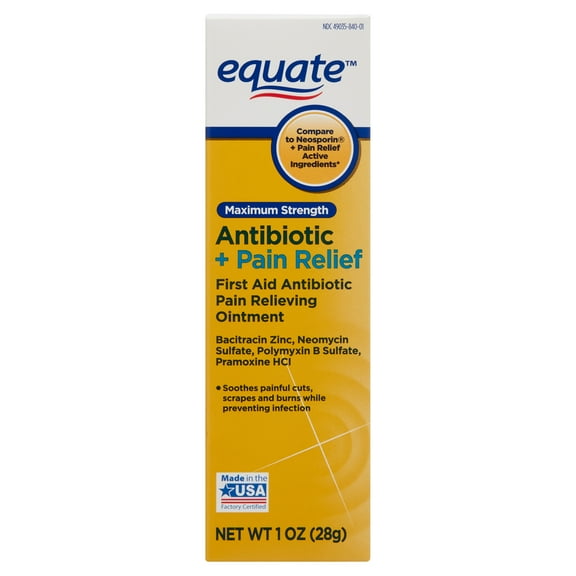
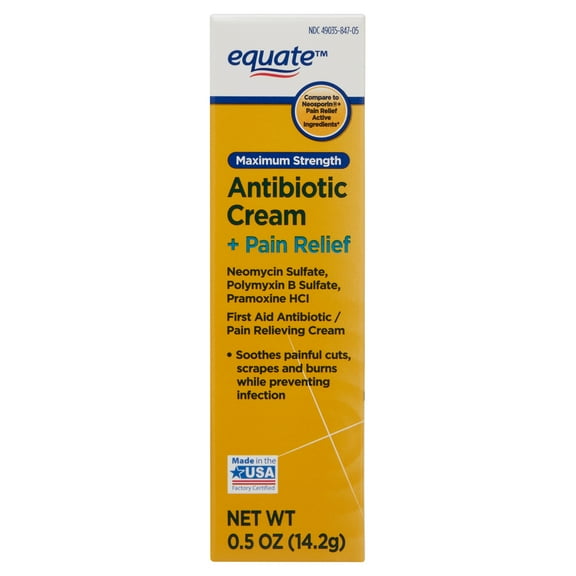
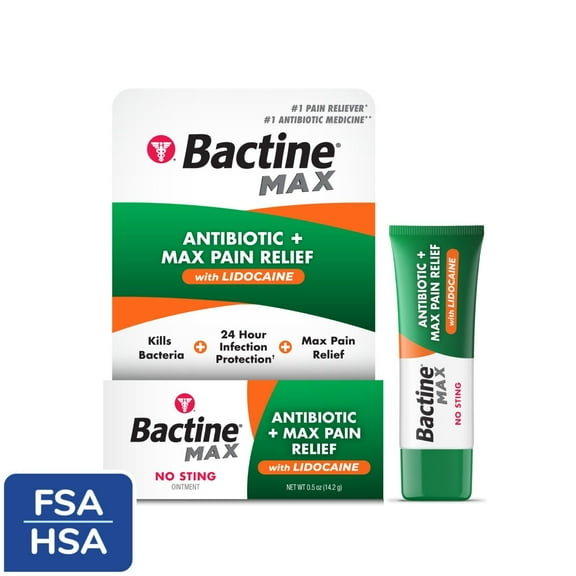
Some first aid ointment choices also include added pain relief ingredients for a different application experience. You'll want to check whether the label includes pramoxine HCl or lidocaine before you decide.
Reading the ingredient panel helps you compare beyond front-of-pack wording that can sound very similar. You'll make quicker decisions when you recognize names like bacitracin, neomycin, polymyxin B, and benzalkonium chloride.
What to look for in antibiotics ingredients
Ingredient details work as a practical filter when several packages seem nearly identical at first glance. You'll often find that the active ingredient list tells you more than the package name alone.
If your routine centers on a single active ingredient, bacitracin ointment may match that preference. When your shopping list calls for a broader blend, you may look at triple antibiotic options instead.
Package labels can also help you compare pain relief formulas with standard wound care ointment choices. You'll get a clearer view when you check active ingredients, application type, and package size together.
For quick cabinet restocks, a familiar ingredient list can simplify repeat purchases. If you're building a travel kit, you may also prioritize a smaller package with the same active blend.
Matching antibiotics to common first aid use cases
Your use case should guide the format you choose within this antibiotics assortment. Minor cuts, scrapes, small burns, and general wound care often call for different textures and application styles.
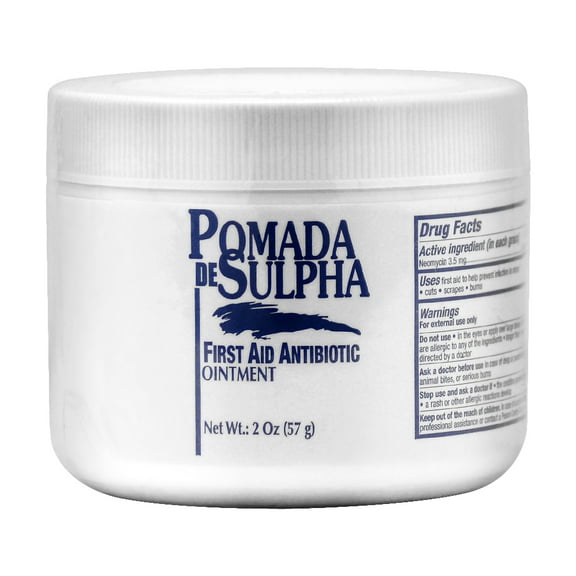
For a home first aid setup, you may keep a first aid ointment in a bathroom, kitchen, or entryway cabinet. You'll appreciate a tube or compact package when you want quick access during everyday cleanup.
Knees, elbows, and other moving areas may lead you to compare thicker ointments with lighter creams. Your bandage routine can influence which texture feels easier to apply and reapply.
Spray and gel formats can suit moments when you want a different application method. You'll often reach for those options when wider areas or less rubbing fit your routine.
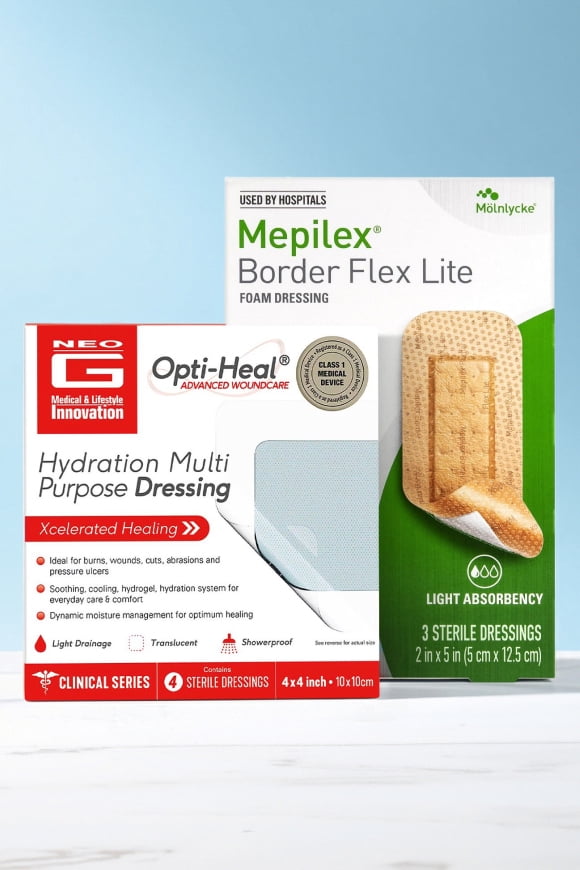
When you're organizing a complete first aid kit, these items pair naturally with bandages, antiseptics, and burn care supplies. You'll create a more practical setup when related wound care items stay together.
Key differences between antibiotics for first aid
Size and packaging can matter almost as much as ingredients when you compare antibiotics for daily use. You'll want to check tube size, jar style, or single-use packaging before choosing a format.
A shared household cabinet may call for a larger wound care ointment package that stays ready for regular use. Frequent travel may point you toward a smaller option that fits neatly in a pouch.
Texture, active ingredients, and added pain relief can shape your final choice when packages look similar. You'll feel more prepared when your first aid kit includes the format and formula that match your routine.