


Ankle Guards in Baseball Protective Gear


About Ankle Guards in Baseball Protective Gear - Walmart.com
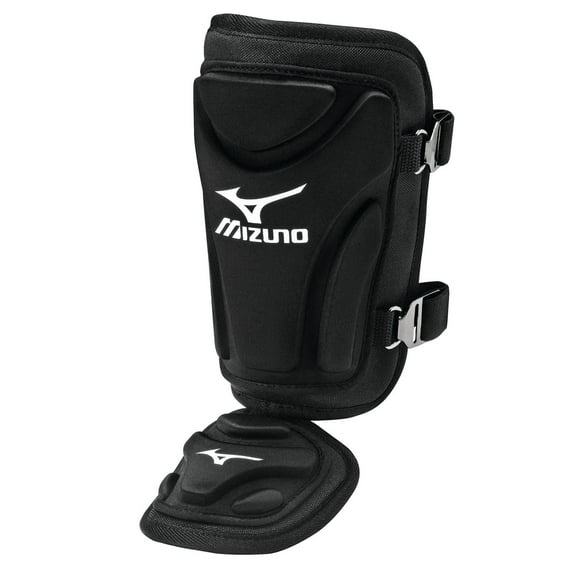
You need a baseball ankle guard that matches your stance, your age group, and your level of coverage at the plate. You can compare batter-specific shapes, side orientation, and material choices to get steadier movement during swings and sprints.
Choosing the right baseball ankle guard
When you pick a baseball ankle guard, you should start with your sport type and your batting role. You may want a baseball model, a softball option, or a fastpitch design that matches your game speed.
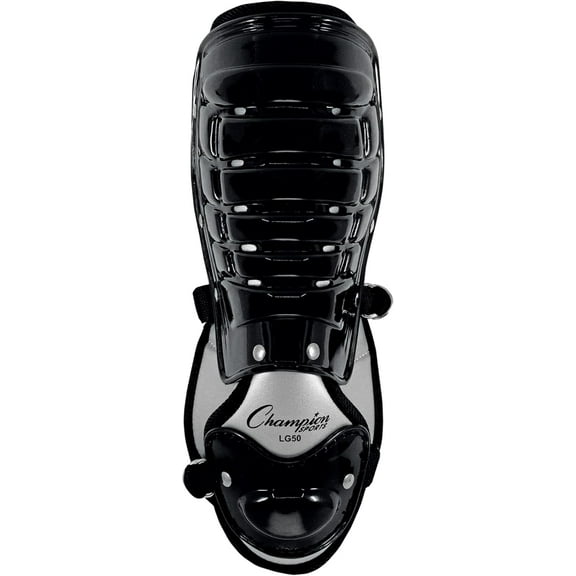
If you step in as a hitter, you’ll often compare a batter’s guard with lighter coverage options. If you crouch behind the plate, you may look for catcher's coverage that extends farther around your lower leg.
Your side orientation matters because left-handed and right-handed batter placement changes which ankle faces the pitch. You should check whether your guard is built for your lead leg or offers a universal fit.
- You can get targeted coverage for the ankle that faces the ball.
- You can choose lighter mobility or fuller ankle-to-shin coverage.
- You can match youth, intermediate, or adult sizing to your frame.
- You can compare pre-shaped guards with moldable composite designs.
How to compare guard types and coverage
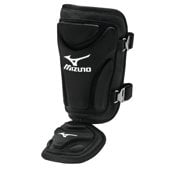
You’ll notice that guard type changes how much of your lower leg stays covered during at-bats. You can compare a compact ankle protector baseball style with a longer shell that reaches toward the shin.
If you want streamlined movement, you may prefer a lower-profile guard that sits close to your cleat line. If you want broader coverage, you should look for extended plates with padded edges.
You may also compare a compression sleeve style with a strapped shell design. You’ll usually get a closer wrap from a sleeve, while straps can give you quicker on-and-off changes.
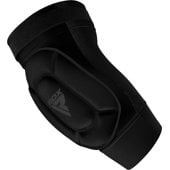
Some players also search for an elbow guard and leg guard pairing to keep their setup consistent. You can coordinate fit, padding feel, and strap style when you choose matching pieces.
What to look for in size, fit, and orientation
You should measure carefully because youth, intermediate, and adult sizing can fit very differently around your ankle and lower calf. You’ll want a secure fit that stays aligned during running and quick turns.
If your guard shifts during practice, you may need a different size or a different closure design. You should check strap range, sleeve stretch, and the shape around your cleat collar.
Your handedness also affects fit because your front ankle takes the direct line of contact. If you bat left-handed, you should confirm left-side placement, and right-handed hitters should do the same.
You may see names like guardian ankle guard while comparing age groups and shapes. You should treat that search as a fit and coverage question, then compare sizing charts and orientation details.
Comparing materials and construction
You can use material choice to balance structure, comfort, and movement. You may compare hard shell plastic, moldable composite, and padded foam based on how you like your gear to feel.
If you choose hard shell plastic, you’ll usually get a firm outer layer and a stable shape. If you choose padded foam, you may get a softer feel with easier flex around your ankle.
Moldable composite options matter when you want a closer, player-specific contour. You should check whether the guard forms to your shape over time or arrives pre-shaped from the start.
Pre-shaped designs can help you get consistent placement right away. Moldable designs can help you fine-tune how the guard sits against your ankle bones and lower shin.
Using elbow guard and leg guard sets
You may want an elbow and leg guard set when you’re building a full batting setup. You can keep your protection style consistent across both contact zones and simplify your gear routine.
If you play travel ball or school ball, you may like matching sets for repeated practices and game days. You should compare weight, strap layout, and coverage length across both pieces.
You can also use these sets when you move between baseball and fastpitch training sessions. You’ll want to check sport-specific sizing and shape so your movement still feels natural in the box.
For younger players, coordinated sets can make sizing decisions easier for growing athletes. You should verify each piece separately, because your elbow fit and your ankle fit may not match exactly.
How your baseball ankle guard fits real game situations
If you face inside pitches often, you may want fuller ankle-to-shin coverage on your lead leg. If you rely on speed out of the box, you may prefer a lighter guard that feels less bulky.
You might choose a compact baseball ankle guard for batting cages, machine work, and frequent reps. You may choose extended coverage for live pitching, tournament weekends, and higher-velocity matchups.
If you coach a youth player, you should focus on size accuracy and secure placement first. If you play in adult leagues, you may focus more on coverage shape and material feel.
You can make a smarter choice when you compare orientation, age group, guard type, and construction together. You’ll end up with gear that stays in place and lets your swing setup feel more natural.
You’ll get the clearest result when your baseball ankle guards match your stance, your coverage needs, and your preferred fit. You can step in with gear that feels stable, moves cleanly, and stays aligned through every at-bat.