







Ankle Supports in Braces and Supports

![Copper Ankle Brace, Plantar Fasciitis Relief Brace, Foot Pain Relief, Arthritis Foot Sleeve, Ankle Stabilization Brace [L]](https://i5.walmartimages.com/seo/Plantar-Fasciitis-Relief-Support-Foot-Pain-Relief-Tendonitis-Arthritis-Foot-Sleeve-Ankle-Stabilizer-Wrap_6efadd9f-8c1c-47b3-9aad-8712e23a61c1.3fa3b411149885774111aabde36c99c6.jpeg?odnHeight=576&odnWidth=576&odnBg=FFFFFF)

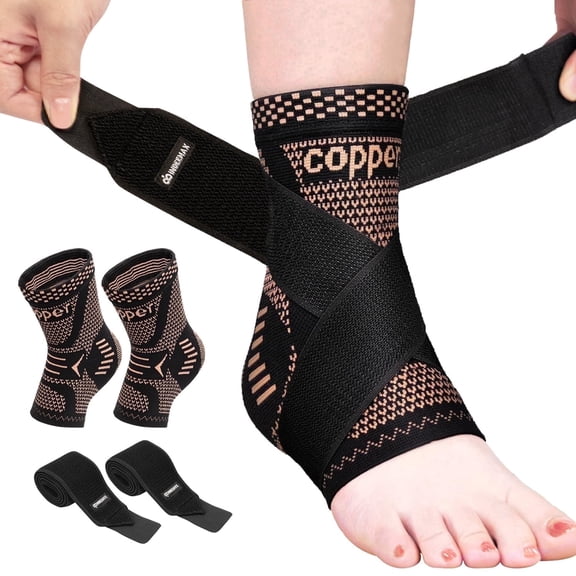








![Copper Ankle Brace, Plantar Fasciitis Relief Brace, Foot Pain Relief, Arthritis Foot Sleeve, Ankle Stabilization Brace [XL]](https://i5.walmartimages.com/seo/Plantar-Fasciitis-Relief-Support-Foot-Pain-Relief-Tendonitis-Arthritis-Foot-Sleeve-Ankle-Stabilizer-Wrap_9141fd3b-4f5c-4f1e-998b-b9e12a83eb8f.84d60c9c1cbc584e3cc64ae849ea37b3.jpeg?odnHeight=576&odnWidth=576&odnBg=FFFFFF)









About Ankle Supports in Braces and Supports - Walmart.com
You can compare ankle supports by support level, fit, and material, so your choice matches your routine, your shoes, and your activity. You’ll also find designs that balance compression, stability, and flexibility for sports, running, and daily wear.
How to choose ankle supports
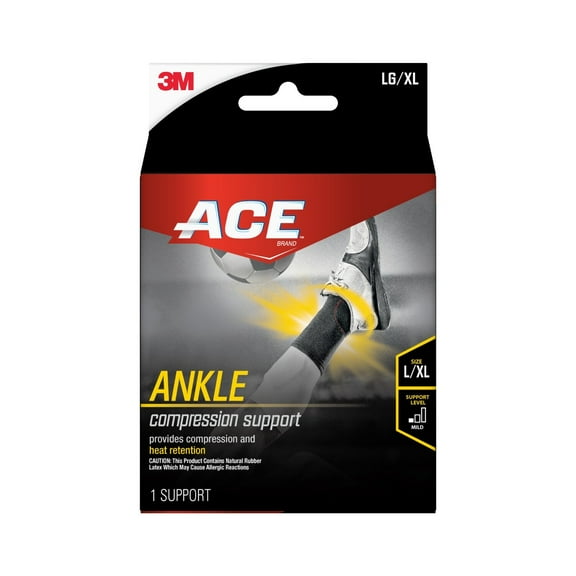
Start with support level, because your comfort depends on how much hold you want around your ankle. You can choose mild compression for light activity or maximum structure for a more locked-in feel.
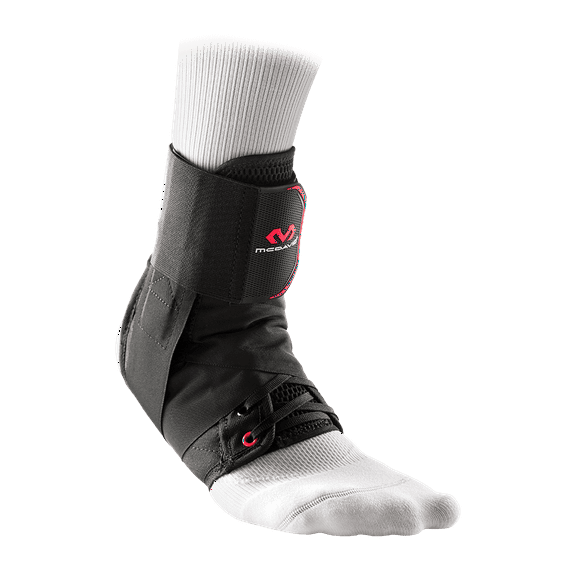
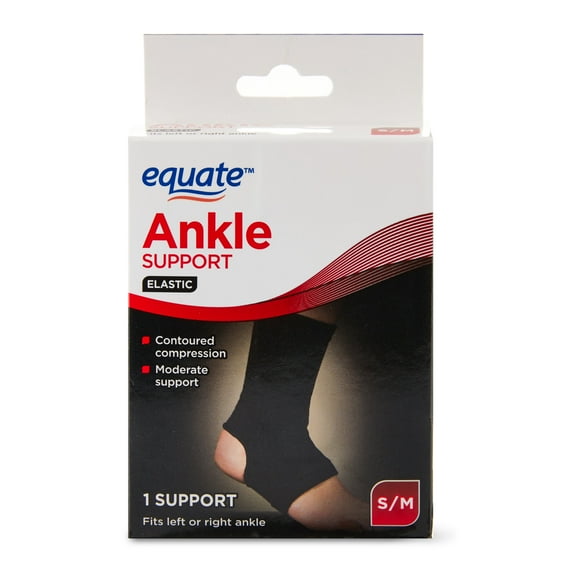
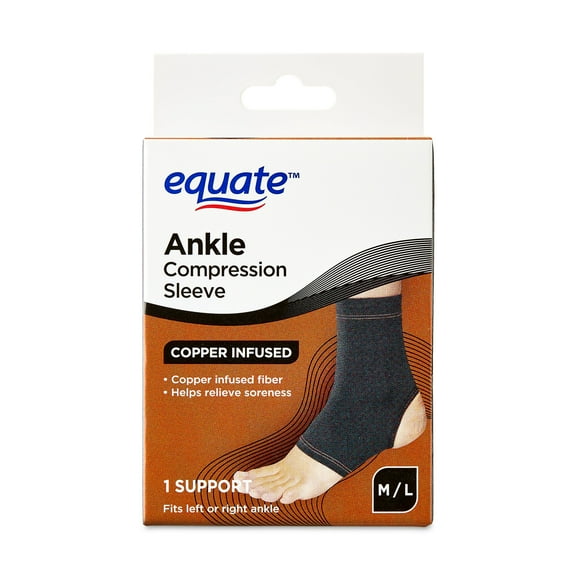
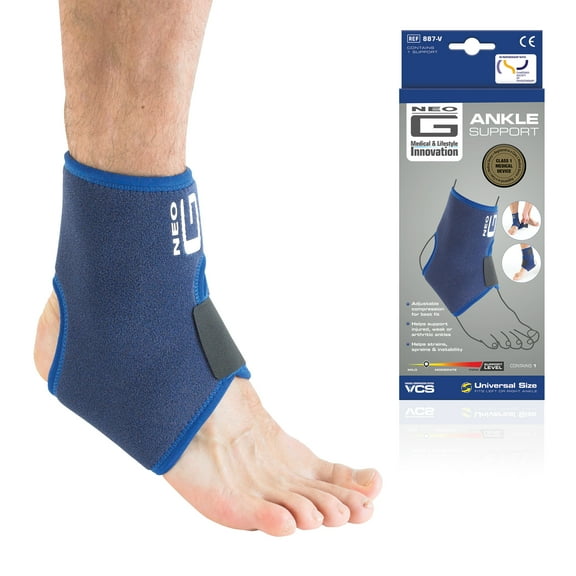
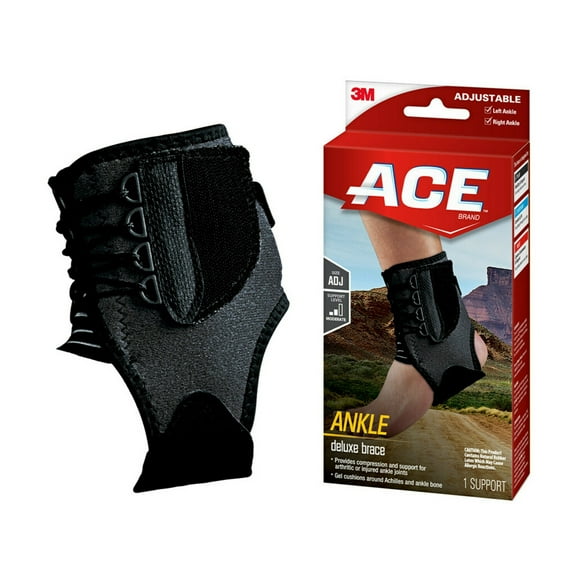
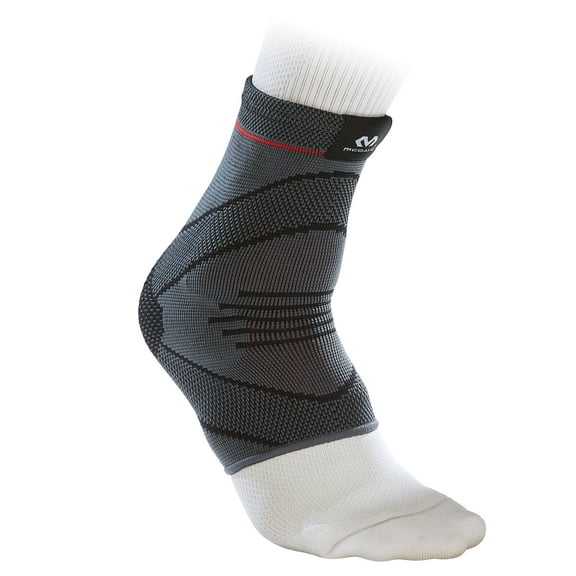
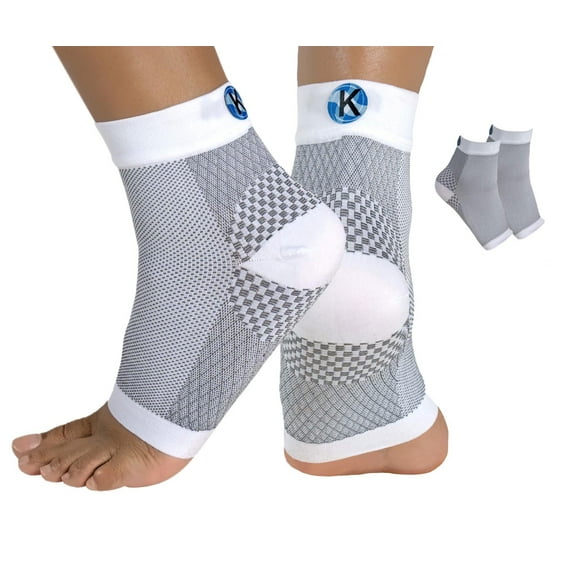
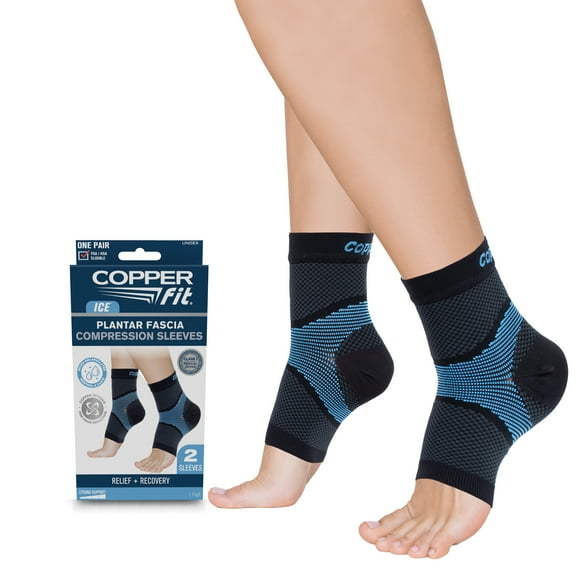
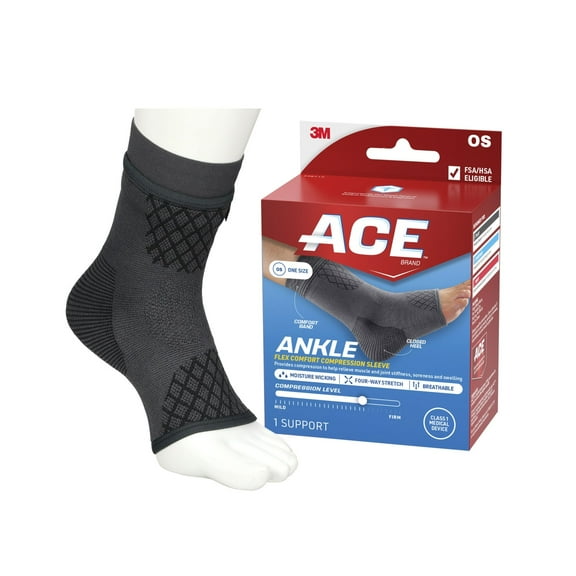
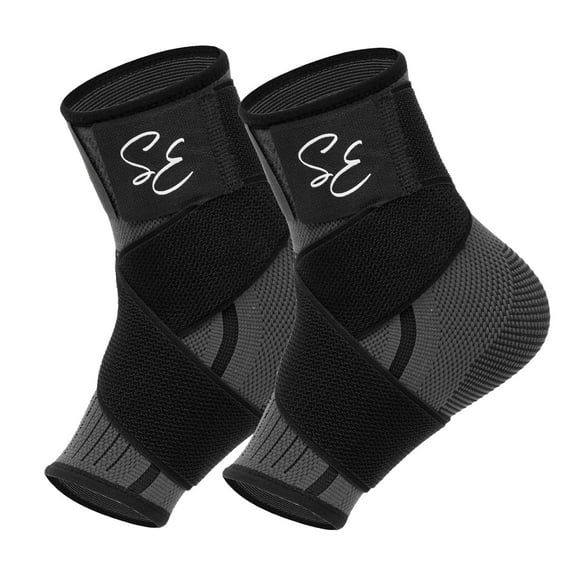
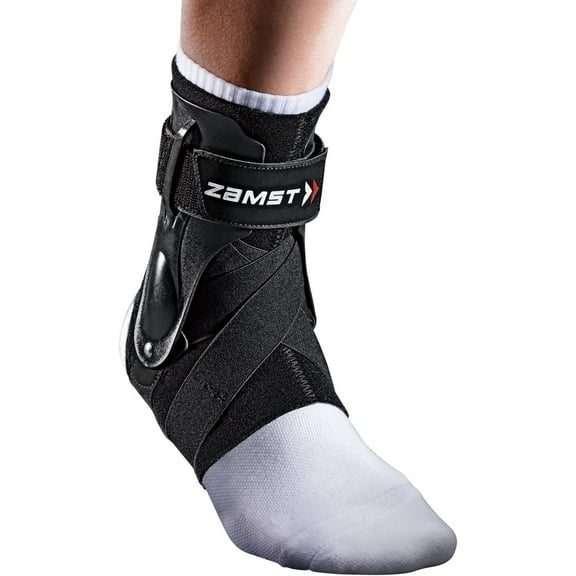
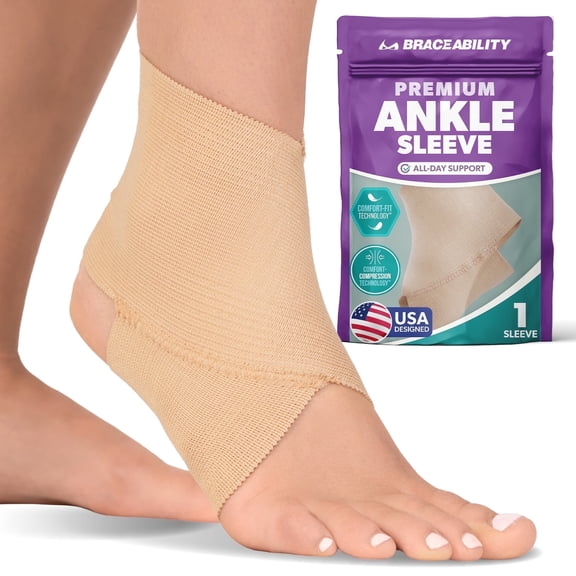
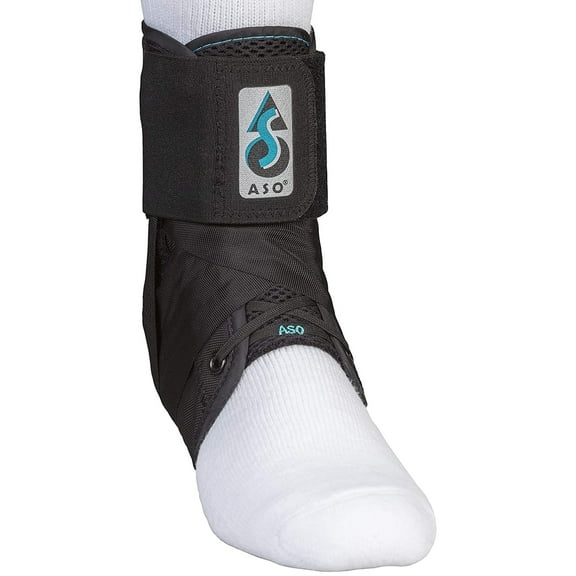
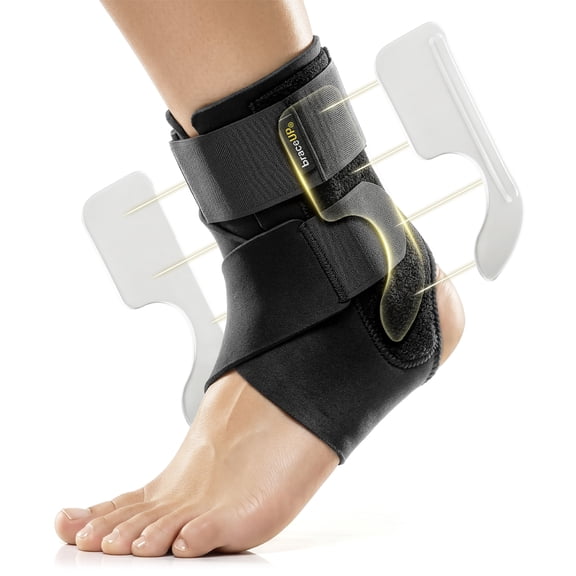
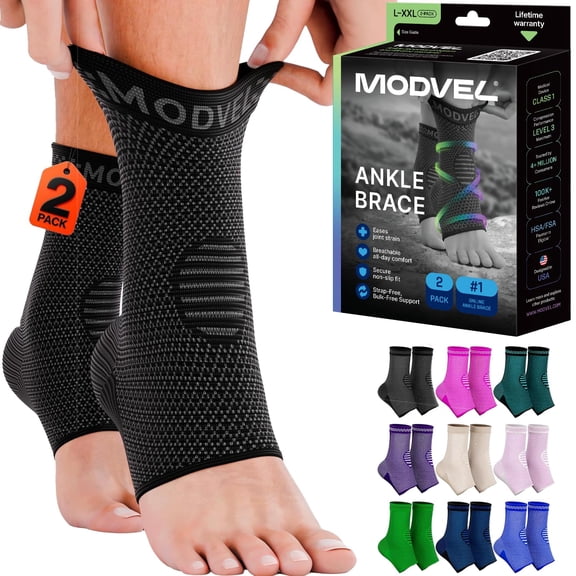
If you want a lighter feel, an ankle support sleeve or compression ankle sleeve can fit smoothly under many shoes. If you want more structure, you can compare ankle braces with straps, stays, or lace-up panels.
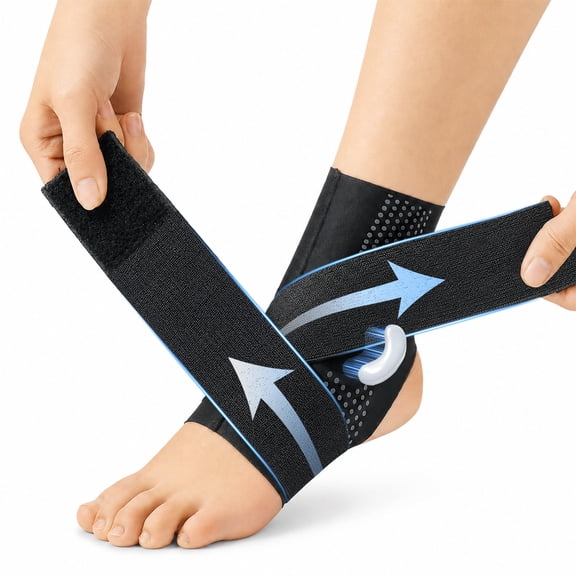
You should also check how the design feels during movement. A sleeve usually gives your ankle a close fit, while a lace up ankle brace lets you fine-tune tension.
- You can choose mild or moderate support for walking, errands, and lighter workouts.
- You can look for firm ankle support when you want a steadier feel during active movement.
- You can compare maximum-support designs when you want a rigid stirrup or more structured sides.
- You can pick slip-on sleeves for a low-profile fit inside many sneakers and casual shoes.
- You can select adjustable ankle support styles when your fit needs change throughout the day.
Choosing support level and design
You’ll want to compare mild, moderate, firm, and maximum support before you choose a style. Your activity level often guides that choice, especially when you switch between everyday wear and faster movement.
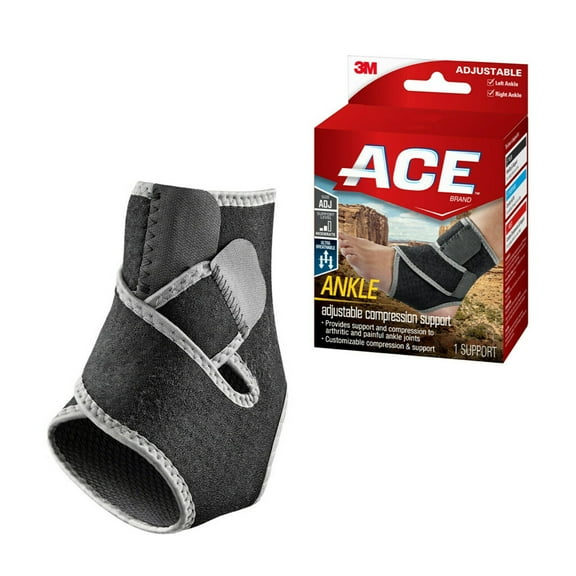
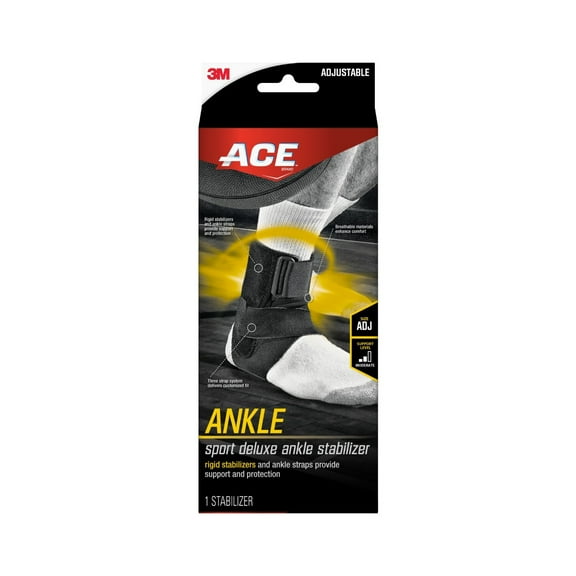
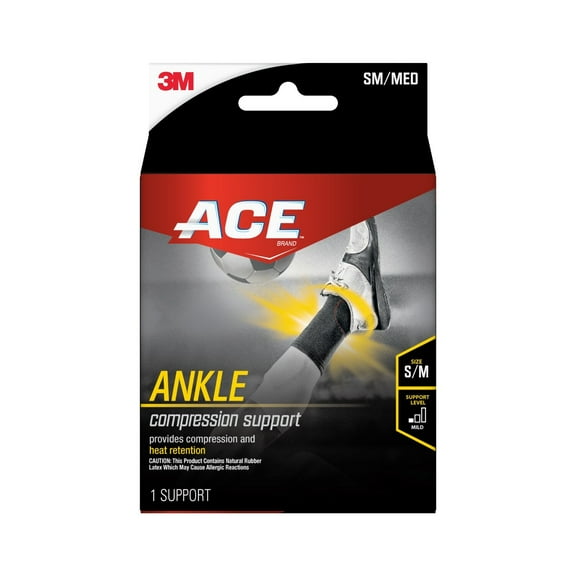
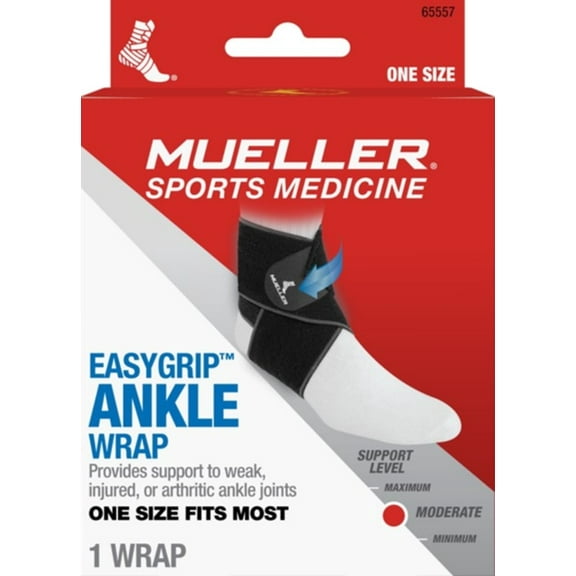
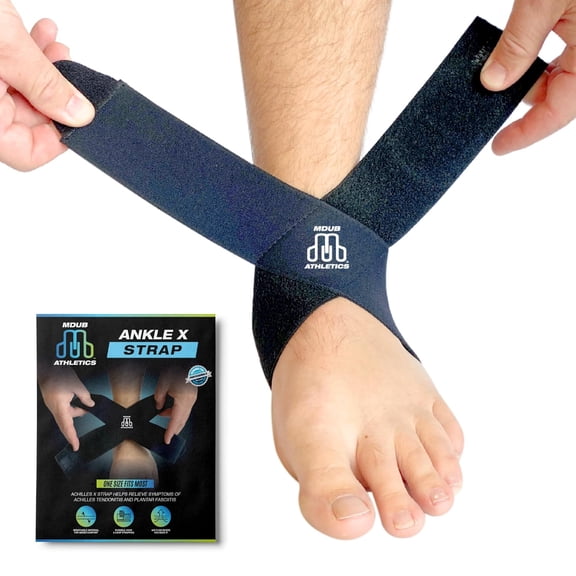
Mild support often comes in stretchy sleeves that give your ankle light compression without bulky panels. Moderate support may add straps that help you adjust the feel around your arch and ankle.
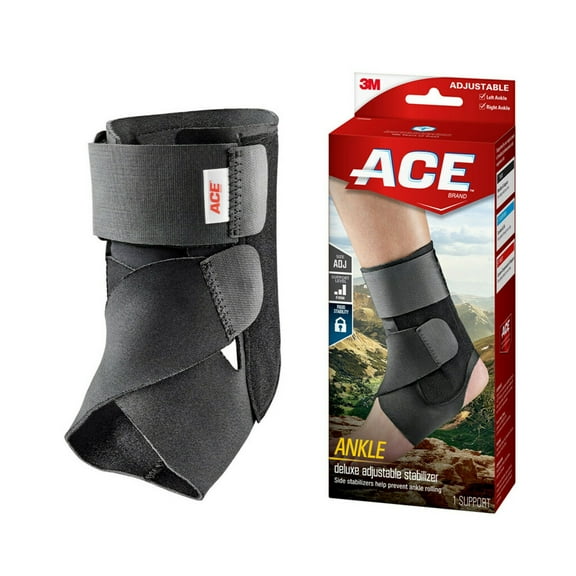
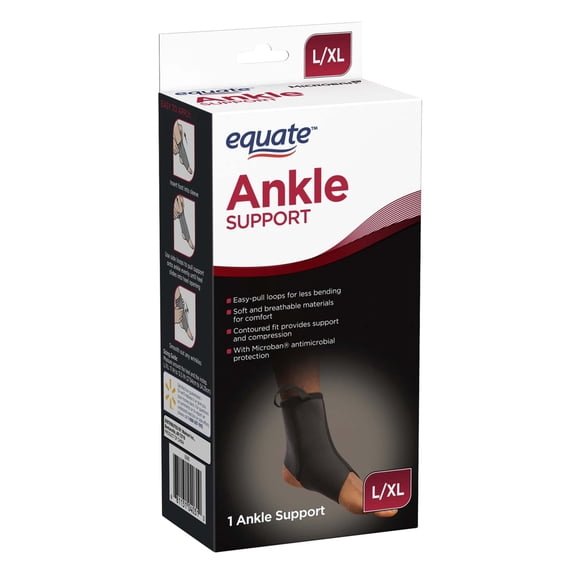
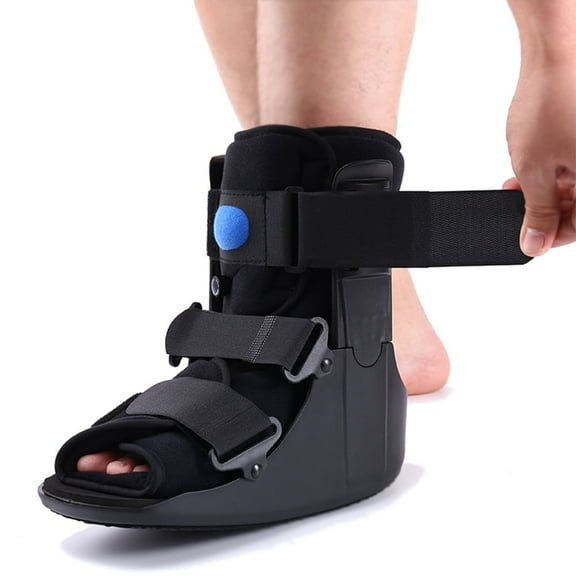
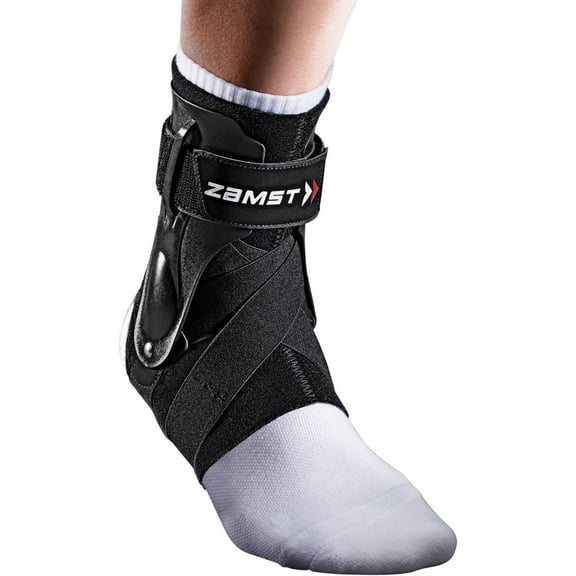
Firm ankle support usually adds stronger structure for training, court sports, or more directional movement. Maximum-support options often use a rigid stirrup or reinforced sides for a steadier feel.
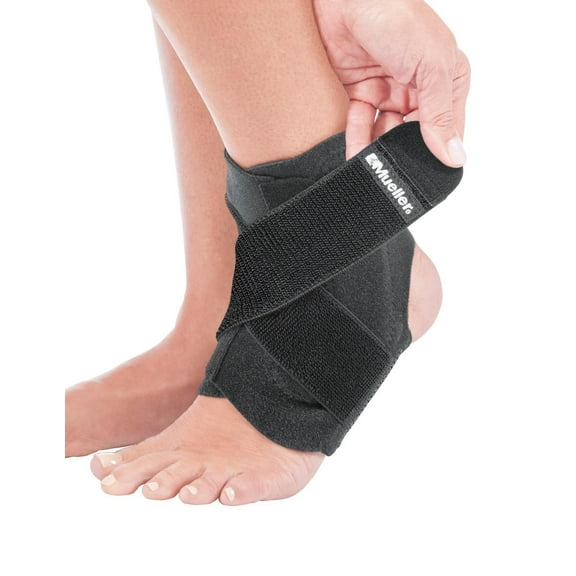
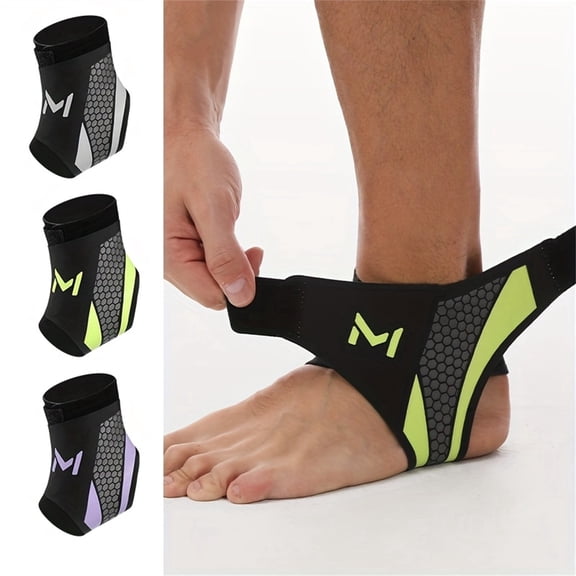
You can also compare design types by how they go on and how they feel in shoes. A lace up ankle brace gives your ankle a customized fit, while a strap design gives you quicker on-and-off wear.
Comparing materials and breathability
You should check material next, because your comfort can change during long wear or active sessions. Neoprene ankle brace styles usually feel warm and supportive, while knit and breathable mesh styles feel lighter.
If you wear your support during workouts, you may prefer breathable mesh or elastic knit. Those materials can feel less bulky, and your ankle may move more naturally inside your shoe.
If you want a snug wrap, neoprene and layered strap designs can create a more secure feel. You can compare that secure feel with softer sleeves when your goal is flexible daily wear.
You should also think about shoe compatibility before you choose a thicker design. Slim sleeves often fit more easily inside running shoes, while rigid styles may pair better with roomier footwear.
Finding the right size and fit
You can narrow your options by checking whether your ankle support is adjustable, sized, or bilateral. Your fit matters because a secure wrap can feel very different from a pull-on sleeve.
Adjustable ankle support designs usually use straps or laces, so you can tighten or loosen the fit. That flexibility helps when your shoe choice changes or when you want different pressure levels.
You may also prefer small, medium, or large sizing when you want a closer, more consistent fit. Bilateral designs can work on either foot, which can make matching your household needs simpler.
You should measure and compare size charts before you decide. Your ankle circumference, sock thickness, and shoe style can all affect how your support feels during wear.
Ankle supports for running, sports, and daily wear
You can match your use case to the right construction, which makes shopping easier. Ankle supports for running often work well in slim sleeves or knit designs that fit inside athletic shoes.
If you play basketball, tennis, or similar sports, you may want a sports ankle brace with straps or lace-up construction. Those designs can give your ankle a more controlled feel during side-to-side movement.
For sprain recovery or long workdays, you may prefer moderate or firm support with adjustable tension. That setup can help your ankle feel more stable while you move through daily tasks.
If you need all-day wear, you can look for breathable materials and a shape that fits your shoe routine. You’ll also want smooth edges and a profile that won’t crowd your footbed.
You can shop ankle supports with more confidence when you compare support, material, design, size, and use case together. That approach helps you choose a brace or sleeve that fits your shoes, your movement, and your day.