



Breathalyzers in Home Health Tests















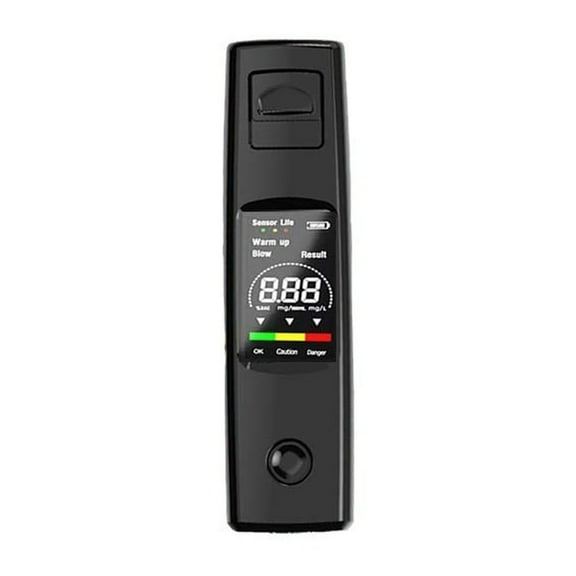

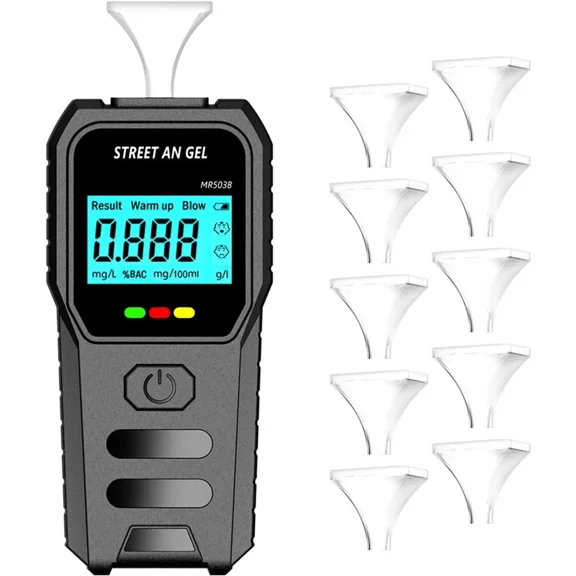

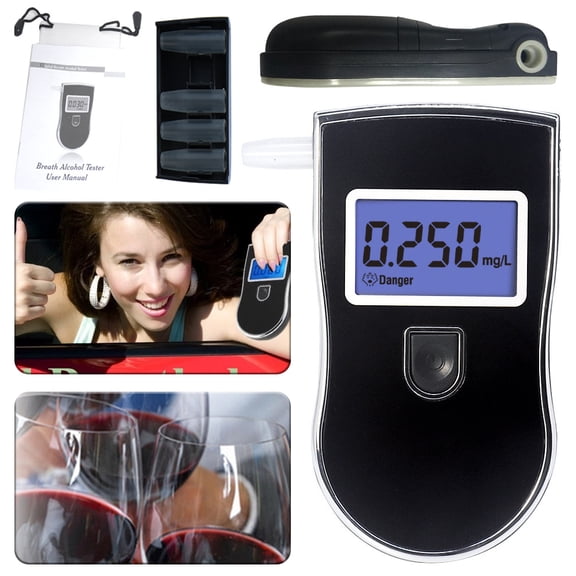

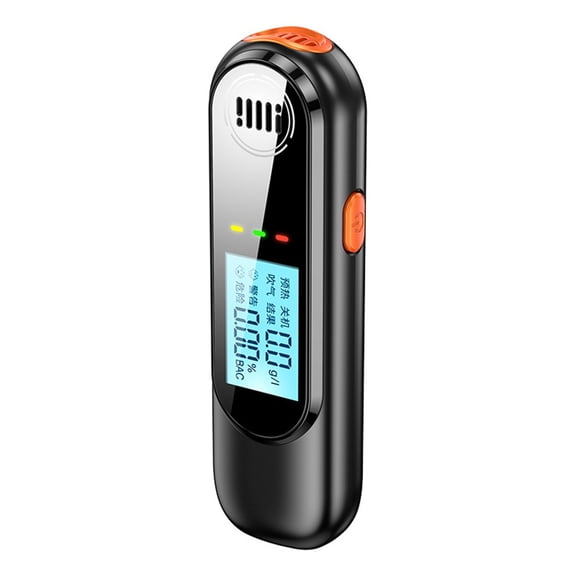

About Breathalyzers in Home Health Tests - Walmart.com
You can compare breathalyzers more easily when you know how sensor type, calibration, and portability affect everyday testing. You’ll also find options that fit quick personal checks or more structured workplace use.
How to choose breathalyzers for your needs
When you compare models, you should start with sensor accuracy because it changes how consistently your readings track from test to test. You’ll usually see fuel cell and semiconductor sensors as the main choices.
If you want tighter consistency, you may prefer a fuel cell breathalyzer because professionals commonly choose it for repeat screening. If you want simple checks, you may choose a semiconductor alcohol tester for casual convenience.
Calibration matters because you want your device to stay aligned over time, not just work well on day one. You should check whether your model uses user-friendly recalibration steps or a scheduled service process.
- You can use fuel cell sensors when your routine calls for more consistent repeat readings.
- You can choose semiconductor models when your priority is occasional testing and simple operation.
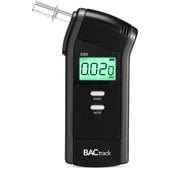
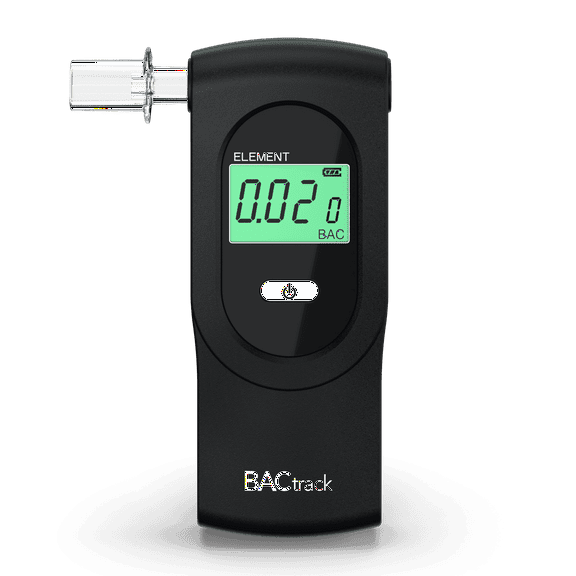
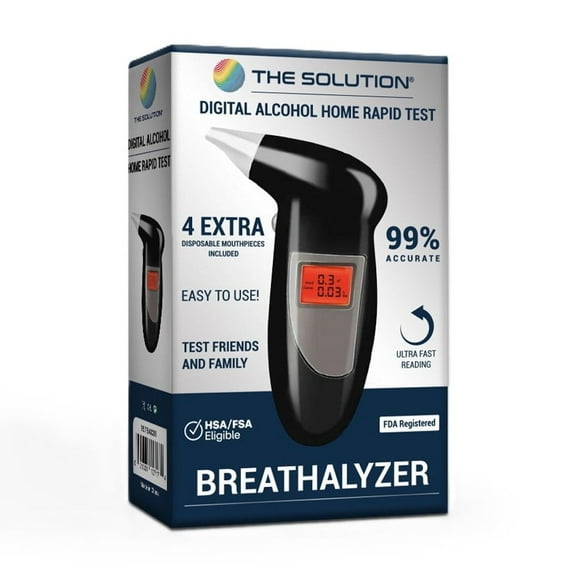
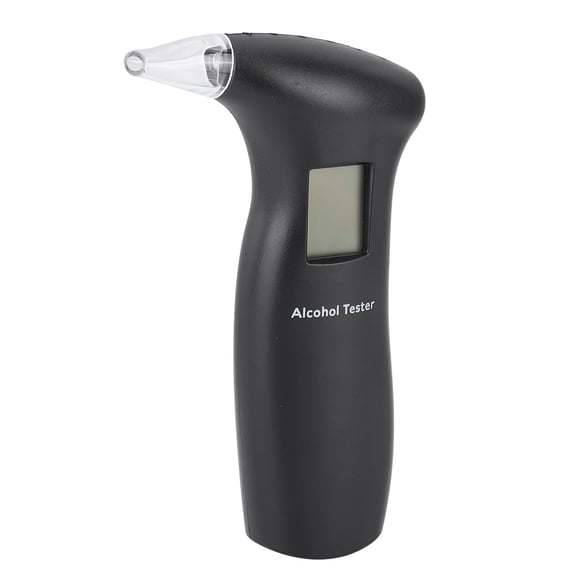
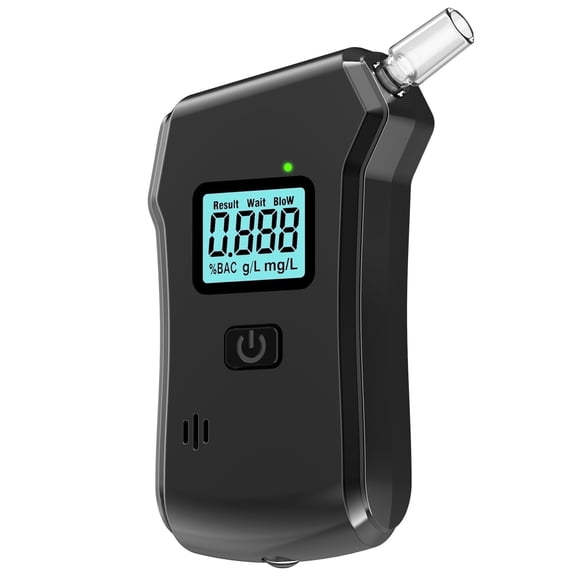
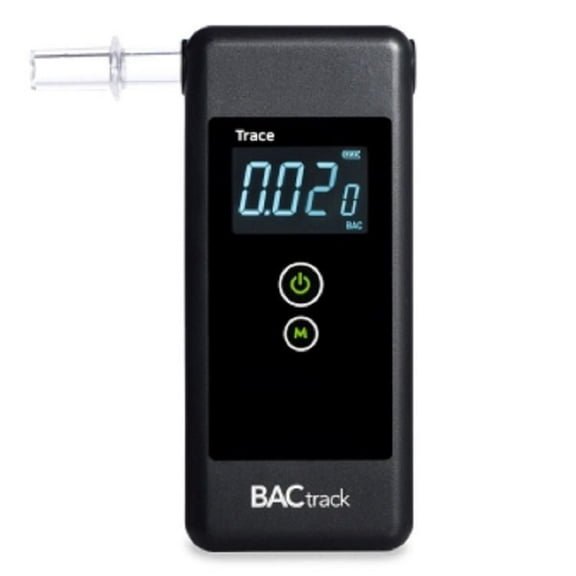
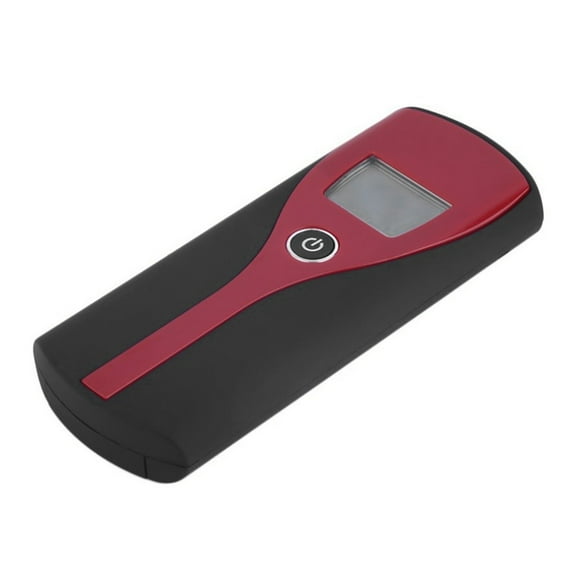
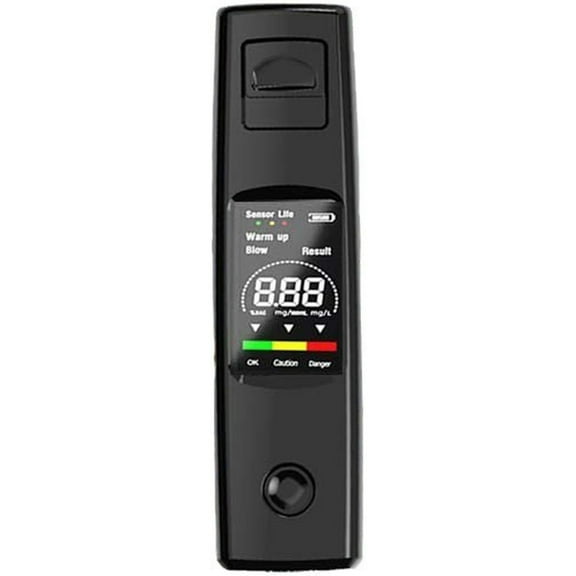
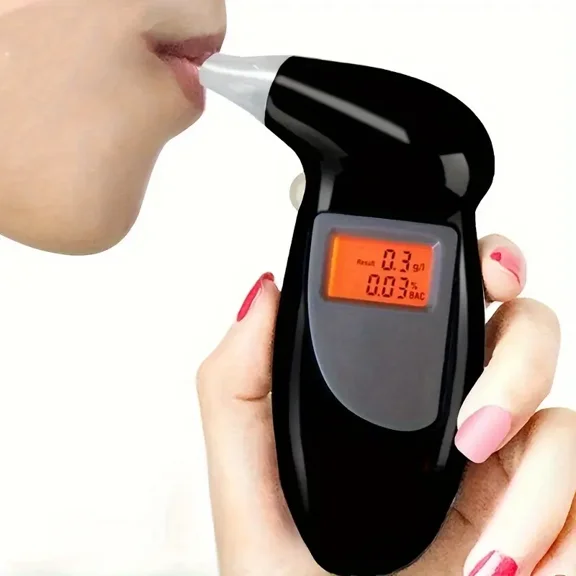
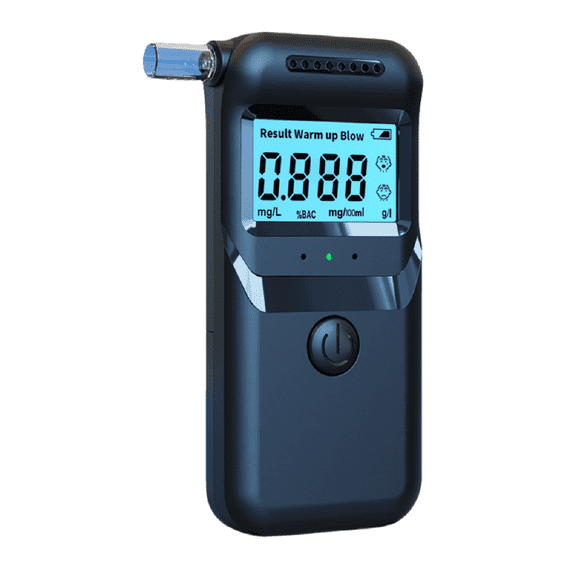
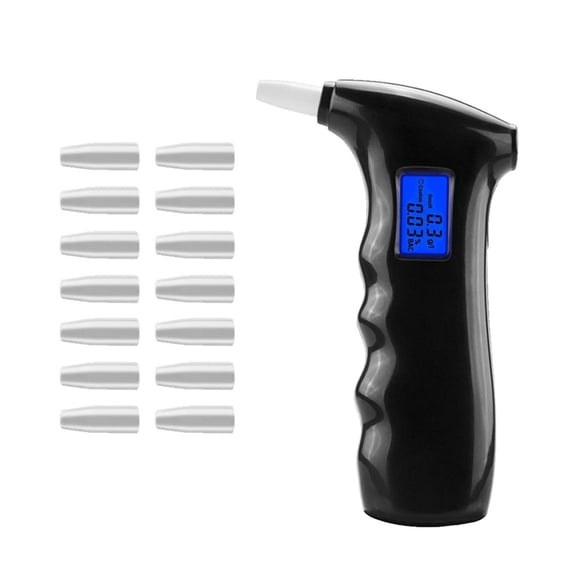
- You can pick handheld sizes when you want a larger display and easier button control.
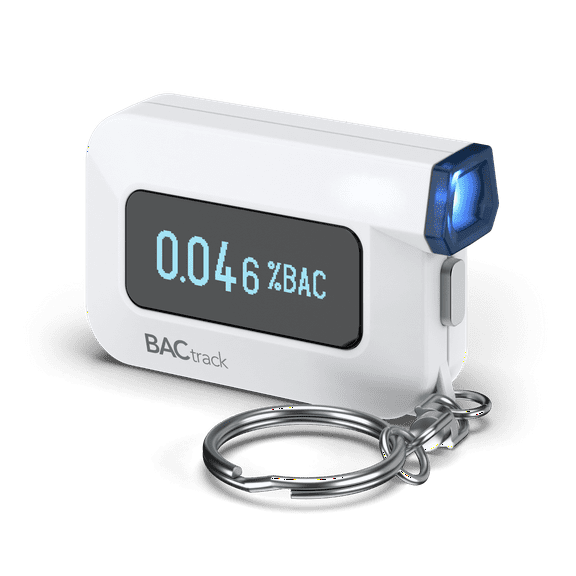
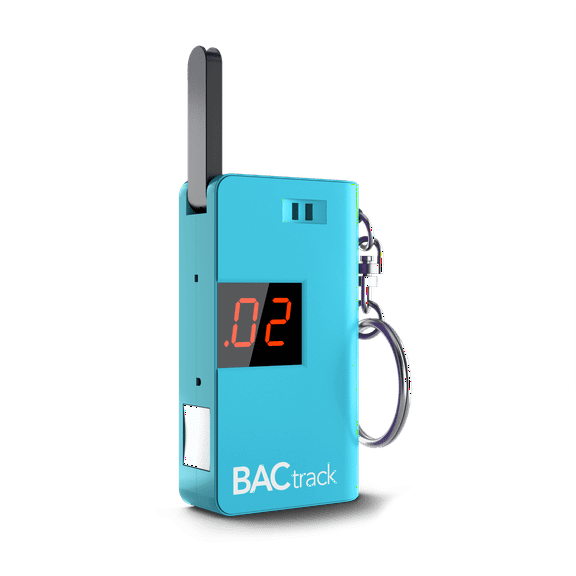
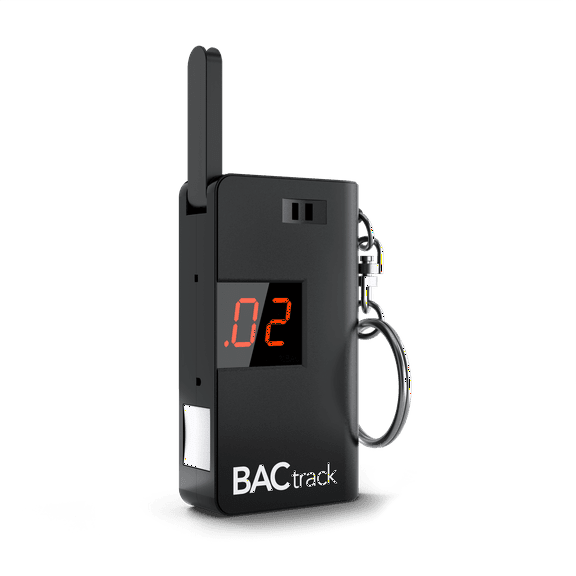
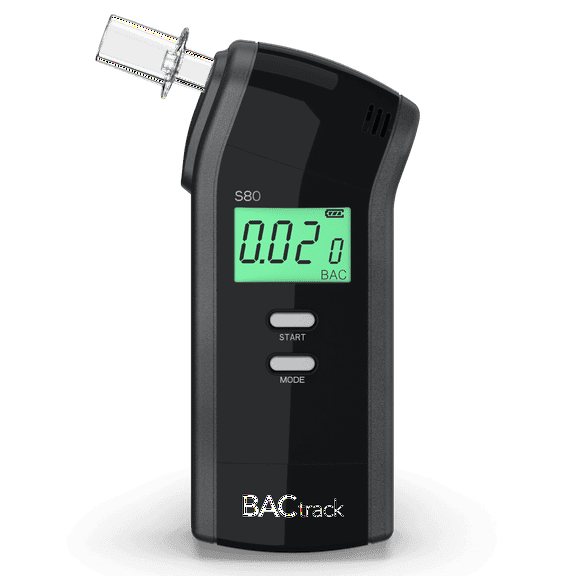
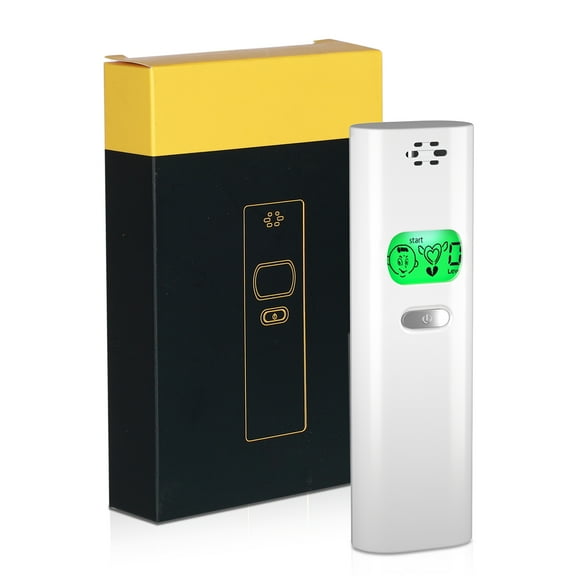
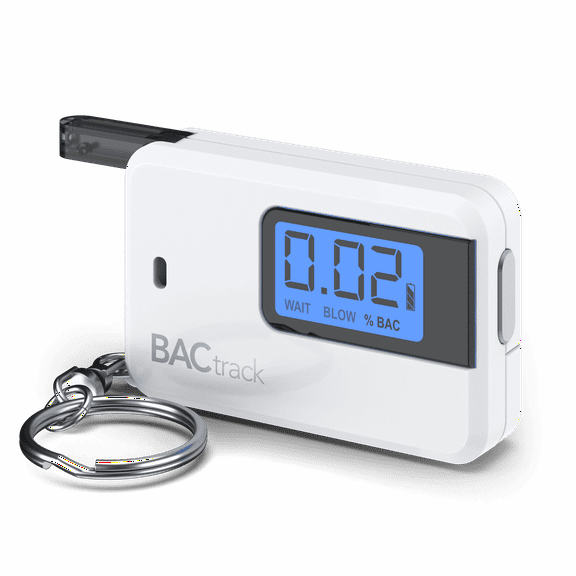
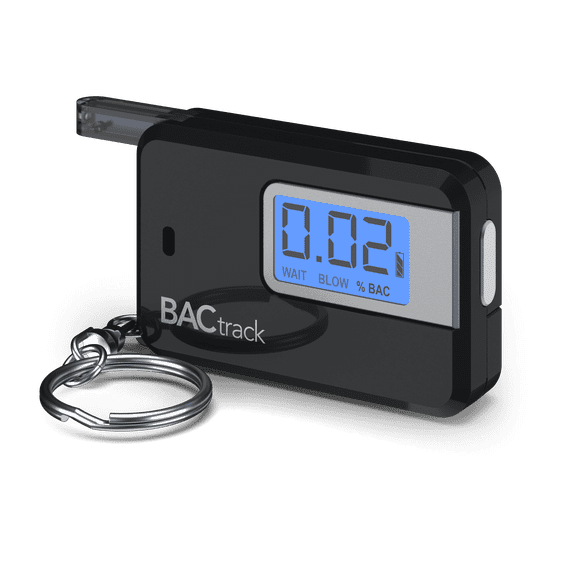
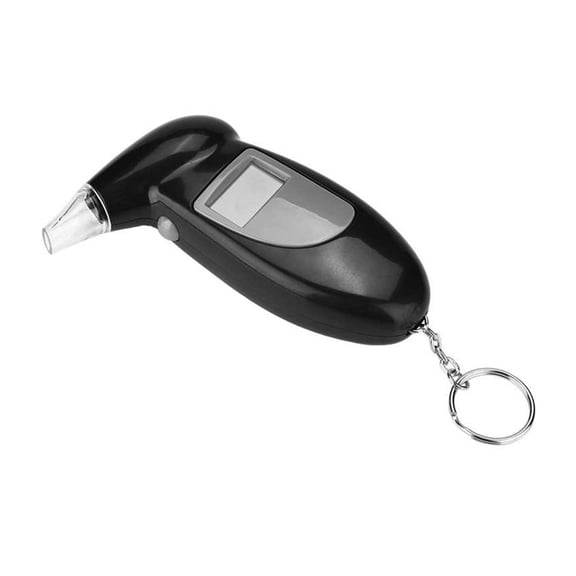
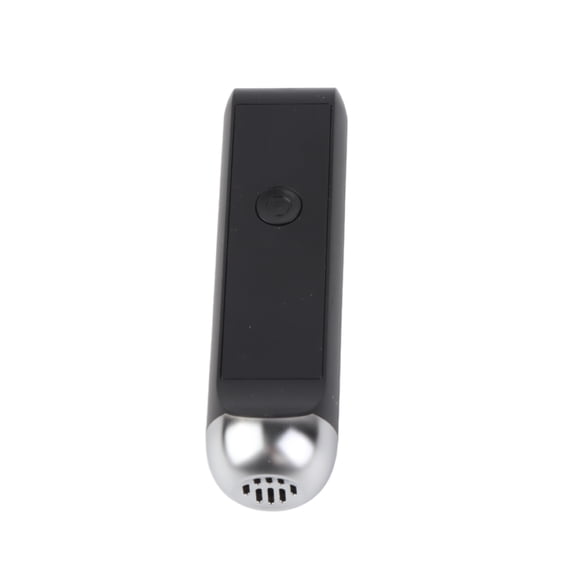
- You can select keychain or pocket-sized designs when you want a portable breathalyzer for travel or storage.
Comparing sensor types and alcohol tester features
You should compare fuel cell sensors and semiconductor sensors side by side before narrowing your options. You’ll notice each sensor type supports a different testing routine and accuracy expectation.
Users often associate fuel cell sensors with professional breathalyzer use because you may need steadier readings during repeated checks. You’ll also find this sensor type in devices aimed at workplace or screening tasks.
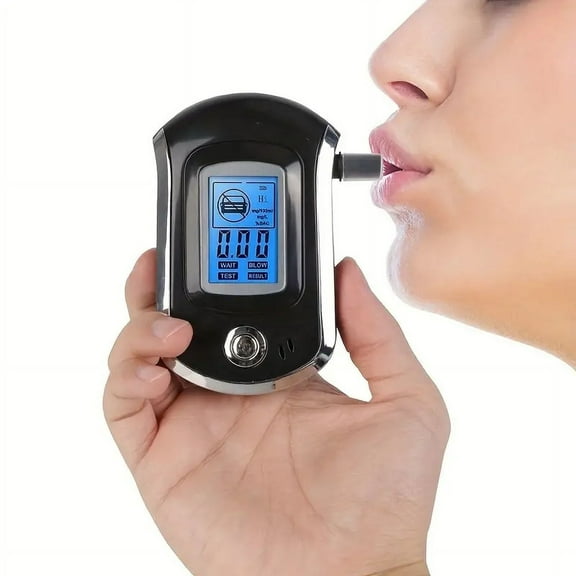
Semiconductor sensors can suit a personal breathalyzer when you want a straightforward format for occasional use. You may also like that these models often come in smaller housings for easy carrying.
Portability is another key decision because you may carry your tester in a glove box, bag, or pocket. You should compare handheld, keychain, and pocket-sized shapes based on where you’ll keep it.
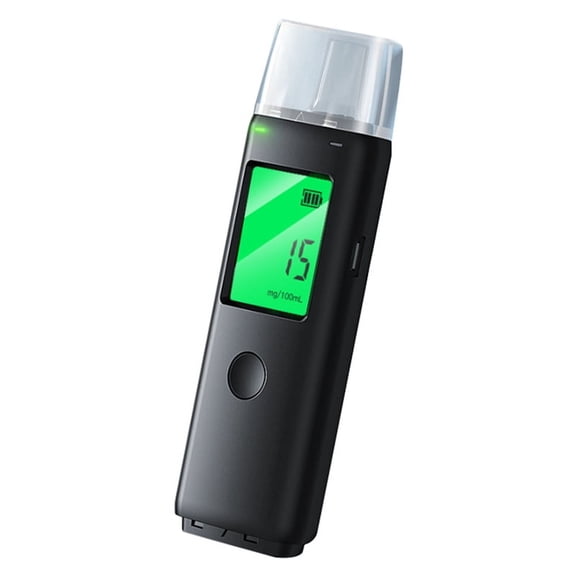
Power source affects convenience beyond what many shoppers expect, especially when you test away from home. You can choose AAA battery models for quick battery swaps or rechargeable USB models for regular charging.
Certification can matter if your use case includes formal screening or workplace procedures. You should check whether a model is FDA Cleared or DOT compliant before you choose a professional breathalyzer.
Choosing the right portable breathalyzer setup
You should match size and sensor type to the places where you’ll actually use your device. You may want a compact portable breathalyzer for a console, backpack, or overnight bag.
A keychain design works when you want a highly compact format and fast access during errands or travel. A handheld design works when you want a fuller grip, a larger readout, and easier handling.
If you test more often, you may prefer a rechargeable breathalyzer because you can plug it in between uses. If you test occasionally, you may prefer AAA battery power because replacement is simple.
You should also compare mouthpiece style and display clarity because those details affect your routine each time you test. You’ll appreciate clear prompts and easy-to-read numbers when you want a smoother process.
Understanding calibration and professional breathalyzer needs
You should treat calibration as a normal part of ownership because it helps your readings stay dependable over time. You can check product details for suggested calibration intervals and service steps.
Some devices serve simple personal use, while others fit professional breathalyzer needs with certification-focused specs. You should compare those differences carefully if your testing routine involves staff screening or formal documentation.
If you want an alcohol tester for occasional personal checks, you may focus on portability, easy controls, and straightforward maintenance. If you need more structured use, you may focus on fuel cell sensors and certification language.
You’ll make a more informed choice when you compare sensor type, calibration expectations, power source, and size together. You can narrow the field faster and choose a device that fits your routine with fewer compromises.
You want breathalyzers that match how often you test, where you carry them, and what level of consistency you expect. You’ll feel more confident when your choice aligns with your daily routine and testing needs.