

Airbrushing Kits in Art Painting Supplies




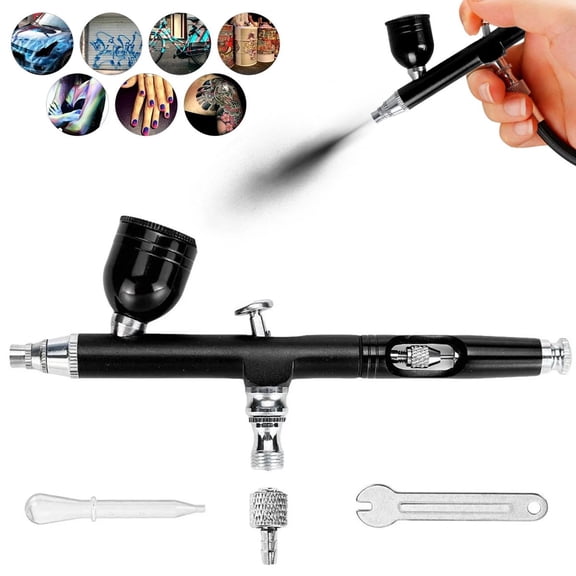
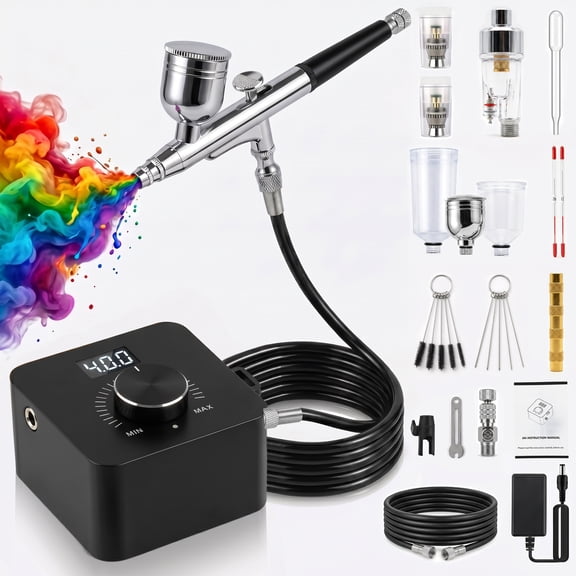
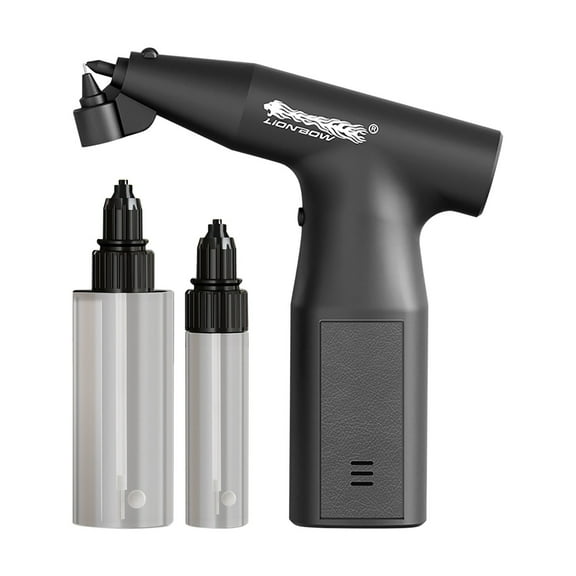

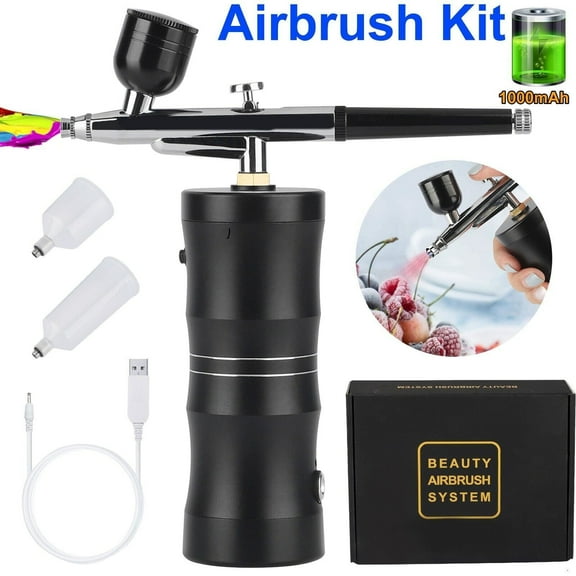








About Airbrushing Kits in Art Painting Supplies - Walmart.com
Airbrushing kits help you start painting, detailing, and decorating with more control from your first setup. You can compare compressor styles, feed types, action types, and application needs before you choose.
If you're building a hobby station or a portable craft setup, you need parts that work together. You can find complete options that support model painting, cake decorating, nail art, and custom art projects.
How to choose airbrushing kits
When you compare airbrushing kits, you should start with your main application and your workspace. You can narrow your choice faster when you match the kit to cake work, models, nails, makeup, or shirts.
For detailed work, you may prefer a smaller nozzle and finer spray pattern for edges and shading. For broader coverage, you may want a setup that handles larger areas with fewer passes.
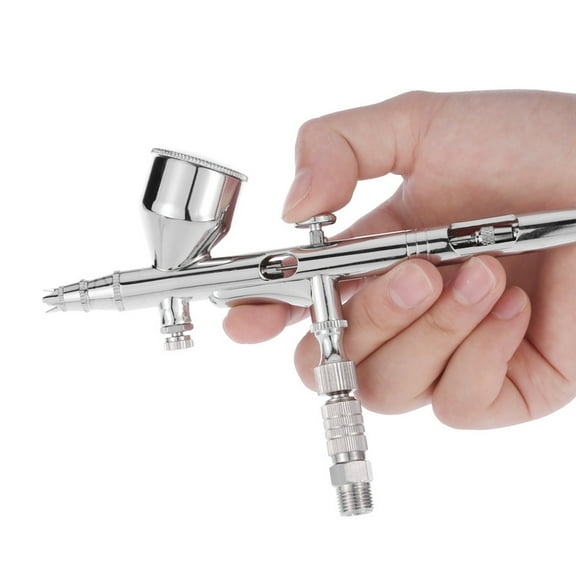
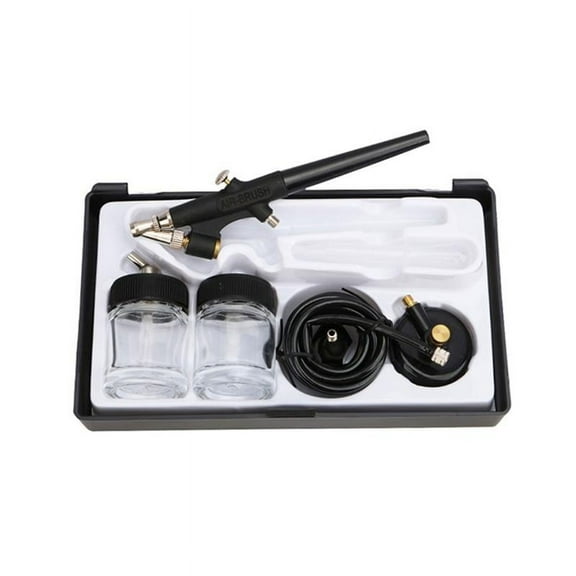
- You can use a dual action airbrush kit when you want separate control of airflow and paint output.
- You can choose single-action options when you want simpler operation for steady, repeatable spray patterns.
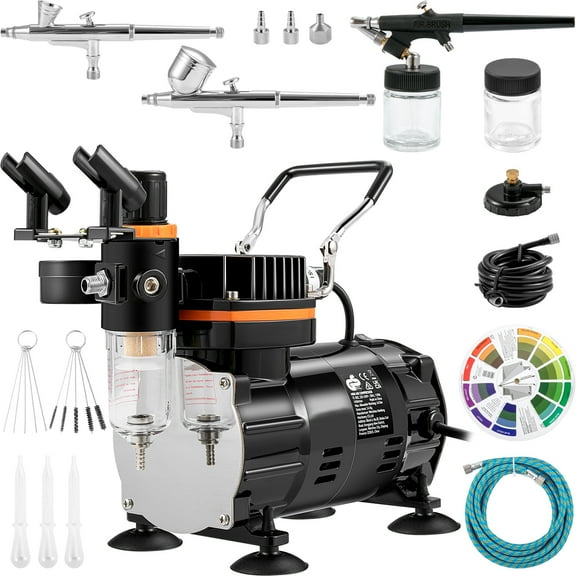
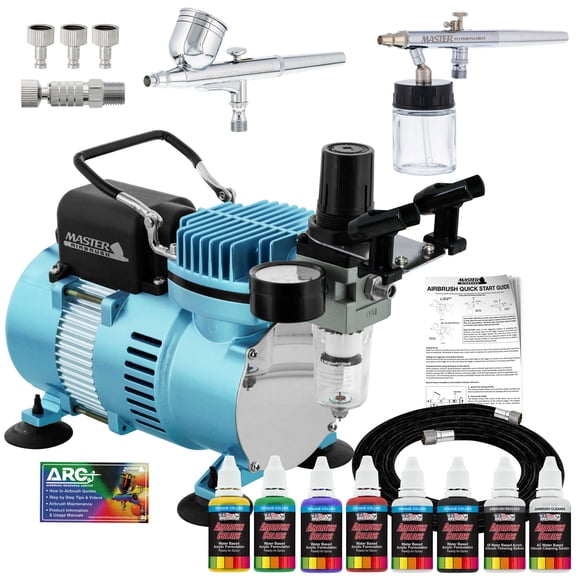
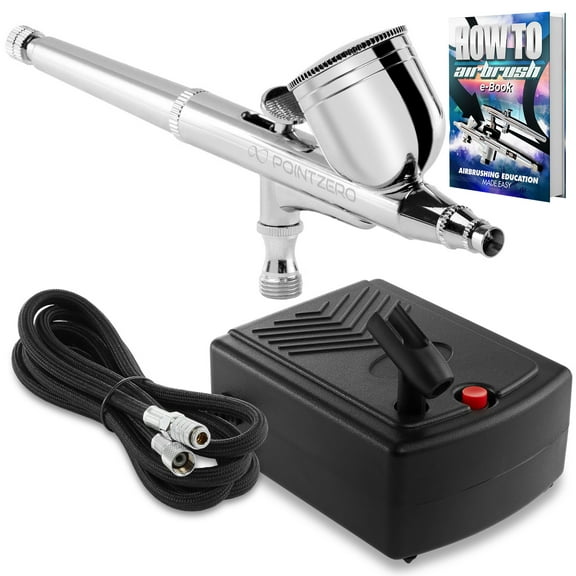
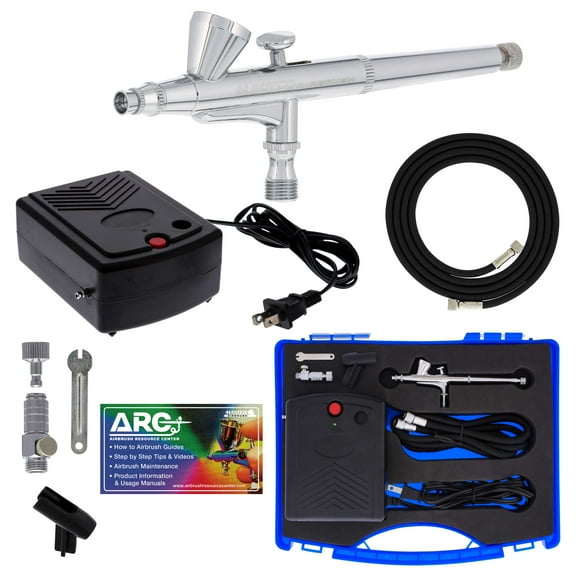
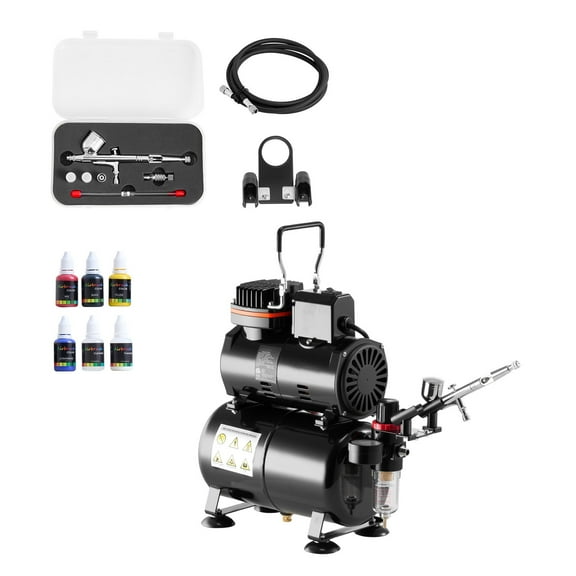
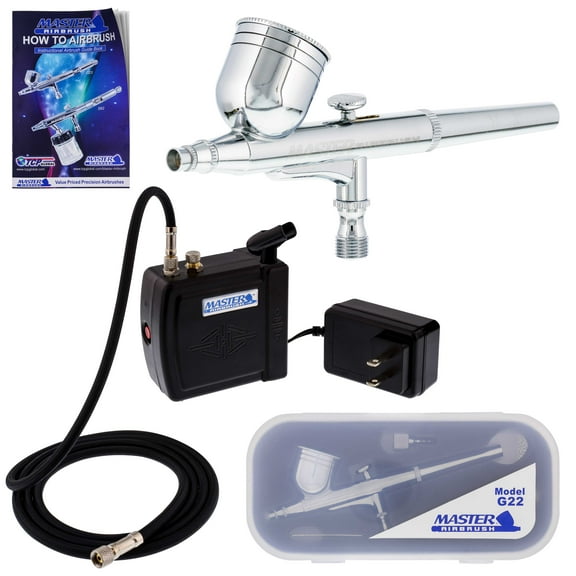
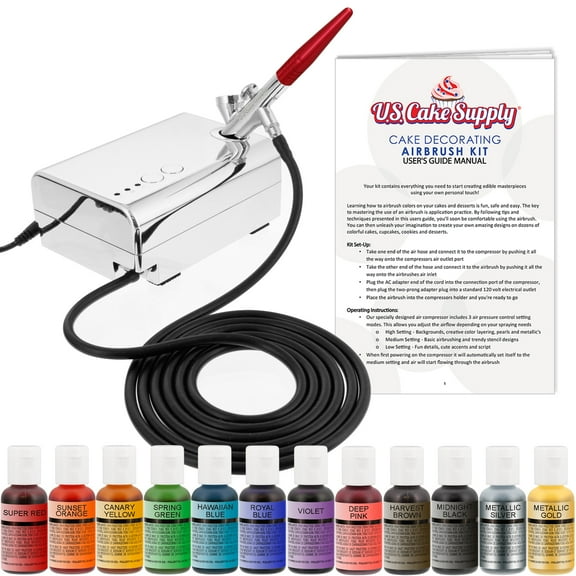
- You can look for an airbrush kit with compressor when you want continuous power for longer sessions.
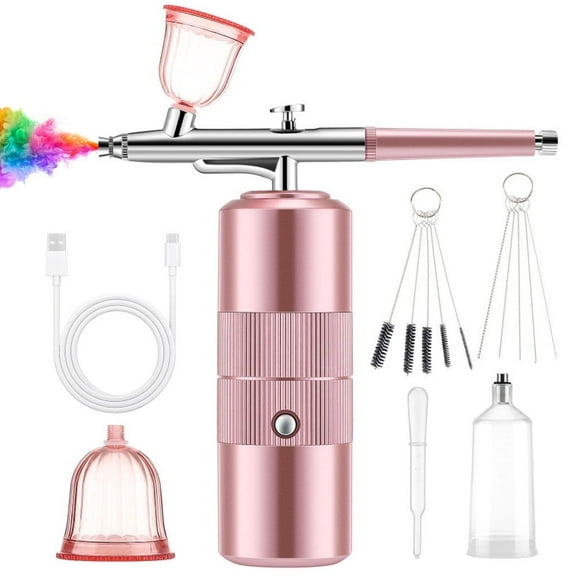
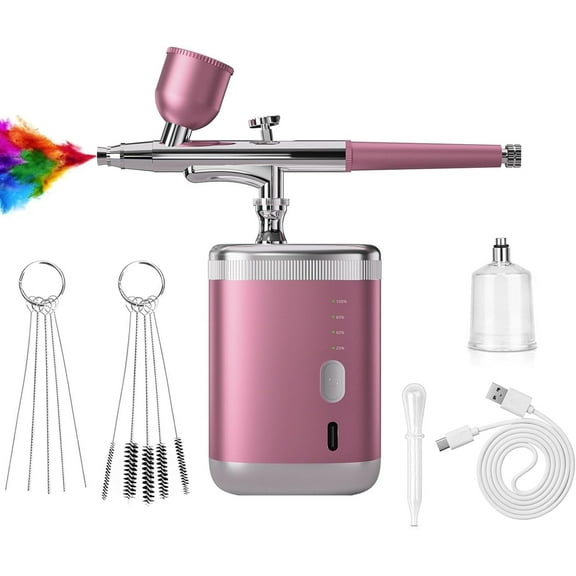
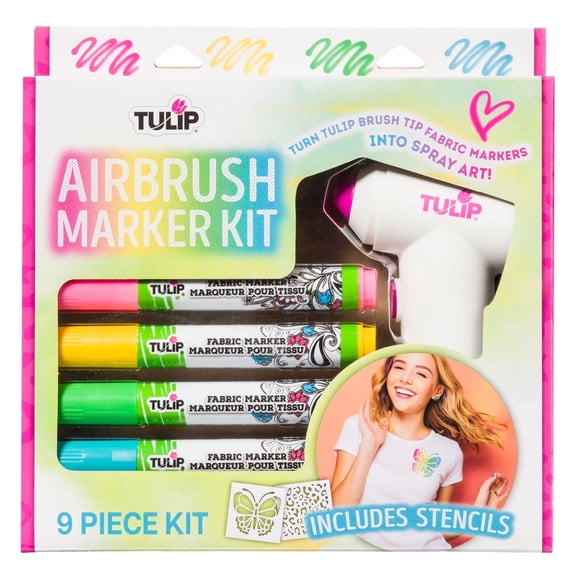
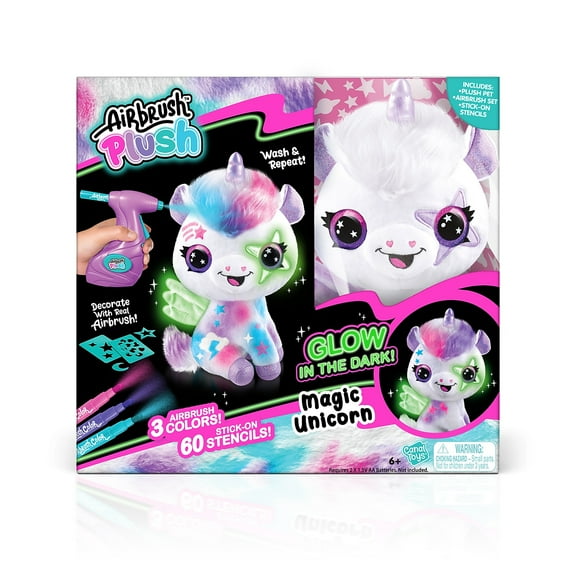
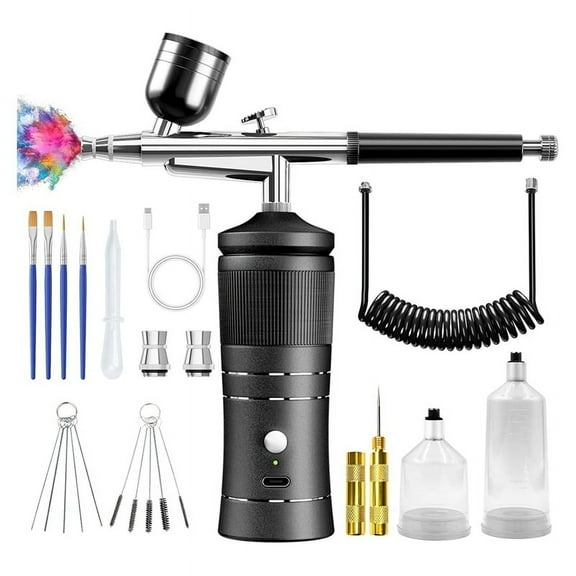
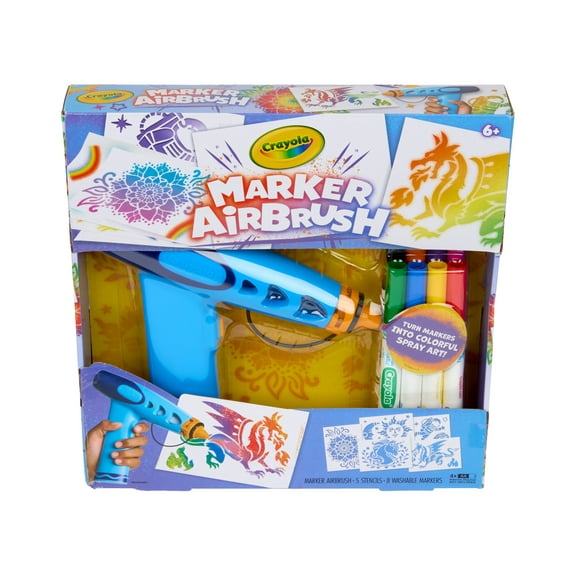
- You can consider a cordless airbrush kit when you want portability for quick touch-ups and small projects.
- You can check cleaning steps before buying if you want easier color changes between projects.
Beginners often want a setup that feels easier to learn without extra guesswork. You can simplify your choice by focusing on application, cleaning routine, and power source first.
Choosing the right airbrush kit with compressor
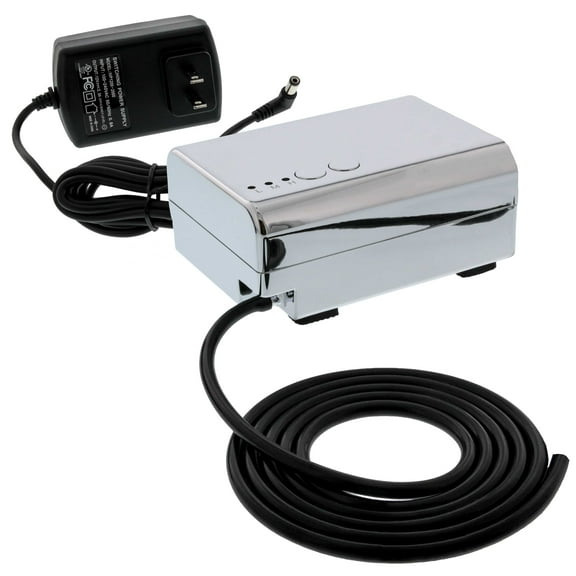
You should compare power source options based on where and how long you plan to spray. You can pick cordless rechargeable units for mobility, or choose plug-in and heavy-duty compressors for longer sessions.
A cordless airbrush kit can help you move around a craft table, kitchen, or event space more easily. You may like that format when you handle quick decorating jobs or compact projects.
A plug-in mini compressor gives you steady airflow in a smaller footprint for hobby desks. You can use that style when you want a balance between portability and consistent performance.
Heavy-duty diaphragm compressors fit longer painting sessions and repeated use across larger projects. You should consider that option when your setup stays in one place and your work needs sustained air delivery.
You'll also want to think about noise, hose length, and storage space before you choose. You can avoid setup frustration when your compressor size fits your table and your routine.
Comparing feed type and action type
You should compare feed type next because paint flow affects cleanup, capacity, and how you angle the brush. You can choose a gravity feed airbrush when you want efficient paint use and quick color changes.
Gravity feed cups sit above the brush, so you can work with smaller paint amounts for detail tasks. You may find that style useful for model painting airbrush projects, nail art, and careful line work.
Siphon feed setups pull paint from a bottle, which can suit bigger coverage jobs and longer color runs. You can consider that style when you spray shirts, props, or repeated background layers.
Side feed designs can give you a different viewing angle while you work around tight surfaces. You may prefer that layout when you need visibility on curved models or hard-to-reach spots.
Action type matters because it changes how much control you have during each pass. You can use single-action for simpler spraying, while you can use dual-action for finer adjustments.
A dual action airbrush kit lets you control air first and paint second with the trigger. You can create softer fades, layered shading, and more precise transitions with that format.
Matching airbrushing kits to your projects
You should match your kit to the materials and finishes your projects require. You can get more consistent results when your nozzle size, paint thickness, and cleaning routine work together.
For an airbrush for cake decorating, you may want easy-to-clean parts and smooth color flow. You should look for a setup that supports food-color spraying and quick rinsing between shades.
For model painting airbrush work, you may want fine control for panel lines, camouflage, and weathering. You can use gravity feed and dual-action combinations when you need careful detail on small surfaces.
For nail art airbrush use, you may want a compact brush that handles short sessions and frequent color changes. You can benefit from lighter components when your work calls for close-up precision.
For makeup applications, you may prefer a lighter handheld design and a gentler, even mist. You should check whether the kit supports the formulas and cleanup steps your routine requires.
For t-shirt painting, you may want broader spray coverage and longer paint capacity during repeated passes. You can lean toward siphon feed or larger reservoir setups for bigger designs.
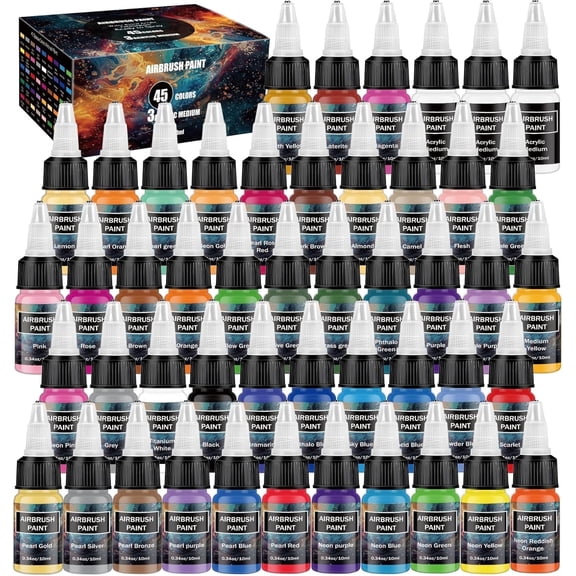
Paint compatibility matters because thicker formulas need proper thinning for smooth spraying and easier cleanup. You can avoid clogs and interruptions when you check recommended paint types before you start.
Cleaning should stay near the top of your checklist, especially if you're new to airbrushing. You can keep your sessions simpler when removable cups, accessible needles, and rinse-friendly parts fit your workflow.
When you choose airbrushing kits with the right power, feed, and action style, your projects feel easier to manage. You can move from setup to spraying with fewer surprises and more consistent results.