

Motion Sensor Light Bulbs in Light Bulbs















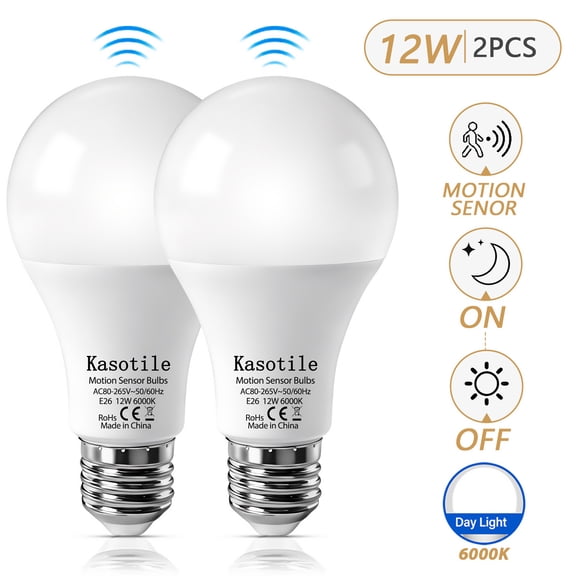


About Motion Sensor Light Bulbs in Light Bulbs - Walmart.com
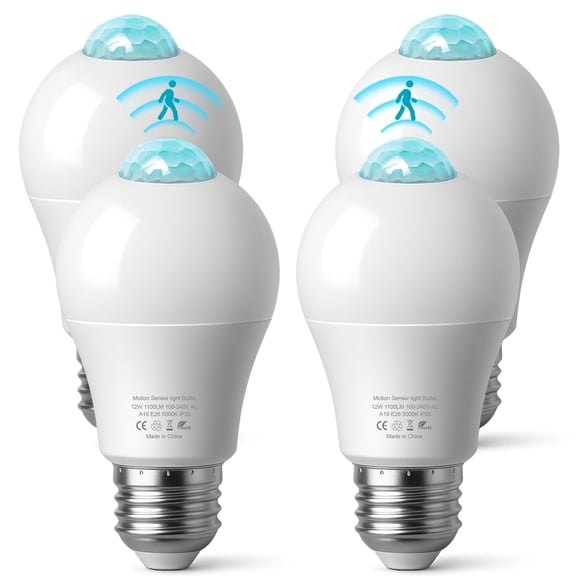
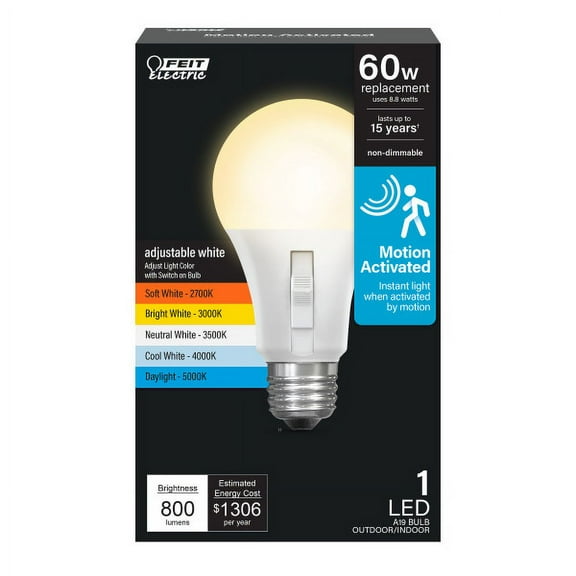
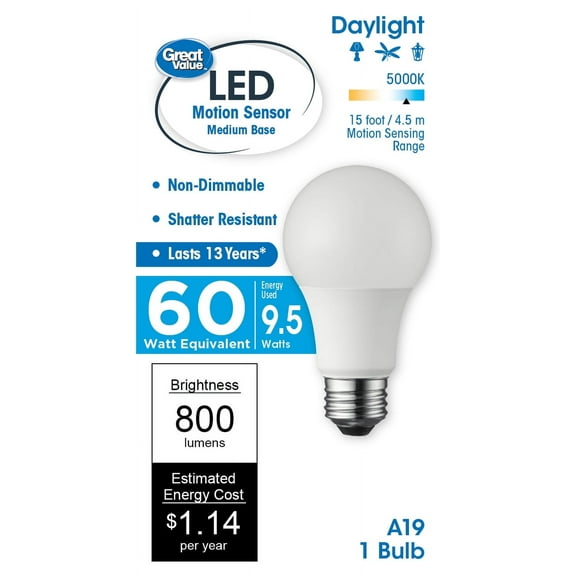
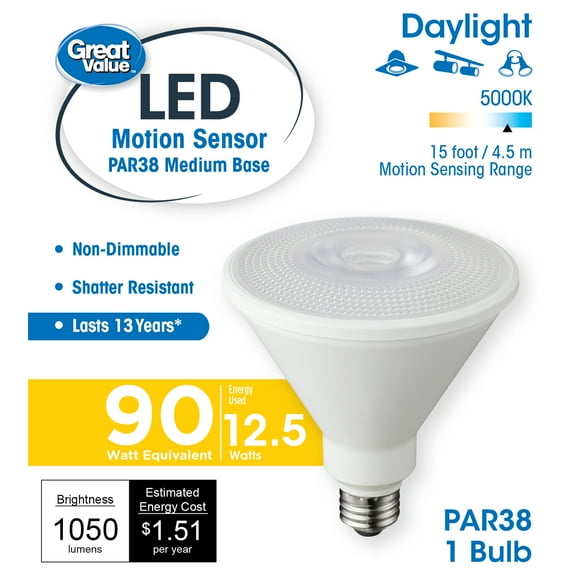
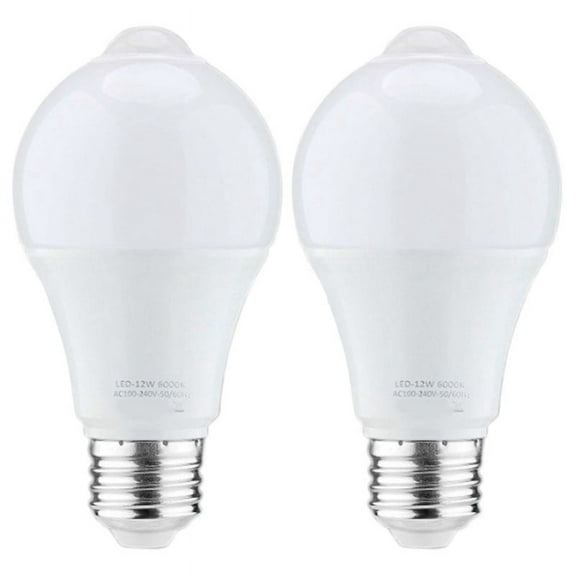
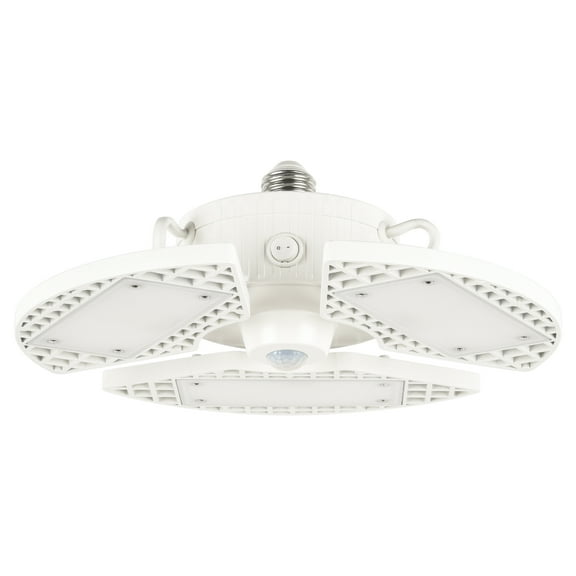
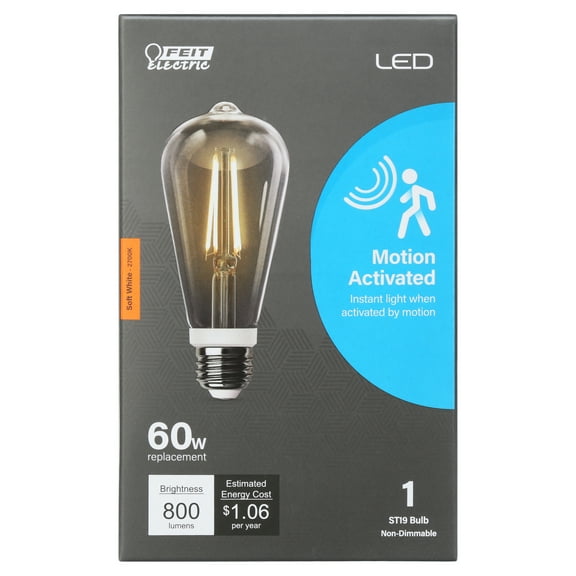
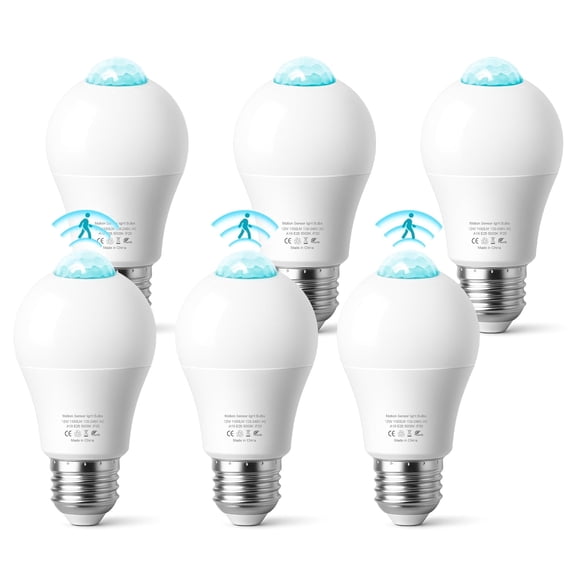
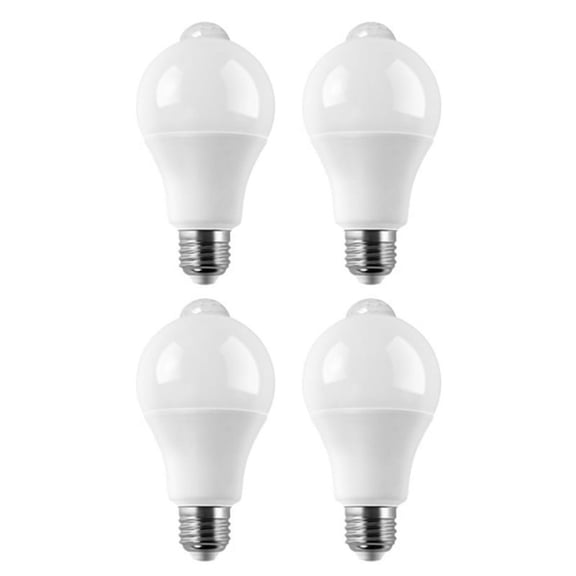
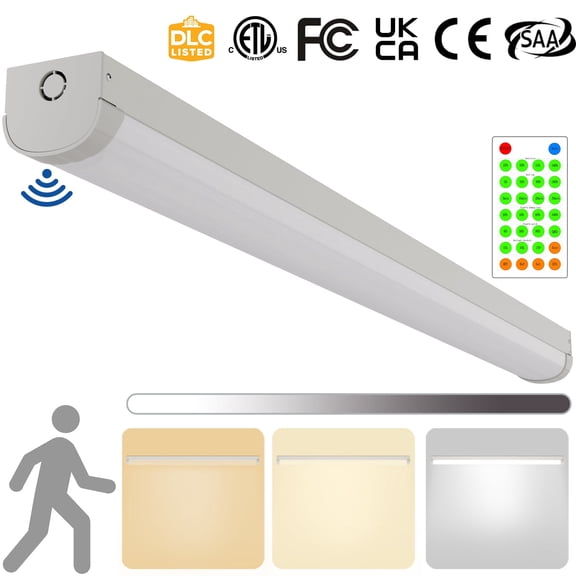
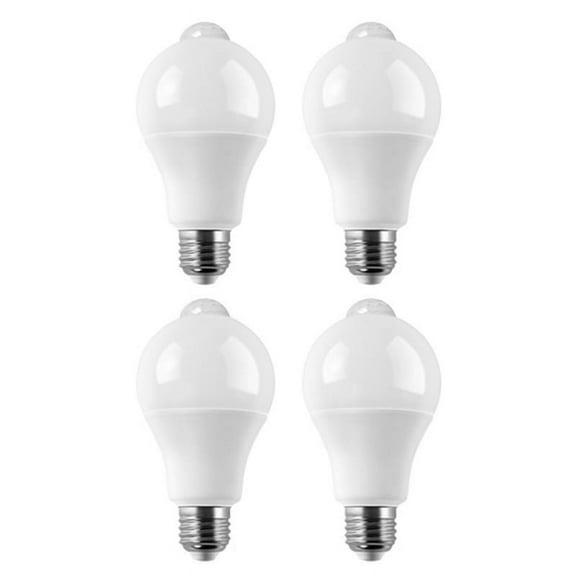
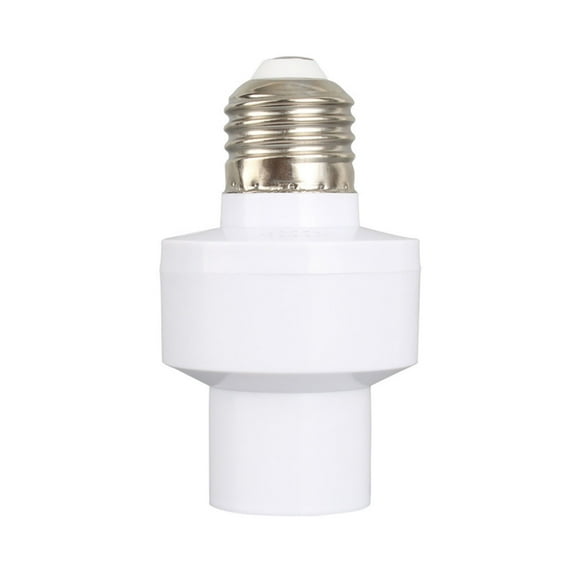
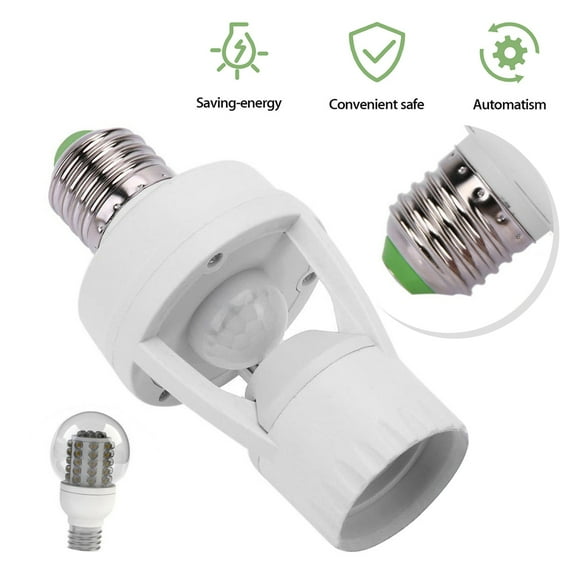
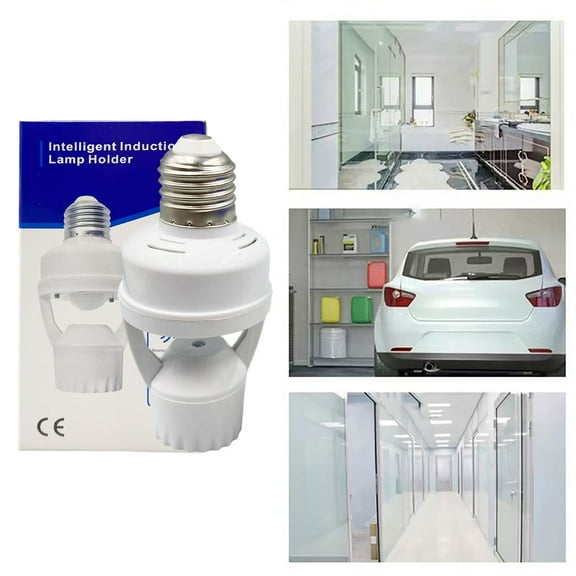
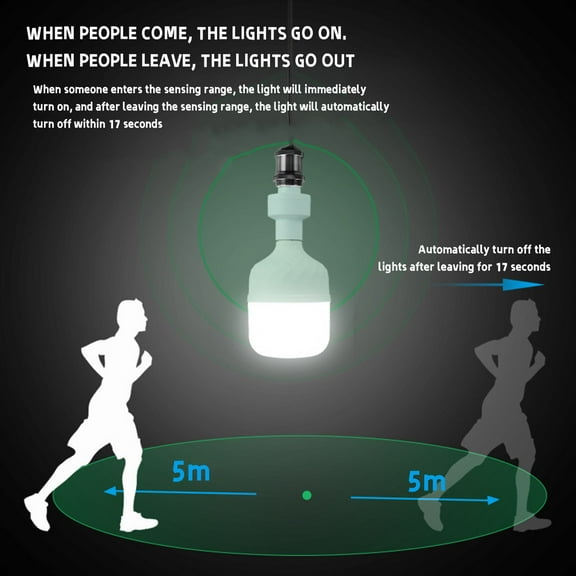
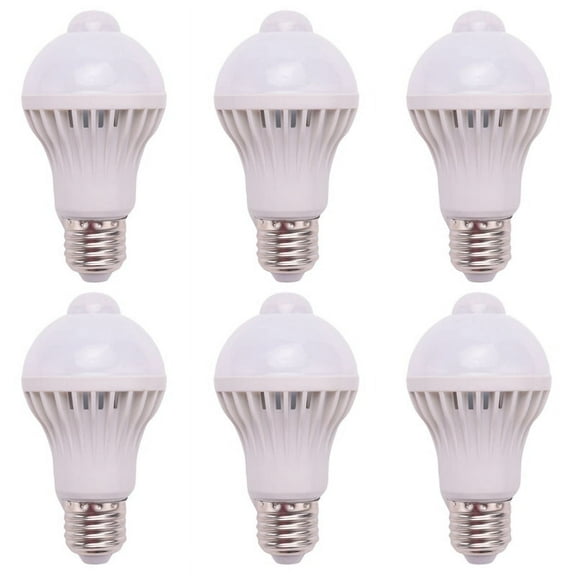
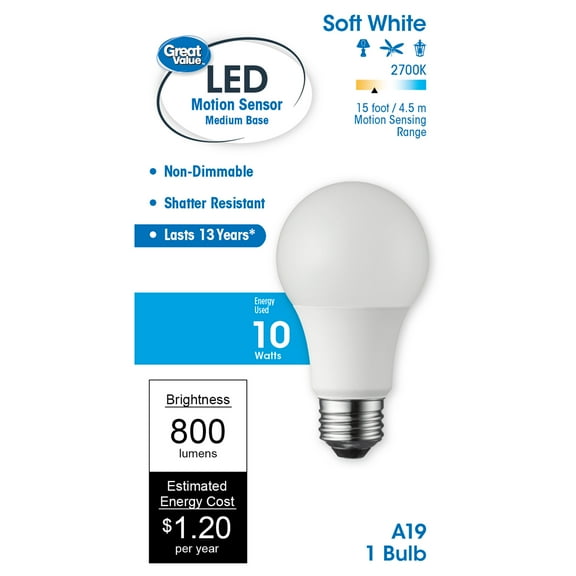
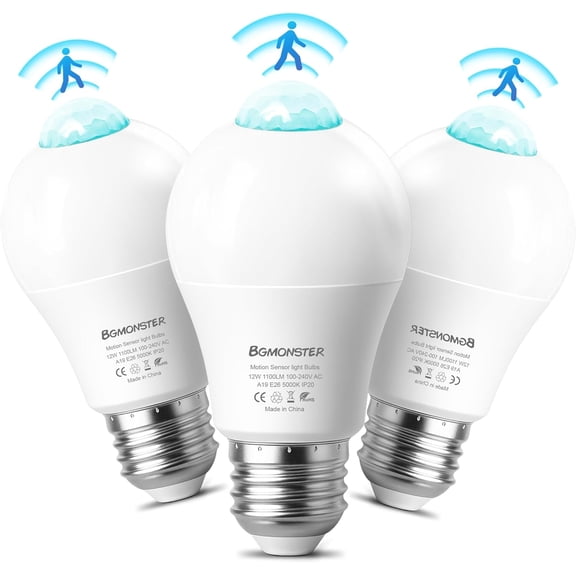
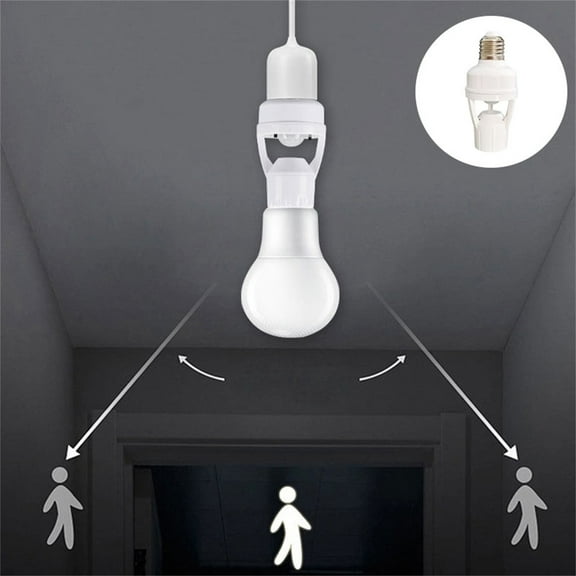
Motion sensor light bulbs give you hands-free light without extra wiring or added controls. You can use them for entries, garages, closets, and patios where quick illumination matters.
You may want lighting that responds when you walk by, pull in, or open a door after dark. You'll also find options for indoor spaces, outdoor exposure, and dual-sensor evening use.
How to choose motion sensor light bulbs
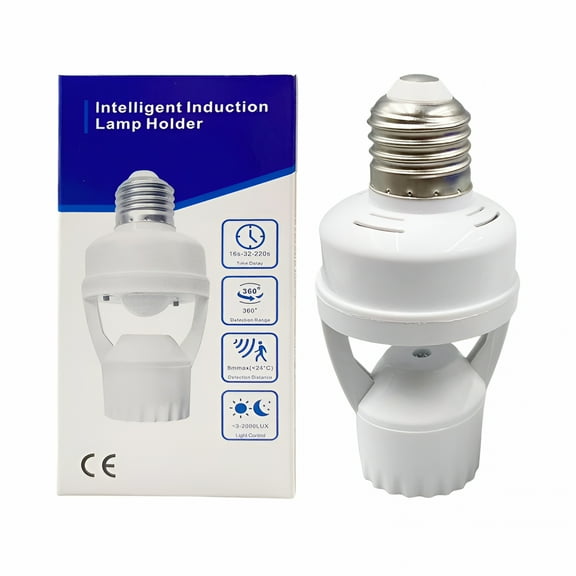
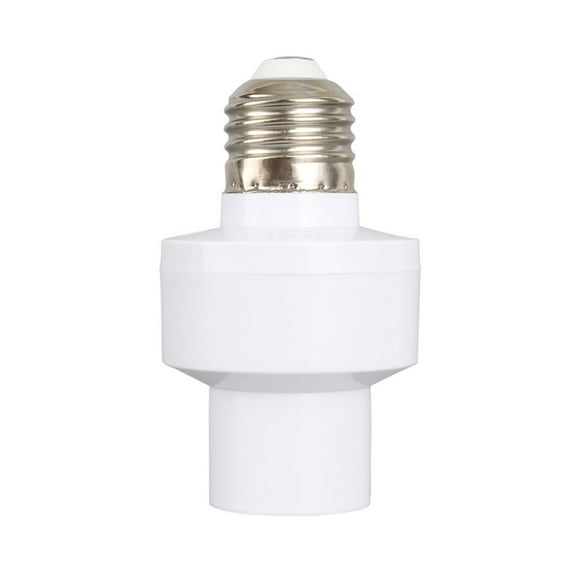
You should start with base type, because your fixture fit decides what bulb you can use. You can compare E26 standard, E12 candelabra, and GU10 options before other features.
If your fixture uses a common household socket, you'll usually need an E26 standard base. If your fixture uses decorative sockets, you'll often need an E12 candelabra bulb instead.
You should also check where your bulb will go before you compare sensor range. If your fixture points downward outdoors, you'll want a location rating that matches exposure and fixture design.
- You can use E26 bulbs in many porch, garage, and basement fixtures.
- You may need E12 bulbs for sconces, chandeliers, and decorative entries.
- You can choose GU10 bulbs for directional fixtures that aim light at steps or corners.
- You should match indoor dry-rated bulbs to closets, hallways, and utility rooms.
- You can look for outdoor wet-rated bulbs when your fixture faces rain or open air.
- You should check enclosed fixture safe labeling if your shade surrounds the bulb.
Choosing outdoor motion sensor light bulbs
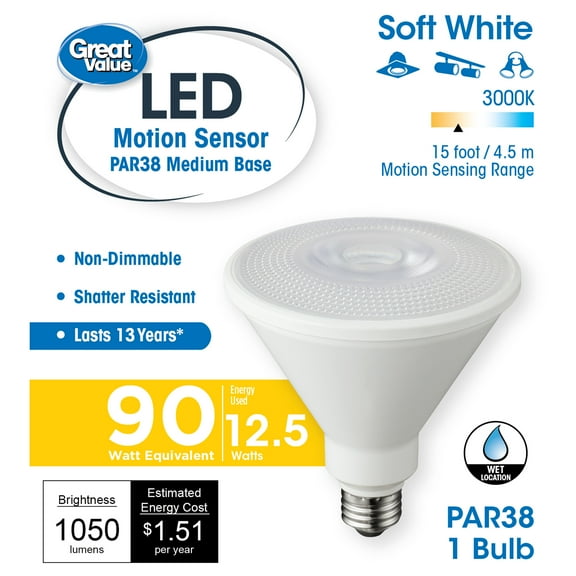
You can narrow outdoor motion sensor light bulbs by weather rating, sensor reach, and beam direction. You should look for wet-rated options when your bulb sits in exposed porch lights or driveway fixtures.
If your fixture has a glass housing or a covered lantern, you'll still want to check enclosed fixture compatibility. You may notice some sensors need a clear line of sight to detect movement consistently.
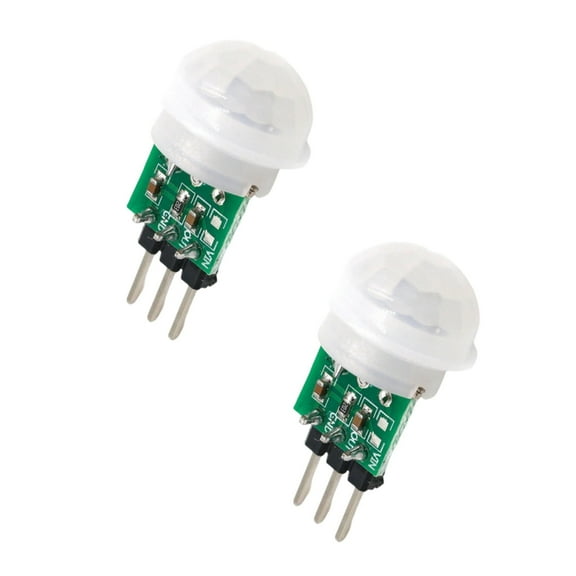
You can compare PIR infrared sensors and radar microwave sensors based on where movement happens. You may prefer PIR for direct walk-up paths, while radar can help in layouts with thin shades.
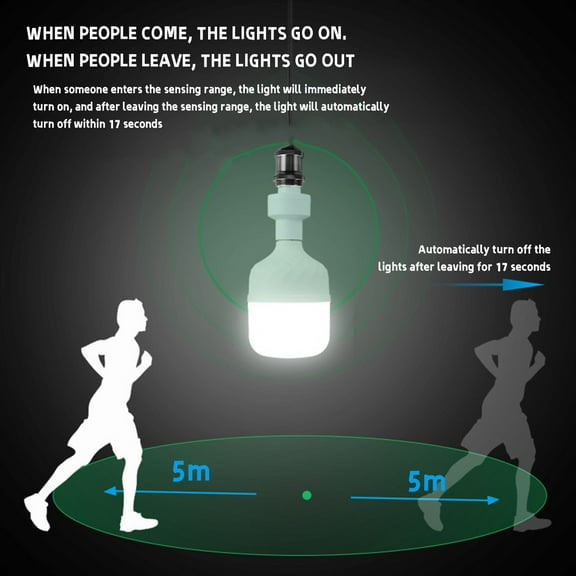
Detection range matters when you want light to turn on at the right moment. You should compare listed distances in feet, because a short hallway needs different coverage than a driveway.
Understanding dusk to dawn motion sensor bulbs
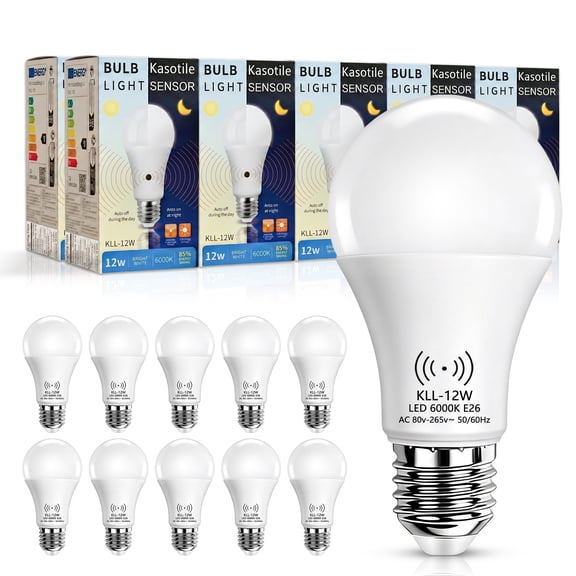
Dusk to dawn motion sensor bulbs combine light sensing and motion sensing in one bulb. You can use them when you want the sensor active at night instead of all day.
This setup helps you avoid daytime activation in entries, backyards, and exterior walkways. You can choose dusk to dawn motion sensor bulbs when you want evening convenience without adjusting wall switches.
You should also compare sensitivity and shutoff timing if those details appear in the product specs. You may want a short on-time for stair landings, while extended illumination can suit garages.
If you use a covered porch every night, this dual-sensor format can feel practical. You get motion-based light after dark, and your bulb stays inactive during daylight hours.
What to look for in an led motion sensor light bulb
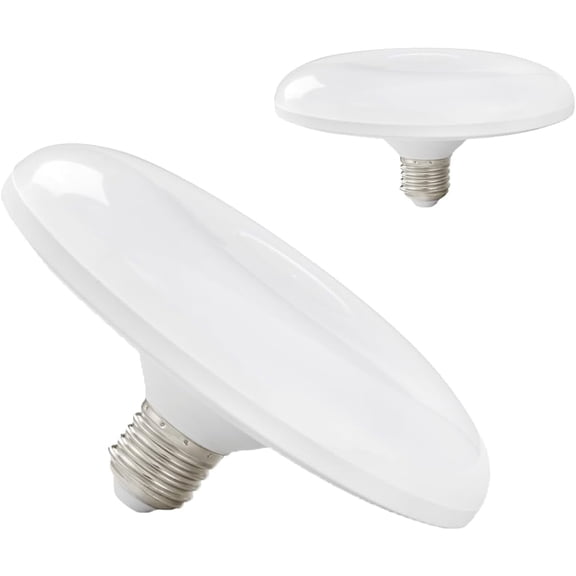
You can compare an led motion sensor light bulb by color temperature, brightness, and intended room use. You should choose soft white 2700K, cool white 4000K, or daylight 5000K based on your space.
If you want a welcoming porch glow, you'll often lean toward soft tones. If you need to see shelves, tools, or steps clearly, you'll likely prefer cool white or daylight.
You should also think about where an indoor motion sensor light bulb makes daily routines easier. You can place one in a pantry, laundry area, hallway, mudroom, basement, or closet.
Light direction matters in compact spaces and angled fixtures. You may prefer GU10 styles for focused light, while wider household bulbs can spread illumination across larger rooms.
Matching features to your space
You can make an informed choice by matching each feature to a specific task at home. You should measure socket type first, then compare exposure, sensor style, detection distance, and color temperature.
If you want a bulb for an open porch, you'll likely check for an E26 base, wet-rated use, and dusk-to-dawn integration. If you need closet lighting, you may focus on an indoor dry-rated bulb.
You can also compare enclosed fixture safe designs when your glass shade surrounds the bulb closely. You should remember that sensors often work smoothly when the fixture allows a clear line of sight.
When you match those details carefully, your lighting feels automatic and highly reliable. You get hands-free illumination that fits your fixture, your location, and your evening routine.