

3' by 5' Index Cards, 3x5 Note Cards & Flashcards






























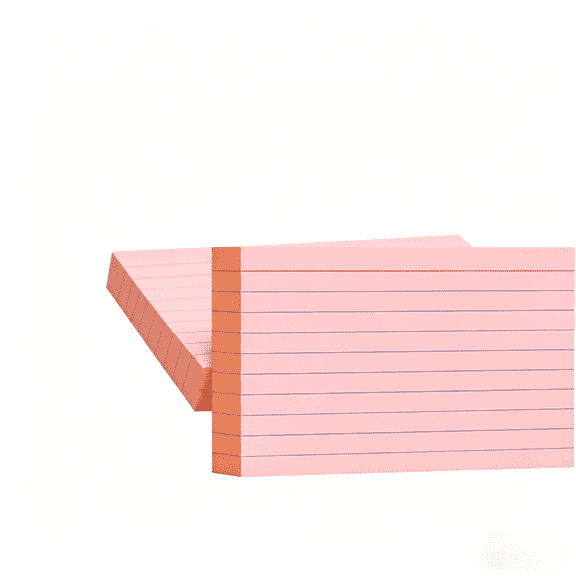


About 3' by 5' Index Cards, 3x5 Note Cards & Flashcards - Walmart.com
3 x 5 index cards give you a compact way to study, sort notes, and organize quick information. With ruled, blank, colored, and heavyweight options, you can match cards to school, office, and home tasks.
How to choose 3 x 5 index cards
When you compare 3 x 5 index cards, you should focus on ruling type, color, pack size, and paper weight. Those four choices help you match each pack to flash cards, filing, labels, or quick reference notes.
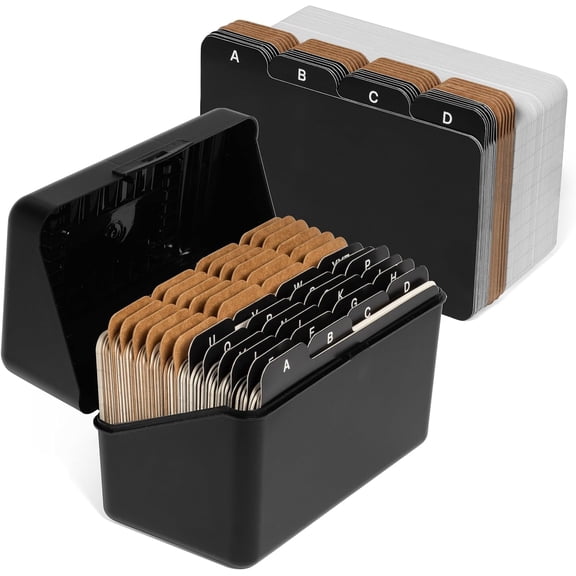
Instead of guessing, consider how you write, store, and review your cards every day. That approach helps you choose cards that fit recipe boxes, desk drawers, pencil cases, and study kits.
What to look for in ruled index cards 3x5
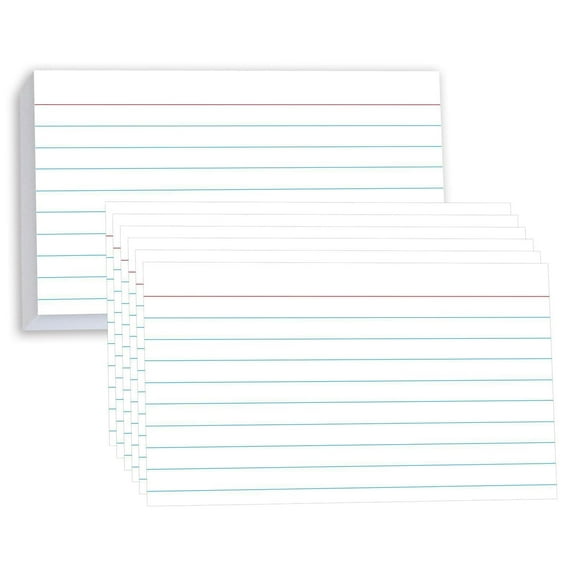
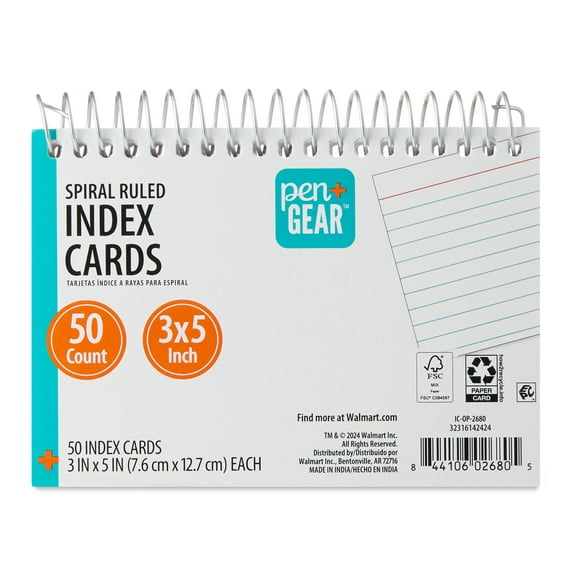
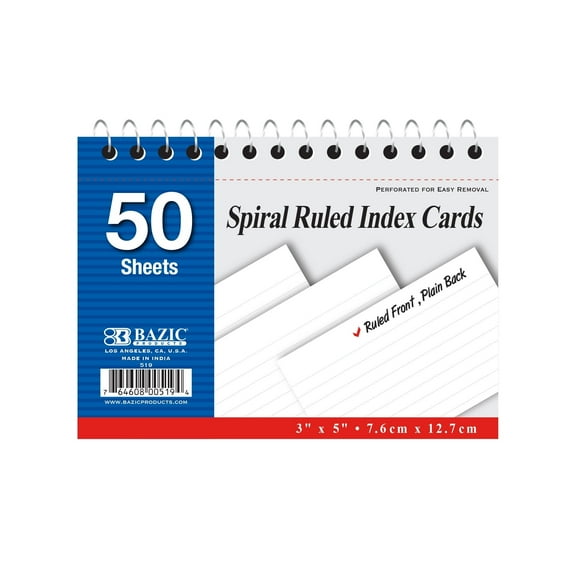
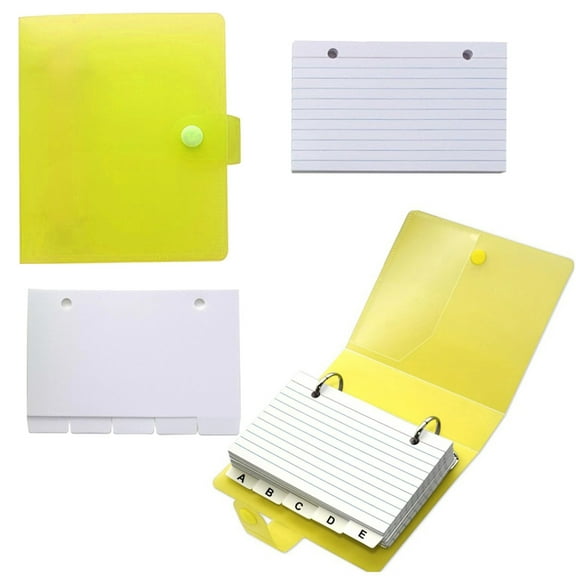
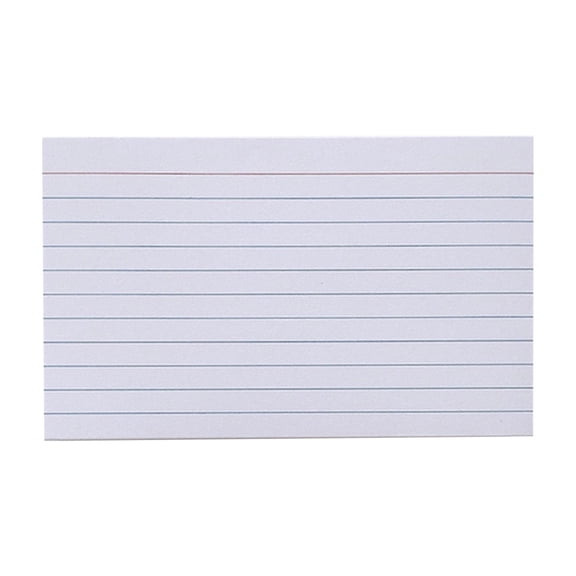
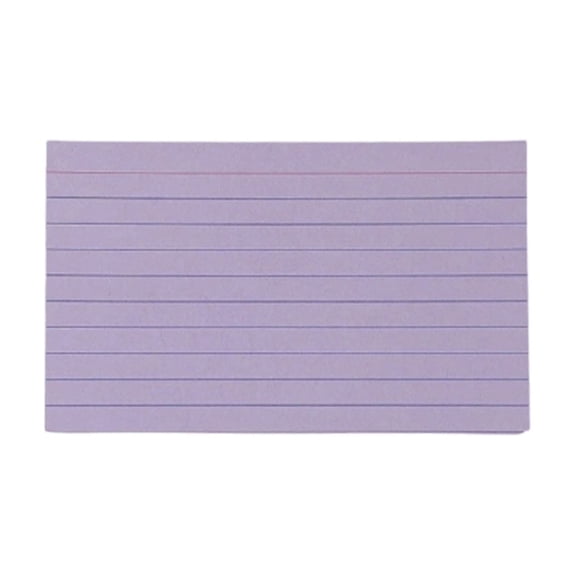
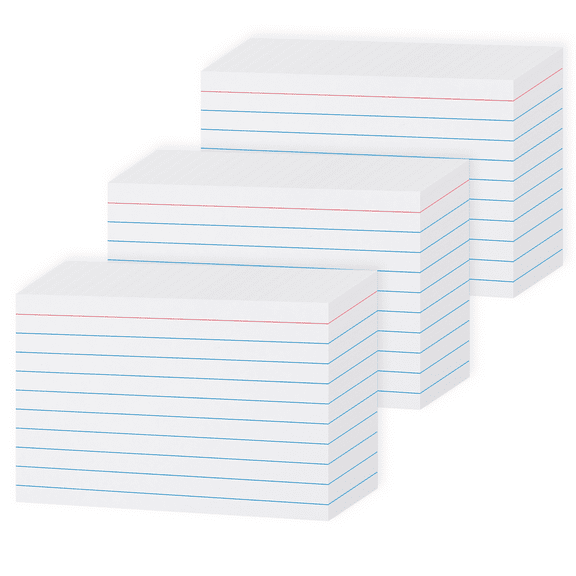
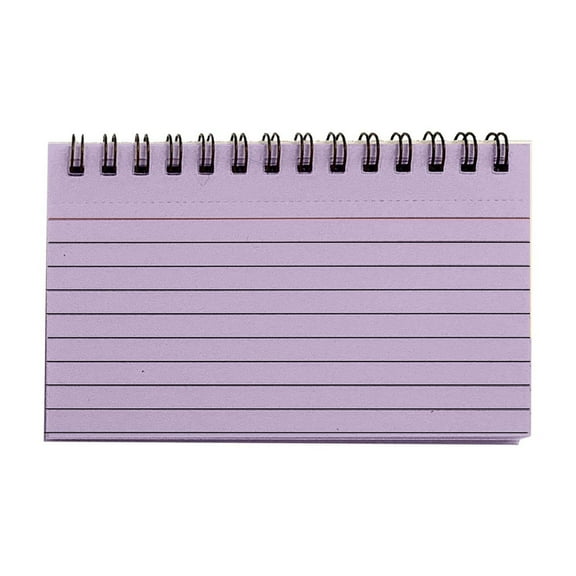
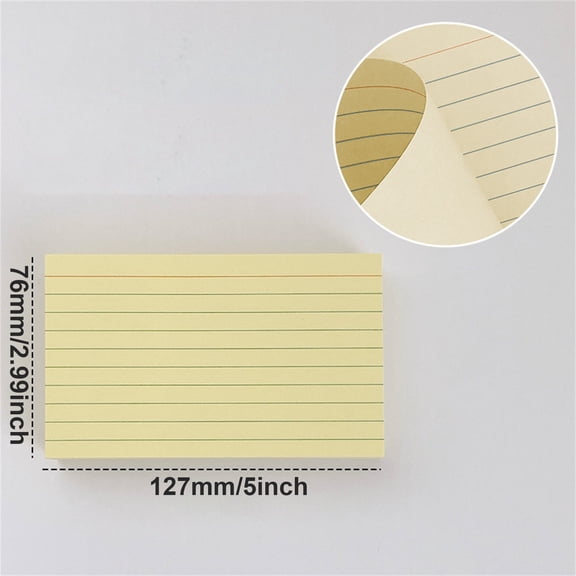
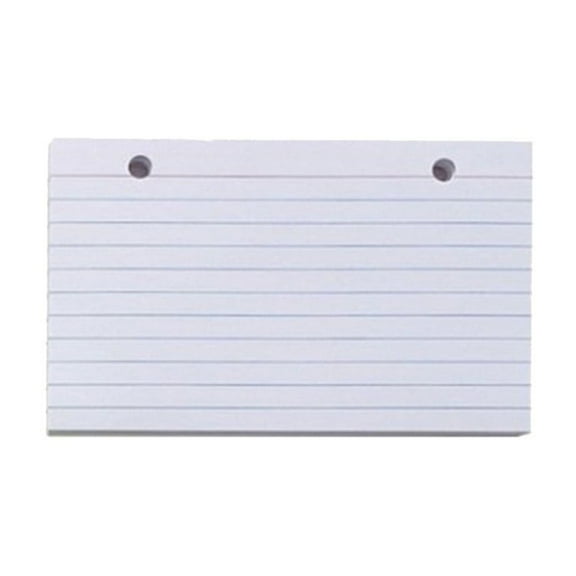
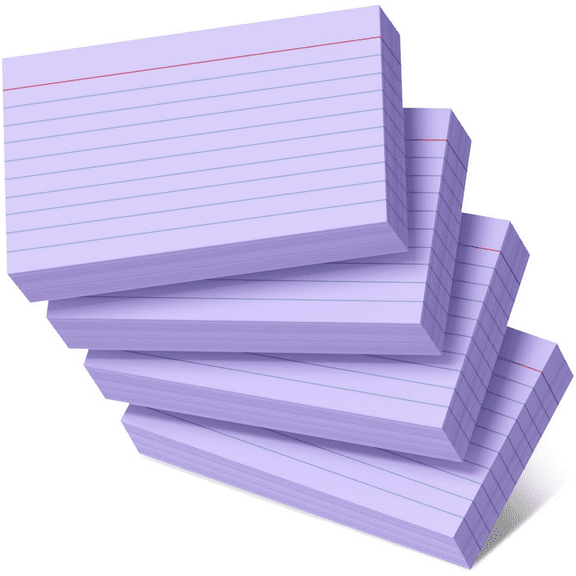
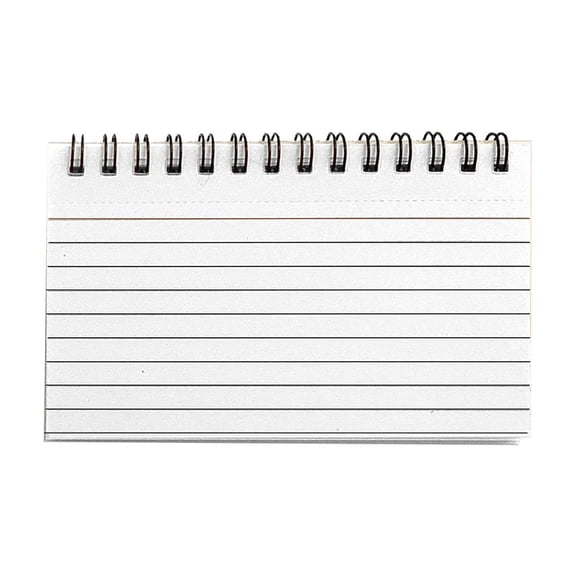
For text-heavy notes, ruled index cards 3x5 give you lines that keep handwriting neat and easy to scan. During study sessions or meetings, that structure helps your key points stay short and readable.
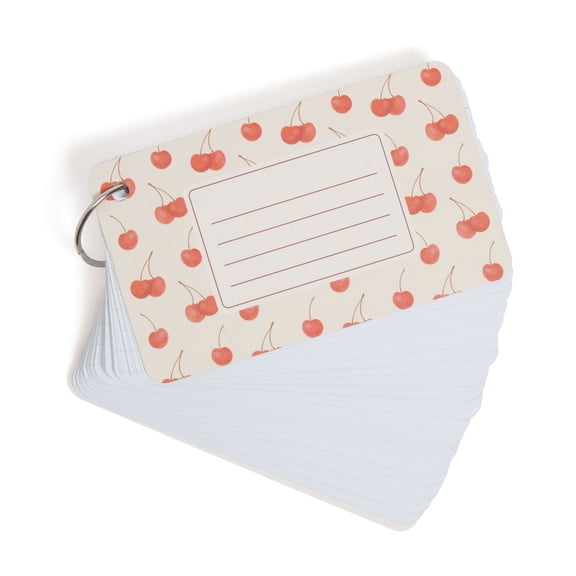
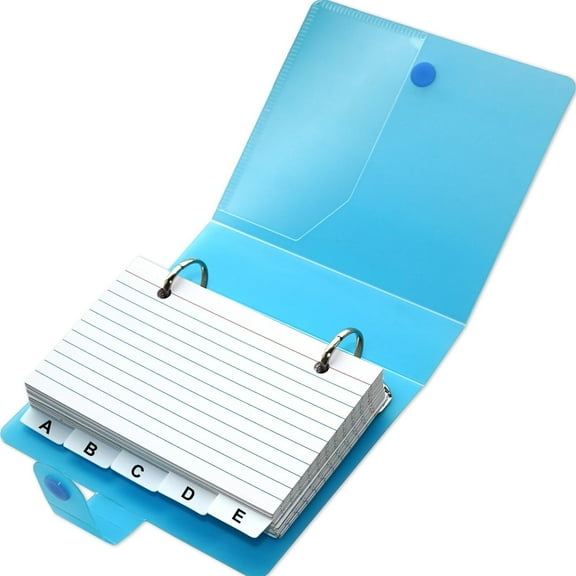
If your cards travel often, a compact 3 x 5 size keeps information close without taking over your workspace. In small stacks or large sets, that format supports portable review and quick sorting.
- For straight note lines, you can use ruled index cards 3x5 for definitions, dates, and talking points.
- For open layouts, you can choose blank index cards 3x5 for sketches, formulas, maps, and free-form diagrams.
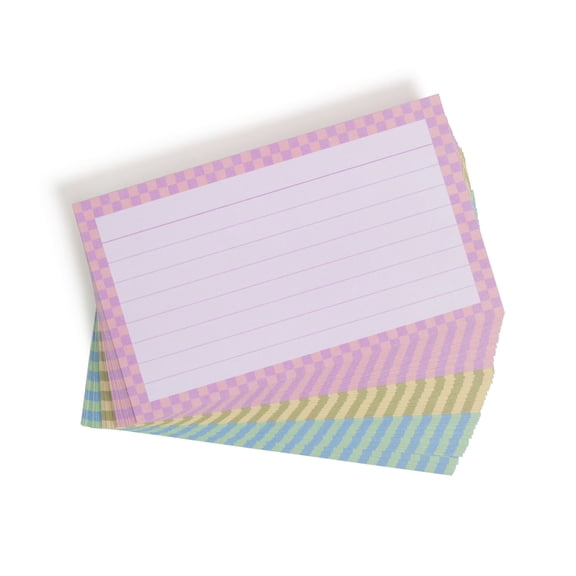
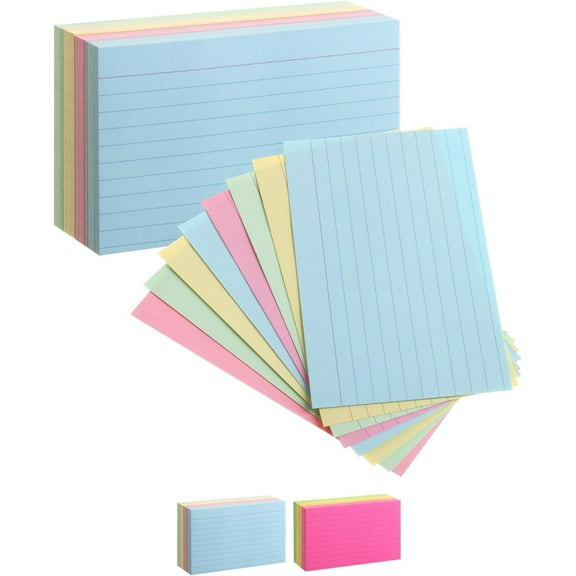
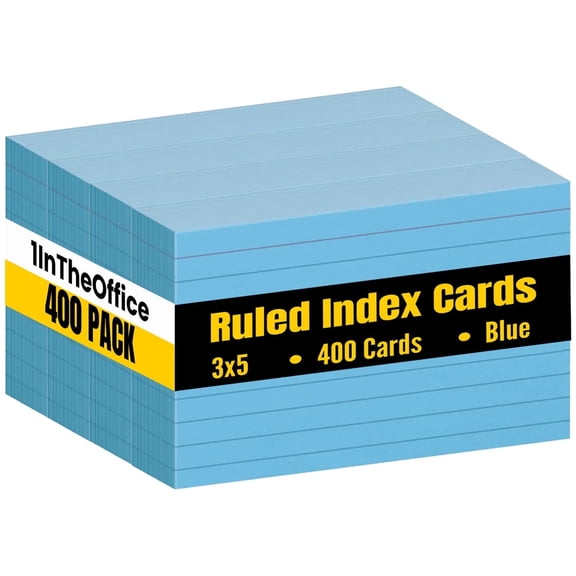
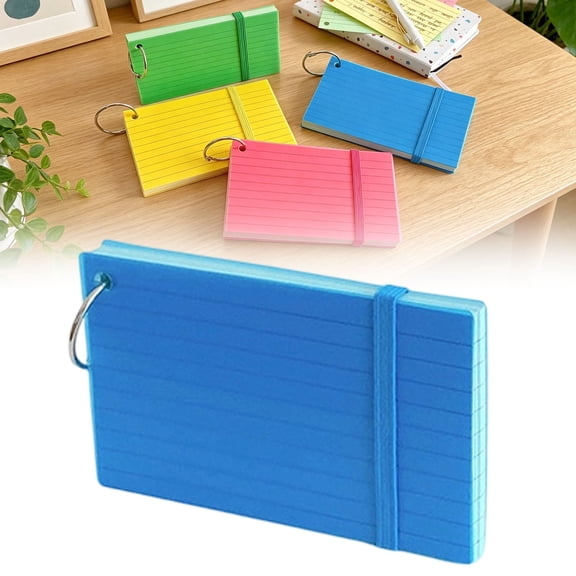
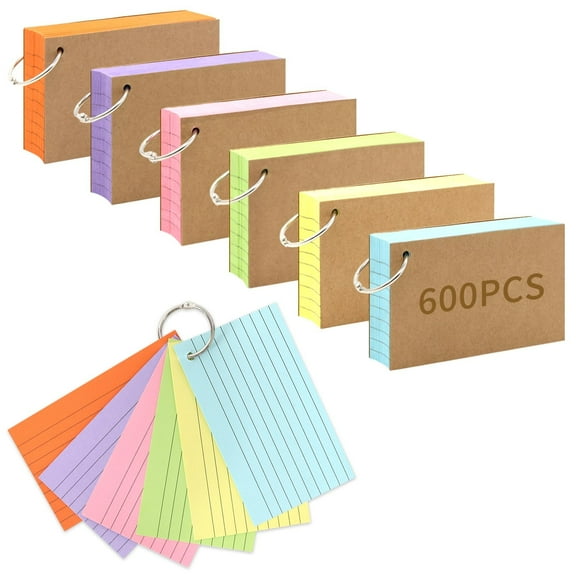
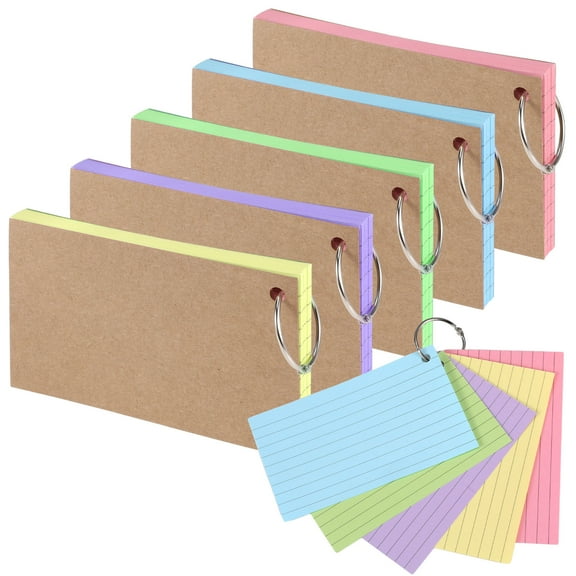
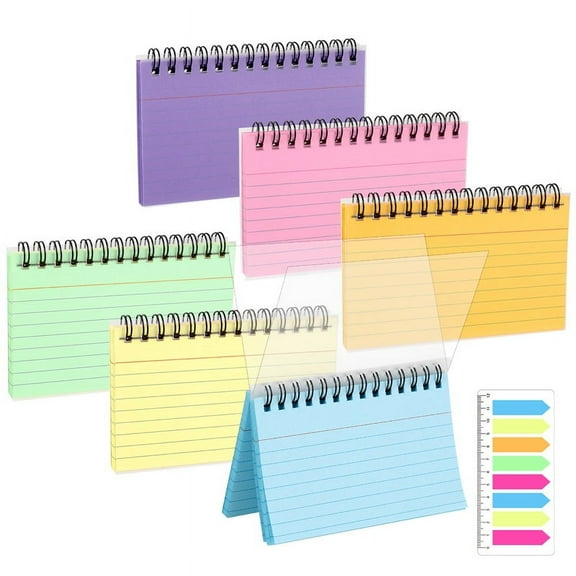
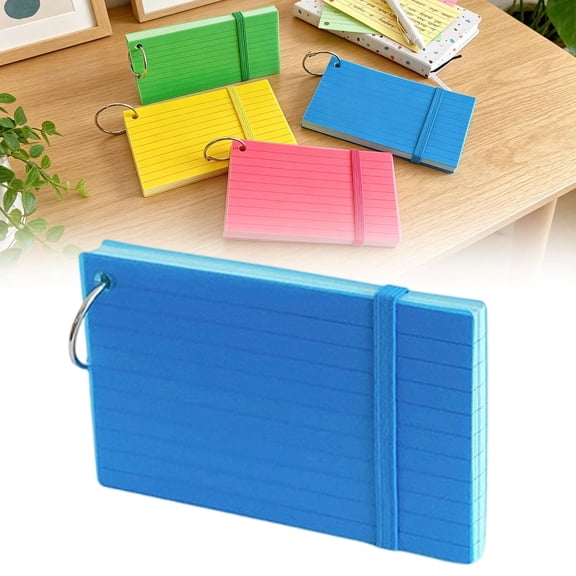
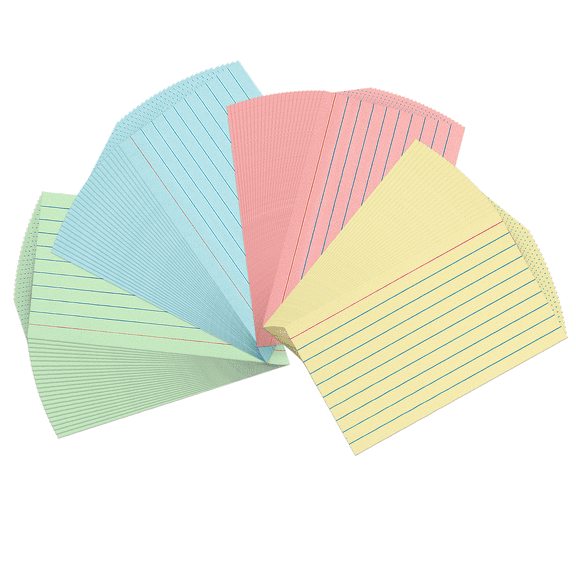
- For visual sorting, you can pick colored index cards 3x5 by class, project, priority, or family task.
- For repeated handling, you can consider heavyweight index cards when you want a sturdy writing surface.
- For shared spaces, you can check pack counts that match classroom, office, or long-term study needs.
As you compare options, small differences in format can shape how your cards feel during daily use. With the right match, your review sessions, filing systems, and note stacks stay organized and easy to manage.
Choosing ruling type for notes and diagrams
Ruling type should be one of your first decisions because it changes how your information fits on the card. For vocabulary, talking points, or short lists, ruled cards give your writing a clear path.
Blank index cards 3x5 work well when your notes include drawings, math setups, arrows, or quick visual planning. If you want added spacing guidance, grid styles can help you place charts and diagrams neatly.
Before you choose, think about whether your cards hold mostly text or a mix of visuals and notes. That comparison helps you decide between guided lines and open writing space.
Comparing paper weight and thickness
Paper weight matters because it affects how each card feels in your hand and how your ink appears. For everyday lists and short prompts, standard weight can suit simple writing tasks.
When you use darker ink or write on both sides, heavyweight index cards can give you a more solid feel. Packaging may also list GSM, and that number helps you compare how thick the paper feels.
Cardstock options can make sense when your cards move through frequent review, sorting, or classroom handling. As you compare paper weight and GSM, look for the balance your pens, markers, and routine require.
Deciding between white and colored index cards 3x5
Color is another useful choice because it changes how quickly you scan and separate information. White cards keep your notes classic and clear, especially when you want dark ink to stand out.
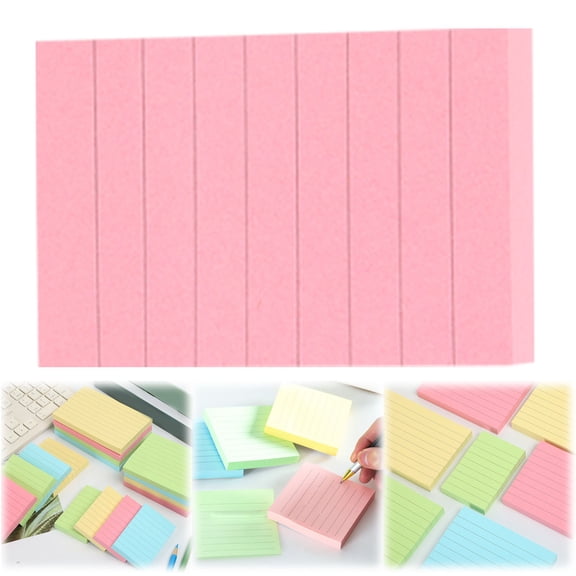
Colored index cards 3x5 can help you create visual groups for subjects, projects, departments, or dates. In assorted pastel or neon packs, your categories become easier to spot across a full stack.
For mixed households, classrooms, or offices, color-coding can support fast sorting without extra labels. That method works well when you want one glance to show what belongs where.
Picking the right pack size
Pack size matters because your card count should match how often you restock and how many sets you build. A 100-pack can fit light home use, a single class, or occasional office notes.
If your routine includes lesson prep, team training, or large sets of 3x5 flash cards, 300-pack and 500-pack options can make sense. Bulk index cards 3x5 also help shared spaces stay supplied for repeated projects.
When you compare quantities, check whether your cards support one subject or several ongoing systems. That simple step helps you keep enough cards on hand with minimal replacement trips.
Using 3 x 5 index cards every day
Across school, work, and home, 3 x 5 index cards support quick information that you need within easy reach. You can use them for vocabulary drills, recipe notes, speech prompts, contact details, and meeting takeaways.
At school, color-coded stacks can organize chapters, quiz dates, and review topics with clear visual separation. At work, ruled cards can hold task steps, client notes, and inventory references in a tidy format.
At home, blank or white cards can support meal planning, chore rotations, labeled bins, and family reminders. With the right ruling, color, thickness, and quantity, your cards fit the way you study and organize.
By comparing ruling type, color, paper weight, and pack size, you can choose cards with a clear purpose. That guidance helps your notes stay readable, your stacks stay sorted, and your daily routines stay on track.