

3D Printing Pens in 3D Printing























About 3D Printing Pens in 3D Printing - Walmart.com
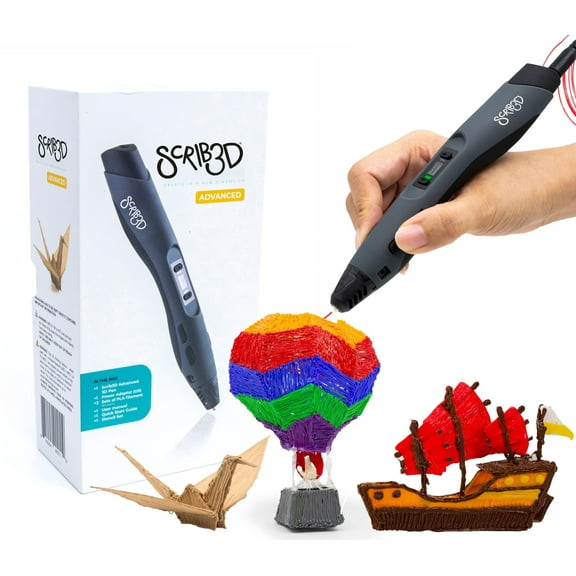
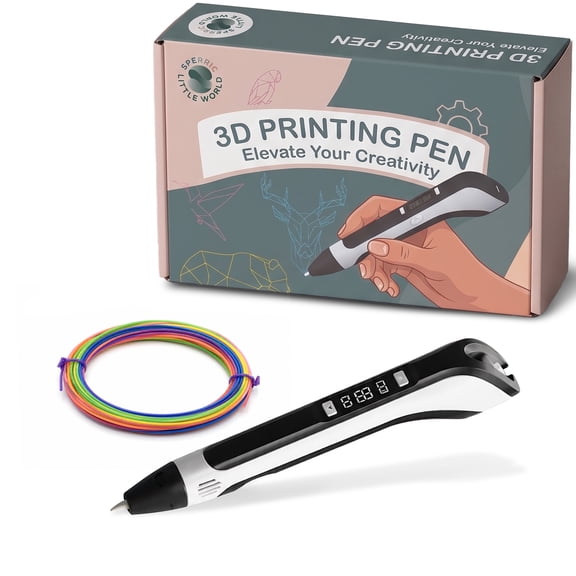
A 3-d pen turns filament into fast, hands-on models you can hold minutes later. At Walmart, you’ll find options built for steady extrusion, smooth starts, and simple controls. These tools bridge sketching and printing without the setup of a full machine. They’re popular for school projects, prototypes, and giftable creative kits.
Many shoppers choose a 3d pen because it’s easy to learn and satisfying quickly. You can build raised lines, weld parts together, or fill gaps on prints. It’s also a compact way to practice 3D concepts before using a larger printer.
Benefits of using a 3-d pen
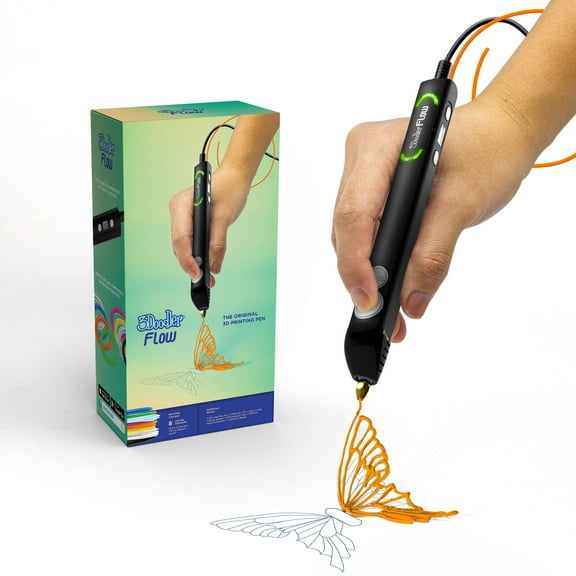
A 3d printing pen lets you draw in the air, trace stencils, and layer shapes into real objects. You’ll get more control than clay when you need crisp edges and repeatable parts. It’s also great for quick fixes on cracked plastic items.
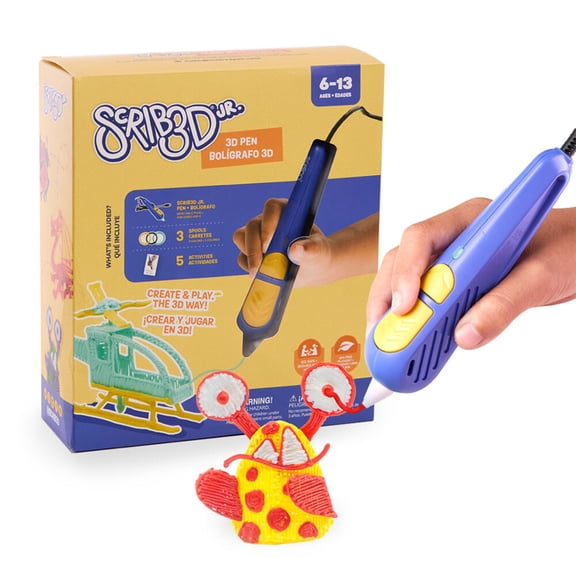
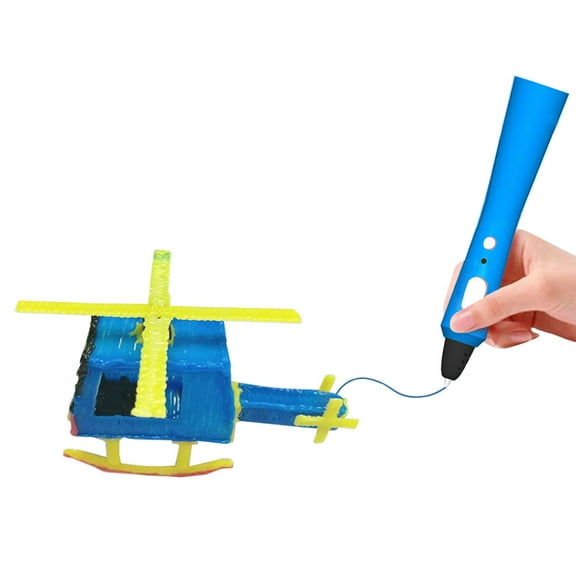
For classrooms and homes, a 3d pen for kids supports guided creativity with simpler speed settings. Many models use low-temperature tips designed to reduce accidental contact heat. You can also choose larger buttons and clearer displays for easier handling.
When you’re prototyping, a 3d printer pen helps you test form and fit before committing to a print job. You can add supports, reinforce corners, and label parts directly on your model. That keeps iteration fast when you’re working on deadlines.
- Create raised lettering, outlines, and textured details on crafts and art boards.
- Repair and join plastic parts by laying molten filament into seams.
- Build quick concept models and mockups without slicing or bed leveling.
- Teach spatial thinking with guided templates and step-by-step projects.
Features to compare in a 3-d pen
Heat range matters because different filaments melt at different temperatures. PLA typically runs cooler and smells less during use. ABS often needs more heat and better ventilation.
Look for adjustable temperature and speed controls for smoother corners and cleaner starts. Variable feed helps prevent blobs on slow moves. A clear display makes it easier to repeat settings between projects.
Nozzle design affects line width and detail control. Finer tips can sketch small curves and tight lettering. Wider tips can fill areas faster for thicker structures.
Check power options if you want a tidy work area. Some pens use wall adapters for consistent heating. Others use USB power, which can pair well with portable workstations.
Safety and comfort features can change the experience a lot. Helpful details include auto-sleep, nozzle covers, and finger guards. A balanced grip reduces hand strain during longer builds.
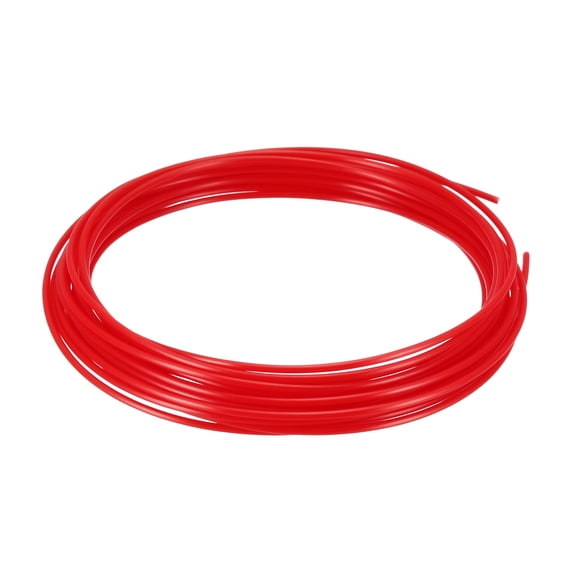
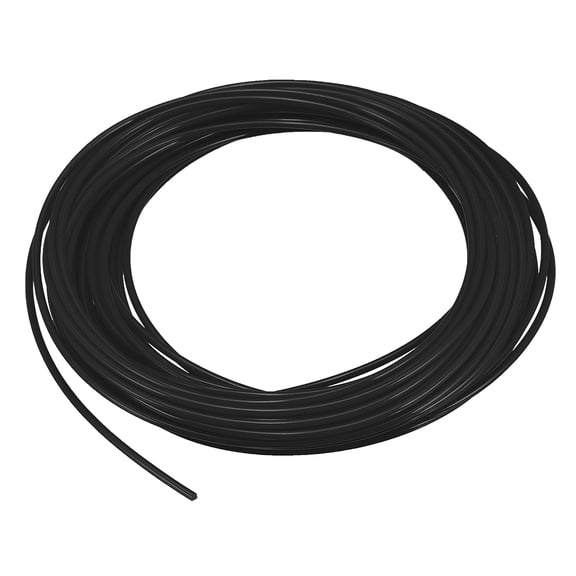
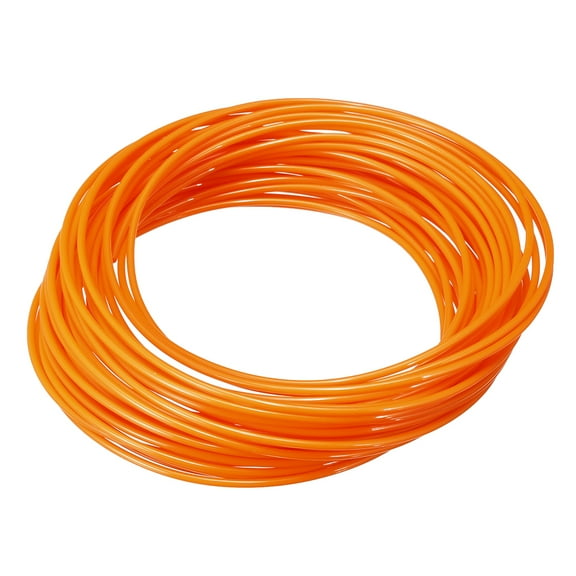
Filament format also impacts refill convenience. Many pens accept standard one point seven five millimeter filament. Some use proprietary cartridges, which can simplify loading.
Use cases shoppers solve with a 3-d pen
Use a 3d printed pen approach for rapid customization on existing objects. You can add cable guides, corner bumpers, and small tabs to improve grip. It’s also handy for labeling bins with raised text.
For cosplay and props, a 3d printer pen helps you add seams, rivets, and surface texture. You can trace patterns over foam forms and then reinforce them. After sanding and painting, details look more finished.
In STEM learning, a 3d pen for kids works well with stencils and templates. You can build geometric solids, bridges, and simple mechanisms. Projects feel less intimidating than full CAD workflows.
Makers often pair a 3d pen with a desktop printer for post-processing. You can patch under-extruded spots and close small gaps on prints. It’s also useful for adding supports during a tricky assembly.
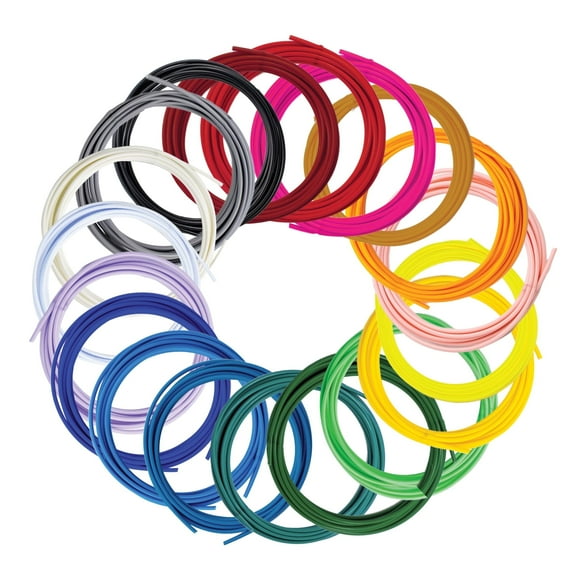
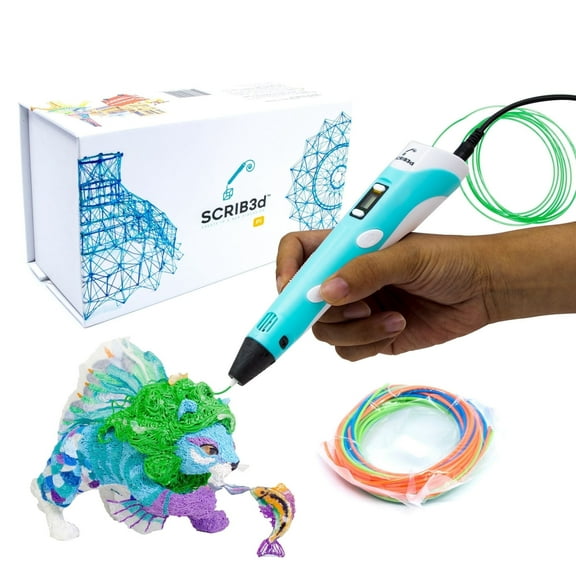
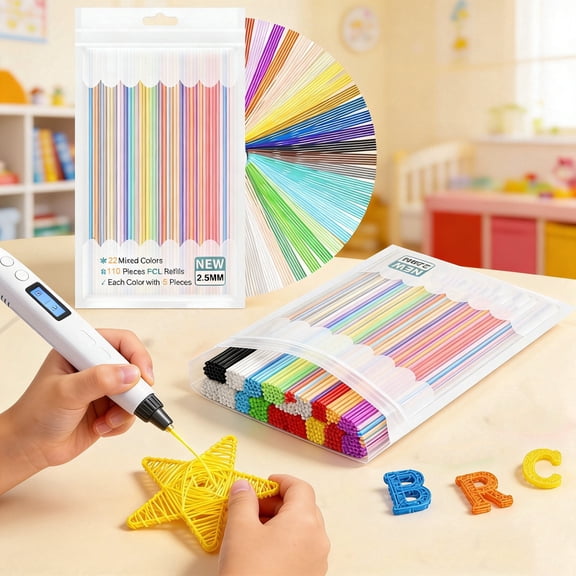
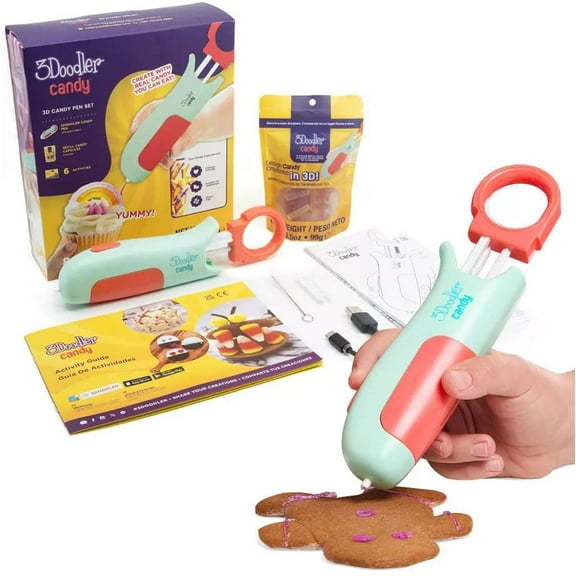
Gift givers like kits that include filament colors and project guides. A 3d printing pen set can cover art, engineering, and craft interests in one box. Refill packs keep the hobby going after the first build.
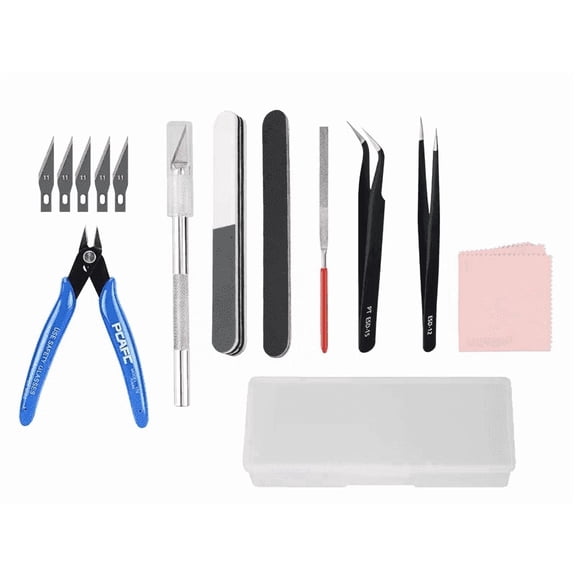
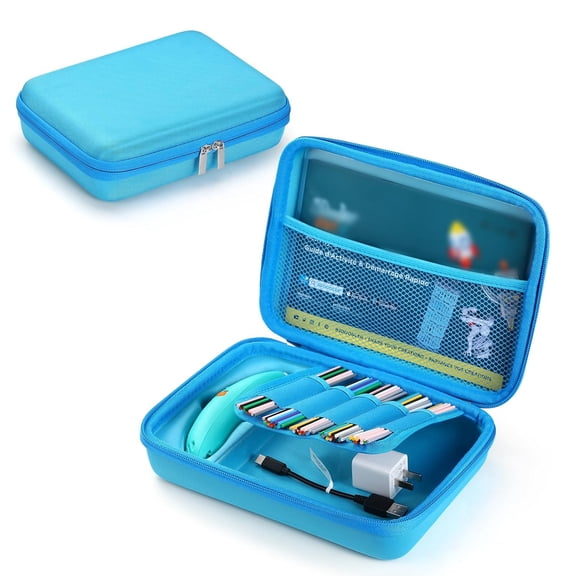
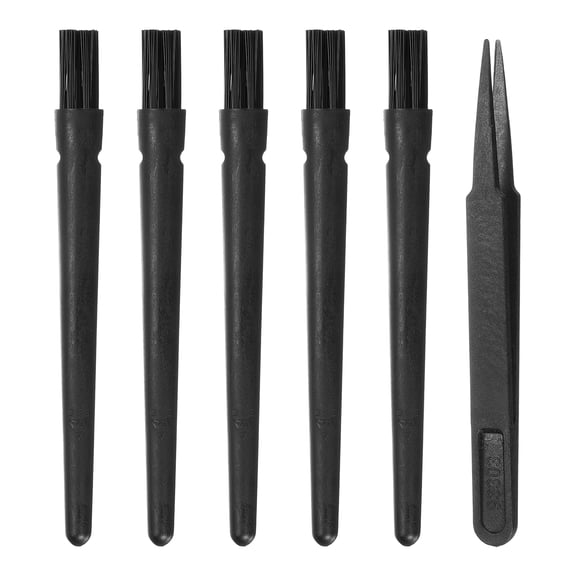
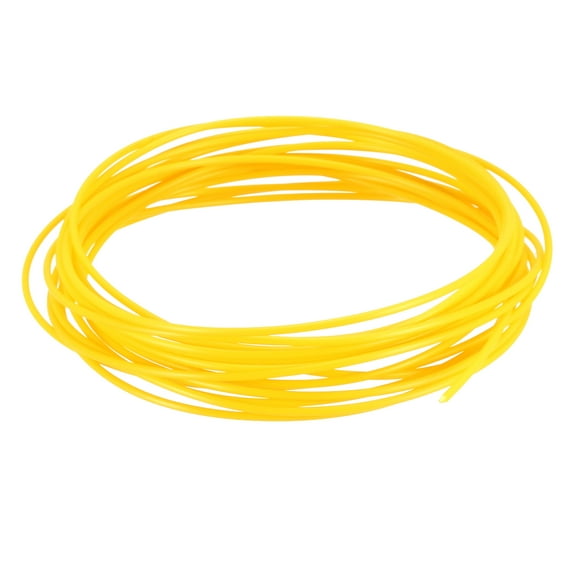
Many shoppers also add essentials like filament refills and accessories. Extra PLA spools, nozzle tips, and cleaning tools can reduce downtime. Storage cases help protect the tip during travel.
Confidence points before you choose
Pick the pen that matches your filament plan, your speed preferences, and your comfort needs. A well-matched 3-d pen makes lines consistent and starts predictable. That means cleaner builds and less time fixing mistakes.