


Sectional Sofas


































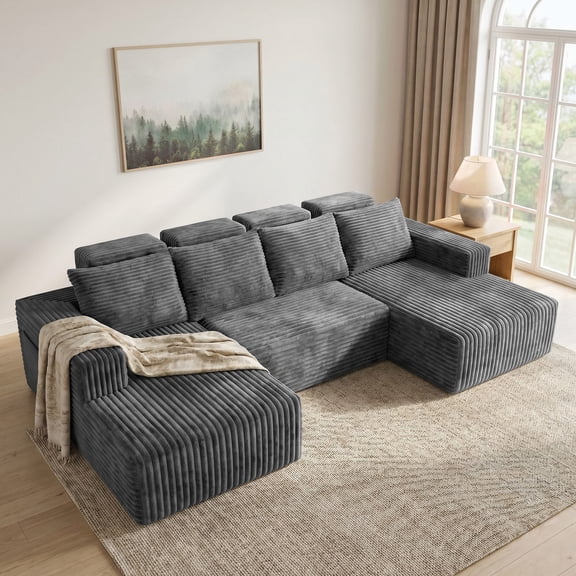
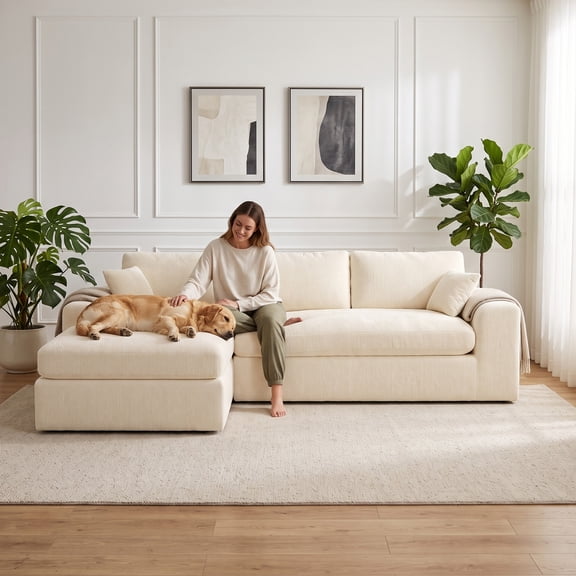


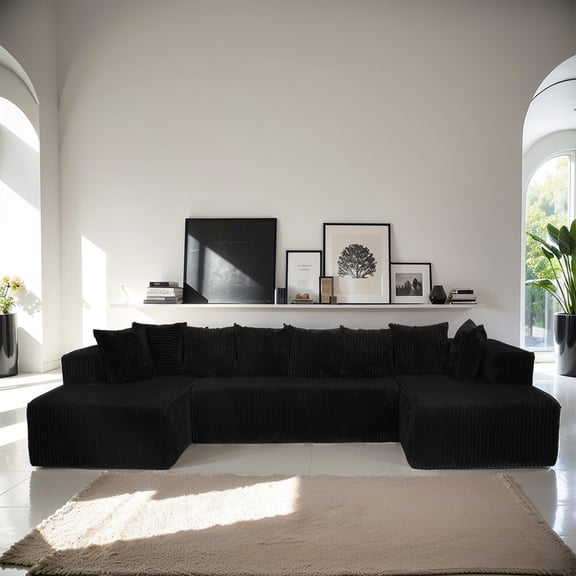


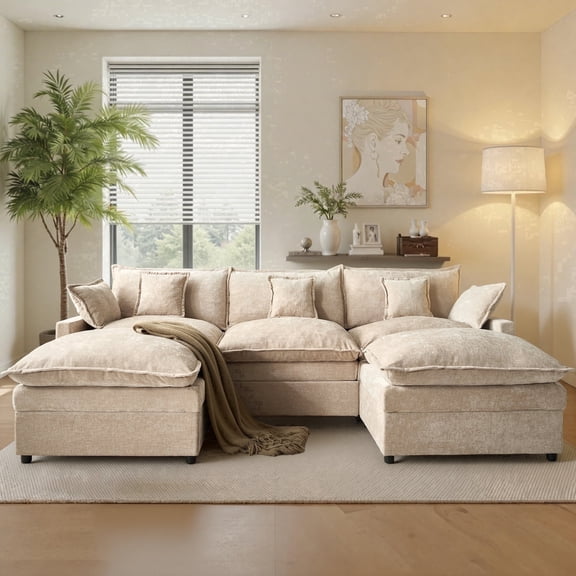
















About Sectional Sofas - Walmart.com
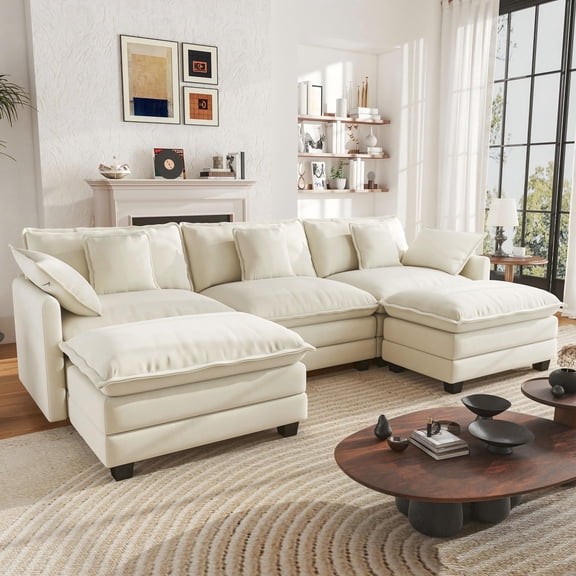
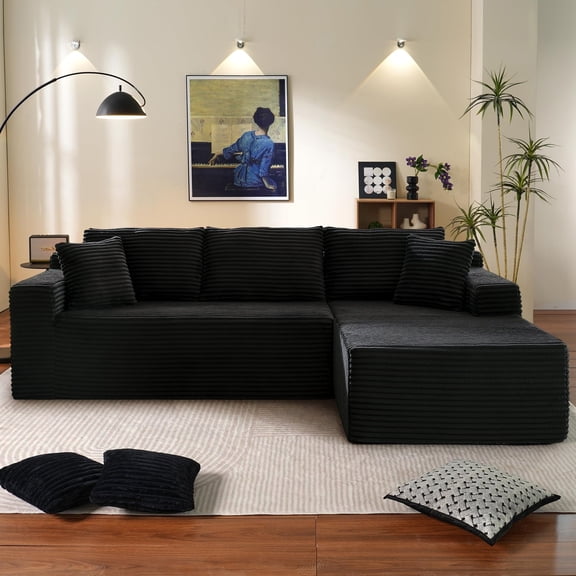
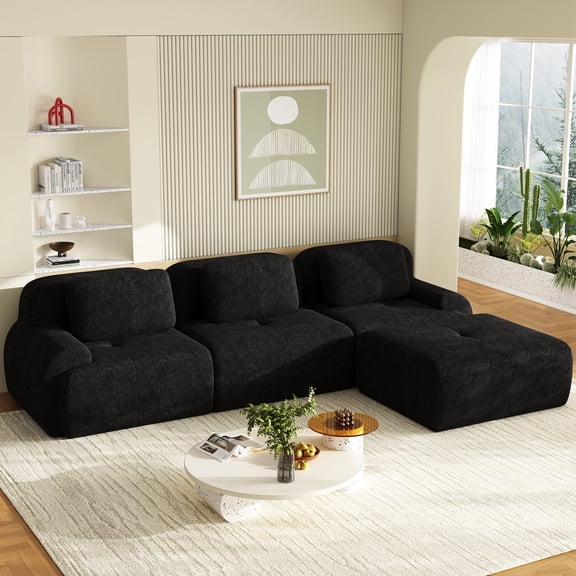
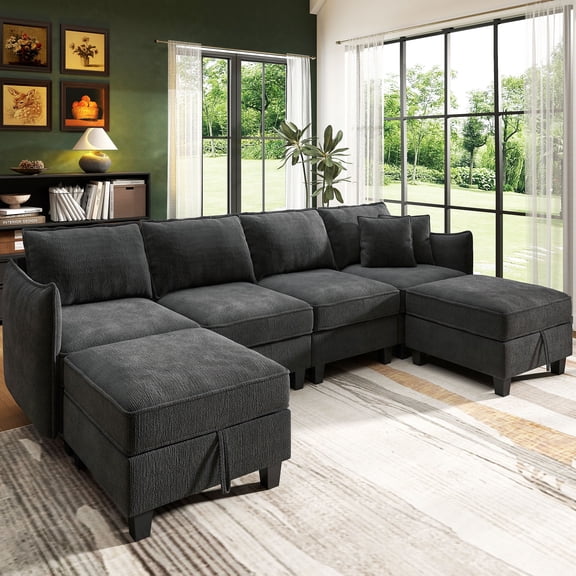
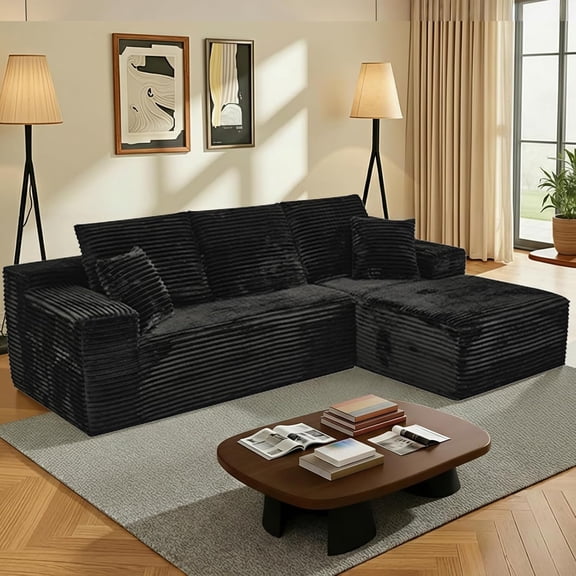
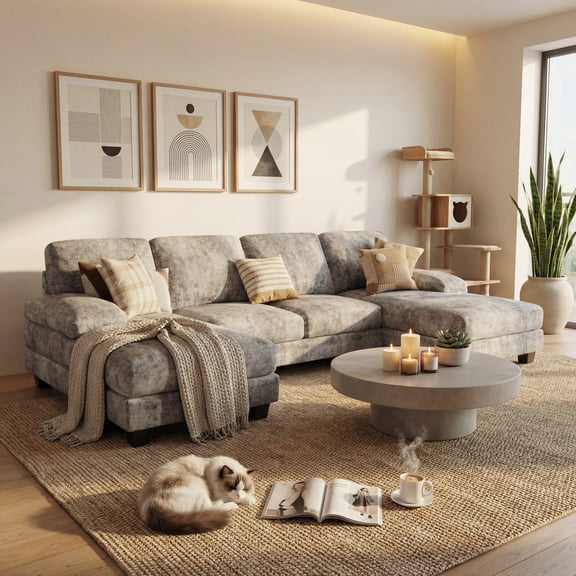
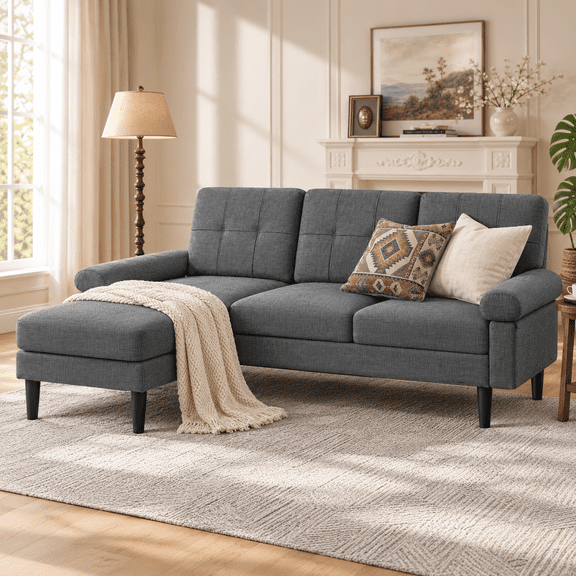
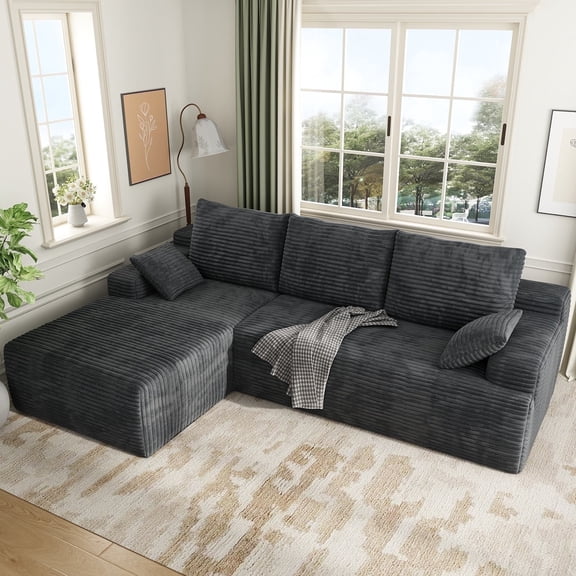
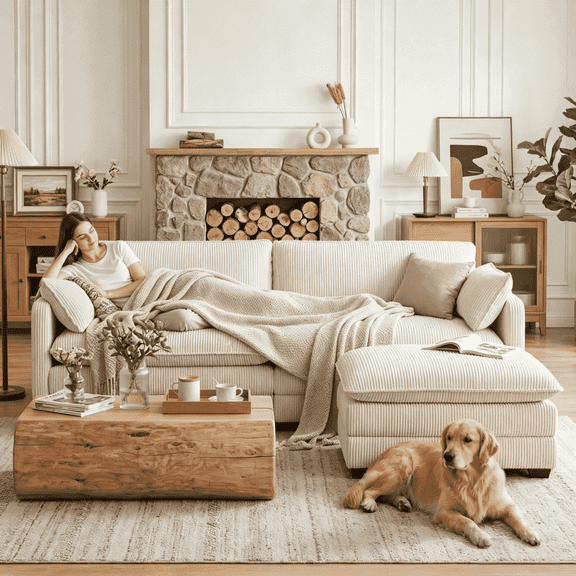
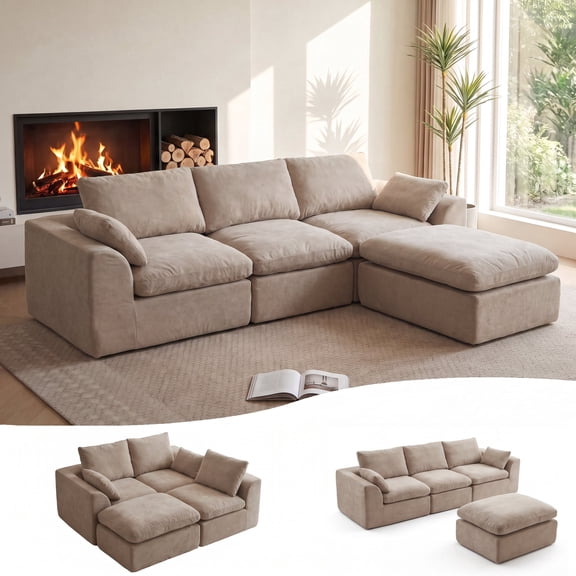
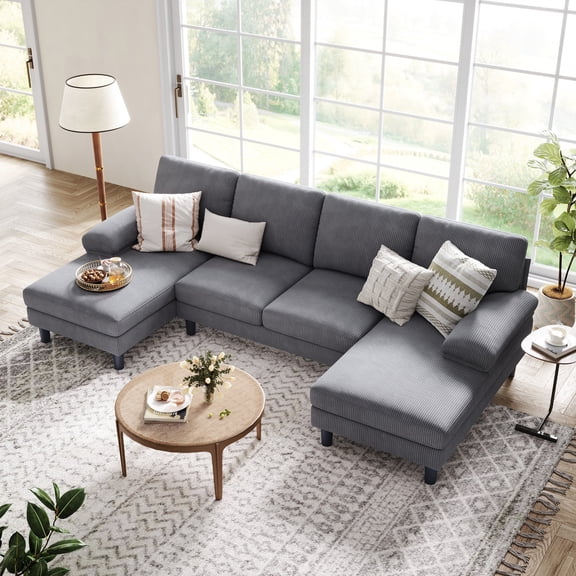
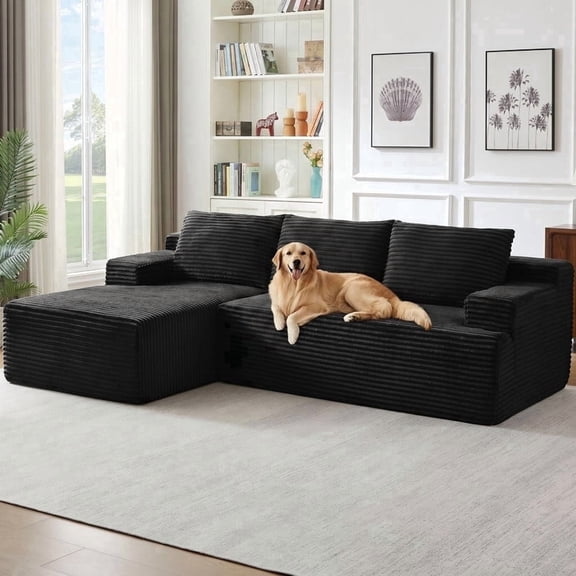
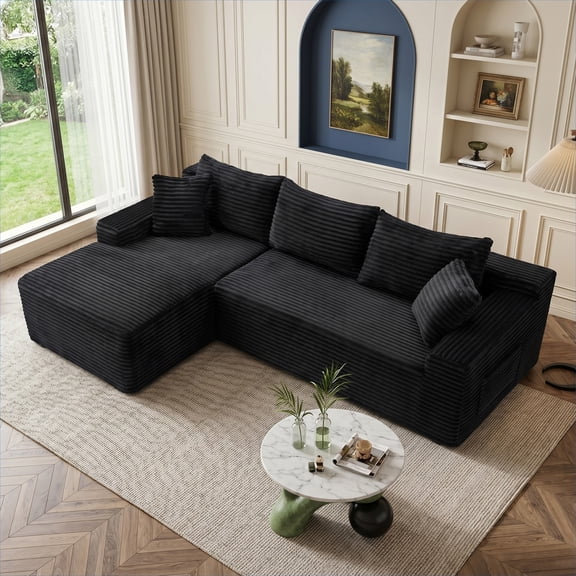
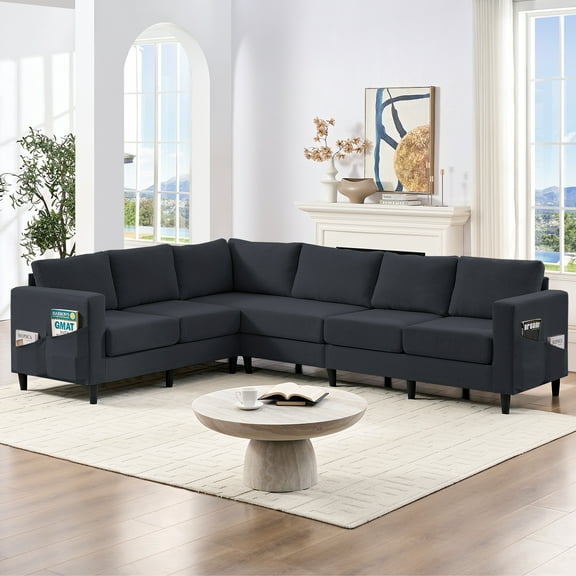
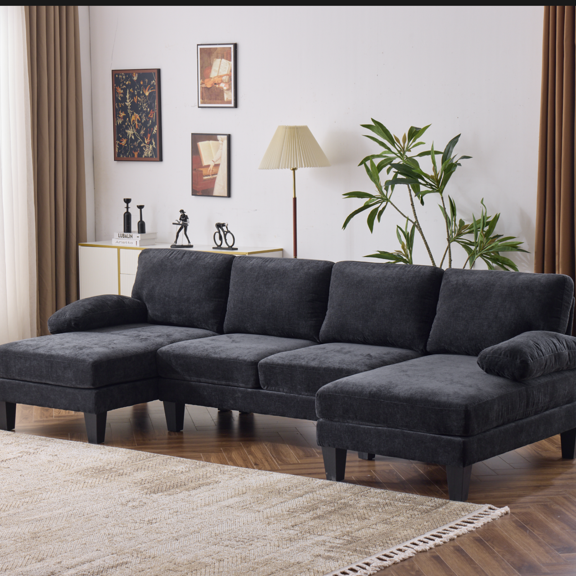
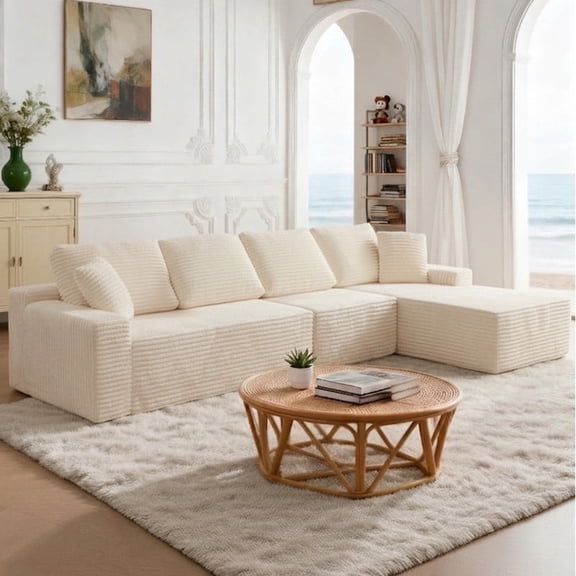
L-shaped sectional sofas help you use corner space efficiently while giving your room a clear seating layout. You can compare chaise orientation, fabric feel, and sleeper options to match how your household relaxes.
If you're furnishing an apartment, family room, or open living area, you can use this guide to narrow your choices quickly. You'll also find practical ways to measure doorways, floor space, and walking clearance before delivery.
How to choose l-shaped sectional sofas for your layout
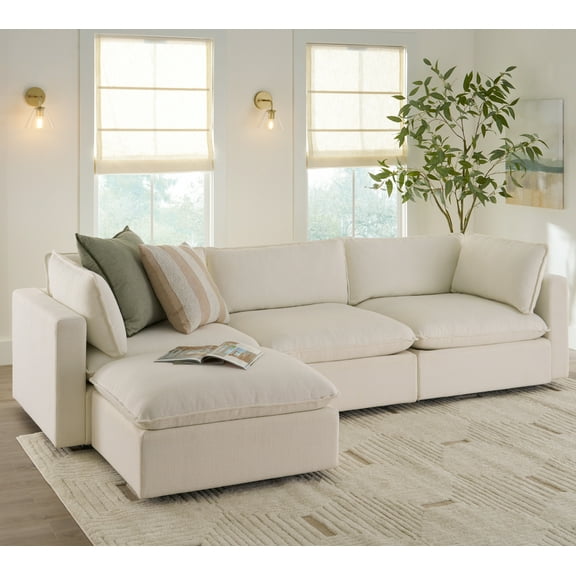
When you compare l-shaped sectional sofas, you should start with orientation because it shapes your traffic flow. You can choose left-facing, right-facing, or reversible designs based on where your corner and entry path sit.
A left-facing chaise extends on your left when you face the sofa. A right-facing chaise extends on your right, so you should match it to your room's natural path.
If your layout changes often, you may prefer a reversible l-shaped sectional for added flexibility. You can switch the chaise side later, which helps when you move or rearrange furniture.
- You can define a seating zone without filling the center of your room.
- You can stretch out on a chaise while keeping extra seats for guests.
- You can choose a corner sectional sofa shape that supports conversation across the room.
- You can pick a small l-shaped sectional when you need seating that fits tighter footprints.
What to look for in sectional sofas couches and materials
As you compare sectional sofas couches, you should check upholstery first because texture affects daily use. You can choose leather, velvet, linen, or performance fabric based on maintenance and feel.
If you want a smooth surface, you may prefer leather for a clean, tailored look. If you want a softer finish, you may lean toward velvet or linen for a warmer feel.
For active households, you should consider performance fabric because it usually handles repeat use with easier cleanup. You can also compare darker tones or textured weaves when you want everyday wear to show less.
Seat depth and back height also matter because you want your lounging position to feel natural. You should compare cushion firmness, arm width, and chaise length before you settle on a style.
Choosing the right size and capacity
You should measure your room before you choose a configuration because scale changes how open the space feels. You can mark the sofa outline with tape to see where the chaise, arms, and walkway sit.
When you measure, you should leave room for coffee tables, media consoles, and door swings. You should also check walking clearance so your room feels easy to move through.
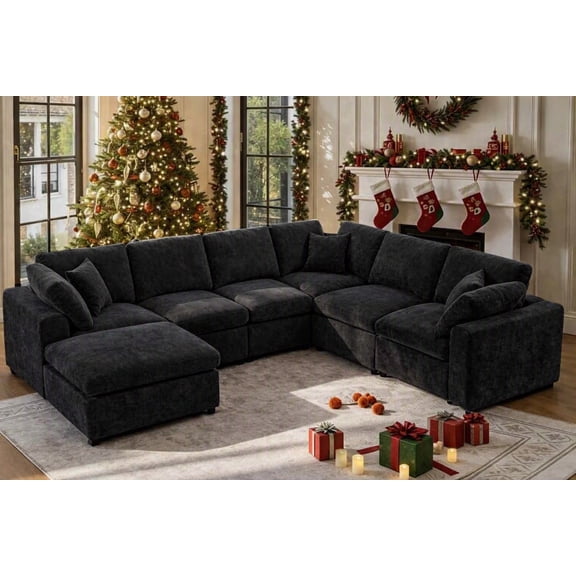
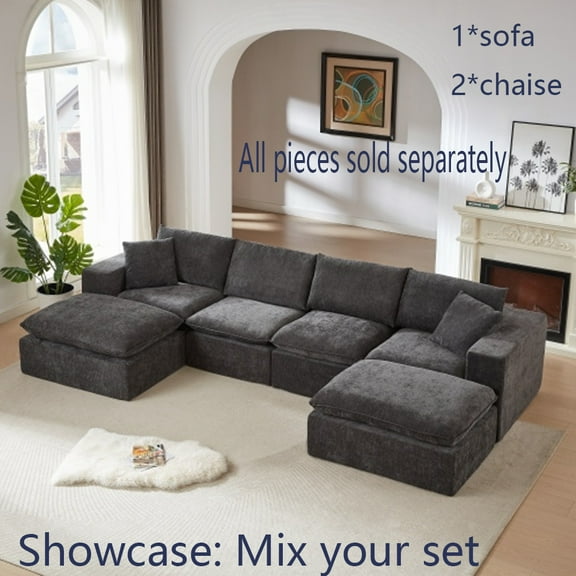
If you need seating for a tighter floor plan, you may want a small l-shaped sectional with a shorter chaise. If you host often, you may prefer three-piece, five-piece, or large modular setups.
You should also measure doorways, stair turns, and elevator space before delivery day arrives. You can avoid fit surprises when you compare boxed dimensions with your home's narrow entry points.
Comparing functionality for everyday living
You can narrow your options quickly when you compare features that match your routine. You may want an l-shaped sectional with chaise for lounging, or a sleeper setup for overnight guests.
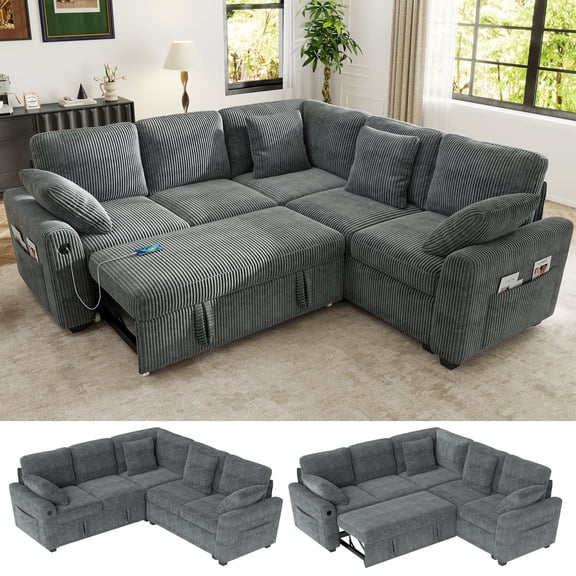
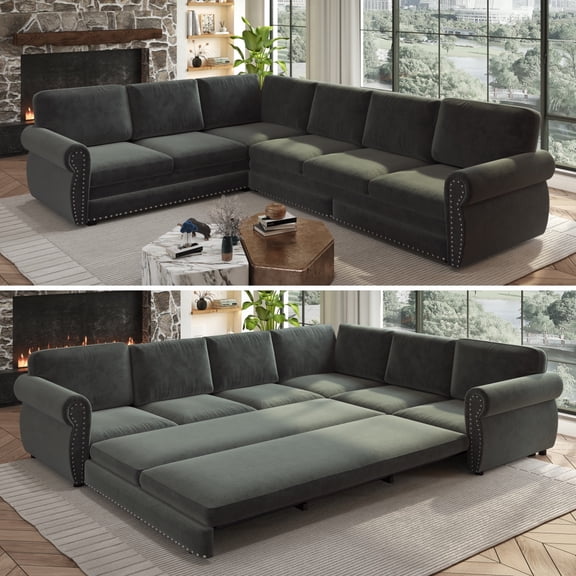
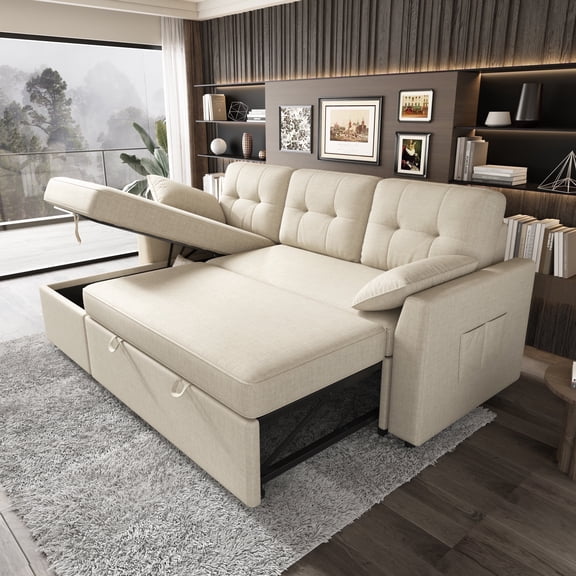
If you need dual-purpose furniture, you should consider a sleeper because it adds a pull-out bed within your seating area. If you need hidden organization, you may prefer storage sections under seats or inside a chaise.
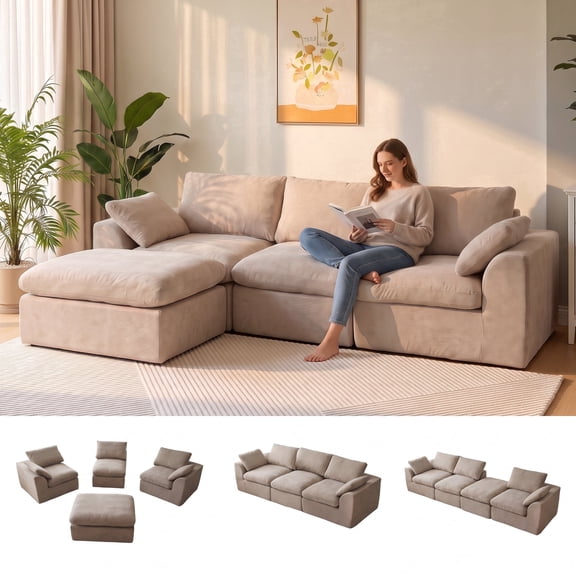
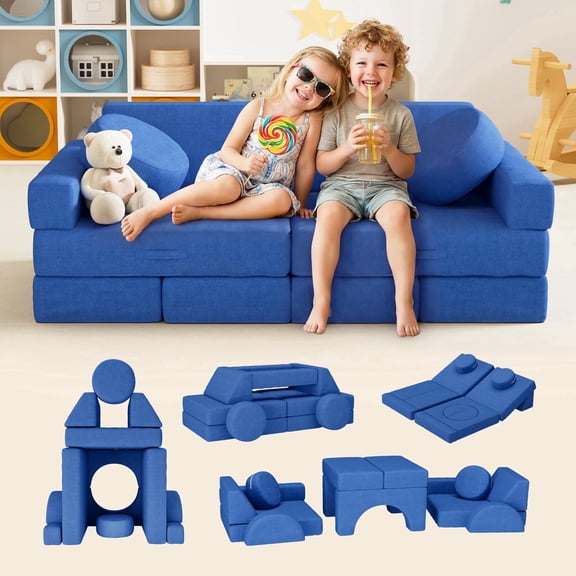
Some layouts include recliner sections, which you may prefer for movie nights or longer sitting sessions. Modular designs can also help you adjust the arrangement when your room or household needs change.
Assembly details matter too, so you should check whether cushions arrive compressed or sections connect with brackets. You can compare piece count and setup steps when you want a smoother room refresh.
How l-shaped couches fit real rooms and routines
If you're furnishing a studio or condo, you can use l-shaped couches to anchor one corner neatly. You may pair a compact frame with a round table so your walkways stay open.
In a shared family room, you can use a corner sectional sofa to create clear seats for conversations and movie time. You may choose performance fabric when your sofa handles frequent daily use.
If your space doubles as a guest area, you can choose a sleeper model with a reversible chaise. That combination gives you flexible placement and an extra sleep surface when visitors stay over.
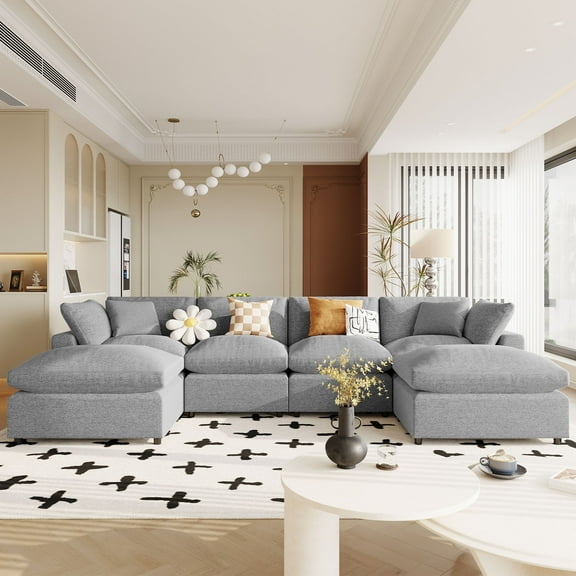
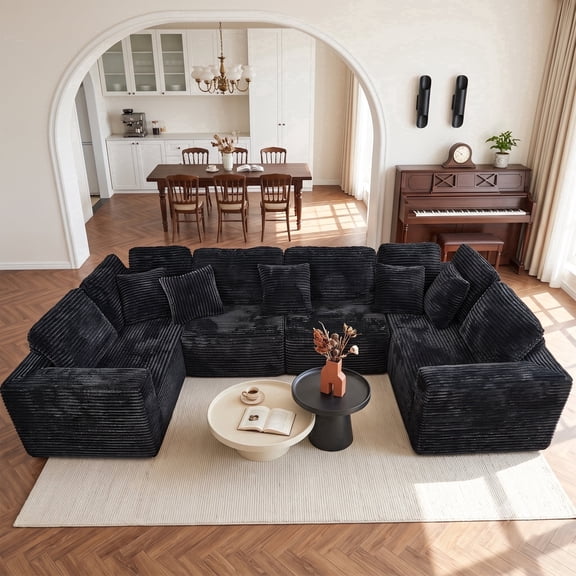
For larger open layouts, you can use a five-piece or modular setup to separate the living zone from dining space. You may also coordinate it with living room furniture, area rugs, and nesting coffee tables.
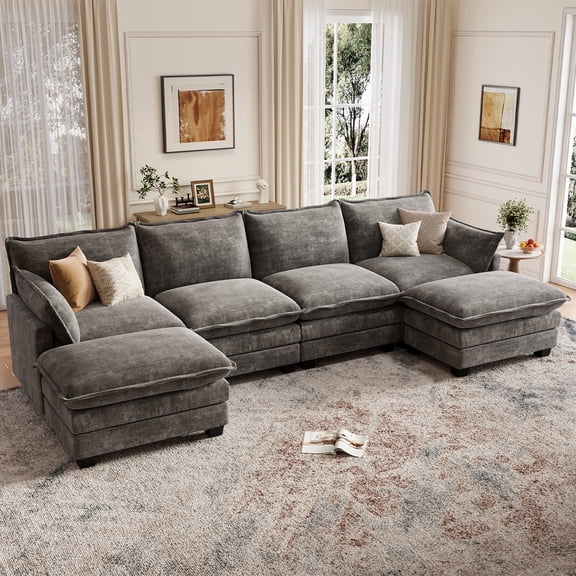
If you're comparing shapes across categories, you may also consider sleeper sectionals or u-shaped sectionals for different seating plans. You can use these comparisons to confirm whether an L layout fits your room more naturally.
With the right orientation, material, and size, you can choose a sectional that fits your room from the first day. You can get organized seating, easier lounging, and a layout that uses your corner space well.