

Wire Cutters in Hand Tools
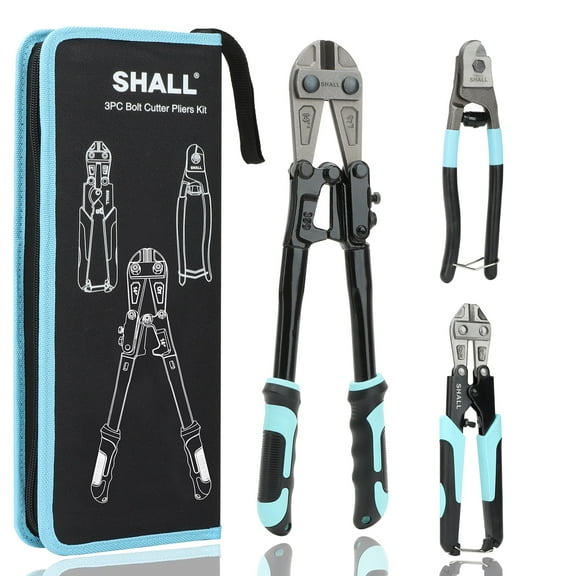

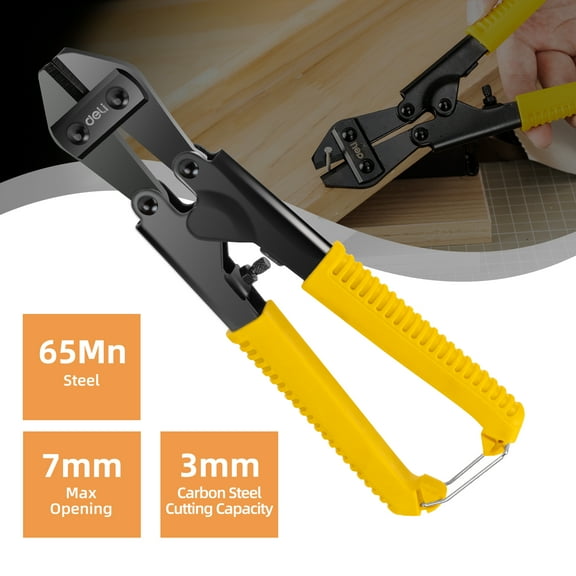

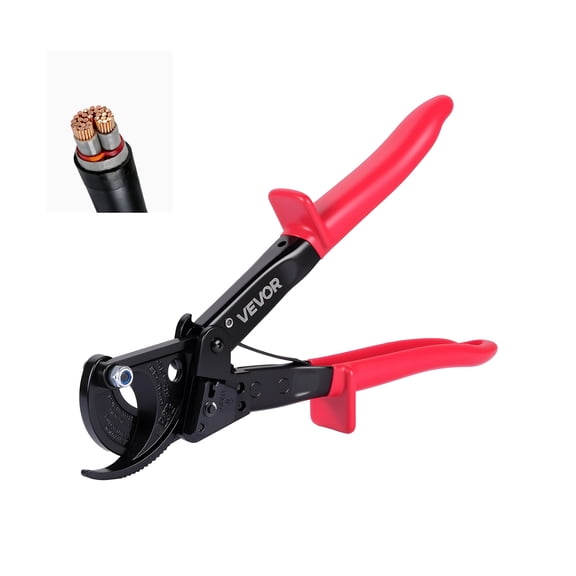
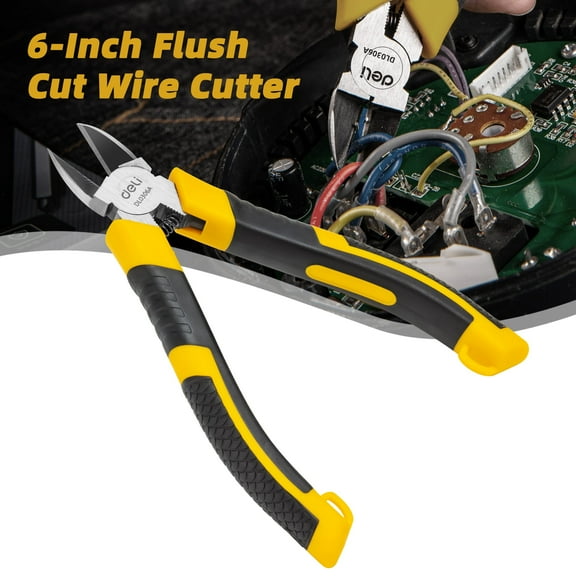






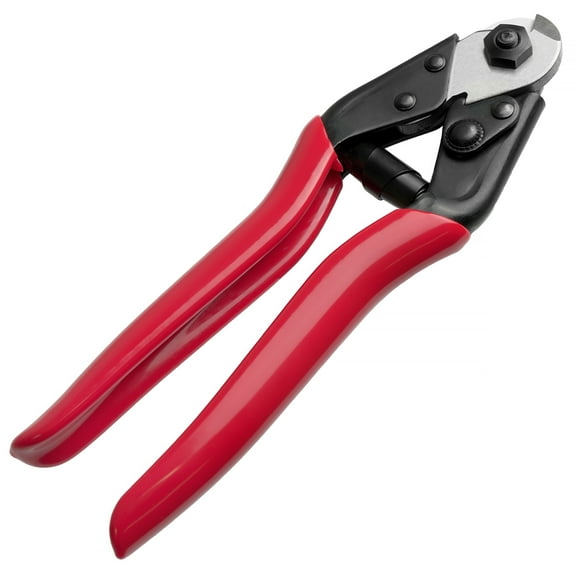
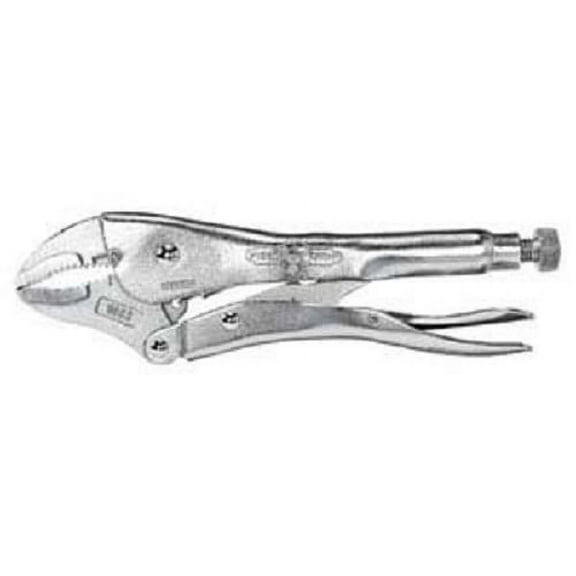
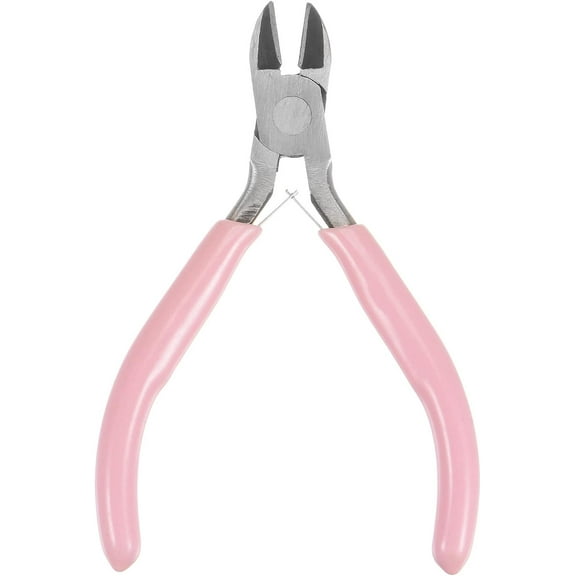
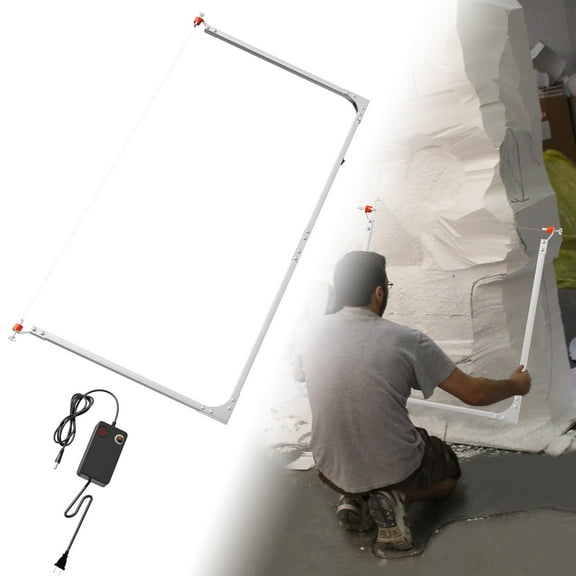







About Wire Cutters in Hand Tools - Walmart.com
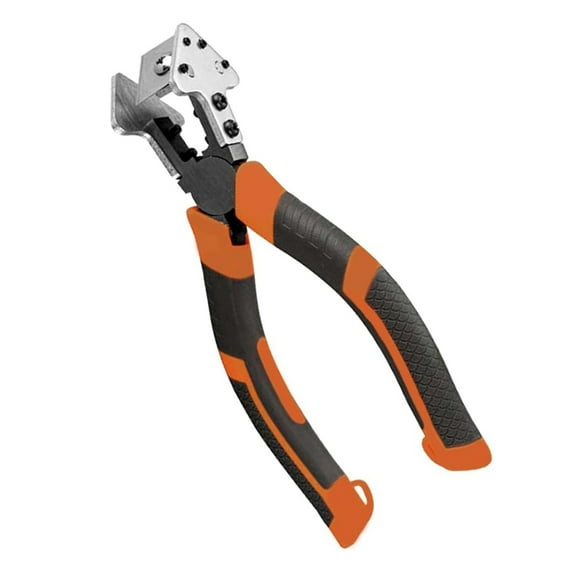
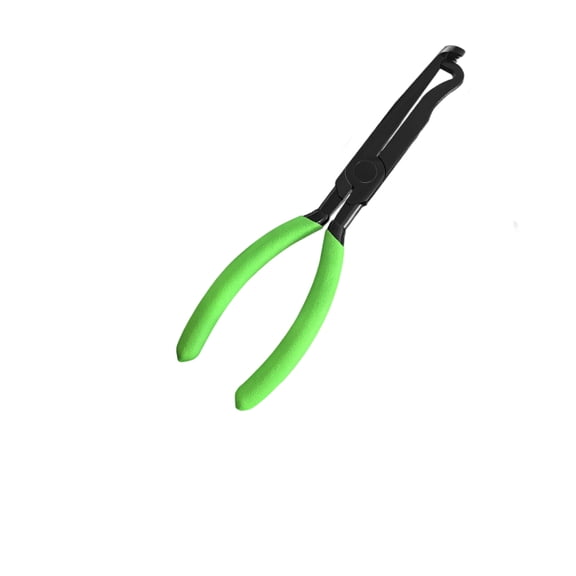
You can compare wire cutters by cutting type, wire capacity, and handle design, so you choose a tool that fits your work. You’ll also find options for electrical tasks, heavy shop use, and detailed bench projects that need a specific cutting edge.
How to choose wire cutters by cutting type
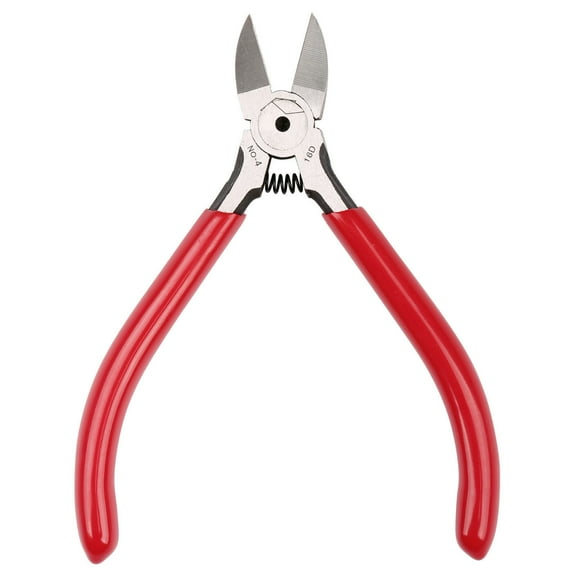
You should start with cutting type because it changes the finish you get on copper, aluminum, steel, or piano wire. You’ll usually compare flush cut, diagonal cut, shear cut, or end cut styles based on the task.
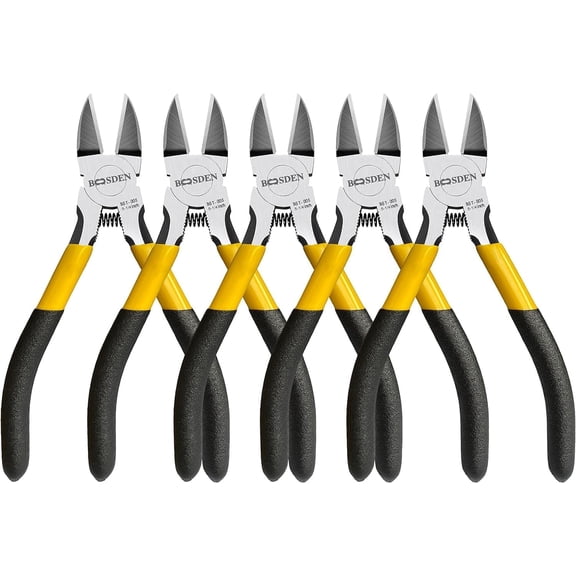
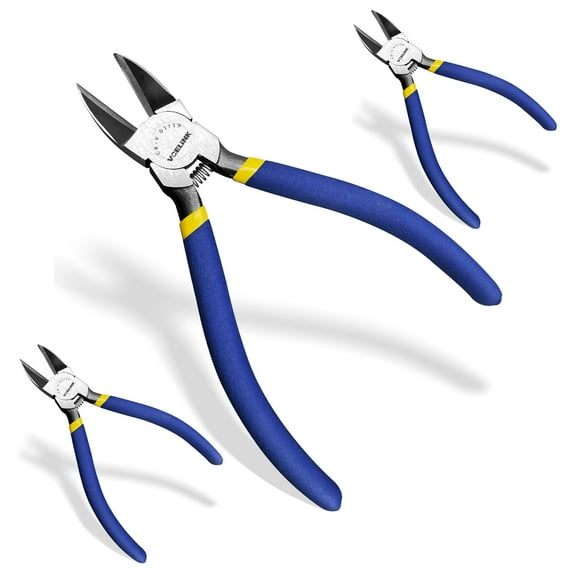
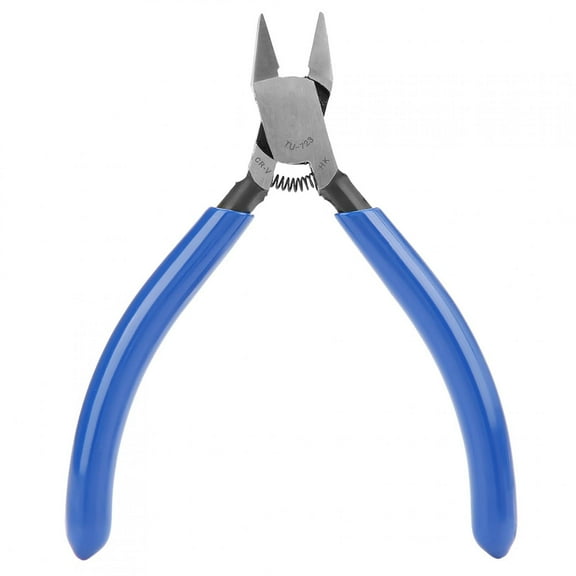
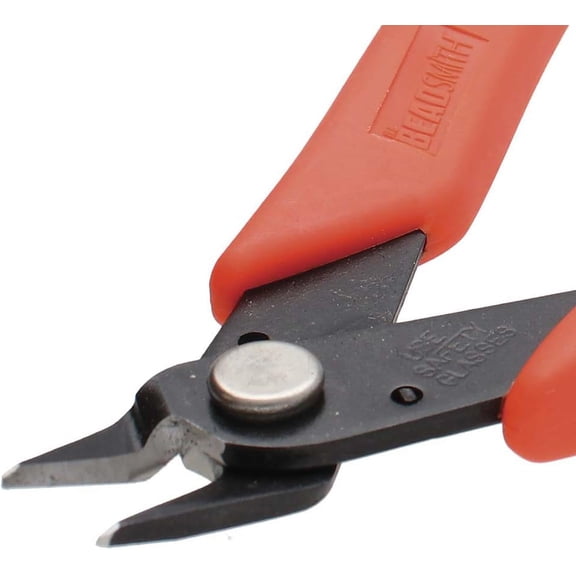
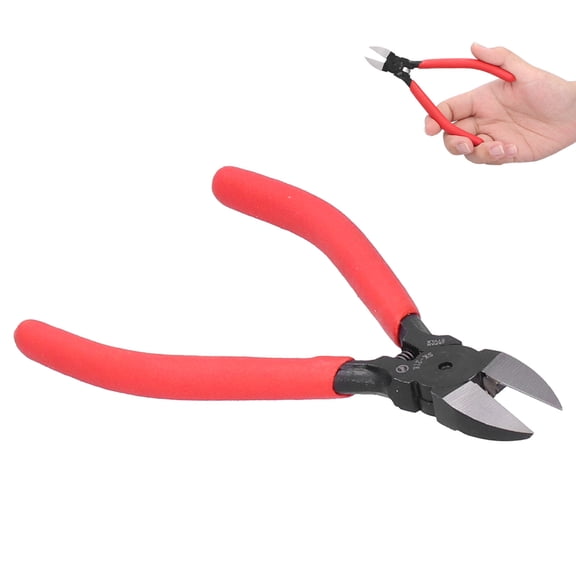
When you choose flush cut wire cutters, you can leave a flatter end that works well for electronics, jewelry making, and neat zip tie trimming. If you choose diagonal cutting pliers, you can expect a sharper V-shaped finish for general repair and installation work.
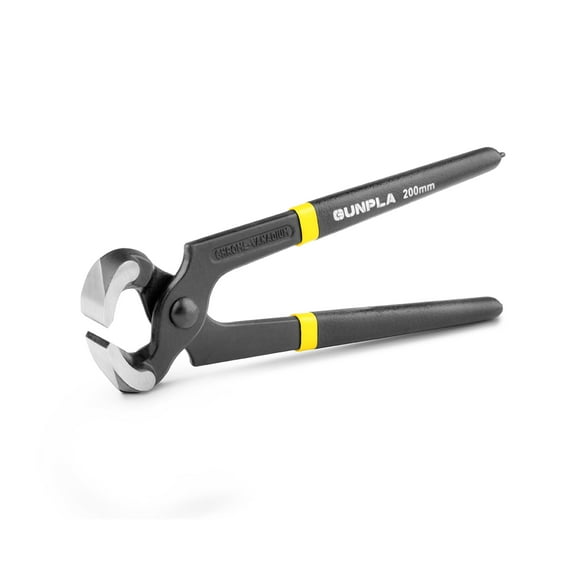
You may prefer shear cut styles when you want a smooth slice through softer metals with less pinching. If you need to pull and trim from the end, you’ll want end cut styles for tighter approach angles.
Choosing heavy duty wire cutters by material capacity
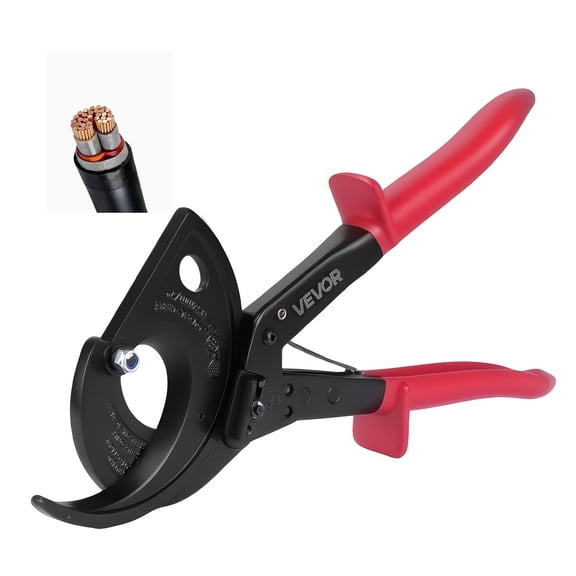
You should check material capacity before you compare handle shape or tool size. Your wire type and gauge help you decide whether standard cutters fit the job or whether heavy duty wire cutters fit.
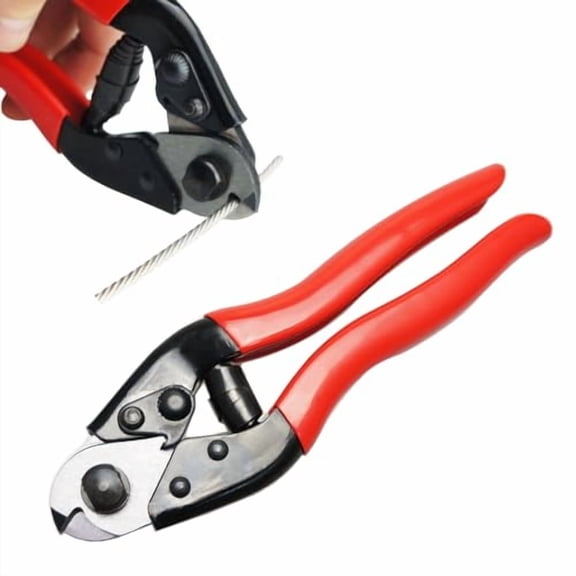
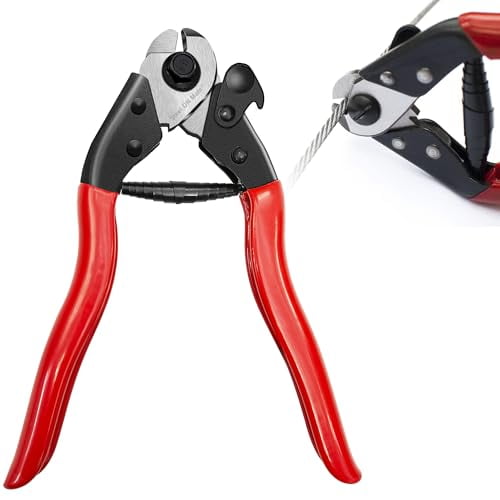
If you cut copper wire or aluminum wire, you can often use lighter tools with slimmer jaws and steady control. When you cut steel wire or piano wire, you’ll want harder cutting edges and a higher stated capacity.
You should look for AWG ratings because they tell you the wire gauge range a cutter handles. If you compare Rockwell hardness notes, you can get a clearer picture of edge durability on tougher wire.
- You can use lighter cutters for soft copper and aluminum wire.
- You should choose stronger jaws for steel wire and piano wire.
- You’ll want stated AWG capacity to match your common wire sizes.
- You can compare edge hardness when you need repeated cuts on tougher materials.
You’ll notice that a larger cutter often gives you more leverage on thick wire. If you need precision in cramped spaces, you may prefer a smaller head with tighter tip access.
What to look for in electrical wire cutters
You should check whether your electrical wire cutters have insulated handles when you work around wiring. You’ll also want to compare any listed voltage rating or VDE certification before you choose a pair.
If your work involves panels, outlets, or routine electrical tasks, insulated grips can support a steady hold. You should still compare jaw shape, because access around terminals and bundled wire matters as much as grip feel.
You may want non-slip handles when your hands move between tool bags, ladders, and workbenches. If you make repeated cuts all day, spring-loaded designs can help your hand reset quickly between snips.
Comparing handle grip and comfort features
You can compare ergonomic, insulated, spring-loaded, and non-slip handle designs side by side, so you choose with more clarity. Your grip choice affects control, comfort, and how steady each cut feels.
If you work through long sessions, ergonomic handles can feel natural in your palm. When you repeat the same motion often, spring-loaded cutters can make each opening cycle feel smooth.
You may like non-slip grips when your workspace includes dust, light oil, or constant movement between stations. If you need trade-focused options, you should check whether handle insulation matches your electrical requirements.
Matching wire cutters to your application
You can get clean results when you match the tool to the task instead of choosing by appearance alone. Your application may call for electrical wire cutters, flush cut wire cutters, or compact wire snips.
For jewelry making and crafting, you may want precision wire cutters with fine tips for beads, soft wire, and close trimming. If you build models or work on small electronics, flush cutters help you leave a clean finish.
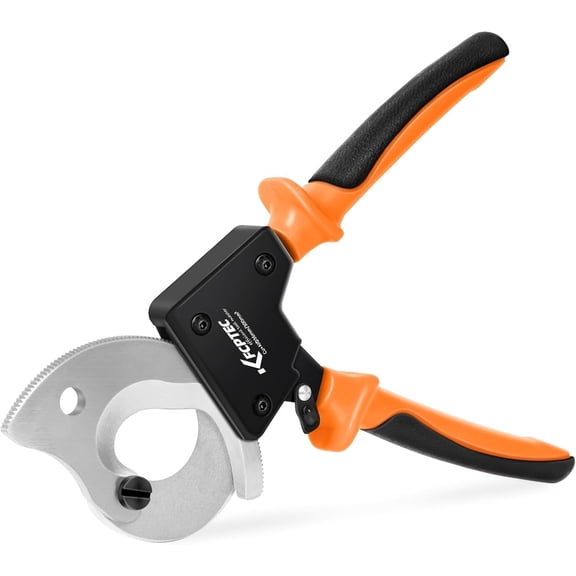
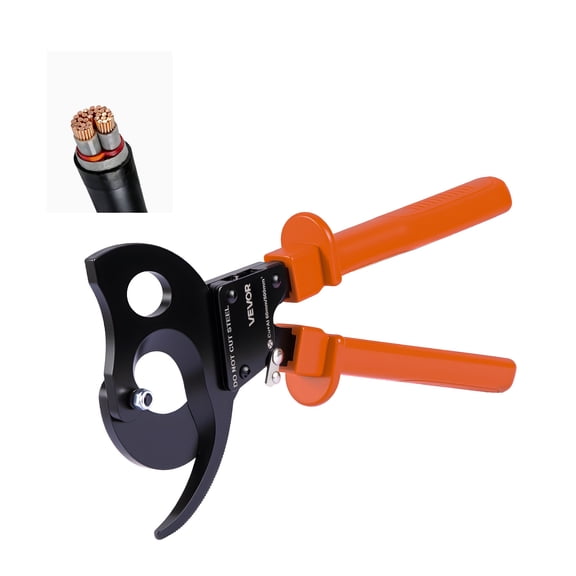
For electrical projects, you may prefer a compact head that reaches crowded boxes and tight wire runs. If you handle maintenance or fabrication work, heavy duty wire cutters can give you more leverage on tougher materials.
You can also compare tool length when storage space or access matters. Your smaller cutter may fit service kits, while your longer tool may help with thicker gauges and stronger hand leverage.
Why tool details matter on real jobs
You’ll notice small differences quickly once you start cutting different wire types through the week. Your choice of edge style, jaw strength, and grip shape affects finish quality and how controlled each cut feels.
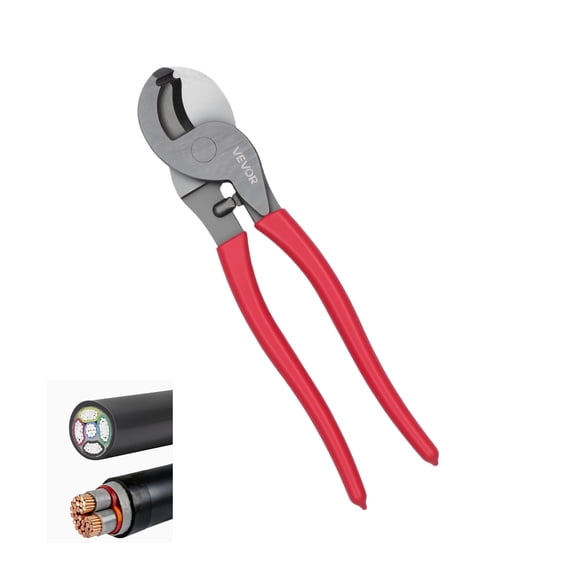
If you trim component leads, you may want a flush edge that leaves less cleanup. When you cut fencing wire, steel ties, or stubborn shop materials, you’ll likely want stronger jaws and a sturdier pivot.
You can compare cut type, application, material capacity, and handle grip together before you choose. Your finished work can look clean, and your tool choice can feel precise from the first cut.