

Wireless Brass Sconces & Wall Lights












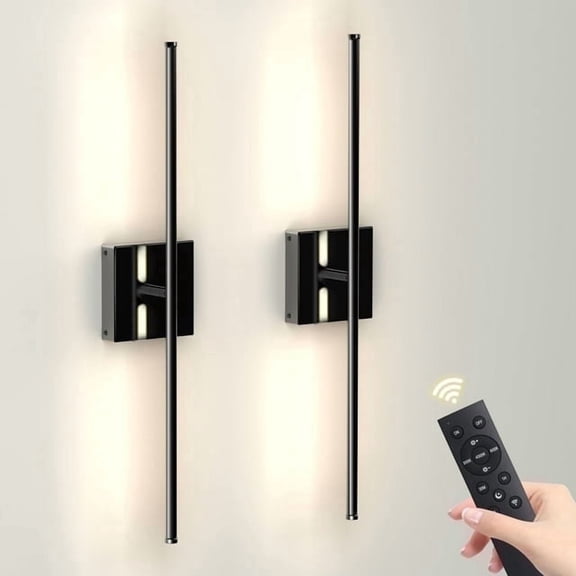













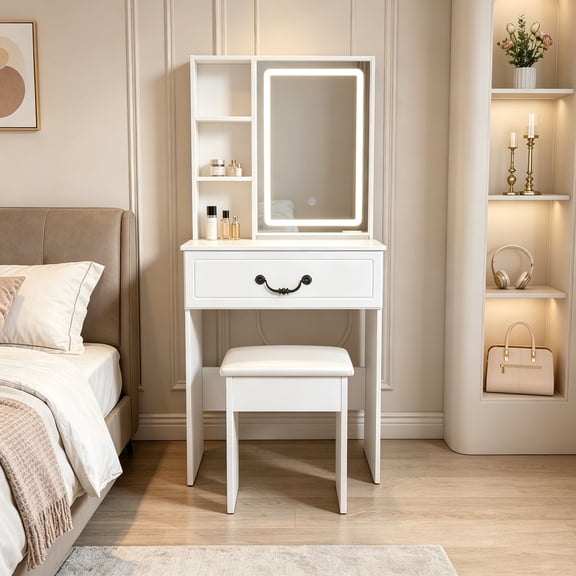


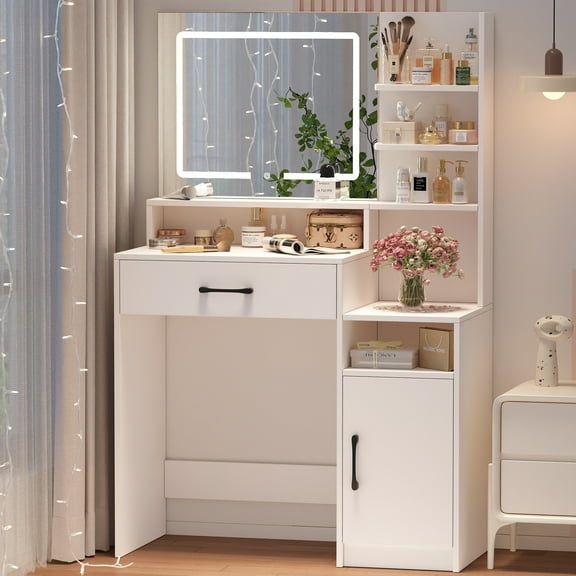


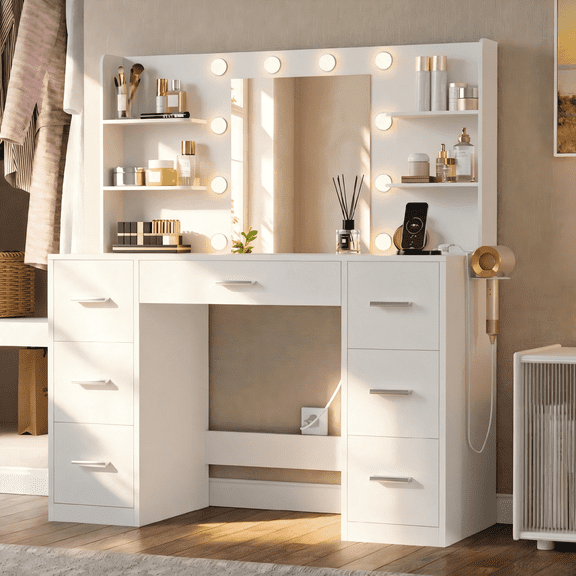


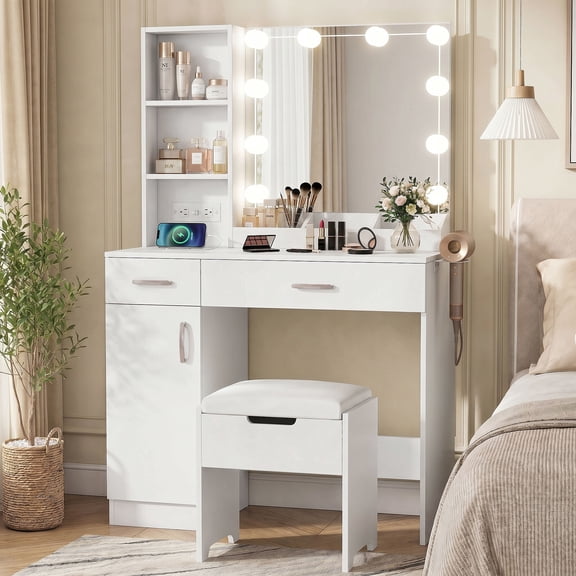






About Wireless Brass Sconces & Wall Lights - Walmart.com
Wall lights fixtures help you layer light where ceiling fixtures can’t reach. You can use them to brighten hallways, frame mirrors, and add focused light beside beds or entry doors.
If you’re comparing wall-mounted lighting, you’ll want clear guidance on placement, power, and ratings. You’ll also notice this category includes styles and installs that suit indoor rooms, bathrooms, and covered outdoor areas.
How to choose wall lights fixtures for your space
You should start by matching the fixture to your placement location. You’ll shop differently for indoor wall lights than for bathroom lighting or outdoor wall light fixtures.
For living rooms, bedrooms, and hallways, you can focus on light direction and wall coverage. For bathrooms and patios, you should also check damp or wet location guidance before you choose.
You’ll get the cleanest fit by measuring wall height, nearby furniture, and how far the fixture projects. You can avoid a crowded walkway when you compare depth before installation.
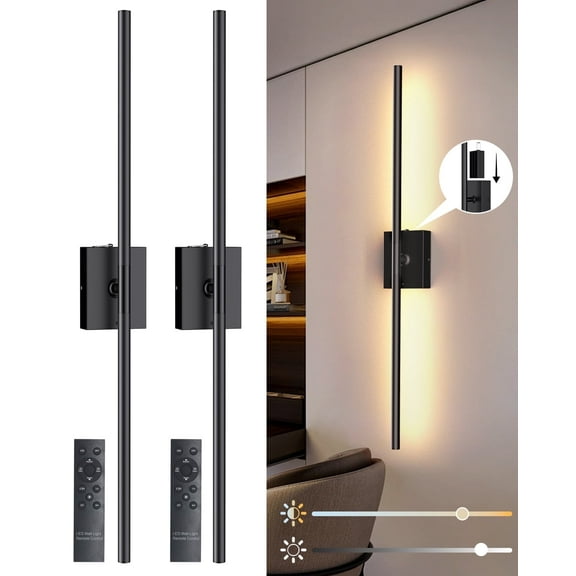
- You can use sconces to flank mirrors, artwork, fireplaces, or beds.
- You should check projection if your fixture sits near a hallway or doorway.
- You can compare upward, downward, or adjustable light direction for your room’s needs.
- You should match damp or wet ratings to bathrooms, porches, and exterior walls.
Choosing between wall sconces lighting types
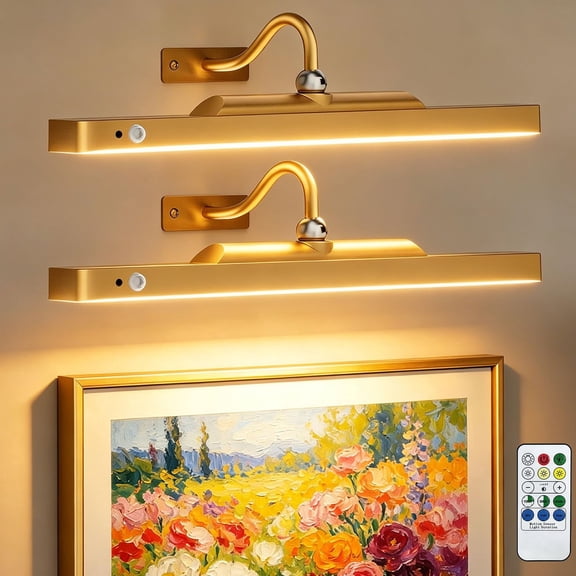
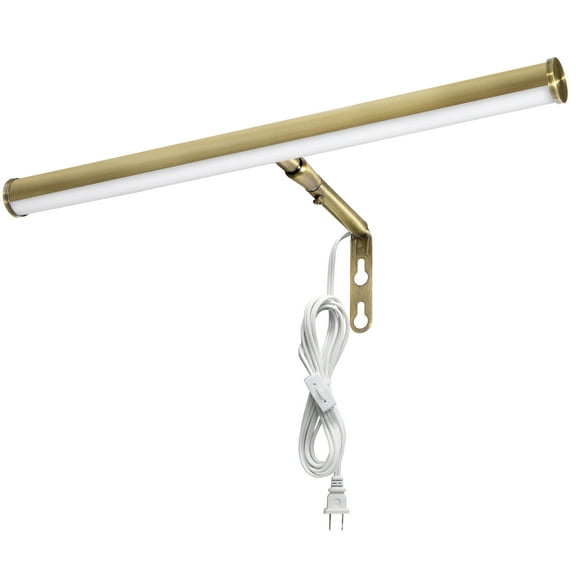
You’ll find several fixture types within wall sconces lighting, and each one serves a different purpose. You can use a standard sconce for accent light, or choose a picture light for artwork.
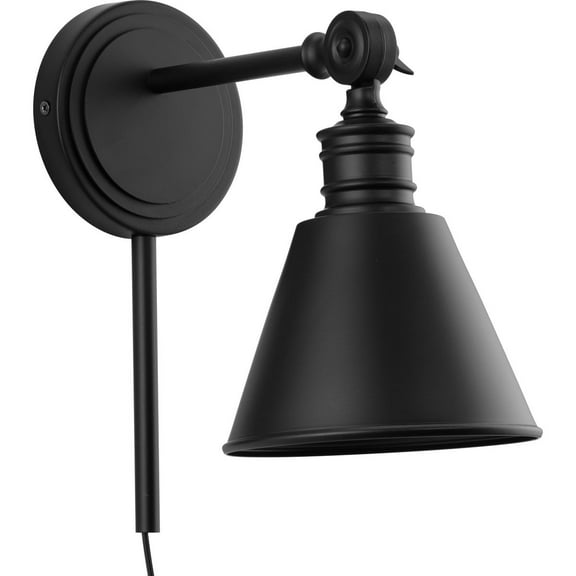
If you want targeted reading light, you should consider a swing arm design. If you prefer a low-profile look, you can compare flush mount wall fixtures that sit closer to the wall.
You can also sort by style to match your room’s finish and furniture. Modern wall sconces suit clean lines, while industrial, rustic, and traditional looks support more decorative spaces.
You’ll notice finishes and shades change how light feels on the wall. You can use metal shades for directed light or fabric and glass shades for a softer glow.
Comparing power source and installation needs
You should confirm your power setup before you narrow your options. Hardwired fixtures usually connect to a junction box, while plug in wall lights use a nearby outlet.
If you’re updating an existing electrical spot, you may prefer a hardwired design for a streamlined look. If you want flexibility in a rental or reading nook, you can consider a plug-in option.
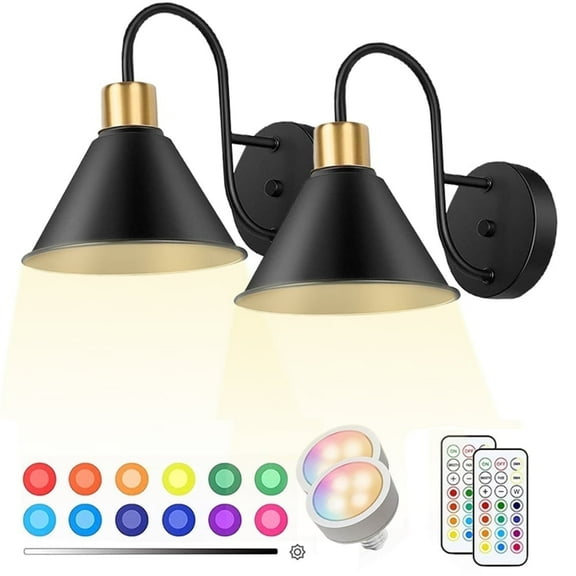
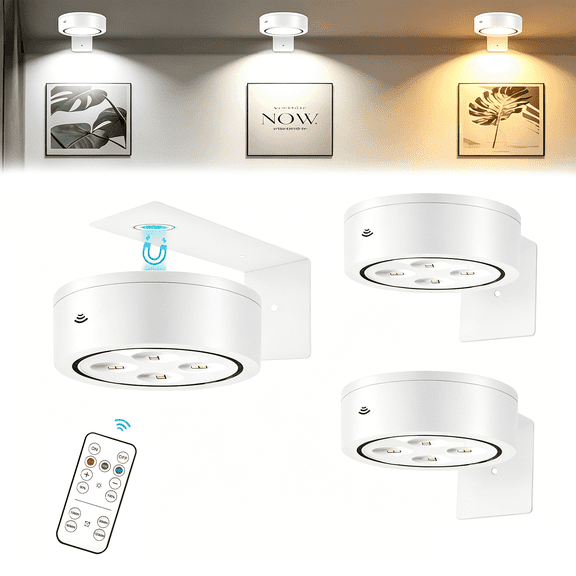
You should also compare battery operated and solar designs when wiring isn’t practical. Battery styles can simplify placement indoors, while solar fixtures can suit outdoor spaces with direct sun.
When you review specs, you’ll want to check voltage and mounting requirements. You can make a faster choice when your fixture matches your wall location and available power source.
What to look for in light source, color, and dimming
You can narrow your choices by deciding how bright and warm you want the light. LED wall sconces can offer long-lasting illumination and a clean look for everyday rooms.
If you prefer a familiar bulb format, you may compare incandescent or halogen options. You should check the socket type and bulb guidance so your fixture fits your setup.
You’ll also want to review color tone before you install. Warm light can feel softer in bedrooms and living rooms, while cooler light can suit task-focused spaces.
If you use a dimmer switch, you should confirm dimmer compatibility in the product details. You can get more control over mood and brightness when the fixture and dimmer work together.
Picking indoor wall lights by room and use
You can use indoor wall lights to solve lighting gaps that overhead fixtures often miss. In bedrooms, you might place them beside a headboard for reading and extra bedside space.
In hallways and stair areas, you can use wall fixtures to create steady visual rhythm along the wall. In living rooms, you may use them to frame a fireplace or highlight art.
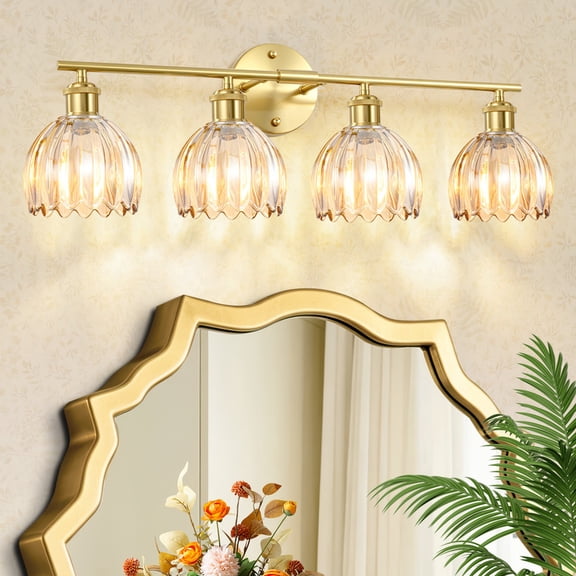
For bathrooms, you should look closely at damp-location guidance and mirror placement. You can improve symmetry when you mount matching fixtures on both sides of a vanity.
You’ll also want to compare size with your wall area and nearby décor. A taller sconce can anchor a large blank wall, while a compact design can fit tighter spots.
Choosing outdoor wall light fixtures with confidence
You should choose outdoor wall light fixtures with weather exposure in mind. Covered entries may need damp-rated options, while open walls often call for wet-rated designs.
If you’re comparing technical details, you may see IP ratings or UL wet and damp listings. You can use those details to match the fixture to porches, garages, patios, or exterior doors.
You’ll also want to think about style and visibility outside. Lantern-inspired shapes can suit traditional exteriors, while streamlined silhouettes can fit modern facades.
When you coordinate finish, scale, and mounting height, you can create a more balanced entry. You’ll get lighting that supports curb appeal and everyday visibility around your doorways.
Wall lights fixtures give you flexible light exactly where your layout needs it. When you match placement, power source, rating, and scale, you can create a polished look that works every day.