








Soccer Goals & Soccer Nets


























About Soccer Goals & Soccer Nets - Walmart.com
Soccer goals help you create focused drills, active backyard play, and age-based practice setups that fit your space. With the right size, frame style, and soccer net, you can match each session to your players and routine.
Choosing soccer goals by size and age group
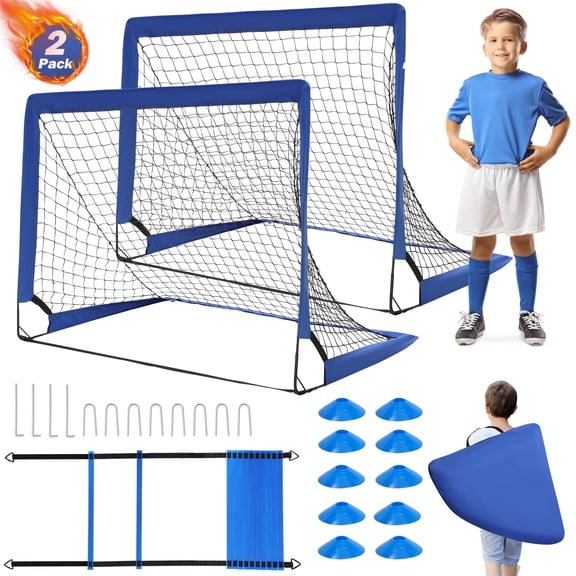
Size deserves your attention first, because your target area shapes how realistic each drill feels. For young players, you can start with a toddler soccer goal that fits first kicks and simple backyard games.
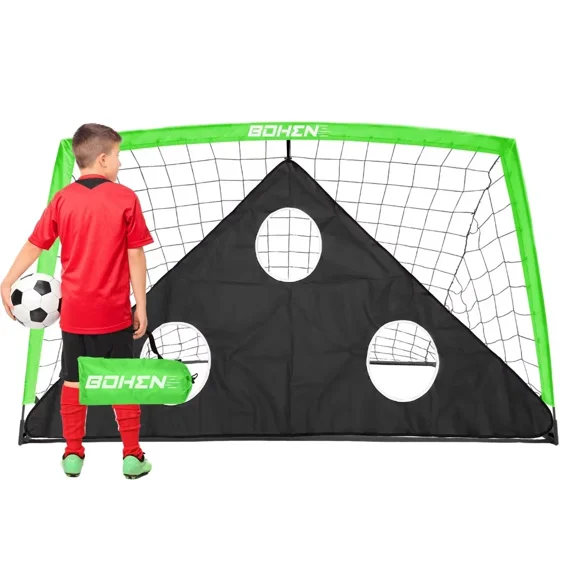
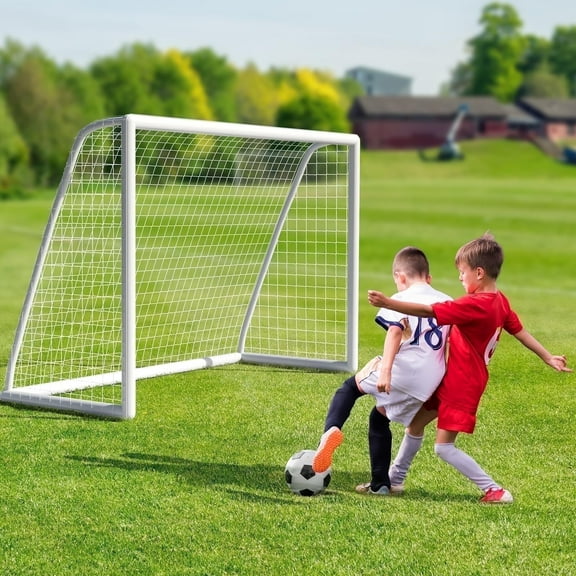
As skills grow, your setup may need a 6x4 ft frame for youth practice and compact yards. That size gives you a manageable target for passing, finishing, and casual goalkeeper work.
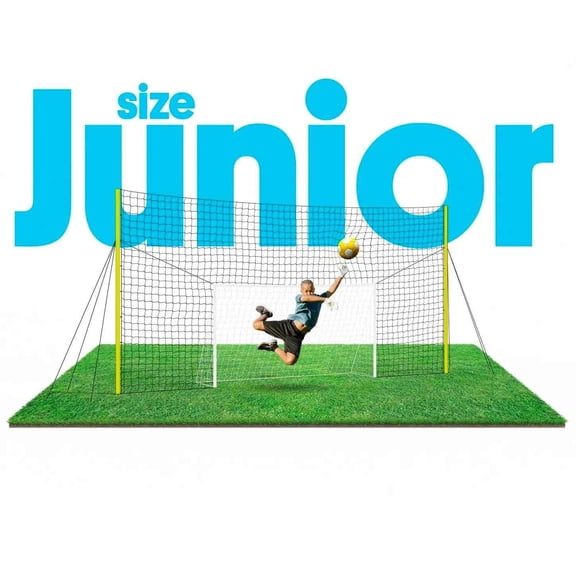
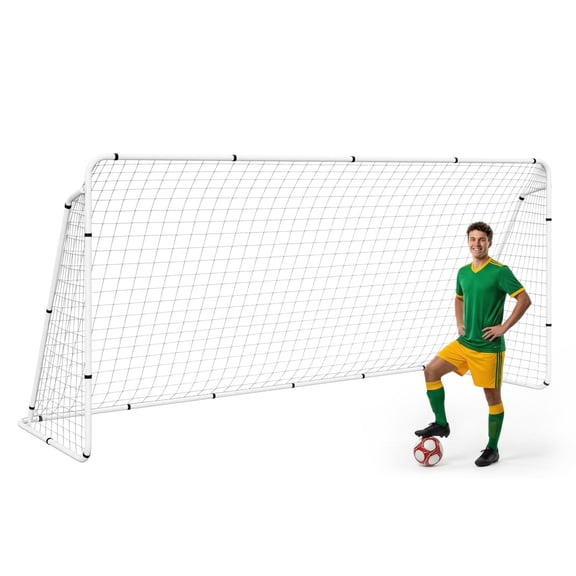
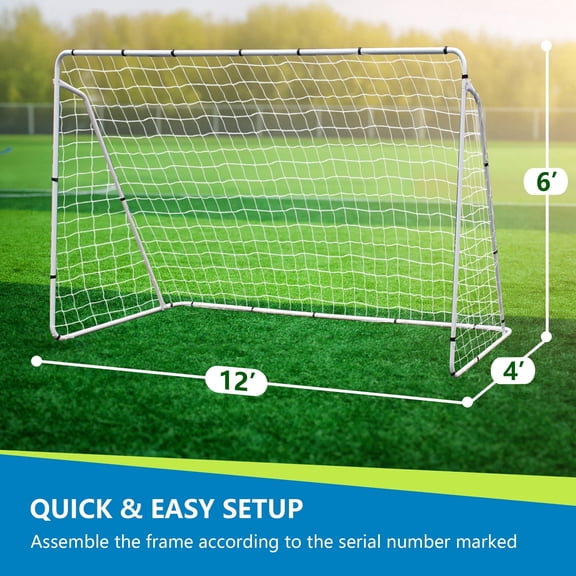
For older kids and developing players, you may prefer 12x6 ft dimensions for wider shooting angles. That larger frame supports more advanced drills without taking over every part of your yard.
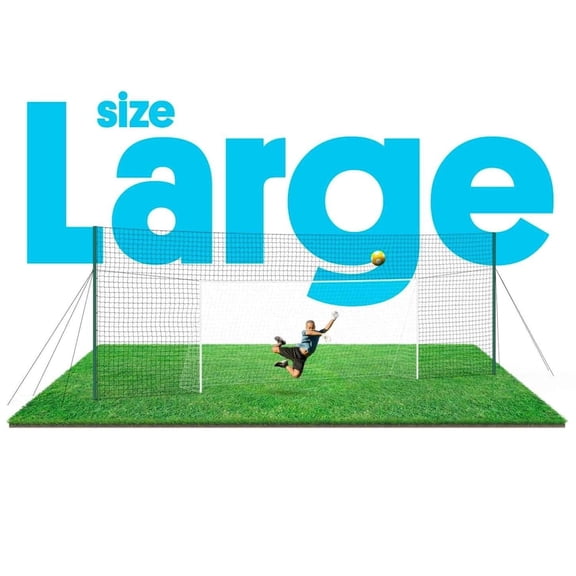
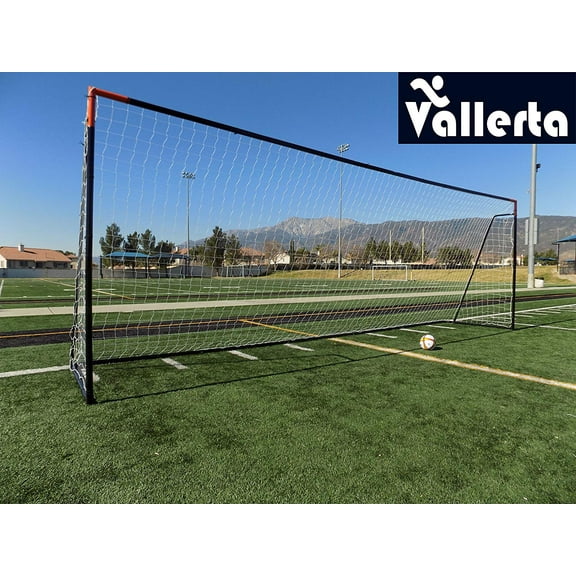
If your training mirrors match play, regulation 24x8 ft sizing gives your sessions a full-field feel. That format suits adult practice, league preparation, and keeper drills with realistic spacing.
Before you decide, consider how much room your yard, field, or gym actually gives you. A smaller frame keeps your practice area flexible, while a larger target supports more game-like reps.
- Your toddler player may need a compact goal for first touches and short practice sessions.
- Your youth player may fit a 6x4 soccer goal for everyday drills in smaller spaces.
- Your growing player may benefit from 12x6 ft sizing for wider targets and longer shots.
- Your full-team setup may call for regulation soccer goals when match-style training matters.
Comparing pop up soccer goals and fixed frame styles
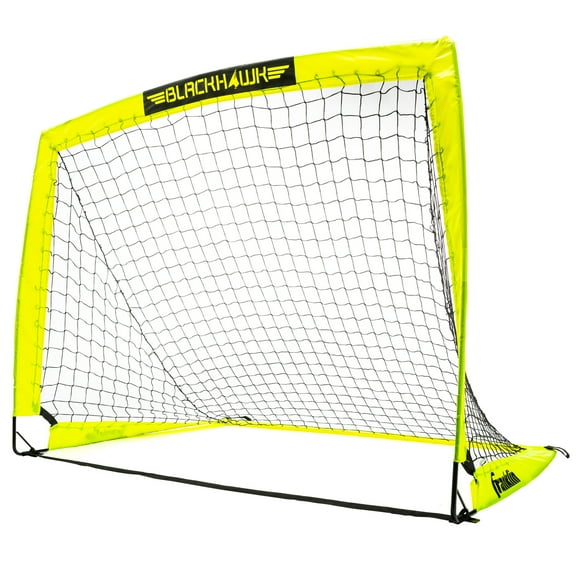
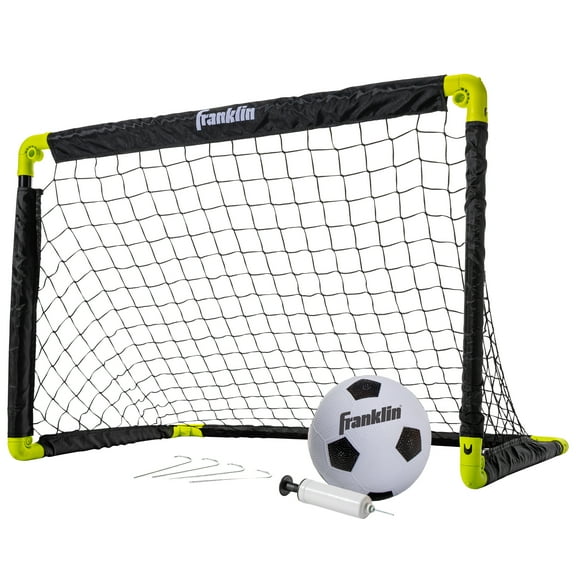
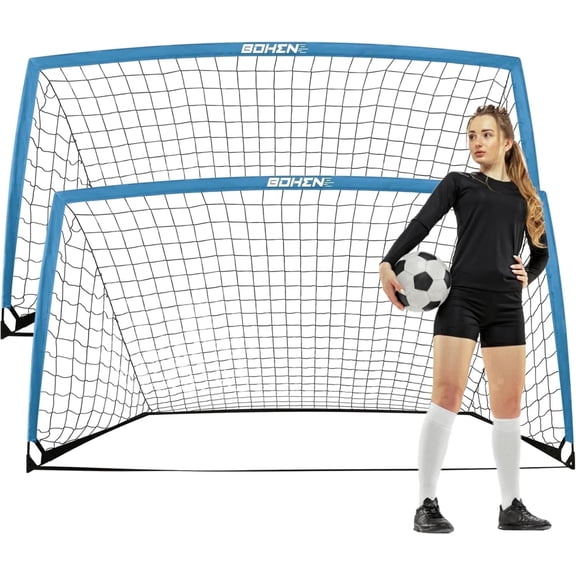
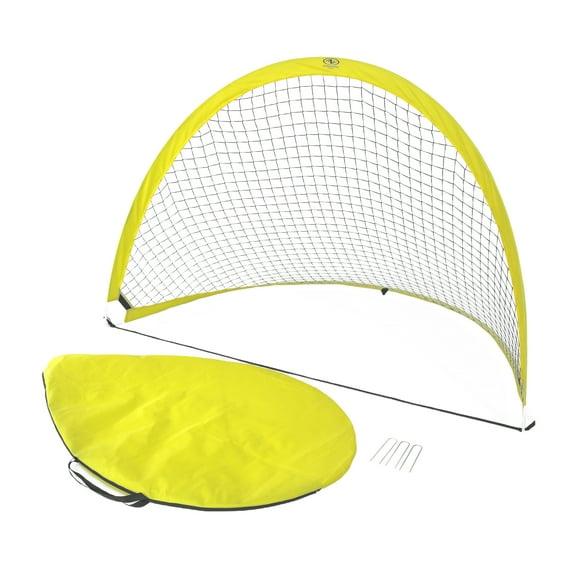
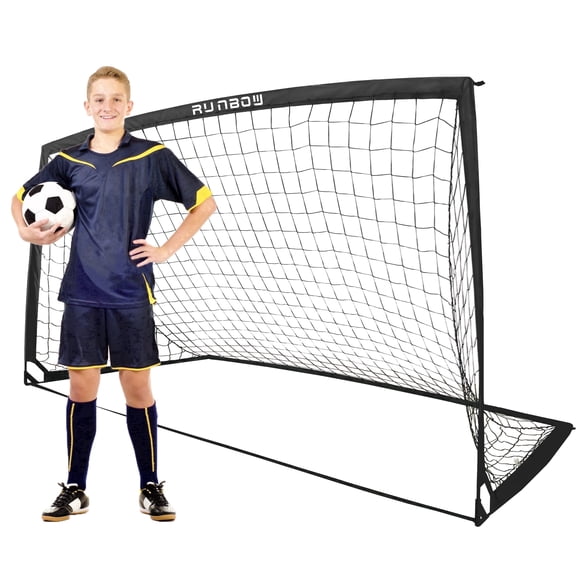
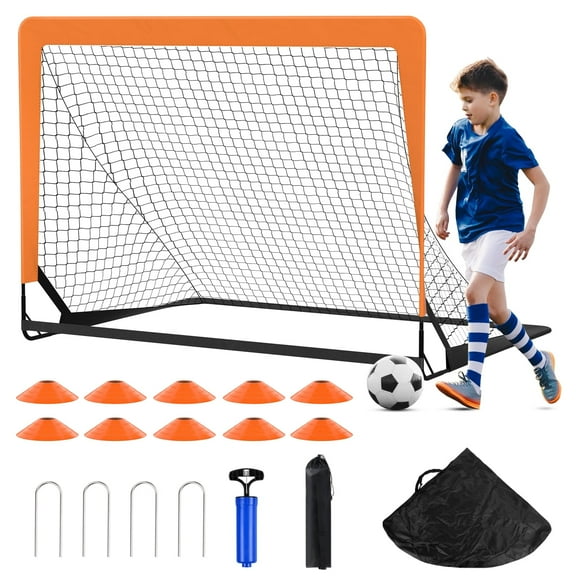
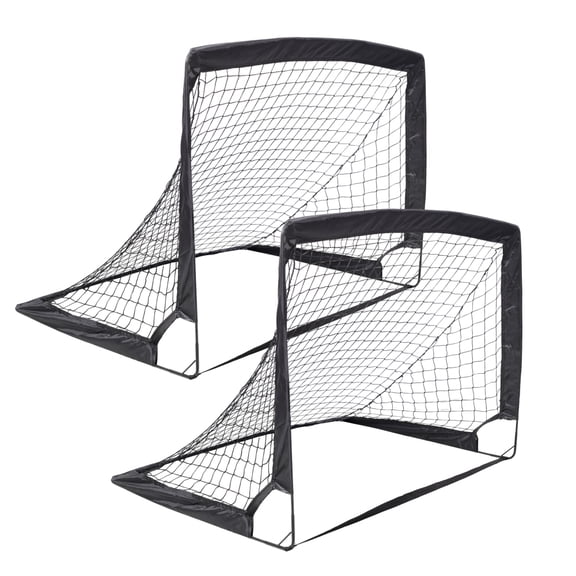
Portability changes how easily your gear fits parks, driveways, and shared practice spaces. Pop up soccer goals work well when your routine includes quick setup, quick takedown, and easy transport.
For travel teams or family practice, folding frames can make storage simpler between sessions. Those designs often fit more neatly in a trunk, garage corner, or equipment closet.
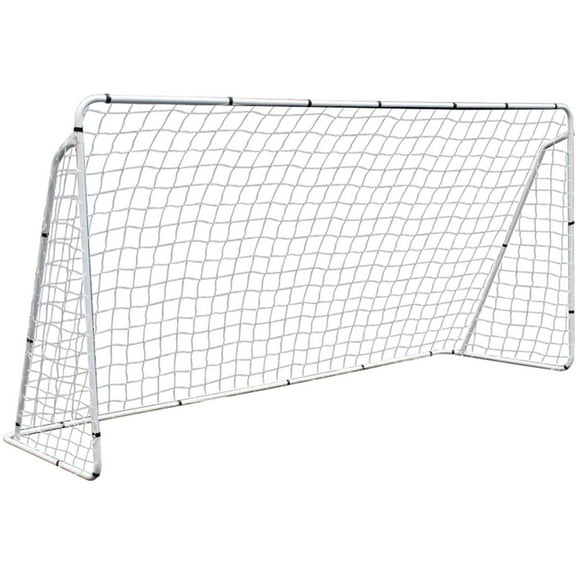
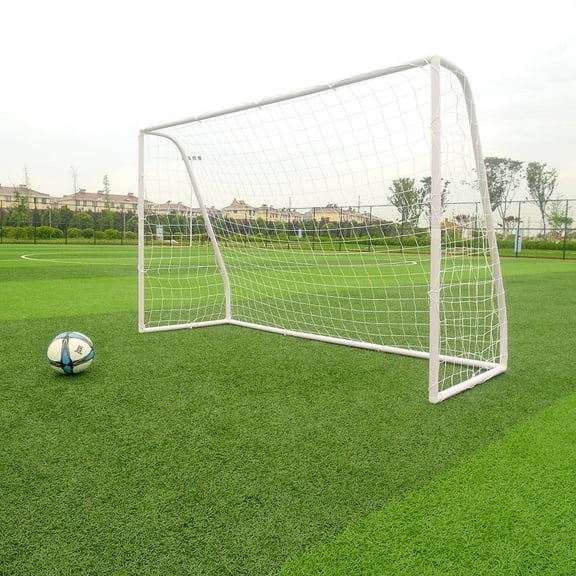
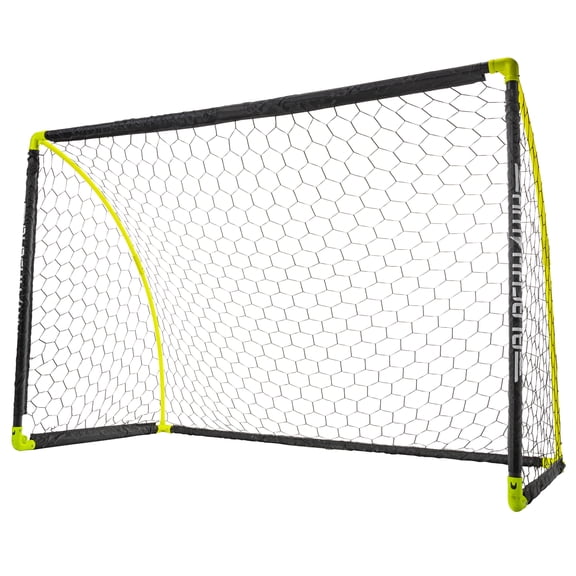
Rigid frames suit backyard soccer goals when your setup stays in one place for repeated use. With that style, you get a steadier target for frequent shooting and passing drills.
Permanent options may fit your space if your household or team uses the same field often. That choice makes sense when your practice area stays dedicated to soccer throughout the season.
When you compare portable soccer goals with fixed styles, think about how often you move equipment. Frequent setup favors lighter designs, while daily backyard use often calls for extra stability.
What to look for in materials and soccer net construction
Material affects how your goal feels during setup, transport, and repeated play. Steel, fiberglass, PVC, and aluminum each support different routines and different spaces.
Steel frames can suit your backyard when you want a planted feel during active sessions. That extra weight often helps your goal stay steady through repeated shots and passing drills.
Fiberglass poles can make your setup easier to carry for park practice or travel use. If quick assembly matters to you, that material often pairs well with pop-up designs.
PVC frames can match casual sessions and younger players who need a simple practice target. In smaller yards, that option can keep setup straightforward without adding much bulk.
Aluminum gives you a metal frame that stays easier to move than heavier alternatives. If your drills change locations often, that balance can support both size and transport.
Your soccer net deserves close attention, because net construction affects daily use and overall fit. Look for secure attachment points, tidy net tension, and weather-treated materials for outdoor play.
Net ply and mesh thickness also matter when your household practices often. A thicker net usually suits frequent shooting, while a lighter net may fit occasional backyard sessions.
Matching soccer goals to backyard play, training, and indoor sessions
Your main use case can narrow the field faster than any other detail. Backyard soccer goals often support family games, after-school shooting practice, and small-sided drills on grass.
For team training, your players may need wider targets for passing patterns and finishing work. Larger frames also help you run keeper drills, crossing practice, and scrimmage-based sessions.
Indoor soccer calls for careful measuring before you choose a frame size or shape. You should check floor space, storage needs, and whether a folding design fits between sessions.
Shared households may need more than one size to support different ages and skill levels. A toddler setup can serve first kicks, while a larger frame helps older siblings train with more realistic angles.
Park trips and travel practice reward designs that move easily from one location to another. Carry bags, folding frames, and compact storage shapes can keep your routine simple.
League-style preparation may point you toward regulation soccer goals for realistic spacing and finishing reps. That setup helps your drills feel closer to match conditions during organized practice.
Key decisions that make your choice straightforward
Start with your available space, then compare your player age with the right goal dimensions. That step helps your setup feel appropriate for both skill level and practice area.
Next, compare quick transport with long-term stability based on how your routine works. Pop-up and folding options fit movement, while rigid and permanent frames fit repeated home use.
Finally, check your frame material and soccer net details with your schedule in mind. When your size, portability, and net needs align, your practice setup feels easier to use every time.