


Small Pets in Pets






















About Small Pets in Pets - Walmart.com
Small pet supplies help you care for hamsters, guinea pigs, rabbits, gerbils, and chinchillas with the right food, habitats, bedding, and toys. You can compare pet type, cage style, bedding material, life stage, and pack size to build a setup that fits your animal and your routine.
If you’re caring for a busy hamster or a roomy rabbit habitat, you’ll want supplies that match daily behavior. You’ll also want easy cleanup, species-specific nutrition, and accessories that support chewing, hiding, and exploring.
How to choose small pet supplies by pet type
Your pet type shapes nearly every choice you make, from food texture to habitat space. You should compare species needs first, because a rabbit setup differs from guinea pig cages and compact hamster cages.
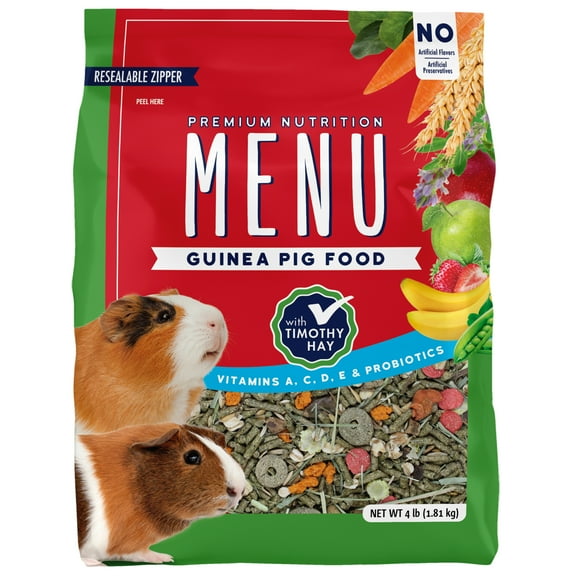
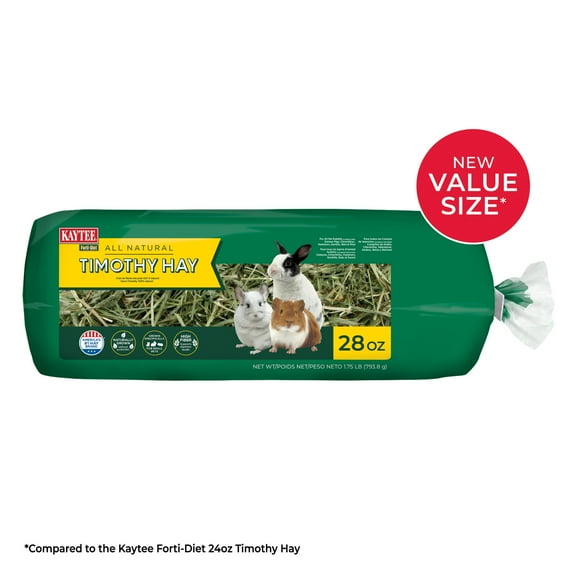
For guinea pigs, you’ll want guinea pig food that includes stabilized vitamin C and hay-friendly feeding options. For rabbits, you’ll usually look for roomy enclosures, hay storage, and rabbit toys that encourage chewing.
When you shop for hamsters or gerbils, you may focus on secure bar spacing, deep bedding, and compact hideouts. If you care for chinchillas, you may compare dust bath accessories, chew items, and elevated cage layouts.
- You can match food formulas to hamster, guinea pig, rabbit, gerbil, or chinchilla needs.
- You can choose habitat sizes that suit climbing, tunneling, stretching, or lounging habits.
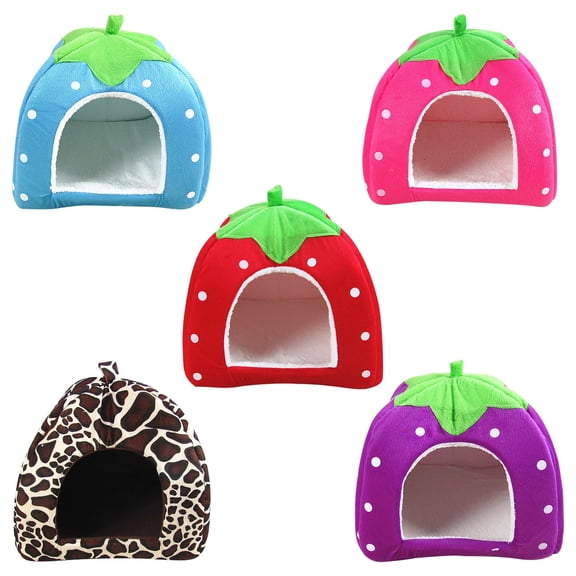
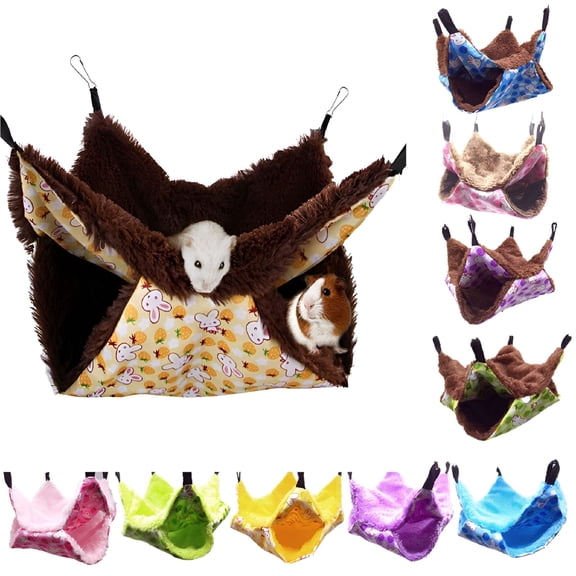
- You can add toys and accessories that support chewing, hiding, nesting, and activity.
- You can select bedding types that fit your cleanup routine and your pet’s enclosure style.
Choosing food, bedding, and cages for daily care
Your product category matters because food, bedding, cages, toys, and accessories each solve a different daily task. You should build your list around feeding, sleeping, movement, and cleanup instead of choosing items one at a time.
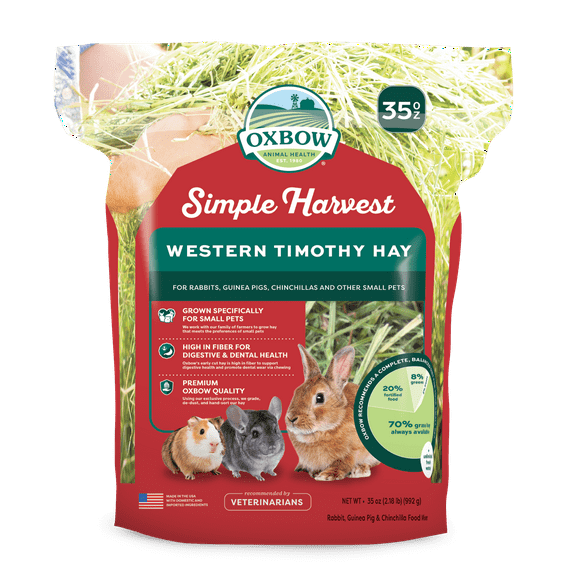
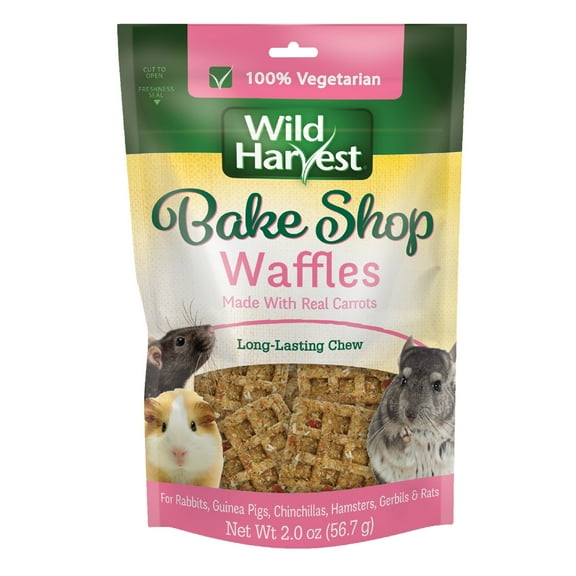
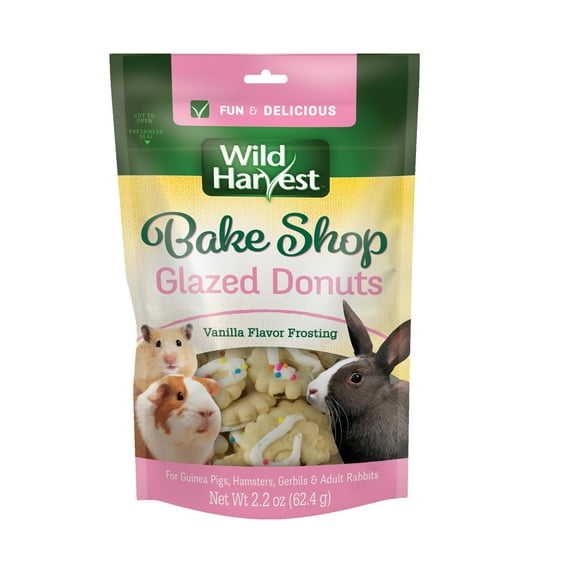
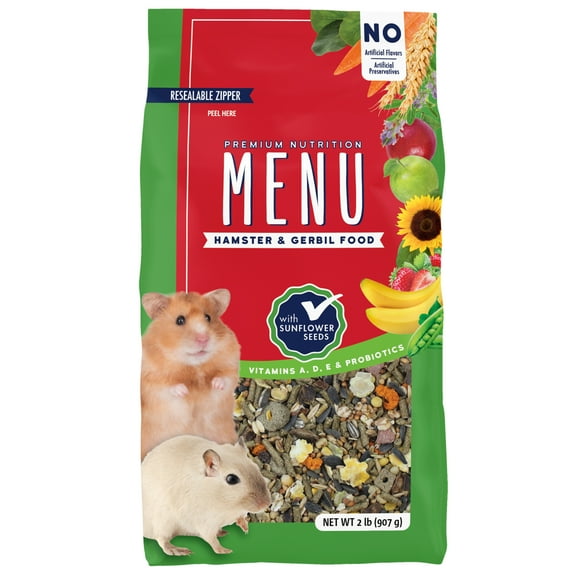
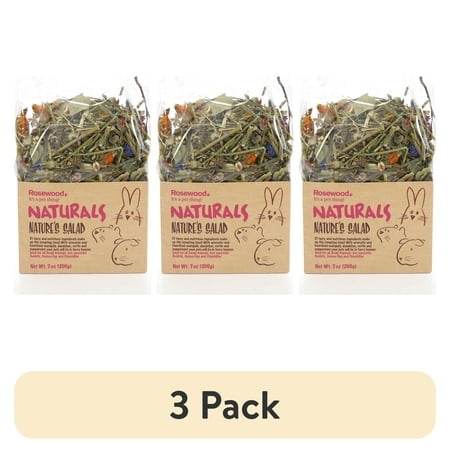
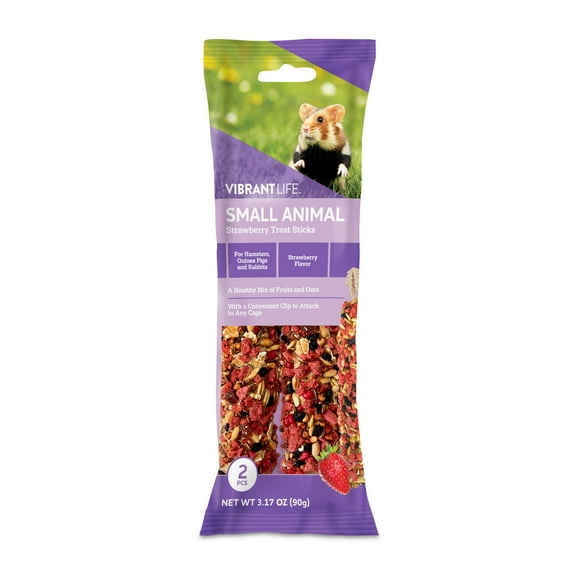
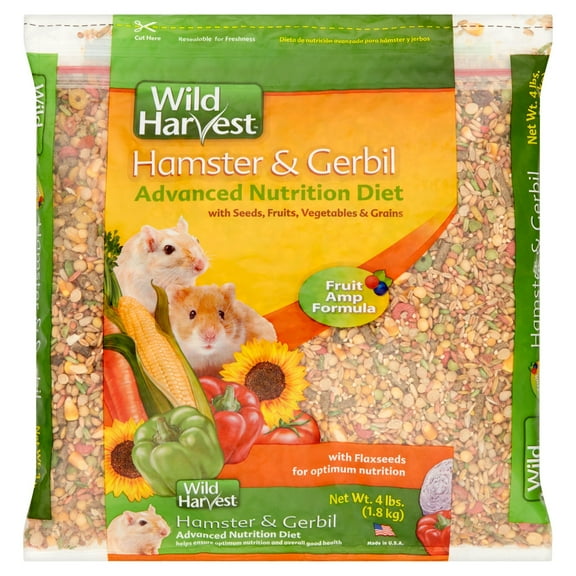
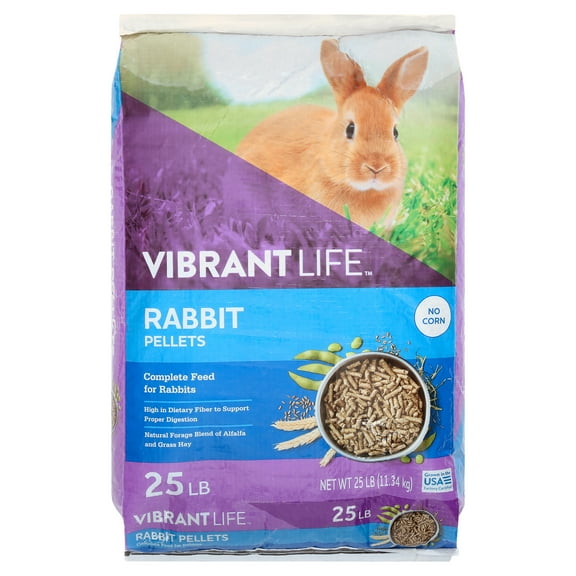
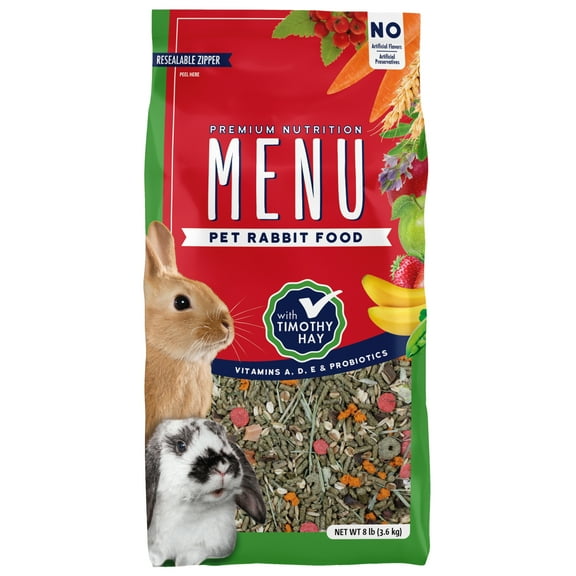
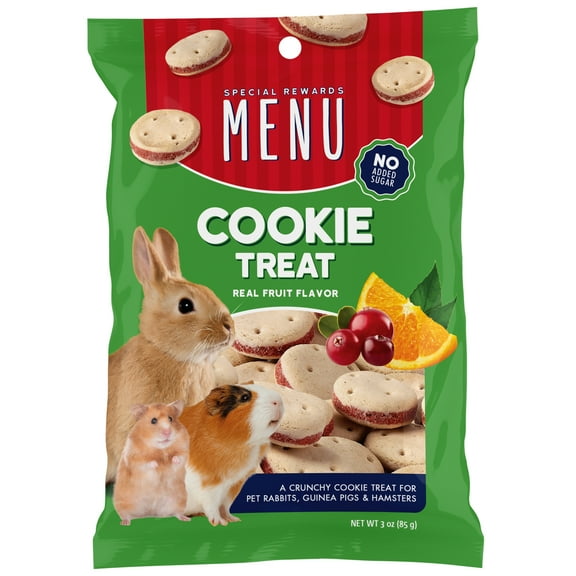
With small pet food, you’ll want species-specific formulas instead of one blend for every animal. You may compare pellets, hay-based diets, treats, and forage items based on your pet’s age and feeding habits.
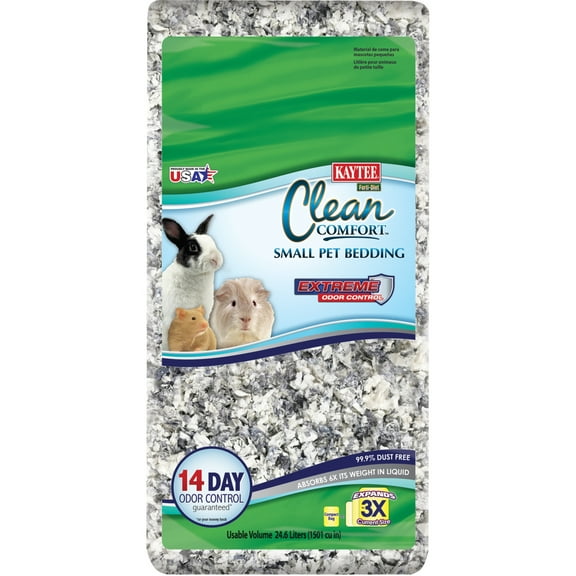
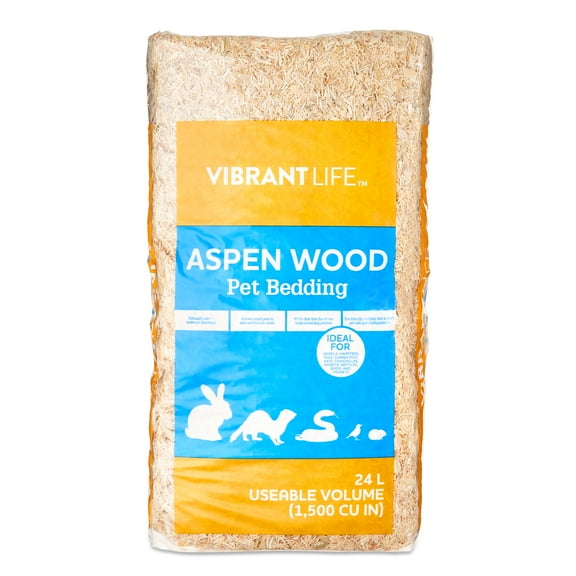
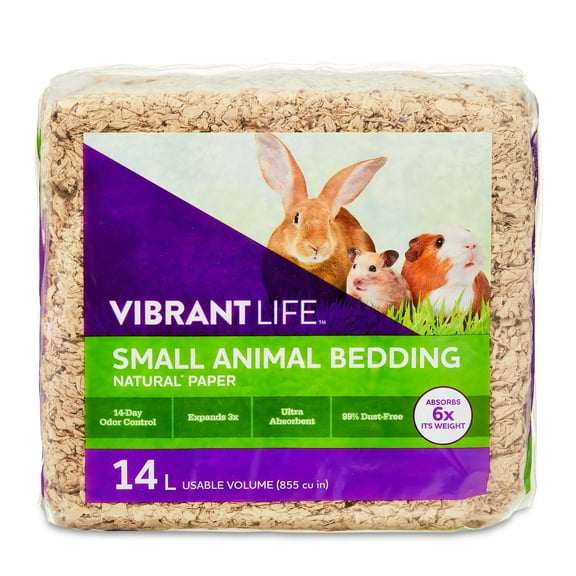
When you choose small animal bedding, you’ll usually compare paper, wood, and other absorbent materials. You may prefer paper bedding for softness and coverage, while wood options can suit certain enclosure styles.
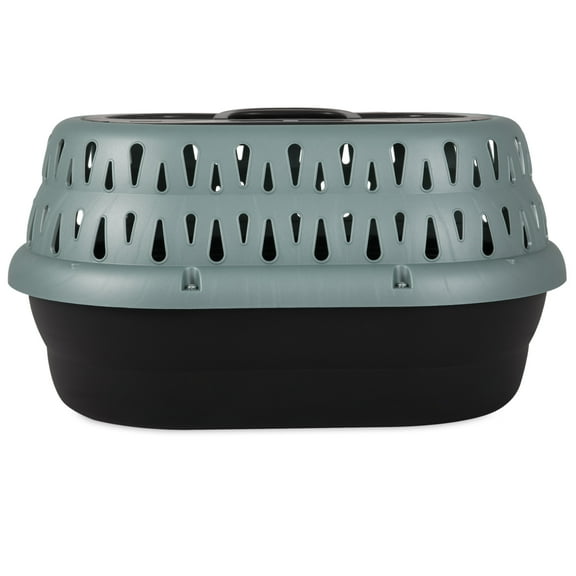
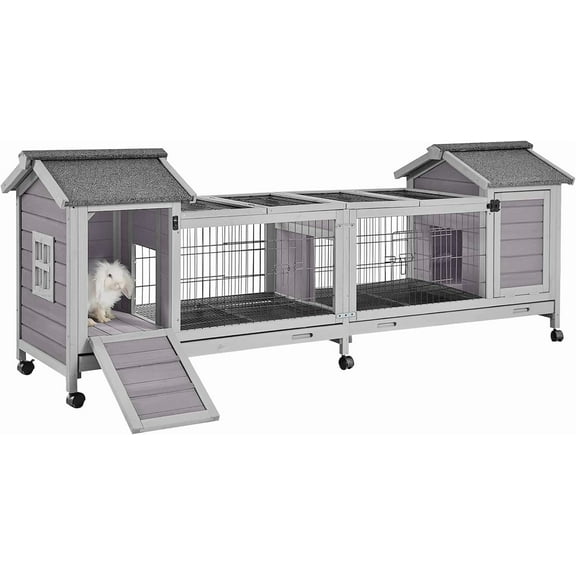
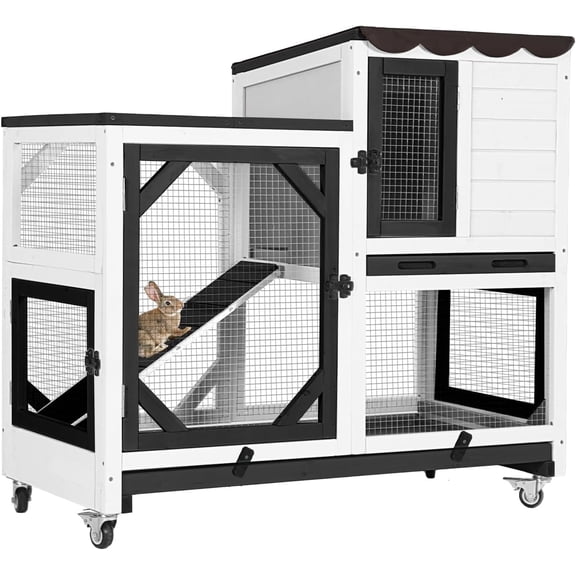
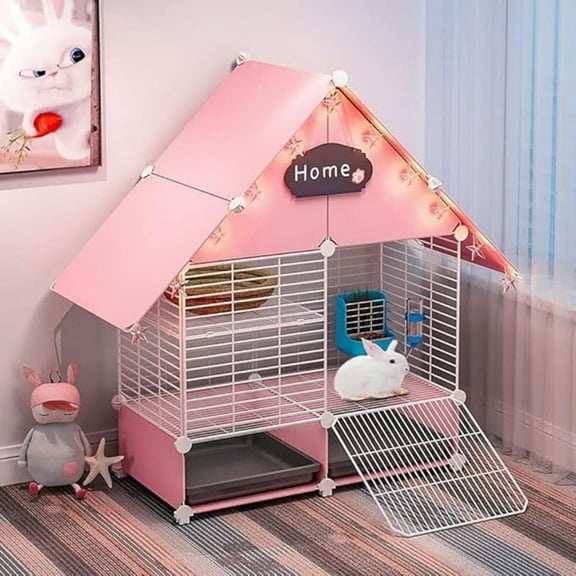
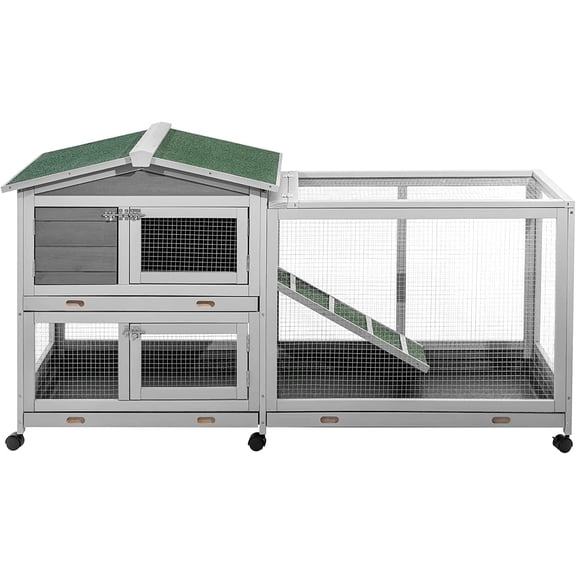
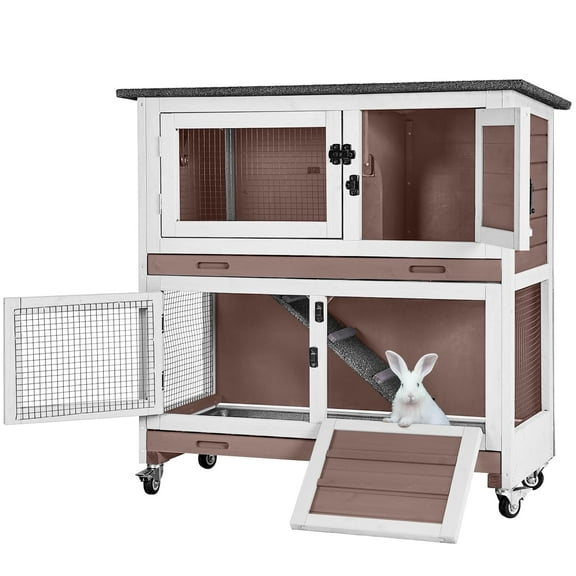
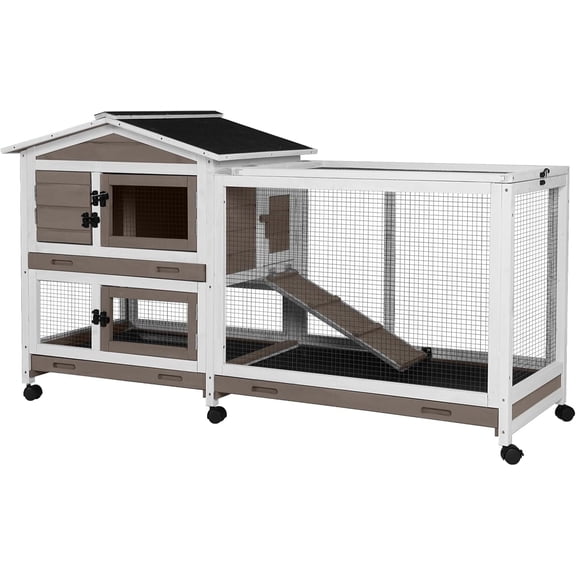
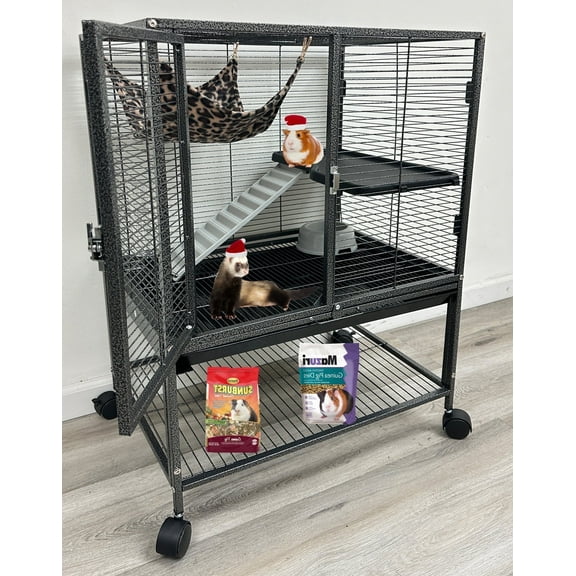
For small pet cages, you should check floor space and access points before you choose color or shape. You’ll also want doors, platforms, ramps, and feeder placement that make daily care simpler.
What to look for in material, sizing, and safety
Your material choice affects durability, visibility, and cleanup. You can compare wire, plastic, wood, and paper options based on the item type and how your pet uses it.
For cages, you may compare wire hamster cages with plastic-base habitats for airflow and visibility. You should also check bar spacing in inches, because smaller pets need narrower spacing for a secure fit.
When you review enclosure size, you’ll want enough square footage for movement, hideouts, and feeding zones. Guinea pigs and rabbits usually need broader floor space, while hamsters often use vertical accessories differently.
For bedding, you can compare paper-based fill with wood shavings in plain, practical terms. Paper options often spread easily, while wood-based options may appeal to shoppers who prefer a different texture.
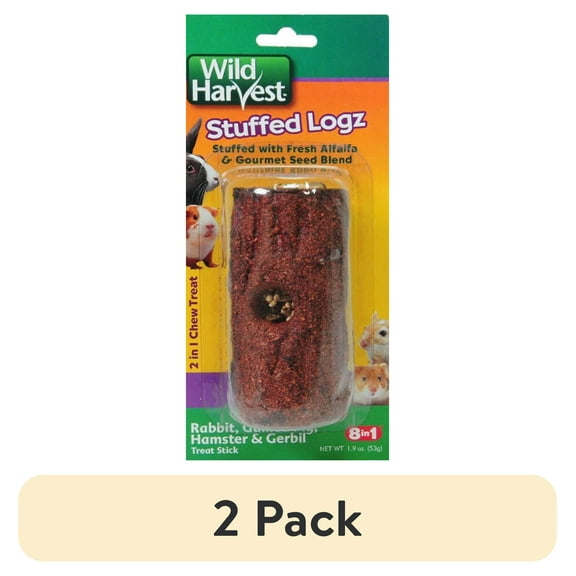
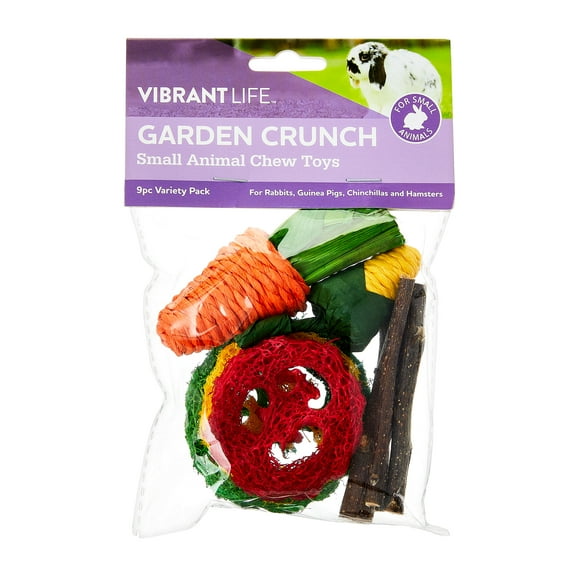
Your toy materials matter too, especially if your pet chews often. You should look for chew-friendly wood pieces, tunnels, and activity accessories designed for small animal play and exploration.
Choosing by life stage and pack size
Your pet’s life stage can guide food texture, portion planning, and habitat setup. You may shop differently for baby, adult, and senior animals because activity patterns and feeding routines can change.
For young rabbit food, you’ll often compare growth-stage formulas with hay and pellet combinations. For adult animals, you may focus on steady daily feeding, while senior pets may need easier access to food and water.
Your pack size choice also affects how you stock up on essentials. You can choose a single pack for trying a new bedding type, or multi-pack and bulk options for frequent cage cleaning.
If you maintain more than one enclosure, bulk small animal bedding can help you keep extra fill on hand. If you’re testing a new item, a smaller pack can help you compare texture, absorbency, and cleanup.
How to match supplies to real small pet routines
Your routine can help you narrow choices faster than product names alone. If you clean habitats often, you may prioritize accessible cages, absorbent bedding, and multi-pack refills.
For a hamster habitat, you might pair hamster food, deep paper bedding, tunnels, and a compact wire enclosure. For a guinea pig setup, you may choose guinea pig cages with broad floor space, hay feeders, and soft bedding.
If you’re setting up for a rabbit, you may look for roomy housing, litter accessories, chew toys, and species-specific food. If you care for gerbils, you may focus on digging space, nesting material, and secure accessories.
You can also build around convenience when you manage feeding and cleanup on a schedule. The right combination helps your pet’s space stay organized, and it helps your daily care feel more manageable.
Small pet supplies that support confident choices
When you compare pet type, product category, material, life stage, and pack size, you can choose with more clarity. You’ll end up with small pet supplies that fit your animal’s habits, your space, and your daily care routine.