

Napkin Rings in Table Linens





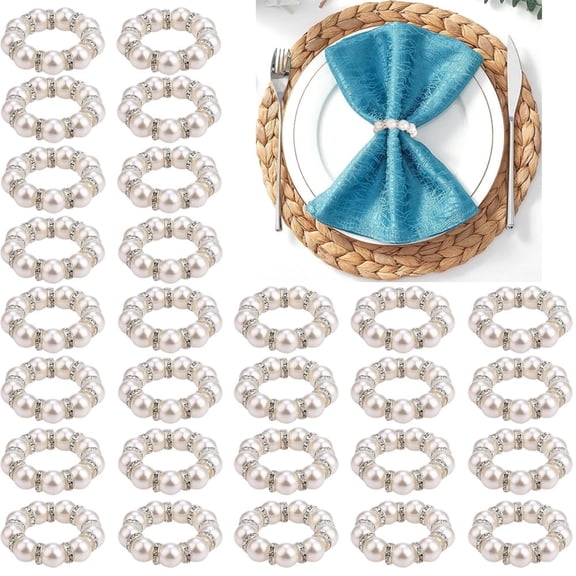
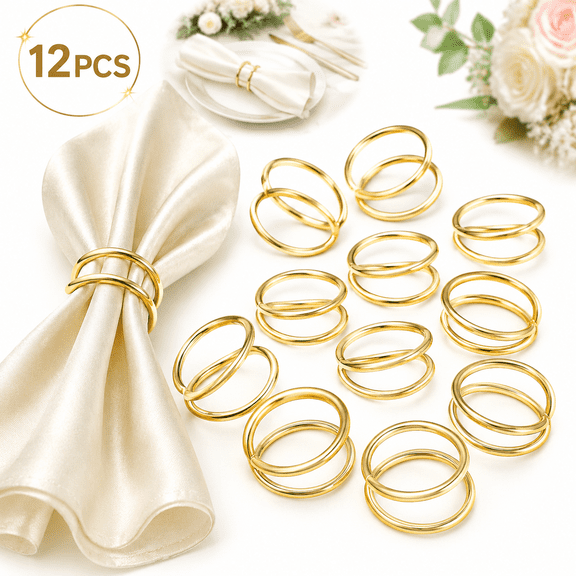

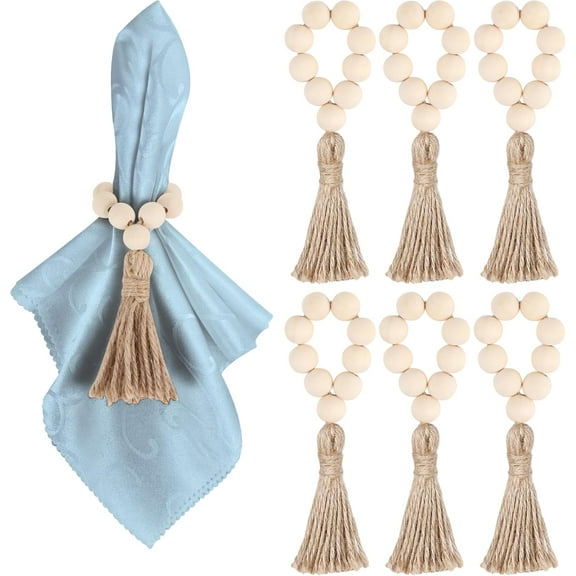


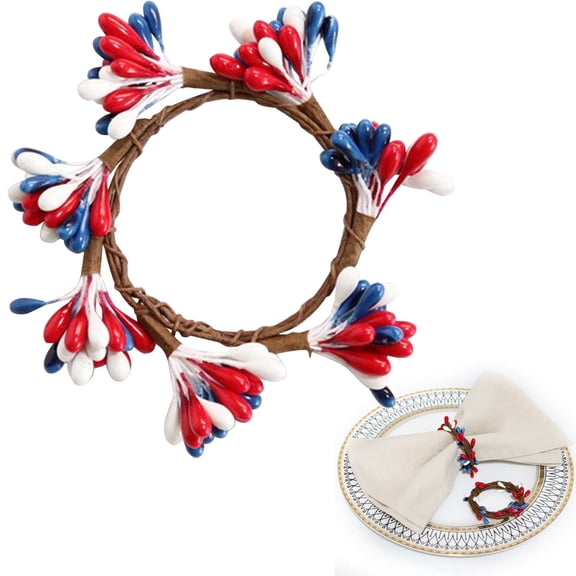













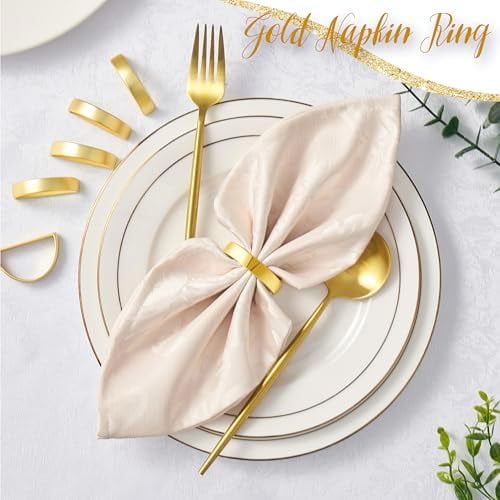





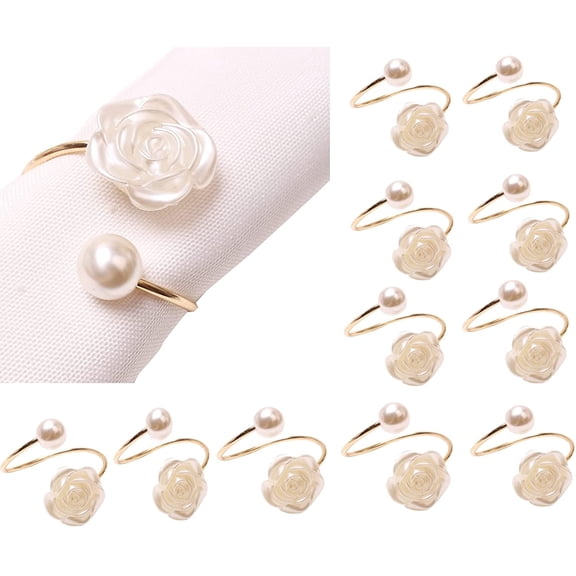


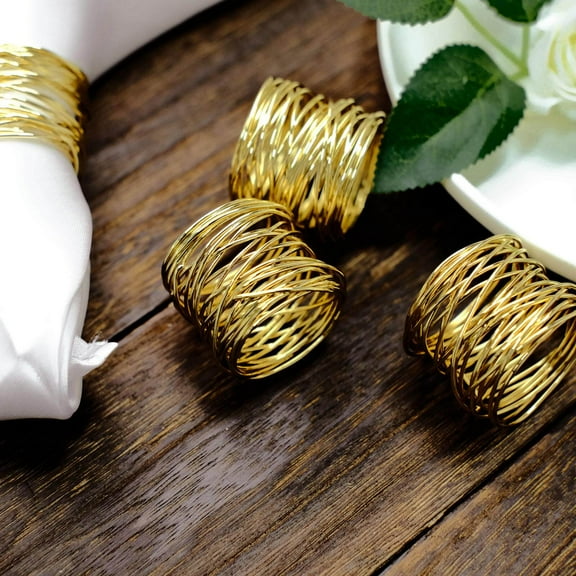


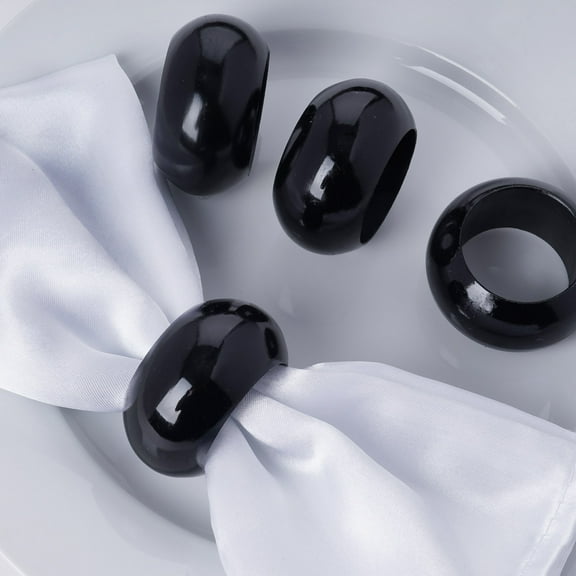
About Napkin Rings in Table Linens - Walmart.com
You can compare trampoline parts by frame size, spring count, and material, so your replacement matches your setup with less guesswork. You can review springs, mats, safety nets, padding, and jumping beds in one place, which makes planning easier for your yard.
How to choose trampoline parts
When you compare trampoline parts, you should start with compatibility before you check any other detail. You should have your frame diameter, spring length, and spring count ready before you choose a replacement.
If you have a 12 ft, 14 ft, or 15 ft frame, you should measure the metal frame across the center. You should also count your springs, because 72 springs, 84 springs, and 96 springs fit different mat layouts.
For a mat or jumping bed, you should measure the frame first and then check the number of V-rings. You can get a more accurate match when your mat size and spring layout line up together.
When you shop for a trampoline safety net, you should compare enclosure style, pole count, and overall diameter. You can avoid guesswork when your net shape and attachment points match your current setup.
Key decisions for trampoline replacement parts
You can narrow trampoline replacement parts by component type, which helps you focus on the exact issue you’re fixing. You may need springs for bounce response, padding for edge coverage, or a trampoline mat replacement for worn fabric.
- You can restore bounce by matching spring length and spring count to your frame.
- You can refresh the jumping surface by checking mat diameter and V-ring layout.
- You can improve enclosure coverage by matching your trampoline safety net to pole design.
- You can update edge coverage by choosing padding sized for your frame diameter.
With the right component type, you can replace only the section that needs attention instead of changing your whole trampoline. You can keep your setup working with less trial and error when you compare these details first.
You should also consider how you use your trampoline across the week. If your yard sees frequent jumping, you may want replacement pieces designed for repeated outdoor use and steady fit.
What to look for in springs, mats, and nets
When you compare trampoline springs, you should check length, hook shape, and finish. You may want galvanized steel, because it helps resist rust during outdoor exposure.
For a trampoline mat replacement, you should look at fabric type and ring construction. You may often see UV-resistant PP, which helps the jumping surface hold up under regular sun exposure.
If you need enclosure support, you should compare net material and attachment style. You can often find PE mesh, which gives you visible enclosure coverage while staying flexible around the frame.
Padding matters when you want edge coverage over the spring area. You should measure pad width and outer diameter, so your foam and cover align with the frame edge.
You may also compare weight capacity and certification details when the manufacturer lists them on the item page. You can get clearer buying guidance when those limits match your frame size and intended household use.
How size and spring count affect fit
You should treat trampoline size and spring count as connected measurements, not separate details. You may have a 14 ft frame, but your mat still may not fit if the spring layout is wrong.
An 8 ft frame uses different proportions than a 15 ft frame, so you should verify every measurement. You may want to compare your frame diameter, spring length, and total hooks before you replace anything.
If your frame uses 72 springs, you should look for a mat designed around that exact count. If your frame uses 84 springs or 96 springs, you should match that number exactly.
You can also compare spring length from hook end to hook end after removing one spring. You can get a more accurate replacement match when you use the relaxed spring length from your current setup.
Choosing trampoline accessories for outdoor use
You may want trampoline accessories that support everyday setup and seasonal upkeep around your yard. You can pair replacement pieces with covers or anchors when you want broader outdoor support and stability.
Material choice matters when your trampoline stays outside through changing weather. You should look for galvanized steel, UV-resistant PP, and PE mesh, because each material supports a different part of the structure.
Galvanized steel helps you with rust resistance on springs and hardware. UV-resistant PP helps you maintain a dependable jump surface, while PE mesh helps you keep enclosure visibility around the frame.
Common replacement scenarios
If your bounce feels uneven, you may need new trampoline springs matched to your original length and count. You can usually notice a more balanced feel when the replacement set matches your frame layout.
If the jumping surface no longer matches your frame tightly, you may need a trampoline mat replacement. You should confirm frame size, V-ring count, and spring length before you choose a new mat.
When your enclosure no longer aligns with poles or sleeves, you may need a new trampoline safety net. You should check pole quantity, attachment method, and overall diameter for a cleaner fit.
If the outer edge needs updated coverage, you may need new padding sized to the frame and spring area. You can make comparison easier when you measure both the full frame and pad width first.
You can make smarter replacement choices when you measure carefully and compare component type, size, spring count, and material together. You can keep your trampoline feeling more consistent and ready for regular backyard use with the right match.