

Striping & Marking Spray Paint in Specialty Spray Paint


























About Striping & Marking Spray Paint in Specialty Spray Paint - Walmart.com
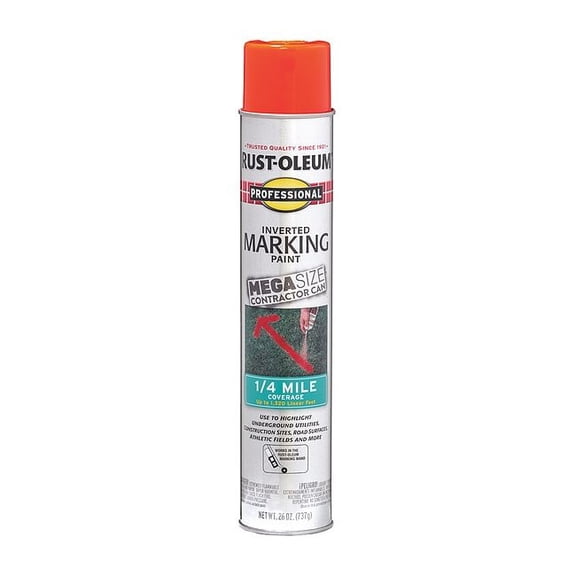
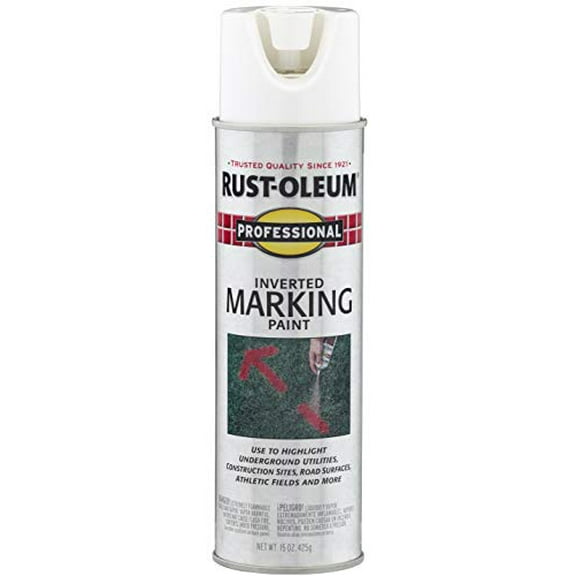
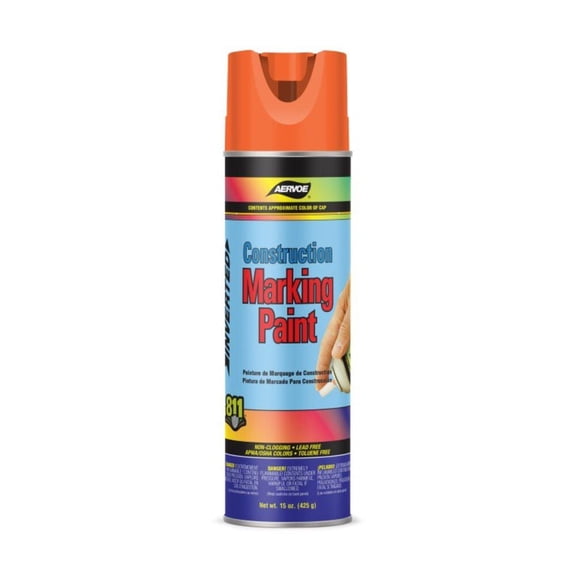
You can choose marking spray paint for field layout, utility marking, and site prep when you need visible lines on grass or pavement. You'll find options for inverted or upright use, plus formulas that match dirt, gravel, concrete, asphalt, and turf.
When you compare this category, you should focus on can orientation, surface fit, durability, and color visibility. You'll also want to separate temporary chalk formulas from permanent striping coatings, because your cleanup and line life depend on that choice.
How to choose marking spray paint
You should start with your project outcome, because field striping needs differ from utility marking or parking lot layout. You'll usually need visible color, clear edges, and a formula that fits your working surface.
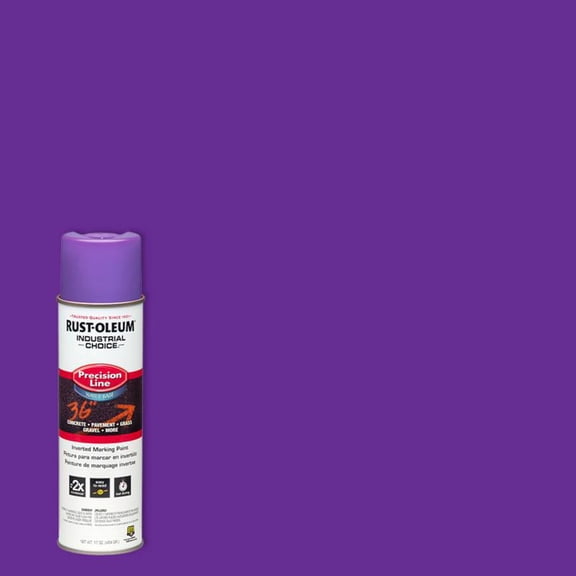
If your project follows utility color standards, you may compare shades before you spray. You'll often use orange, white, yellow, red, blue, or green to keep marks easy to identify.
- You can use bright colors to keep stake points, boundaries, and layout marks easy to spot.
- You can choose temporary or permanent formulas based on how long your marks should remain visible.
- You can pair cans with a spray can line marker or marking wand for steady application.
- You can select orientation and surface fit first, so your paint works well in the area you're marking.
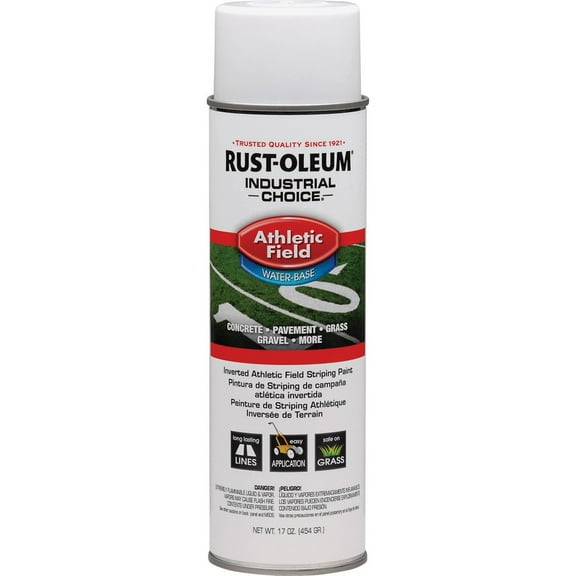
For athletic fields, you may want white striping that follows mowing patterns and stays visible across grass. For construction layout, you may need color-coded marks that stand out on aggregate, cured concrete, or dark asphalt.
Choosing inverted spray paint and upright cans
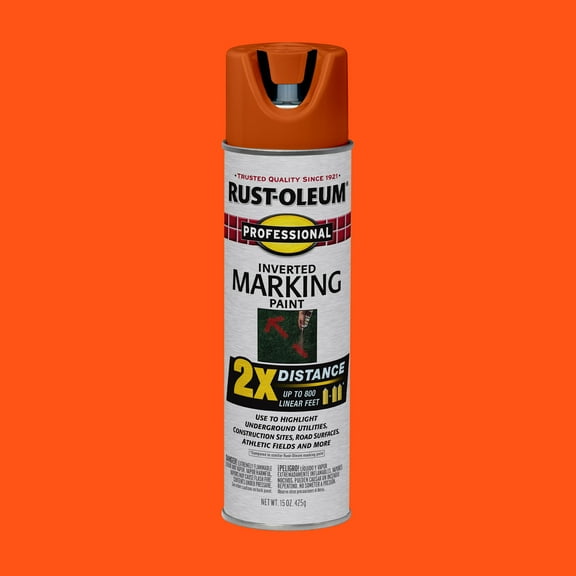
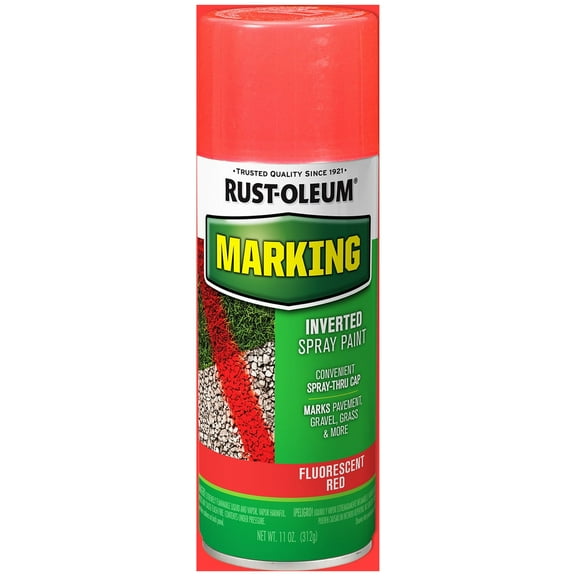
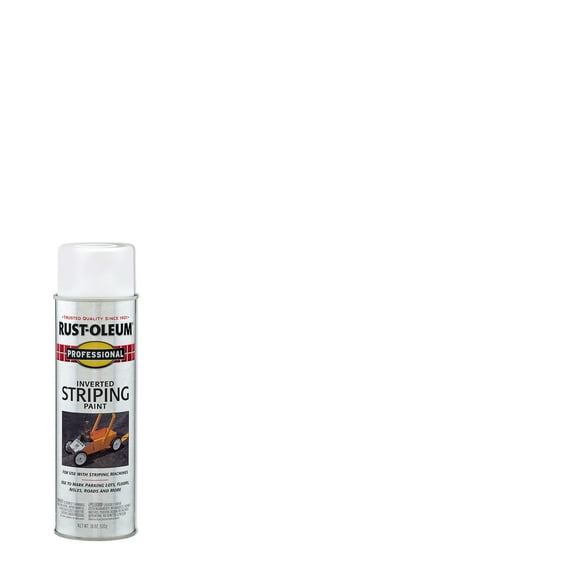
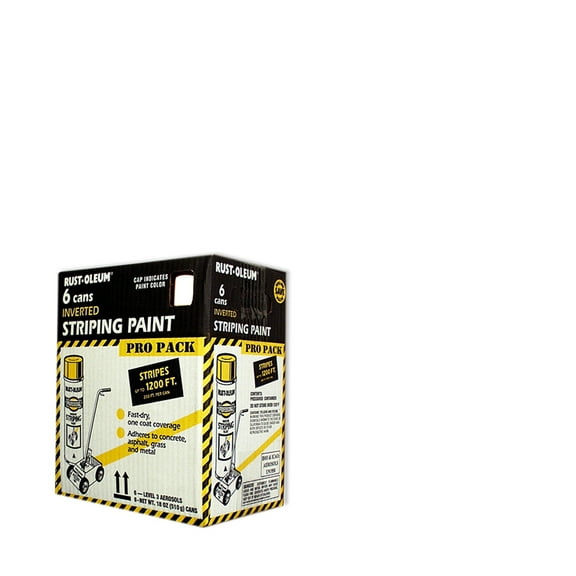
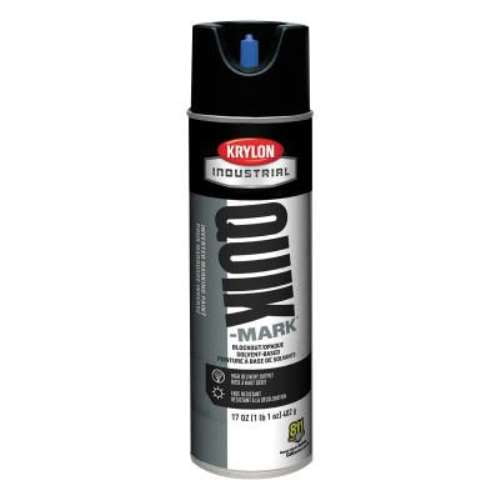
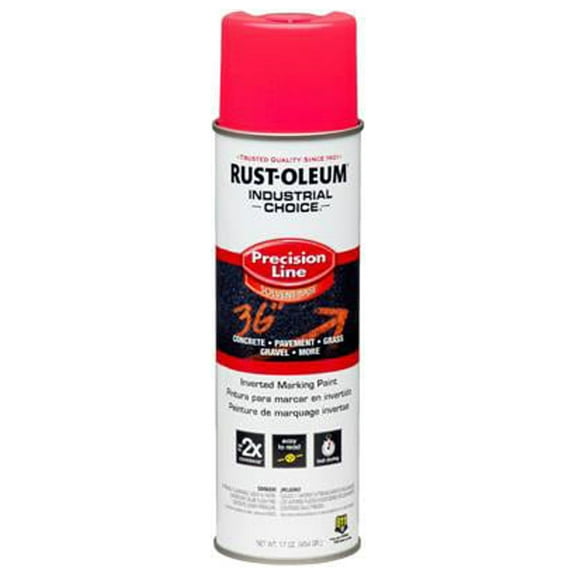
You should compare can orientation early, because inverted spray paint supports ground marking without making you kneel at each point. You'll often find upside down marking paint works well with marking wands, striping wheels, and walk-behind application.
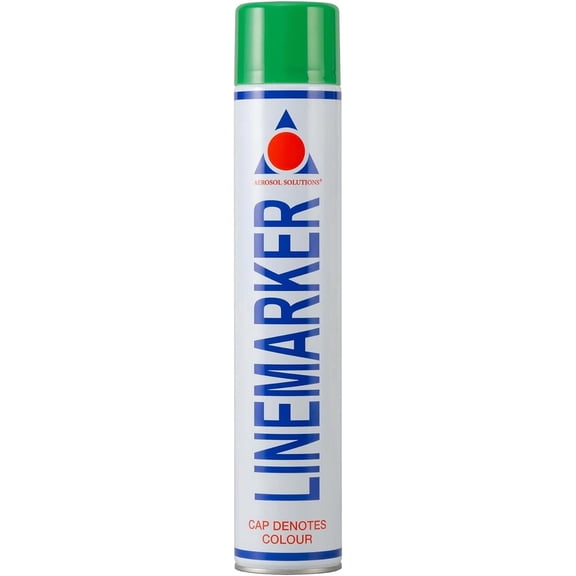
If you only need occasional hand marking, you may prefer an upright can that you can aim at curbs, posts, or vertical surfaces. You'll want to check the stated spray direction, because upside down spray paint and upright cans handle different tasks.
When you need repeated pass lines, you may choose a spray mark paint can designed for inverted use. You'll usually get a smooth workflow when your can orientation matches your tool and your surface.
Choosing spray paint for yard marking and landscape work
You should match your formula to the surface first, because spray paint for yard marking performs differently on grass than on pavement. You'll usually want a formula that shows clearly on soil, turf, or gravel.
On grass, you may prefer temporary or semi-permanent marking paint when field setups or landscape plans change often. On concrete and asphalt, you may look for strong adhesion and sharp contrast for parking lot layout or curb guidance.
If you're marking dirt or gravel, you should consider how loose material affects line edges and visibility. You'll often need bright colors and slow passes so your markings stay readable across uneven ground.
Choosing spray paint for landscape marking by durability
You should compare durability by deciding how long your marks need to stay visible. You'll usually apply temporary formulas for short-term planning, while semi-permanent and permanent options fit longer project timelines.
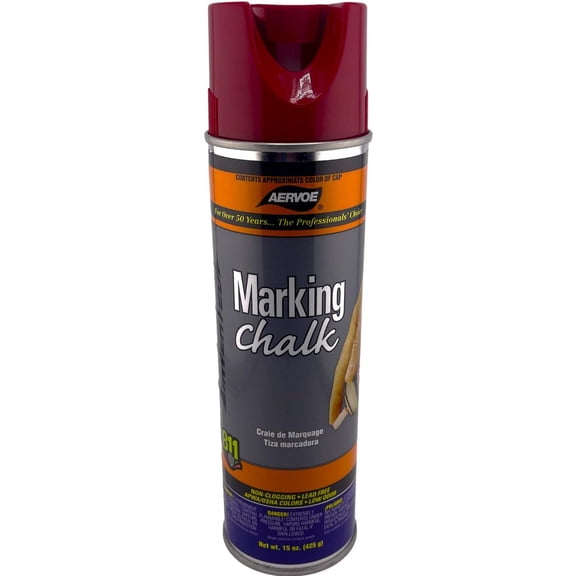
Temporary formulas can suit event layouts, practice fields, and changing excavation plans where fading matters. Permanent striping paint can suit roadwork, warehouse lanes, or recurring boundaries where you need strong line life.
You should also check whether you intend to use the paint for striping or spot marking. You'll make a clean choice when the formula, nozzle style, and finish align with your marking task.
Choosing colors and visibility standards
You should treat color as a jobsite decision, not just a preference, because different shades support different marking systems. You'll often apply white for athletic striping, while orange, yellow, red, blue, and green help separate utility or layout notes.
If you follow APWA utility color codes, you should confirm your selected shade before application. You'll keep site communication clear when your crew can recognize marks quickly from a distance.
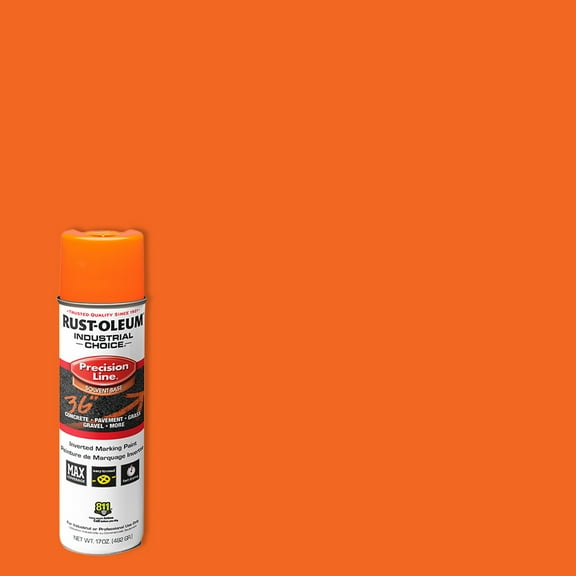
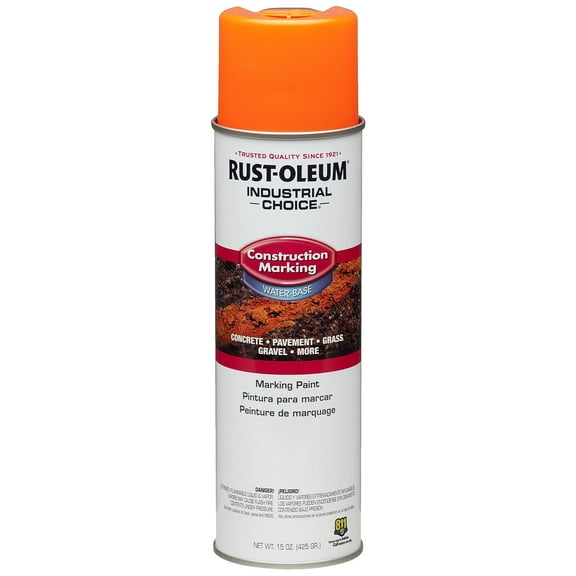
High-visibility orange can stand out on dirt and grass, while white often creates crisp field lines on green turf. Yellow may read well on dark pavement, and blue or green can help you organize multi-step planning areas.
Matching tools and projects to your paint
You should consider accessories if you need straight lines or fast coverage across larger spaces. You'll often pair a spray can line marker, striping wheel, or marking wand with inverted cans for clean movement and even spacing.
For field setup, you may combine white striping paint with a wheel applicator to keep sidelines and boundaries consistent. For site layout, you might use short bursts of marking paint by hand to note dig points, route changes, or material staging zones.
If you manage recurring maintenance, you should keep formula type, color system, and surface match consistent from one project to the next. You'll get markings that are easy to read, simple to repeat, and well suited to your routine.
You can choose this category with confidence when you compare orientation, surface fit, durability, and color before you spray. You'll end up with lines and marks that match your project, your tools, and your working surface.