




Maca Root in Superfoods


















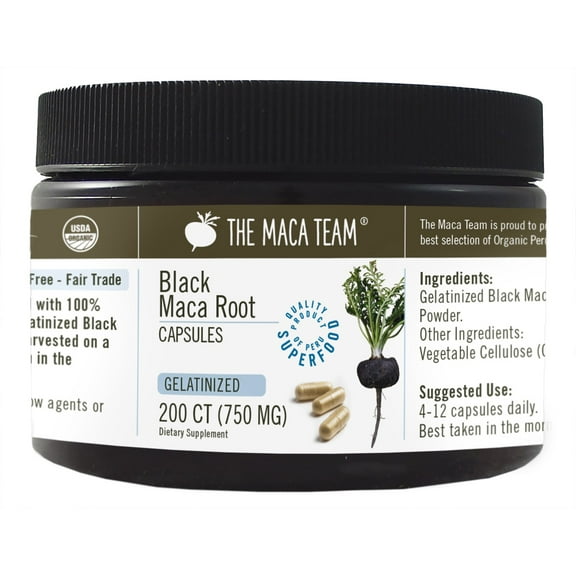


About Maca Root in Superfoods - Walmart.com
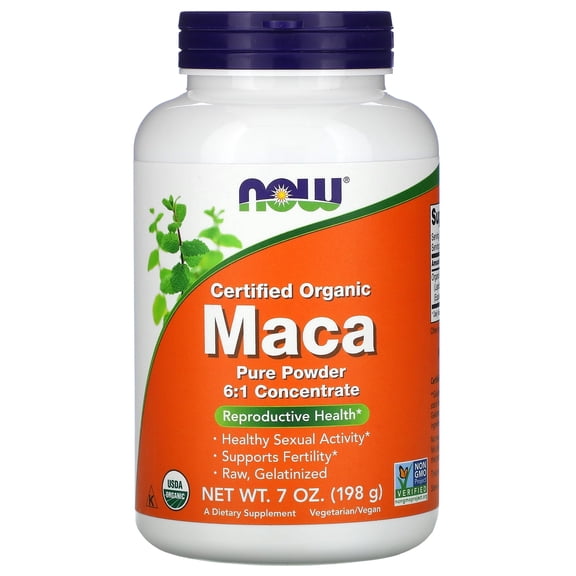
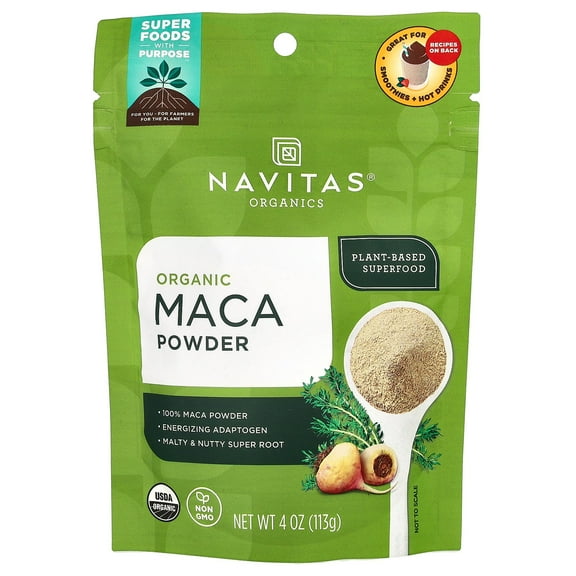
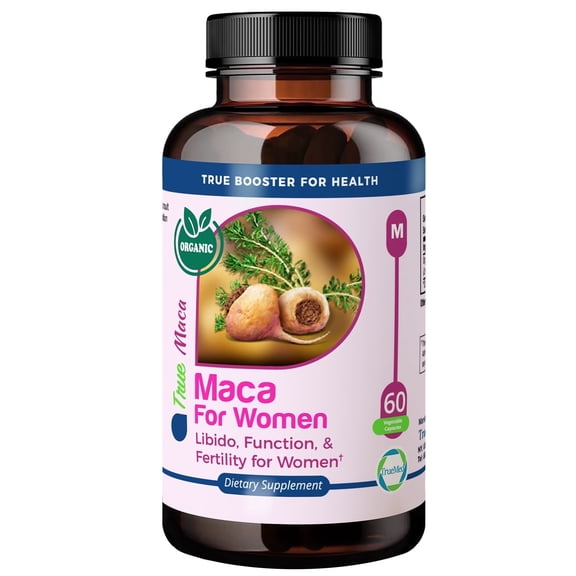
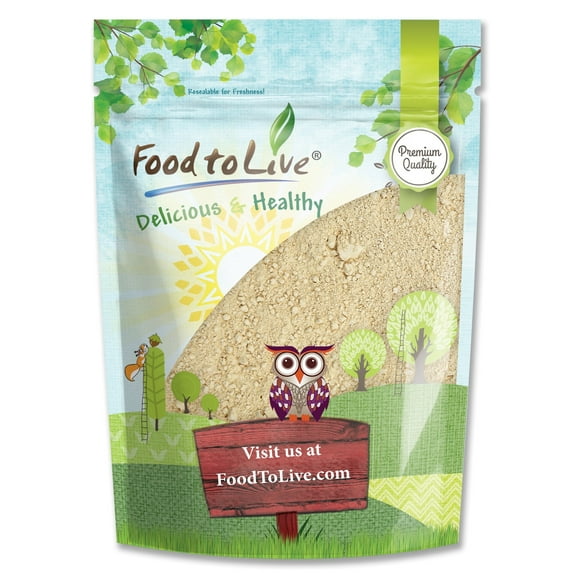
Maca root gives you a clear way to compare powders, capsules, tablets, and liquid extracts for your daily routine. You can use this guide to sort forms, colors, and ingredient details that matter when you shop.
When you compare this category, you’ll notice choices that wouldn’t apply to other superfoods. You can choose black, red, or yellow maca, and you can also compare raw and gelatinized options.
How to choose maca root for your routine
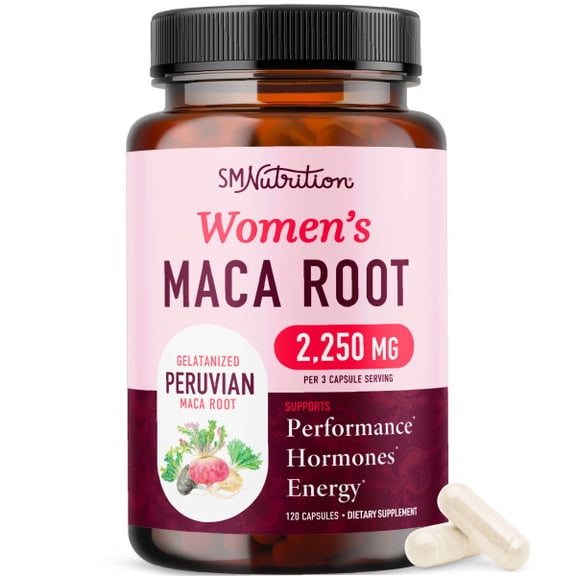
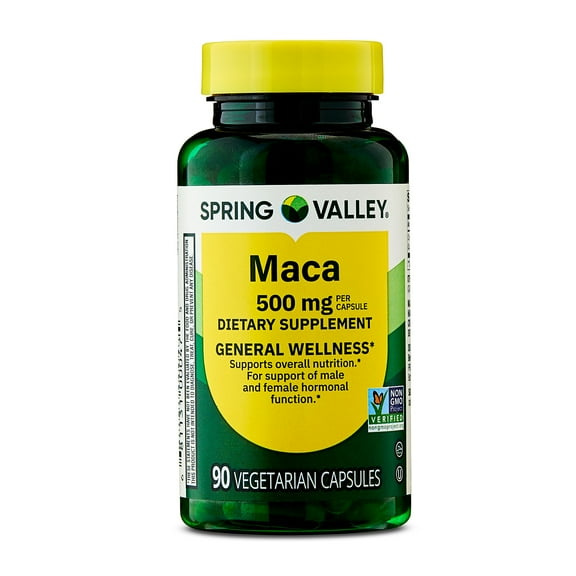
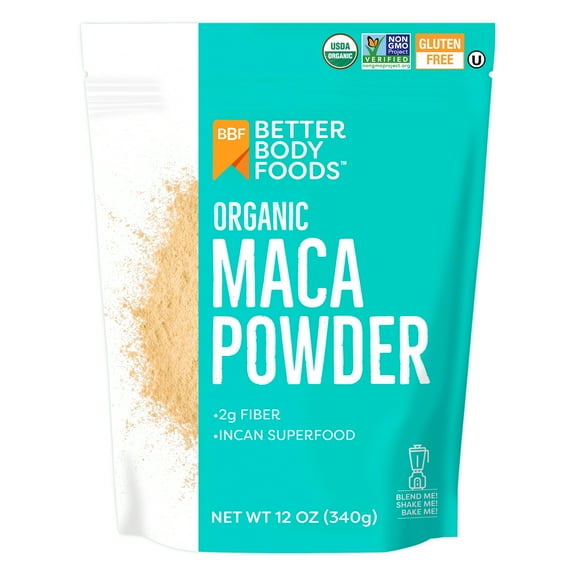
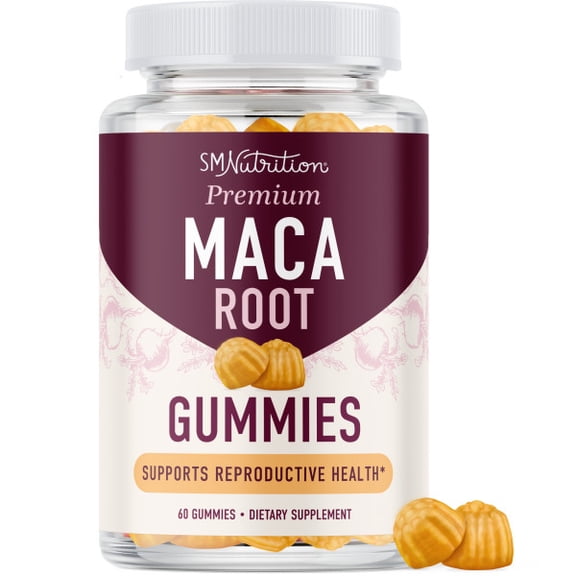
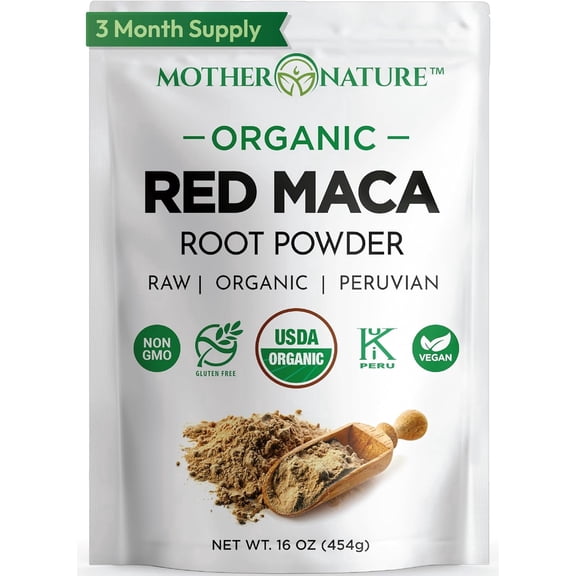
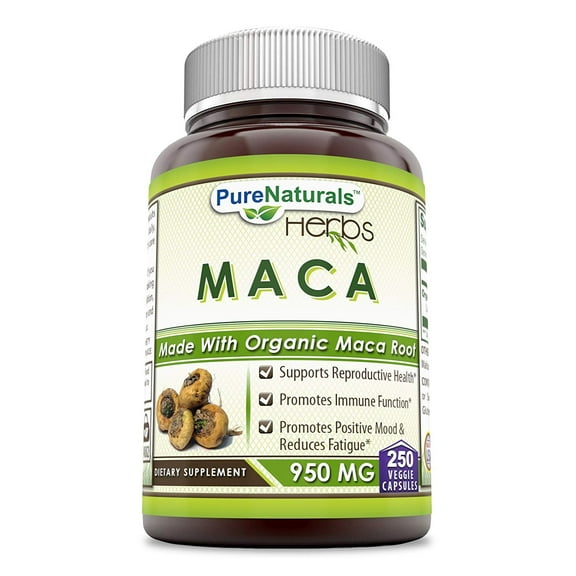
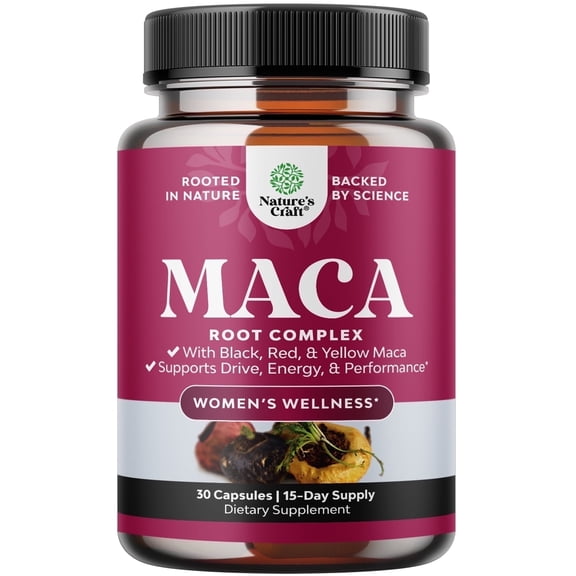
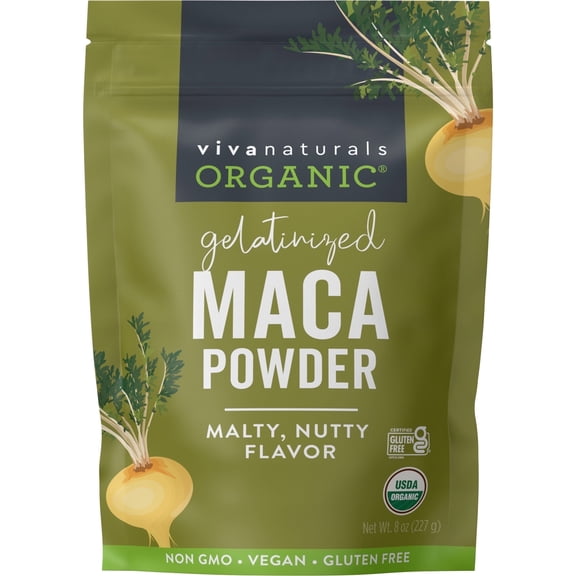
You’ll usually start with form, because that choice shapes how easily maca fits your day. You may prefer maca root powder for smoothies, oatmeal, or coffee, while capsules keep portions simple.
If you want fewer prep steps, you can compare maca root capsules, tablets, and liquid extract. If you enjoy mixing ingredients, you may lean toward powder for easy blending into recipes.
You can use these common form differences to narrow your options quickly. You should compare serving style, flavor impact, and how each format fits your schedule.
- You can stir powder into shakes, yogurt, oats, and baked recipes.
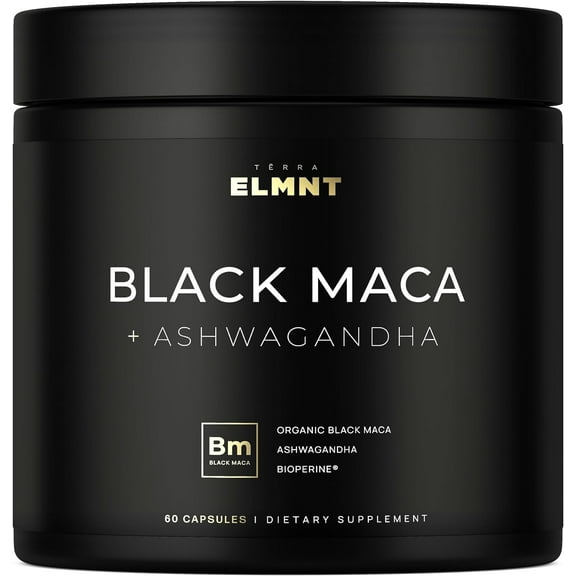
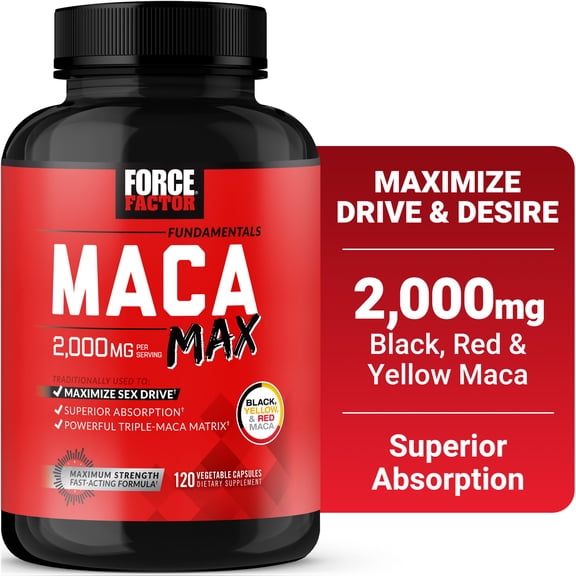
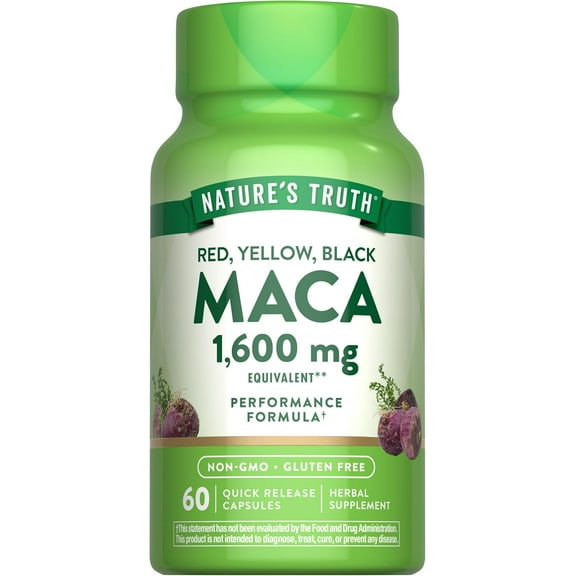
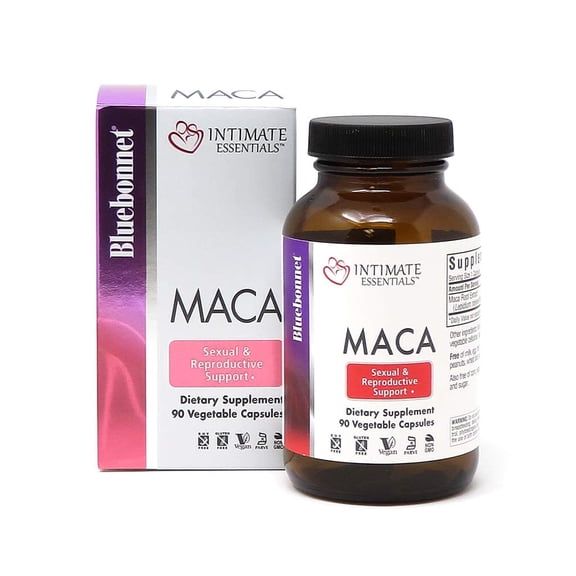
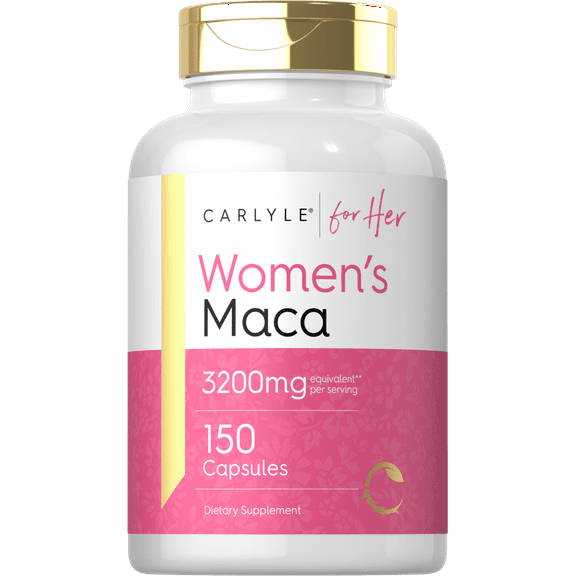
- You can take capsules or tablets when you want a no-mix option.
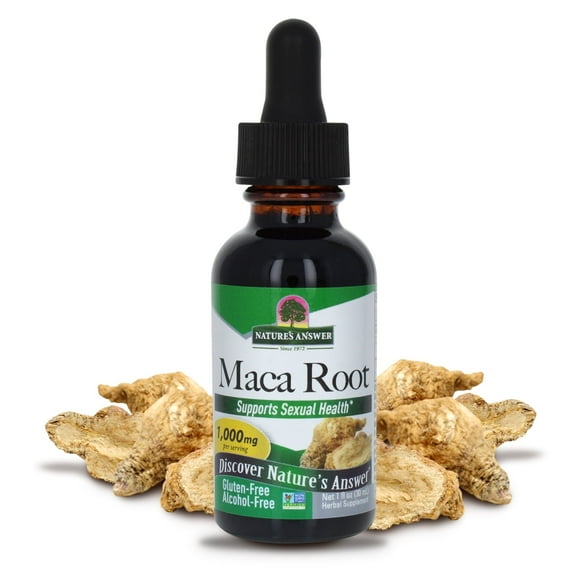
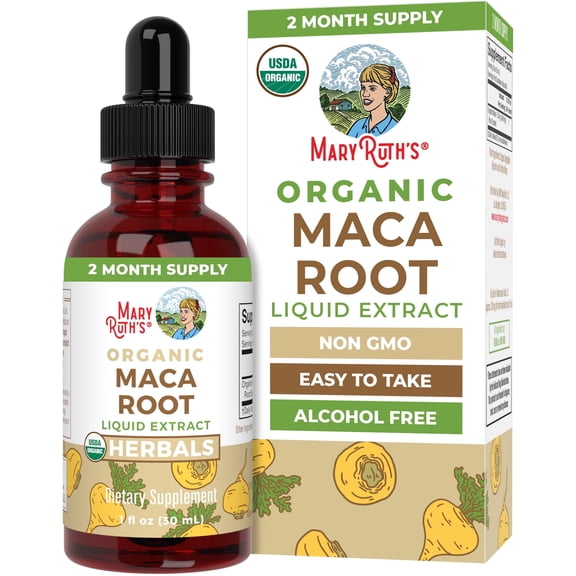
- You can choose liquid extract if you prefer drops or quick blending.
- You can compare serving size on the label to match your routine.
Comparing maca root powder, capsules, and extracts
You should check the label format before you decide, because each form works differently in everyday use. You’ll often see scoop-based servings for powder and count-based servings for capsules or tablets.
When you compare maca root powder, you can look at texture, blendability, and whether the flavor suits your drinks. When you compare capsules, you can focus on convenience, travel use, and easy portion tracking.
You may also see maca root extract in liquid or concentrated capsule form. You should read the concentration details carefully, because extract strength can vary across products.
If you’re comparing labels, you should also look for organic maca root, non-GMO ingredients, and dietary preferences. You may prefer vegan, gluten-free, or dairy-free options when those details matter in your household.
Understanding black maca root, red maca root, and yellow maca
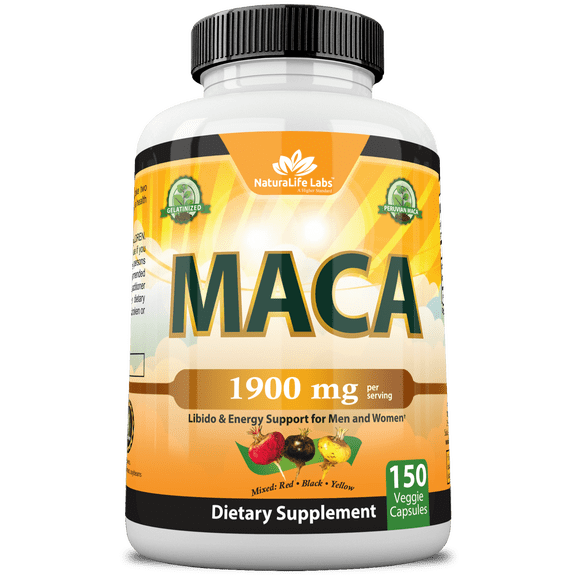
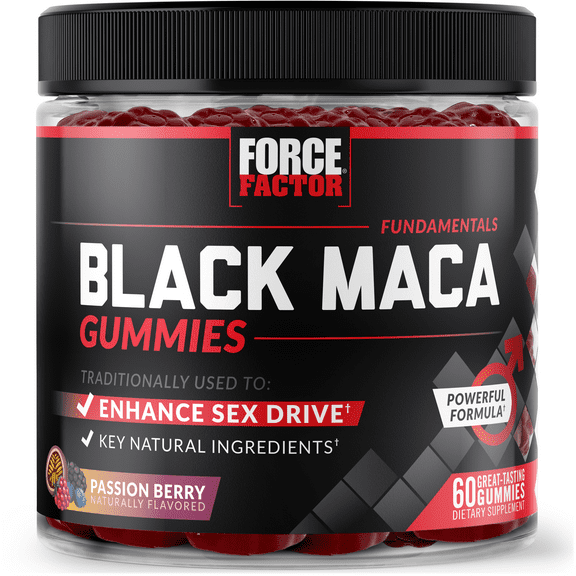
You’ll often find maca sorted by color, and that difference is specific to this category. You can compare black maca root, red maca root, and yellow maca based on the type listed on the package.
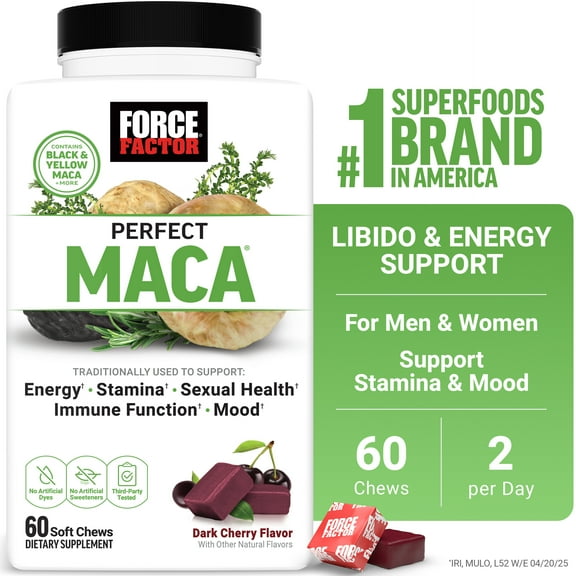
When you want a broad starting point, you may notice yellow maca in many blended offerings. When you want a more targeted choice, you can compare black or red varieties listed as single-type products.
You should read the front label and supplement facts together, because some products combine more than one maca type. You can use that detail to choose between a single-color format and a mixed-color blend.
If you’re narrowing choices, you should also compare whether the product uses powder, capsules, or extract within each type. You may find black or red maca available in several formats across the category.
What to look for in gelatinized and raw maca
You may see raw maca and gelatinized maca on product labels, and that distinction matters when you compare options. You should know gelatinized maca doesn’t contain gelatin, because the term describes a processing method.
When you choose gelatinized maca root, you’re selecting a form that has been processed to remove starch. You may prefer that format if you want a powder that mixes easily into daily drinks.
If you choose raw maca, you can compare a less processed option with its own texture and flavor profile. You should check preparation ideas on the package if you plan to add it to food or beverages.
You’ll also want to compare whether gelatinized maca appears as powder or capsules. You can use that detail to match processing style with the form that fits your routine.
Checking organic status, dietary profile, and daily serving details
You should confirm ingredient standards before you buy, especially if you follow specific food preferences. You can compare organic maca root with conventional options and review non-GMO statements where listed.
If your pantry needs specific filters, you should check for vegan, gluten-free, and dairy-free labels. You can use those details to narrow products that fit your household’s eating preferences.
You may also want clear serving guidance, since daily dosage is a common shopping question in this category. You should read the suggested use panel, because serving size can differ by powder, capsules, tablets, or extract.
When you compare serving directions, you can look for scoop amounts, capsule counts, or dropper measurements. You’ll make a more confident choice when the label matches the routine you already follow.
How maca root fits different shopping needs
If you build smoothies at home, you may prefer maca root powder that blends with fruit, oats, or protein mixes. If you travel often, you may choose capsules or tablets that store neatly in your bag.
When you want flexible recipe use, you can compare plain powders with single-ingredient labels. When you want a simplified routine, you may focus on capsules with clear daily serving counts.
You might also compare black maca root, red maca root, or yellow maca based on the type you want to try. You can then narrow your choice further by selecting raw or gelatinized processing.
With these category details in mind, you can compare maca root options with more clarity and less guesswork. You’ll choose a form, type, and serving style that fits your daily routine more smoothly.