






Shop Pavers Rocks and Stepping Stones



































About Shop Pavers Rocks and Stepping Stones - Walmart.com
Brick pavers help you build patios, walkways, and outdoor gathering spaces with a finished look that suits your layout. You can compare materials, thicknesses, shapes, and finishes to match traffic, style, and installation plans.
If you're planning a new patio or updating a worn path, you need options that fit the project. You can use this guide to compare patio pavers, driveway pavers, and paver stones with more confidence.
How to choose brick pavers by material
Your first decision is material, because it affects appearance, texture, and long-term wear. You can compare concrete brick pavers, clay pavers, natural stone, and slate based on the surface you want.
If you want clean edges and consistent sizing, you may prefer concrete options for easier pattern planning. If you want a classic look, you may lean toward clay with familiar red and earthy tones.
Natural stone and slate give you more variation in color and surface character across each piece. You should expect a less uniform layout, which can suit garden paths and statement patios.
- You can use concrete brick pavers when you want uniform shapes for measured layouts.
- You can choose clay pavers when your project calls for traditional color and a timeless brick look.
- You can consider natural stone or slate when you want more variation in texture and tone.
- You can compare color families like red, gray, tan, and charcoal to coordinate with siding and landscaping.
Your material choice also affects how the finished surface blends with edging, steps, and nearby hardscaping. You should compare surrounding surfaces before picking red brick pavers, gray tones, or a tumbled finish.
Choosing the right thickness for patio pavers and driveway pavers
Your application should guide thickness, because different surfaces handle different loads and traffic patterns. You can narrow your options faster when you match thickness to patios, walkways, or driveways.
Thin one-inch overlay styles can work when you want to refresh an existing surface with less height. You should check your project measurements carefully, especially around doors, steps, and transitions.
Standard two-inch patio pavers are common for walkways, seating areas, and backyard gathering spaces. You can use them where you want a stable surface for regular foot traffic.
Heavy-duty two-and-three-eighths-inch styles are often the right fit for driveway pavers and vehicle areas. You should look for thicker units when your layout needs added load-bearing support.
Coverage planning matters just as much as thickness when you map your project. You can measure length by width for square footage, then add extra pieces for cuts and pattern adjustments.
Comparing shape and pattern options for interlocking pavers
Your next decision is shape, because it changes both appearance and installation flow. You can compare rectangle, square, and interlocking pavers based on the pattern you want to build.
Rectangle pieces support familiar layouts like running bond and herringbone across patios and walkways. You may prefer that format when you want the space to feel structured and classic.
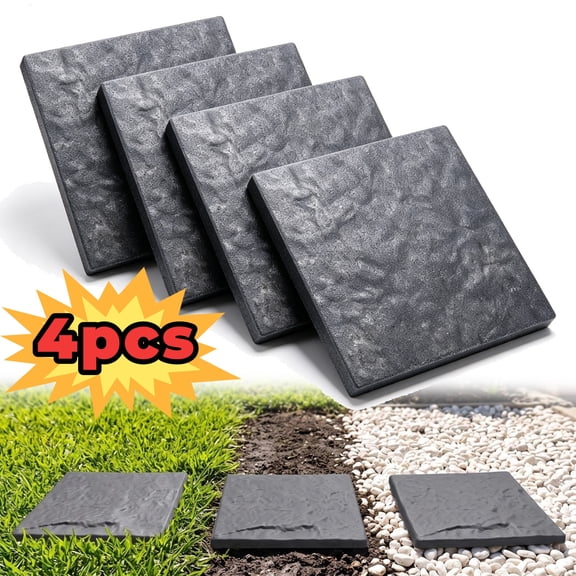
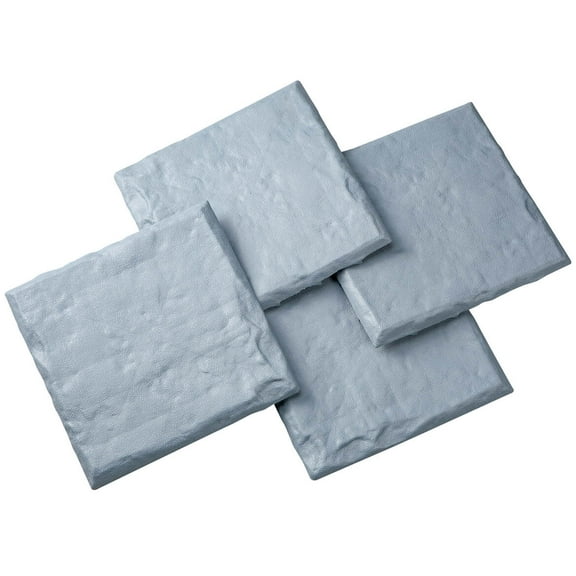
Square pieces help you create grid layouts with a balanced, simple appearance. You can use them when you want clean lines around seating zones, planters, or fire pit areas.
You can choose interlocking pavers with shapes that connect in repeating layouts that help guide placement. You can consider them when you want visual movement and a design that looks intentional from every angle.
Pattern choice also affects how much cutting you may need around curves or borders. You should compare straight runs, corners, and edge details before choosing a herringbone or interlocking layout.
What to look for in color and finish
Your color choice sets the mood of the space and connects the hardscape to your home. You can compare red, gray, tan, and charcoal shades to match trim, siding, and garden features.
Red brick pavers create a traditional look that suits classic patios and formal walkways. You may prefer gray or charcoal when you want a more modern surface around contemporary outdoor furniture.
Tan tones can blend easily with natural landscaping, mulch, and lighter exterior finishes. You can use tumbled finishes when you want a softer, timeworn appearance with more surface character.
Your finish also influences how the project reads from a distance and up close. You should compare uniform faces with textured surfaces if your space includes steps, borders, or focal points.
Using brick pavers for patios, walkways, and outdoor projects
Your project type should shape every other decision, from material to pattern to finish. You can use brick pavers to build patios, define walkway pavers, or create organized zones in the yard.
For a backyard patio, you may want standard thickness, a comfortable walking surface, and a pattern that frames furniture well. You can pair patio stones with edging and base materials for a cleaner outline.
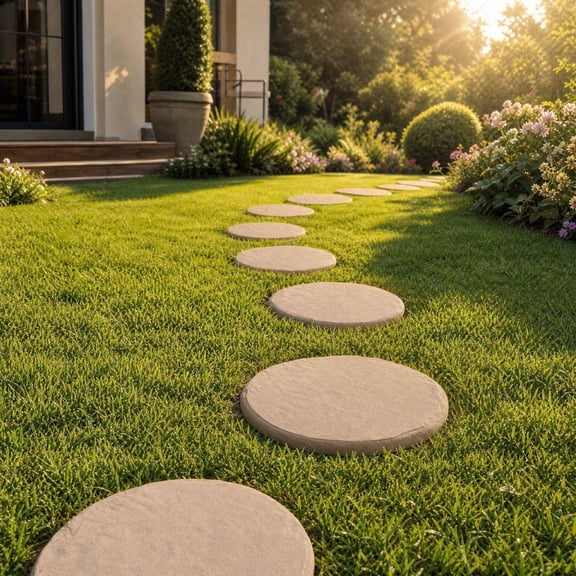
For a garden path, you might prefer clay pavers or natural-looking tones that blend with plantings. You can use rectangles or squares to guide traffic through curves, beds, and stepping areas.
For driveways, you should focus on thickness, base preparation, and layouts that support repeated vehicle traffic. You can compare heavy-duty driveway pavers and interlocking patterns for more structured surfaces.
If you're planning a larger install, you should also account for border pieces, cut pieces, and future repairs. You can keep your project more consistent when you order enough material for the full pattern.
Your finished space can look more cohesive when you coordinate pavers with paver sand, base materials, edging, and nearby fire pit areas. You can create a cleaner layout when each part supports the same project plan.
With the right brick pavers, you can match material, thickness, shape, and finish to how you will actually use your space. You end up with an outdoor surface that fits your project from the base layer to the final pattern.