





Eye Vitamins in Vitamins and Supplements






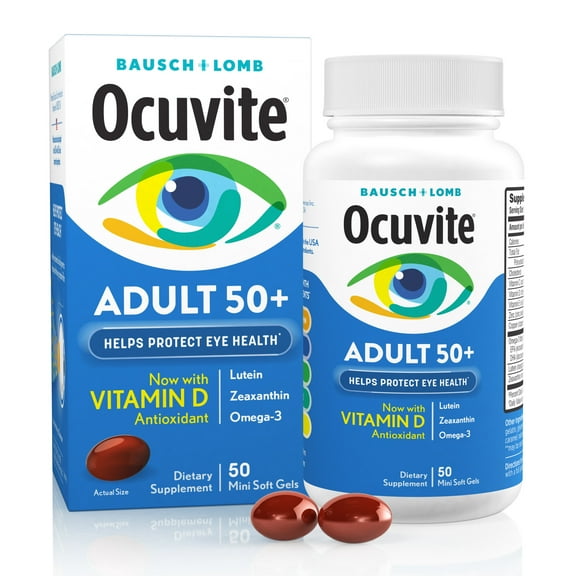
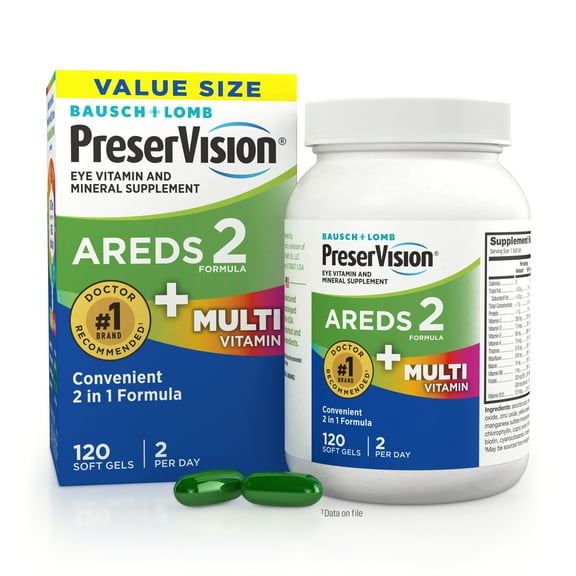

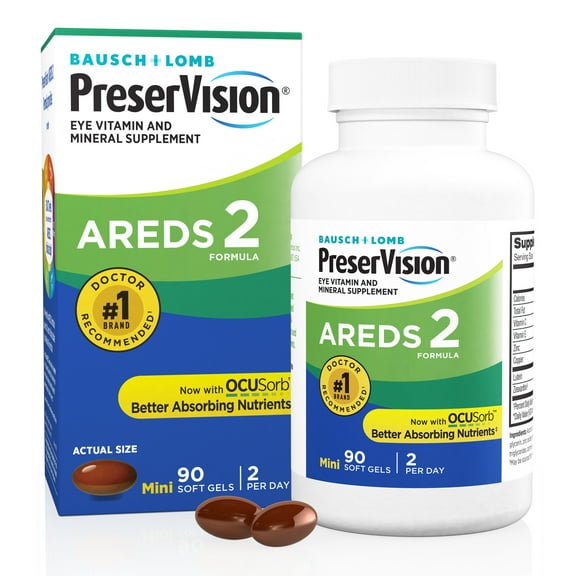
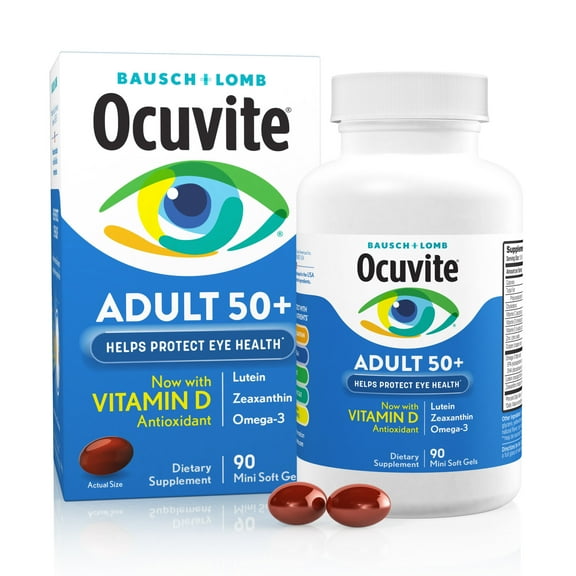


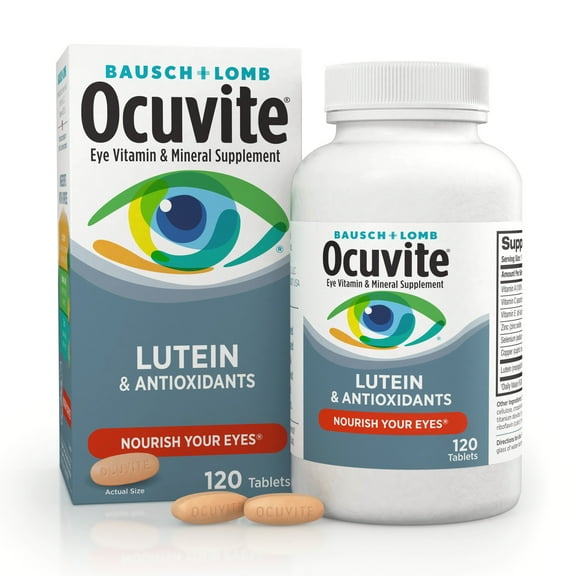
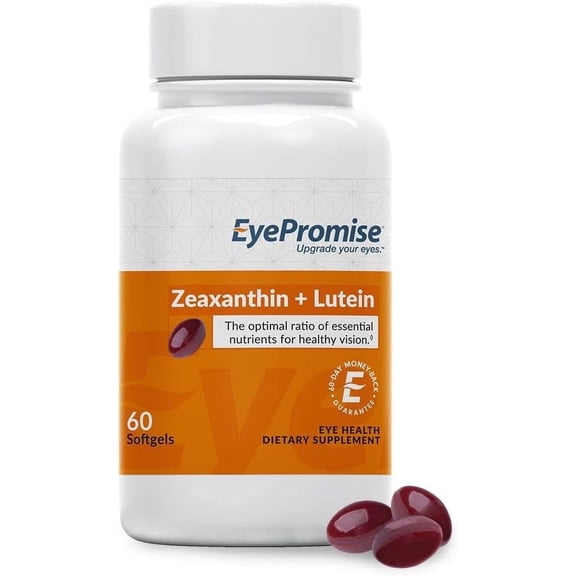




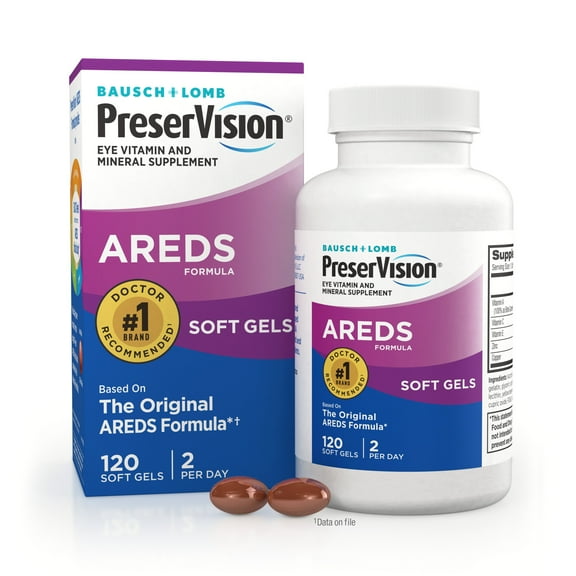




About Eye Vitamins in Vitamins and Supplements - Walmart.com
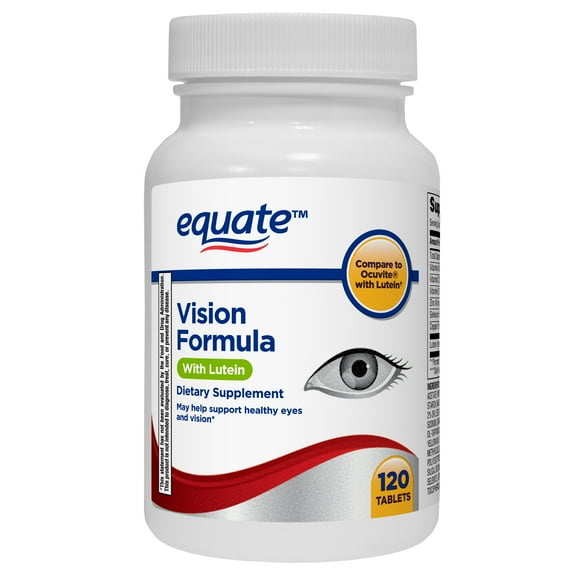
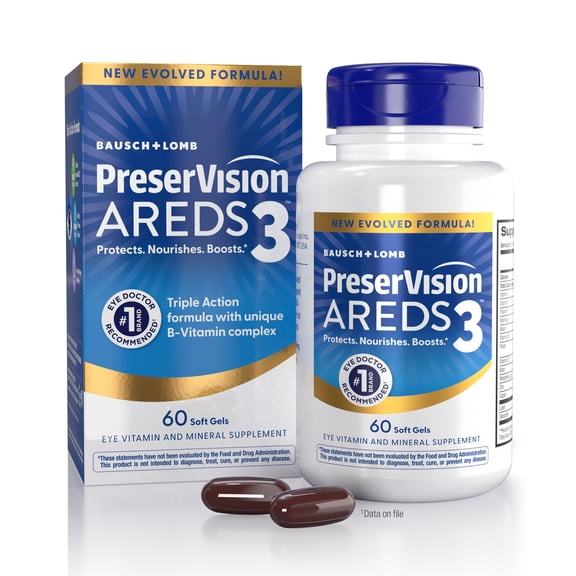
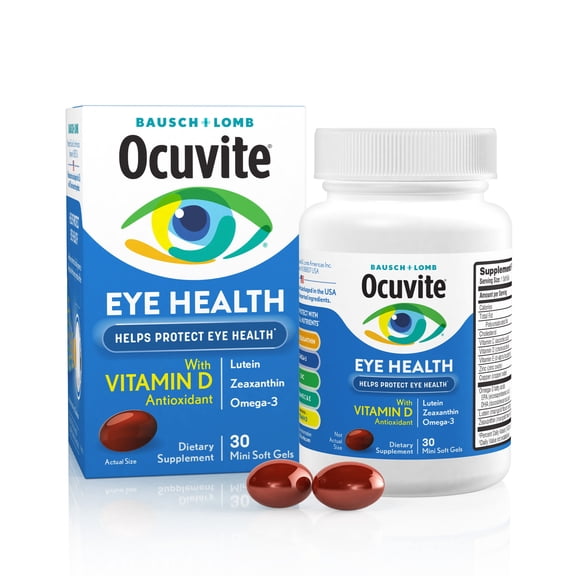
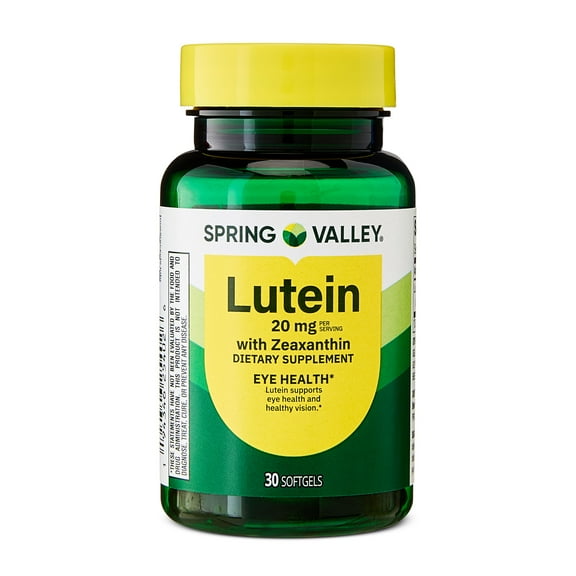
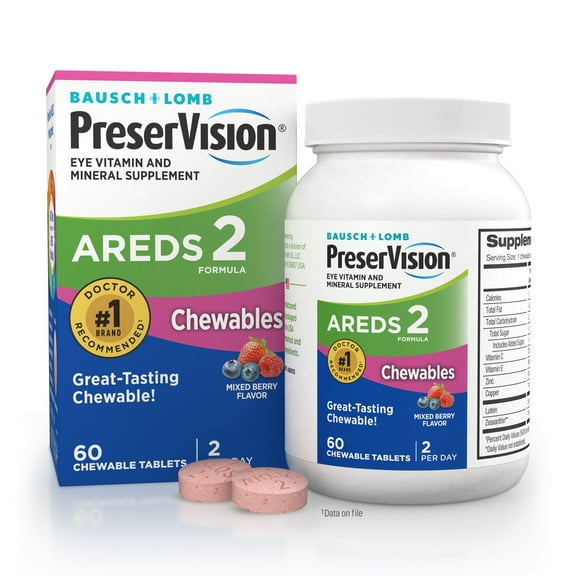
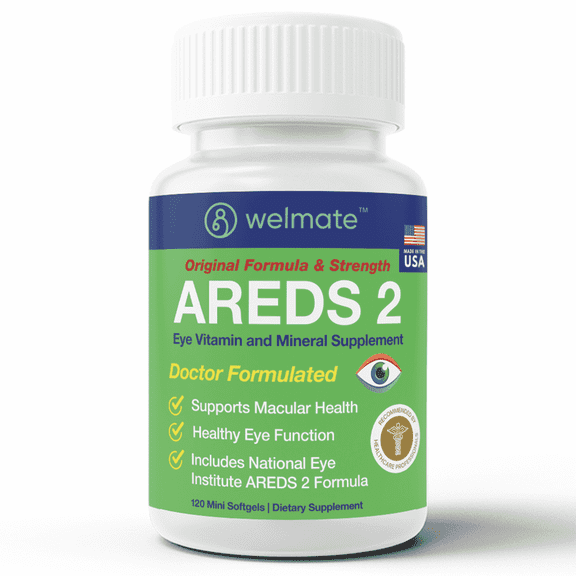
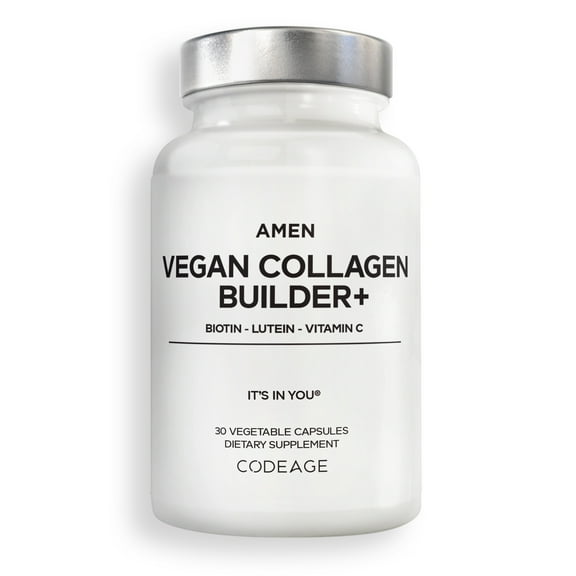
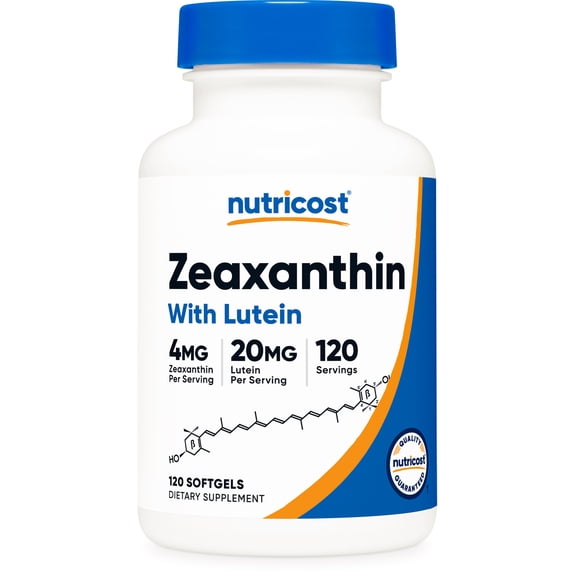
Vitamins for eye sight can help you build a simple routine for screen-heavy days and long drives. At Walmart, you’ll find eye vitamins with lutein and zeaxanthin, plus mineral blends inspired by AREDS2 formulas. Many shoppers compare softgels, gummies, and tablets based on ingredient levels and daily serving size. This page makes it easier to focus on vision-support ingredients without sorting through unrelated wellness supplements.
Benefits of vitamins for eye sight
Eye-focused supplements are often chosen for everyday visual comfort and long-term routine support. If you stare at screens, you may prefer formulas designed for blue-light lifestyle support. If you’re aging into reading glasses, you may want blends that emphasize macular support nutrients.
Many eye health supplements combine antioxidant vitamins with carotenoids that concentrate in eye tissues. That combo is popular for people who want nutrition that complements a balanced diet. Some formulas also add zinc and copper, which are commonly paired in AREDS2-style ingredient sets.
- Support for macular-focused nutrition with lutein and zeaxanthin blends.
- Convenient daily routines with once-daily softgels or easy-to-take gummies.
- Screen-time support options, including formulas marketed for digital eye strain.
- Targeted combinations that pair vitamins with minerals like zinc and copper.
If you’re comparing vision vitamins, check how the serving fits your schedule. A smaller pill or fewer capsules can make consistency easier. Consistent use matters for routine-based nutrition goals.
Features to compare in vision vitamins
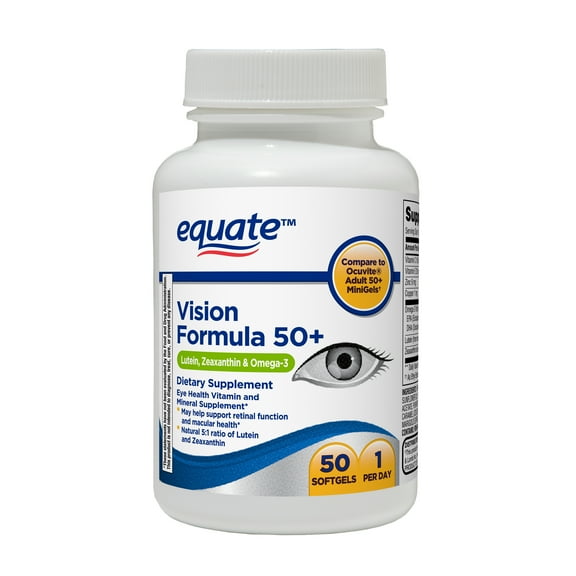
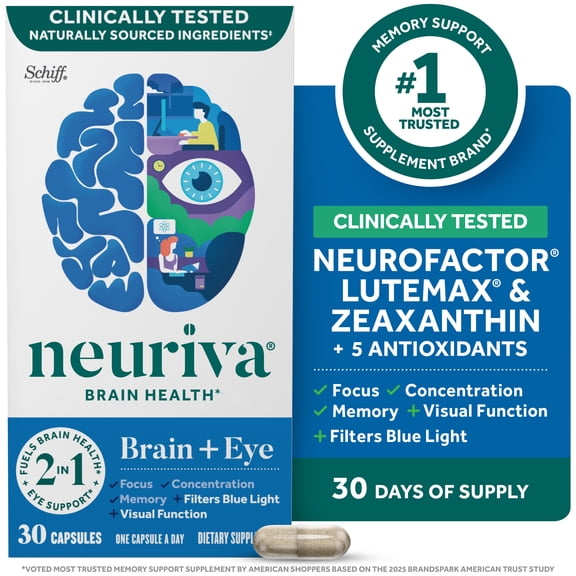
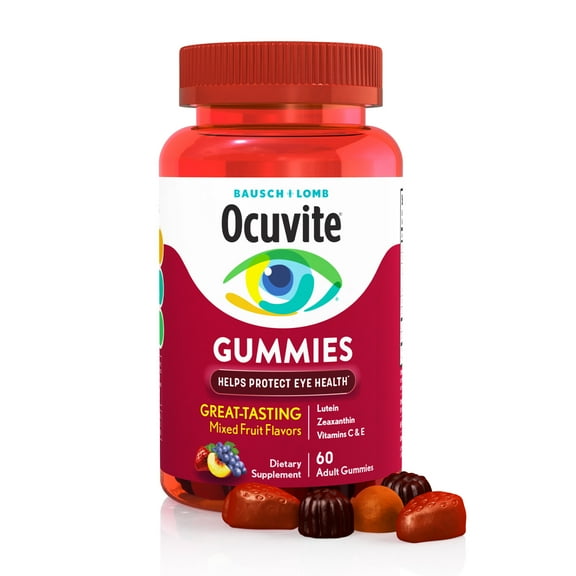
Start with the active ingredients and their amounts per serving. Lutein and zeaxanthin are common in eye vitamin and mineral supplement formulas. You’ll also see vitamins like C and E, plus minerals like zinc.
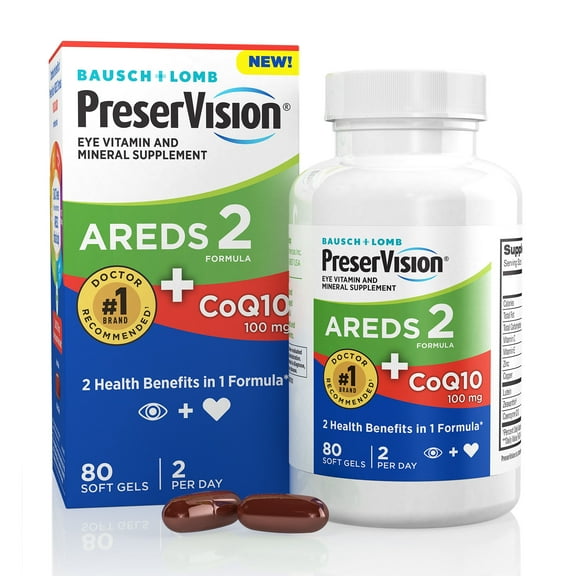
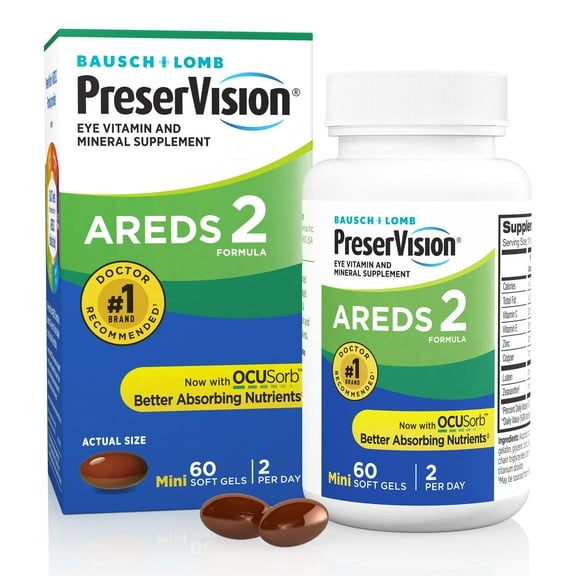
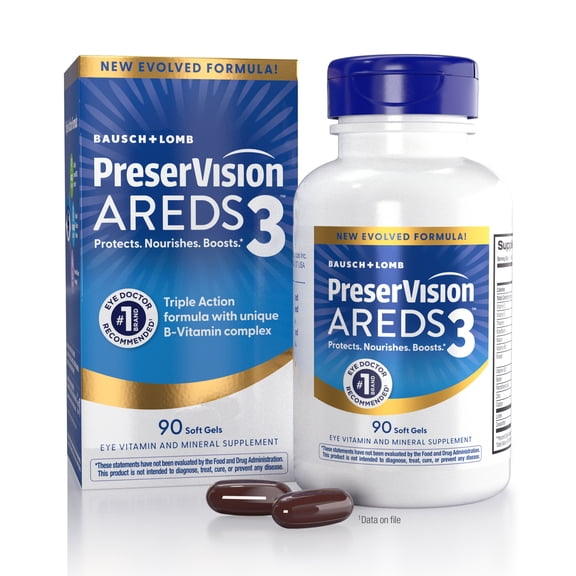
Many shoppers look specifically for AREDS2-style labeling when shopping for eye support. Those blends often include lutein, zeaxanthin, zinc, copper, and antioxidant vitamins. Always compare the Supplement Facts panel to confirm the exact amounts.
Delivery form affects the experience and the daily habit. Softgels can be easier to swallow, and they often pair well with fat-soluble nutrients. Gummies can be easier for routines, but they may include added sweeteners.
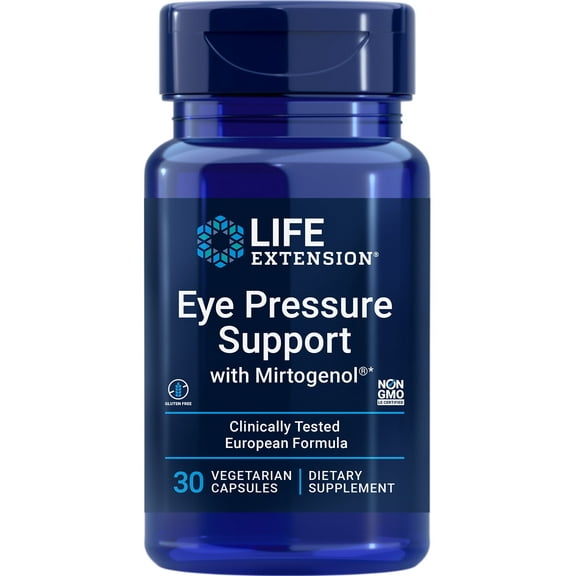
Consider allergen statements and dietary preferences before you choose. Some products are gelatin-based, while others are vegetarian capsules. If you’re sensitive to fishy odors, look for notes about coating or scent control.
Finally, check servings per container and suggested timing. Some eye vitamins are once daily, and others split servings across the day. Splitting doses can help if larger capsules bother your stomach.
Use cases for eye vitamins for blurry vision support routines
Many shoppers search eye vitamins for blurry vision when they notice changing focus during reading. Supplements won’t replace an eye exam, but they can support a nutrition routine. Pair them with updated prescriptions and regular vision checks.
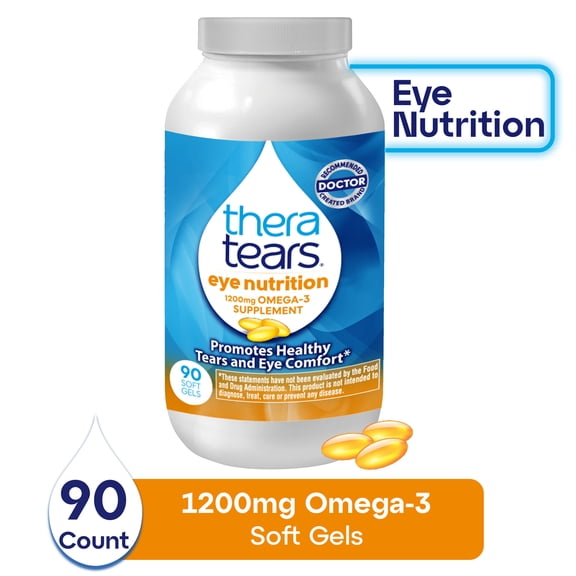
If your day includes long hours on laptops, you might prioritize digital eye strain positioning. Look for products that call out screen-time support and include lutein and zeaxanthin. Some shoppers also add omega options separately for a more complete routine.
For drivers, especially at night, consistent eye nutrition is often part of overall wellness planning. You may prefer easy-to-remember once-daily formats for busy schedules. Keeping bottles in a kitchen cabinet can help you stay consistent.
Adults building an age-focused regimen often compare multivitamins versus targeted eye health supplements. Eye-specific blends can add higher levels of certain carotenoids than general multis. If you already take a multivitamin, compare overlapping nutrients to avoid doubling up.
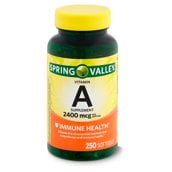
Some shoppers want a routine that supports contacts or dry-feeling eyes. In those cases, check whether the formula includes supportive nutrients, like vitamin A, when appropriate. Hydration habits and screen breaks can still matter just as much.
Conclusion
Choosing vitamins for eye sight is easier when you compare ingredient amounts, serving size, and AREDS2-style blends. With clear labels and multiple formats, you can build a steady routine that supports daily visual comfort.